
Quick Summary
Nine everyday food categories are facing real supply and price pressure in 2026. See what's behind the shortages – and how to make sure your pantry is ready for all of them.
Table of Contents
- Why Are So Many Foods Facing Price and Supply Pressure?
- Are Eggs a Reliable Staple in 2026?
- Why Is Beef So Expensive Right Now?
- Is the U.S. Rice Supply Under Pressure?
- What's Happening to Your Morning Coffee?
- Why Is Fresh Produce Getting More Expensive?
- Are Dairy Products Affected By Supply Shortages?
- What About Grains and Baking Staples?
- Is Your Peanut Butter Safe to Eat?
- What Other Pantry Staples Are at Risk?
- What's the Smartest Way to Sidestep The Shortages?
Why Are So Many Foods Getting Harder to Find?
The grocery store still looks full… But the prices on the shelf tell a different story.
Over the past few years, a combination of drought, disease, aging infrastructure, and global supply chain fragility has put huge pressure on some of the most common items in the American pantry.
These aren't fringe foods – they're the proteins, grains, and ingredients families rely on every single week.
And they’re getting more expensive.
Let’s zoom in and see what’s actually happening, category by category – as well as how to stay ready for it.
Are Eggs a Reliable Staple in 2026?
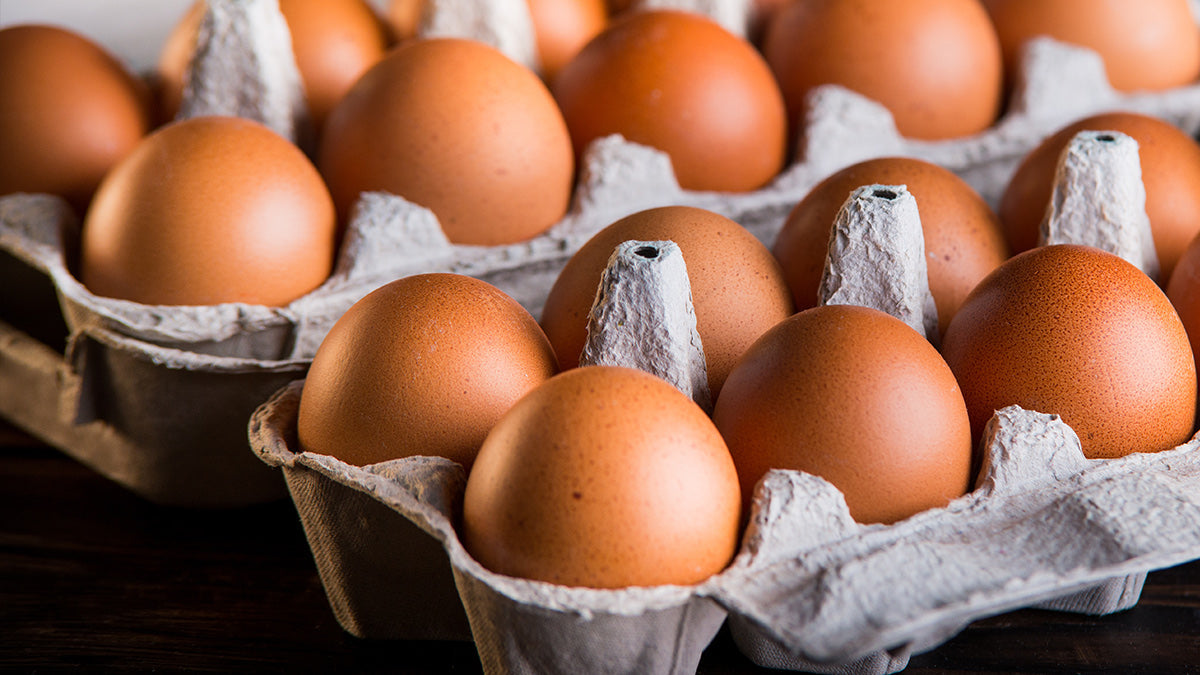
Since 2022, bird flu has led to the loss of nearly 185 million birds across the U.S. The virus remains active in 2026, with new outbreaks already confirmed in multiple states.
Experts consistently note that egg markets are uniquely sensitive to disease flare-ups, and that supply can tighten quickly when an outbreak hits – regardless of where prices happen to be at the time.
In other words, the egg supply has become one of the least predictable categories in the grocery store.
Whole Egg Powder and Scrambled Egg Mix, both available in large #10 cans, store for up to 10 years and rehydrate easily for baking, scrambles, and omelets — giving you a reliable supply that doesn't depend on what's happening with commercial flocks this season.
Why Is Beef So Expensive Right Now?

The U.S. cattle herd is at its smallest size since 1951.
Years of drought drove up feed costs, pushing ranchers to reduce their herds rather than sustain them. Rebuilding takes 18 to 30 months minimum, which means this supply crunch isn't resolving anytime soon. Beef prices hit record highs in 2025 and are expected to stay elevated well into 2026.
Freeze-dried beef locks in quality and cost before prices climb further. Freeze-Dried Beef Dices and Freeze-Dried Beef Crumbles in large #10 cans store for up to 30 years, rehydrate in minutes, and work in any recipe that calls for cooked beef – stews, tacos, pasta, soups.
At the current trajectory of beef prices, stocking these now is one of the most practical things a family can do.
Is the U.S. Rice Supply Under Pressure?
Domestically, U.S. rice production faces ongoing strain from drought conditions in California and Arkansas – two of the country's primary rice-producing regions. Internationally, prices hit 15-year highs in mid-2024 after El Niño reduced harvests across Asia and India imposed export restrictions, tightening global supply significantly.
Rice is a foundational staple. A six-pack of White Rice #10 Cans lasts up to 30 years in your pantry. It's the kind of item you can stock once and not think about for a very long time – while knowing it's there.
What's Happening to Your Morning Coffee?
Coffee prices have climbed steadily due to climate-related crop stress in Brazil and Vietnam, the world's two largest producers. Erratic rainfall and temperature swings have reduced yields, while rising shipping costs have pushed prices higher at the retail level.
For coffee drinkers, this one hits close to home. Franklin's Finest Survival Coffee is freeze-dried to preserve freshness and rich flavor – a practical way to maintain your supply at today's prices regardless of what the commodity market does. Pair it with Ready Hour Coffee Creamer for an extra splash of yum!
Why Is Fresh Produce Getting More Expensive?

The West Coast – responsible for a significant share of the country's fruits, vegetables, and nuts – has experienced recurring drought conditions.
That means reduced yields and higher prices. (Especially in winter months.)
Freeze-dried produce retains the nutritional profile of fresh food because the freeze-drying process removes moisture without extreme temperatures. Freeze-Dried Strawberries, Blueberries, Green Beans, Broccoli, and Cinnamon Apple Slices are all available in large #10 cans with up to 25-year shelf lives.
You open what you need, seal the rest, and waste nothing – unlike fresh produce that spoils before the week is out.
Are Dairy Products Affected By Supply Shortages?
Yes. Rising feed costs and supply chain disruptions have put upward pressure on milk, butter, and cheese prices. The same drought conditions affecting the cattle and grain sectors filter directly into dairy production costs.
Fortified Instant Nonfat Dry Milk stores up to 25 years and provides a reliable source of calcium and vitamins A and D – useful both for everyday cooking and as a backup when fresh dairy becomes expensive or unavailable.
What About Grains and Baking Staples?
The USDA's 2026 outlook puts grains in a nuanced spot:
Global production is high, but reserves are being drawn down faster than they're being replenished.
Climate disruptions are also making harvests less predictable year over year – and any significant shortfall hits grain prices hard and fast.
At the kitchen level, this means flour, oats, and baking mixes are worth having in depth. Honey Wheat Bread Mix, Buttermilk Pancake Mix, and Breakfast Muffins Mix let you bake familiar foods from scratch using long-term stored ingredients.
Is Your Peanut Butter Safe to Eat?
This one happened WHILE we were bringing this article to you.
On February 12, 2026, the FDA classified a recall covering more than 20,000 peanut butter products across 40 states.
The cause: pieces of blue plastic found in a production filter at the manufacturer's facility. Affected products moved through major distributors including Sysco, US Foods, and Gordon Food Service — meaning they reached a lot of households.
It's a good reminder that supply disruptions don't only come from drought or price spikes. Sometimes a single production failure is enough to pull a staple off shelves with no warning.
Having a backup supply of Peanut Butter Powder – shelf-stable, sealed, and sitting in your pantry – means that kind of news doesn't affect your household.
What Other Pantry Staples Are at Risk?

Beyond specific foods, the underlying structure of the U.S. food supply chain carries real vulnerability.
Most grocery stores hold only 72 hours of inventory. Deliveries run on just-in-time logistics – meaning a trucking delay, a port backup, or a weather event can empty shelves quickly, even when the broader supply is fine.
Canned goods, proteins, and everyday cooking ingredients are all subject to these distribution gaps.
A well-rounded supply of shelf-stable staples – across multiple food categories – is simply a sensible hedge against a system that was never designed for disruption. The Vegetable Beef Soup & Stew Kit is the simplest way to build that foundation efficiently, with multiple ingredients bundled in one smart purchase.
What's the Smartest Way to Sidestep The Shortages?
You don't need to address all nine categories at once.
Start with the foods your family already eats regularly – eggs, beef, coffee, grains – and find the #10 can equivalent. Add one or two cans to your monthly routine. Over a few months, you'll have meaningful coverage without any single large expense.
The real value isn't emergency readiness alone. It's stability.
When beef hits another record, you already have it on the shelf. When egg supply tightens with the next bird flu wave, you're not scrambling at the store. When coffee climbs again, you're pouring from a can that's been waiting patiently in the pantry.
That's what planners do – and once your shelves are stocked, you'll wonder why you waited.
10 comments
Nancy
All the freeze dried fruits are so amazing we love them on and in all our meals
Steve Naidamast
I already have a growing supply of the items this article mentions, including both rice and eggs. Since I don’t eat meat, I don’t have to bother worrying about the time when the cows decided its time to take matters into their own hands.
The item I would like to try is the Franklin coffee. However, I tend to drink Kava since it is has reduced acid and doesn’t bother my stomach. I have no problems with home brewed coffees (so far). But get me a Panera coffee and just a sip puts my stomach into a tailspin.
Courtney DeWinter
GREAT ARTICLE Emergency Essentials. Please keep providing us with these insights. PS I would also love to see recipes, as I’m not very experienced in cooking and baking with freeze-dried ingredients. Thanks!
Abigail
The amount of recalls for the food we ingest most commonly is insane. I am so glad to have Emergency Essentials here to help me prepare!
Anna
As a mother of two, food security is a top priority, not just a hobby. I’m focusing on long-term essentials like meats and eggs from brands like Emergency Essentials and Ready Hour. This is more than just stocking shelves; it’s a vital investment in my children’s future and our family’s peace of mind. Good read and very informative.
Patti
I am going to start with egg powder. I have heard great things about it and I feel as though it could be a great substitute for when I run out of eggs or they get too expensive!
Thank you for all the great advice!!!
MWT
Excellent information! Thanks for explaining so clearly what is going on in our country and the need to Be Prepared!
Justin
Great information!! Thank you for sharing.
Nikki
Rapid fire reasons on why we need to stock our pantries. As the supply chain has wrestled with instability, these are just common sense.
MJ
Eggs, beef, dairy, coffee…etc…etc. Every week it’s something different.
It seems like the supply is unstable as often as it as not, anymore.