

Quick Summary:
The first 24 hours of a power outage feel manageable, but days 2-3 bring challenges most families haven't planned for. Understanding what goes wrong during the 48-72 hour window helps you prepare for what matters most.
Table of Contents
- Why Are Multi-Day Outages More Common Now?
- What Makes Days 2-3 Harder Than Day 1?
- Which Problems Start Appearing After 48 Hours?
- How Do You Prepare for 72 Hours Without Power?
- The Reality of Multi-Day Winter Outages
Why Are Multi-Day Outages More Common Now?
If you're watching Winter Storm Fern move across the country and worrying about losing power…
Here's what you should know:
Extreme cold creates a double threat: heating demand pushes the grid to its limits while freezing temperatures make equipment fail. That's why modern winter storms cause longer outages than they used to.
Over 900,000 people across the country lost power last week—and government officials are urging people to stay indoors.
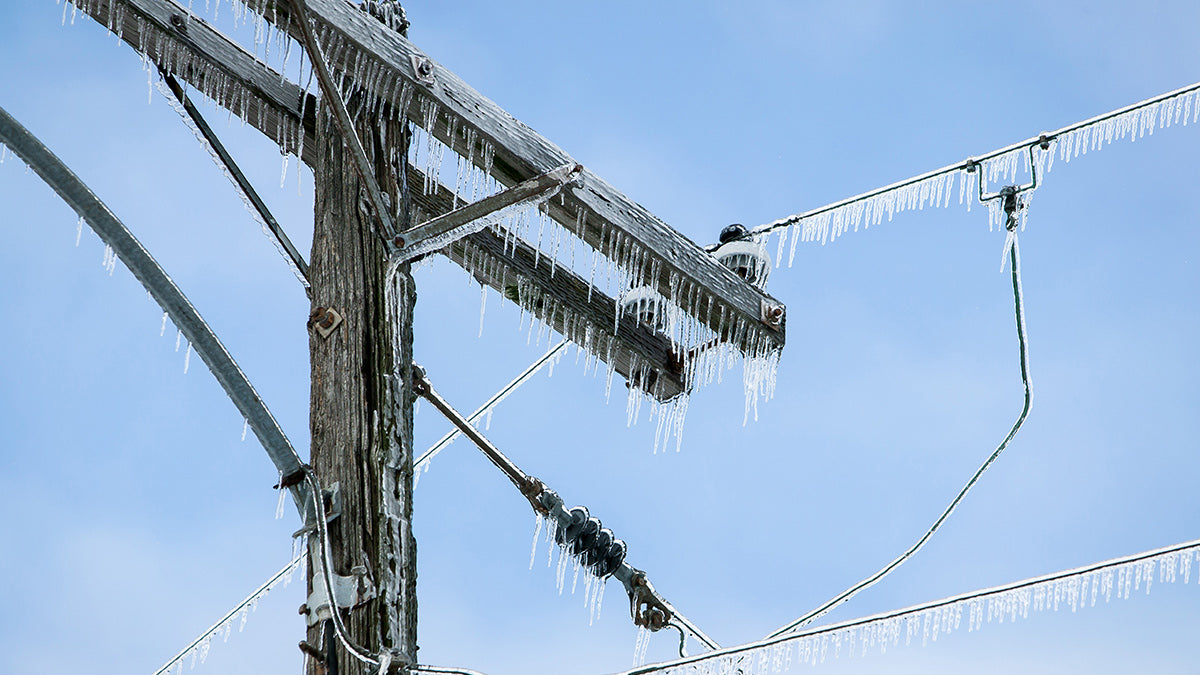
When ice accumulates like forecasters are predicting, it doesn't just knock power lines down—it keeps utility crews from fixing them for days because the roads are too dangerous.
This is a serious situation. And it’s not to be taken lightly.
Remember the Texas winter storm in 2021? Most people thought they'd be without power for a few hours. Instead, the average household spent 42 hours in the dark.
Some families lost power for up to five days.
The pattern keeps repeating. Ice brings down power lines. Extreme cold pushes the grid past what it was designed to handle. And once everything's down, getting it back up takes time—especially when crews can't safely get to the damaged areas.
And it goes to show, power outages CAN last long—and it’s something we have to prepare for… Especially today.
What Makes Days 2-3 Harder Than Day 1?

The first night without power almost feels manageable.
You light some candles, gather everyone in one room, maybe tell stories…
Then you wake up on day two.
Your phone battery is at 15%...
The house feels noticeably colder. The kids are already asking what there is to do. You're realizing the "this will be over soon" assumption might not hold…
And by hour 50, that initial sense of adventure has worn off. The constant cold wears on you. You didn't sleep well because the house got too cold overnight. And every decision requires mental energy you're running low on.
That’s the 48-72 hour window, and it's where having the right preparation makes the biggest difference.
During the 2021 Texas storm, the real challenges showed up after people had been cold for a couple days. That's when families who weren't fully prepared found themselves making risky decisions about staying warm—running generators too close to the house, using outdoor grills indoors, or keeping cars running in garages.
You can manage almost anything for one day. But three days require preparation.
Preparation that’s focused on maintaining comfort and safety when you're tired.
Which Problems Start Appearing After 48 Hours of a Power Outage?
Lighting Becomes Critical
Flashlight batteries die. Candles burn out faster than expected. By the second night, you're rationing whatever light sources remain.
By night two, you're probably wishing you'd grabbed one of those 100-Hour Candles—because regular candles run out faster than you'd think. When you're facing your third night in darkness, having reliable light makes a psychological difference you wouldn't expect.
Hygiene Gets Complicated
Skipping a shower for one day isn't a big deal. But by day three, basic hygiene affects both morale and health.
Cold water makes washing dishes nearly impossible. If water pressure fails—which happens often during storms—bathroom situations get uncomfortable quickly.
A simple collapsible water container (like the Alexapure 5-gallon ones) means you’ll always have some water to use.
Food Preparation Gets Difficult

Your stove won't work. Your microwave is useless. By day three, even simple meal preparation feels overwhelming.
Cold leftovers get old quick. Having a can or two of Freeze-Dried Beef or Chicken means you can actually make a hot meal—just add hot water, and you’re done.
Pair that with Canned Heat for cooking fuel, and you've got a system that works regardless of what's happening with your power grid.
Boredom Becomes Its Own Problem
Morale matters in emergencies—A LOT.
Having activities that don't need power—books, board games, even Preparedness Playing Cards—helps maintain sanity when everything around you seems abnormal.
When Exhaustion Affects Judgment
Hours 48-72 represent the most challenging period. Not because conditions are at their worst, but because exhaustion affects judgment.
During the 2021 Texas storm, multiple deaths came from carbon monoxide poisoning—people running generators too close to homes, using outdoor grills indoors. These weren't day-one mistakes. They happened when people had been cold and tired for days.
Day one, you're careful about safety. Day three, you're exhausted enough to think "just for a few minutes won't hurt."
Prevention means not having to make difficult decisions like this.
This is why The Grid Doctor 300 Solar Generator is so handy. When you have real power, you don't face those tired "making do" decisions.
Solar eliminates fuel anxiety. You sleep better knowing you’ve always got consistent power that works whether it's day one or day four.
How Do You Prepare for 72 Hours Without Power?

1. Test Everything Before You Need It
- Try a 72-hour practice run at home.
- Cook one of your freeze-dried meals using your emergency setup.
- Filter water with your Alexapure Pro.
- Run your lighting for an evening.
These tests reveal problems while you can still fix them.
2. Focus on Multi-Day Supplies
Don't just stock flashlights—have long-burn options like 100-Hour Candles. For food, having #10 Cans means you're eating actual meals, not just survival rations. For water, the Alexapure Pro handles any water source during extended outages.
3. Build Reliable Backup Power
Traditional generators create problems on day three: fuel runs out, gas stations are closed, and exhaustion makes you less careful about placement.
Solar eliminates these failure points. The Grid Doctor 300 charges even on cloudy days, works quietly so you're not fighting generator noise while trying to sleep, and doesn't create carbon monoxide risks.
4. Create Your Day 3 Checklist
Answer these questions now, while you're thinking clearly:
- What runs out by hour 60 in your current setup?
- What frustrates your family most during extended confinement?
- What safety shortcuts become tempting when you're tired?
Those answers tell you exactly what needs reinforcement.
The Reality of Multi-Day Winter Outages
As Winter Storm Fern continues across the country, hundreds of thousands of families are discovering whether their preparation holds up past day one.
The families handling this storm best aren't the ones who hoped for the best. They're the ones who prepared for the 48-72 hour reality—with lighting that lasts, food that doesn't require complex preparation, water filtration that works, and power that stays consistent.
When the next winter storm arrives in your area, your family won't be improvising on day three.
You'll have exactly what you need to manage not just the immediate crisis, but the exhausting stamina test that follows.