

Quick Summary
Some fresh ingredients cost more than their price tags suggest. Between spoilage, extra trips, and buying small quantities at premium prices, certain staples are quietly draining your budget. Here's what to stop buying fresh.
Table of Contents
- The Hidden Cost of “Fresh”
- Which Fresh Foods Are Costing You the Most?
- How Do Freeze-Dried Ingredients Work?
- How Do You Incorporate Freeze-Dried Ingredients into Your Cooking?
The Hidden Cost of “Fresh”
Americans waste about 30-40% of their food supply, according to the USDA. Fresh produce spoils fast, and that spoilage is money walking straight into your garbage can.
Beyond the price tag, fresh produce comes with hidden costs:
Multiple grocery trips per week just to keep ingredients from spoiling. That's time, gas, and the mental load of planning around perishables.
Buying smaller quantities at higher per-unit prices because you can't use bulk amounts fast enough. That "family size" container of mushrooms? It'll go slimy before you finish it.
Missing ingredients mid-recipe because that bell pepper went soft or the onion sprouted before you needed it. Now you're either improvising or making another store run.
Premium prices in winter when berries cost triple what they do in summer, and even basic vegetables fluctuate wildly based on weather and shipping issues.
Freeze-dried staples solve all of these problems without asking you to change how you cook. You use exactly what you need, when you need it, and the rest stays fresh in your pantry for years.
Which Fresh Foods Are Costing You the Most?

Let's get specific about ingredients that rarely make it to the finish line in most kitchens.
Berries
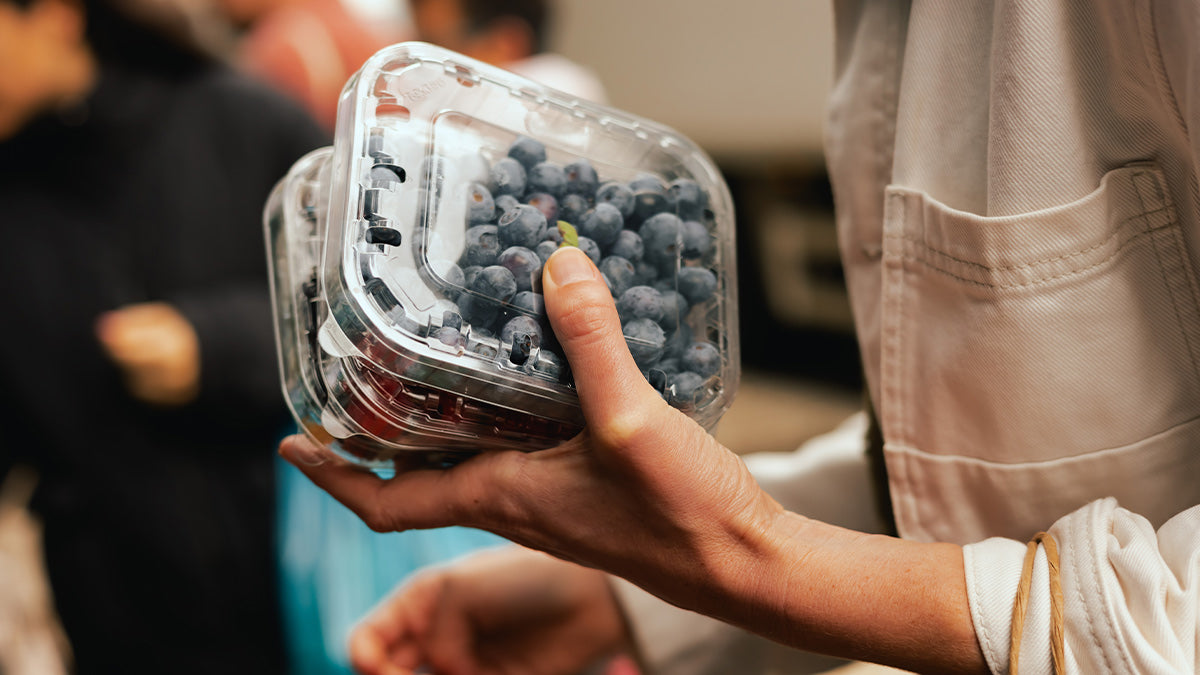
Fresh strawberries last maybe five days before they start breaking down. Blueberries give you a week if you're lucky. By the time you're ready to make that smoothie or add them to yogurt, they're already past their prime.
A #10 can of Freeze-Dried Strawberry Slices or Whole Blueberries sits in your pantry for up to 25 years, ready whenever you want them. Add them to oatmeal, baking, or eat them straight from the can as a crunchy snack.
Winter berries at the grocery store cost a small fortune. Freeze-dried versions give you year-round access at consistent prices, and you use exactly what you need without watching the rest turn moldy three days later.
Onions and Cooking Vegetables
How many times have you reached for an onion only to find it's sprouted or gone soft? Freeze-Dried Chopped Onions rehydrate in minutes and work in everything from soups to stir-fries to omelets. No tears, no waste, no checking the pantry to see if they're still good.
The same logic applies to cooking vegetables that always seem to spoil right when you need them. Mixed Vegetables for Stew gives you carrots, onions, potatoes, and celery in one container—the backbone of dozens of recipes, always ready. No more buying individual fresh vegetables that wilt in the crisper before you use them.
Broccoli and Green Beans
Fresh broccoli and green beans often sit in the crisper with good intentions until they turn rubbery or develop that telltale smell. You bought them to be healthy, but they became another item for the compost bin.
Freeze-Dried Broccoli and Freeze-Dried Green Beans rehydrate quickly and retain their nutrients and garden-fresh taste. Use them in casseroles, stir-fries, or as simple steamed sides.
Proteins
Ground beef and chicken are staples in most kitchens, but they spoil quickly and require constant freezer management. You're either thawing in advance (and hoping your plans don't change) or panic-thawing under cold water at 6 PM.
Freeze-Dried Beef Crumbles and Freeze-Dried Beef Dices are already cooked and shelf-stable for 30 years. Use what you need for tacos, chili, or stew, then put the rest back in the pantry.
Sweet Potatoes
Sweet potatoes seem sturdy, but they sprout or develop soft spots faster than you'd think. Fresh ones also take 40+ minutes in the oven just to get them tender.
Freeze-Dried Sweet Potato Dices rehydrate in minutes and work in soups, casseroles, or as a quick side dish. High in vitamin A, easy to store, and super easy to cook.
How Do Freeze-Dried Ingredients Work?
Freeze-drying removes moisture while preserving nutrients, flavor, and texture. When you add water back, the food rehydrates to something remarkably close to its fresh state.
This isn't like canned vegetables that taste metallic. Freeze-dried produce retains most of its color, vitamins, and the texture you'd expect from fresh ingredients.
 Rehydration is simple:
- Most freeze-dried vegetables rehydrate in 5-10 minutes with hot water
- Fruits rehydrate even faster, or you can eat them dry as crunchy snacks
- Proteins like beef rehydrate in about 10-15 minutes and come out tender and flavorful
You're not learning a new way to cook. You're just swapping a fresh ingredient that spoils quickly for one that doesn't.
Use freeze-dried onions the same way you'd use fresh chopped onions. Add freeze-dried berries to pancake batter just like you would fresh. Toss freeze-dried beef into spaghetti sauce like you normally would with browned ground beef.
The process stays the same. The results stay consistent. The waste disappears.
How Do You Incorporate Freeze-Dried Ingredients into Your Cooking?
You don't need to replace everything in your fridge tomorrow. Start with one or two ingredients that you waste more often than you’d like to.
If you throw away berries every week, grab a can of freeze-dried berries and stop buying fresh until summer when prices drop and quality improves.
If you're always running out of onions mid-recipe (or finding them sprouted when you need them), keep chopped onions in the pantry so you're never stuck improvising.
Think of freeze-dried staples as backup ingredients that eventually become your go-to. Over time, you'll notice you're taking fewer emergency grocery runs, tossing less food, and cooking with less stress.
You'll also find yourself cooking more freely. When you know your ingredients won't spoil, you stop feeling pressured to use them immediately. Dinner becomes less about racing against expiration dates and more about what actually sounds good.
Some people keep both fresh and freeze-dried versions on hand. Fresh for when it's in season, local, and affordable. #10 cans for convenience and consistency the rest of the year.
That approach gives you flexibility: fresh when it makes sense, shelf-stable when it doesn't.
Commonly Asked Questions
Do freeze-dried foods taste as good as fresh?
In cooked dishes, most people can't tell the difference. Once rehydrated, vegetables and proteins taste remarkably similar to their fresh counterparts. Freeze-dried berries eaten dry have a concentrated, sweet flavor and crunchy texture that kids love as snacks.
How long do freeze-dried foods last?
When stored in sealed #10 cans, freeze-dried foods last up to 25-30 years. Once opened, they stay good for about a year in a cool, dry place with the lid sealed between uses.
Are freeze-dried ingredients safe?
Yes. Freeze-drying is simply a preservation method that removes moisture while keeping the food's nutritional value intact. There are no chemicals involved—just cold temperatures and low pressure.
Comments
I keep all of these on hand. I love that if I need to put something together quickly, I don’t need to get out the cutting board…I just grab my dried veggies. The tomato powder is great for a quick sauce if you’re out of canned tomatoes.
I use these dried foods all the time in my cooking. I love not having to chop an onion or carrot every time I want to make dinner.
Freeze dried is great!! With fresh I love but fresh will go bad faster. Freeze dried helps keep the nutrition and it will last longer. Great post as always still learning new things.
Wish you could/would do a #10 can of mixed bell peppers. Equal amounts of each. Also, perhaps smaller size, Porcini mushrooms and various spices.
Spices make the difference in tasting like your home cooking.
Whole milk is so much better in taste by far over low fat milk.
Very informative. It just makes sense to incorporate freeze dried products into your pantry items for emergencies and everyday use.
Fantastic ideas! I’ll be sure to use these in my meal preps!