
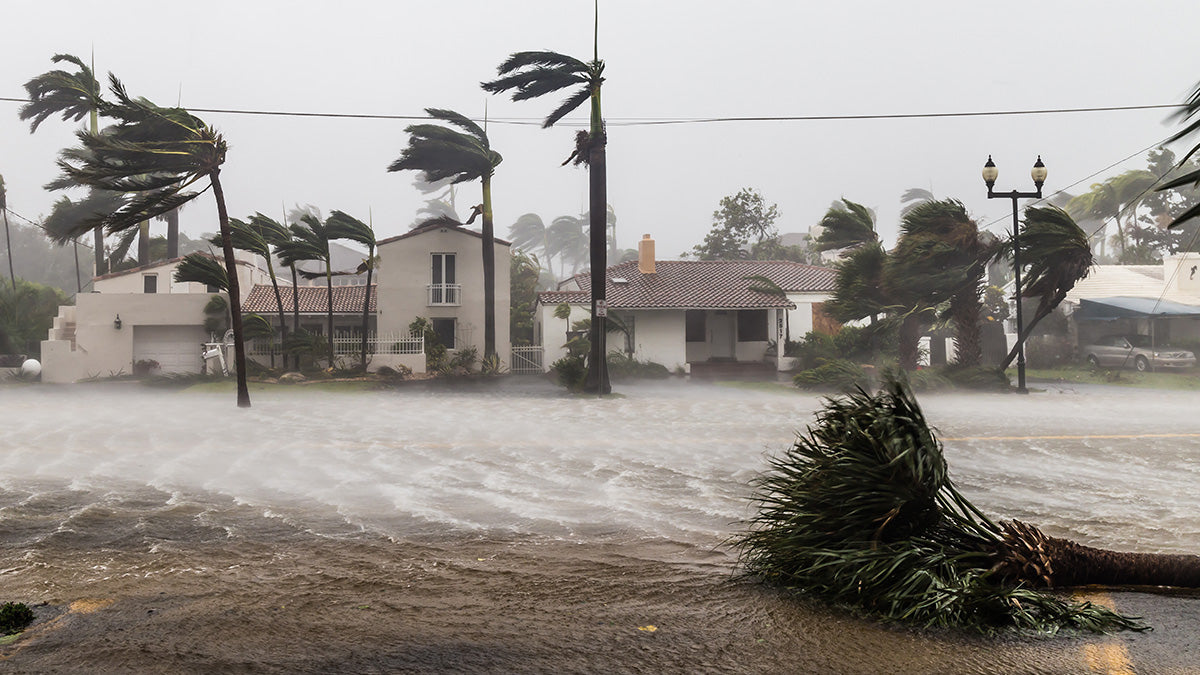
The 2026 Super El Niño: Are You Ready?
Weather experts around the world are sounding the alarm about a possible “Super El Niño” developing in 2026. If you’ve experienced “normal” El Niño summers, you know they’re usually nothing earth shattering. A little warmer than usual, maybe a bit more or less rain depending on what part of the country you’re in.
But a Super El Niño is much stronger. And the impacts could reach far beyond hotter temperatures or stronger storms. Experts warn this event could contribute to widespread flooding in some regions, severe drought in others, supply chain disruptions, rising food prices, and increased strain on already fragile power grids.
What Is a “Super El Niño”?
Scientists are especially concerned about 2026 because ocean temperatures are already running unusually warm, and nearly every major forecasting model is pointing toward a significant event developing. Some researchers have even compared the current setup to historic El Niño events like 1997–98, or the devastating 1877 event linked to global crop failures and famine.
While the exact impacts are impossible to predict, one thing is certain: when weather patterns shift on a global scale, everyday life can be affected in ways many families never expect.
What Could a Super El Niño Mean for Americans?

For most families, the real concern isn’t the climate science — it’s how a major weather event could affect everyday life. And according to forecasters, the impacts of a Super El Niño could be widespread.
Some regions of the U.S. may experience heavier rainfall, flooding, and stronger storm systems, while others could face drought conditions, water shortages, and elevated wildfire risk. Hotter temperatures can also place additional strain on the electrical grid, increasing the likelihood of blackouts during peak demand periods.
There are also economic effects to consider. Severe weather can damage crops, disrupt transportation routes, and slow global shipping – all of which can contribute to rising grocery prices and temporary shortages.
Why Preparedness Matters More Than Prediction
The truth is, nobody knows exactly how severe the 2026 Super El Niño will become. Forecasts can estimate probabilities and trends, but weather systems are unpredictable by nature. That’s why preparedness isn’t really about trying to predict the future perfectly — it’s about reducing stress and increasing resilience no matter what happens.
Even relatively short disruptions can create major headaches for families. A multi-day power outage can spoil food, interrupt communication, and leave homes without heating or cooling.
Flooded roads can delay deliveries and empty store shelves faster than many people realize. And when emergencies affect large areas at once, outside help may not arrive as quickly as expected.
Preparedness helps bridge those gaps. Having backup food, clean water, emergency power, and basic supplies on hand gives families more flexibility and peace of mind during uncertain situations. You don’t prepare because disaster is guaranteed — you prepare because disruption is always possible.
Smart Ways to Prepare Before Severe Weather Hits

The good news is that preparedness doesn’t have to be complicated or extreme. In fact, some of the most important steps are also the simplest. The goal is to make sure your family can stay safe, fed, hydrated, and comfortable if severe weather disrupts normal life for a few days – or longer.
One of the best places to start is with emergency food storage. Long shelf-life foods can help protect your household against both temporary shortages and rising grocery costs. A basic emergency food supply gives you the flexibility to avoid panic buying during storms or outages, while also providing peace of mind that your family has meals available if stores close or deliveries are delayed.
Backup power is another important consideration. Strong storms, heat waves, and grid strain can all lead to power outages – sometimes lasting far longer than expected. Portable solar generators and power banks can help keep phones charged, run medical devices, power lights, and preserve food during blackouts. Solar charging options can also provide additional resilience when fuel supplies become difficult to access.
Water preparedness matters too, especially when flooding or infrastructure damage affects local water systems. Storing emergency water and having a reliable filtration method on hand can help families maintain access to safe drinking water during uncertain conditions.
Preparedness Doesn’t Have to Be Extreme

When headlines start warning about major storms, supply chain disruptions, or power grid stress, it’s easy to feel overwhelmed. But preparedness isn’t about fear – and it doesn’t require a bunker, a massive budget, or a complete lifestyle change.
In most cases, being better prepared simply means taking a few practical steps ahead of time. A backup food supply, clean drinking water, emergency lighting, or a reliable source of backup power can go a long way toward making difficult situations far less stressful for your family.
The important thing is to start somewhere. Build gradually. Focus on the basics first. Over time, even small preparations can add up to meaningful peace of mind.
