
Quick Summary:
There's a pattern to how people prepare when world events feel uncertain. And that pattern includes predictable mistakes that turn good intentions into wasted money and false confidence. Once you see these traps, you can avoid them entirely.
Table of Contents:
- Why Do Headlines Trigger Bad Preparedness Decisions?
- What Happens When You Stock Unfamiliar Foods?
- Why Are Water and Heat More Important Than Food?
- Should You Prepare for One Disaster or Multiple Scenarios?
- When Is the Right Time to Start Preparing?
- How Do You Build Preparedness the Smart Way?
Why Do Headlines Trigger Bad Preparedness Decisions?
The world genuinely feels less stable than it did even a year ago.
Geopolitical tensions are escalating...
Supply chains are currently facing disruption...
Groceries are getting more expensive…
And we all get a weird knot in our stomach when we read the news lately.
When anxiety spikes like this, our natural response is to DO something—anything—to feel more in control. Stock up. Buy supplies. Take action.
But here's the problem: fear makes us terrible planners.
There's actual psychology behind why this happens. When anxiety rises, our focus narrows. We fixate on dramatic scenarios instead of practical needs. We buy items that feel like preparedness without thinking through how they'd actually work in our lives.
You might grab whatever's available at the store without considering if it fits your family's needs. Or purchase elaborate gear you've never tested. Or focus on one aspect of preparedness while completely neglecting others.
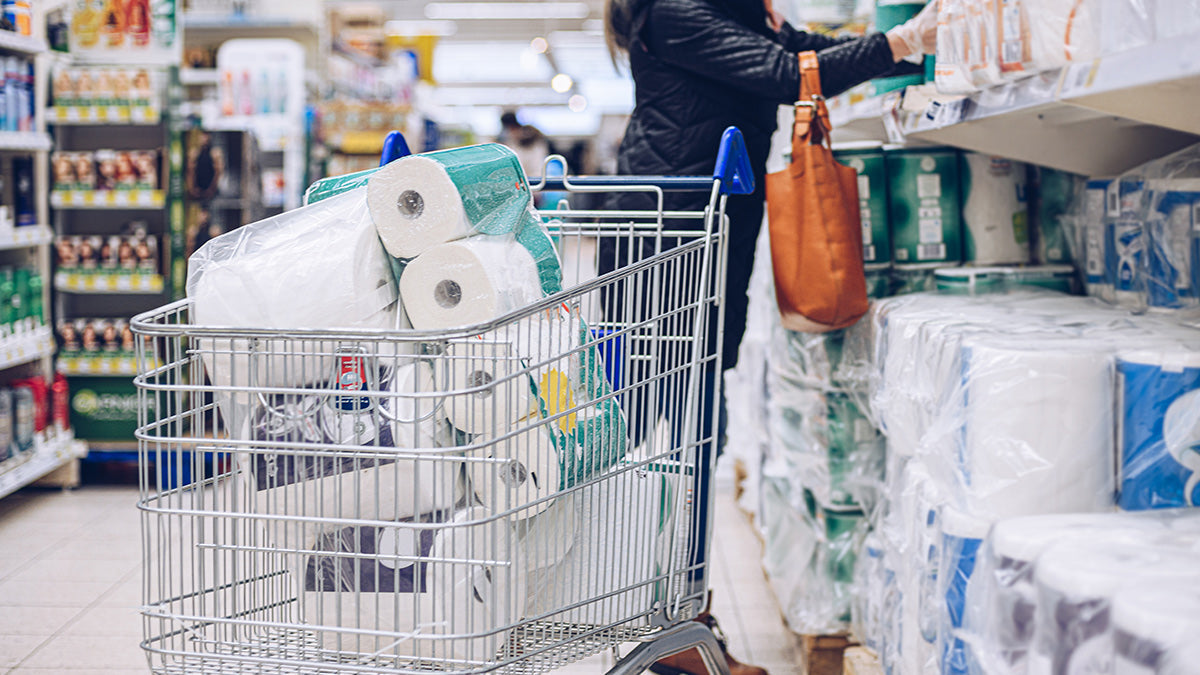
(It’s the same reason everyone hunted for toilet paper 6 years ago!)
These mistakes are easy to make – and they happen all the time. And some of them are more dangerous than the rest!
But once you recognize these patterns, you can override them.
Let's look at the four biggest mistakes – and what to do instead.
What Happens When You Stock Unfamiliar Foods?
The first mistake is filling your pantry with foods your family has never tried—or worse, foods they've tasted and don't enjoy.
This happens when we focus solely on shelf life or calorie counts without considering actual palatability.
This is a bigger deal than you might think…
In real emergencies, stress levels are already elevated. Power might be out. Routines are disrupted. Familiar, comforting foods can help maintain a sense of normalcy when everything else feels chaotic.
Kids especially need that familiarity during disruptions. And from a practical standpoint, food that sits unused because no one wants to eat it provides zero actual security.
How Do You Choose Emergency Foods Your Family Will Actually Use?

Start with what you already eat. The smartest emergency food is simply shelf-stable versions of meals and ingredients your family already loves.
Do your kids eat oatmeal with fruit for breakfast? Freeze-dried strawberries, blueberries, or cinnamon apple slices work perfectly—and they're delicious as snacks right out of the can.
Make tacos regularly? Stock freeze-dried ground beef, black beans, and dehydrated onions. Same meal, shelf-stable ingredients.
Love pasta dishes? Freeze-dried chicken and freeze-dried vegetables go into the same recipes you already make.
Test everything. Before committing to large quantities, try products first. Many families discover their kids actually prefer freeze-dried fruits as crunchy snacks. Others find that freeze-dried meats rehydrate beautifully in soups and casseroles.
Make rotation effortless. When you stock shelf-stable versions of foods you already cook with, rotation happens naturally. You're not maintaining a separate "emergency pantry"—you're simply adding depth to your regular cooking ingredients.
This approach means your emergency food actually gets used, tested, and enjoyed during normal times. When disruptions happen, you're eating familiar favorites instead of struggling with new foods under stress.
Why Are Water and Heat More Important Than Food?
The second major mistake? Having great food storage but no way to prepare it.
This is surprisingly common. Families stock up on freeze-dried meals or dried ingredients, then realize during an outage that they can't boil water or cook anything.
Here's the hierarchy that matters: water first, then heat and cooking ability, then food.
What Are the Non-Negotiable Basics for Emergency Preparedness?
Water comes first—always.
And here's what many people don't realize: municipal water systems can become unsafe during disruptions. Power outages at treatment plants drop water pressure, increasing contamination risk. Pipe breaks. Chemical spills. Wildfire smoke in reservoirs.
You can find yourself without water for all sorts of reasons.
That’s why you need to make sure you have water for drinking, cooking (especially freeze-dried or dehydrated foods that require rehydration), basic hygiene, and sanitation.
Start with storage:
- 5-gallon collapsible containers solve the storage space problem—they hold substantial water but fold flat when empty
- Emergency water pouches work perfectly in grab-and-go kits
Then add purification:
- Alexapure Pro handles long-term needs
- Water purification tablets are compact backups for any kit
Next comes cooking capability.
Most freeze-dried meals and ingredients need hot water or heat to cook properly.
Some easy options to cover these include:
- Portable camp stoves with canned heat fuel
- Wood-burning camp ovens for extended off-grid situations
- Fire pucks to ensure you can get heat going even in difficult conditions
Don't forget lighting.
- Rechargeable LED lanterns serve double duty: they provide light and can charge your devices
- Long-burning candles offer 100+ hours of reliable backup
Getting these four elements in place means your food storage actually becomes usable. These basics transform your supplies from theoretical security into practical capability.
Should You Prepare for One Disaster or Multiple Scenarios?

The third mistake is preparing exclusively for "the big one."
You know the mindset: societal collapse, total system breakdown—the most extreme scenarios.
Here's the problem with that approach: you're dramatically more likely to face winter storms, job loss, supply chain hiccups, extended power outages, or regional disruptions than you are to face total societal breakdown.
And the irony is, by over-preparing for unlikely extremes, you end up under-prepared for the disruptions you'll probably encounter.
How Do You Prepare for Multiple Types of Emergencies?
Stop thinking in terms of specific scenarios. Think in layers instead.
Layer 1: 72 hours of basics. This handles most weather events, temporary power outages, and short-term disruptions. Our 72-hour food kits and survival kits include the essentials you need.
Layer 2: Two weeks of supplies. This covers extended outages, supply chain disruptions, or situations where leaving home isn't advisable. Two-week food supplies combined with additional water storage and communication tools create this layer.
Layer 3: One to three months. This provides security during job transitions, economic uncertainty, or prolonged regional disruptions. Monthly food kits and expanded basics give you genuine breathing room.
Here's the beauty of layered preparation: it works for everything.
Hurricane headed your way? You're covered.
Wildfire evacuation? You've got portable essentials ready.
Economic stress or job uncertainty? Your food budget has built-in cushion.
Geopolitical tensions disrupting supply chains? Your shelves are already stocked.
You're not preparing for one specific disaster scenario. You're building resilience against uncertainty itself—whatever form it takes.
When Is the Right Time to Start Preparing?
The fourth mistake—and probably the most dangerous one—is waiting.
"I'll start preparing when things get really bad."
"I'll stock up when there's a real crisis."
"I'll buy supplies when I really need them."
Here's why this approach fails:
By the time everyone recognizes something is urgent, supplies have already disappeared and prices have spiked.
You're trying to prepare while competing with crowds of other people who also waited too long. The stress of rushing makes you more likely to make every other mistake on this list.
There's a preparedness paradox: the best time to prepare is when you don't urgently need to.
When there's no immediate crisis:
- You can shop thoughtfully, compare options, and wait for sales
- You can test gear and rotate food without time pressure
- You can spread costs over months instead of absorbing them all at once
- You can make strategic decisions instead of reactive ones
Treat preparedness like home maintenance… It's ongoing, not crisis-driven.
How Do You Build Preparedness the Smart Way?
 Preparedness is about creating margin in your life.
It's the difference between watching concerning news and feeling panic versus watching the same news and feeling confident your family can handle whatever comes.
Here are the three characteristics of effective preparation:
- Gradual: You don't build security overnight. Spread costs over months. Add one or two items each shopping trip. Start with your 72-hour basics, then expand to two weeks, then build from there. This approach is sustainable and won't wreck your budget.
- Practical: Every item should serve either everyday life or emergency situations—ideally both. Your emergency supplies shouldn't be separate from your regular life; they should be integrated into it. That's how rotation happens naturally.
- Flexible: Your preparation should work for multiple types of disruptions, not just one. Rice and beans work whether you're facing a hurricane or tightening your budget. Water storage matters in natural disasters and municipal failures. Backup power helps during storms and grid issues.
The world will always have geopolitical tensions, economic fluctuations, supply chain vulnerabilities, and natural disasters…
But when you've got the basics covered in layers, you can watch the news without that knot in your stomach.
You might still feel concerned about world events. That's normal and reasonable. But you won't feel helpless. And that makes all the difference.
FAQ: Common Questions About Emergency Preparedness
How much emergency food should I store?
Start with 72 hours' worth for each person in your household, then build toward two weeks. From there, expand based on your comfort level and available storage space.
What's the difference between panic buying and smart preparedness?
Panic buying is reactive—grabbing whatever's available in the moment without a plan, usually alongside crowds of other stressed shoppers. Smart preparedness is gradual—adding items you've researched and tested over time, based on what your specific family actually needs. One creates chaos and waste. The other creates security and confidence.
Should I focus on short-term or long-term food storage?
Both work together. Pantry staples handle everyday cooking and short-term disruptions with typical shelf lives of one to six months. Long-term storage like #10 cans provides security for extended uncertainty. The combination gives you flexibility and depth.
What if I can't afford to buy everything at once?
You don't need to. This isn't an all-or-nothing situation. Add one or two preparedness items per shopping trip. A $20–30 monthly investment builds substantial supplies over a year without straining your budget. Start with water and basic food, then expand gradually. Progress beats perfection.
8 comments
Lisa J
Buying emergency food and sticking it in a pantry is not being prepared. You need to practice cooking from your stash as well as getting your family to eat from it. It would be terrible to find out in a crisis that aemver of the family has an allergy to the food and can’t eat it. We have “pantry dinner night” where we cook only from the pantry. You also need to practice with how you will cook and make coffee (critical!). You don’t want to be learning while in the middle of a crisis.
Elizabeth Morrow
Excellent information, and we’ll presented. Thank you.
Joe Wagner
A must read, also remember rotate, rotate, rotate !!!
Austin
This was a wonderful article! I learned my lesson during Covid that when you wait until the last minute for basic every day supplies you are just setting yourself up for failure.
Roger L
This is awesome! Definitely worth spending a couple minutes checking it out.
MJ
This is why we prepared before the crisis. I don’t have to worry about if the daily headlines are fearmongering or real. I watch the stories behind the stories, and I stay prepared for what could be coming in the future – not what happened yesterday. By then, it can be too late.
Patti
If you stock up little by little, you don’t have to buy the stores out when a disaster happens! :)
MWT
Everyone should read this article! Best summation of preparedness I’ve seen yet!