
You may not count your calories from day to day –– but when you're setting up a disaster food supply, calories are crucial to consider.
But calories are only one piece of the emergency pantry puzzle! Food preservation and packaging is another. The way food is preserved and packaged can alter its texture, weight, purpose, price, and shelf life, to name a few factors.
For example, freeze-dried and dehydrated foods –– both popular picks for filling a food supply –– offer your favorite foods in a different form. While these choices are often referred to interchangeably, these preservation processes are far from identical.
Understanding the differences will allow you to select the foods that best fit your budget, dietary preferences, storage goals, and overall emergency plan.
Time to remove the mystery and the moisture! Read on to clear up the confusion among freeze-dried and dehydrated foods.

Two Ways to Take the Water Out
Both the freeze-drying and dehydration processes preserve food by eliminating the moisture that microorganisms need in order to grow and thrive. However, each method reaches that destination differently.
Dehydration
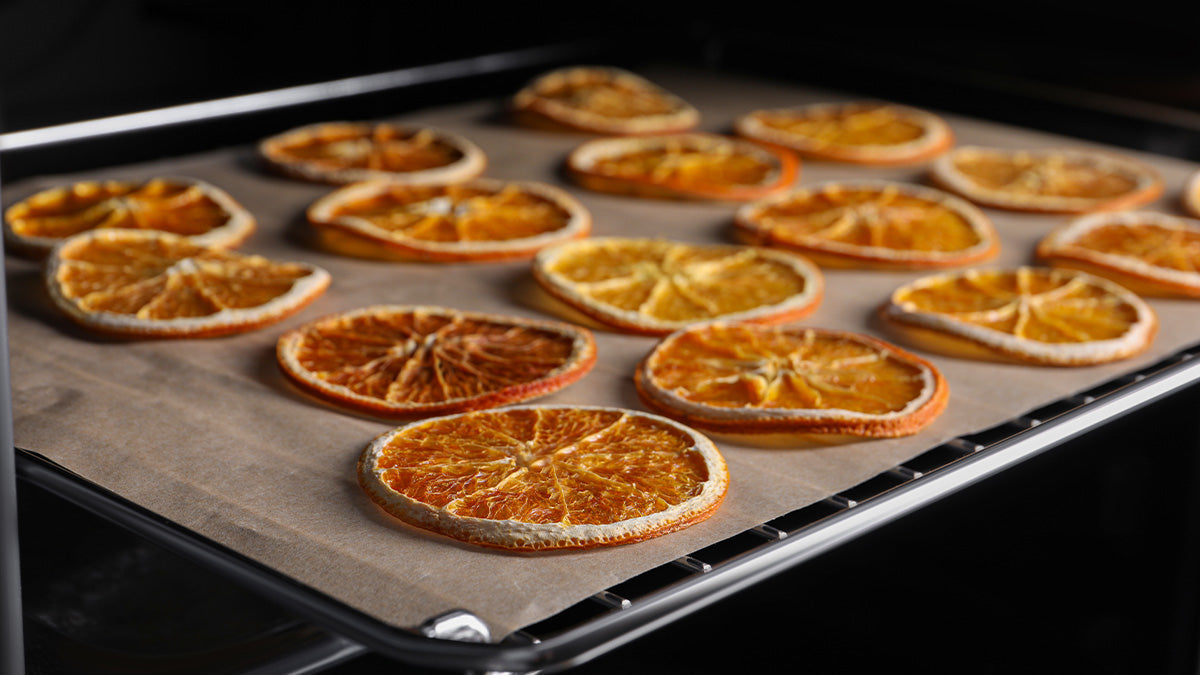
The dehydration process dries up food by applying warm temperatures and regular airflow, which makes moisture evaporate. This evaporation alters the appearance and consistency of food, often making it small, dense, chewy, leathery, or brittle, depending on what is being dehydrated.
Because the dehydration process can easily be practiced in any ordinary kitchen –– and dehydrators are fairly affordable –– this method is recommended for folks who like to preserve their own food at home.
Dehydration works especially well with the following foods:
- Sliced fruits and vegetables
- Fruit puree, to form fruit leather
- Herbs
- Strips of meat, to make jerky
Freeze-Drying
The freeze-drying process requires freezing food at a very low temperature. This frozen food is then placed inside a vacuum chamber, where low pressure and low heat combine to turn ice into water vapor.
This nifty scientific trick is called sublimation –– water skips its liquid phase completely! Pretty cool, huh?
Since the freeze-drying process eliminates water while food remains frozen, much of the original shape, color, and flavor of the food is retained. The end result is a lightweight food product with a dry, porous texture, allowing it to reabsorb liquid quickly.
Freeze-drying works especially well with the following foods:
- Meats
- Dairy products
- Fruits, including more delicate varieties, like berries
- Vegetables
- Full meals and sides, like rice dishes, soups and stews, and puddings
The equipment and energy required for the freeze-drying process makes it more expensive and difficult to access than dehydration. However, it eliminates nearly all moisture and prepares foods particularly well for long-term storage conditions!

Spot the Differences
When you set the two methods side by side, their differences are much easier to identify:
- Texture: Dehydrated food is often dense, chewy, or brittle. Freeze-dried food is typically light, crisp, and airy.
- Size: Dehydrated food often shrinks considerably. Freeze-dried food usually retains much of the original size and shape.
- Rehydration: Dehydrated foods can take hours to soften. Freeze-dried food normally rehydrates in a matter of minutes!
- Weight: Both methods produce lightweight food, but freeze-dried foods are typically lighter because they contain a little less water.
- Cost: Dehydration is the more affordable at-home process. Freeze-drying requires special equipment, making it more expensive.
- Storage: Both dehydrated and freeze-dried foods are suitable for long-term storage, but freeze-dried foods are particularly ideal for decades of shelf sitting. (Especially when professionally packaged.)
That said, preservation method alone does not establish shelf life. The kind of food, amount of remaining moisture, type of packaging, level of oxygen exposure, and storage temperature all make an impact.
Foods dehydrated at home usually last a few months to a year. When commercially preserved, processed, and packaged, the shelf life is extended.
Similarly, freeze-dried foods that are commercially preserved, processed, and packaged last decades longer than any alternatives.

Top Picks for Your Pantry
Now, consider which option belongs in your backup pantry.
The answer may be both!
Dehydrated foods are a practical choice for...
- Foods you regularly use and replace
- Everyday baking and cooking essentials
- Budget-conscious food storage solutions
- Camping trips and short-term emergencies
- Foods you prefer to preserve on your own
Meanwhile, freeze-dried foods come in clutch when you want...
- Food supplies that need minimal rotation
- Meat, dairy, fruits, and full meals
- Fast and convenient rehydration
- Food that lasts for decades
- Lightweight food for emergency kits
A hybrid approach offers the best of both worlds. You can use more economical dehydrated ingredients for everyday food preparation and short-term needs. You can also incorporate freeze-dried foods into daily dishes, and as a reliable backup in long-term emergencies.
Both food preservation processes have their place!
Different Routes to Ready
Freeze-dried and dehydrated foods may begin with the same goal, but they get there through distinctly different processes.
Neither method should replace the other. By understanding each process, you can create a food supply that offers convenience, variety, affordability, and longevity.
After all, the top preservation method is not simply the one with the longest shelf life. It's the one that fits how, when, and why you plan to use it!
Check in with The Essentials Blog each week for expert education, tips, and resources to make your shift to self-reliance as smooth as possible!