POWER OUTAGE PREPAREDNESS
Your Complete Safety & Action Guide
When the power goes out, a little preparation turns a stressful situation into a manageable one. Having a plan in place keeps your household safe, comfortable, and self-reliant until the lights turn back on.
FIRST PRIORITIES


WHY AN OUTAGE PLAN MATTERS
Power interruptions are a normal part of life. Severe weather, high winds, falling branches, and routine equipment issues can all temporarily cut electricity. Because restoration can take time while repair crews work safely, having a simple plan ready gives you peace of mind.
Preparing today means you never have to scramble in the dark.
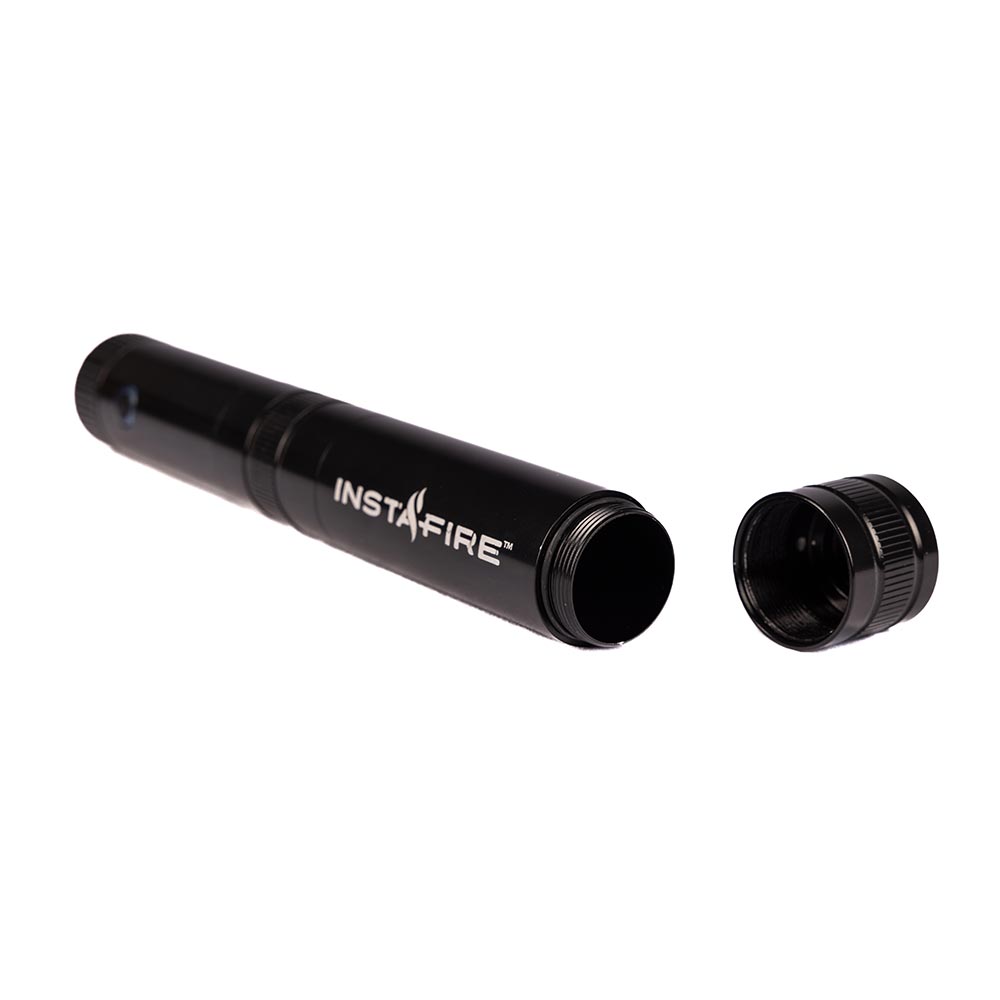
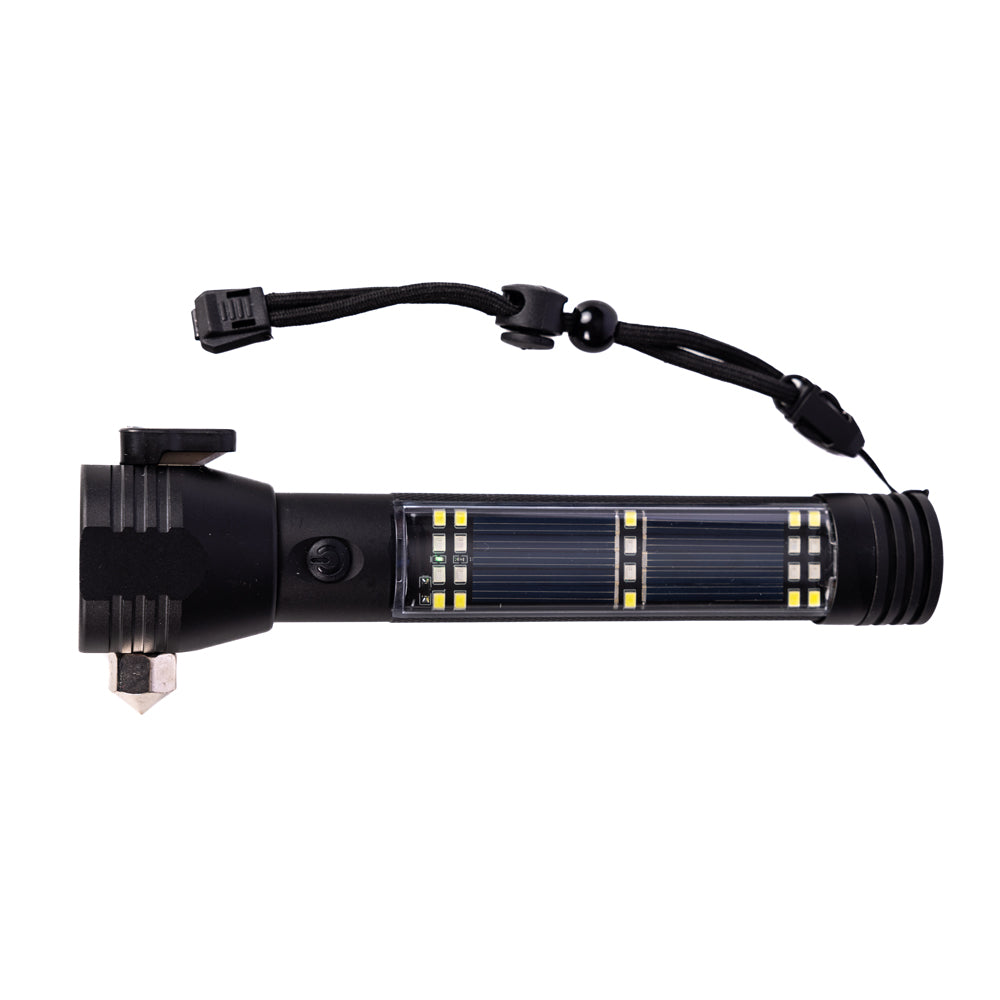
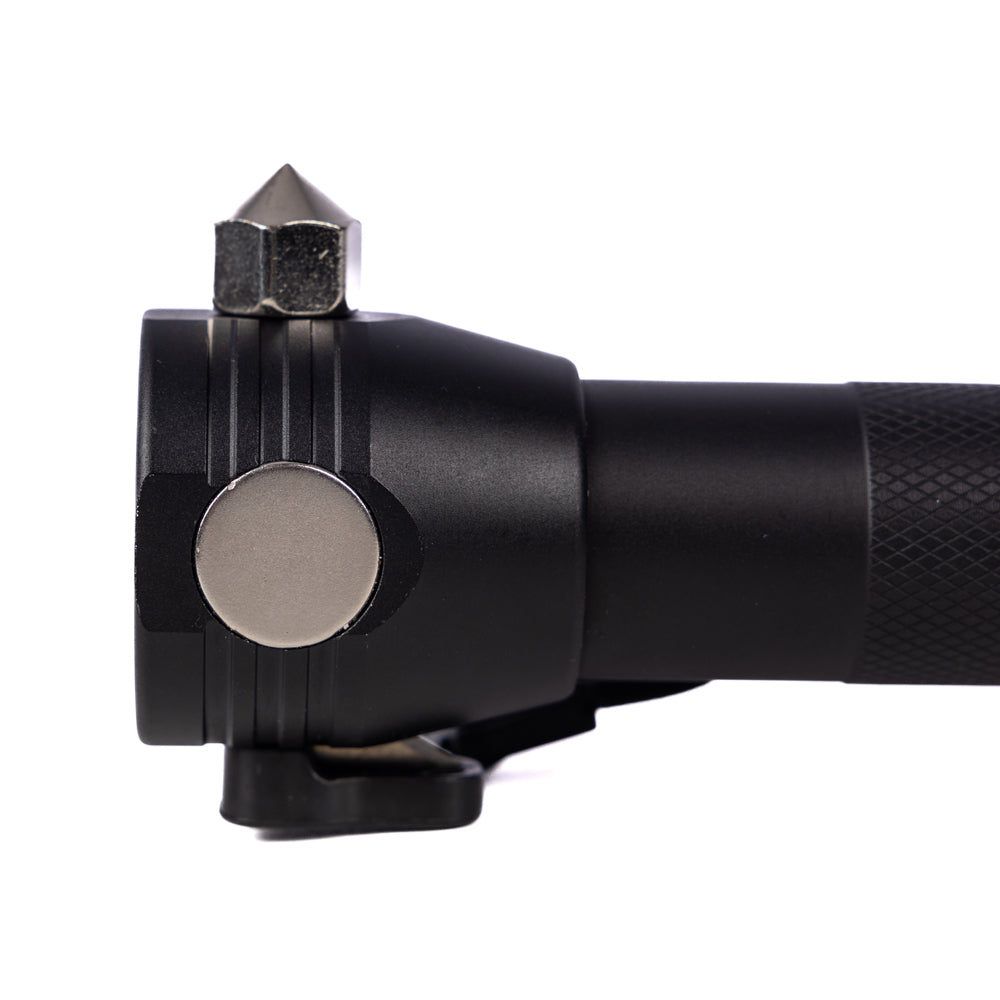
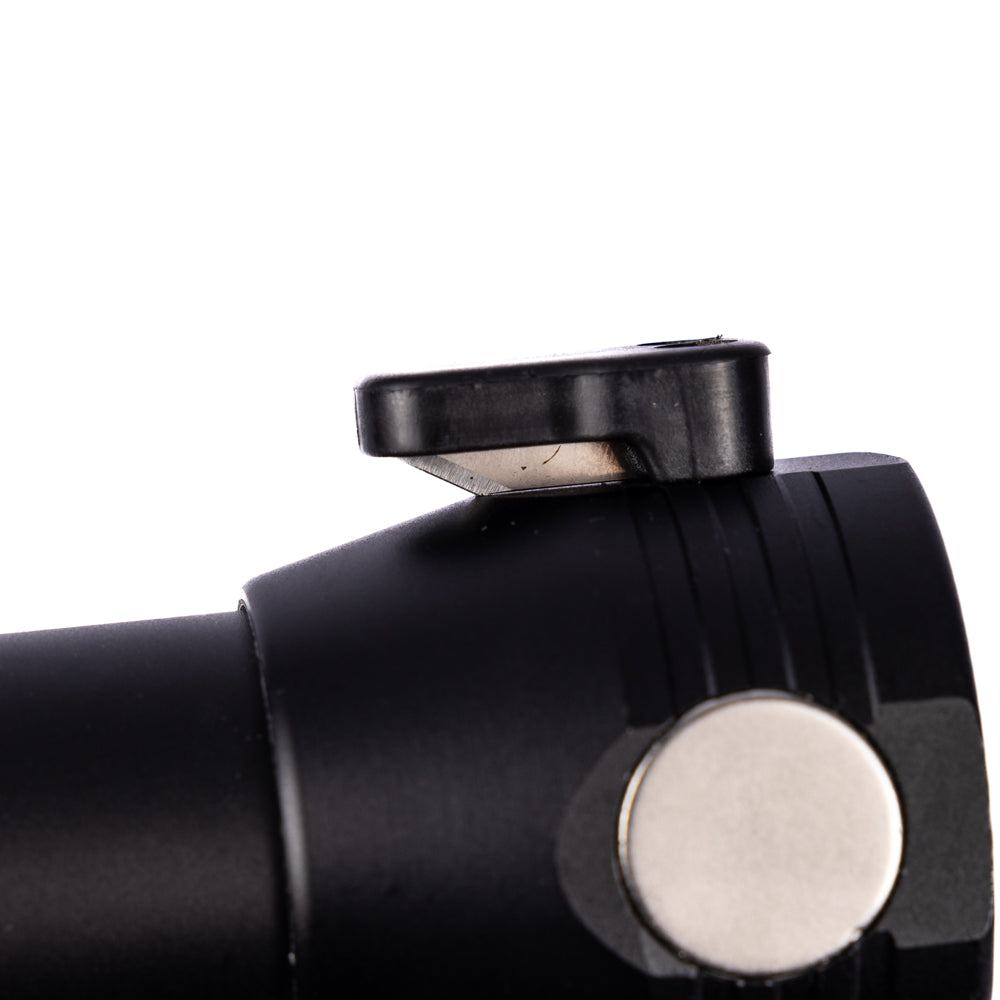
SAFE, RELIABLE LIGHTING

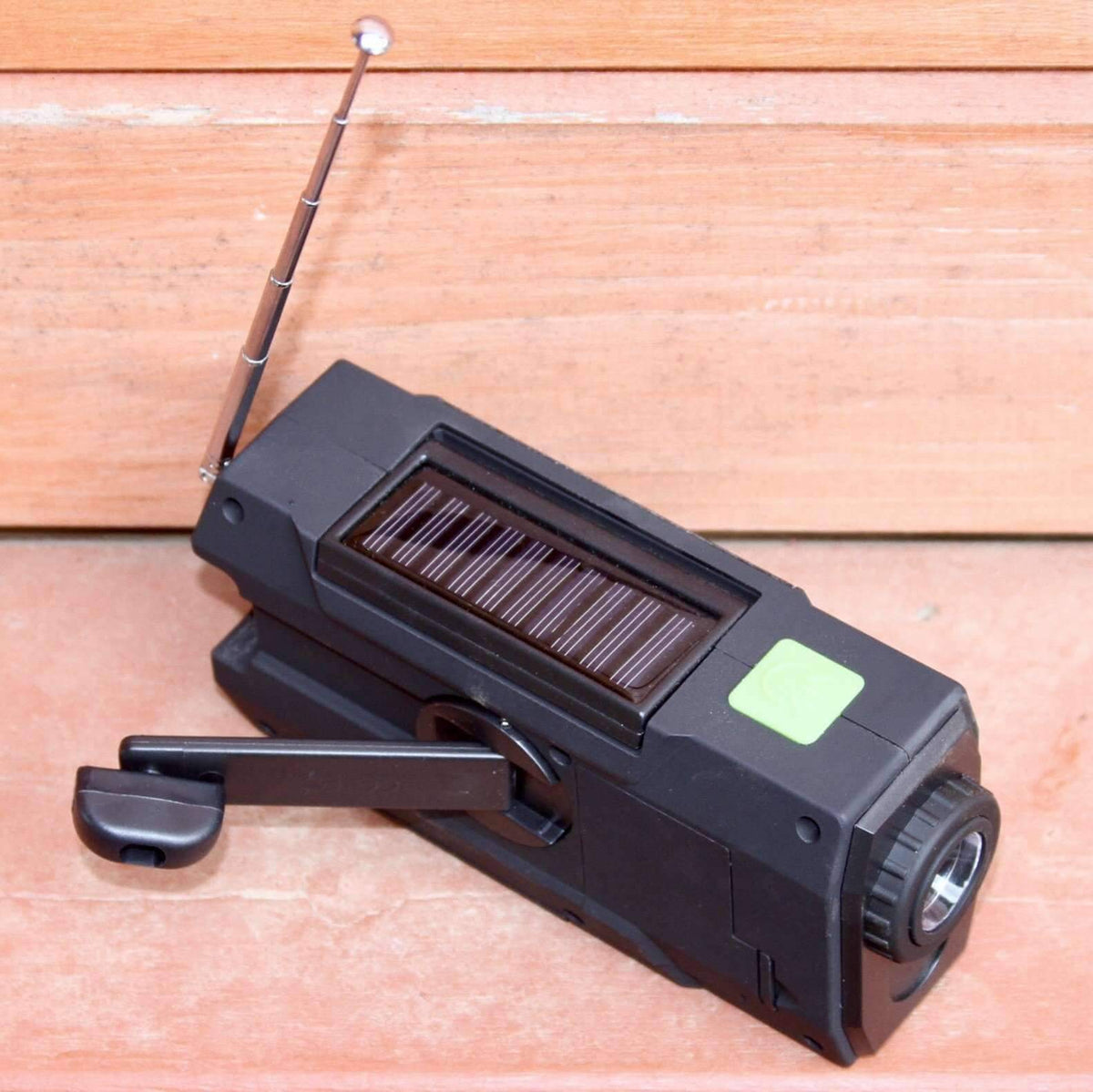
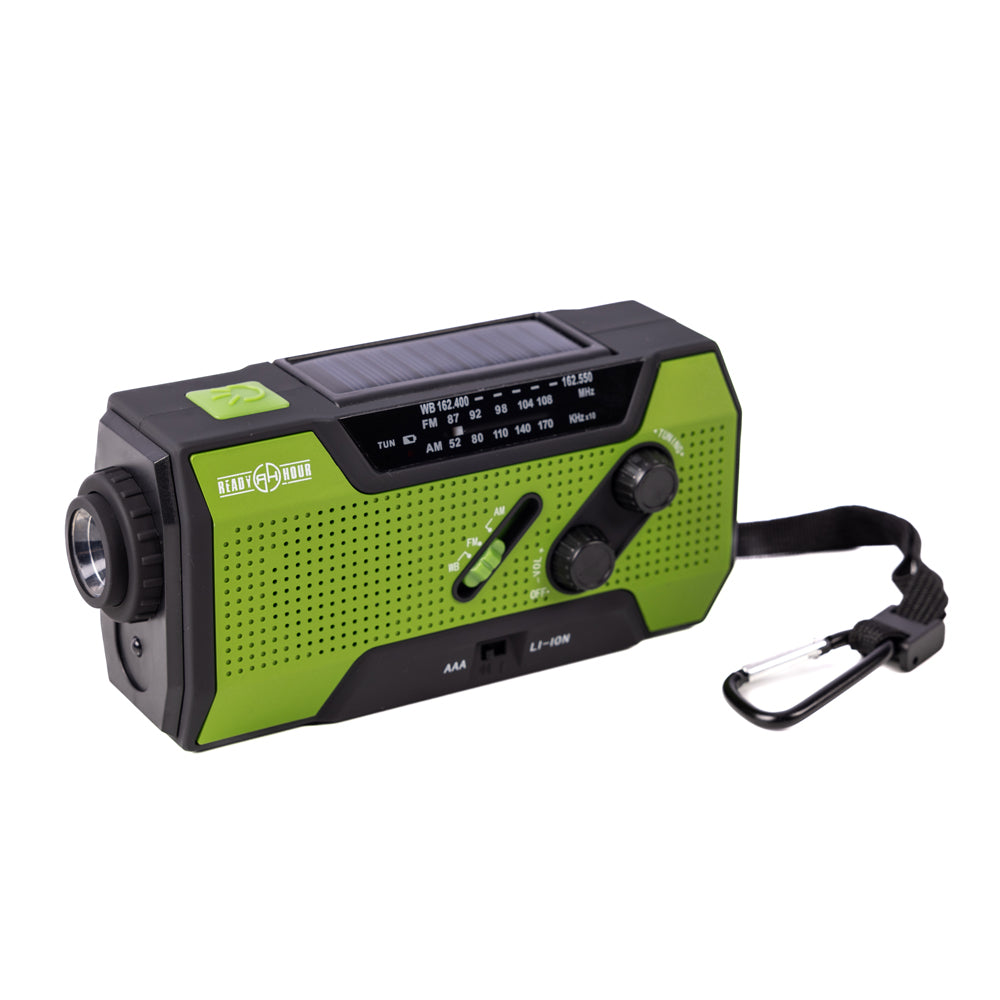
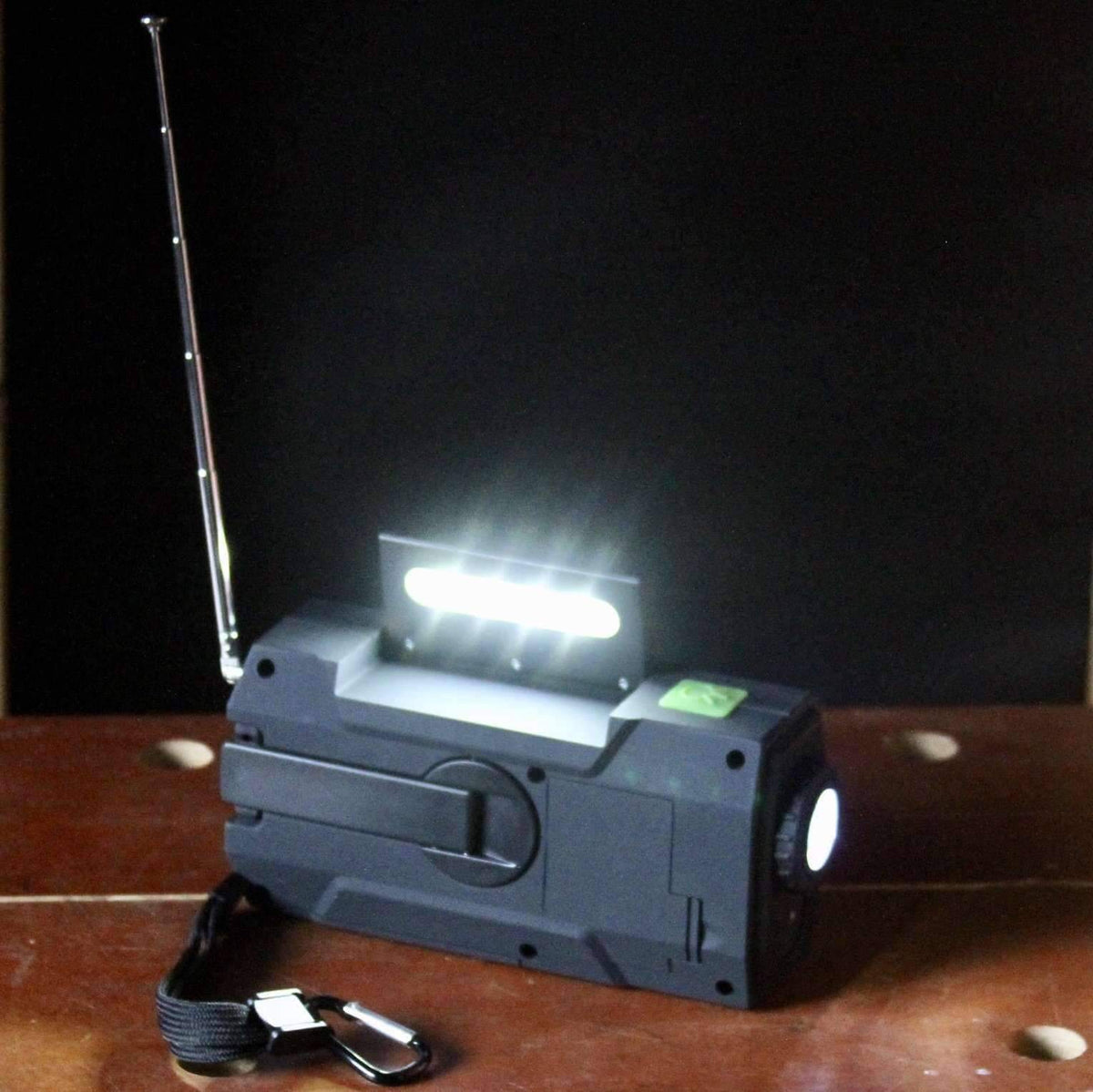
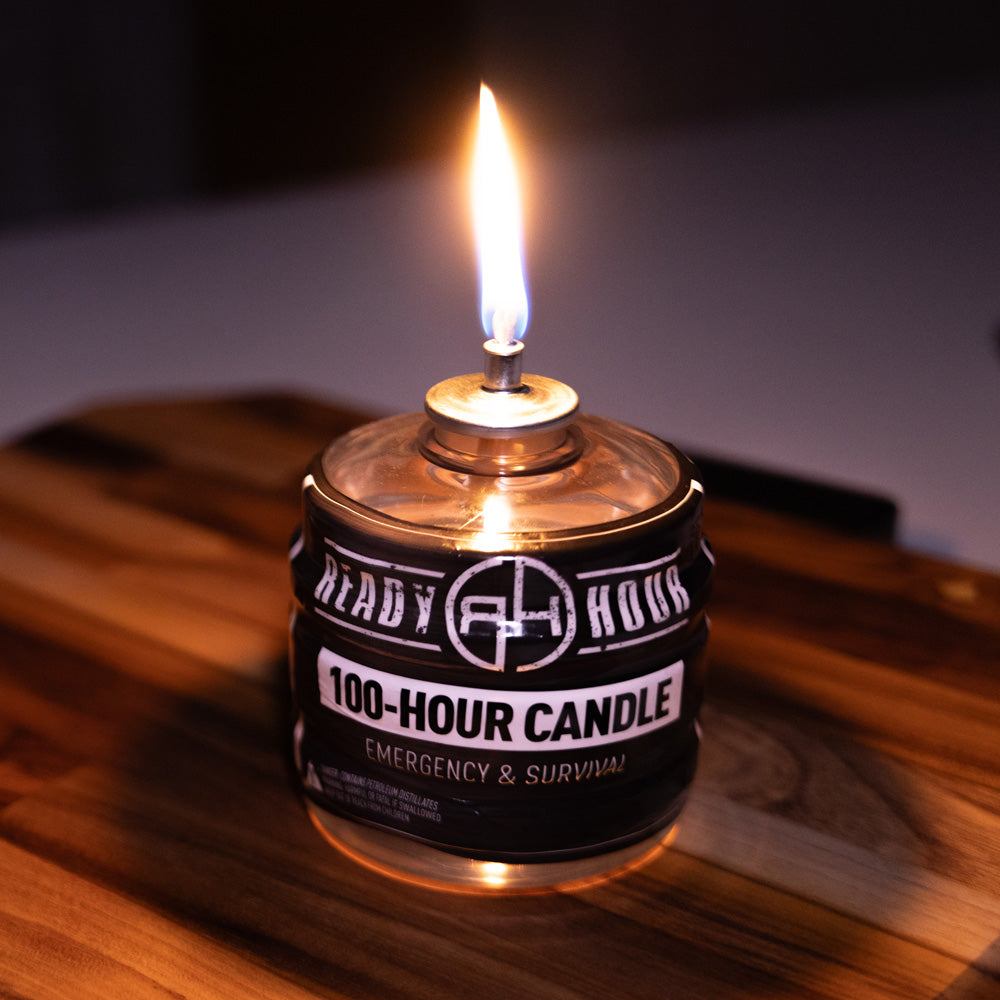
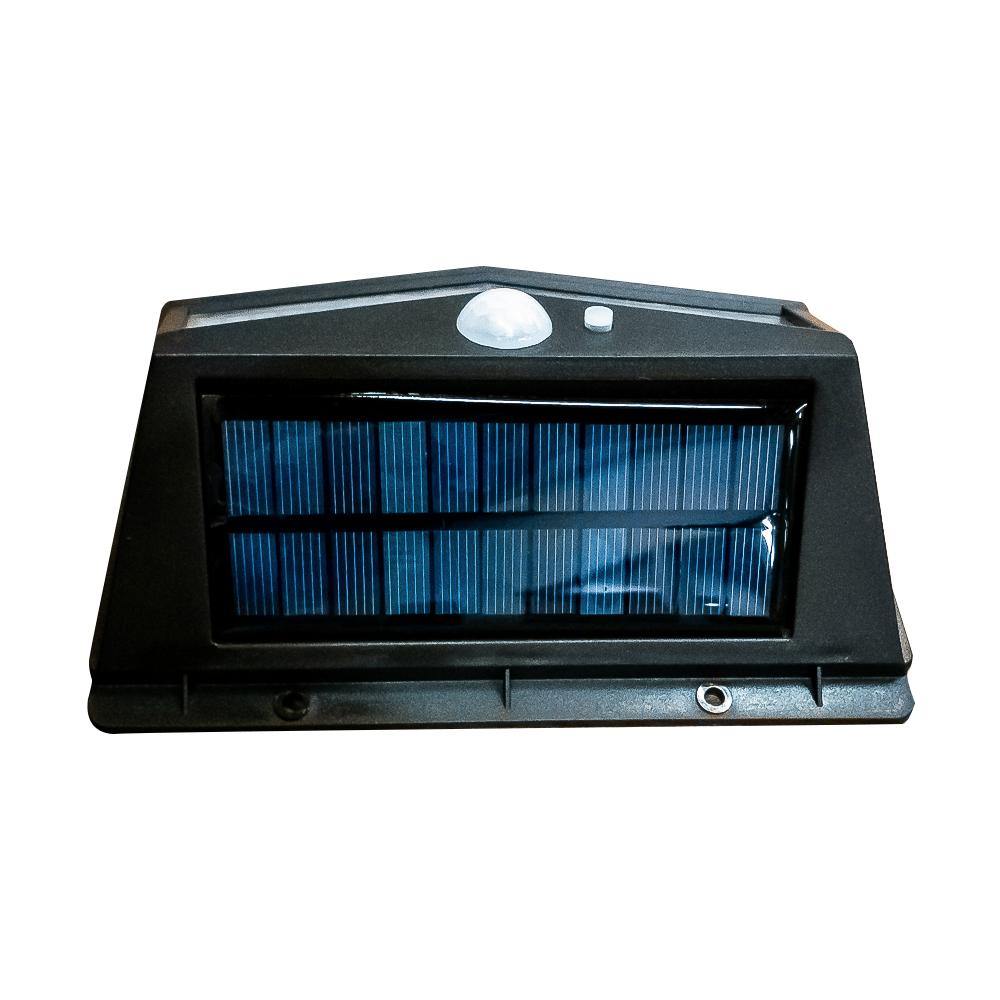
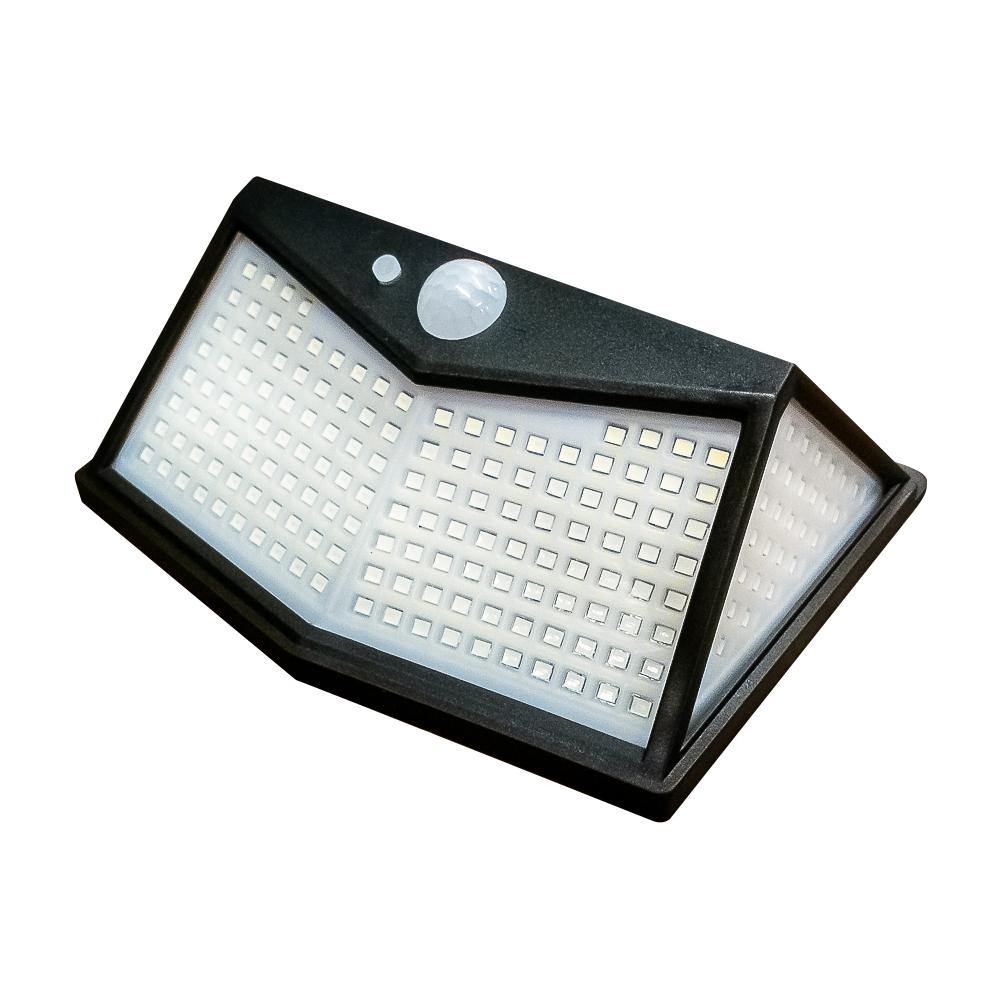
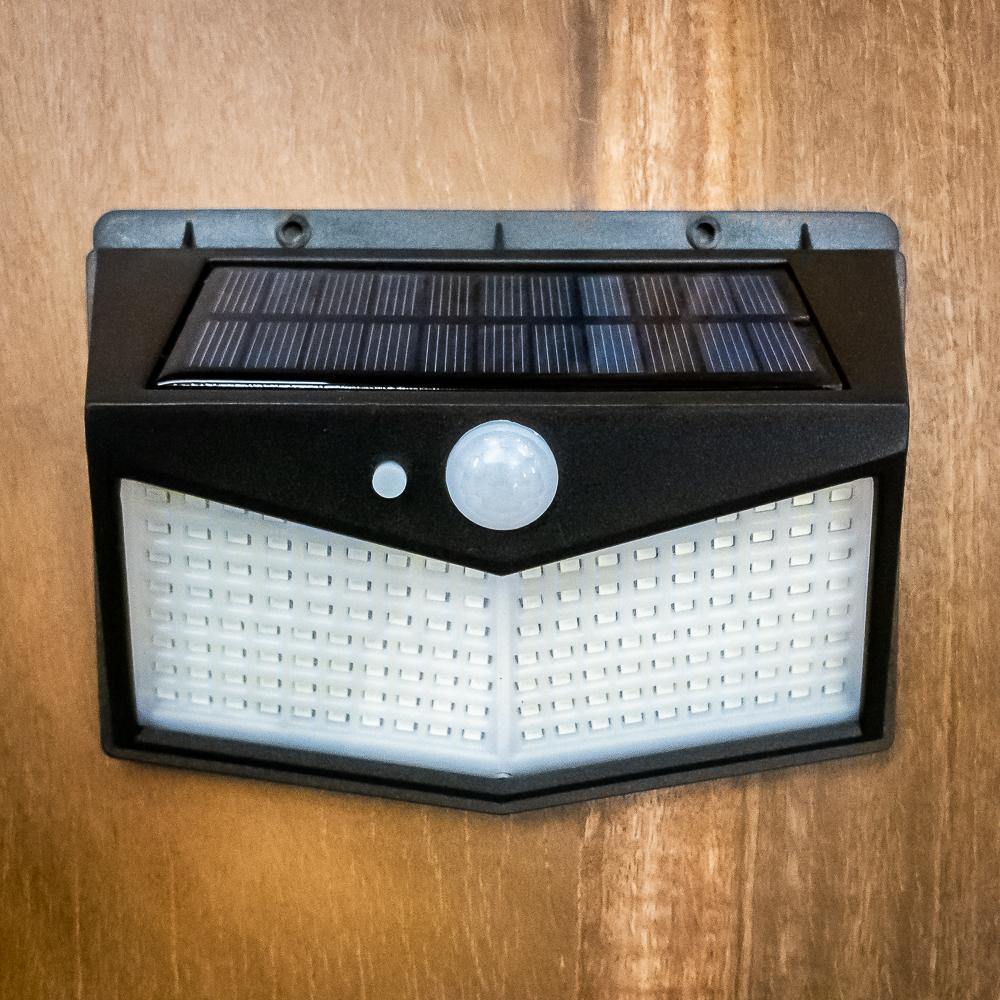
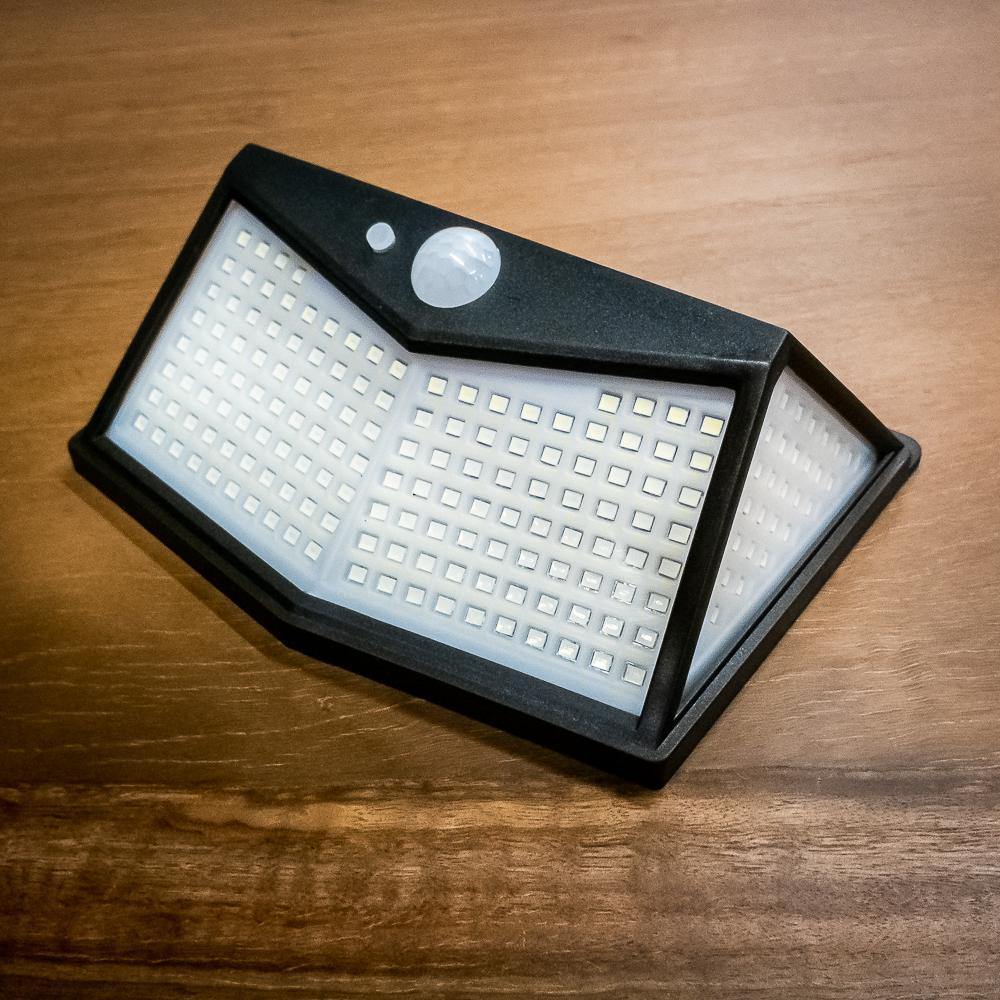
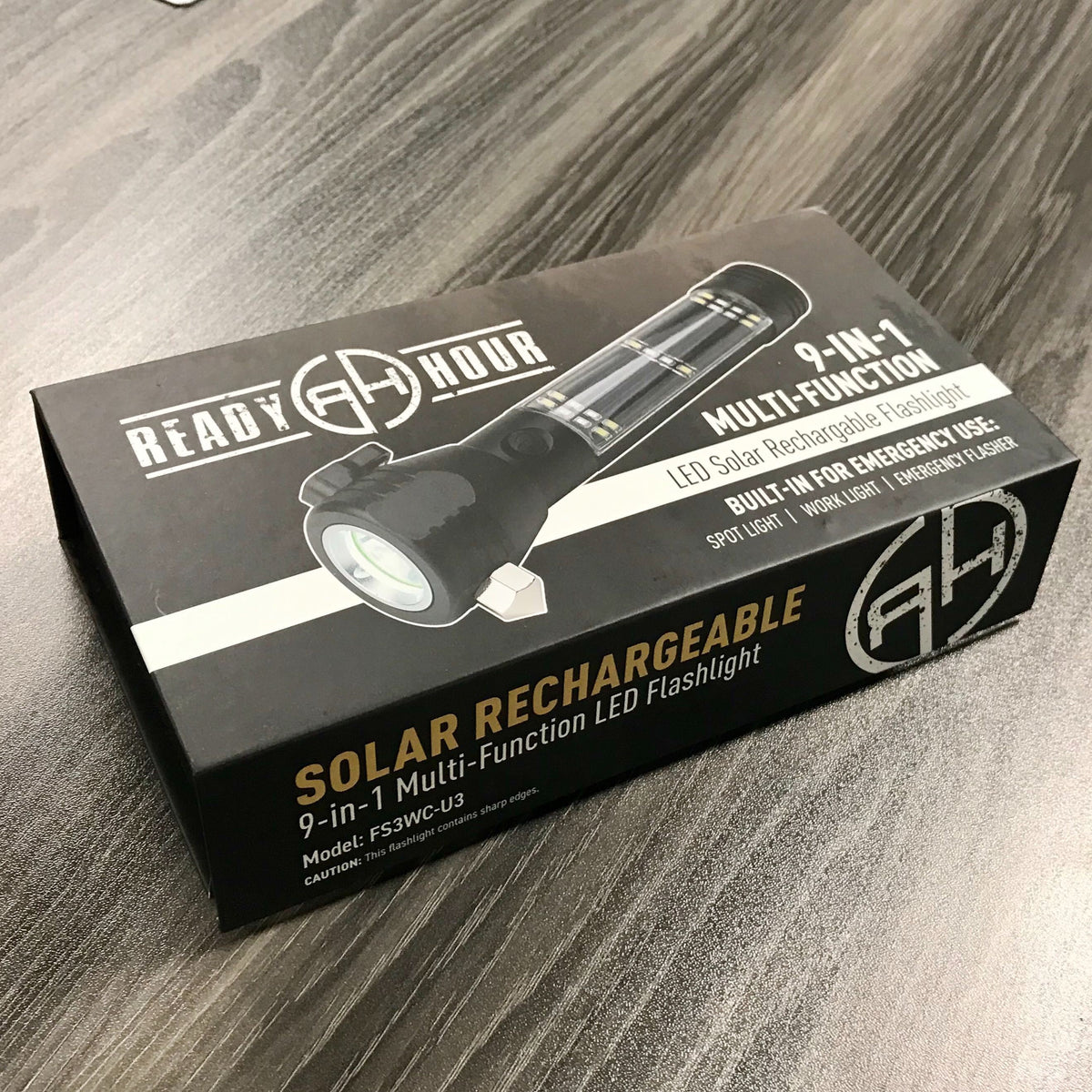
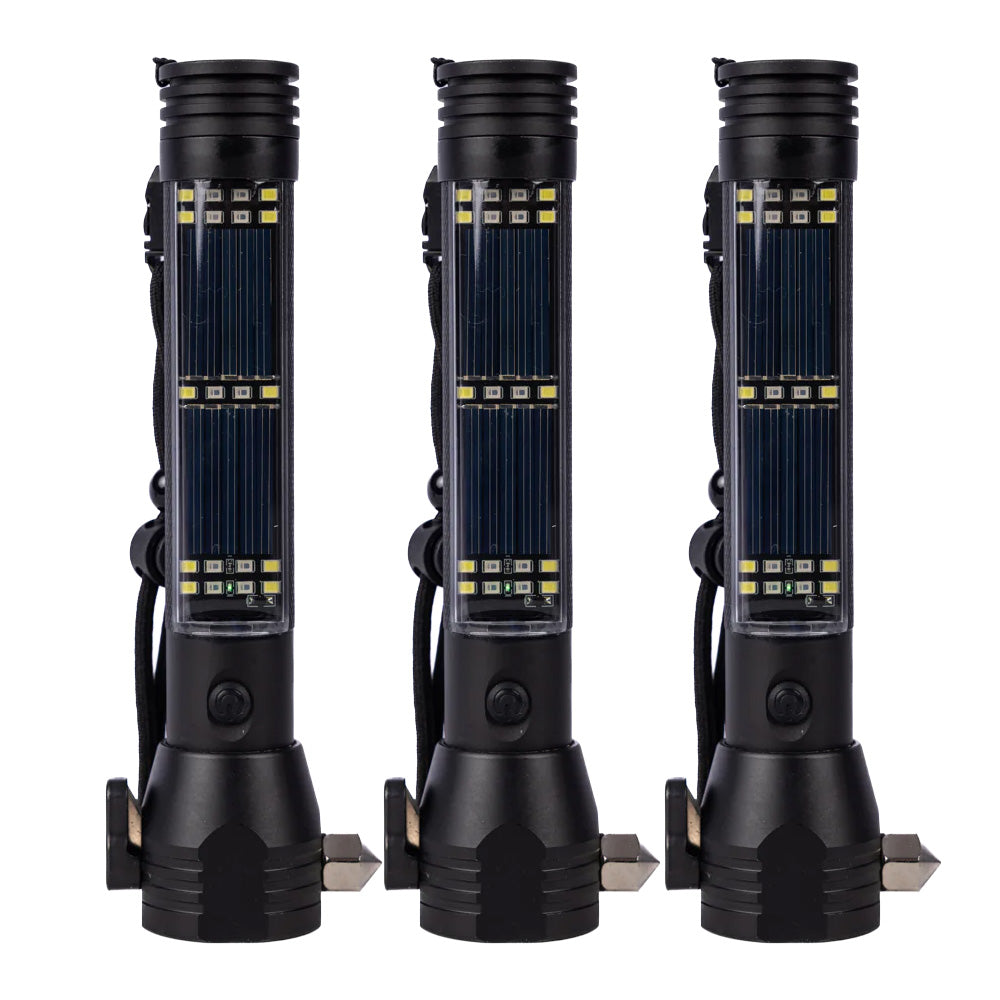
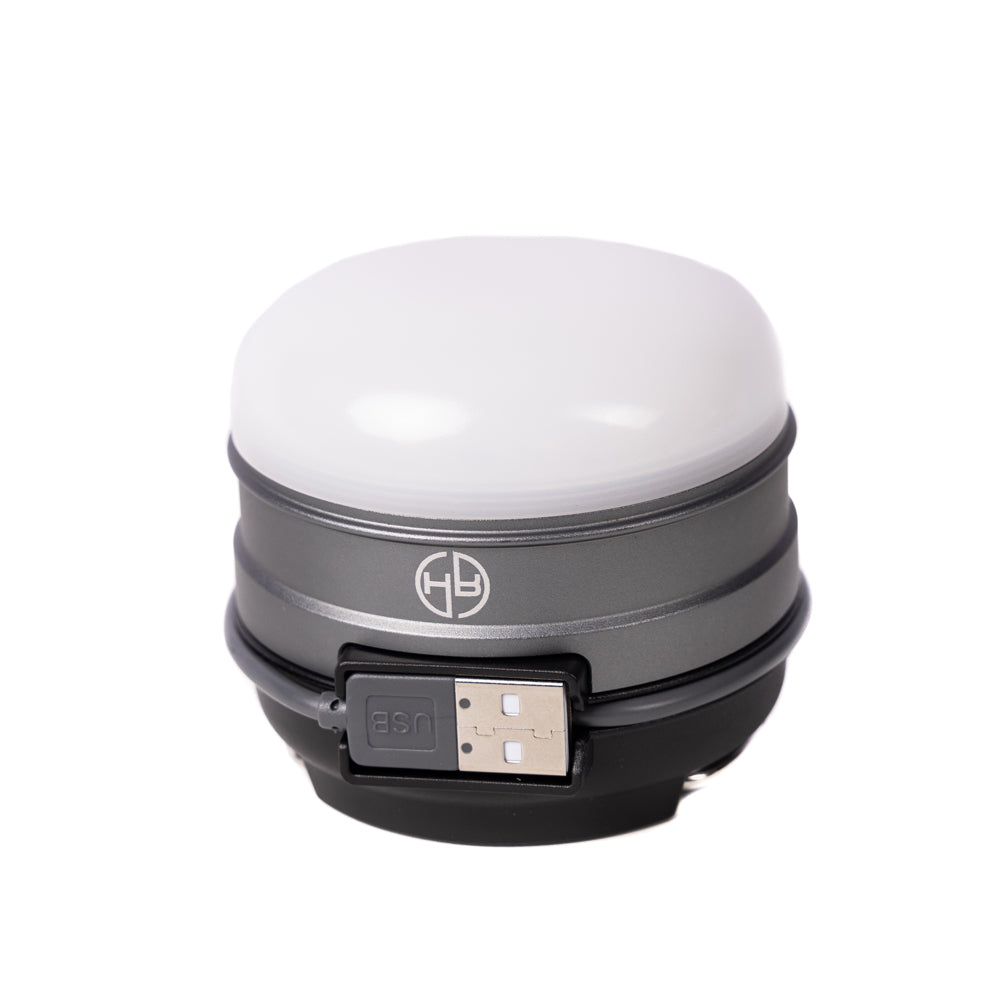
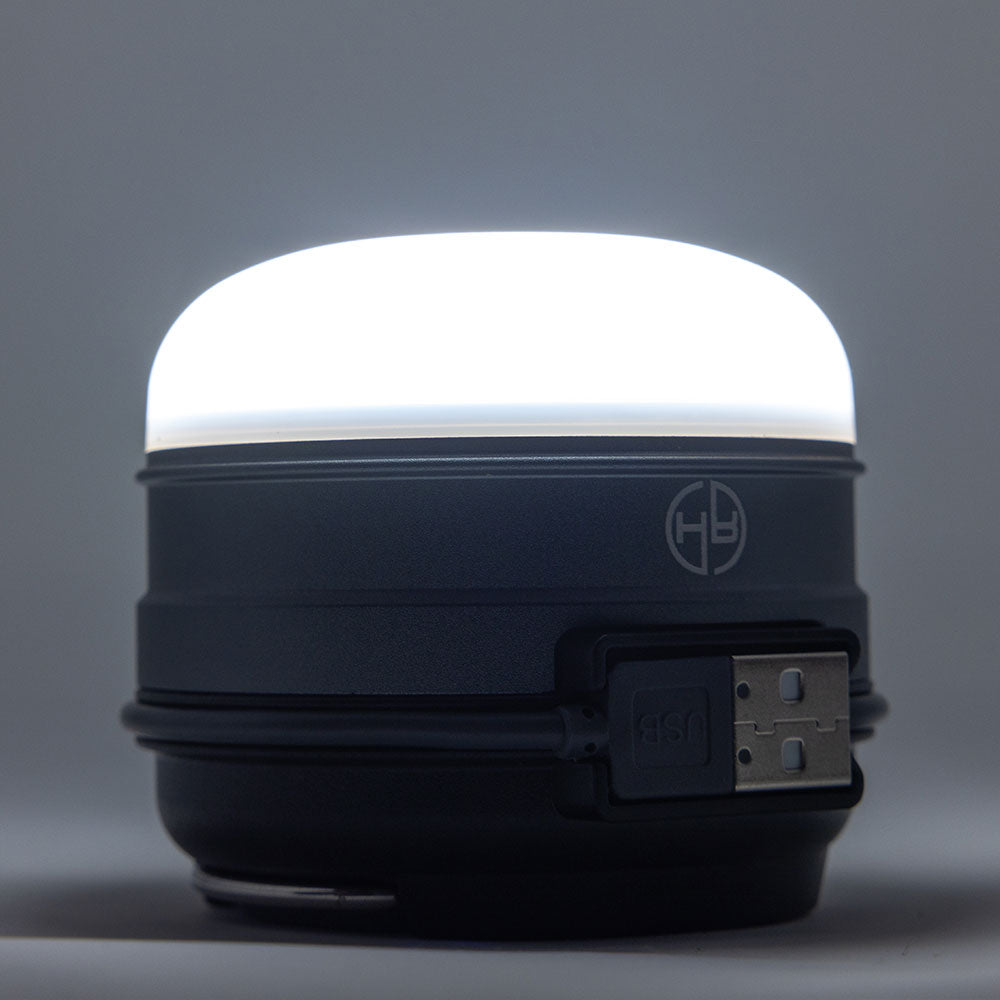
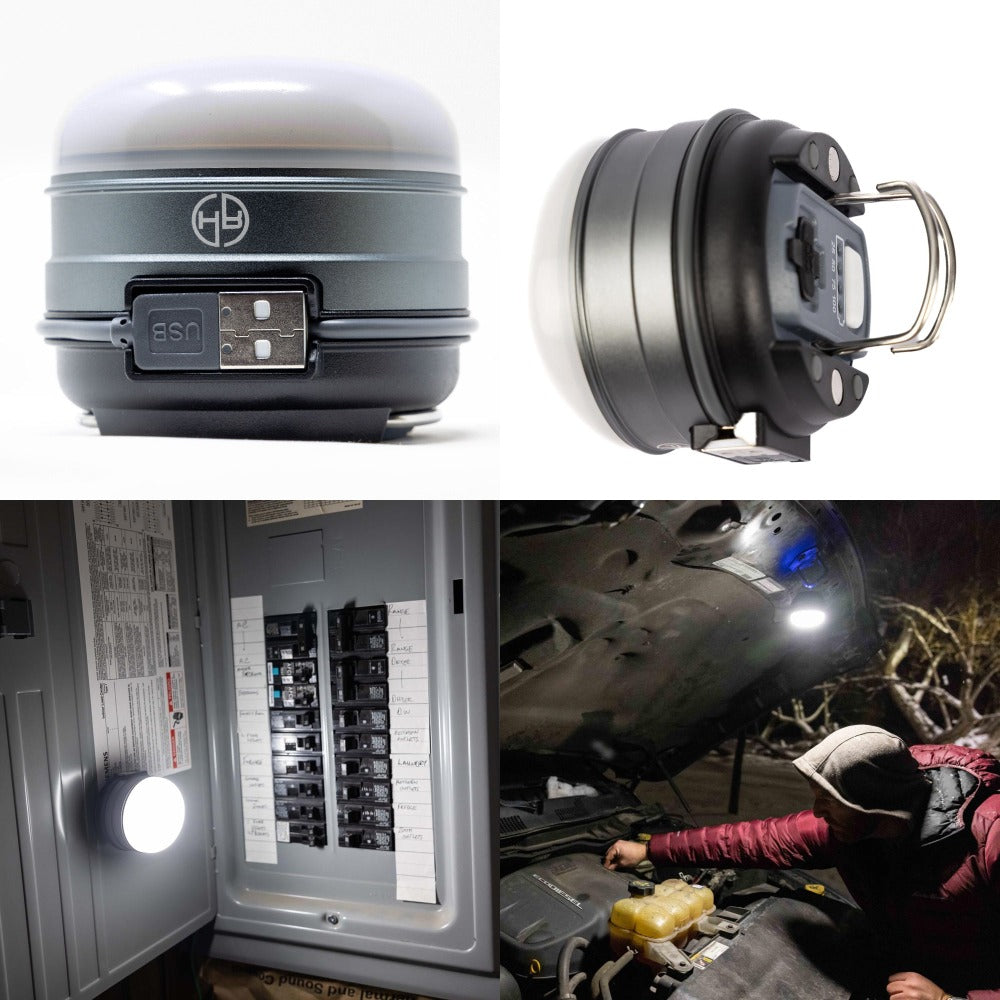
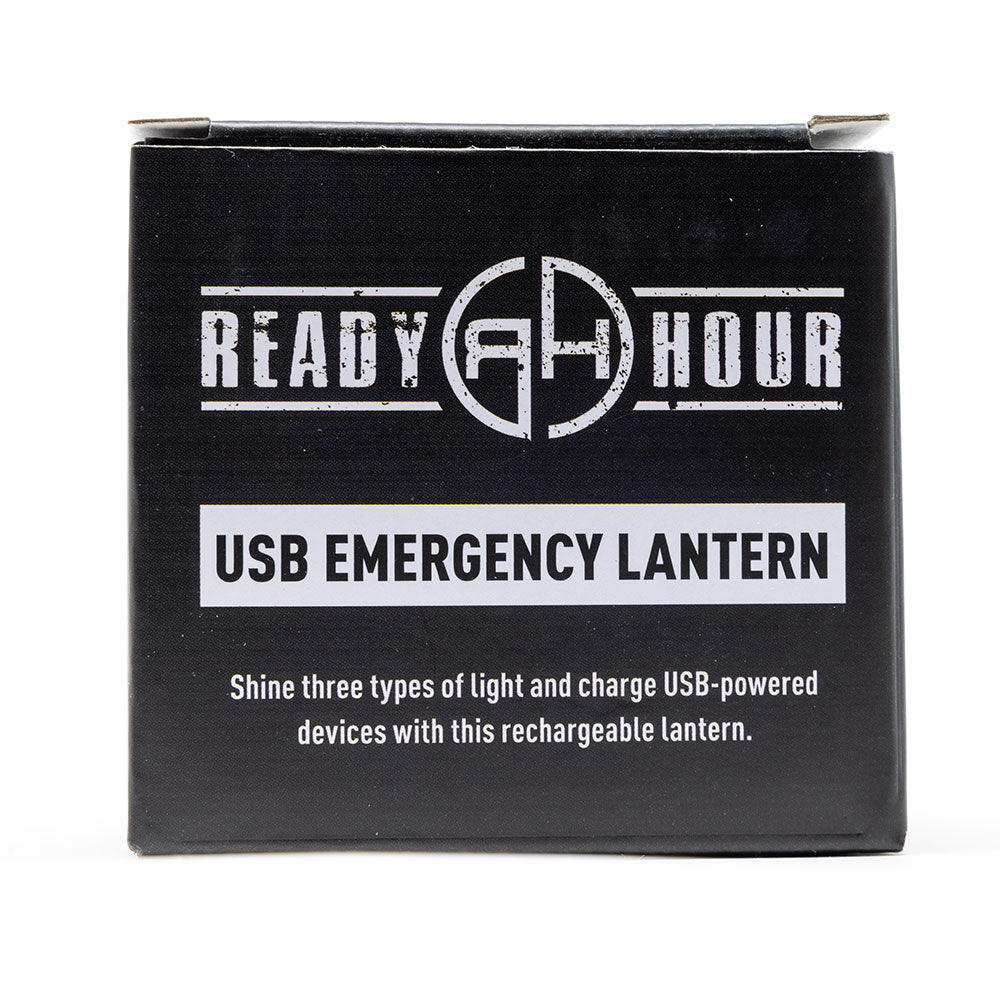
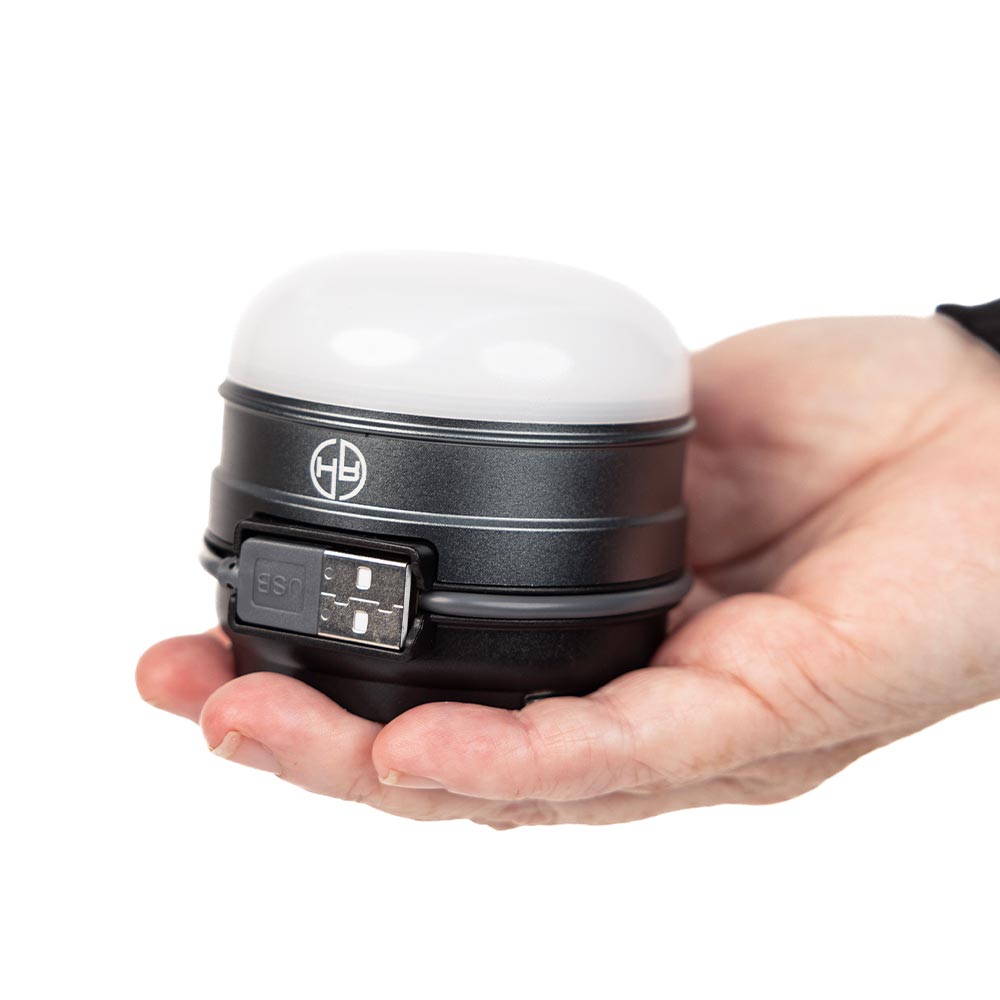
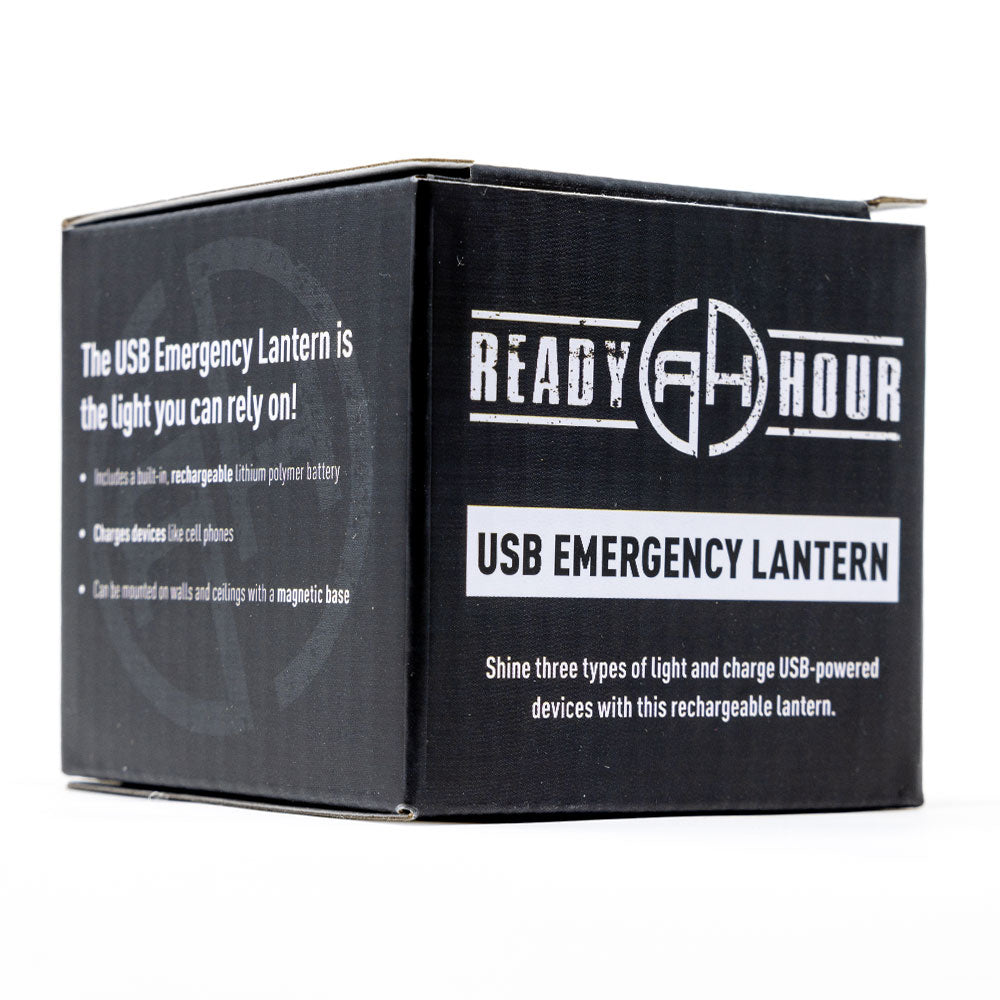
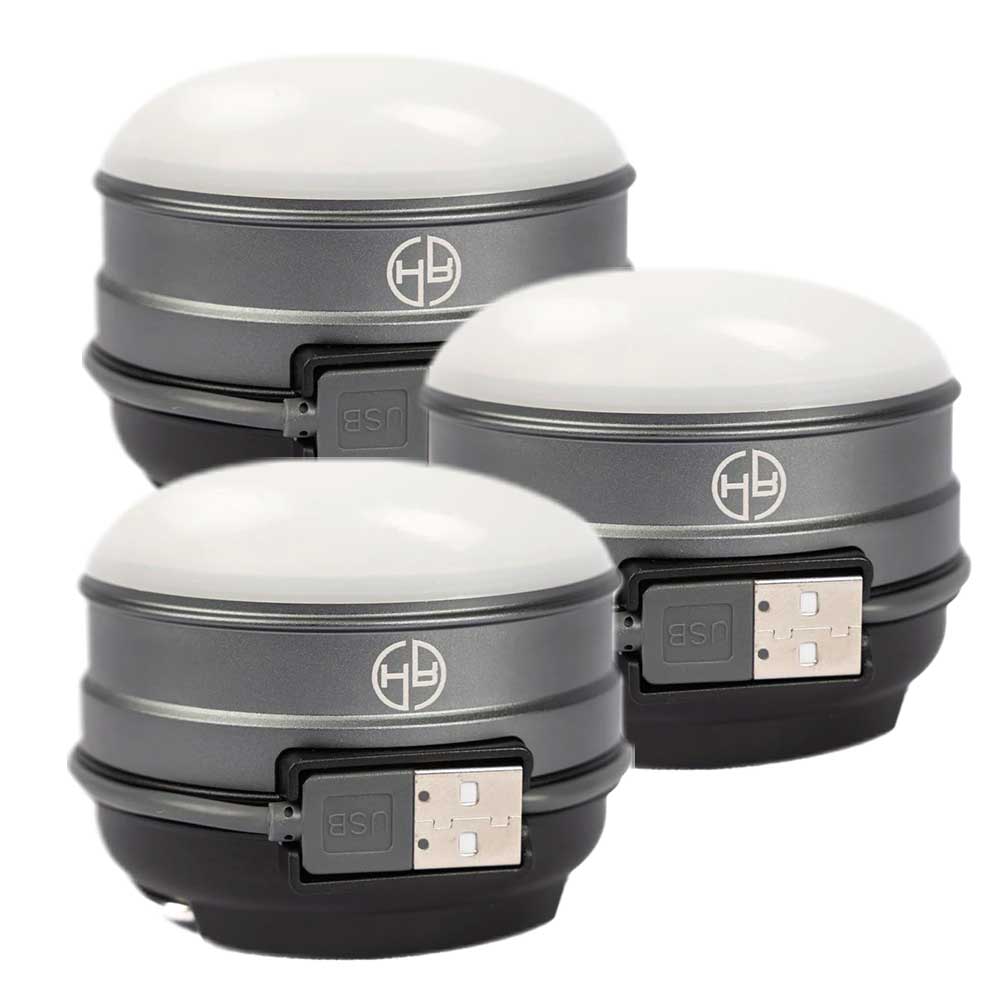
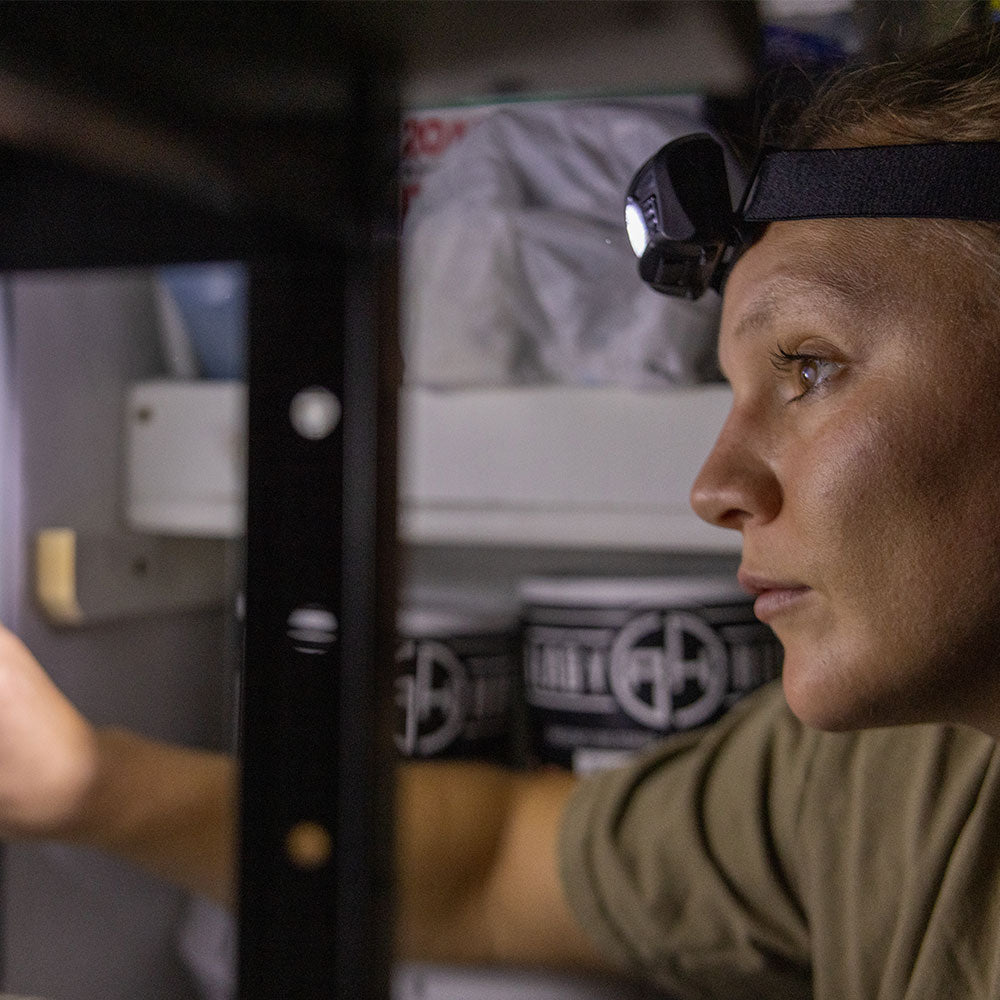
Place lights where they matter: Keep a flashlight in every bedside table and lanterns in common areas like the kitchen and living room.
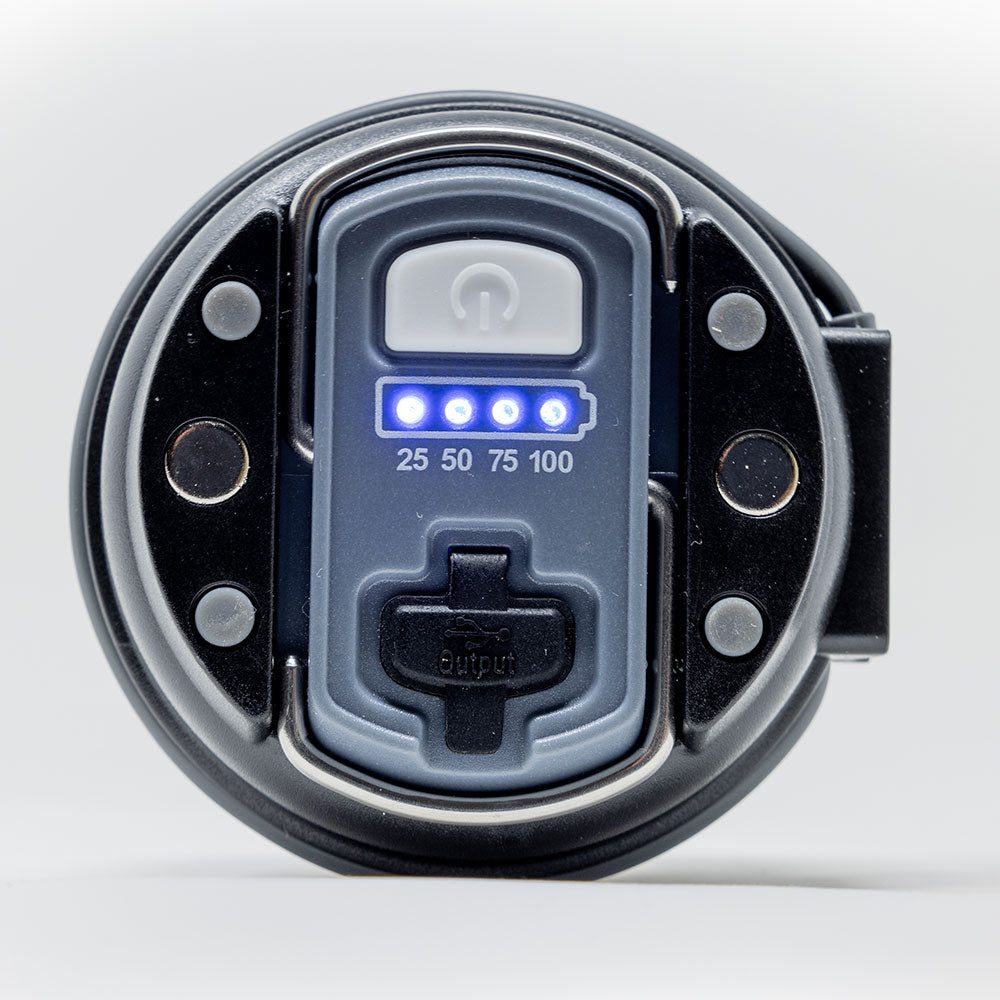
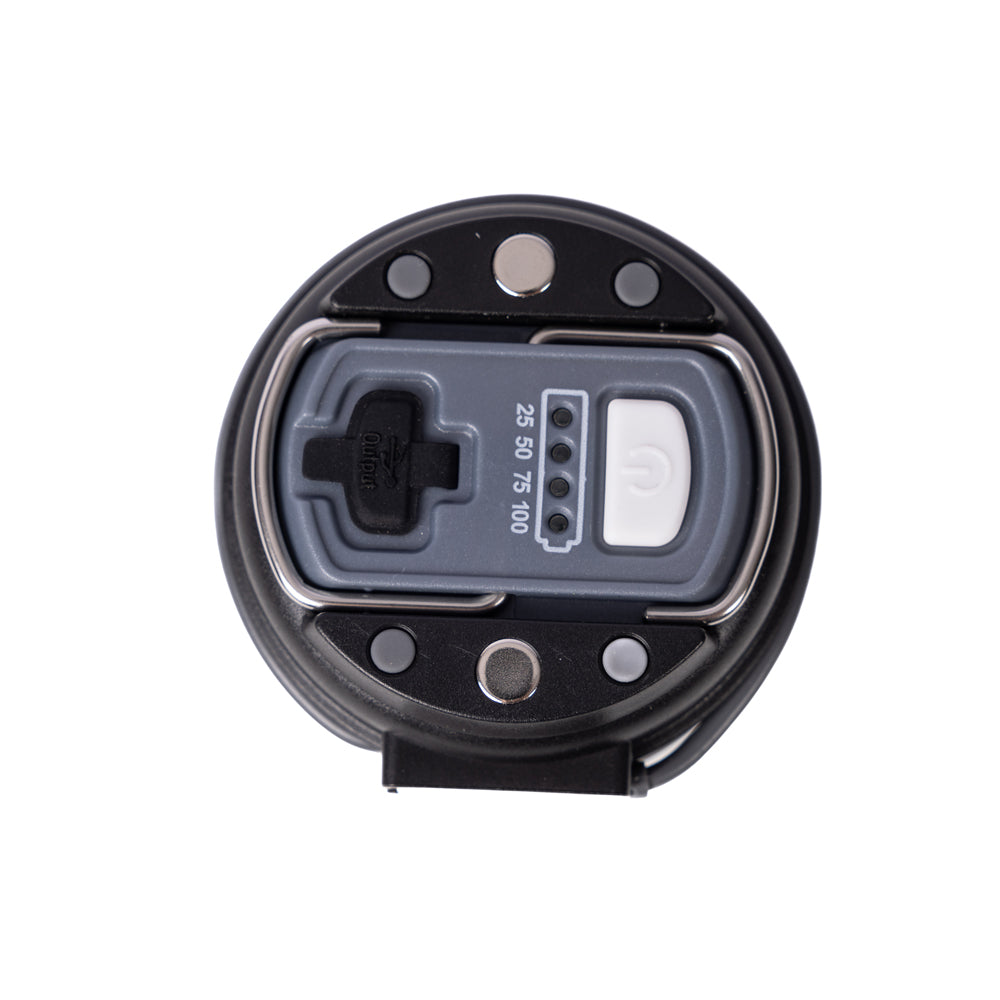
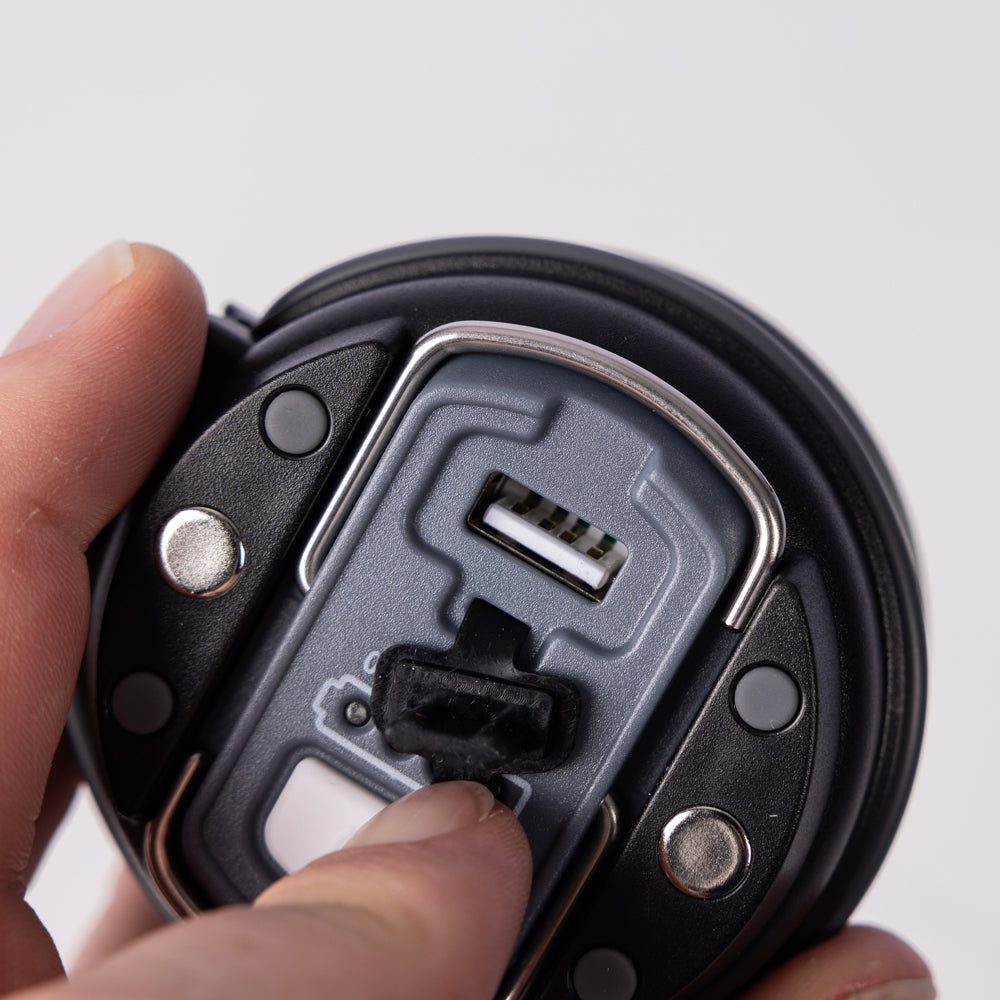
Keep accessories together: Store backup batteries and dedicated charging cables in the same spot so you never have to search for them.














MANAGING INDOOR TEMPERATURE

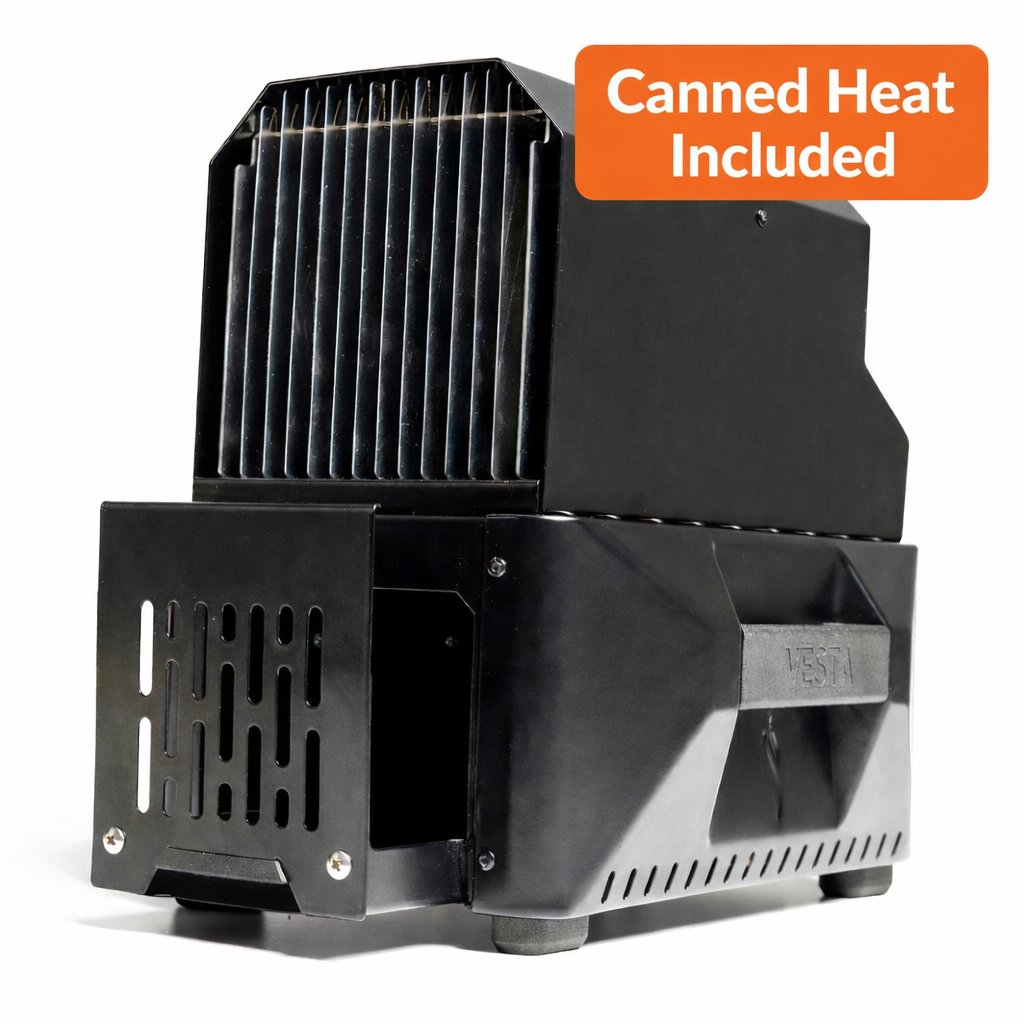
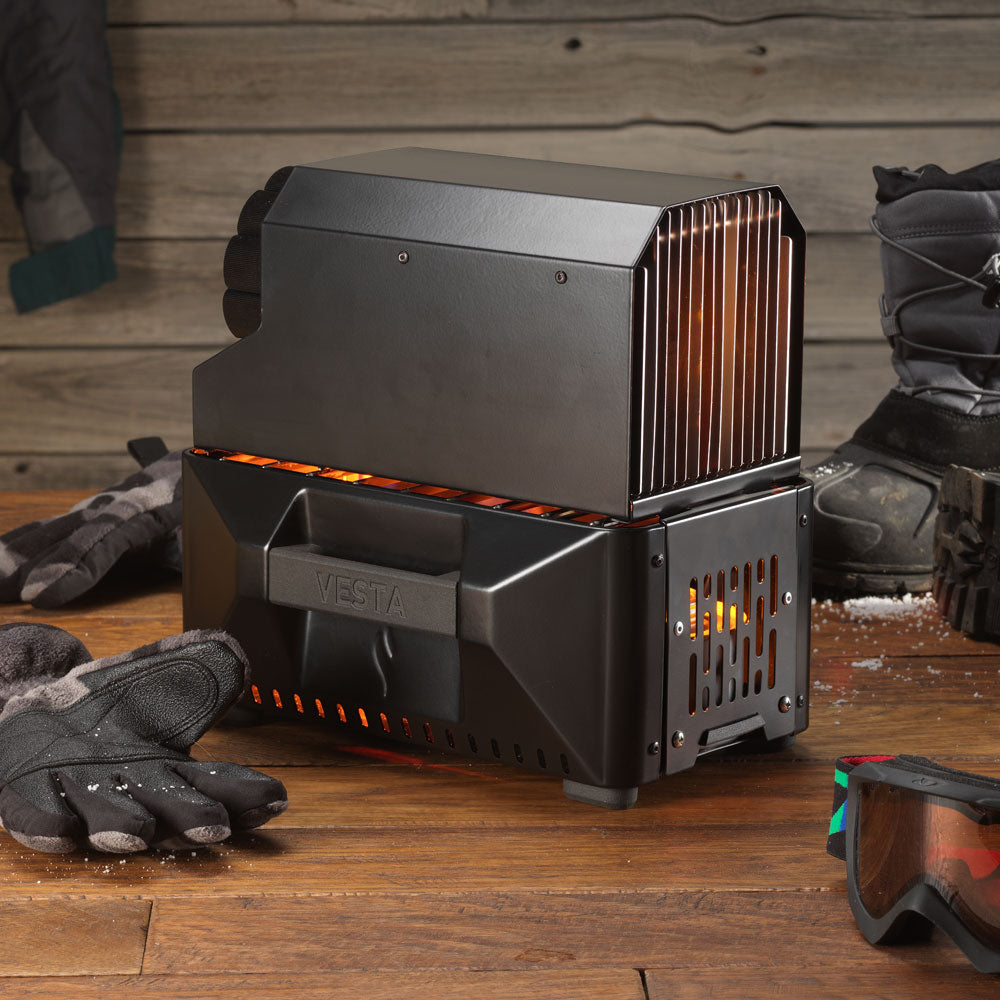
Cold Weather: Dress in warm layers and gather in a central room. Extra blankets and wool socks will help you hold in natural body warmth.
Hot Weather: Close blinds and curtains during peak daylight hours to block out heat, and stay on the lowest level of your home where it remains coolest.
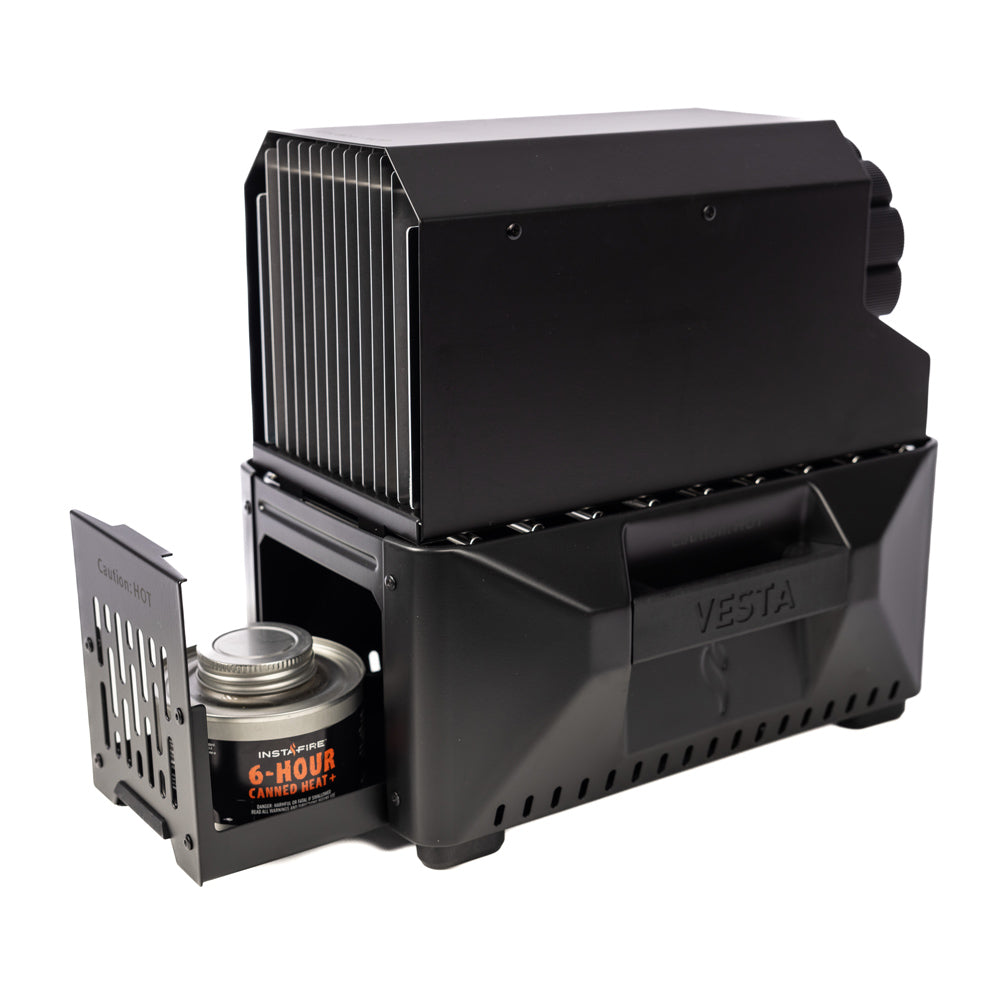
Heating Safety: Never use gas ovens, charcoal grills, or camp stoves indoors for heat.
PROTECTING FOOD & WATER

Easy Meals: Keep a supply of shelf-stable meals that don't require refrigeration, along with a manual can opener.
Drinking Water: Store at least one gallon of water per person per day. Remember to store extra water for pets.
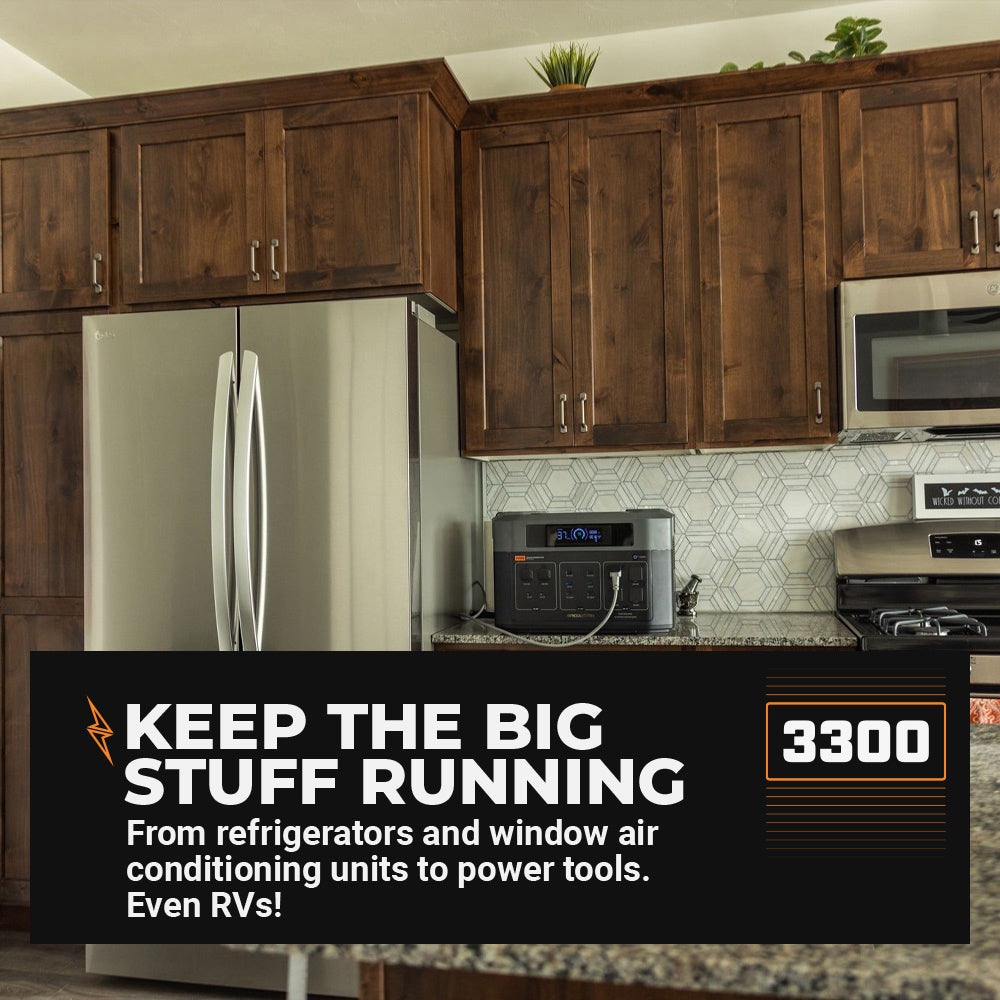
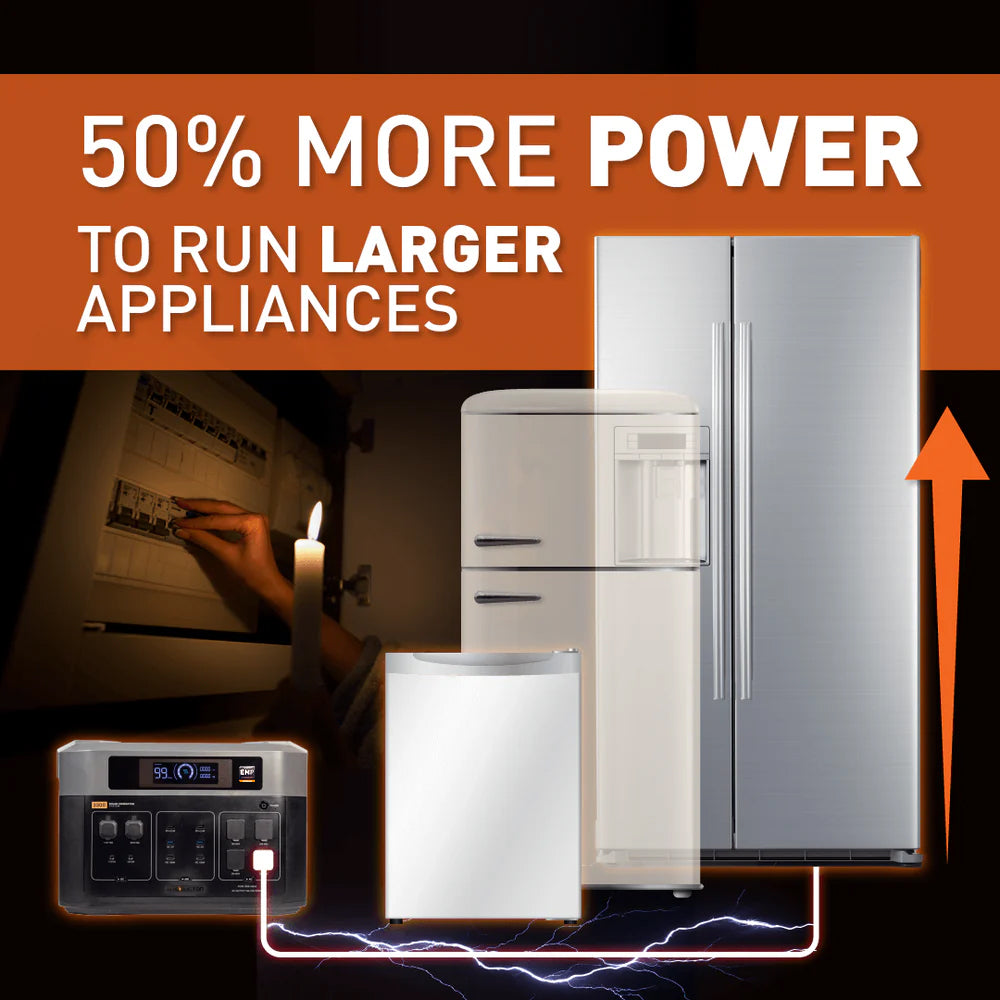
Refrigeration: A refrigerator generally keeps food safe for up to 4 hours with the door closed. A half-full freezer will stay safe for about 24 hours, and a full freezer will keep for up to 48 hours.
STAYING CONNECTED

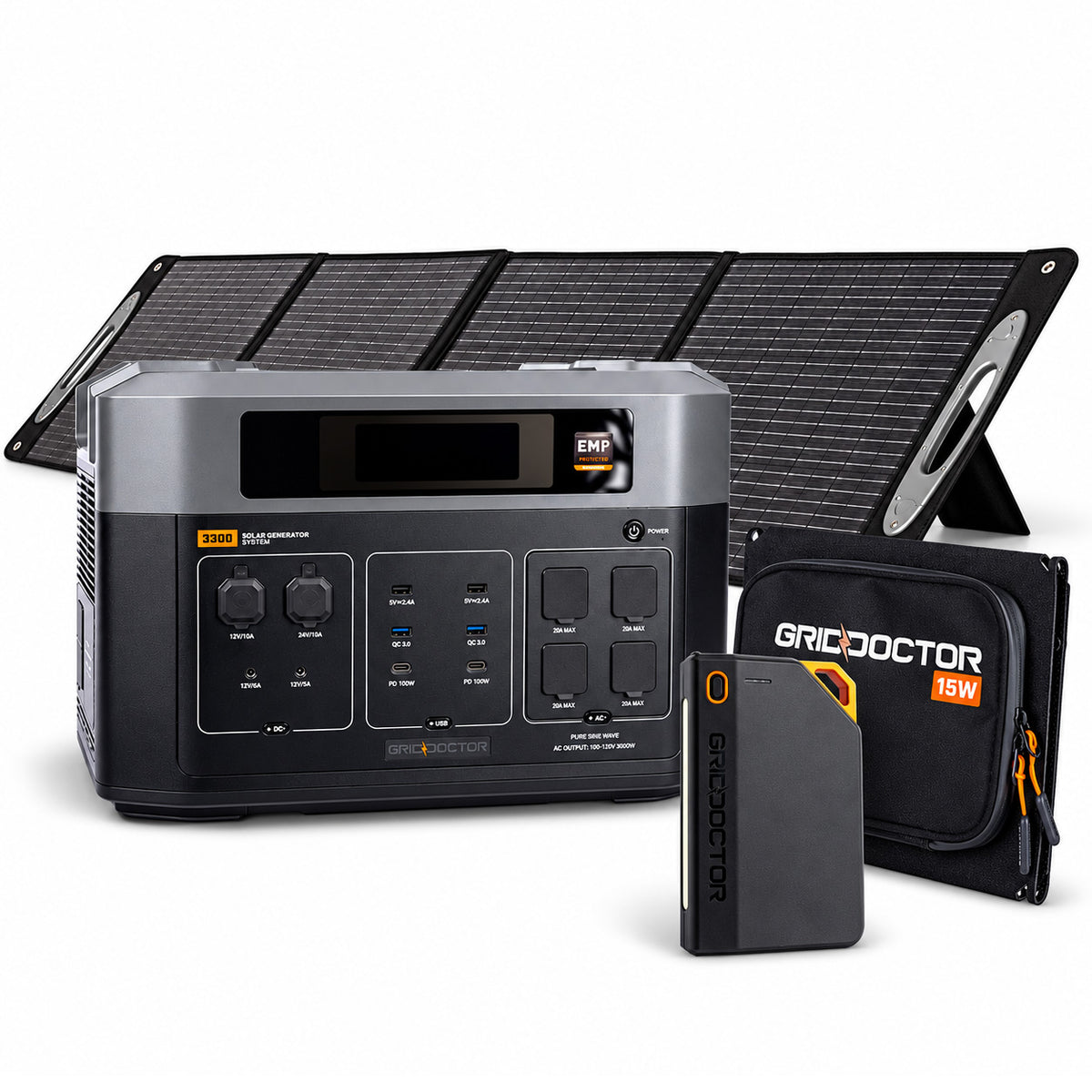
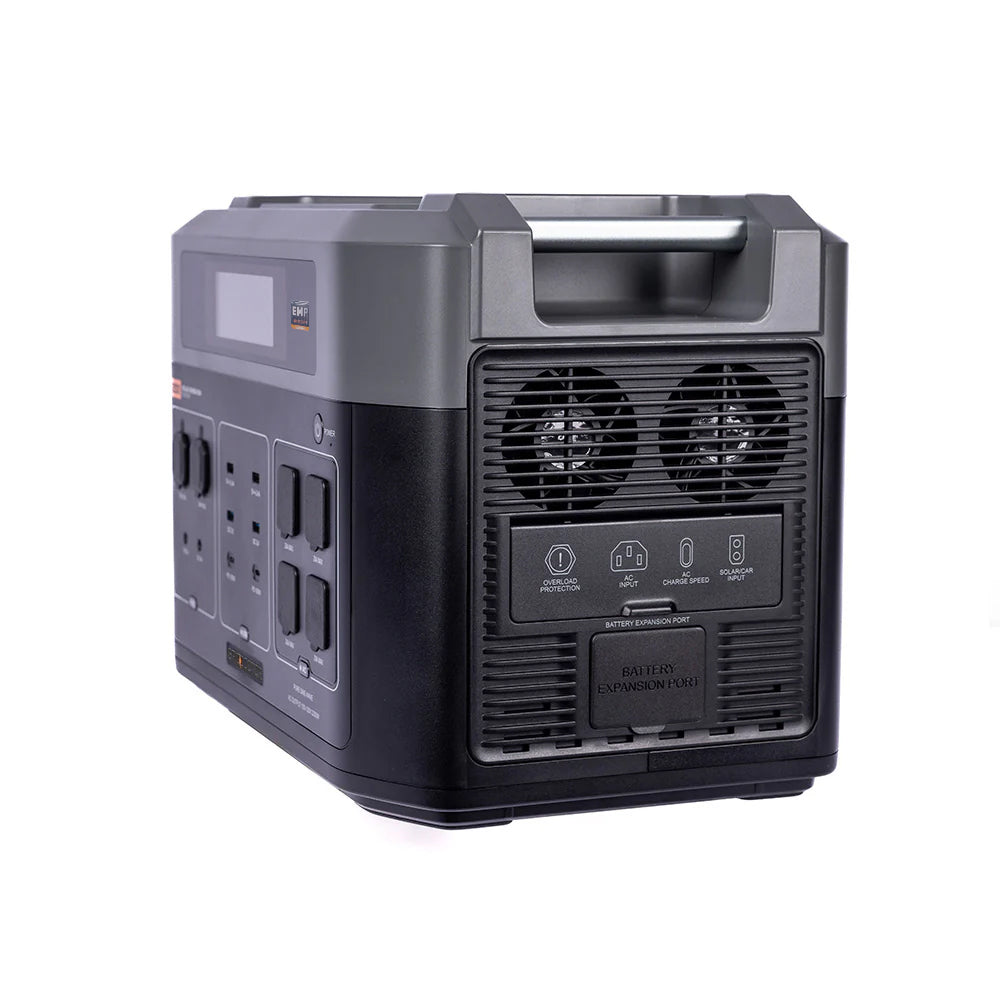
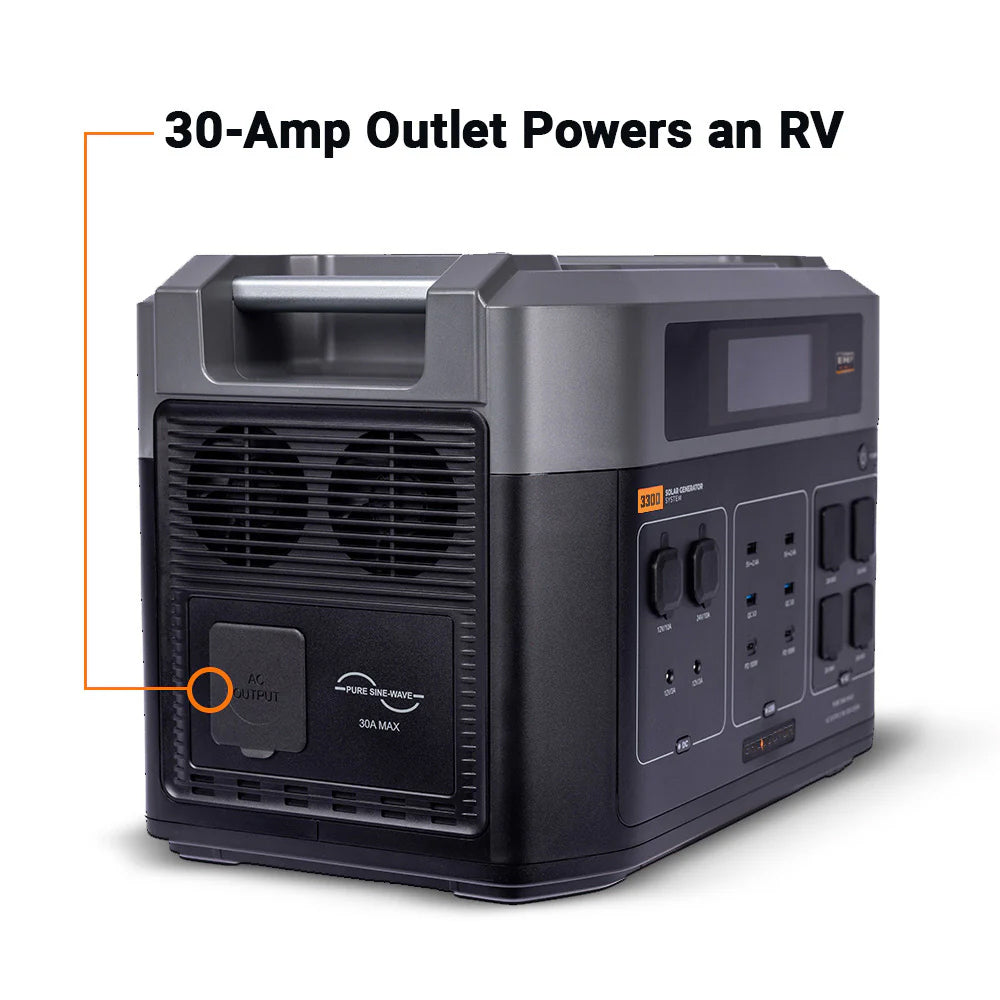
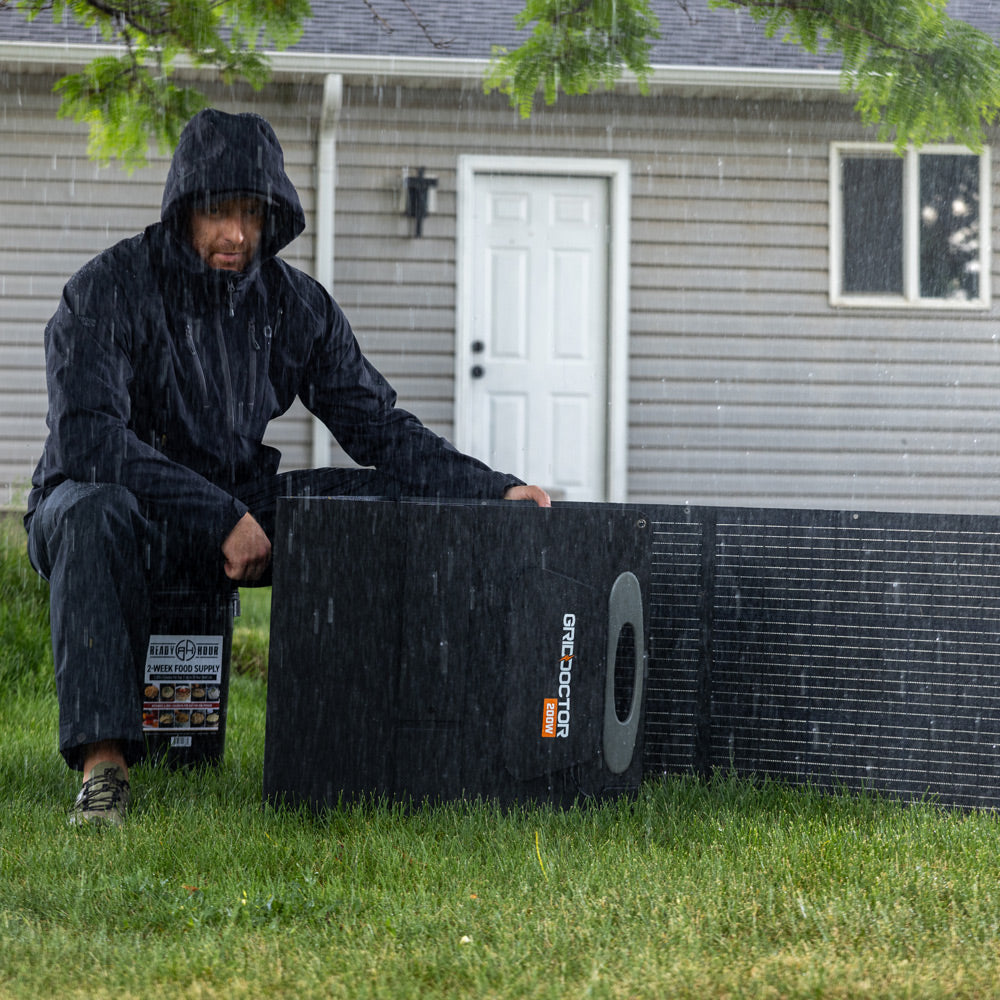
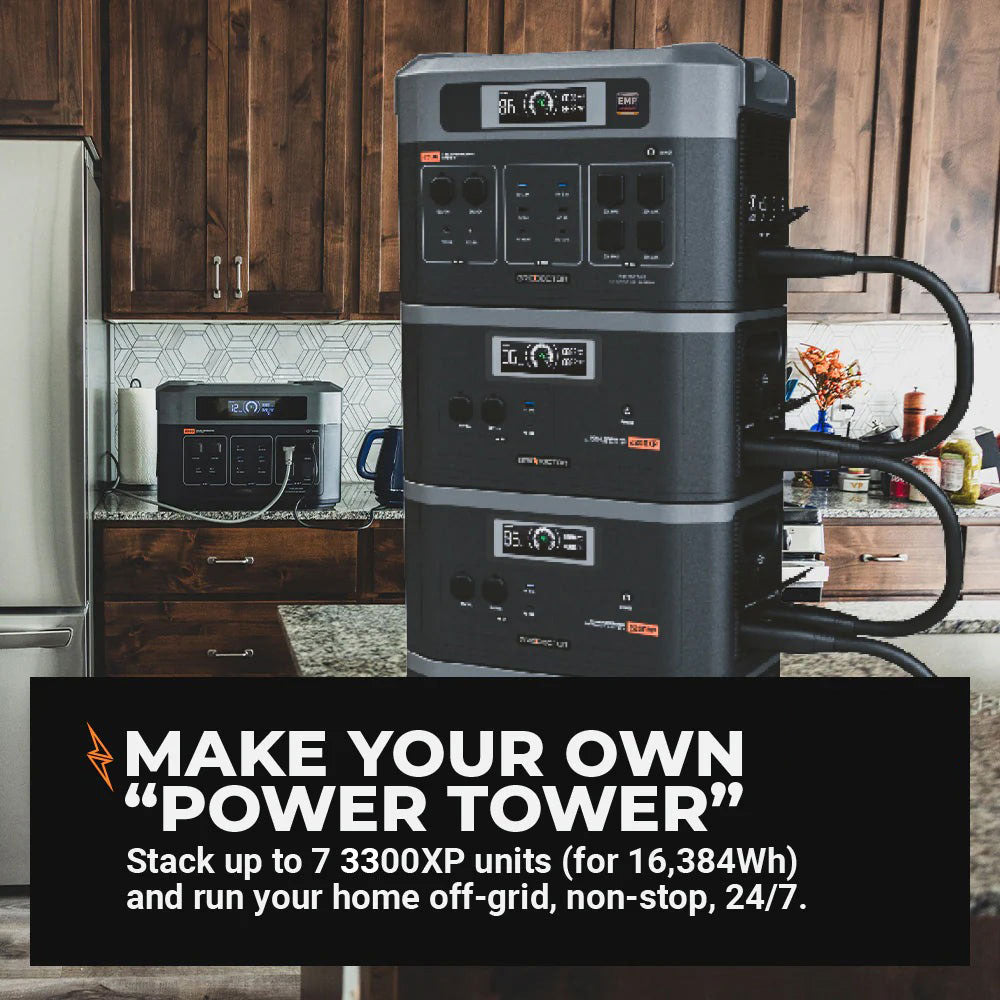
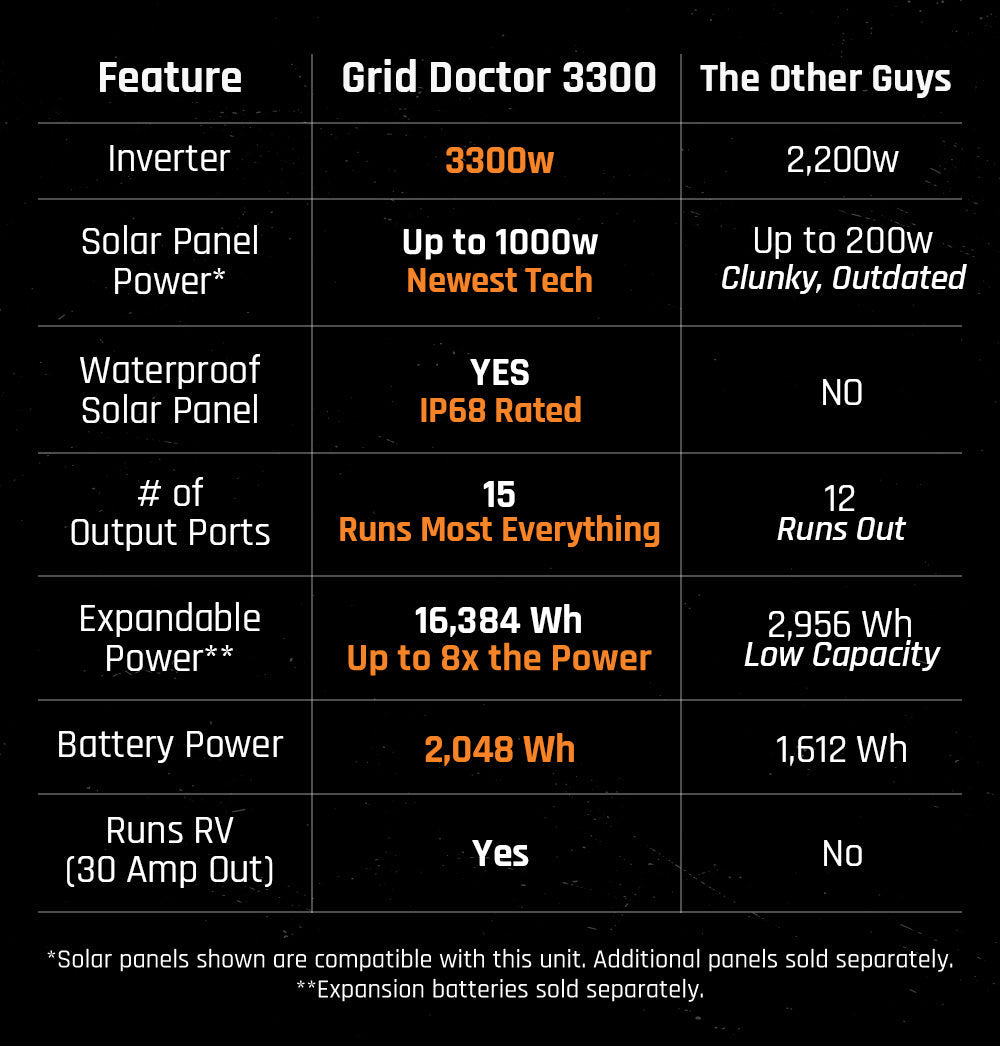
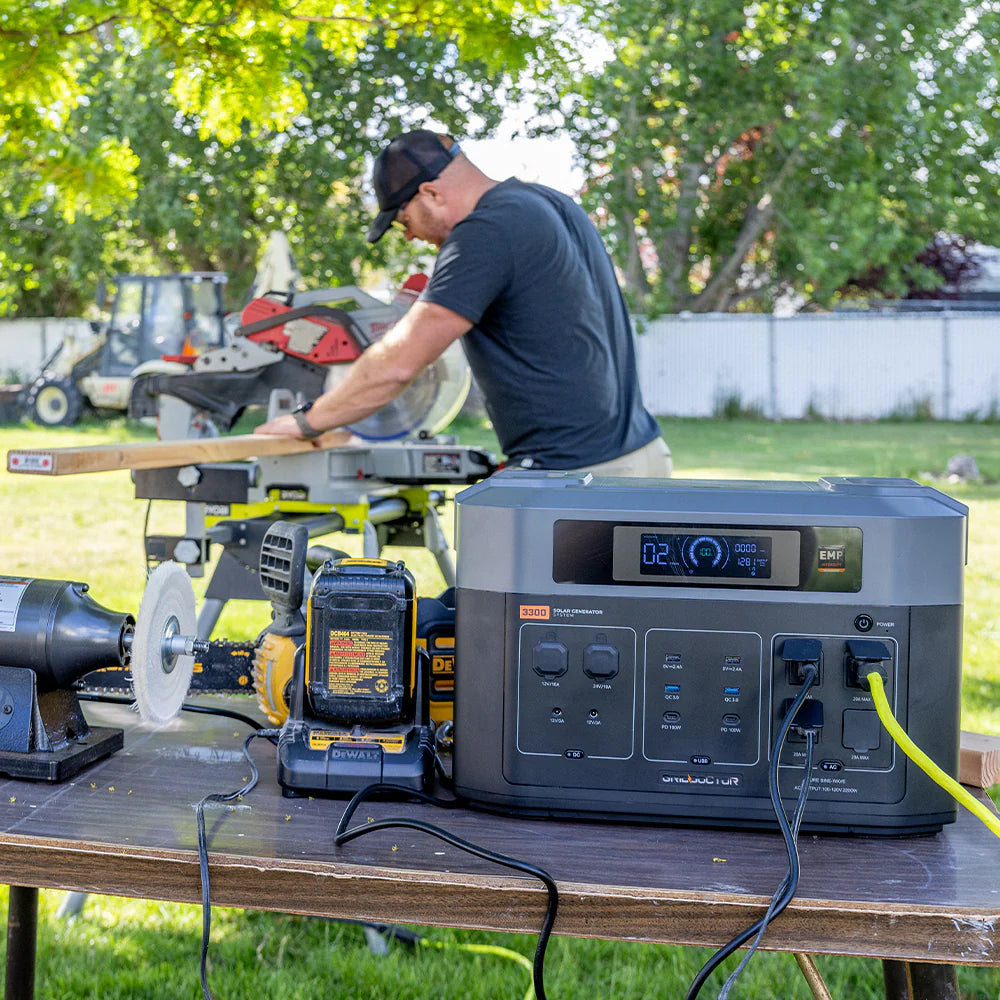
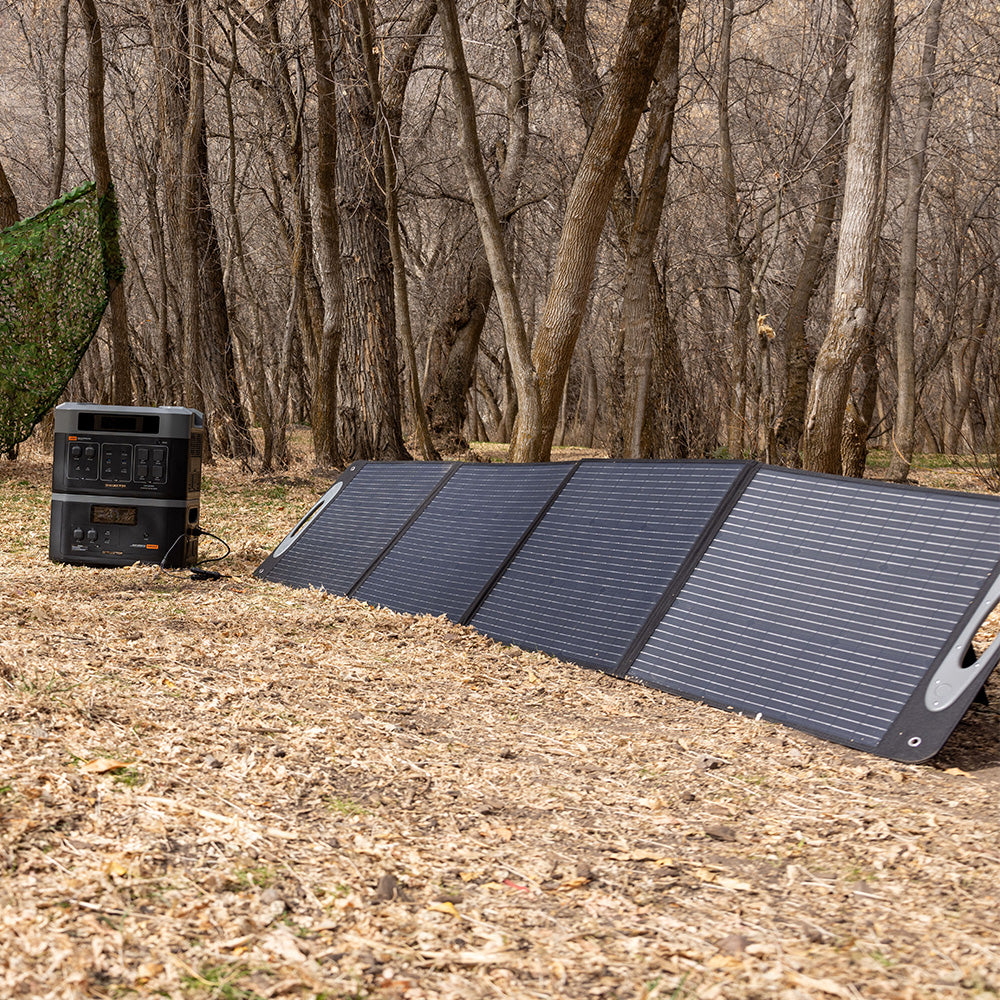
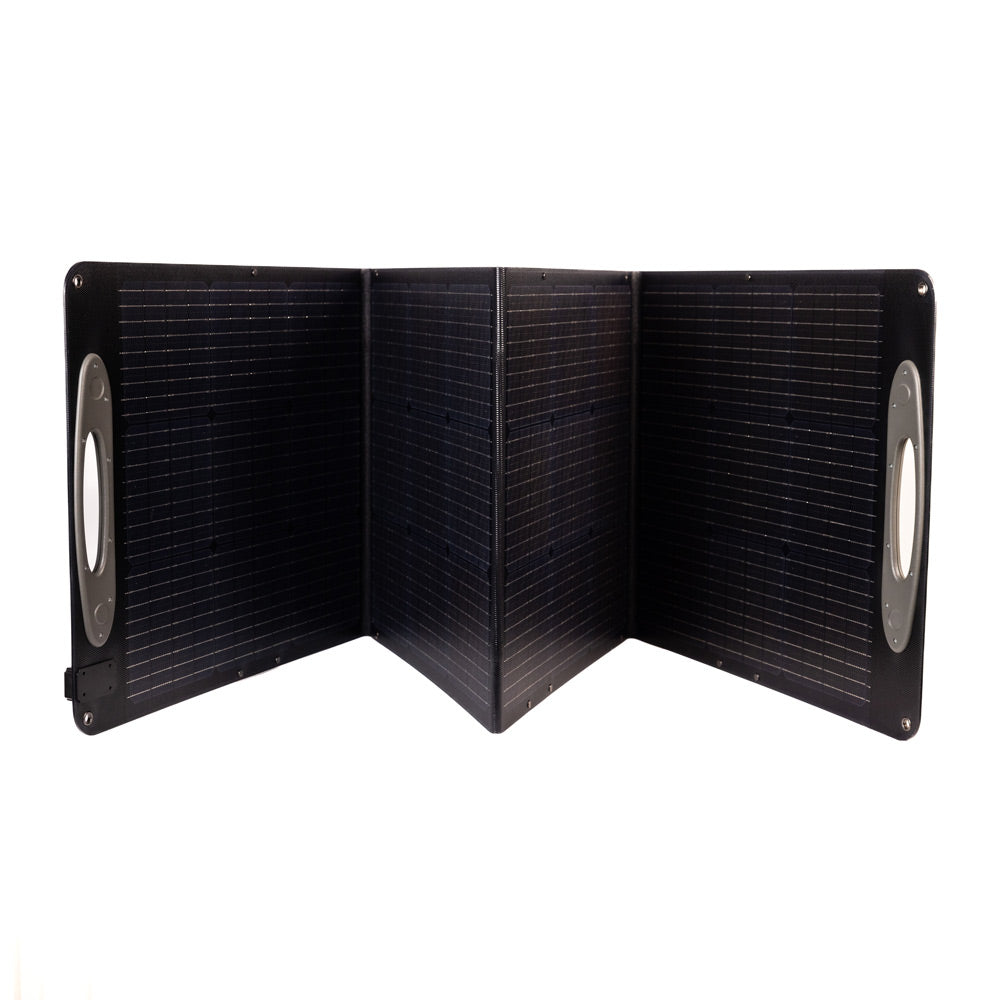
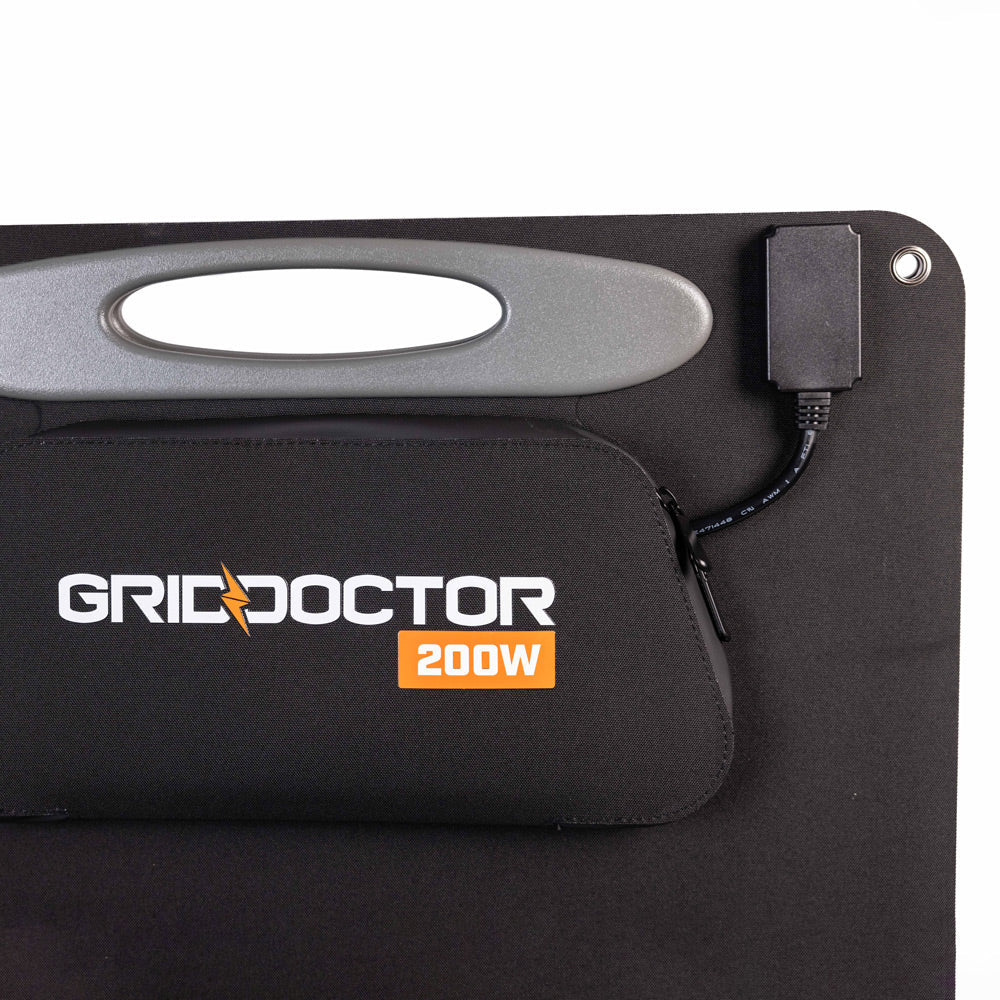
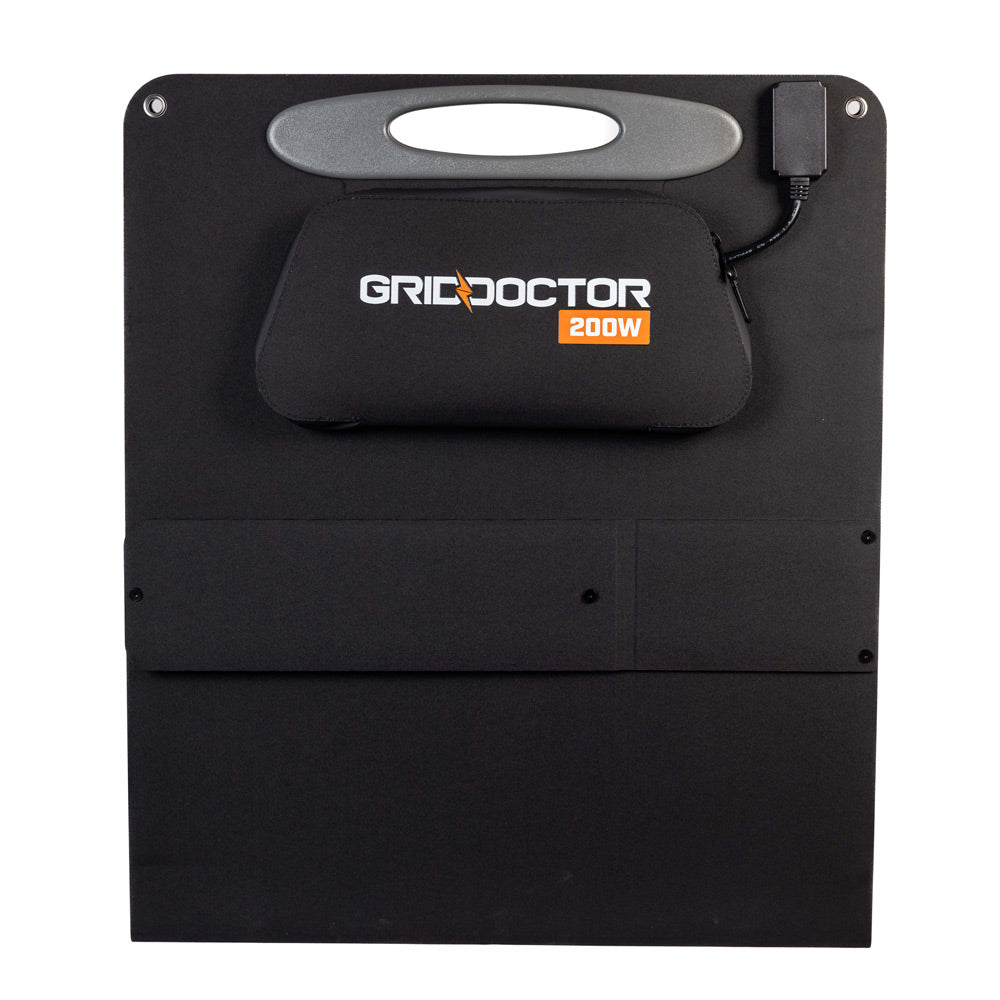
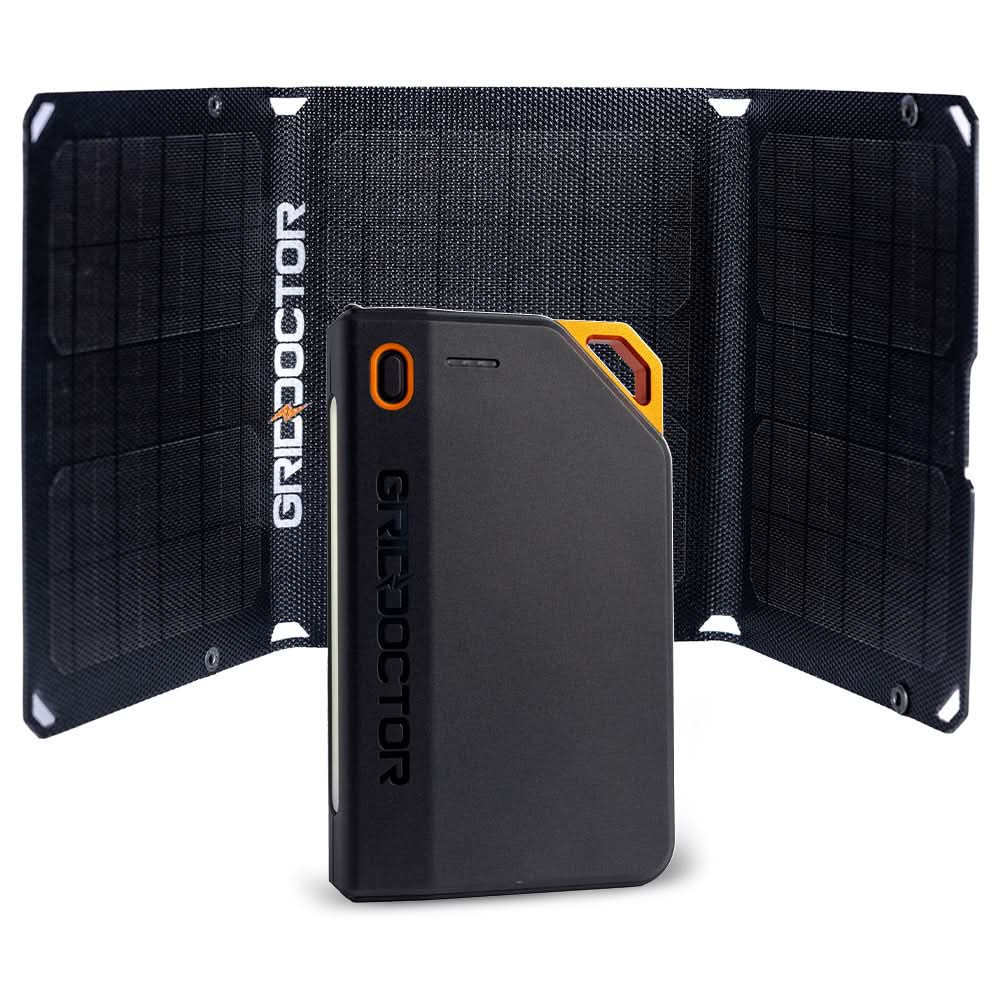
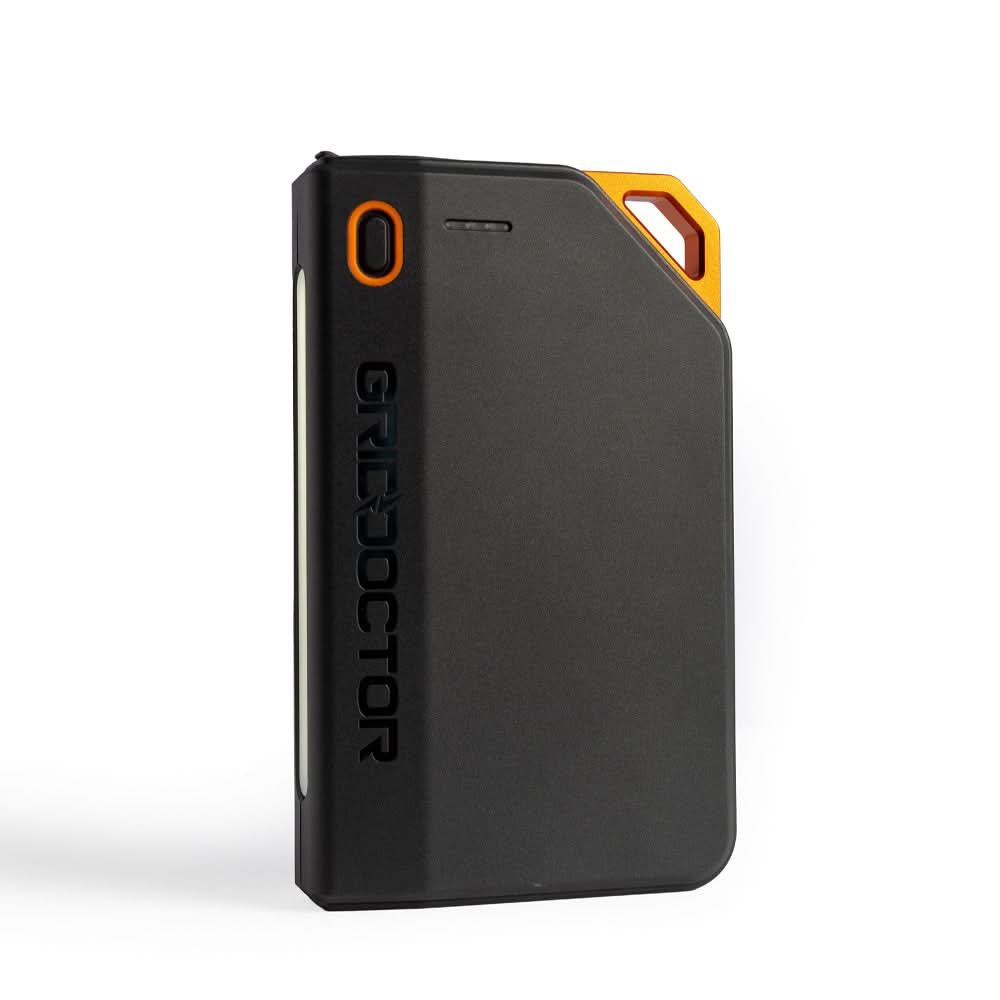
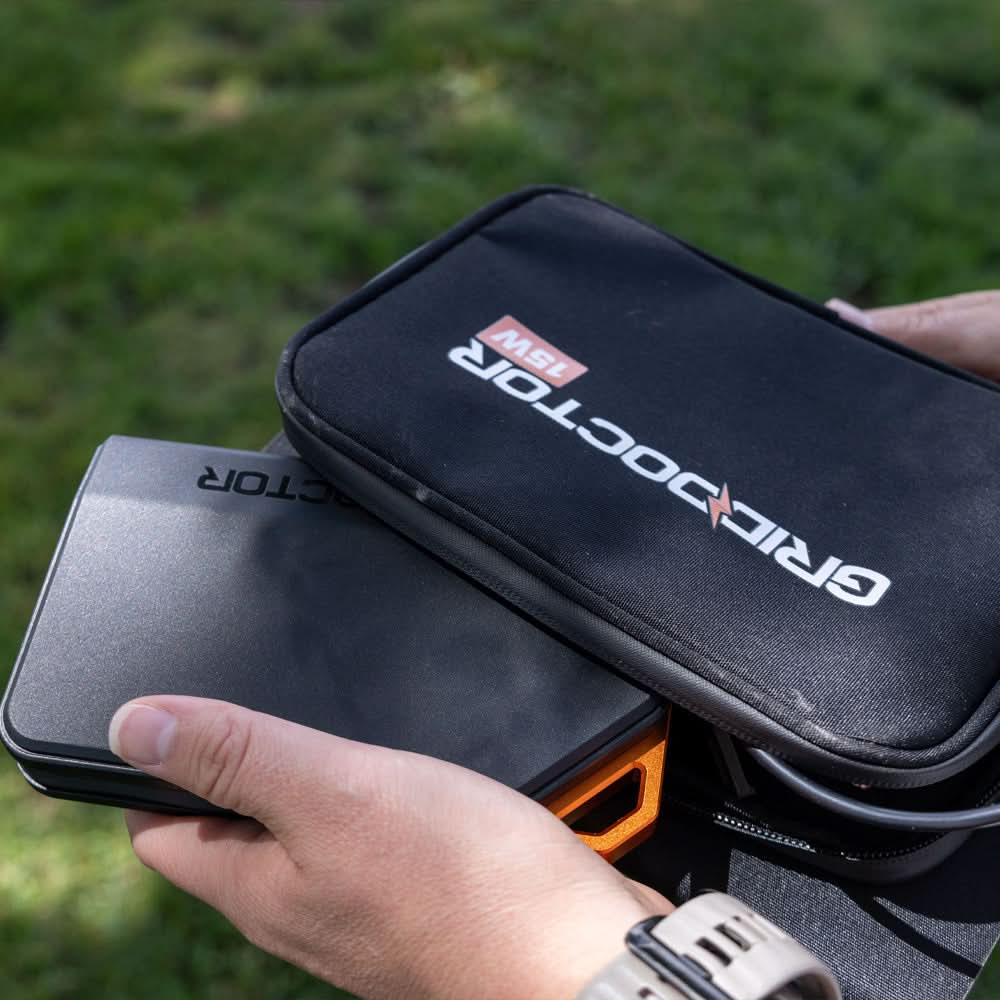
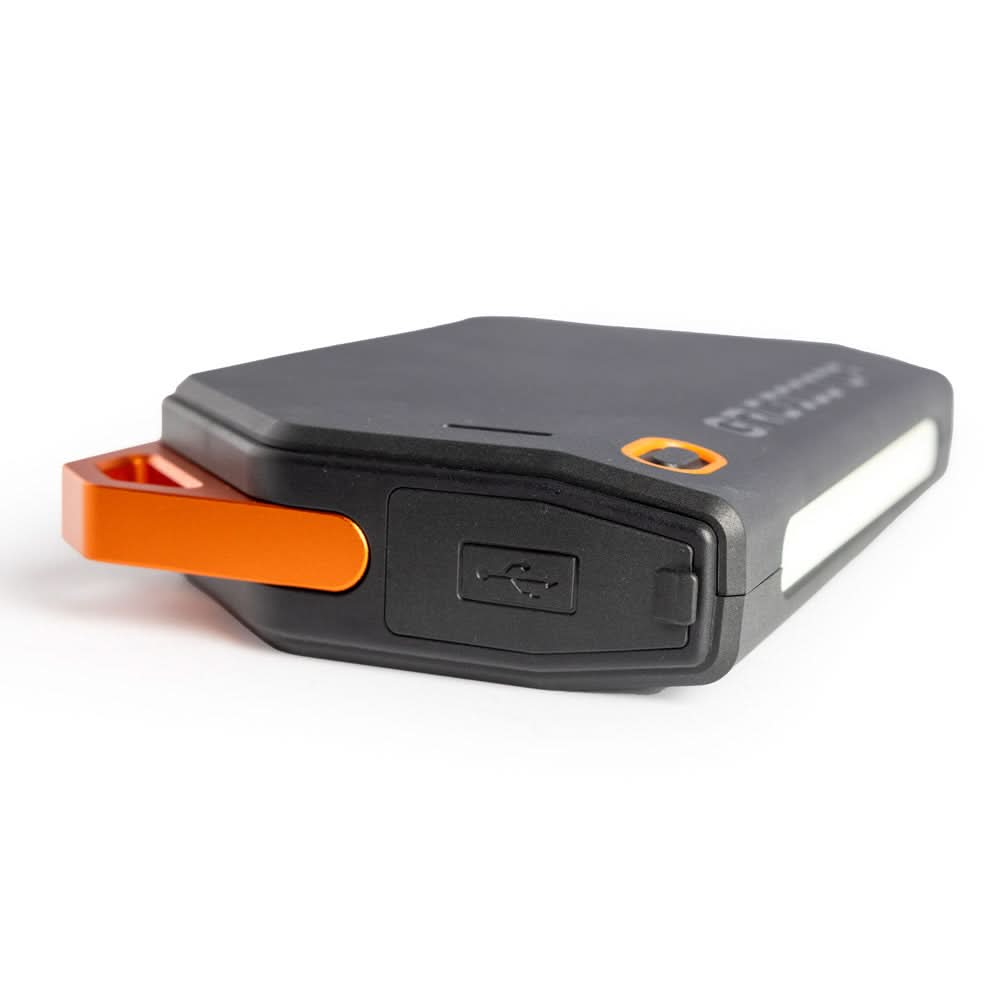
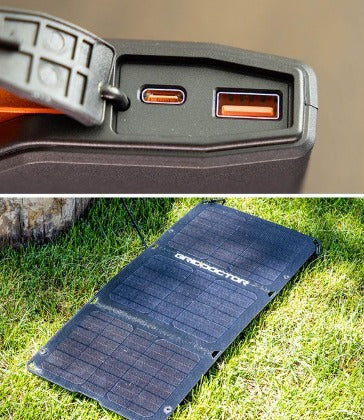
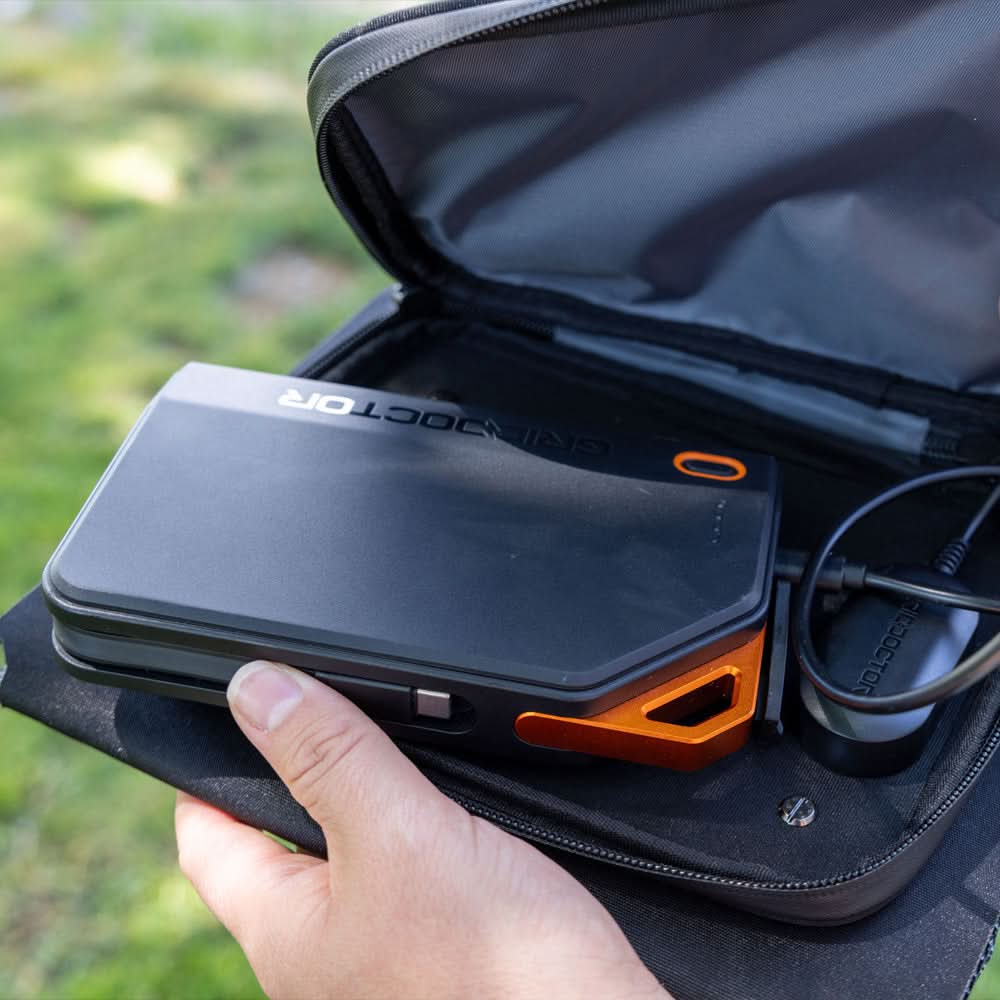
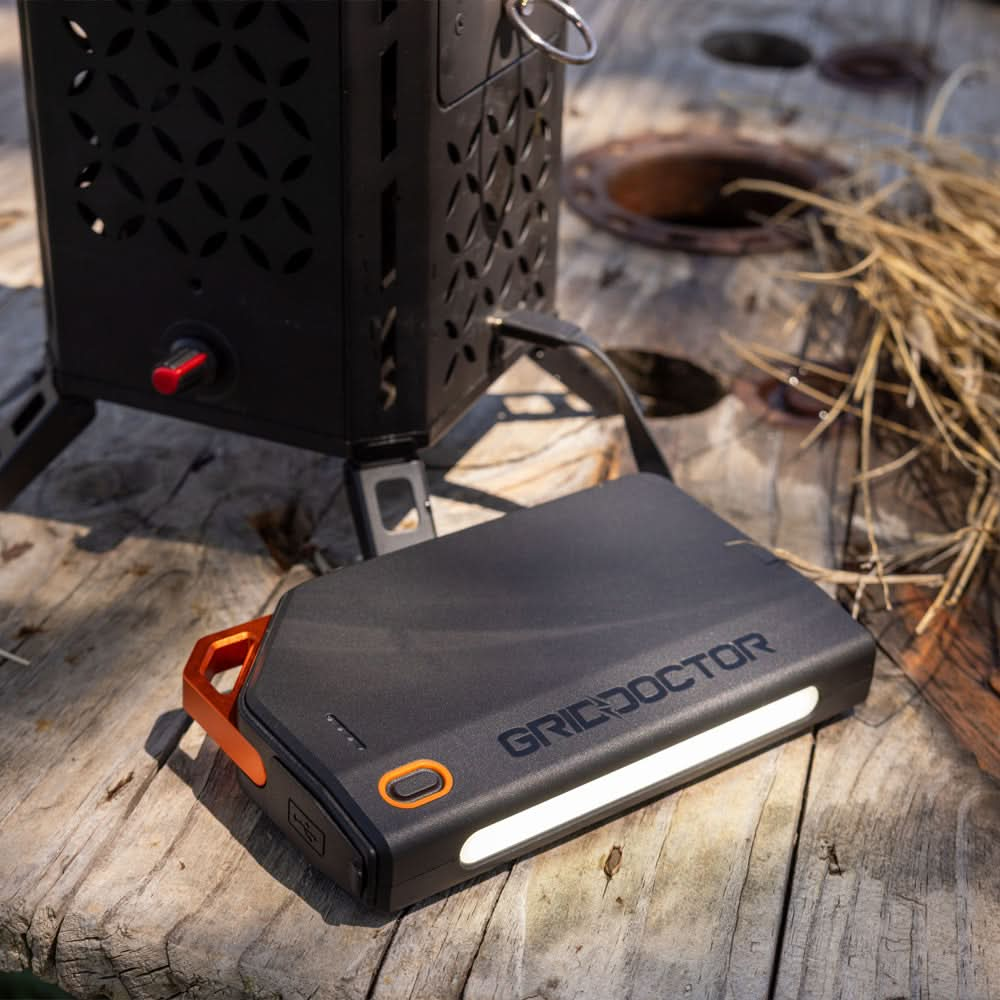
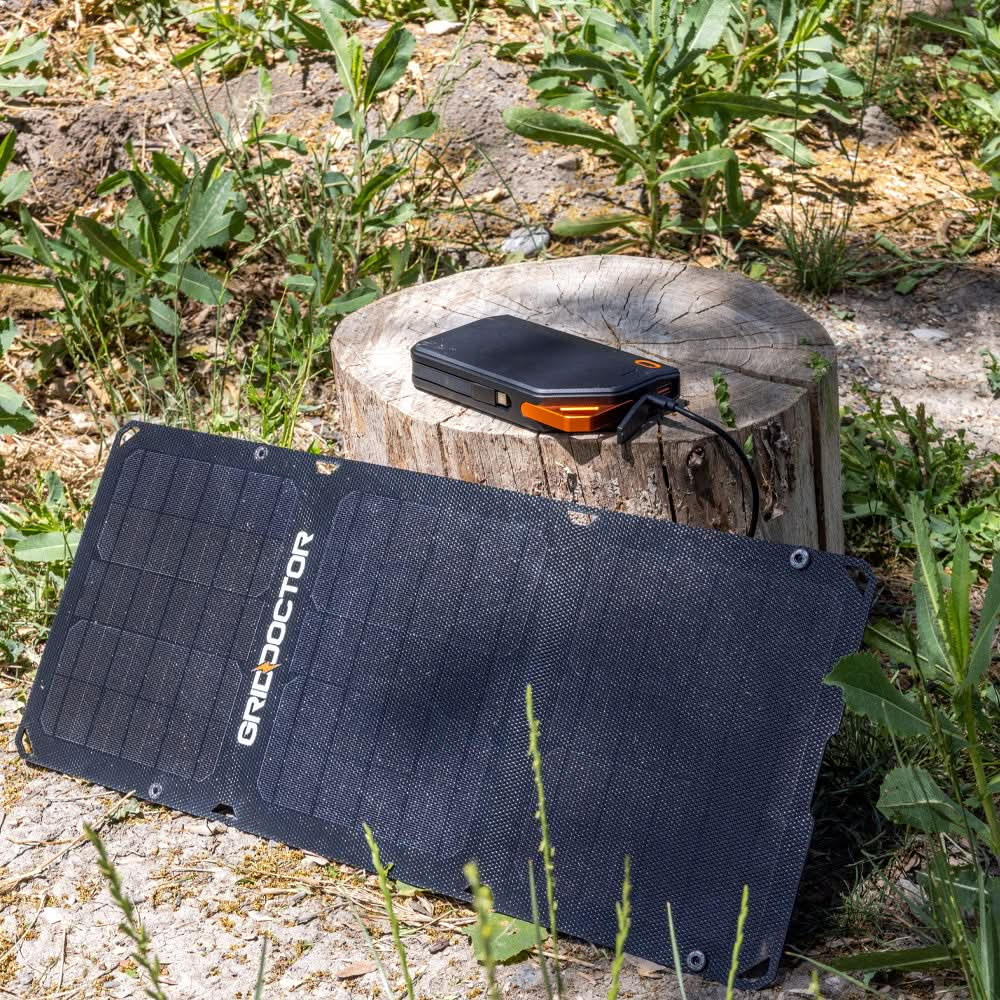
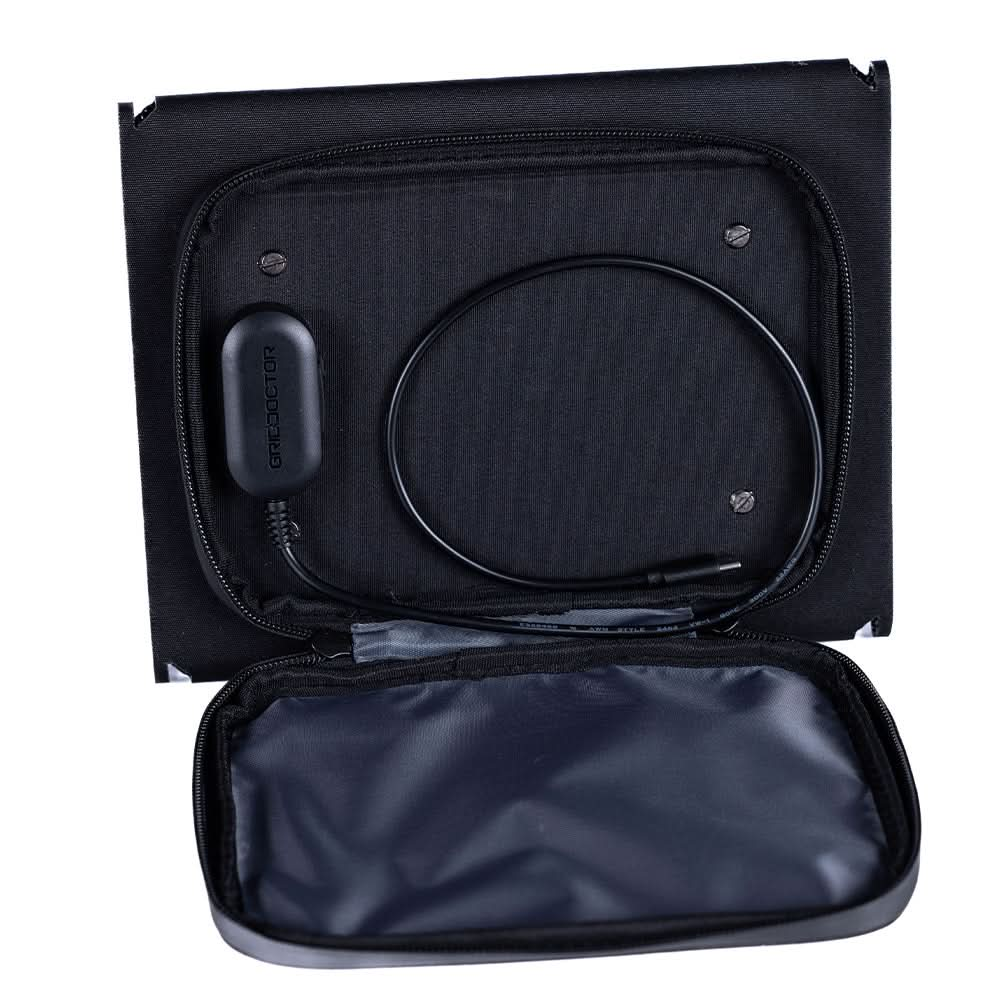
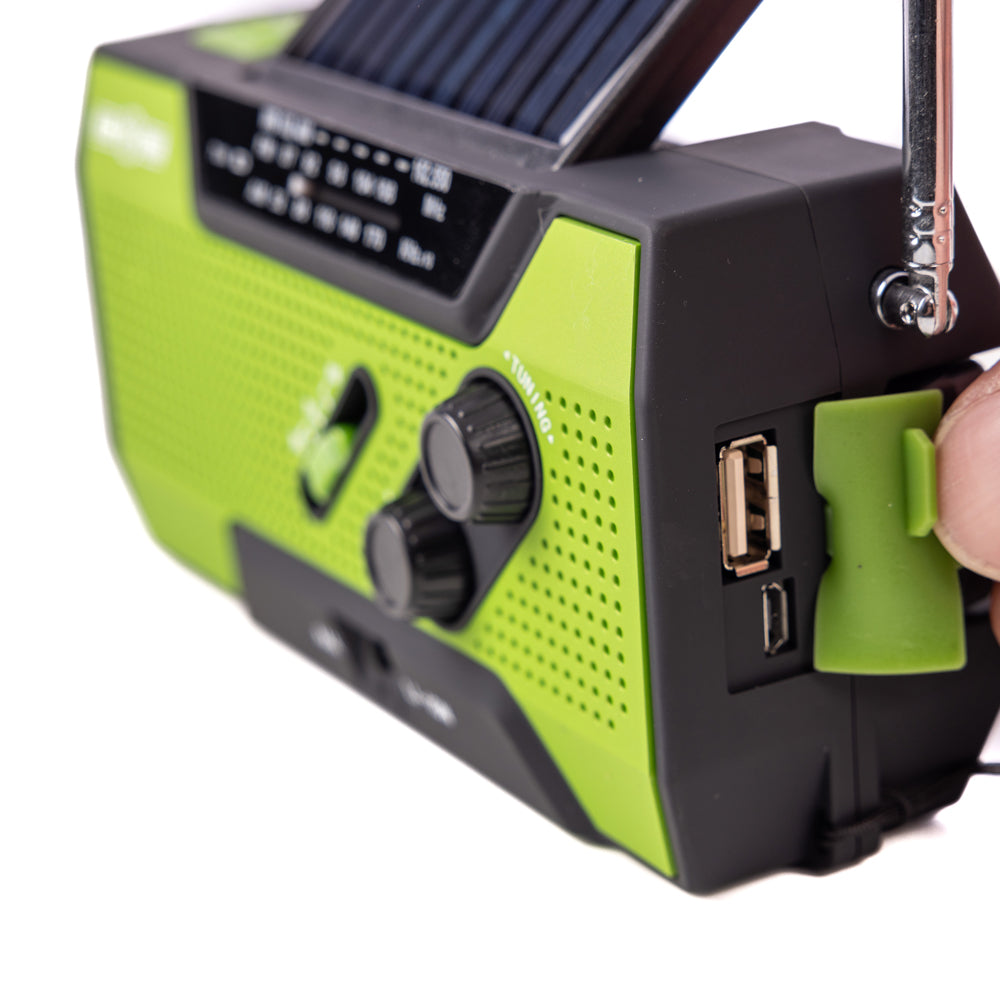
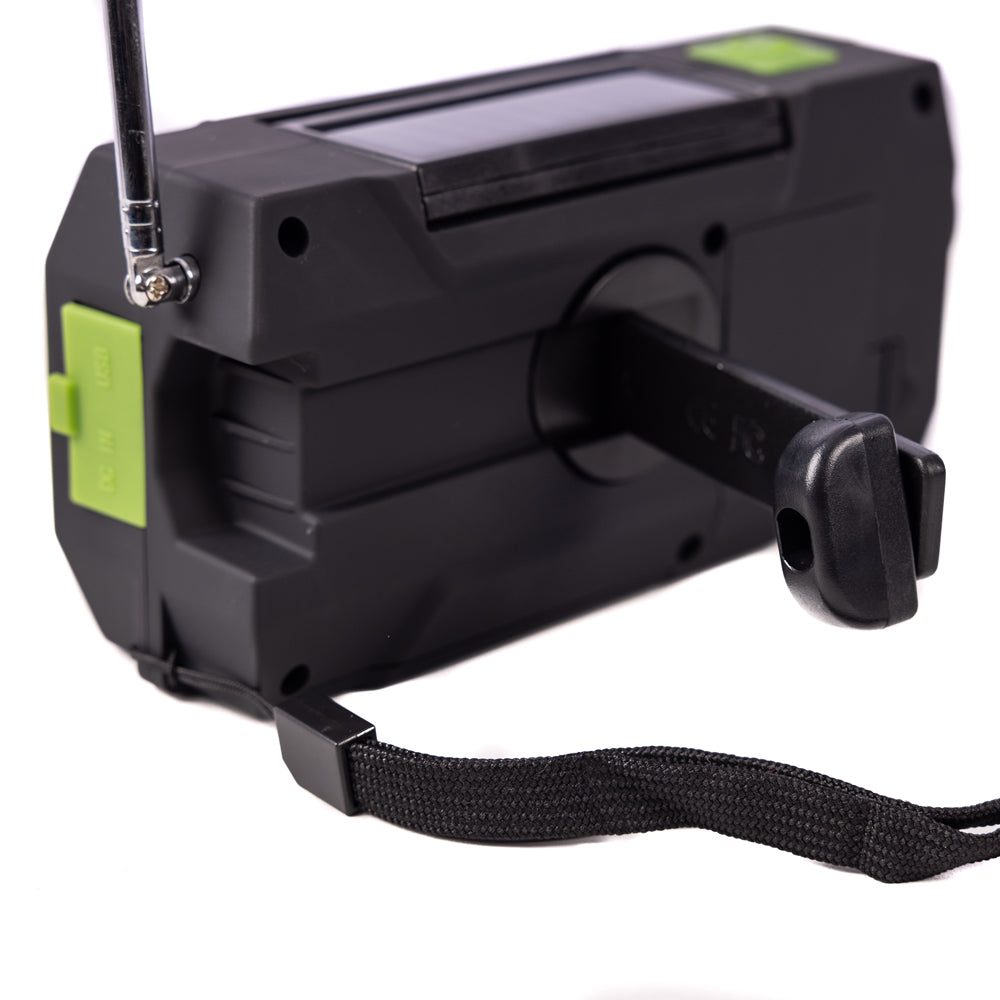
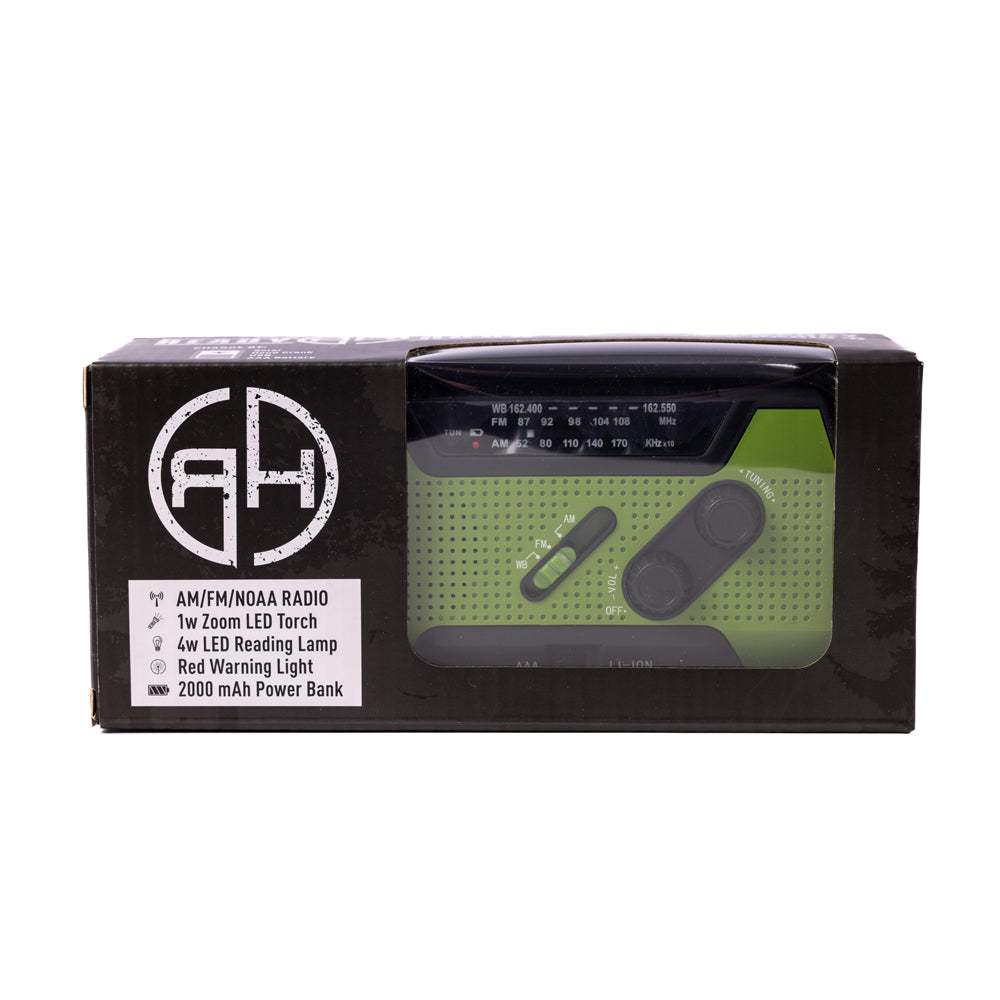
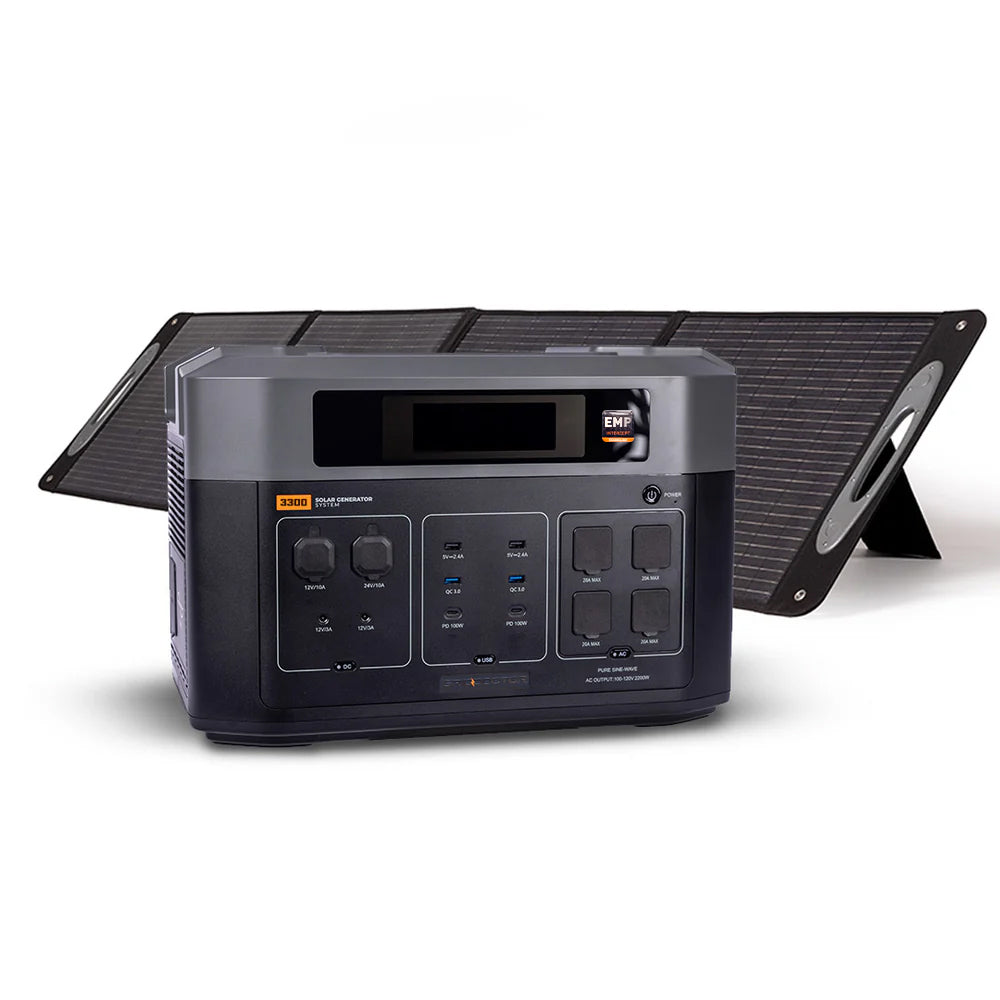
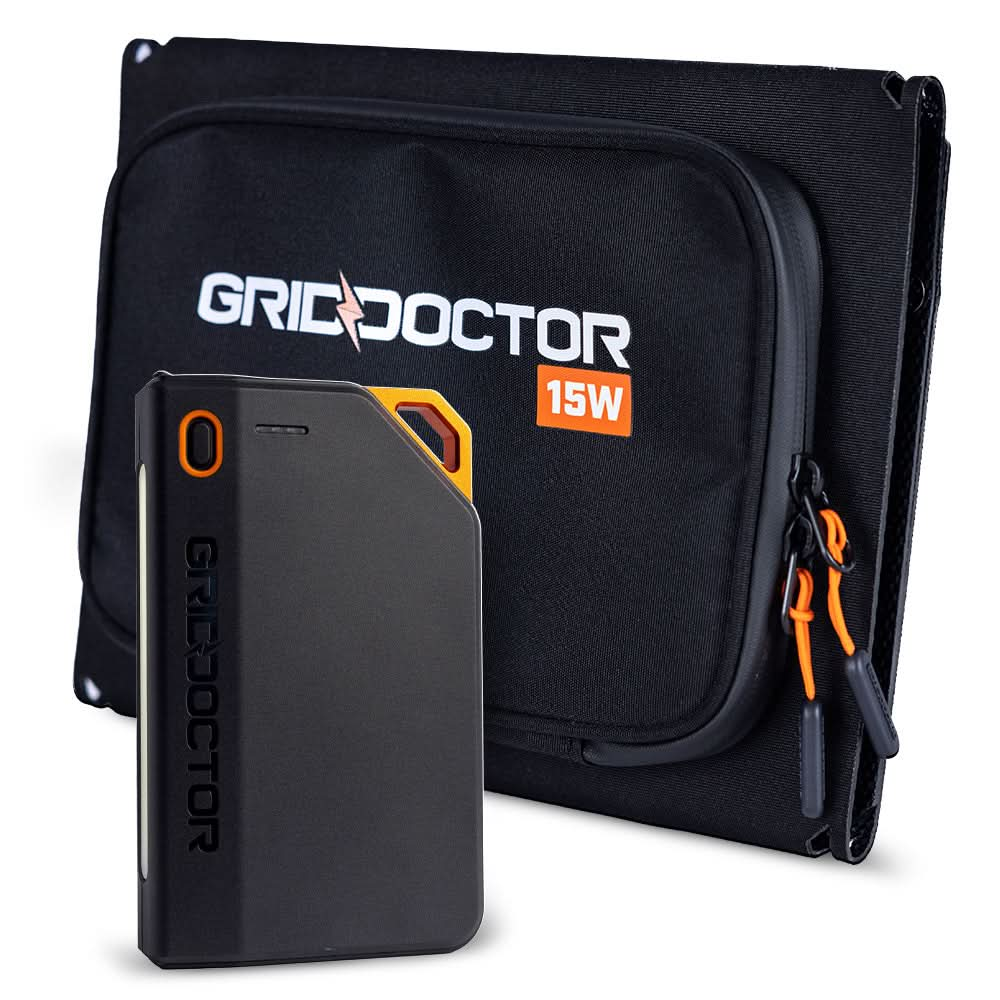
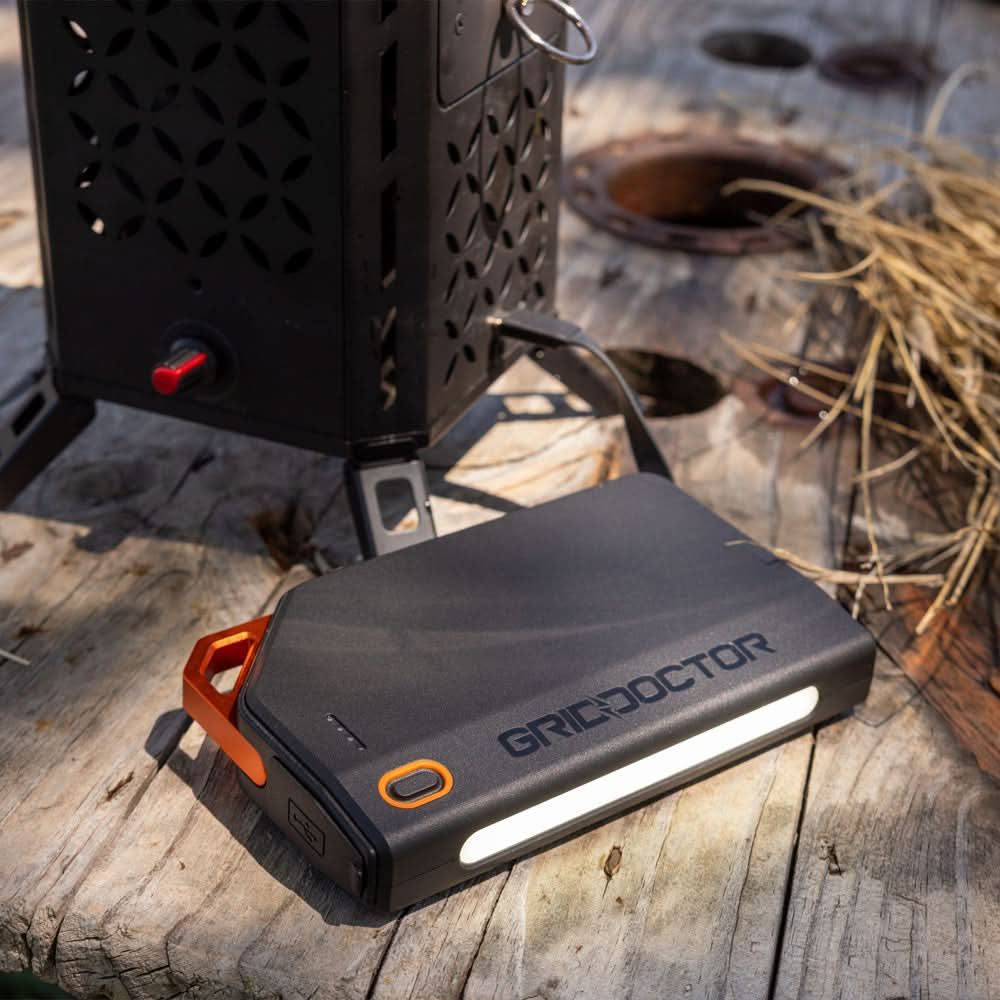
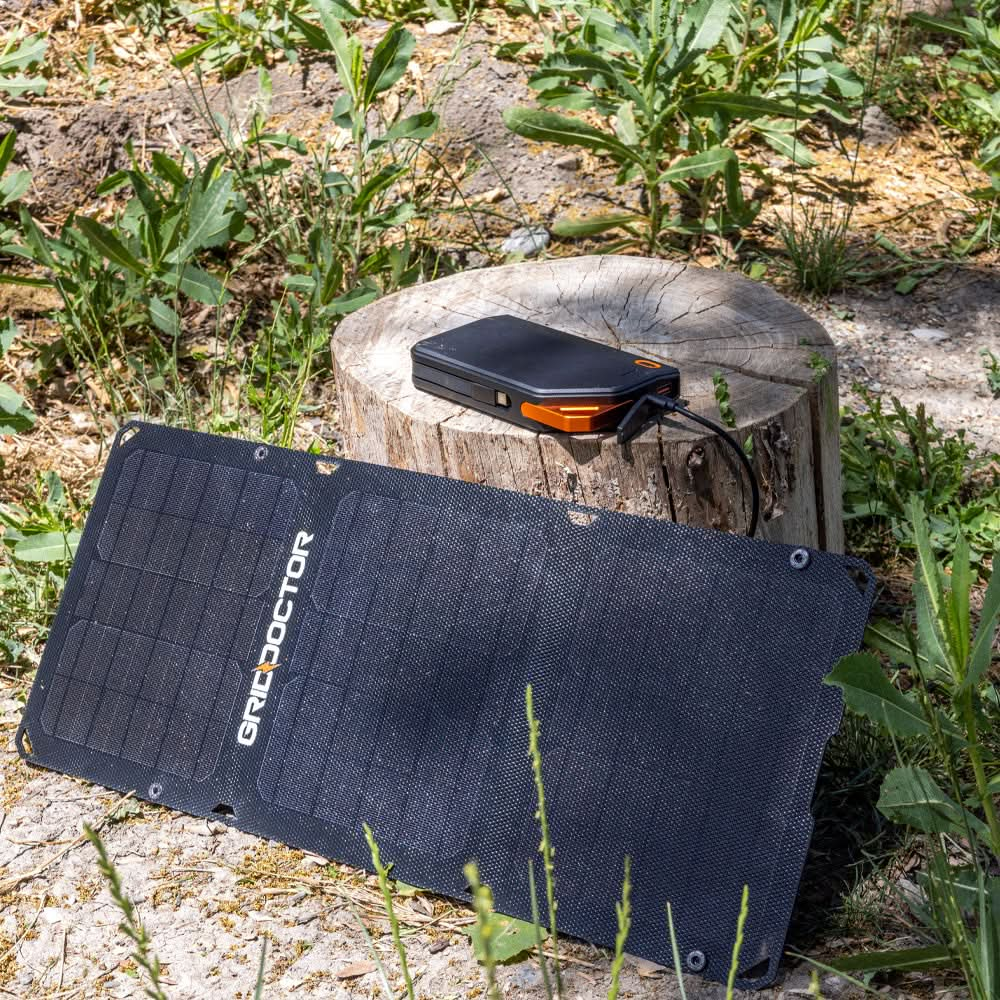
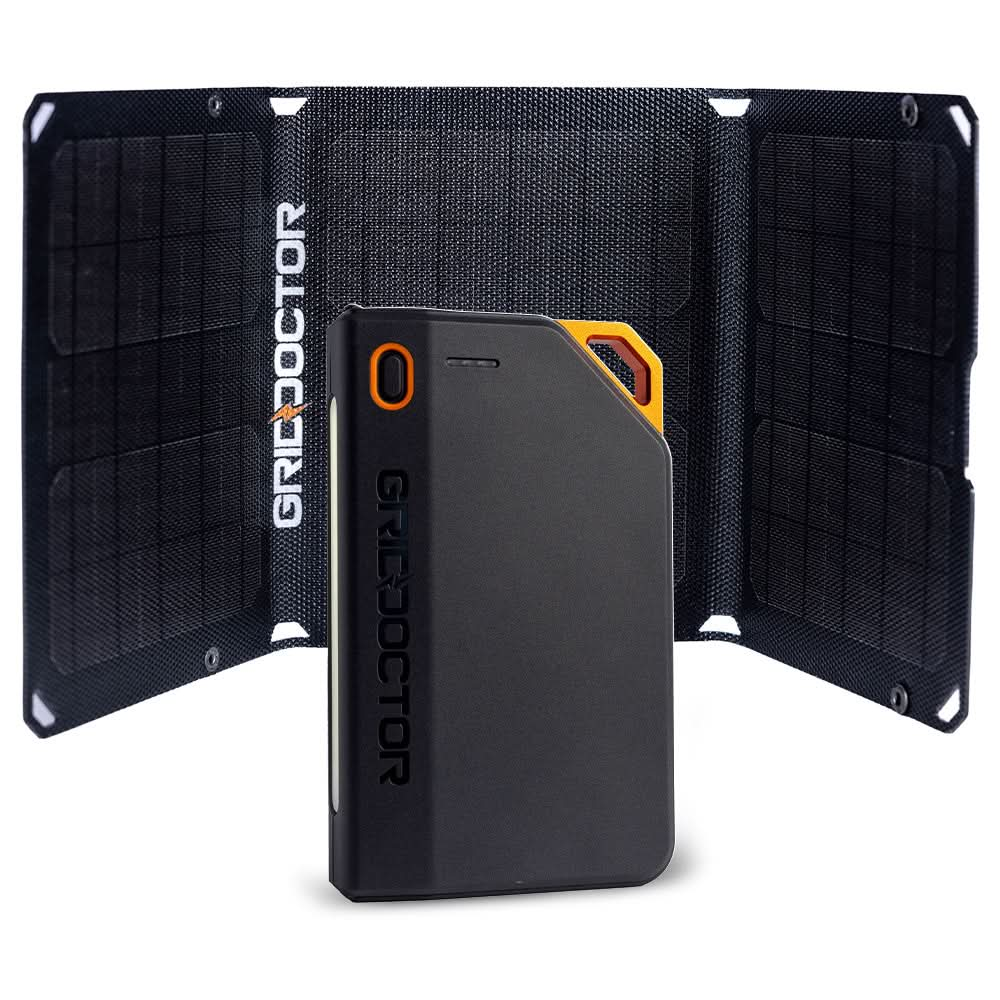
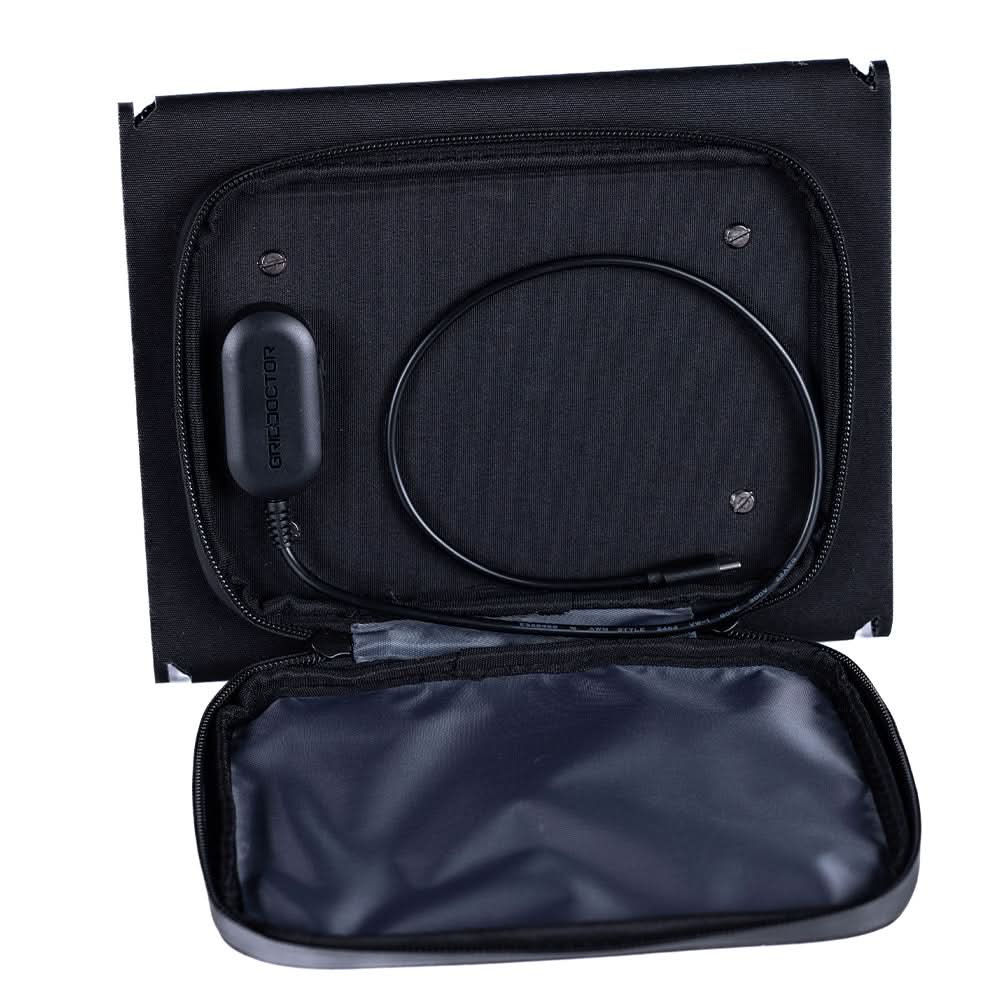
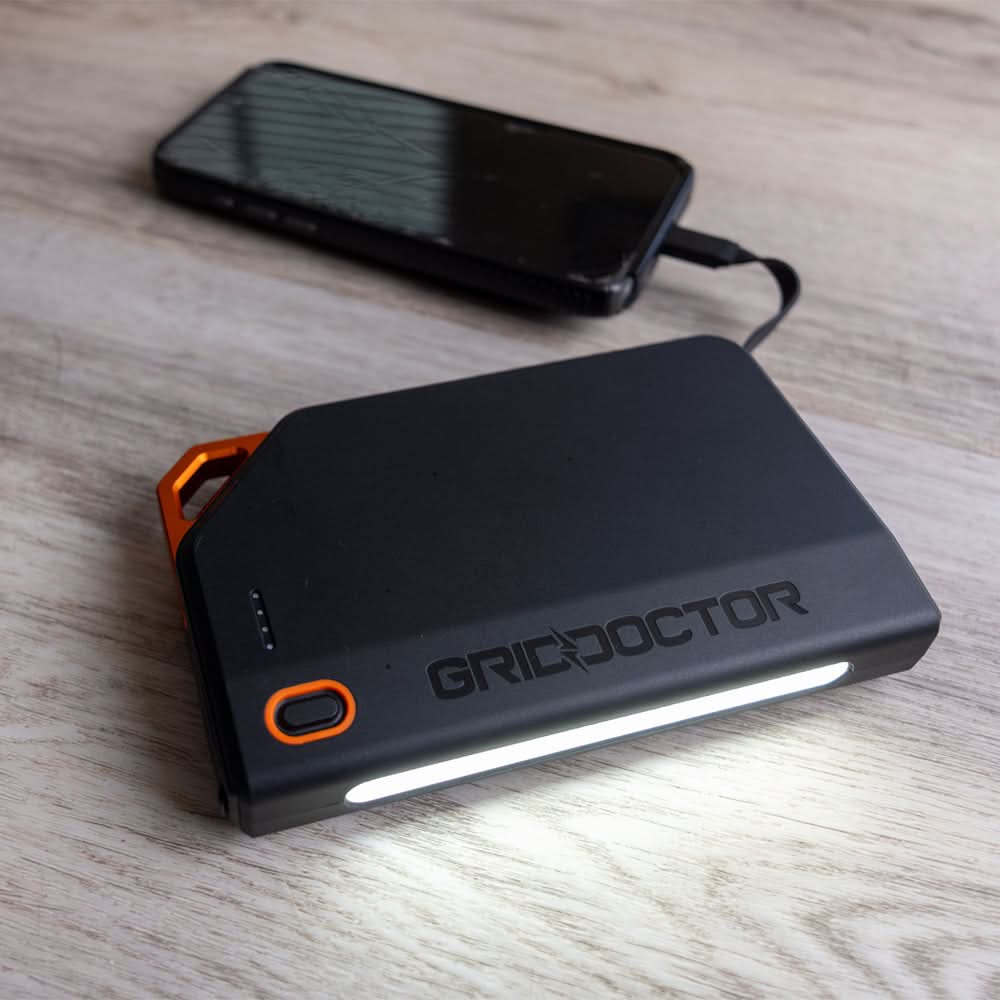
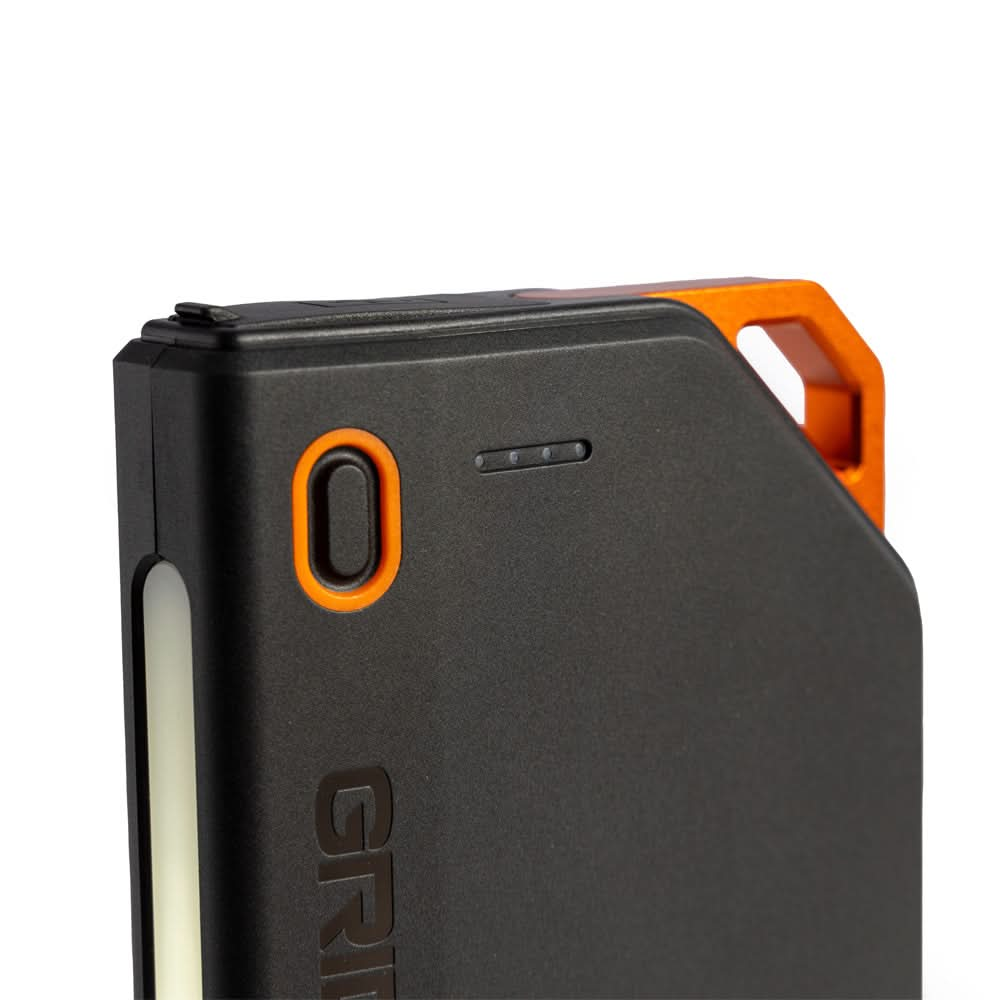
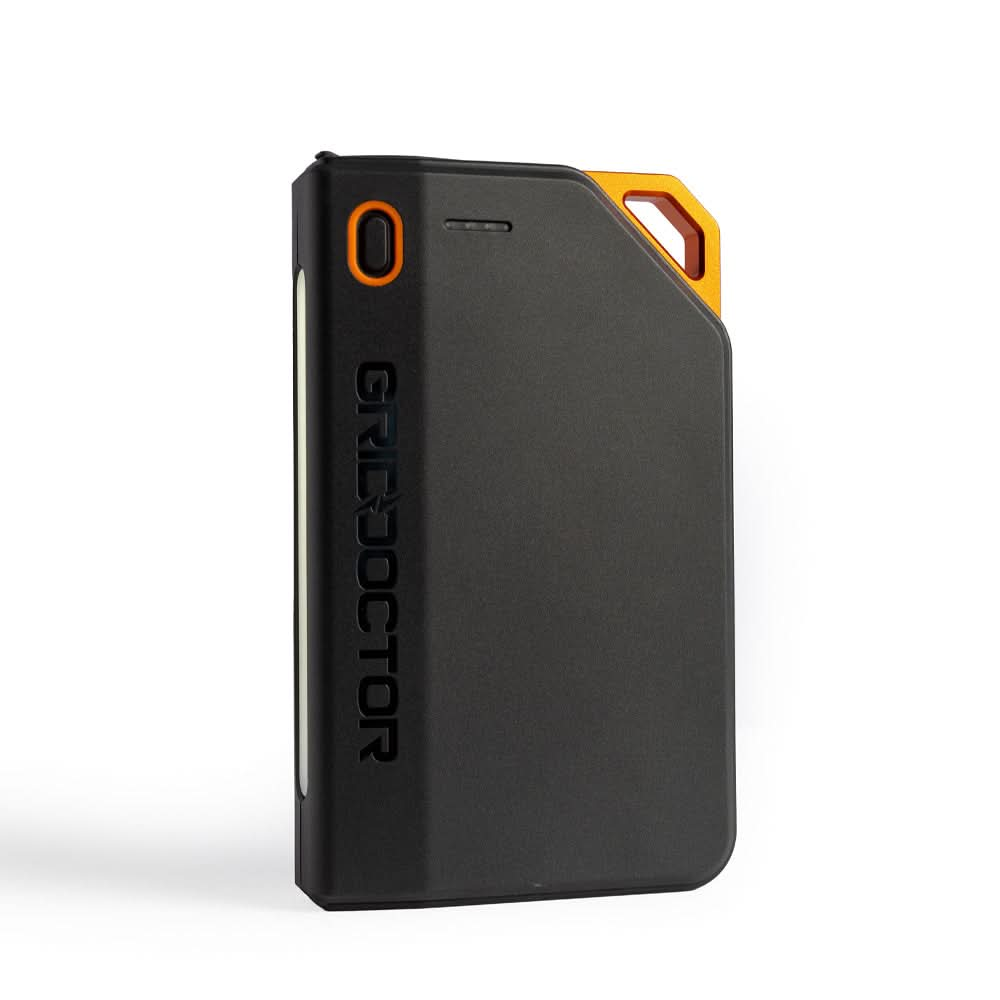
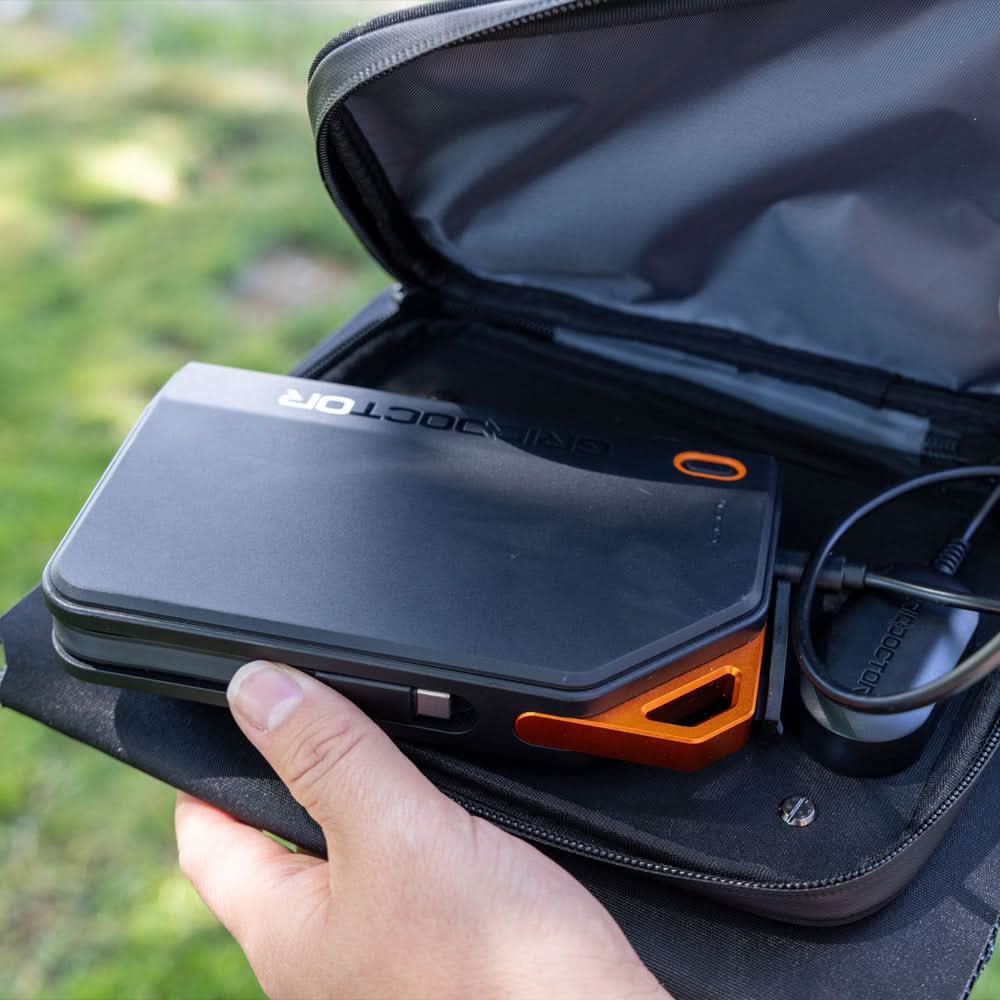
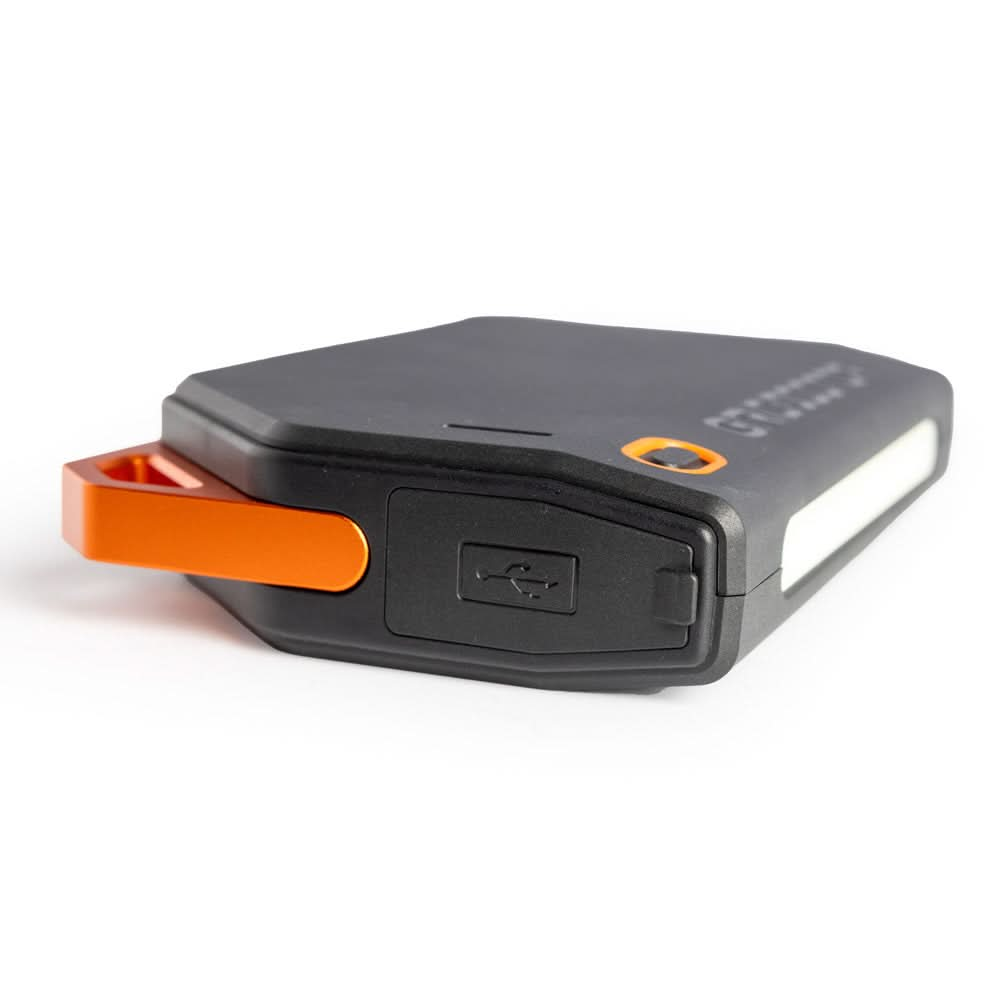
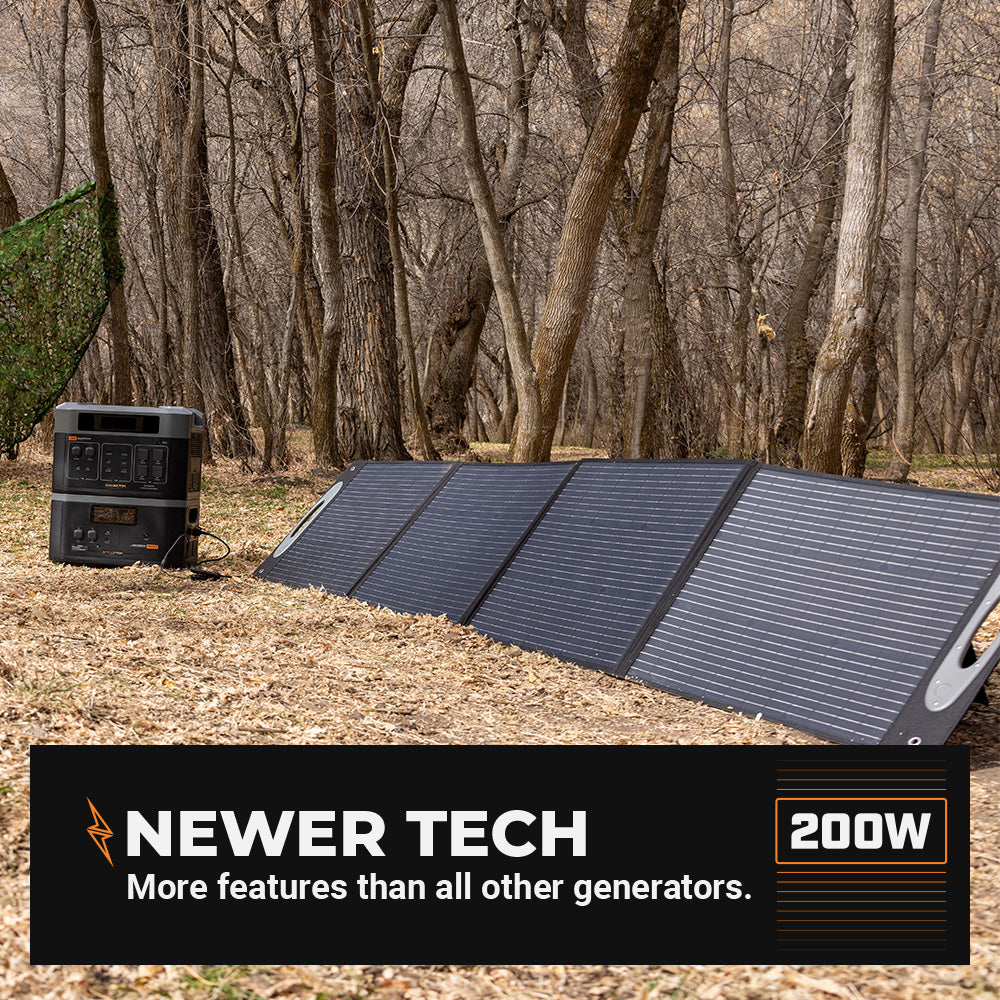
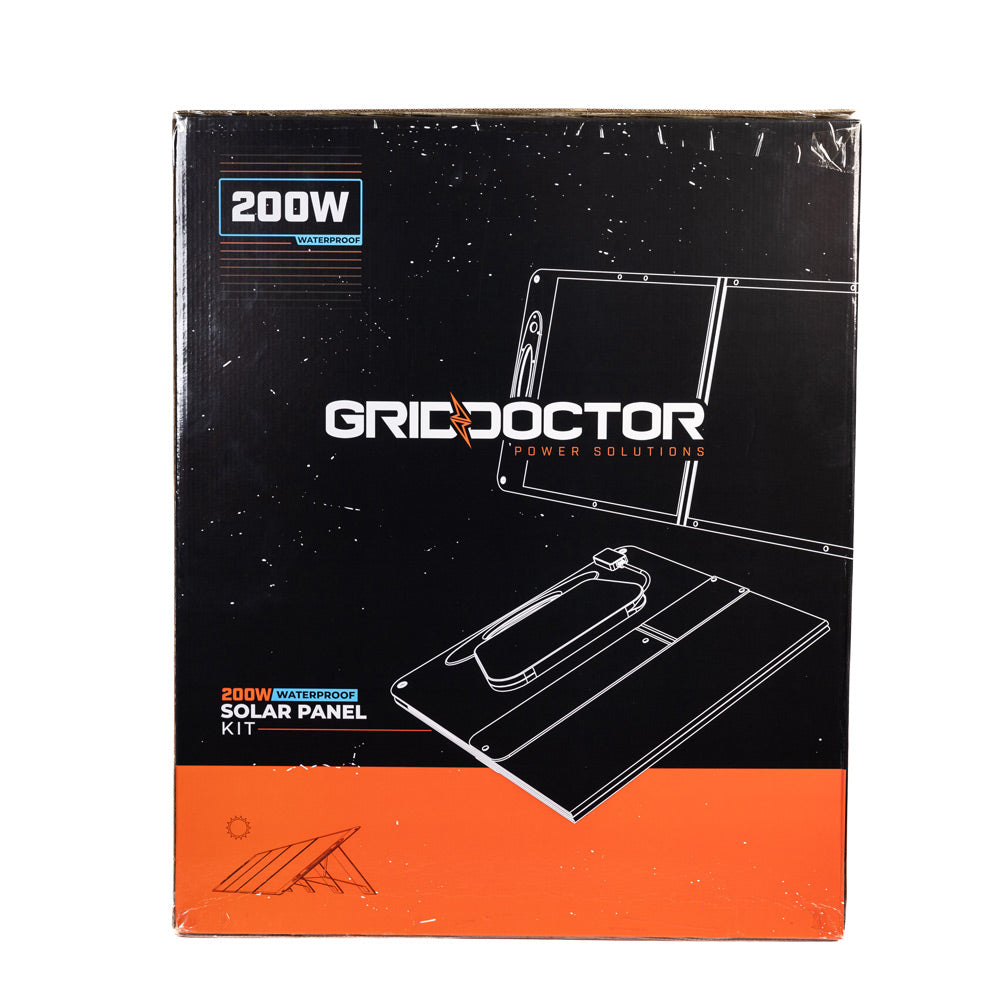
Keep Backup Power Ready: Keep portable power banks or large battery backups charged, ensuring you can keep phones, laptops, and essential electronics running throughout an outage.
Conserve Device Power: Switch phones and laptops to low-power or battery-saver mode, dim screen brightness, and prioritize text messages over calls to preserve battery life.
Keep a Written Contact List: Note down important phone numbers, including your local utility company, family contacts, and neighbors, on a physical sheet of paper.
CHOOSING BACKUP POWER FOR YOUR HOUSEHOLD


Practice before you need it: Read the equipment instructions and walk through your setup under normal conditions. Show others in your household how the system works so anyone can step in if needed.
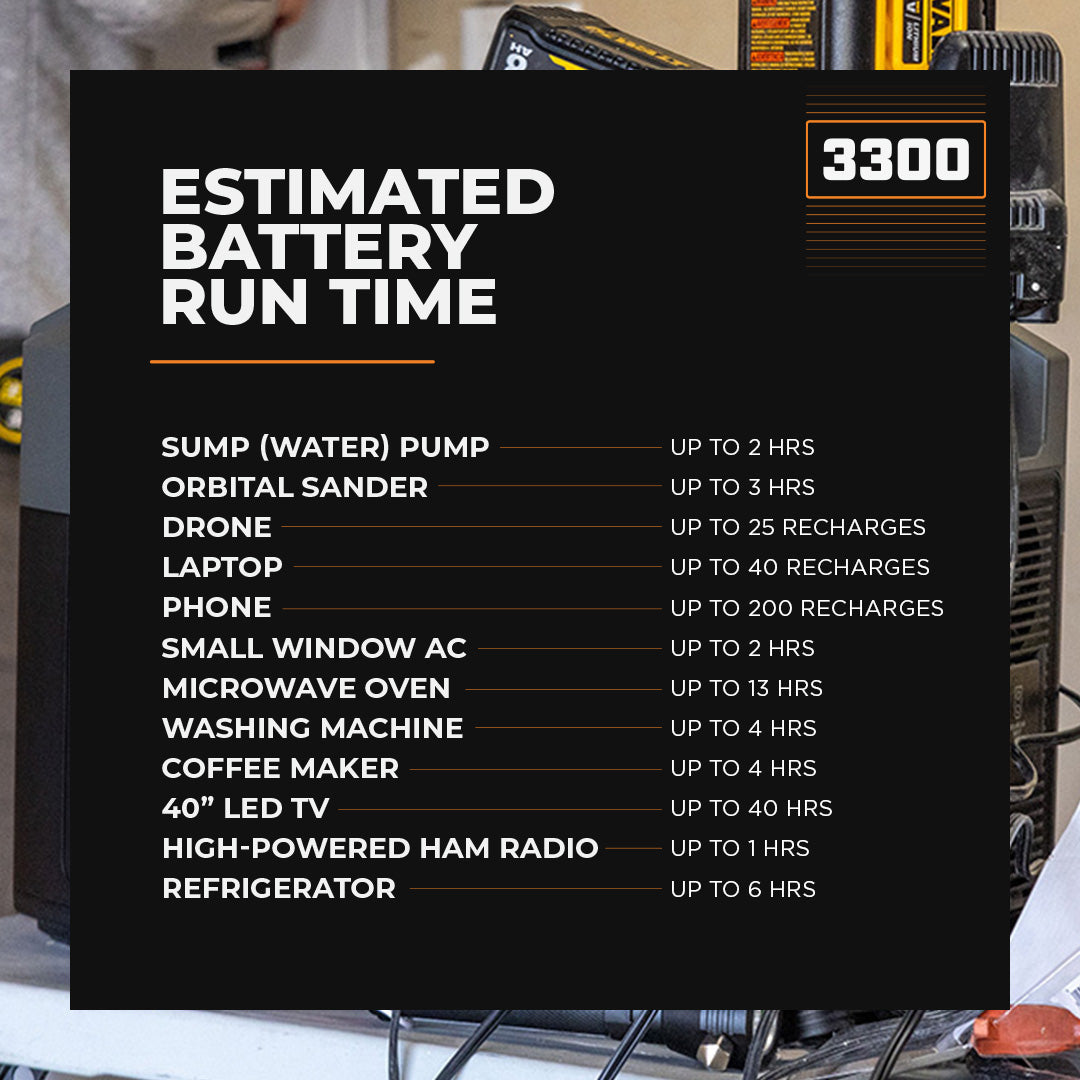
Confirm power and runtime: Check your connections, verify starting and running wattage, and test compatible devices. Remember that expected runtime varies depending on what equipment you plug in and how heavily it is used.
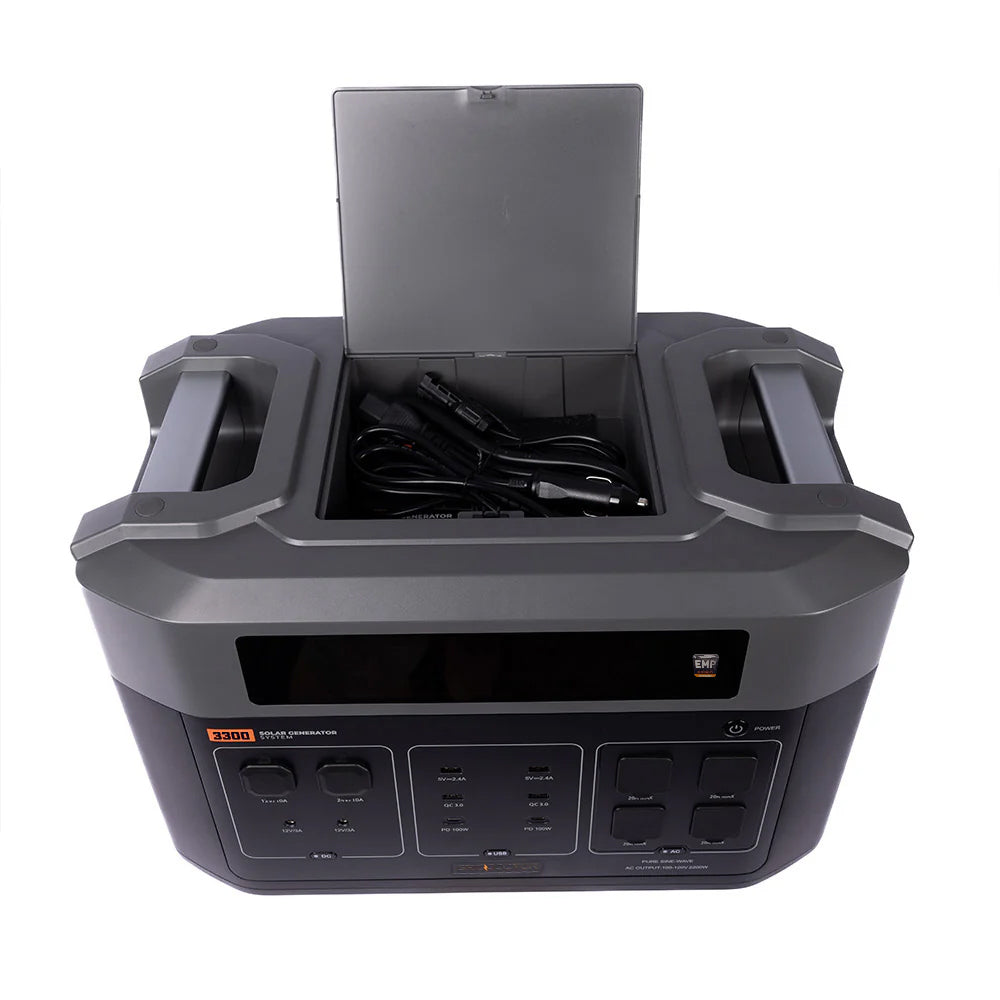
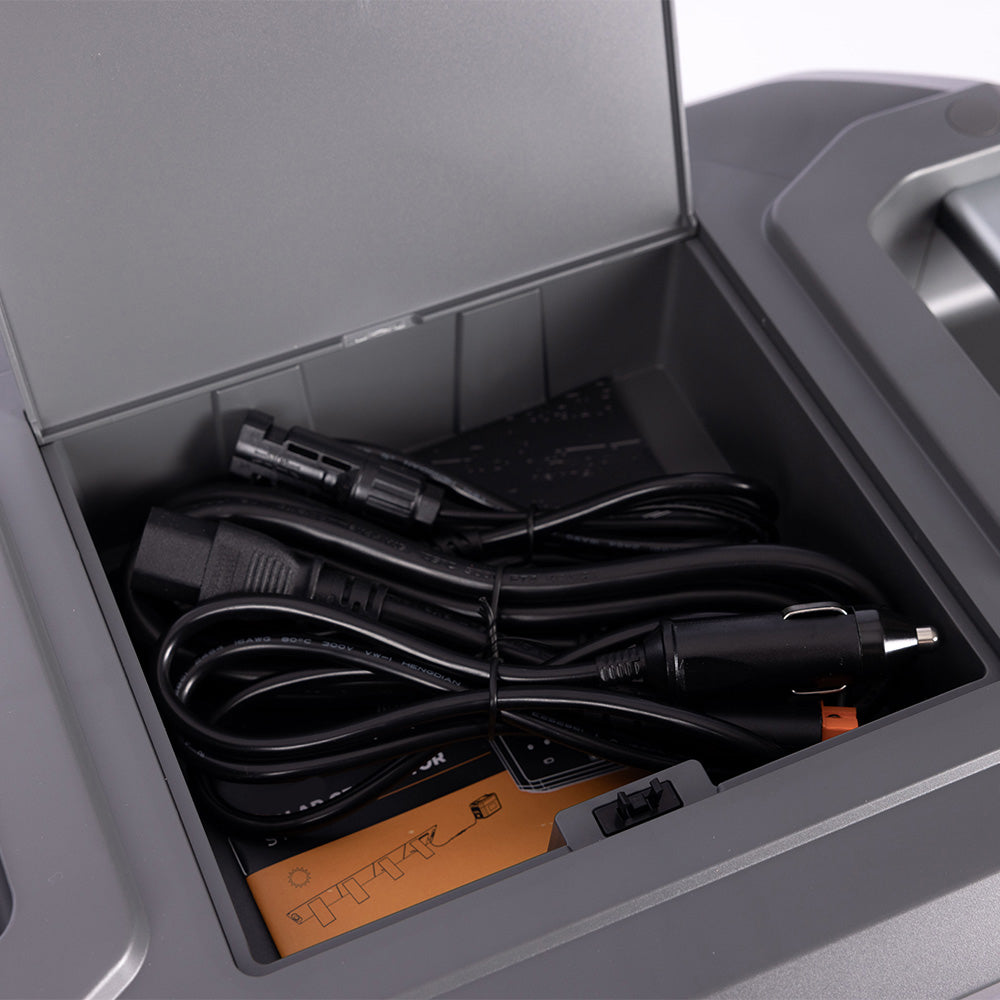
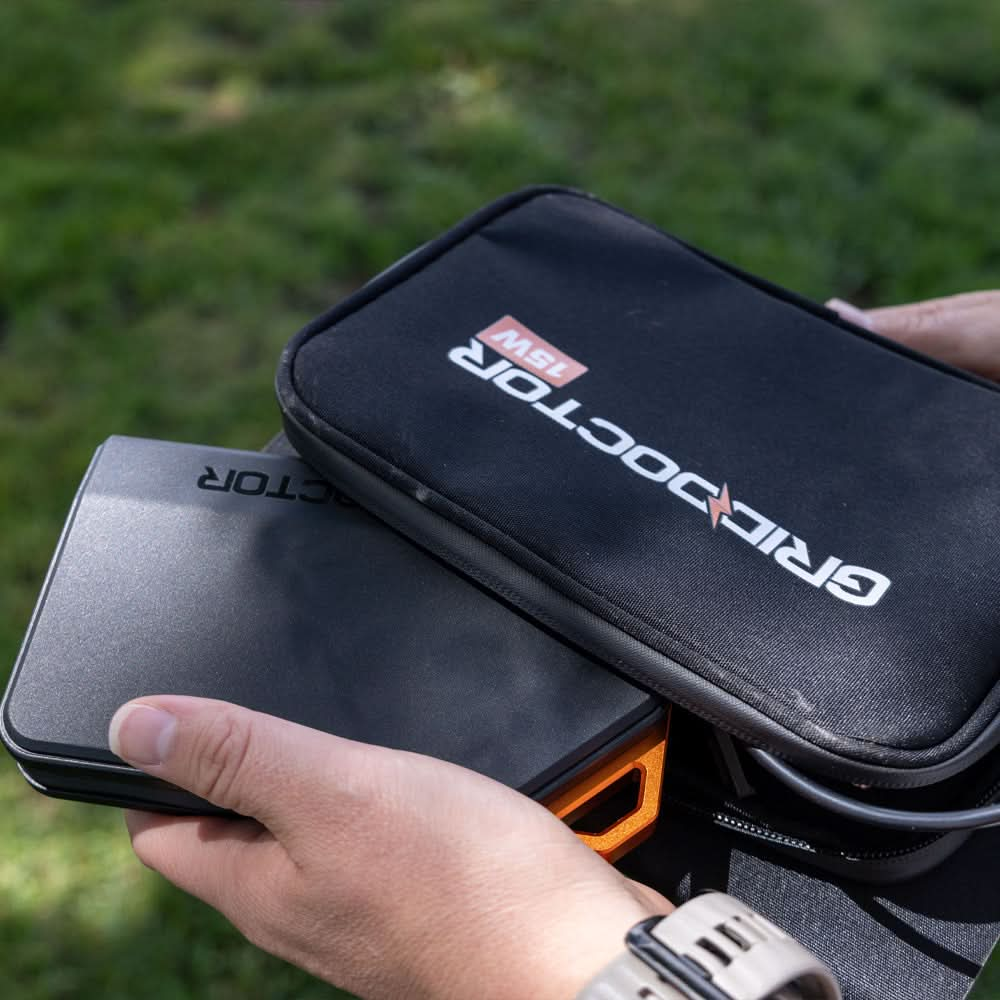
Keep accessories organized: Store the correct cables, adapters, and chargers directly with your power source so everything is in one place during an outage.
Run fuel-powered generators outdoors only: Fuel-powered generators must always remain outside, at least 20 feet away from the home, with the exhaust pointed away from windows, doors, and vents. Never run a generator inside a home or garage, even with the garage door open.
YOUR HOUSEHOLD OUTAGE CHECKLIST
Start with one task today. Charge a light, check your water, or confirm a medical backup arrangement. Show everyone helping care for your household where supplies are kept.