

Guest post by Cassie Tolhurst
 You can’t keep an eye on your kids forever. Eventually, they’ll be old enough to stay home alone. But before you leave the kids by themselves, prepare them for emergencies to keep them safe. Why? Because research shows that kids who are left home alone on purpose and are prepared for emergencies are safer than those children left on their own by accident—showing there’s something to be said for prepping your children to be responsible in your stead.
The following eight tips will ensure your young ones are prepared for the worst and safeguarded under practically any situation—giving you greater peace of mind.
 Fire is a dangerous thing. During a four-year study, researchers found that people playing with matches and lighters started over 49,000 fires—and children were the primary unintentional instigators of these cases.
While you can hide all your fire-starting paraphernalia to reduce your kids’ risk of accidentally starting a fire, it’s critical to talk about fire safety with your little ones. Tell them flames are not a plaything. Educate your kids about how it only takes one spark to set a whole house on fire. Teach your kids to stop, drop, and roll. Tell them that if there’s a fire, they need to call 911 immediately and get themselves, siblings, and pets to safety. Even set up an emergency fire escape route and practice with your entire family.
By having a real chat with your kids about the dangers of fire, they’ll be more likely to respect it and leave it alone. And should a fire accidentally start in your home, your children will better know how to approach that situation correctly.
 If your children are old enough to be home alone, they’re old enough to know what they’re allowed to play with and what they shouldn’t touch. However, sometimes kids are kids and they just don’t listen. Lock up all the alcohol, firearms, fire starters, knives, and chemicals that your kids could get into while you’re not home.
Unlocked guns are an especially huge hazard for kids. Children three and five years old and fifteen to seventeen years old are the most likely to shoot themselves or someone else by accident, so keep your firearms locked up and out of sight. You should also talk with your little ones about gun safety and why they should never play with these weapons. This conversation can help your children understand why the guns are locked away and how that can keep your kids safe.
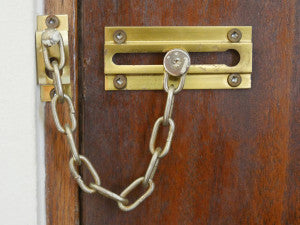 Teach your children to never open the door for anyone when you’re not home. Make a list of pre-approved adults who are allowed to come over in case of an emergency. Even think about installing a smart doorbell that will let your kids see and talk to whoever is outside without having to open the door. Smart doorbells also allow you to stay in the loop any time someone approaches the door or rings the doorbell, so you’ll know what’s going on and can speak with visitors if you’d like to.
You can’t keep an eye on your kids forever. Eventually, they’ll be old enough to stay home alone. But before you leave the kids by themselves, prepare them for emergencies to keep them safe. Why? Because research shows that kids who are left home alone on purpose and are prepared for emergencies are safer than those children left on their own by accident—showing there’s something to be said for prepping your children to be responsible in your stead.
The following eight tips will ensure your young ones are prepared for the worst and safeguarded under practically any situation—giving you greater peace of mind.
- Talk About Fire Safety
Fire is a dangerous thing. During a four-year study, researchers found that people playing with matches and lighters started over 49,000 fires—and children were the primary unintentional instigators of these cases.
While you can hide all your fire-starting paraphernalia to reduce your kids’ risk of accidentally starting a fire, it’s critical to talk about fire safety with your little ones. Tell them flames are not a plaything. Educate your kids about how it only takes one spark to set a whole house on fire. Teach your kids to stop, drop, and roll. Tell them that if there’s a fire, they need to call 911 immediately and get themselves, siblings, and pets to safety. Even set up an emergency fire escape route and practice with your entire family.
By having a real chat with your kids about the dangers of fire, they’ll be more likely to respect it and leave it alone. And should a fire accidentally start in your home, your children will better know how to approach that situation correctly.
- Keep Emergency Supplies Reachable
- Lock Up Dangerous Items
If your children are old enough to be home alone, they’re old enough to know what they’re allowed to play with and what they shouldn’t touch. However, sometimes kids are kids and they just don’t listen. Lock up all the alcohol, firearms, fire starters, knives, and chemicals that your kids could get into while you’re not home.
Unlocked guns are an especially huge hazard for kids. Children three and five years old and fifteen to seventeen years old are the most likely to shoot themselves or someone else by accident, so keep your firearms locked up and out of sight. You should also talk with your little ones about gun safety and why they should never play with these weapons. This conversation can help your children understand why the guns are locked away and how that can keep your kids safe.
- Teach Your Kids to Keep Doors Locked
Teach your children to never open the door for anyone when you’re not home. Make a list of pre-approved adults who are allowed to come over in case of an emergency. Even think about installing a smart doorbell that will let your kids see and talk to whoever is outside without having to open the door. Smart doorbells also allow you to stay in the loop any time someone approaches the door or rings the doorbell, so you’ll know what’s going on and can speak with visitors if you’d like to.
- Install a Generato
- Make a List of Emergency Contacts for Your Kids
- Install Smart Technology
- Make a Safety Room
—
Emergency Essentials
Comments
I found it helpful when you said that you can write down names and numbers of contacts that your kids can easily contact during emergencies. This is something that I will surely consider because I usually leave the country for work purposes. There are moments that I can’t help but worry about them, so I will consider finding an emergency application that can easily alert important agencies and people for my peace of mind. https://mysafetyscope.com/
It was thinking about whether I could utilize this review on my other site, Safety gloves will connect it back to your site though.Great Thanks.