

Most people don’t think much about tap water… until it stops coming out.
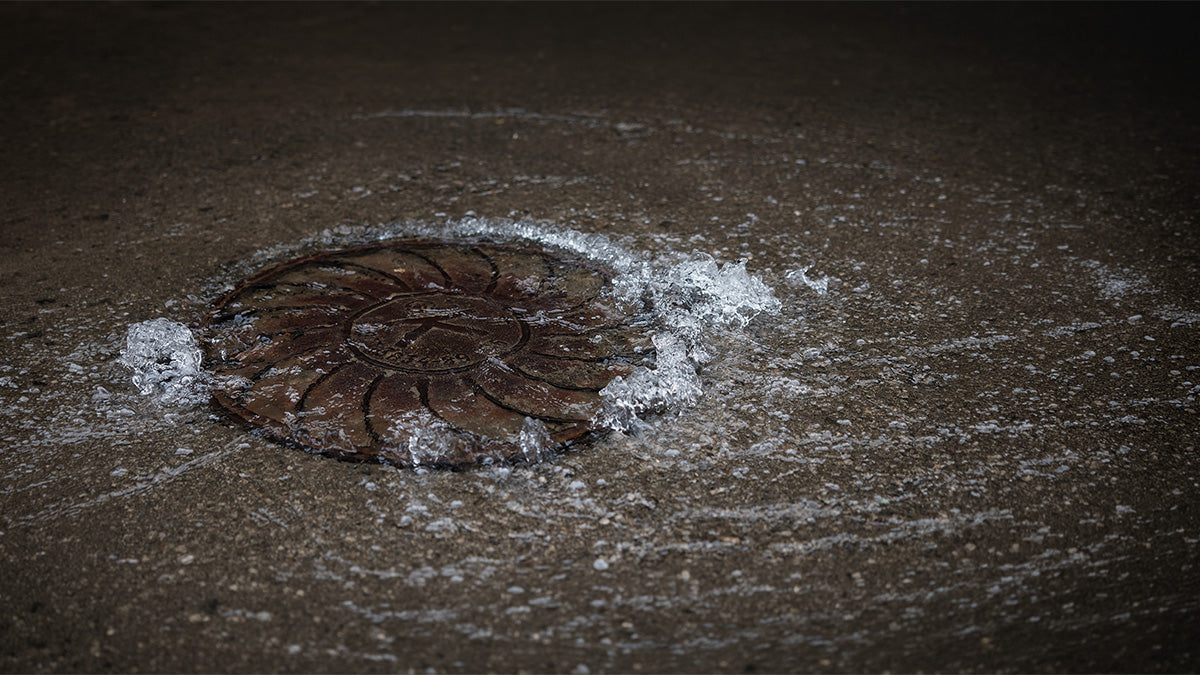
That’s what happened just a few weeks ago in Michigan, where a major water main break left about 40,000 people with no access to clean water. Residents were warned to prepare for an outage that could last up to two weeks, while officials declared a state of emergency and worked to restore service and bring in emergency water supplies.
For the families affected, this wasn’t a dramatic, headline-grabbing disaster. It wasn’t a hurricane, wildfire, or once-in-a-generation storm. It was a normal week interrupted by a basic service -- something we all take for granted -- suddenly becoming unreliable.
And that’s what makes water outages so easy to overlook. They don’t always arrive with days of warning or wall-to-wall news coverage. Sometimes they start with a broken main, a pressure issue, a treatment plant problem, or a contamination concern – and suddenly, a resource most of us use without thinking becomes the most mission-critical thing in the house.
Because when the water stops, it doesn’t just affect what you drink. It affects nearly every part of daily life.
Why Water Outages Are More Disruptive Than People Expect
Once the tap stops working, you quickly realize how many daily routines depend on it.
Drinking water is the obvious concern, but it’s only the beginning. You need water to cook meals, wash hands, bathe, rinse dishes, clean surfaces, care for pets, take medications, and maintain basic hygiene. Even flushing a toilet can become a real problem if there’s no water available.
That’s why water outages tend to create stress so quickly. A family might have food in the pantry, flashlights in a drawer, and batteries on hand – but without stored water, even a short disruption can feel overwhelming.
And when an outage affects an entire community, the usual backup plan doesn’t always work. Bottled water can disappear from store shelves within hours. Roads may be crowded. Delivery services may be delayed. Local officials may provide emergency water stations, but getting there can take time, transportation, and containers.
In other words, a water outage doesn’t have to be extreme to be disruptive. Even a temporary interruption can turn ordinary tasks into urgent problems – which is why it helps to know, ahead of time, how much water your household would actually need.
How Much Water Should You Store?

A good starting point is one gallon of water per person, per day. That covers basic drinking and minimal sanitation needs, but it’s still just a baseline. In hot weather, during illness, or in a household with small children, pets, or medical needs, you may need more.
The math adds up quickly. Two people preparing for three days would need at least six gallons. A family of four preparing for one week would need at least 28 gallons. Add pets, cooking needs, or extra hygiene, and that number climbs from there.
That can sound like a lot, but it doesn’t have to happen all at once. Start with enough water for one day. Then build to three days. Then a week. The goal is progress, not perfection.
It also helps to use the right type of storage for the right situation. For larger at-home emergencies, the Alexapure Emergency Water Bank can turn a bathtub into a 65-gallon water storage tank and includes a pump for drawing water when you need it. For something portable, the Alexapure 5-Gallon Collapsible Water Container is easier to move, stores compactly, and can provide several days of water for one person. And for grab-and-go kits, cars, closets, or backpacks, Ready Hour Emergency Water Pouches are compact, shelf-stable, and easy to tuck into small spaces.
Once you have water stored, the next step is making sure you have a way to filter or treat more if your outage lasts longer than expected.
Build a Layered Water Plan: Store, Filter, Treat

Stored water is your first line of defense, but it shouldn’t be your only one. If an outage lasts longer than expected – or if your stored supply runs low – you’ll want a way to make additional water safer to use.
That’s where a layered water plan comes in: store first, filter second, treat as needed.
For home use, a gravity-fed system like the Alexapure Pro Water Filtration System can help filter questionable water without electricity. For everyday use or smaller households, the Alexapure Pitcher Water Filter is a simple way to keep filtered water within easy reach.
It’s also smart to keep portable options on hand. The Aquamira Survival Straw is compact enough for go-bags, glove boxes, or hiking packs. The Aquamira G2O Water Bottle gives you a bottle-and-filter option for travel, evacuation, or outdoor use. And Aquamira Water Treatment Drops add another backup layer when water quality is uncertain.
The point isn’t to rely on just one tool. Stored water gives you immediate access. Filtration helps extend your supply. Treatment adds another layer of protection when conditions are less predictable. Together, those layers create a much stronger plan than bottled water alone.
Start Before the Tap Runs Dry

Water preparedness can sound intimidating at first, especially when you start doing the math for an entire household. But the goal isn’t to build the perfect system overnight. The goal is to take one practical step now, then build from there.
Start with a few gallons of stored water. Add a portable container. Keep some emergency water pouches in your car, go-bag, or office. Then consider a reliable filtration system or treatment option so you’re not limited to only the water you already have on hand.
That simple layered approach can make a major difference when something unexpected happens. Instead of rushing to crowded stores, waiting in line for emergency water, or wondering how long your supply will last, you’ll have options.
And that’s really what preparedness is about: not panic, not fear, and not trying to predict every possible emergency. Just giving your family a little more breathing room when normal routines suddenly stop working.
Because most of us don’t think about tap water every day.
But we all notice the moment it’s gone.
Comments
One of the LOVELY things about most RV’s is that they have fresh water holding tanks. Mine are always filled and yes, recycled fairly regularly to ensure the water stays fresh to use, but regardless of that, all water that goes for cooking, drinking, and rinsing after being washed goes through the Alexapure gravity fed water filter. Between that and some other stored water (all of which would go through the Alexapure before being consumed) I can last for a little while when the water goes off. Since the well that serves the park where I live, seems to have 1 to 2 yearly breakdowns, it is always advisable to have water in the fresh water tank. Normally the pump is fixed within a matter of a couple of days. From time there is a pump breakdown, a lot of thought process is going on about ways to conserve water were this situation to become become permanent. Often during the normal days of activity a lot of thought goes into that too, just as conscious thought goes into ways to turn a dime into a dollar with our increasingly worthless fiat monetary system.