
Think about the kind of weather that would send someone into survival mode. What comes to mind?
A blizzard? A tornado? A hurricane?
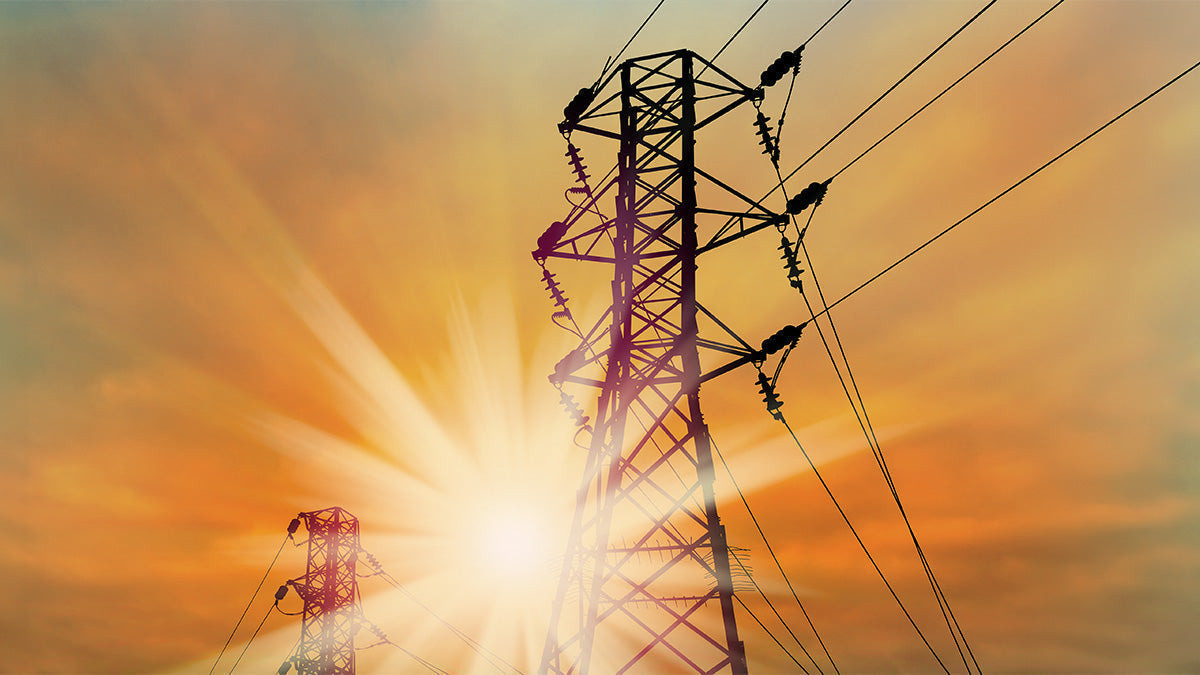
While these destructive events often leave folks wishin’ they’d been better prepared, there’s another danger hangin’ high in the sky all summer long: the sun.
When paired with a weak and overloaded power grid, the potential for a widespread blackout skyrockets.
Because there are no pouring rains or tree-thrashing winds, summer blackouts are a frequently forgotten threat to prepare for. But experiencing a blackout during a season of extreme heat can quickly become life-threatening.
Planning for this possibility before it happens is critical to remaining safe, comfortable, and calm when temperatures climb. Read on to learn more about summer blackouts—and how to face them without fear.

What Causes Summer Blackouts?
In 2000, scientists started to investigate weather-related power outages in the United States. From 2014 to 2023, there were 60% more “heat season”—from May to September—power outages than there were from 2000 to 2009.1
If this trend continues, summer blackouts can be expected to occur even more often in the near future.
But what makes blackouts more likely to take place during the summer compared to other seasons?
- An increased demand for energy due to the mass use of air conditioning and cooling systems.
- This heightened demand places additional strain on electrical equipment, which results in overheating, malfunction, or just plain failure.
- The summer stress exposes weak spots in aging infrastructure, like leaking seals and degrading insulation.
- A rise in demand combined with a rise in temperature creates drooping power lines, which can get in contact with other objects and trigger outages.
- Birds, squirrels, raccoons, and burrowing animals are common culprits for damage caused to power lines.
- Some storm seasons overlap the summer season, such as tornado season and hurricane season. These storms, plus garden-variety winds and rains, can disrupt access to power.

What Makes Summer Blackouts Dangerous?
While summer blackouts can be categorized as dangerous for numerous reasons, there are a couple that top the list:
- Heat-related health emergencies
- Medical emergencies caused by critical equipment losing power
When scorching temperatures and failing electronics collide, health risks can start to arise—especially for more vulnerable folks, like aging adults and those with disabilities.
People who depend on medical equipment for their survival are most at risk during a power outage. Ventilators, CPAP machines, oxygen concentrators, dialysis machines, and other support aids require continuous power to operate.
Motorized scooters and wheelchairs need a power source, too.
Then there’s the heat—and no one is immune. Extreme heat can cause a health scare even when no power has been lost. But when combined with a blackout? The stale, suffocating air can quickly shift from a simple annoyance to a survival concern.
Dehydration, heat exhaustion, heat stroke, and rhabdomyolysis are just some of the life-threatening consequences that can come from exposure to excess heat.
What Other Problems Can Summer Blackouts Cause?
In addition to posing health hazards, summer blackouts have a negative, near-immediate impact on other areas of life.
Routers disconnect the second the power drops. Losing access to the internet is not a mere inconvenience; this scenario makes it difficult to remain informed about weather changes, power status, and emergency updates.
You may not get these messages directly, either. Cell towers are not exempt from the effects of power outages, which means communication from both government agencies and loved ones could be jeopardized during a blackout.
If you are able to use your phone, you’ll have to use it wisely. Once the battery dies, there’s no going back!
But the problems don’t stop at phone and internet access. Power loss affects all electronics, including kitchen appliances.
If a summer blackout lasts more than a few hours, you can kiss your refrigerated food goodbye! Your frozen food could fare in an outage up to 48 hours long, but the point is this: perishable foods will perish fast without power.
That’s a lot of wasted food—and money!

How to Prepare for Summer Blackouts
All of this might sound a little scary, but remember: the purpose of preparedness is to be ready for the unexpected. Having an awareness of what could happen allows you to prepare for it appropriately!
Then, if and when the time comes, you won’t be scrambling for supplies or worrying about what to do. You’ll already know!
Here are some things you can do to prepare for a possible summer blackout:
- Take an inventory of the necessary items in your home that depend on power. Use this list to determine what kind of—and how many—alternate power sources you’ll need. Buy batteries in bulk, collect a couple of power banks, and consider a solar-powered generator.
- Experiment with the battery life of your devices. Find out just how long they can last on a single charge.
- Make a plan for medical devices and support. Calculate the wattage of each device to determine what kind of generator would be best. (For example: this small, solar-powered generator is perfect for CPAP machines.) Be sure to have nonelectric alternatives available as well, such as manual resuscitators, oxygen cylinders, and manual wheelchairs. Print a physical copy of your health information, including your doctor’s contact details, your medications, your needs, and local clinic and hospital information. At your next visit, talk to your doctor about an emergency plan—find out how to preserve refrigerated medications, know which facilities offer continuous power during disasters, and address any other concerns you might have.
- Build up a supply of alternate light sources. Keep candles, flashlights, headlamps, and solar-powered lights on hand to use after the sun sets.
- Have a stash of nonperishable foods. Choose foods like dried milk, egg powder, and freeze-dried meat to substitute what might spoil in a power outage. Or, get a long-term food kit that includes a variety of foods to cover your needs. In any case, choose the foods you like best because blackouts affect markets, too—you won’t be able to stop at the store to replace the foods you lose!
- Set aside enough water for hot weather. It is recommended to store at least one gallon per person per day. That said, it never hurts to store a little more to make up for how hot temperatures might get.
If you’re stuck in a summer blackout, keep these suggestions in mind to make it more endurable:
- Stay out of the sun. This might seem like a no-brainer, but this refers to more than simply not standing under the sun. In your home, make sure to close all blinds, shades, and curtains. (It makes more of a difference than you might think!) Stick around the coolest part of your place, such as a basement or room that doesn’t get much sunlight.
- Keep food cold. Since perishable food is quick to spoil without power, keep your refrigerator and freezer closed as much as possible. If the power remains down after a few hours, transfer foods to insulated coolers, if possible. Continue to check these foods for temperature changes, then toss foods that reach temperatures higher than 40° F.
- Prepare food outdoors. Use outdoor grills, stoves, and ovens to heat food and keep indoor spaces cool.
- Do your best to balance your body temperature. Wear loose, lightweight clothing that breathes. Drink plenty of water throughout the day to prevent dehydration. Avoid salty foods, caffeinated drinks, alcoholic beverages, and anything else that might make you thirsty. If possible, take the occasional break to soak your feet in a cold bath or cool down with a cooling towel.
- Unplug all electronics. Power often comes back in spikes and surges, which can damage electronics. Unplugging chargers, TVs, computers, lamps, and appliances will prevent this damage as electricity is restored.
A little preparation goes a long way. Summer blackouts got nothin’ on you, now!
Be sure to check in with The Essentials Blog each week for more expert education, tips, and resources on self-reliance!
2 comments
Anthonette Dillard
What is the best solar generator for a 2 story 4 bedroom full basement home?
KC DeWinter
EXCELLENT article. Keep them coming!