

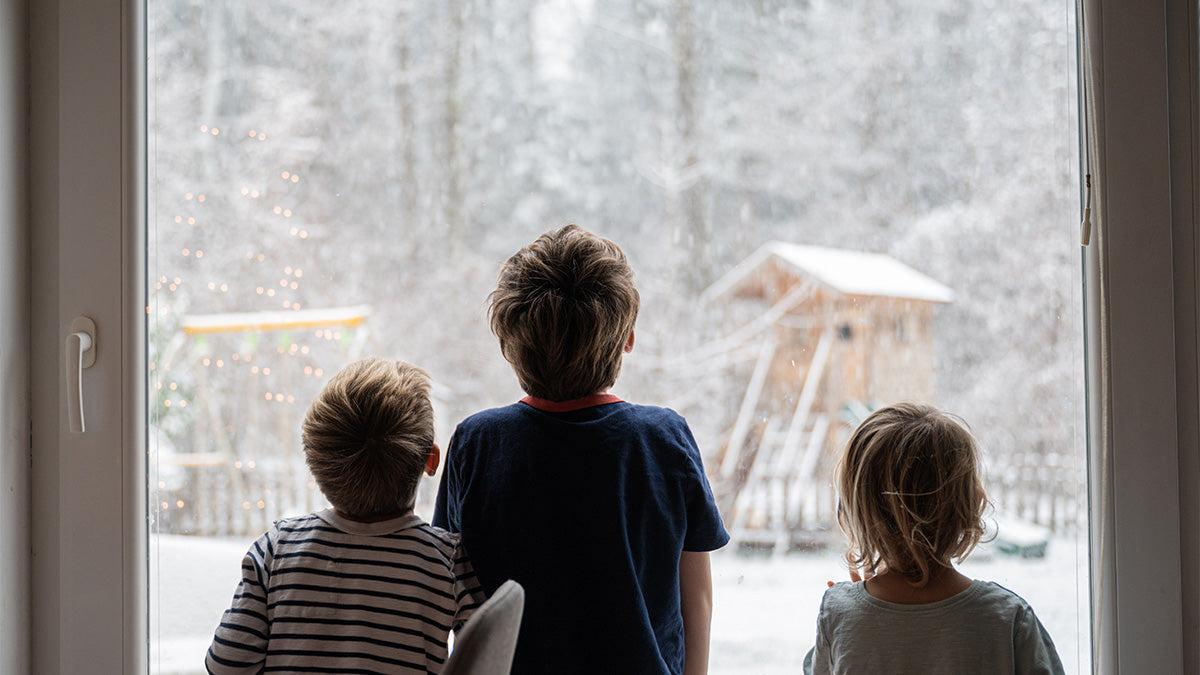
The first snowfall of the season is a most magical time! The streets are blanketed with white, the air grows quiet and still, and a hot drink in hand is always on the to-do list.
But a winter wonderland feels a lot less wonderful once the power goes out, the furnace stops running, the roads turn treacherous, and the entire town dashes to the store for the same dwindling supplies!
That is not the kind of snowy season you want this year. Trust us!
As we approach autumn, the preparation window for winter troubles is wide open. With a little work before the first flake falls, you can stay off of icy roads and out of crowded stores – and keep yourself safe and warm all winter long!
Stick around to see what work you can do now to make sure winter stays wonderful – and free from worry.

Pre-Season Preparations
Before you fill your cart and stock up on supplies, provide your place with a simple cold-weather check-up!
A couple of quick maintenance checks this season can prevent any minor vulnerabilities from escalating into major problems next season.
Here is what we recommend adding to your rounds:
- Inspect your heating system. Fire up the furnace to verify it runs properly, replace the filter regularly, and schedule a professional check or repair if necessary.
- Clear out the vents. Take a closer look at all the exterior vents around your house — dryer, bathroom fans, and HVAC intakes/exhausts. Clear the dryer vent of lint (a major fire hazard when clogged), and check the others for leaves, nests, or general debris that could block airflow.
- Seal up any drafts. Feeling a chill? Caulk any fixed gaps or cracks around window and door frames where they meet the wall, and add weather stripping to the moving parts of doors and windows themselves. Keep the cold air out and the warm air in!
- Protect your pipes. Wrap any exposed water pipes – indoors and outdoors – with insulation or heat tape. When temperatures drop especially low, let the faucets drip a little to prevent your pipes from bursting. And if a pipe does burst, be sure to know where your main water shut-off valve is located!
- Sound the alarms. Test out each of your smoke alarms and carbon monoxide detectors. The need for warmth in the winter can come at an increased fire risk – such as a space heater on the fritz.
- Prepare your ride. Get into the garage and get your car in shape for winter! Check the antifreeze level, switch to a winter wiper fluid, add chains to your tires, and toss an emergency car kit into the trunk.
Taking these steps is an excellent start to an uncomplicated cold season!
But even the most prepared people still run into unpredictable problems every now and then. You might be snowed in during a blizzard, or without power after an accident.
This is where a well-rounded winter emergency plan comes in!

Ways to Weather the Winter
A plan for winter weather should consider solutions for the four following needs: food, water, warmth, and street safety.
Cold-Weather Comfort Food
A serious storm or power outage is not the time to realize that your only meal options depend on a running refrigerator!
Keep your shelves stocked with long-lasting meals that are quick and easy to make – and, most importantly, that will not expire in an emergency.
Choose filling foods that not only offer you precious energy in a cold-weather crisis, but that also wrap you up in warmth and comfort when your reality is anything but.
These cold-weather comfort foods are a favorite:
- Blueberry Breakfast Muffins
- Survival coffee
- Soup & Stew Starter Kit
- Chicken Soup Kit
- Vegetable Beef Soup & Stew Kit
- Chili Kit
- Potato soups, like Potato Cheddar and Homestyle Potato
- Other soups and stews, like Cheesy Broccoli and Corn Chowder
- White Cheddar Mac & Cheese
Water, but Hold the Ice
If your backup water supply is not already indoors, be sure to bring it in! It will be far less likely to freeze inside an insulated shelter – even if the heat goes out.
The chances of water becoming contaminated are higher in the hotter months than in the colder months. However, keeping water purification products close by – whether water filtration tools or chemical treatments – is always a good idea no matter the time of year.
In more sudden or severe circumstances, you can collect clean snow and use it as a water source. Just make sure to melt it, then treat it as you would any other unknown water source.
Never assume that snow is safe to consume as is! That aside, eating snow without melting and treating it first can cause your body temperature to drop – not what you want during a winter disaster.

No-Hazard Heat
If you have no heat during a cold-weather crisis, your circumstances can become dire quickly. Having a heat source that can operate without a connection to power is crucial!
Maintain a supply of warm, wearable layers, thermal blankets, sleeping bags, candles, matches, flashlights, and batteries. And instead of storing a traditional space heater, we recommend the VESTA. It is safe for indoor use, runs on canned heat rather than power, and doubles as an emergency stove!
Whatever heating tools or fuel you use, always use them exactly as directed, keep your space properly ventilated while you use them, and never use heaters or generators designed for outdoor use indoors.
Staying warm is important, but not at the cost of carbon monoxide poisoning or fire!
Winter-Ready Wheels
Every vehicle should have basic survival supplies stashed inside a console, trunk, or under a seat. A mechanical breakdown or road closure can happen in any season, but it can be especially dangerous to end up stranded in freezing temperatures!
Create an emergency car kit and pack it with:
- Jumper cables
- Essential tools, like a folding shovel or compact axe
- A seatbelt cutter and glass breaker
- A headlamp
- Emergency blankets
- Warm clothing
- Ration bars
- Freeze-dried snacks
- Drinking water pouches
- A personal water filter
Or, you can save yourself some time and get this kit –– already put together and ready to deploy!

Be Ready Before the Freeze
An emergency plan for winter weather is not a plan if it pops up overnight – or a few minutes before the biggest storm of the season hits!
Take advantage of the clear skies ahead and assess your space, take inventory of your survival supplies, order the stuff you still need, and evaluate the status of your vehicle.
Start first with what you need most – such as more shelf-stable food and an off-grid heat source – then invest in the rest, like a better equipped car kit. And start now! This National Preparedness Month, you can knock out your winter needs during our Prepapalooza savings event.
Get ready for a worry-free winter before the first flake falls so you can enjoy the magical side of the season!
Check in with The Essentials Blog each week for expert education, tips, and resources to make your shift to self-reliance as smooth as possible!