

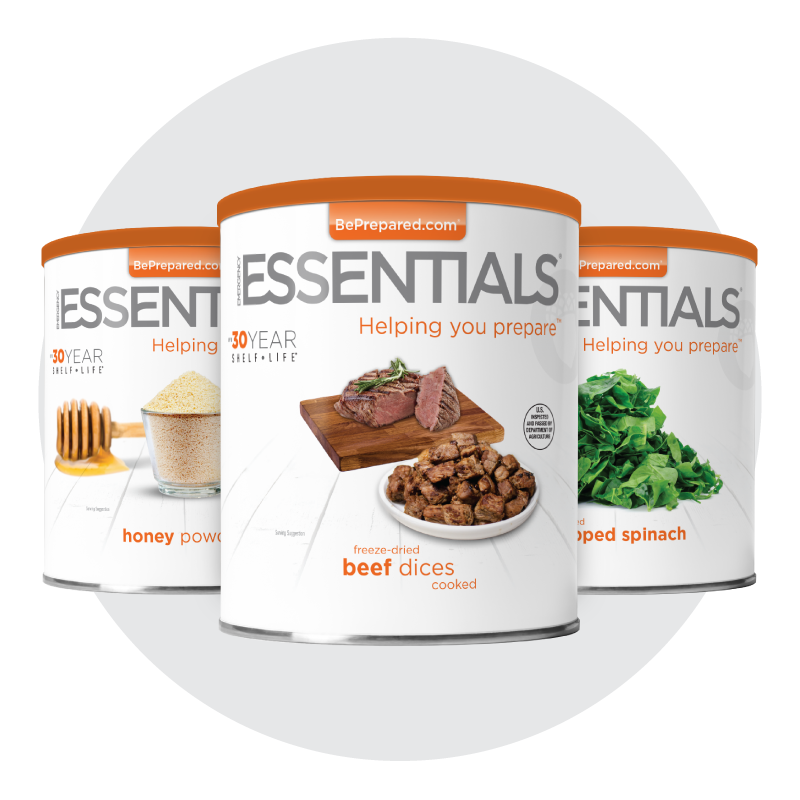
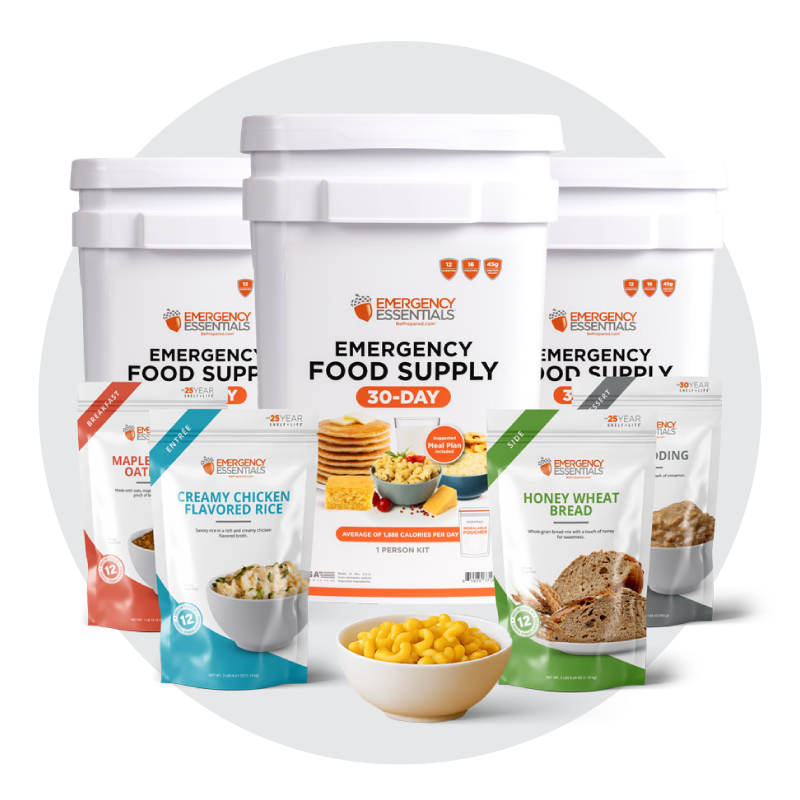
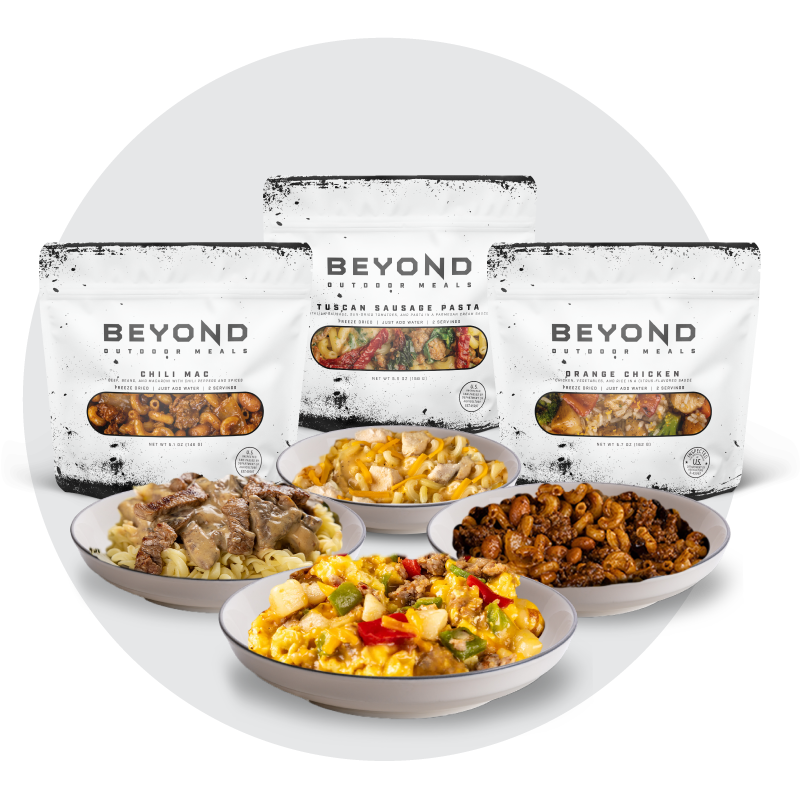
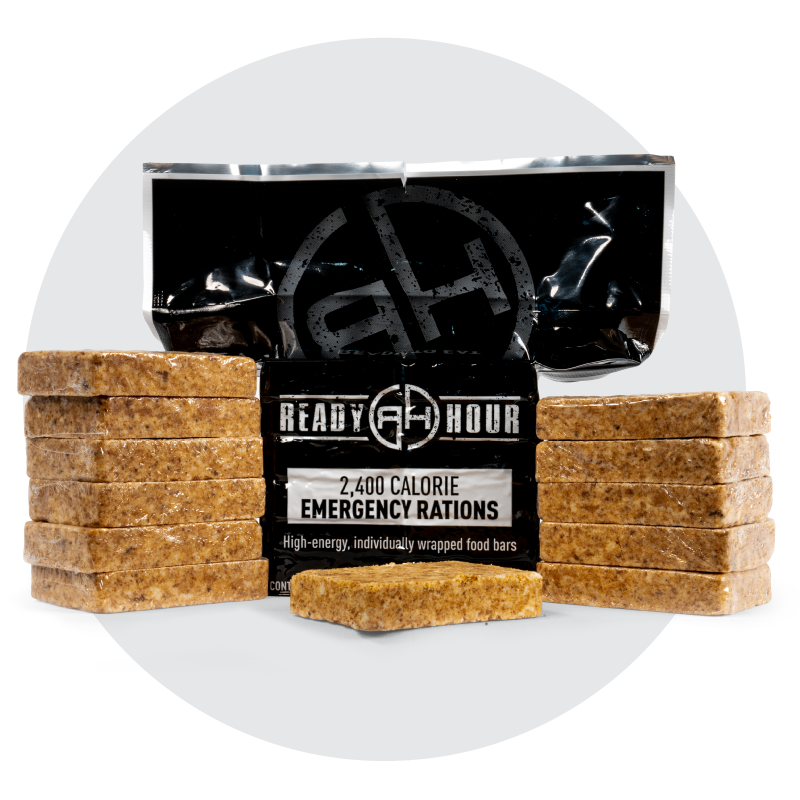
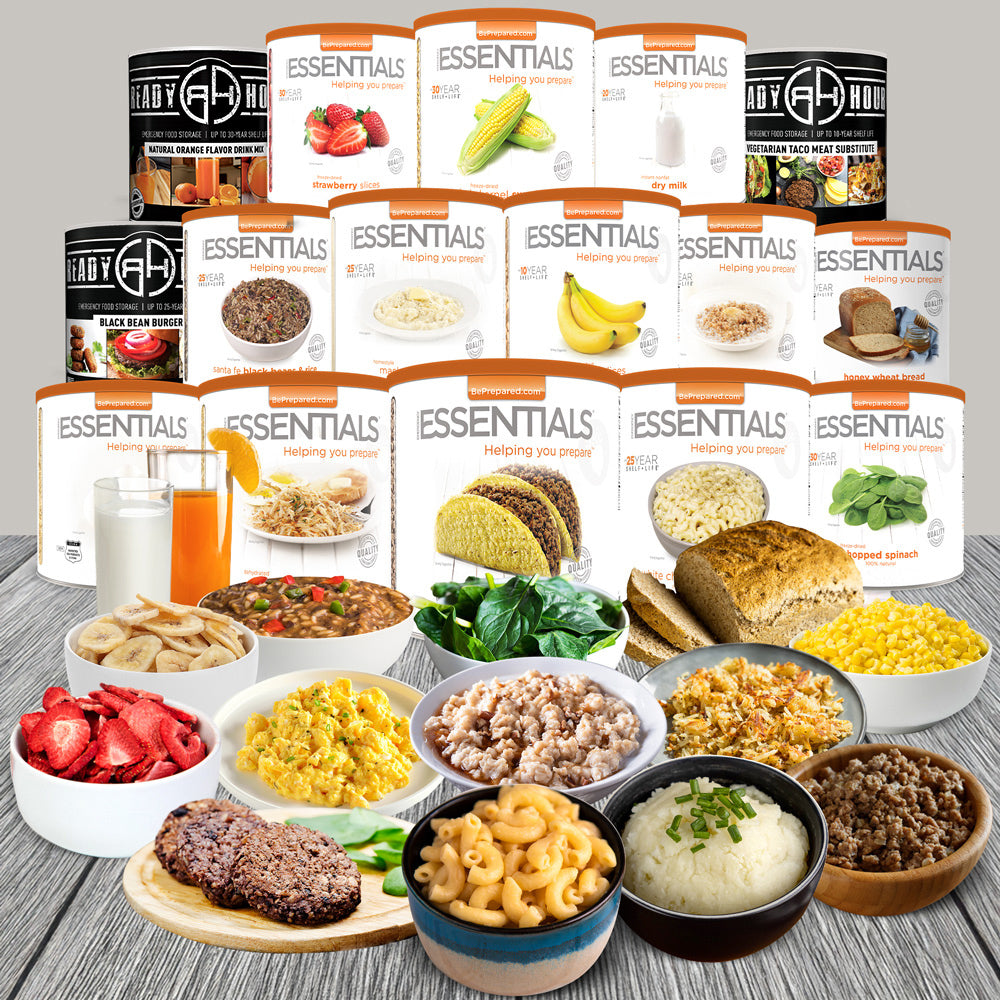



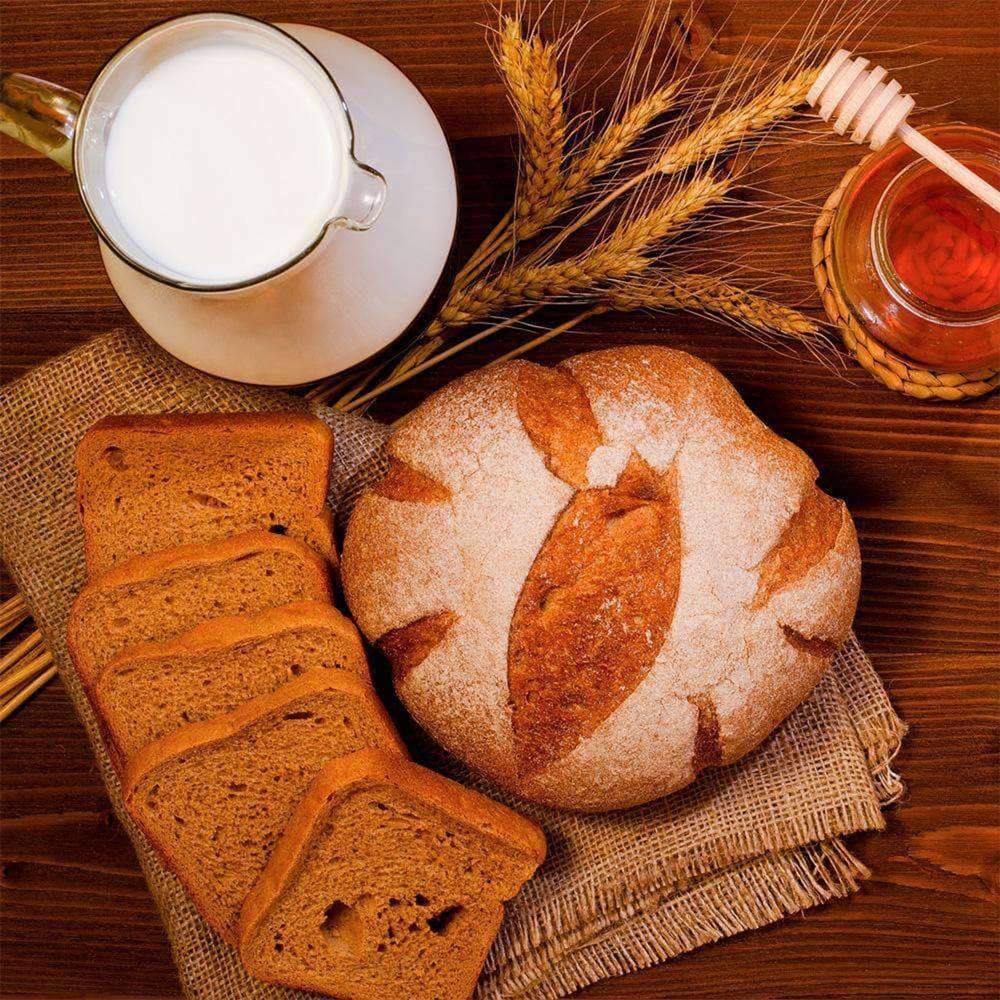



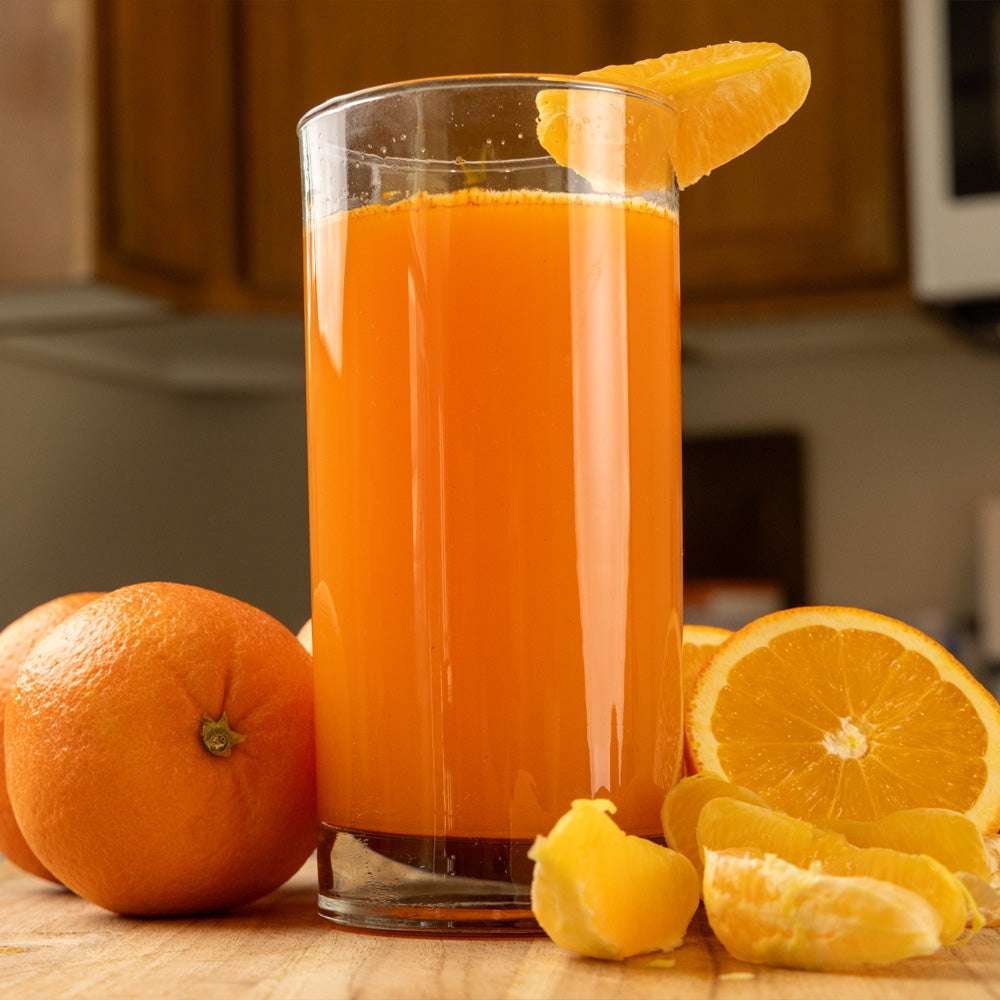
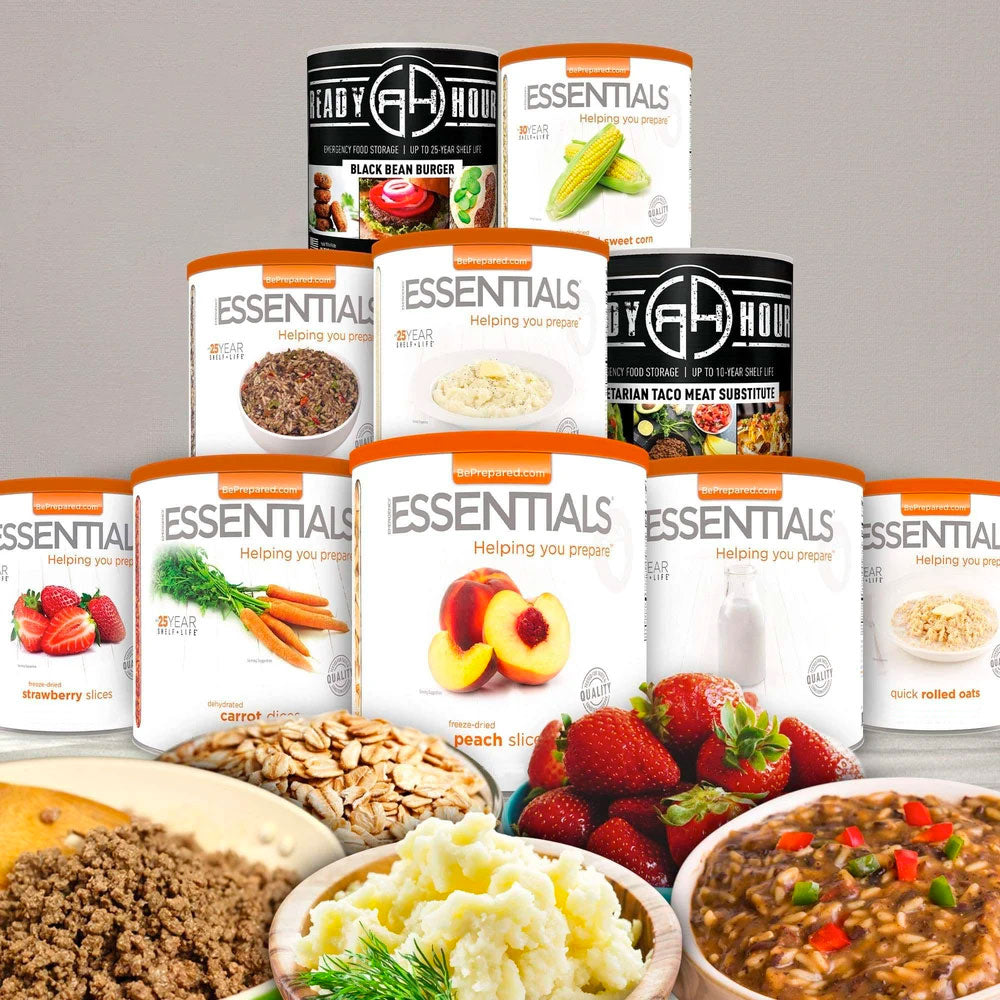
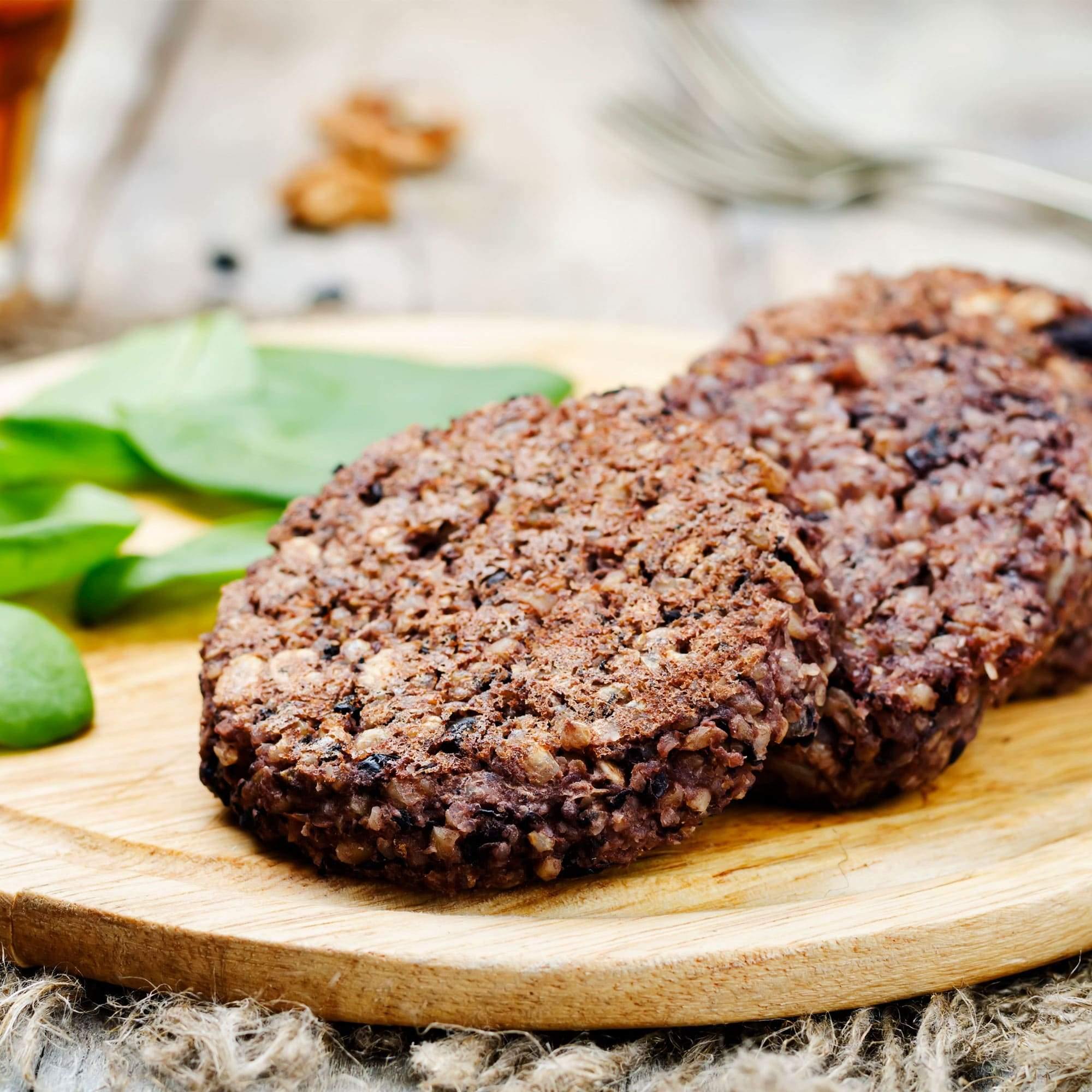

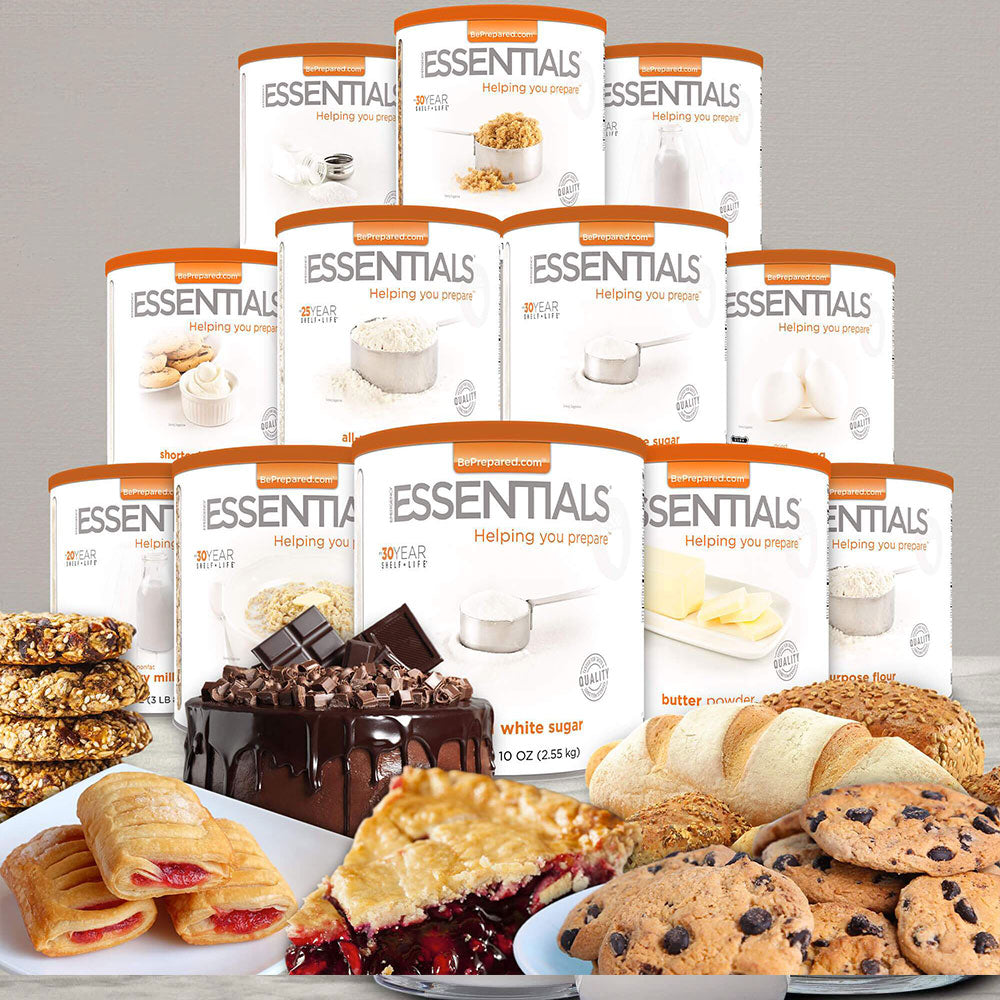


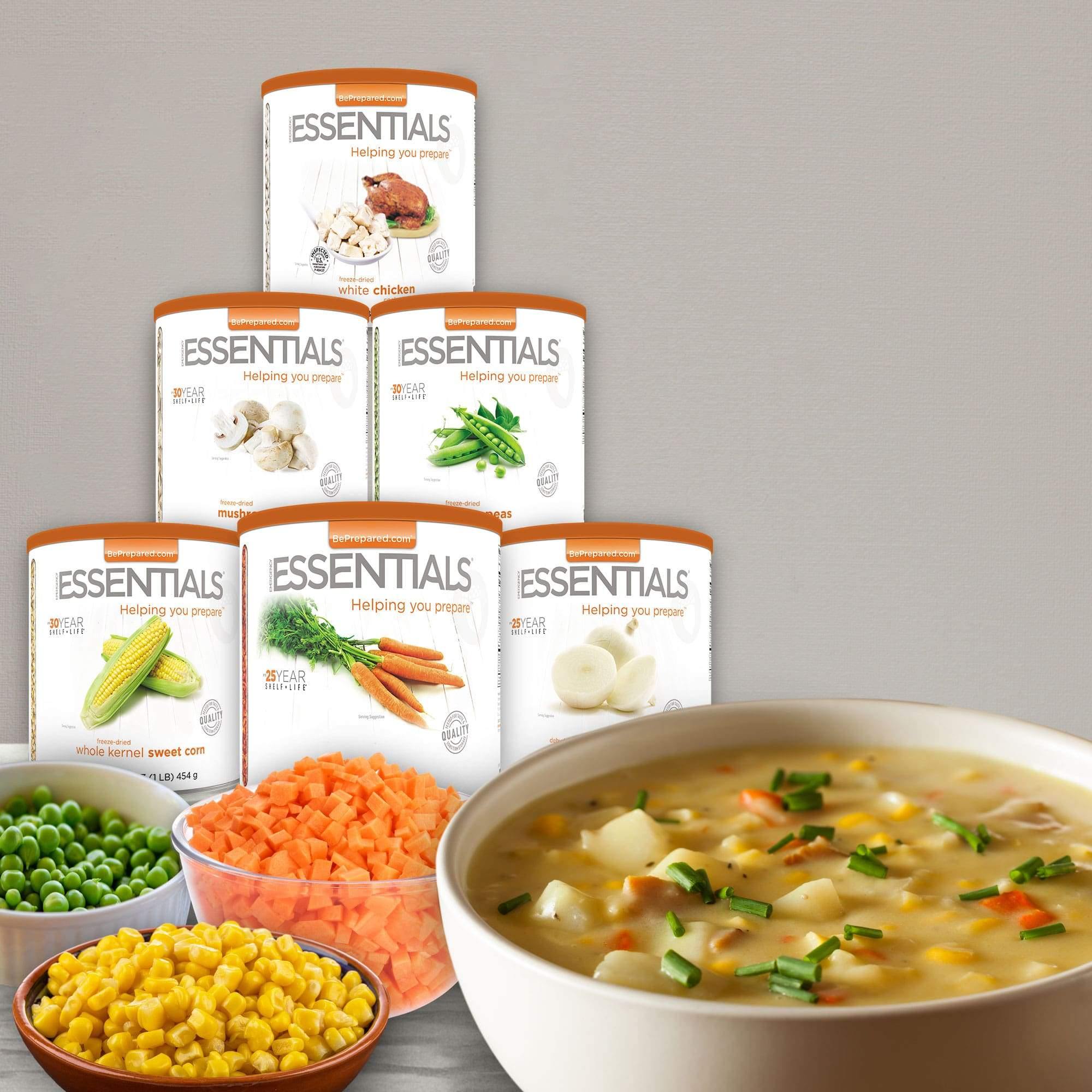


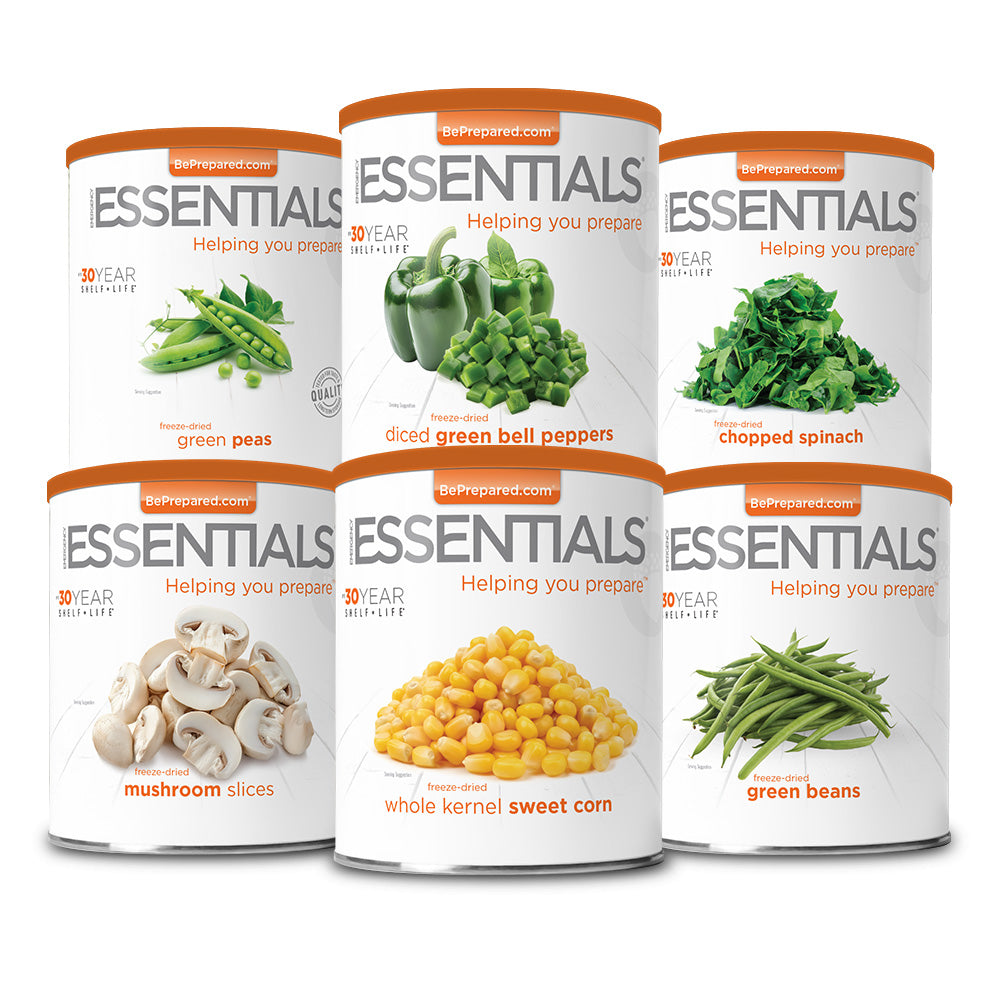
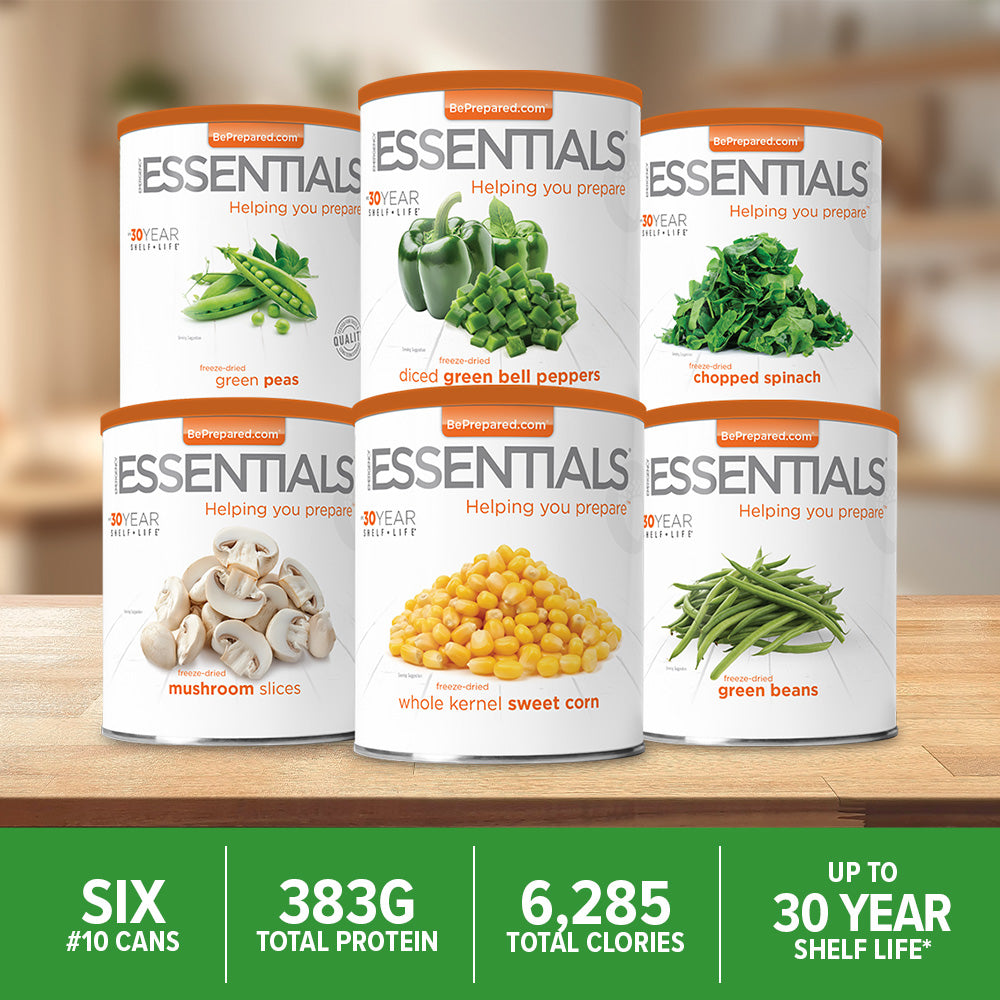
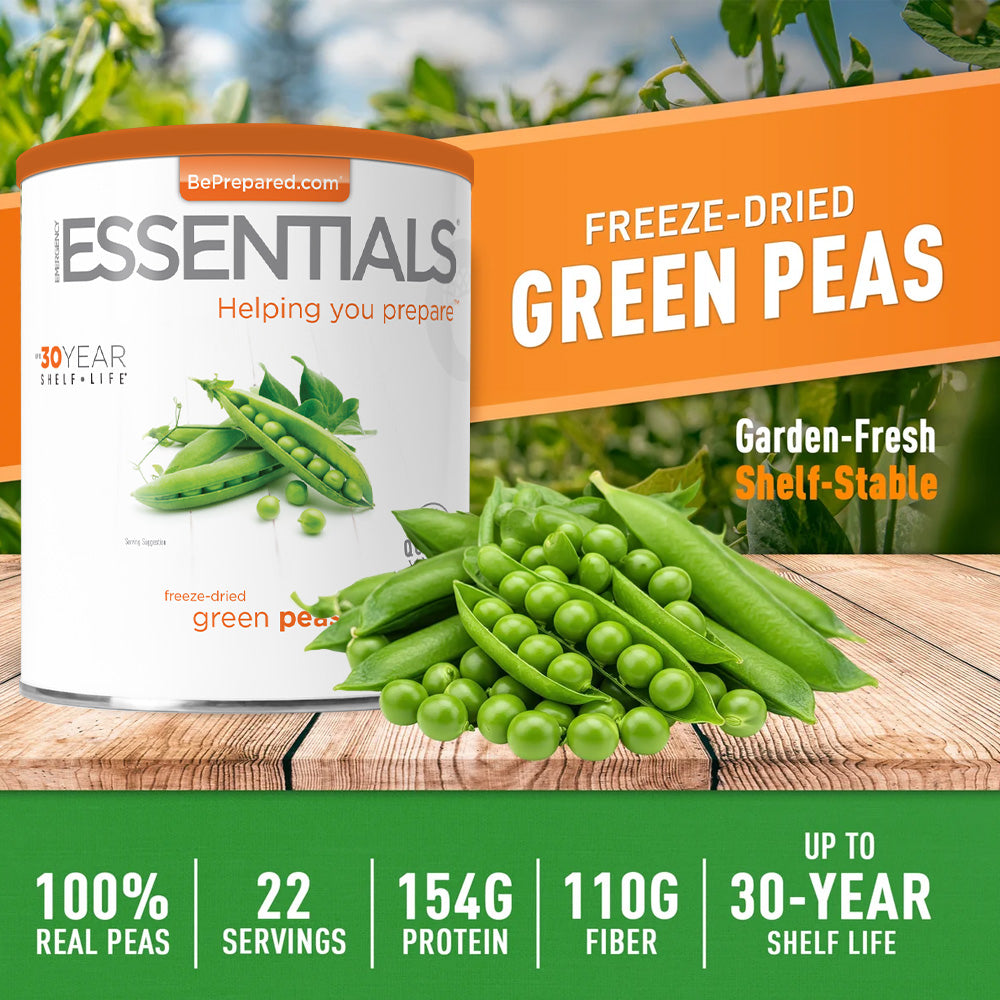









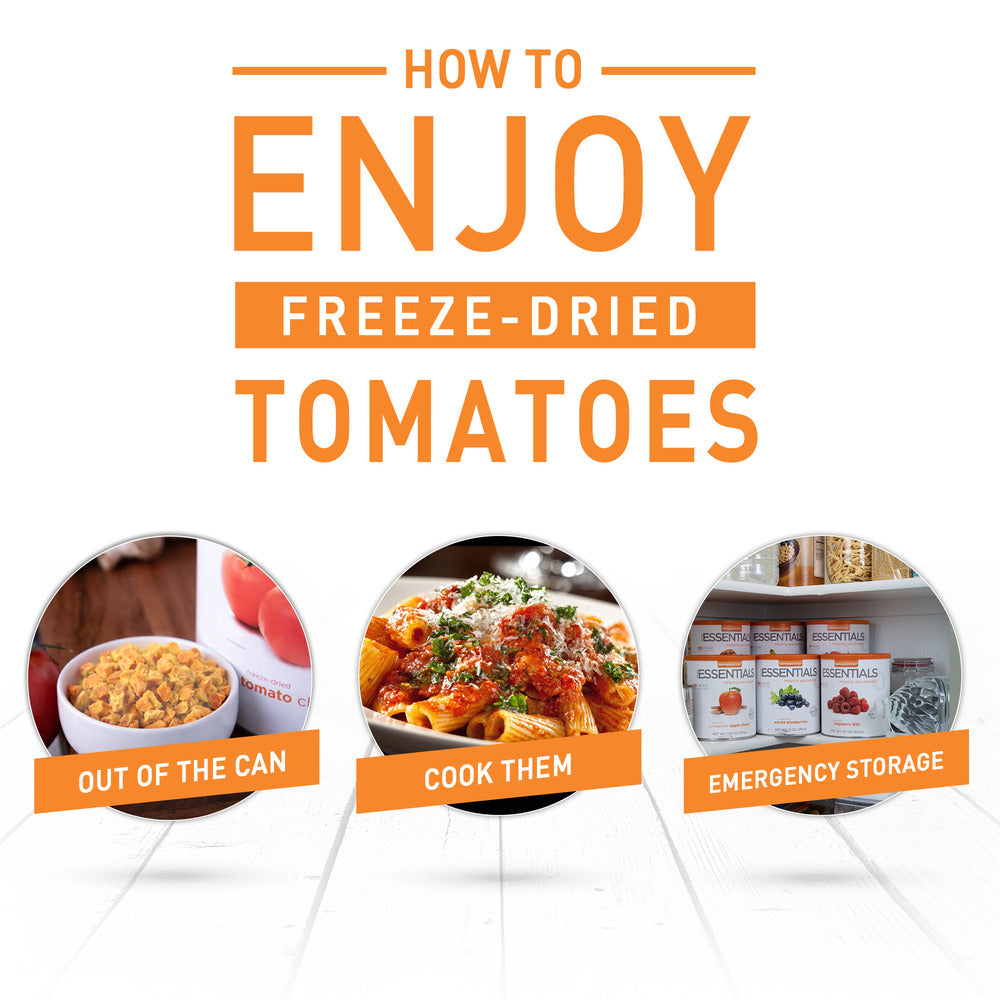
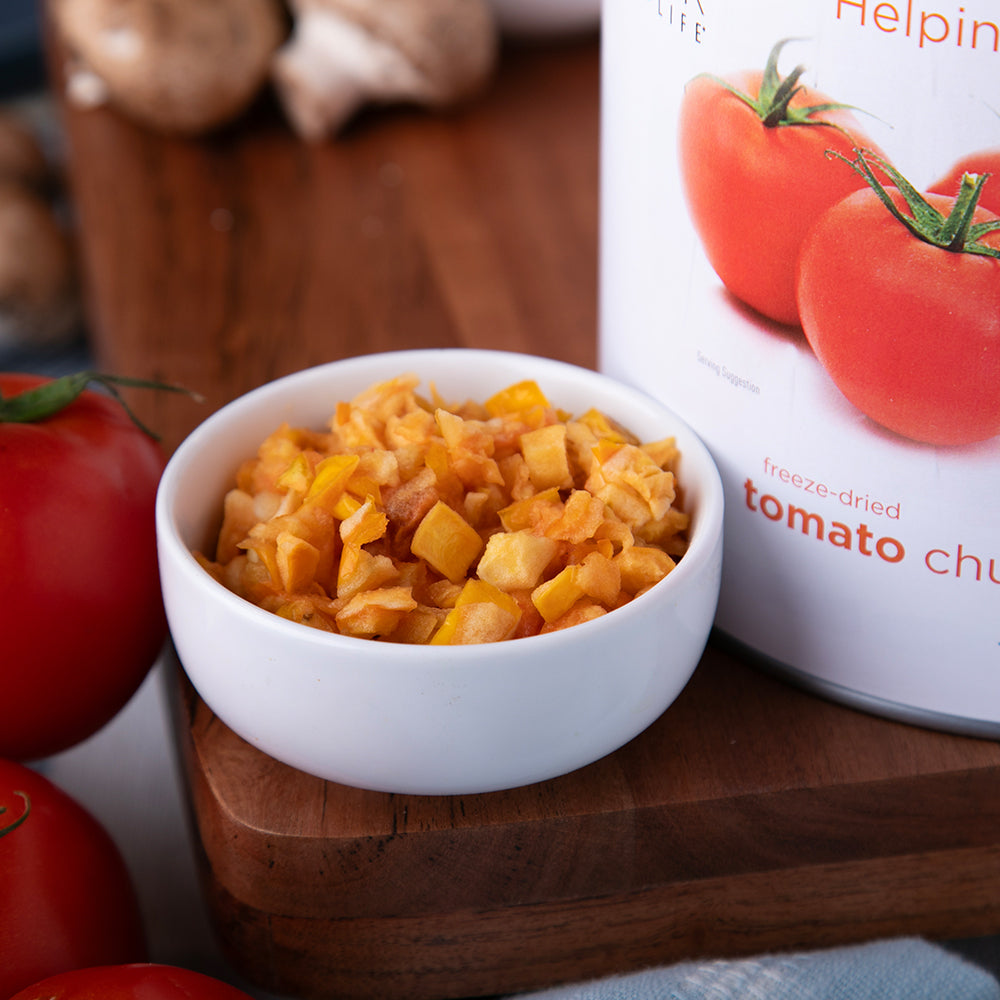
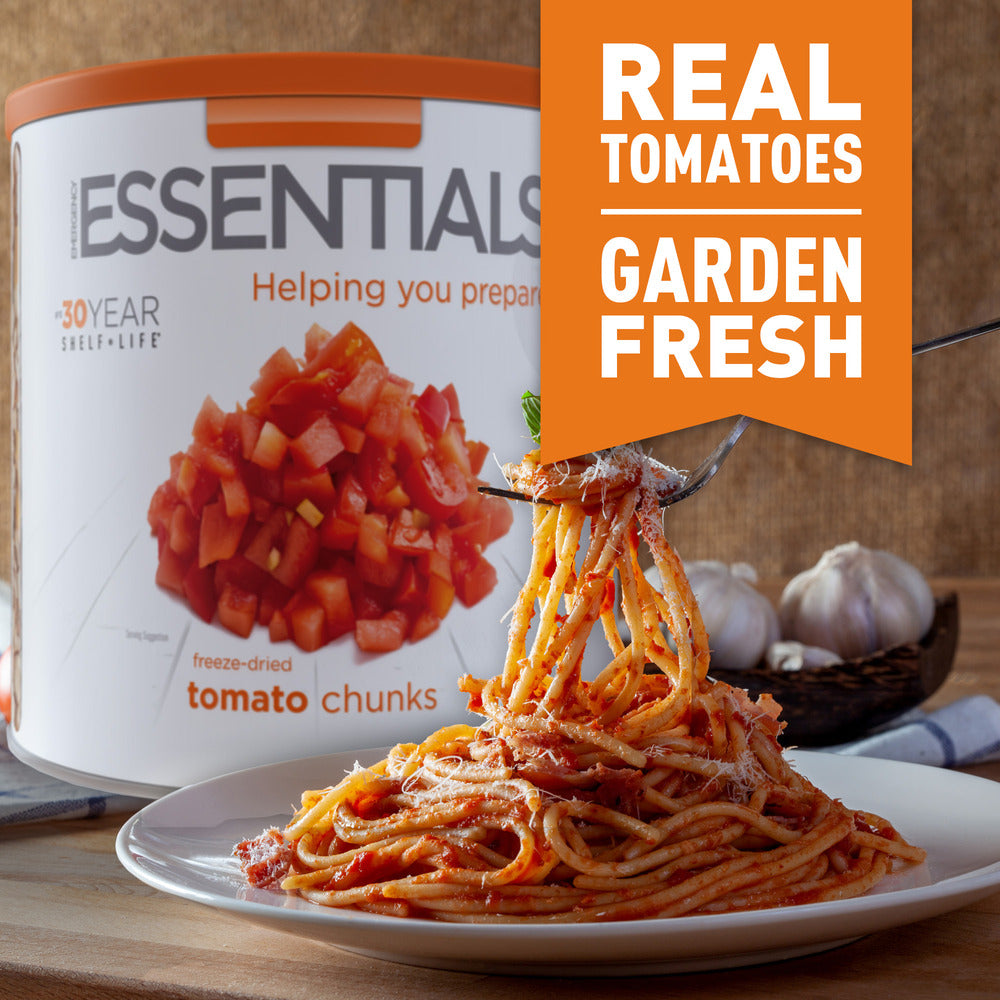
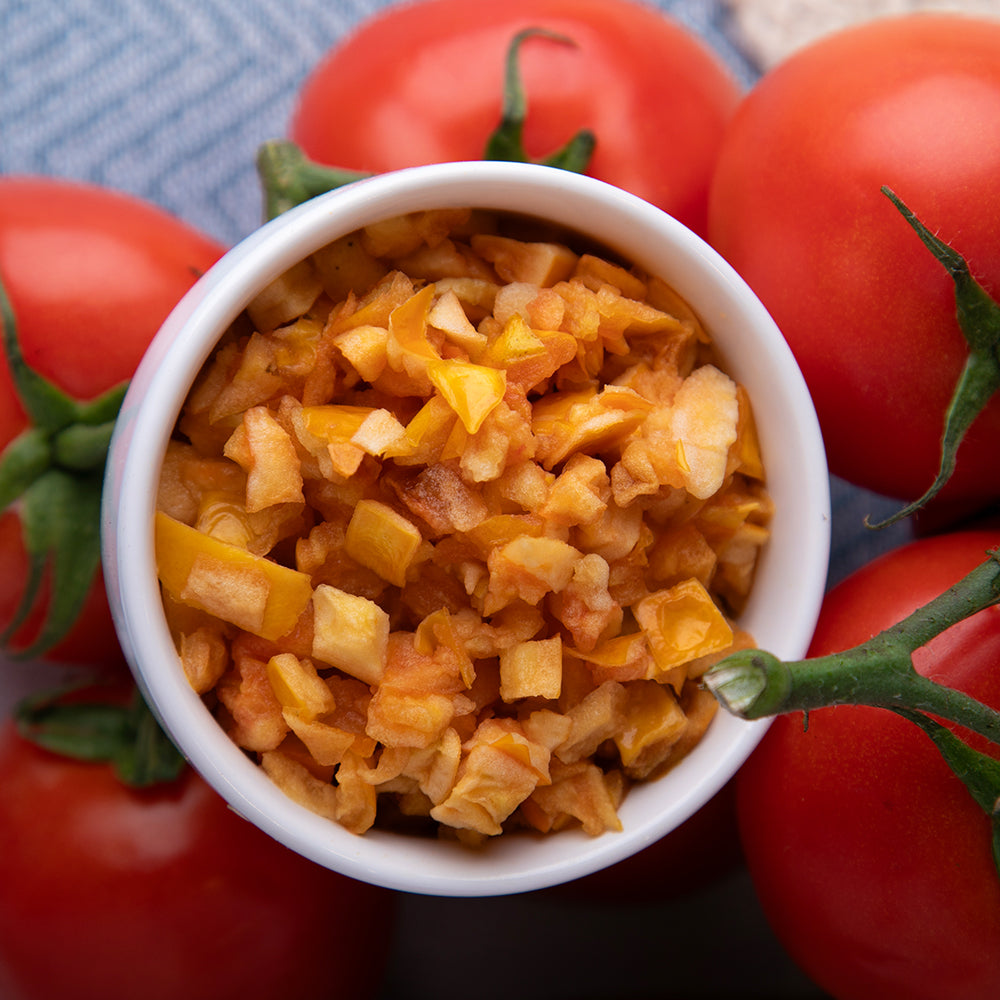
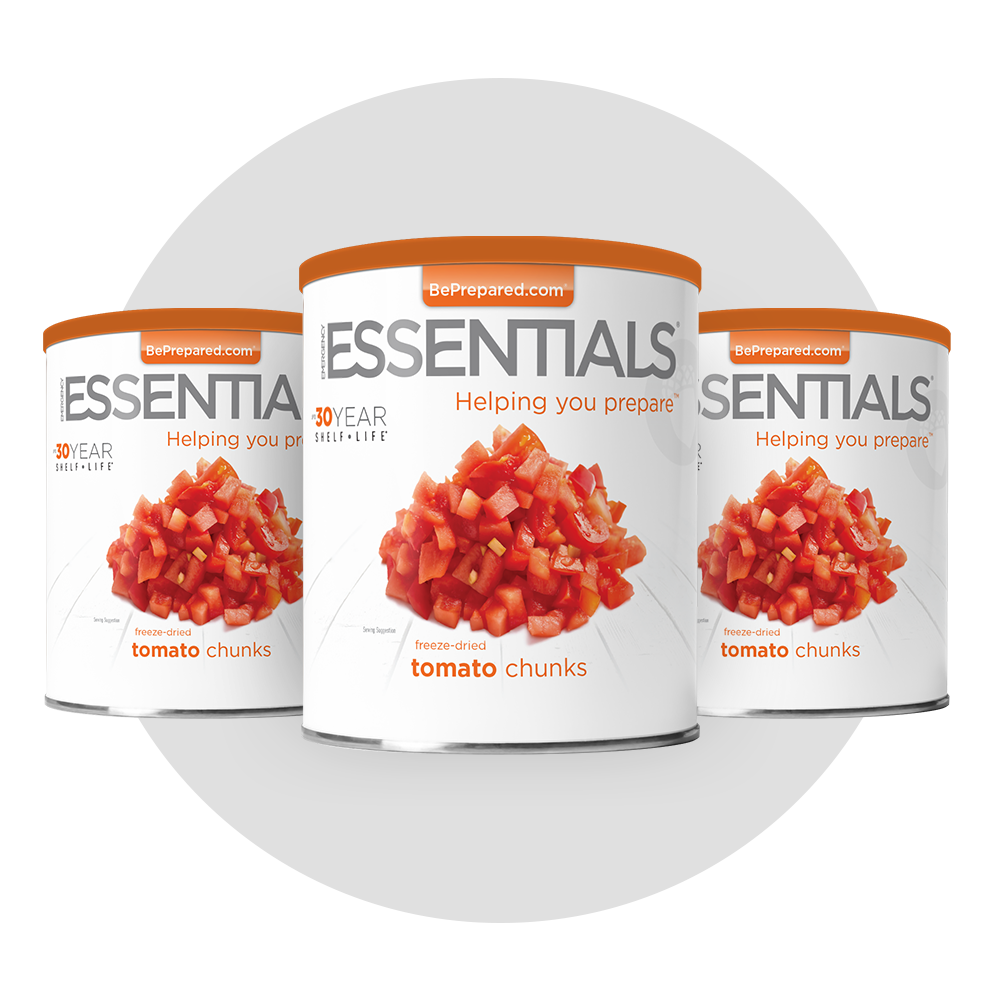
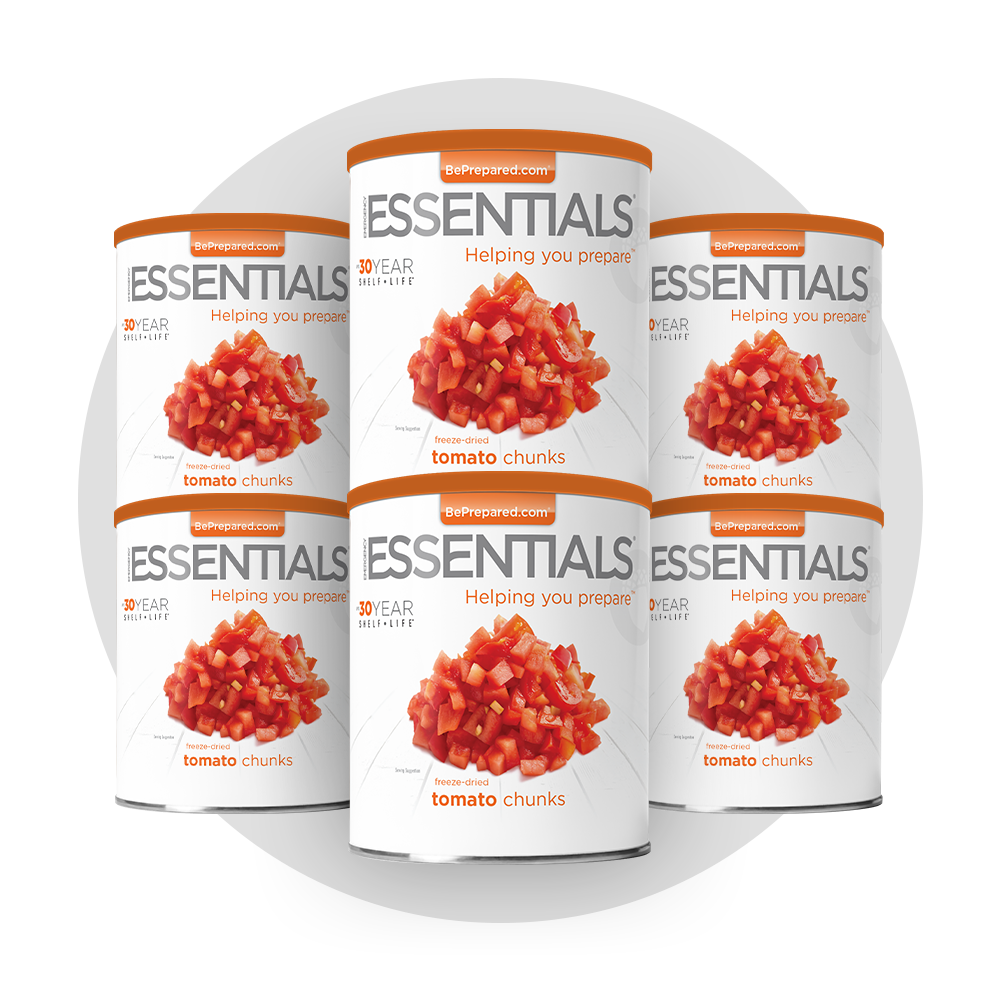
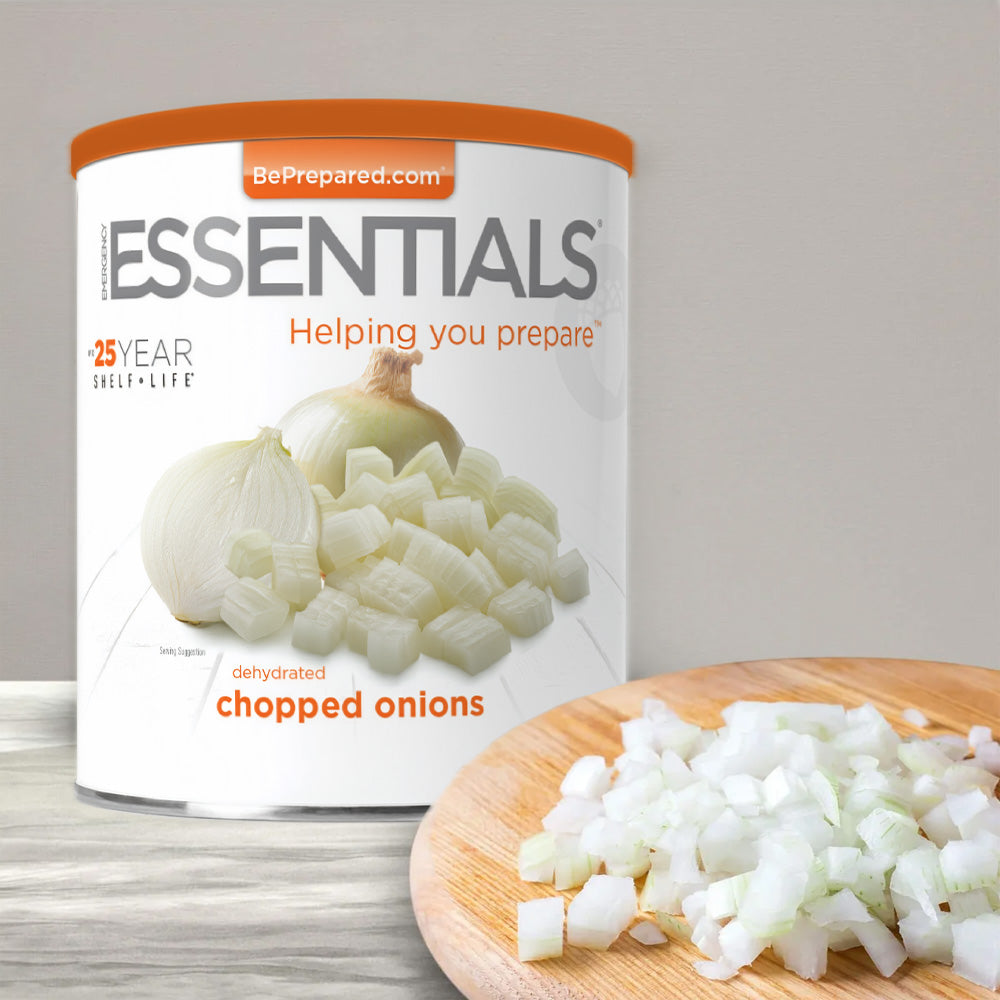
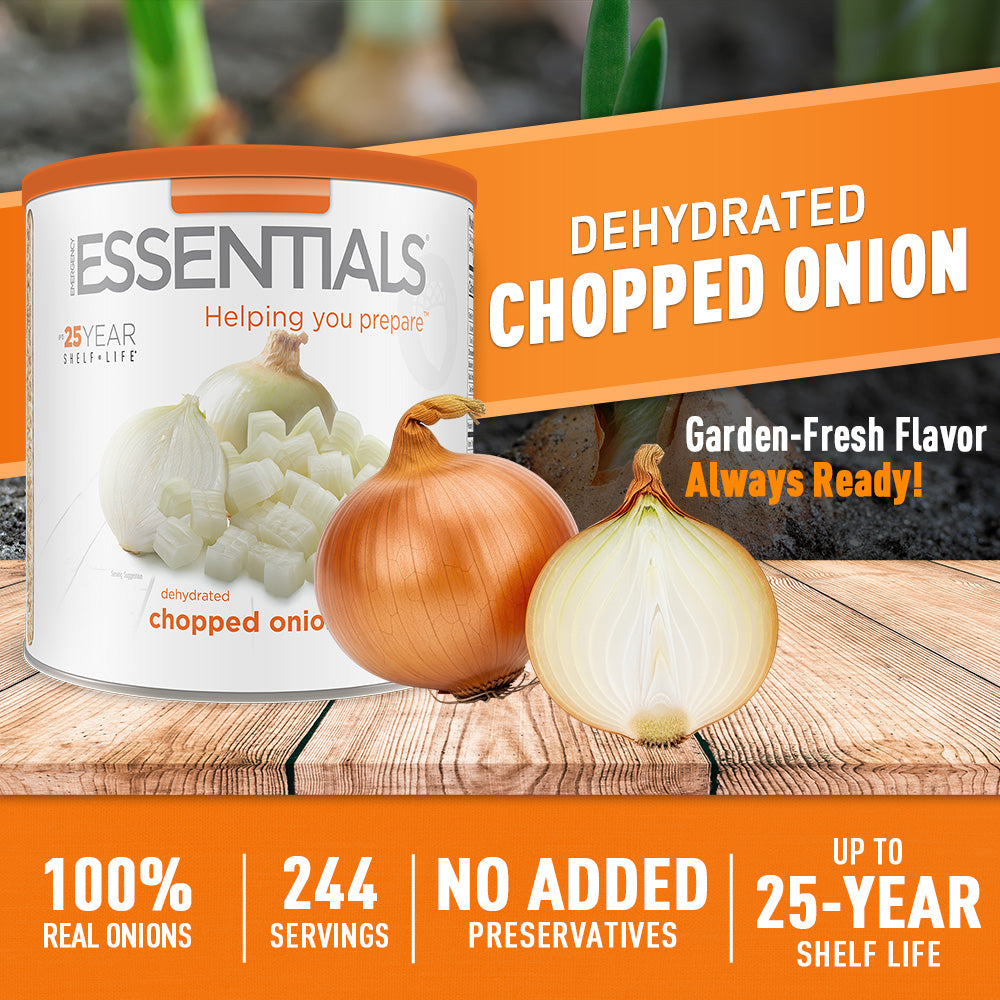

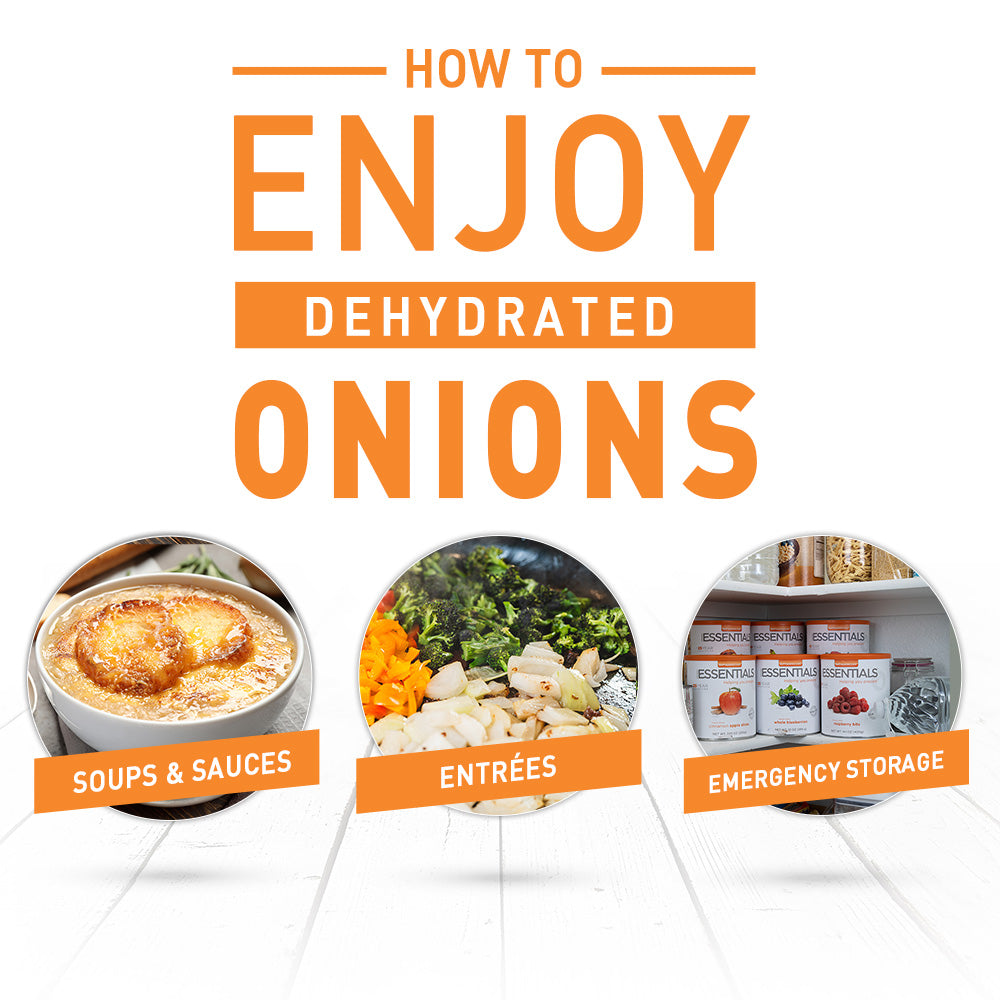
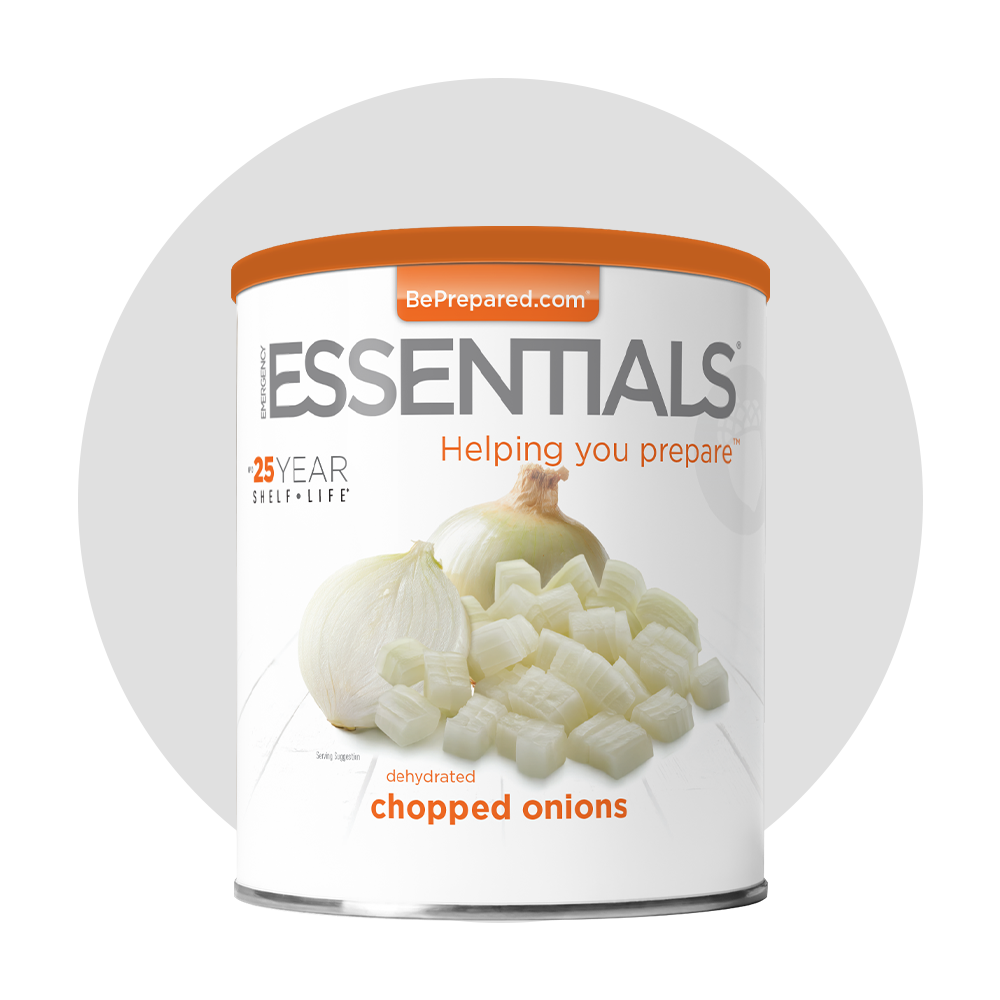
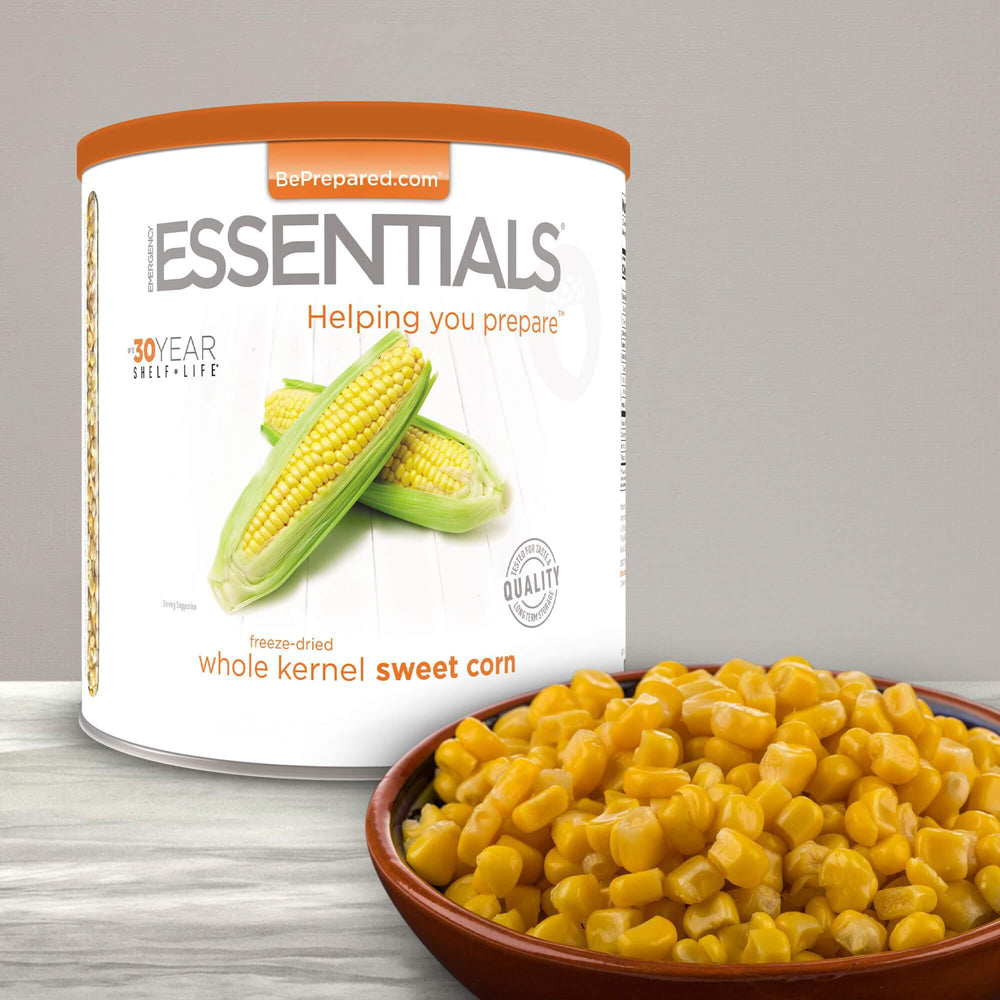
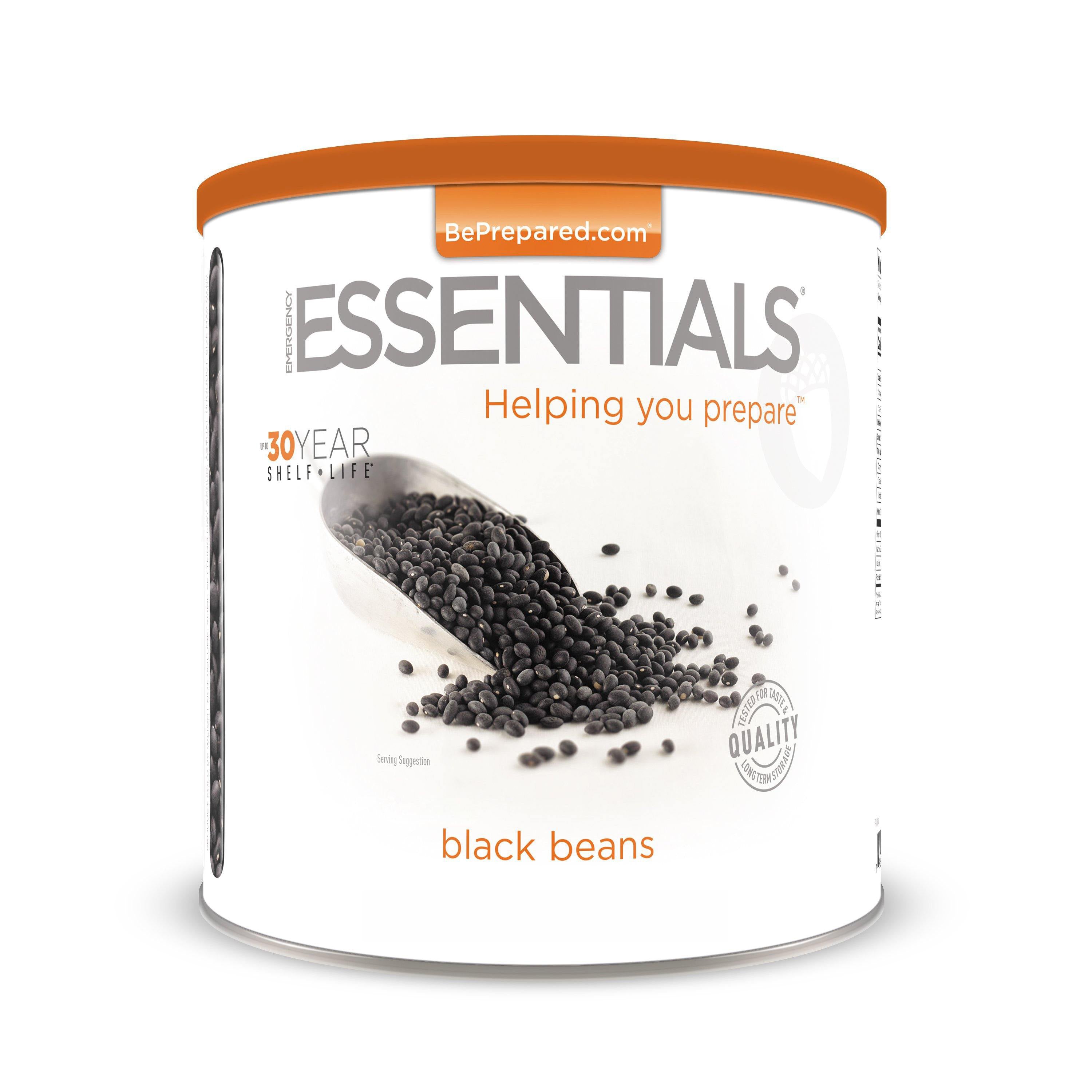
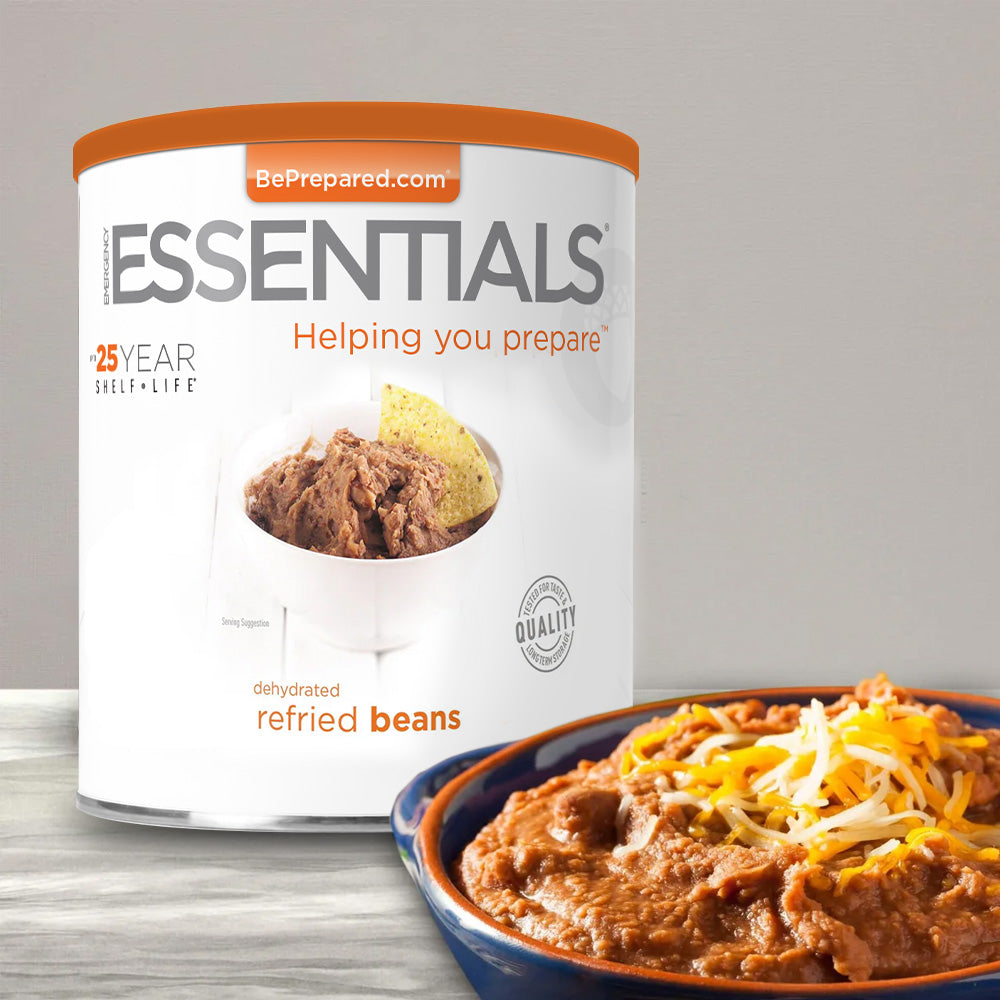
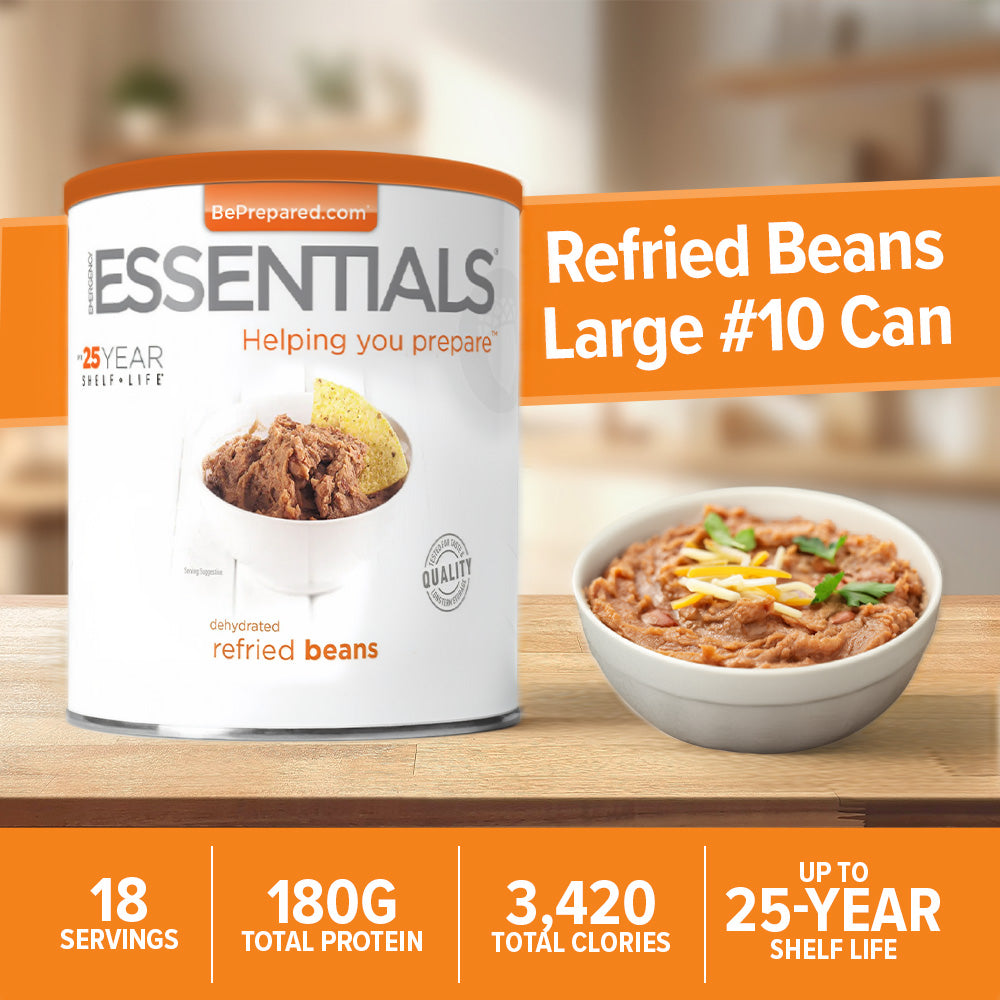
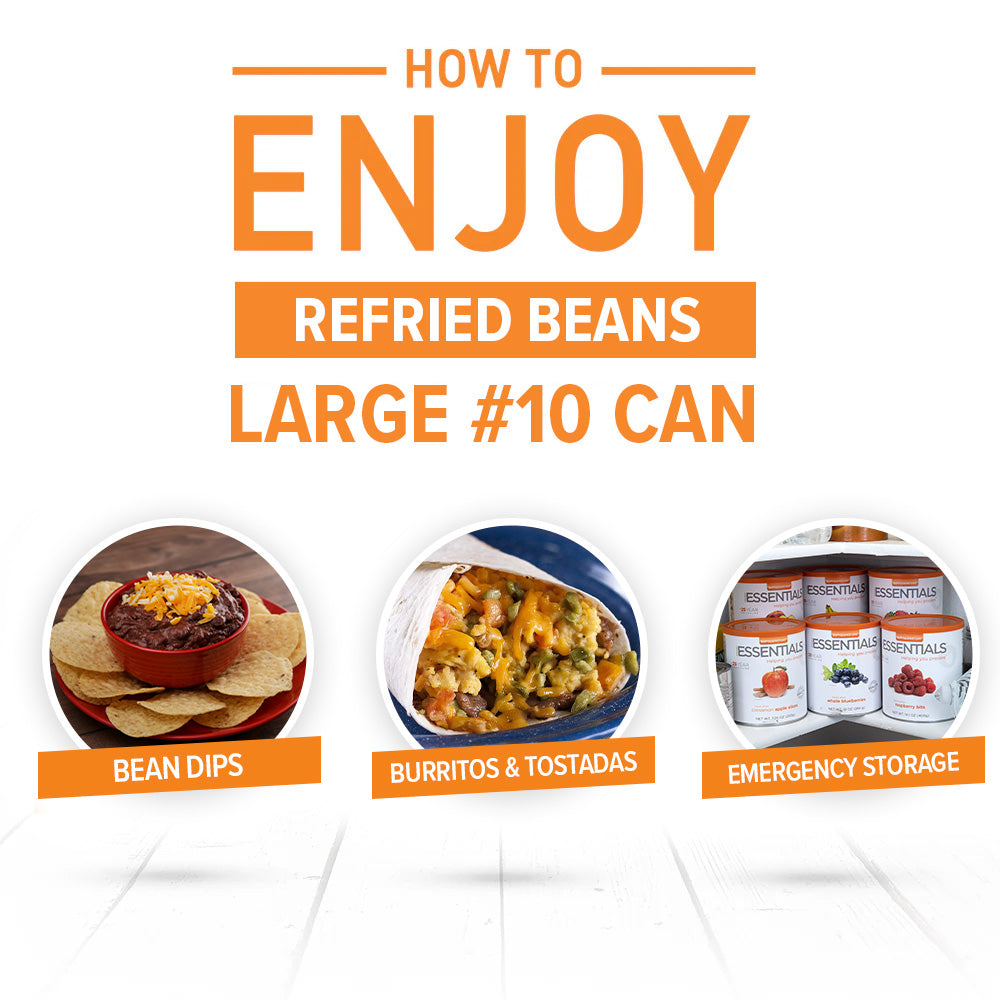
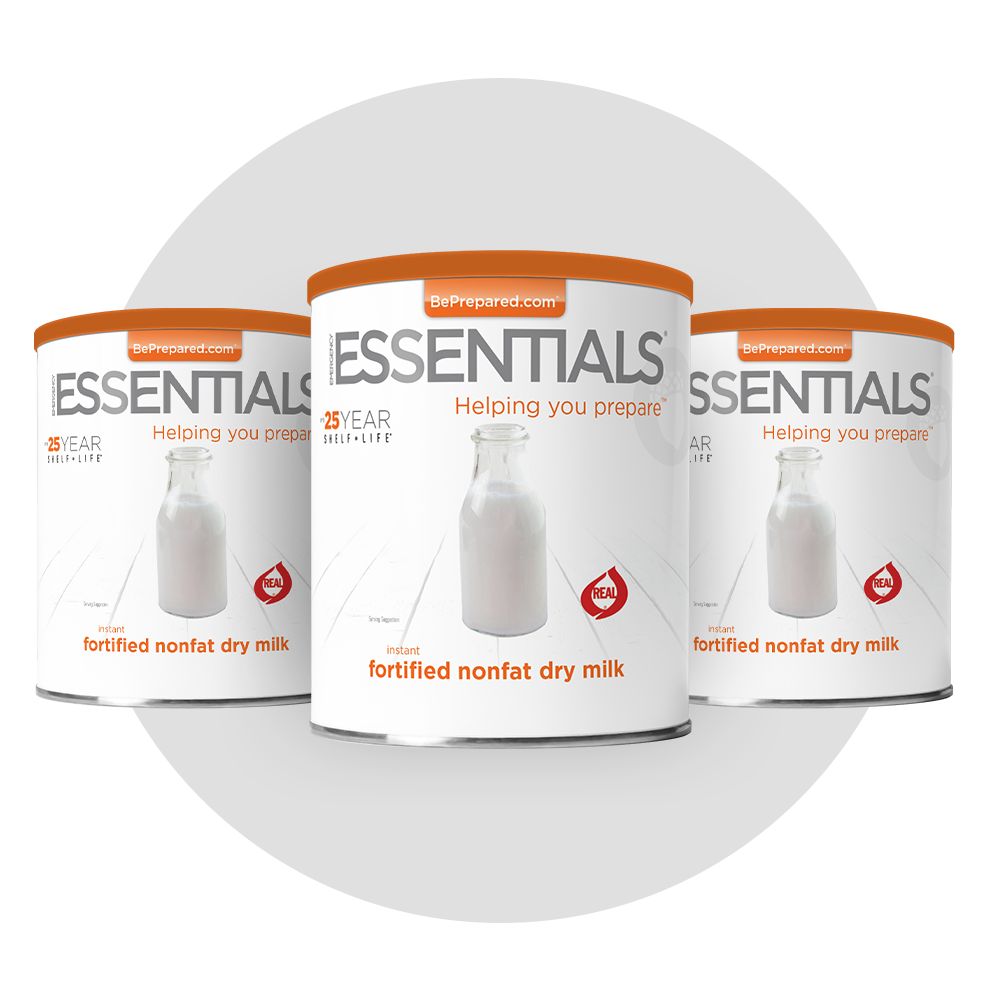
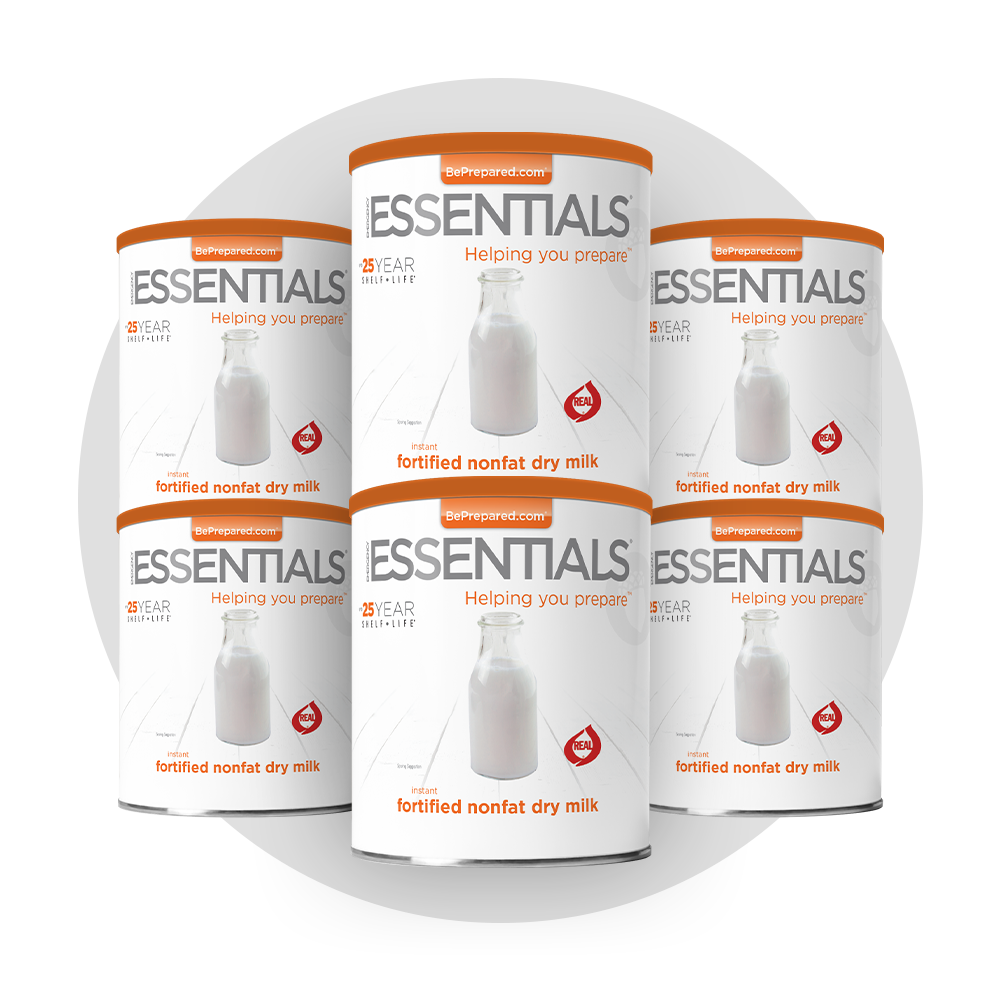
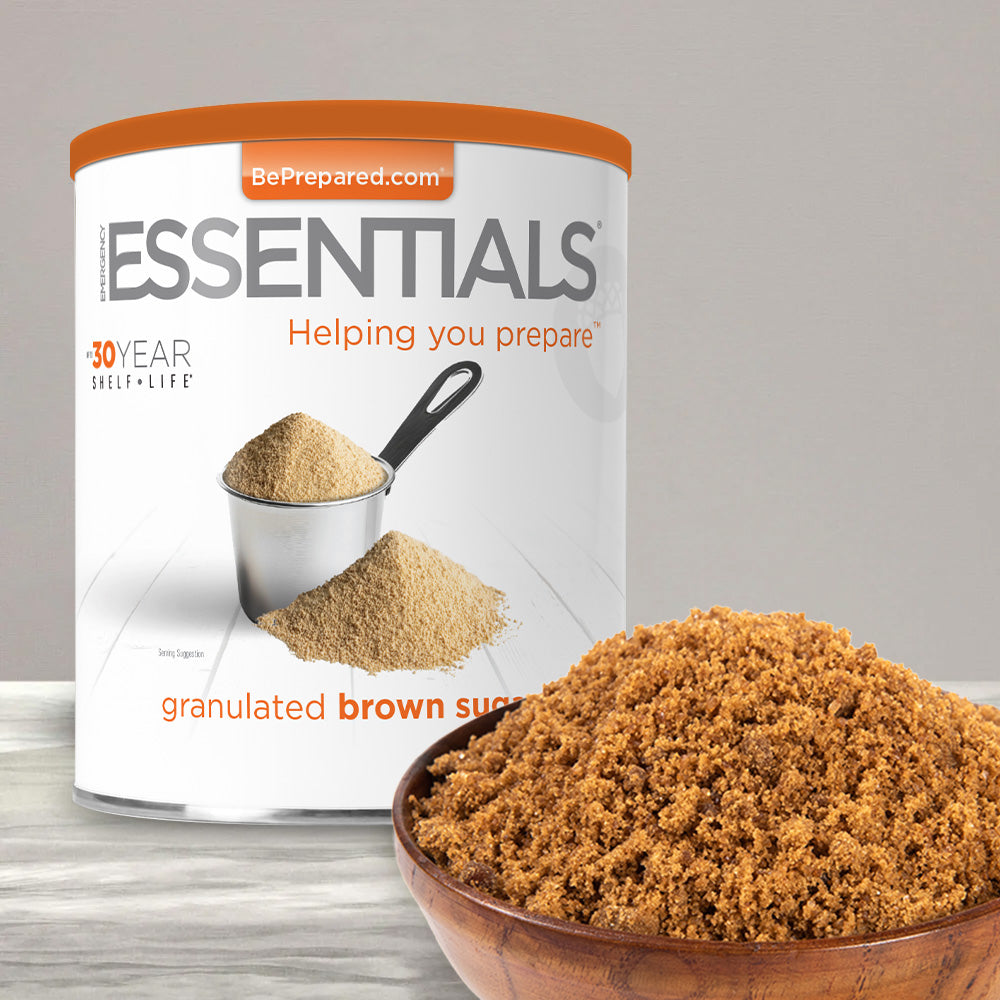
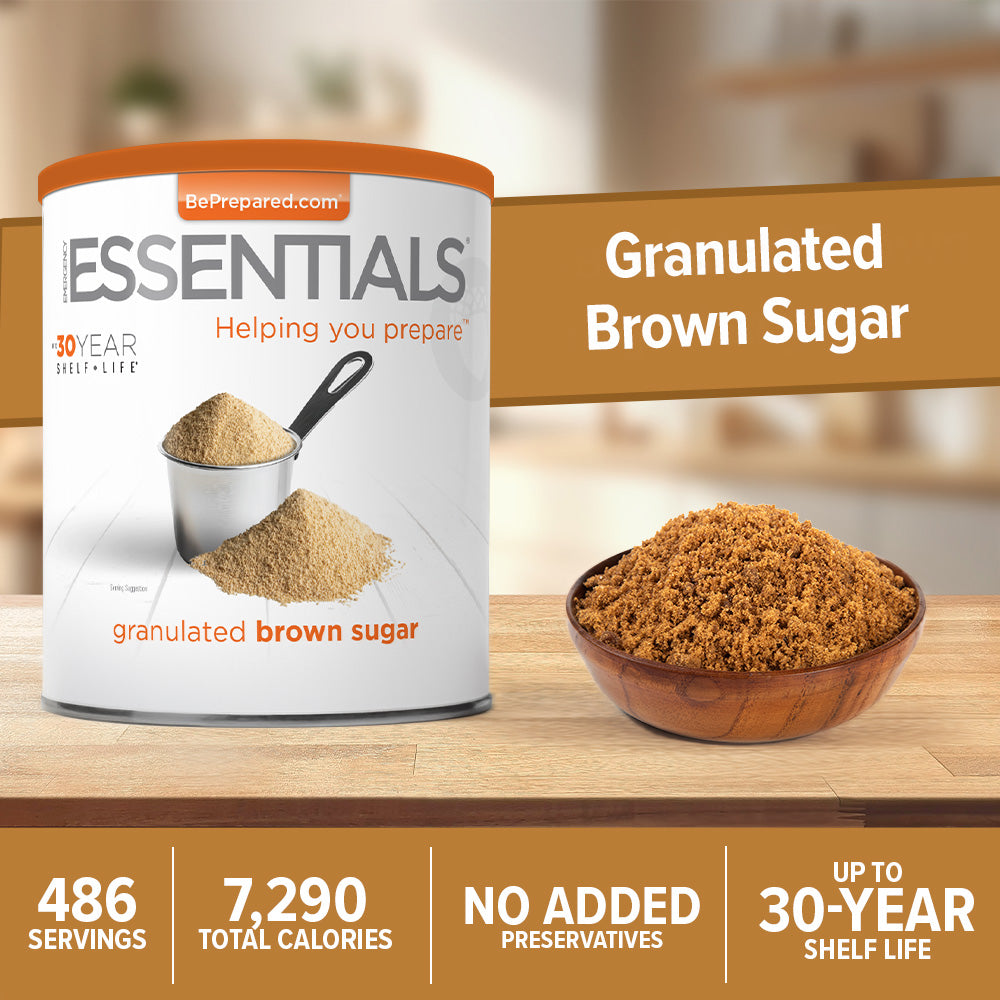


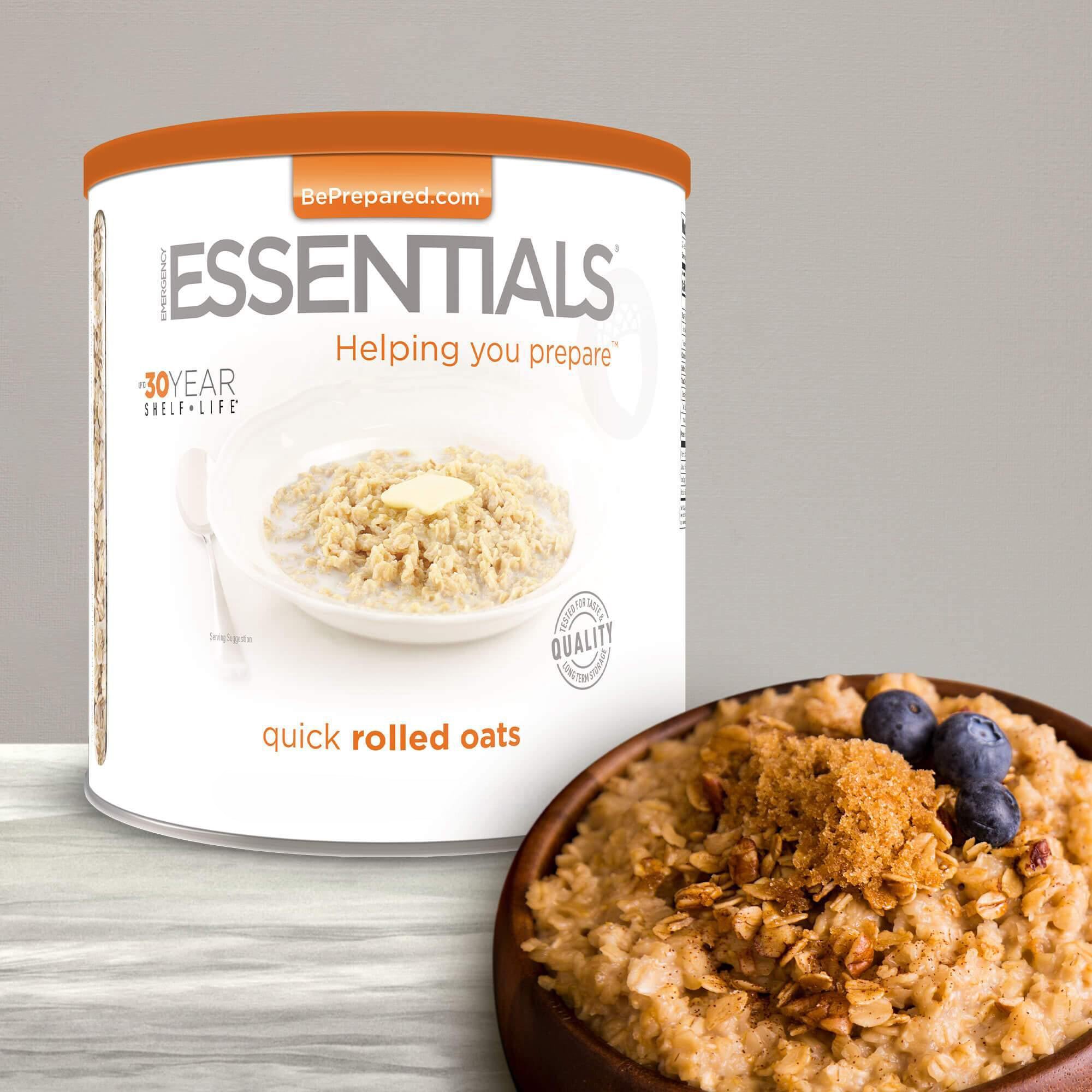
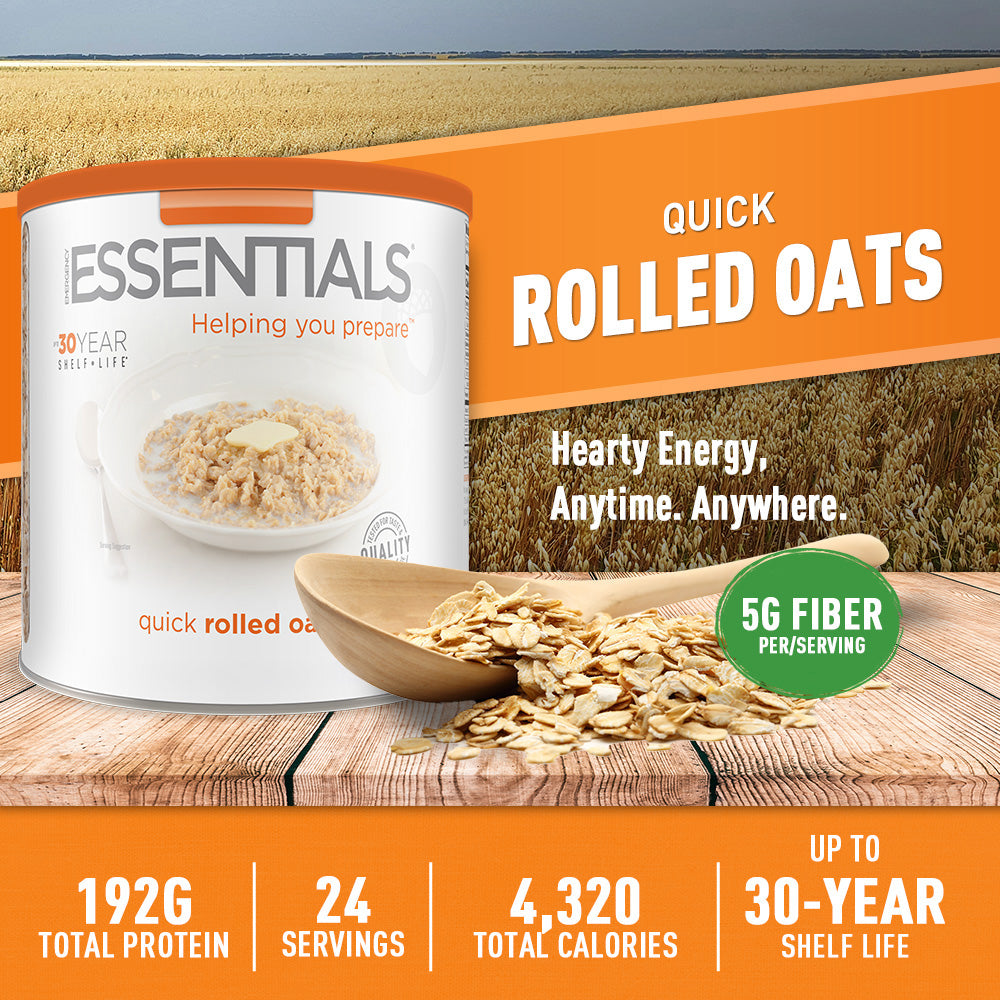


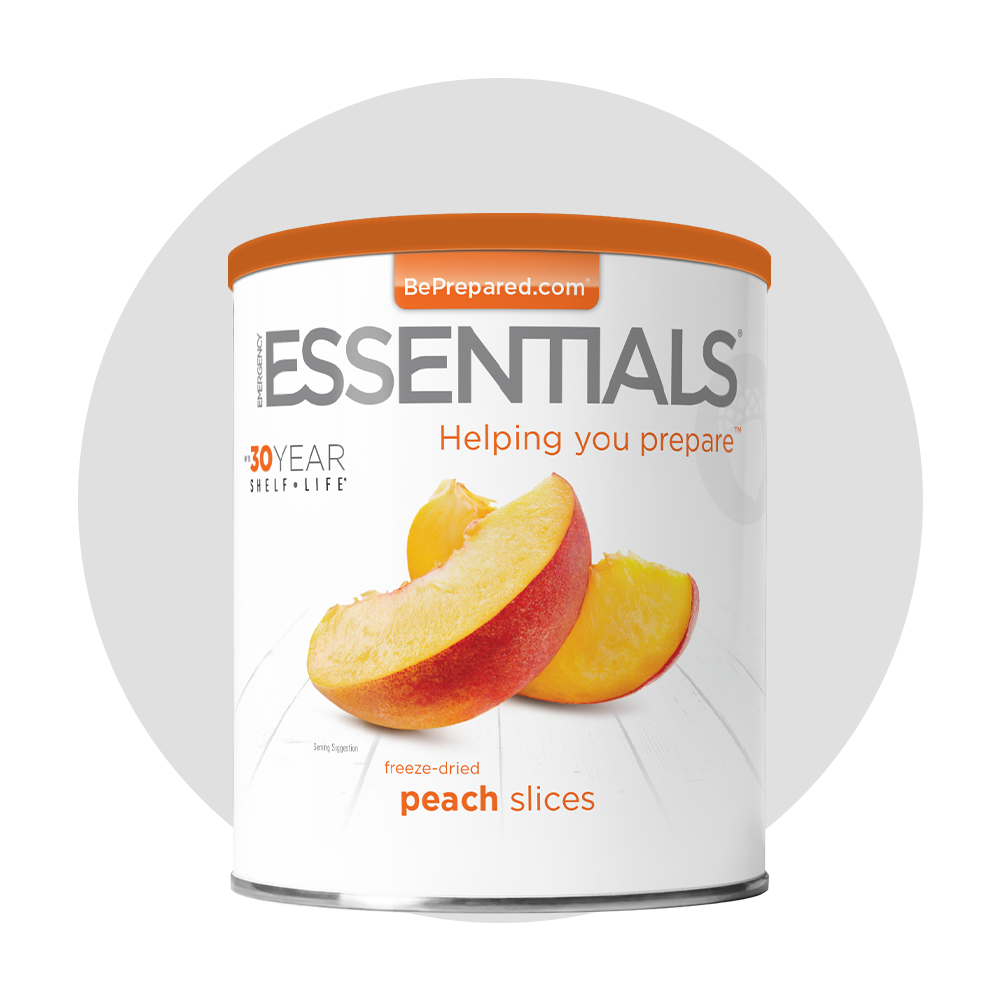
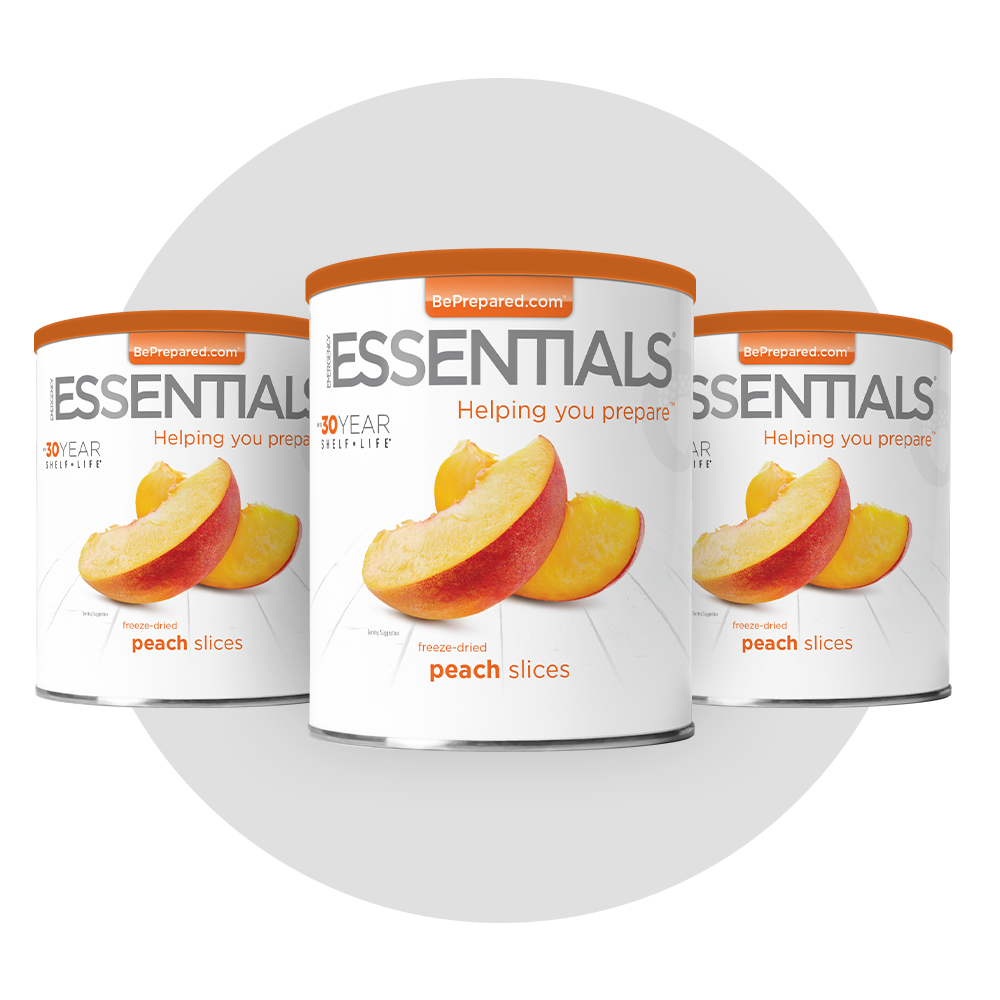
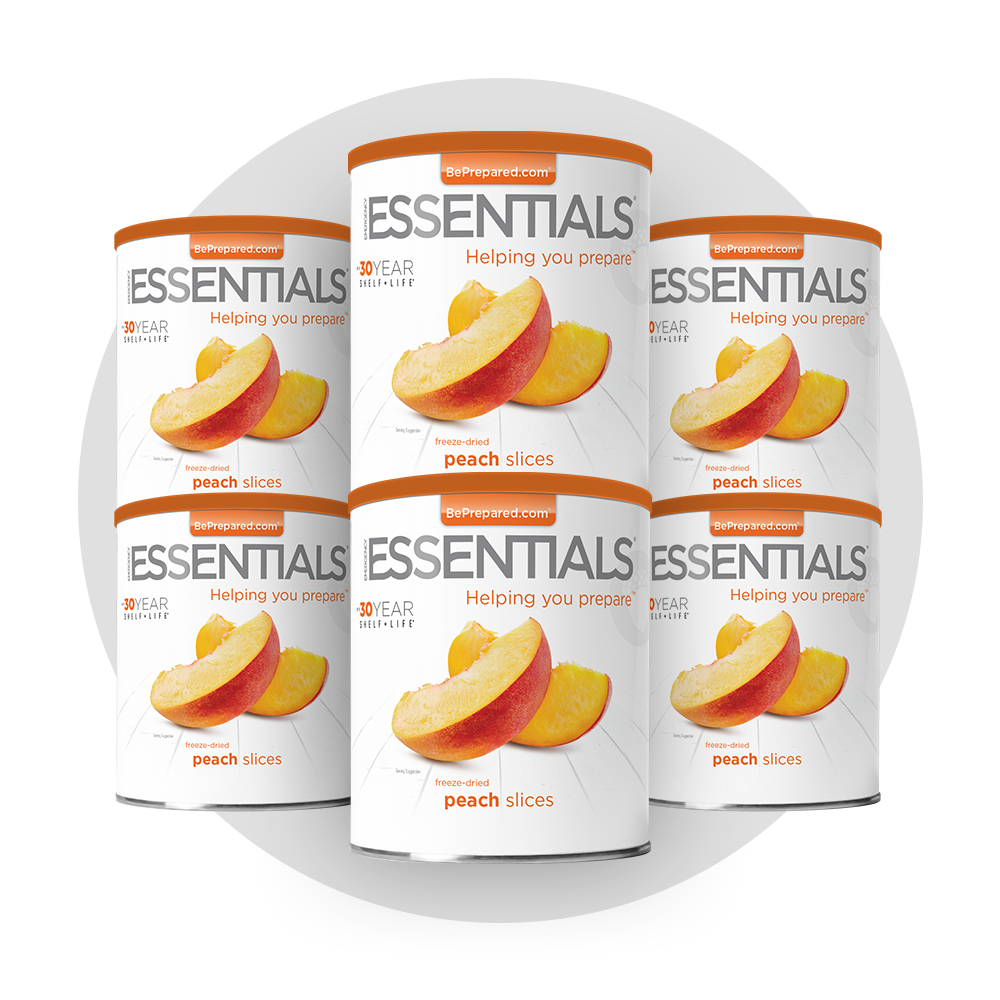
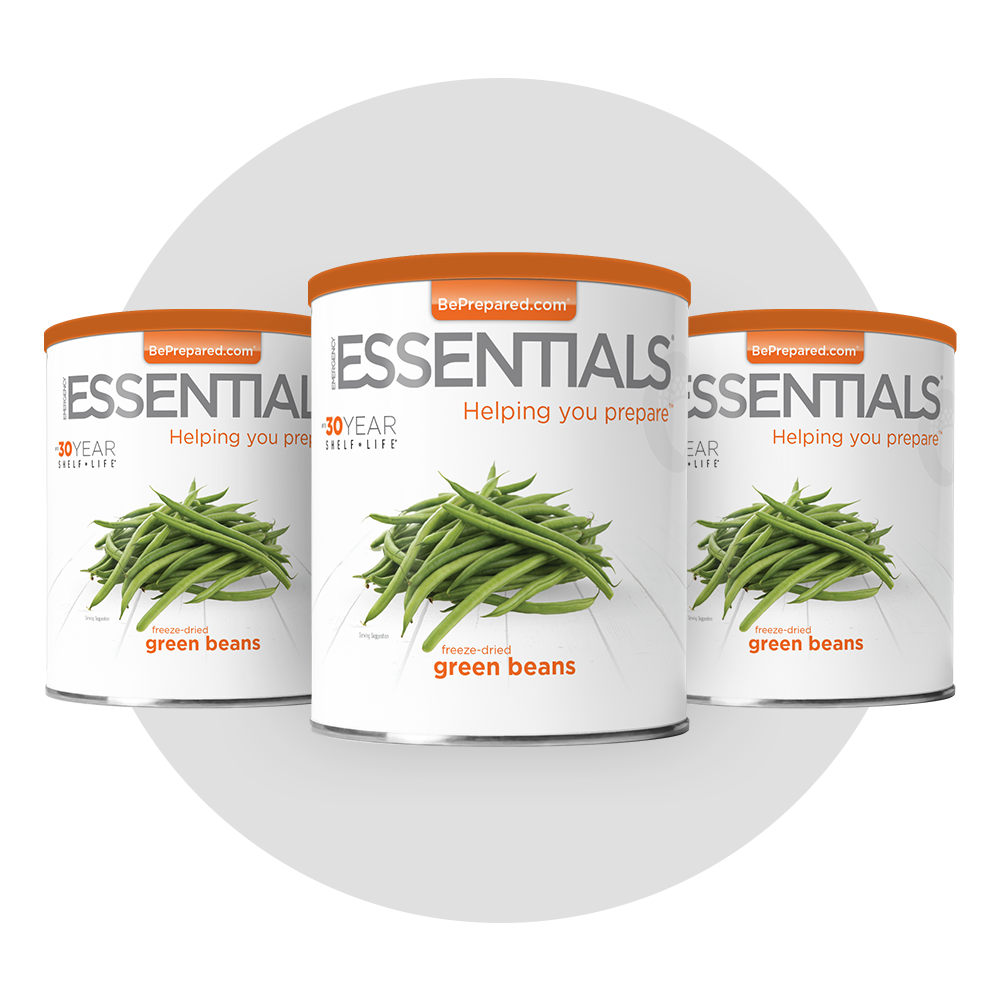
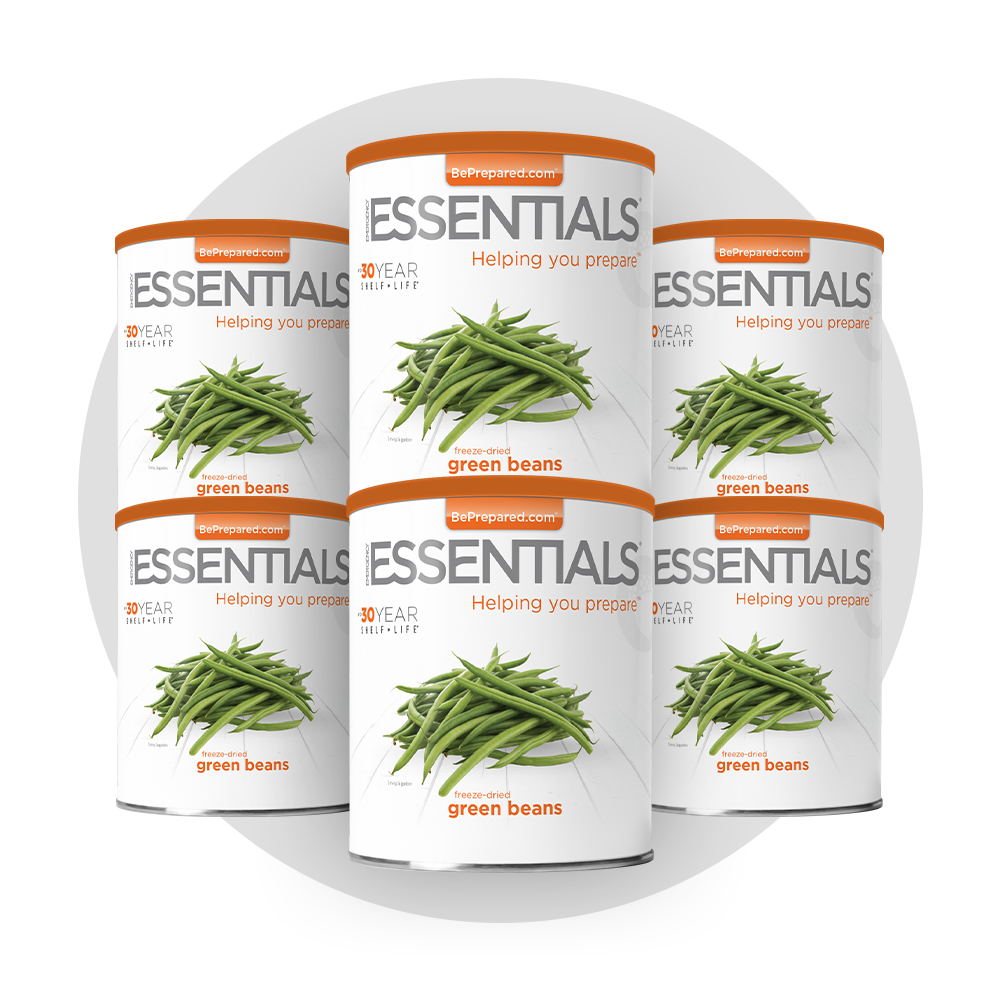





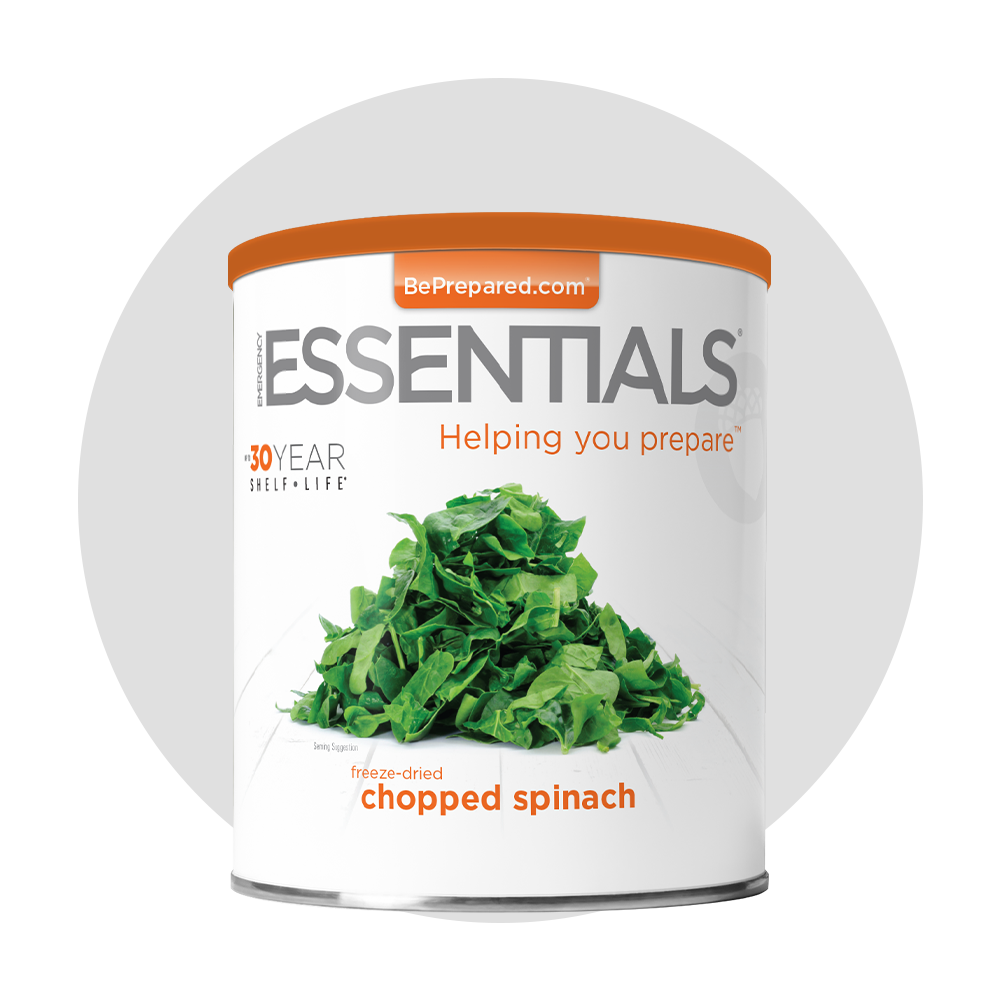
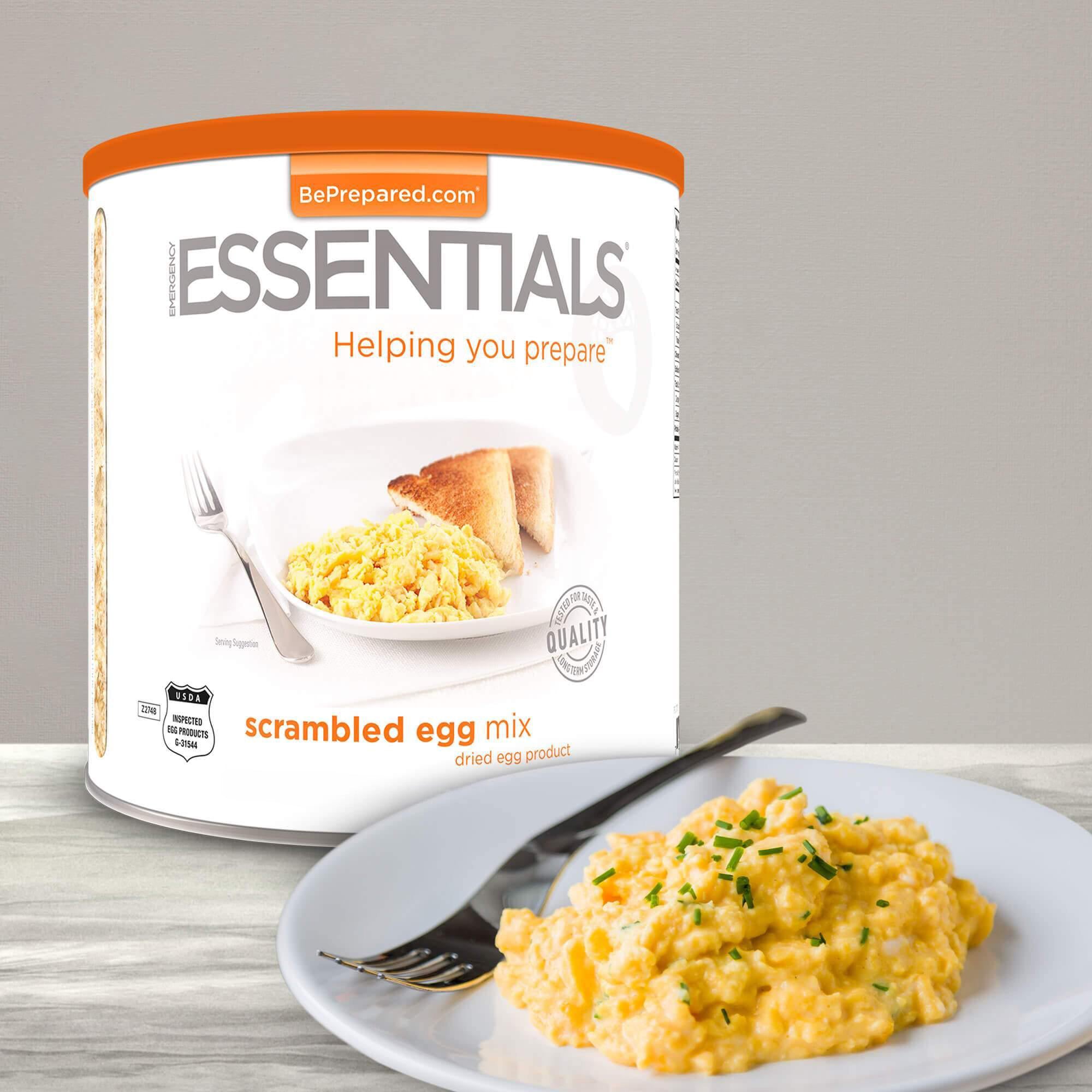

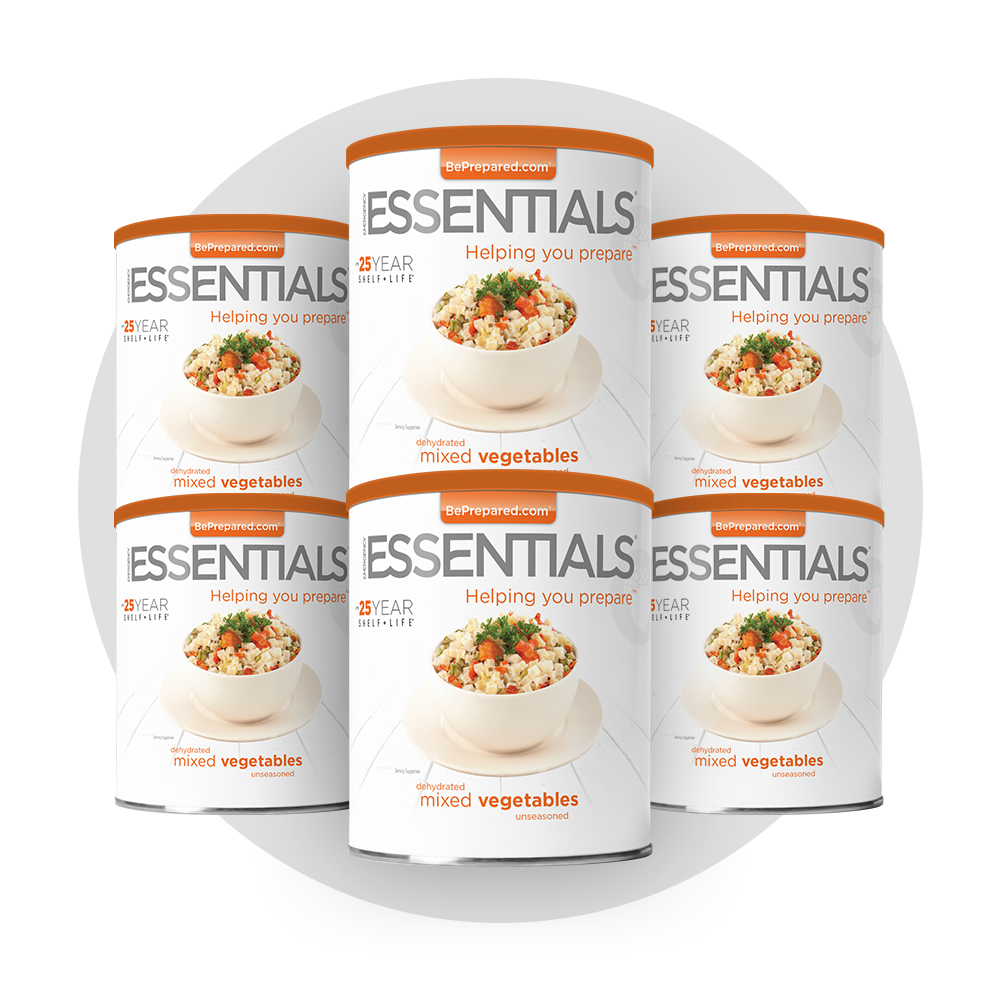
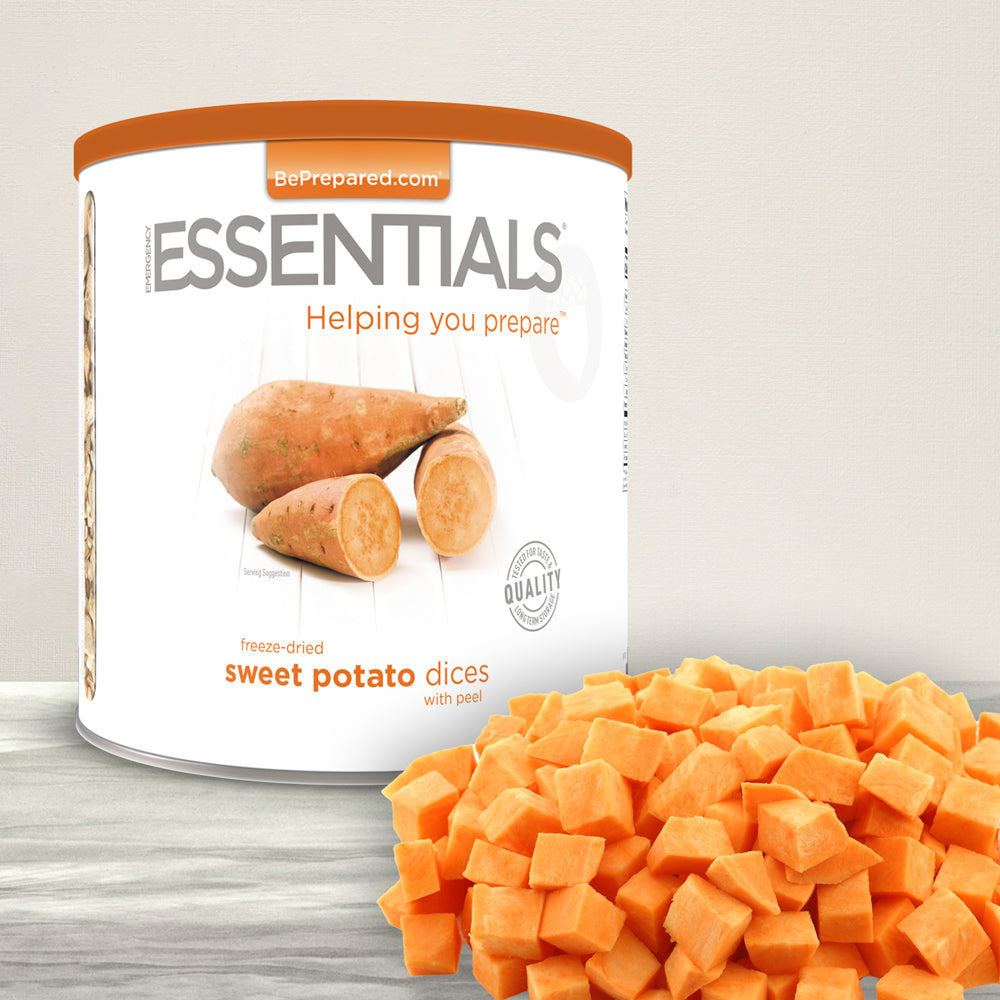
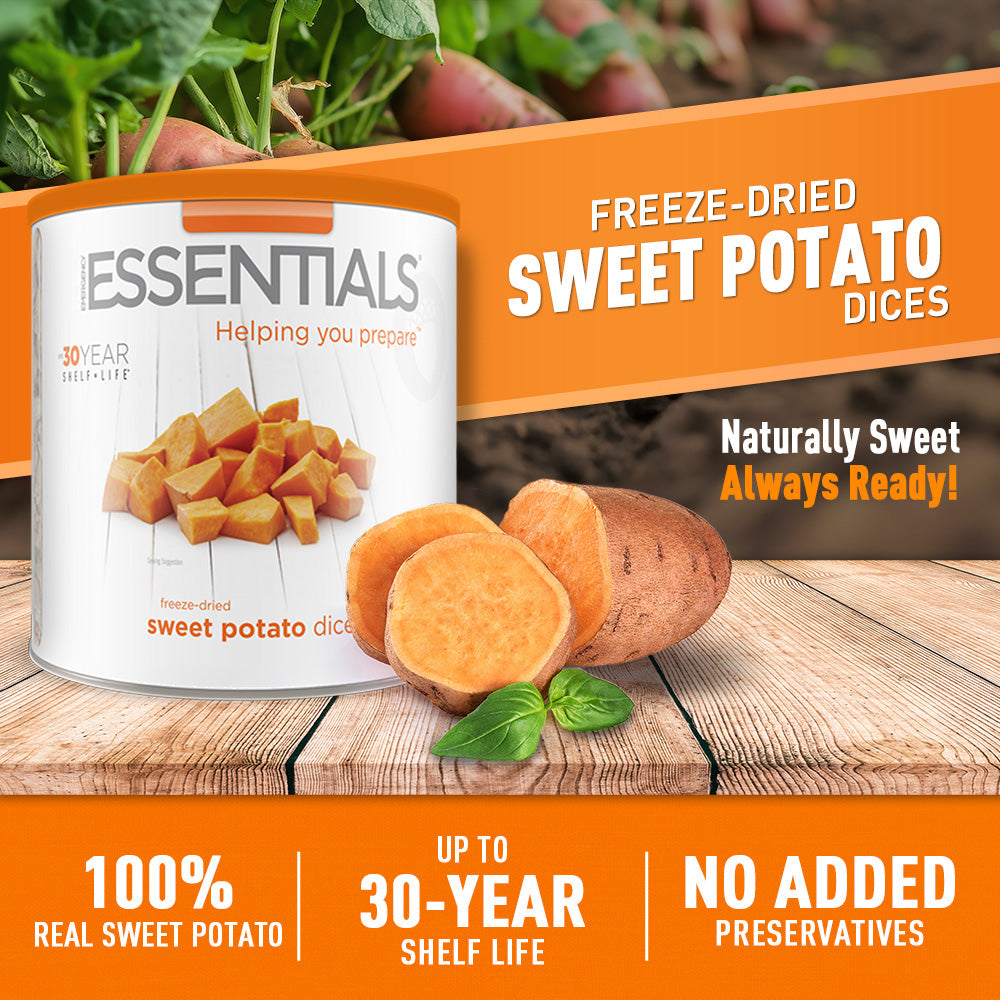



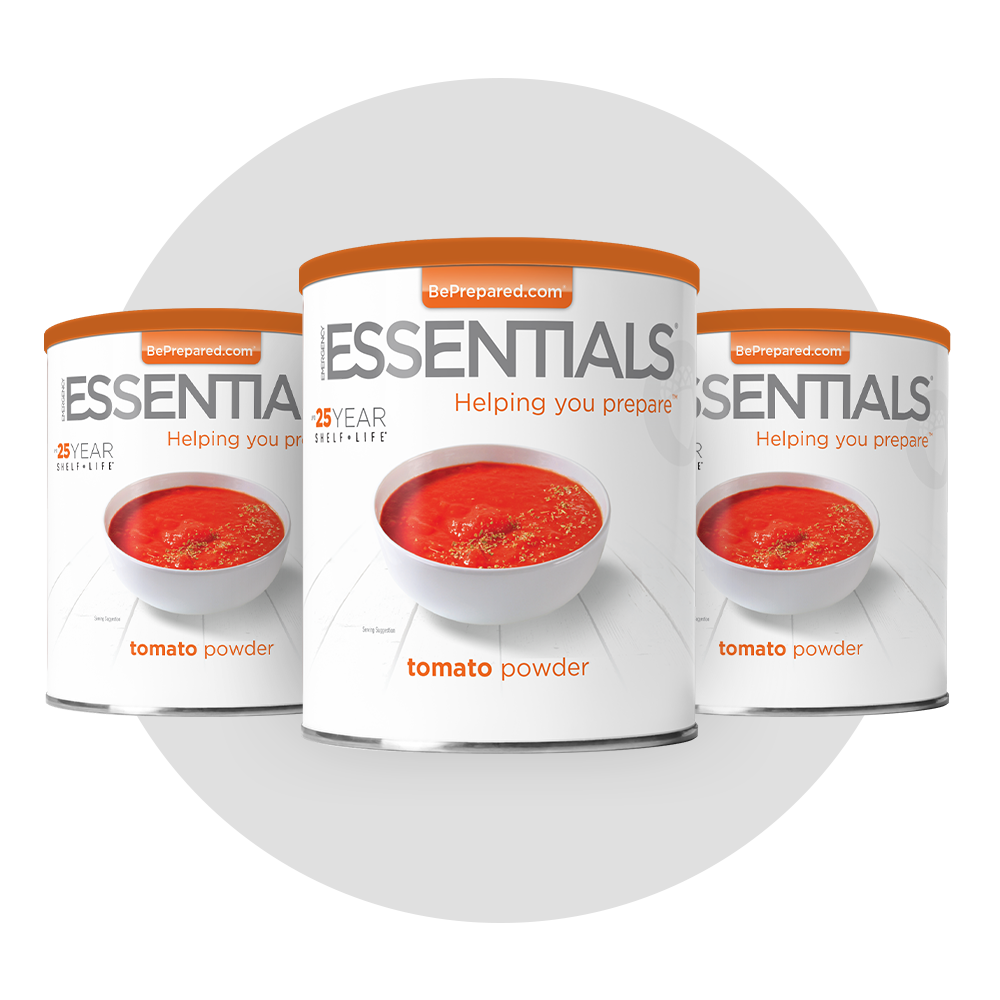
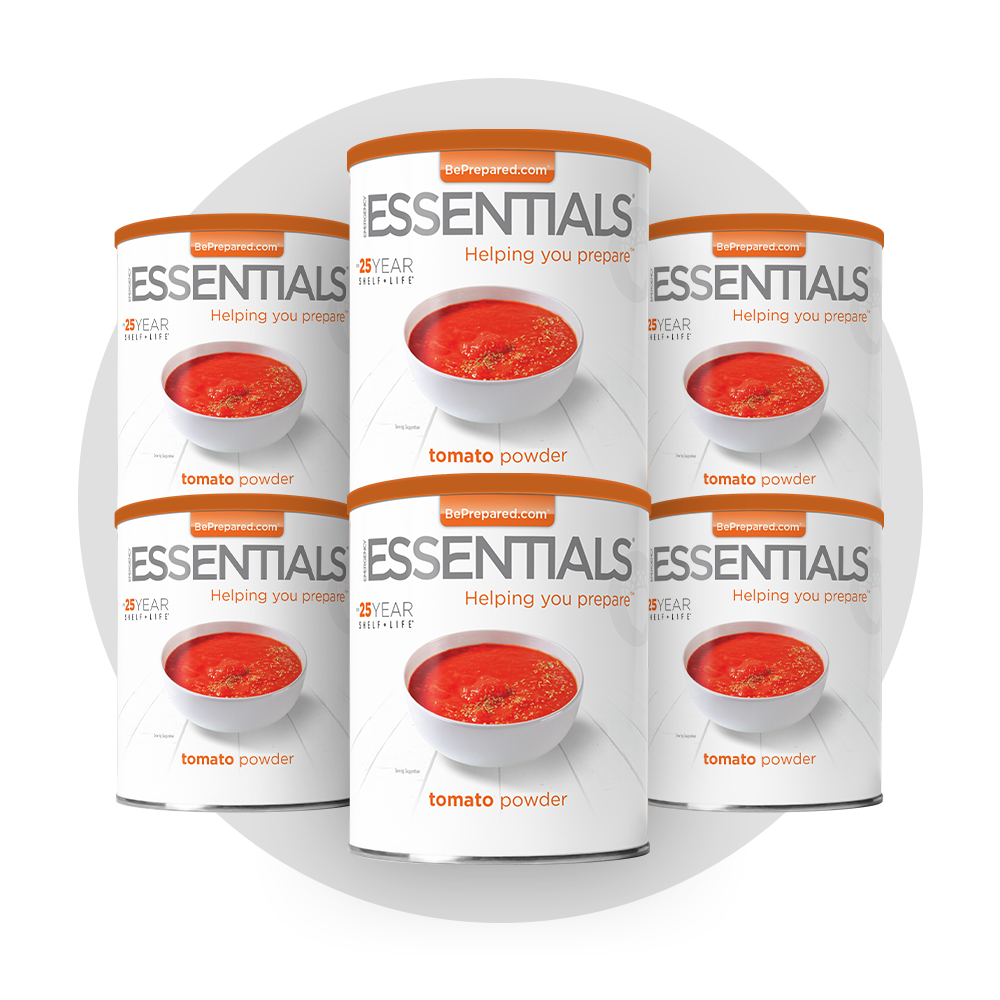
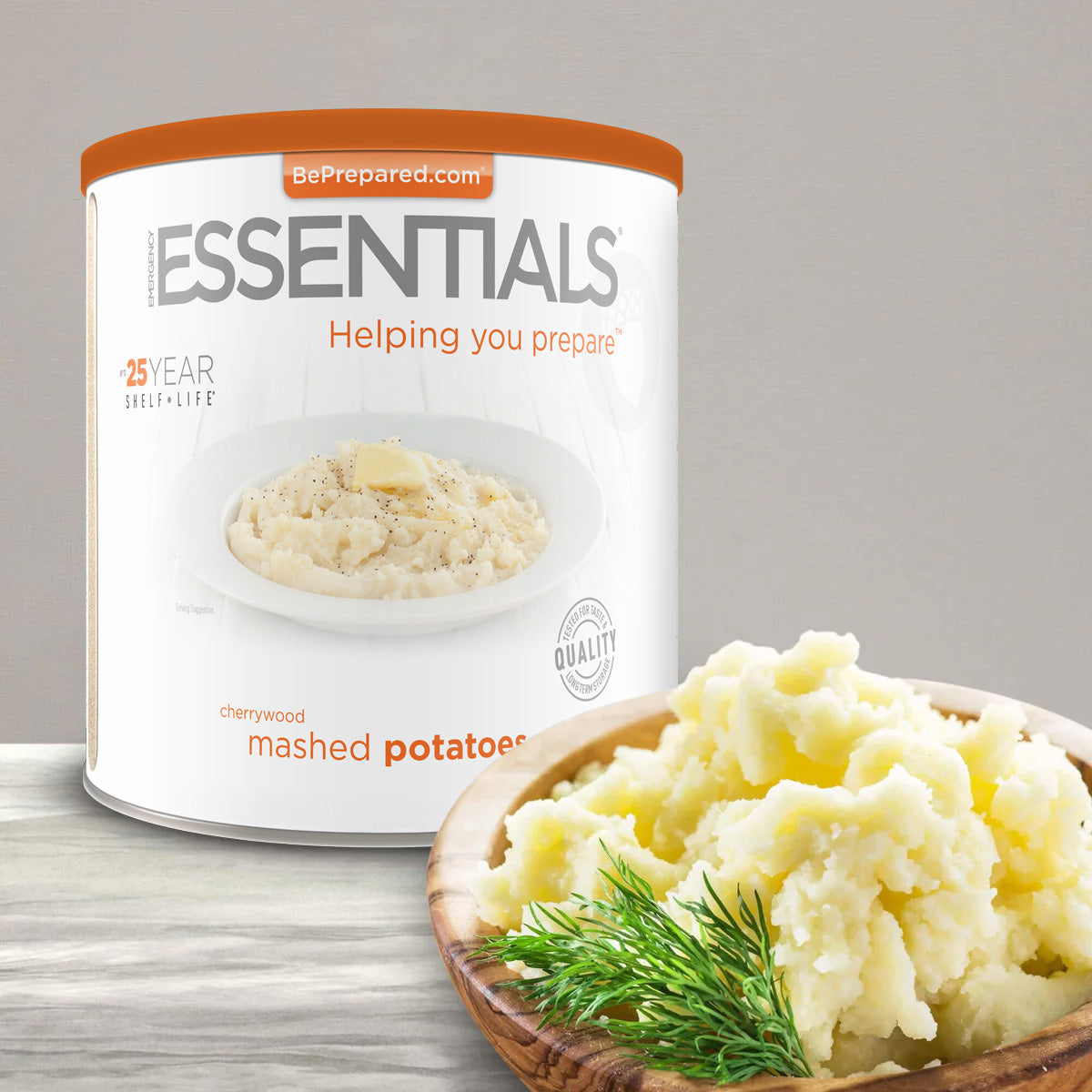
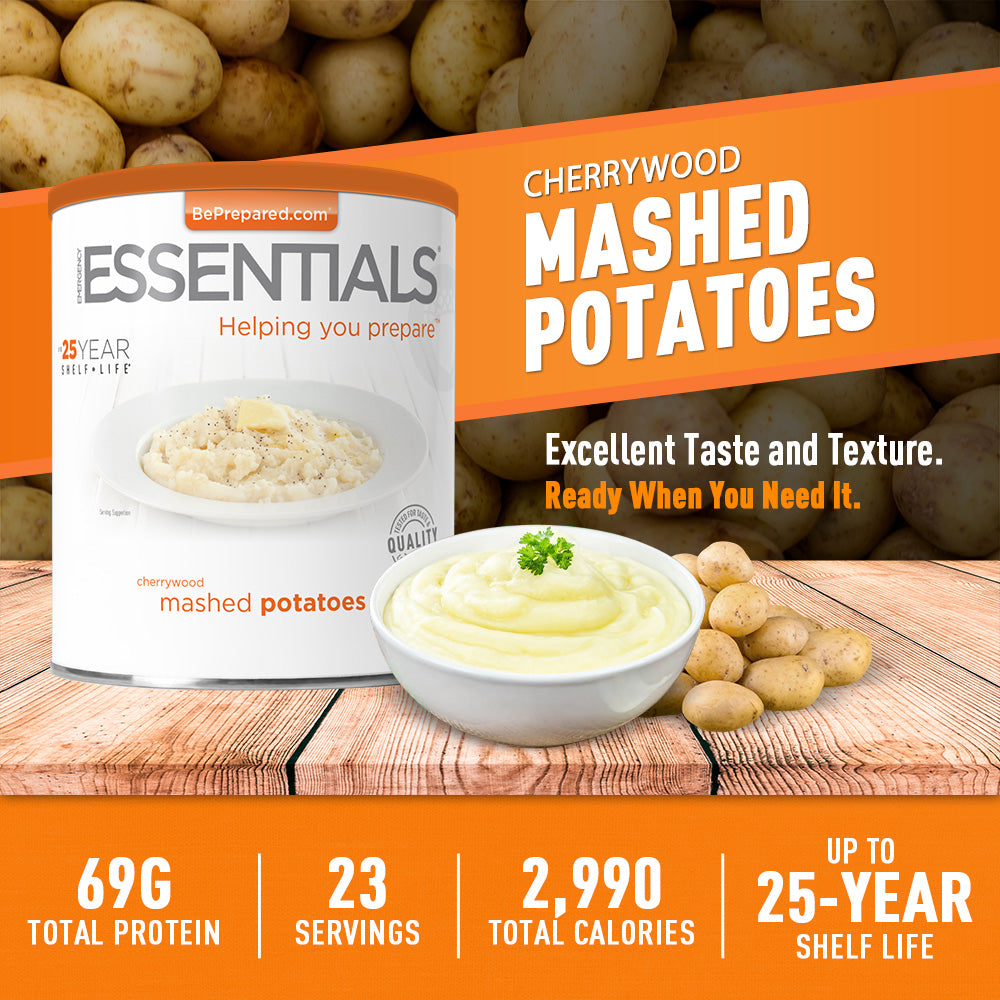
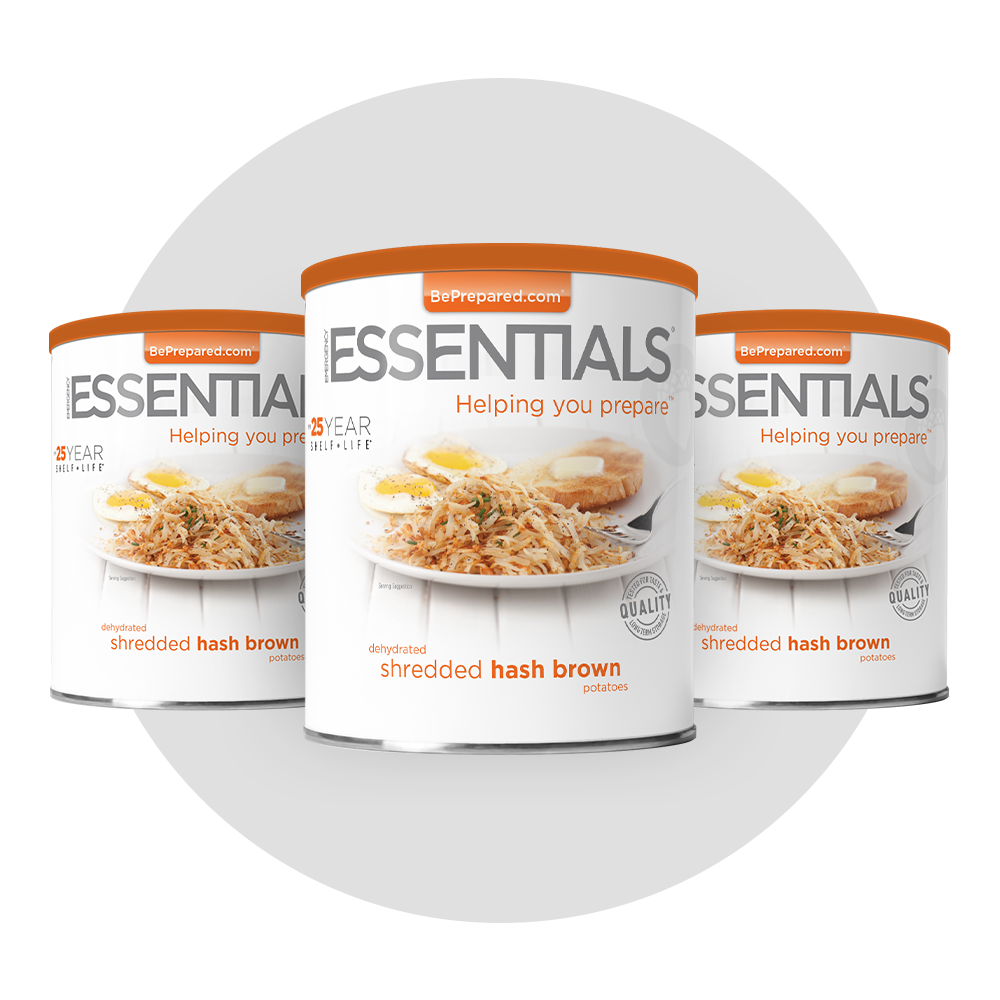
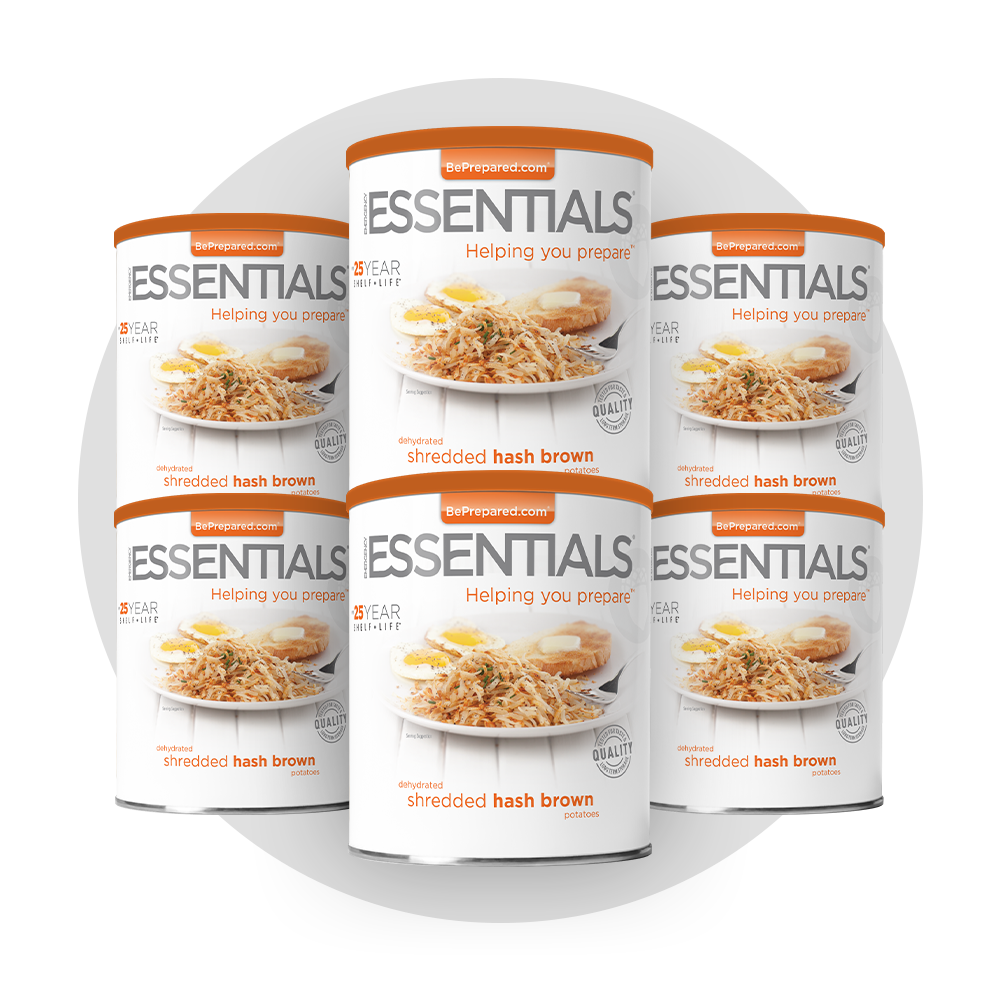
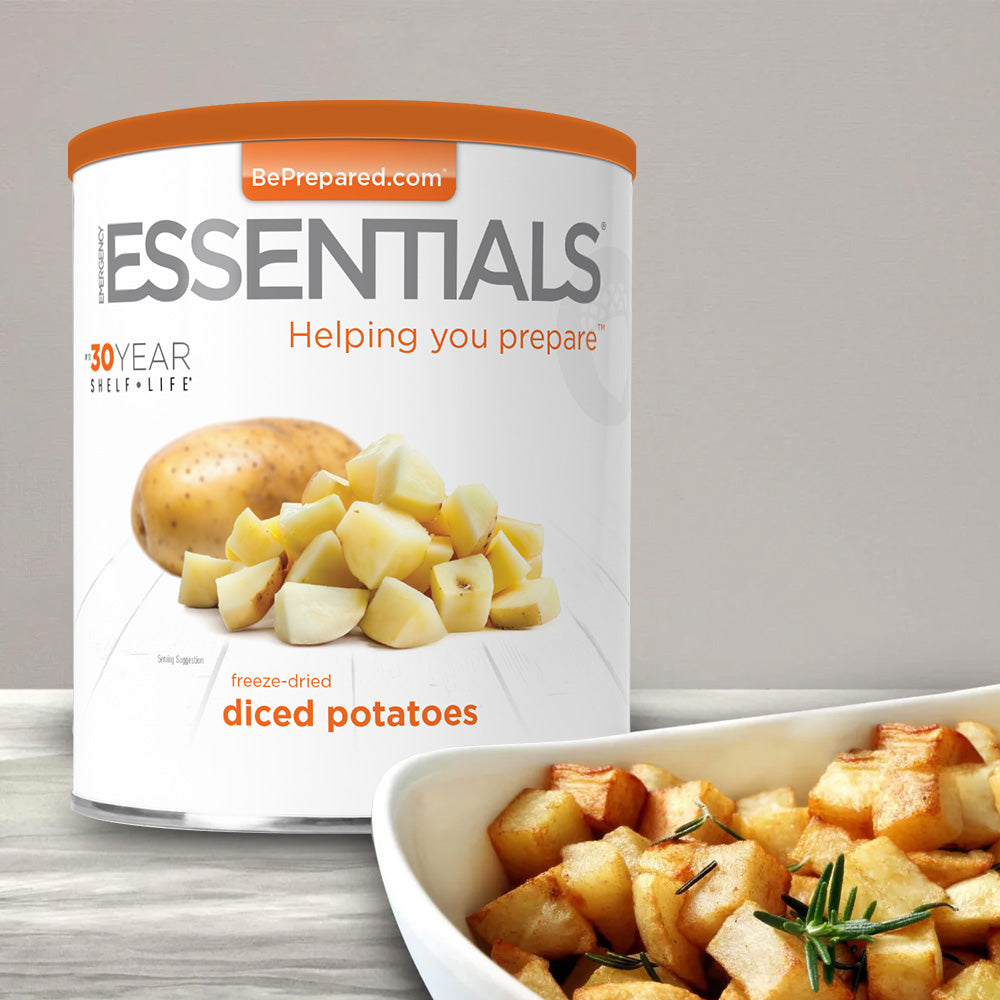
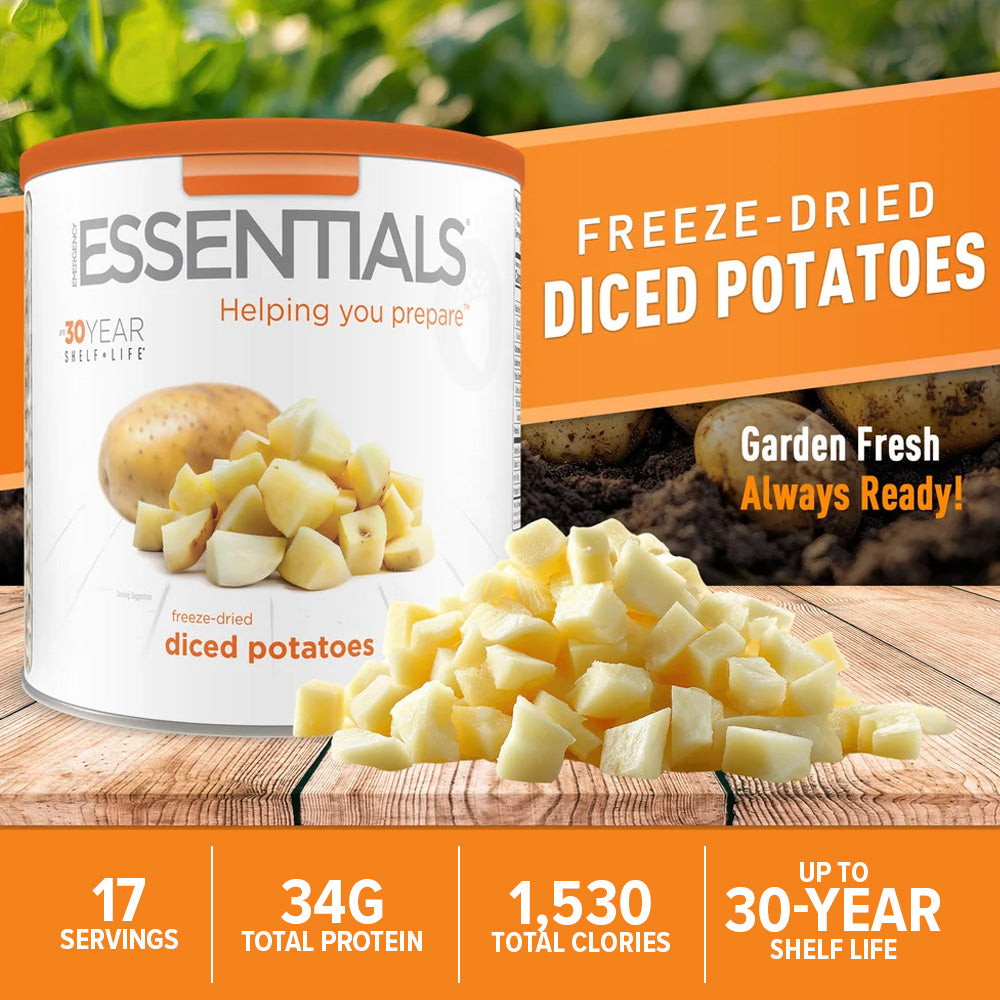

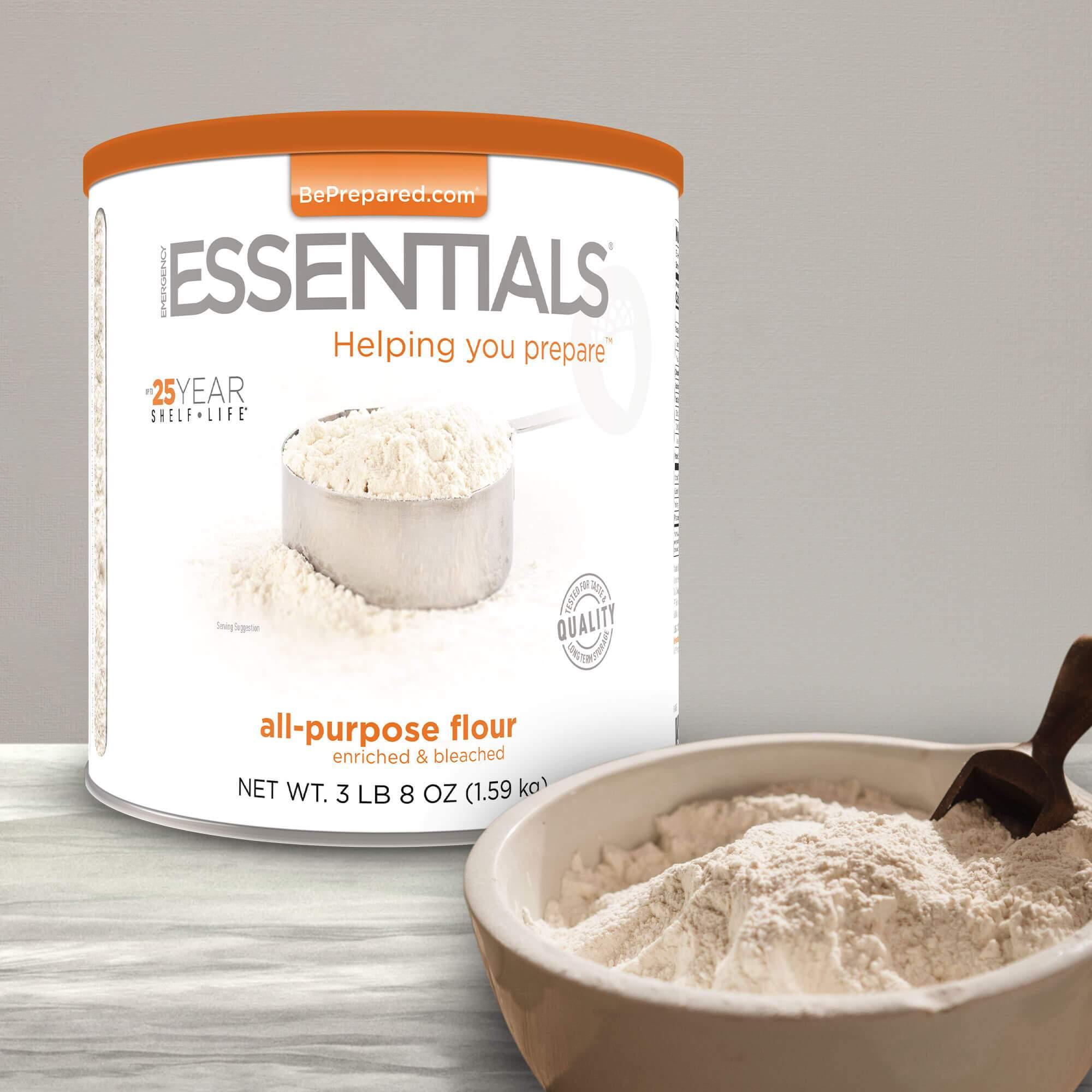
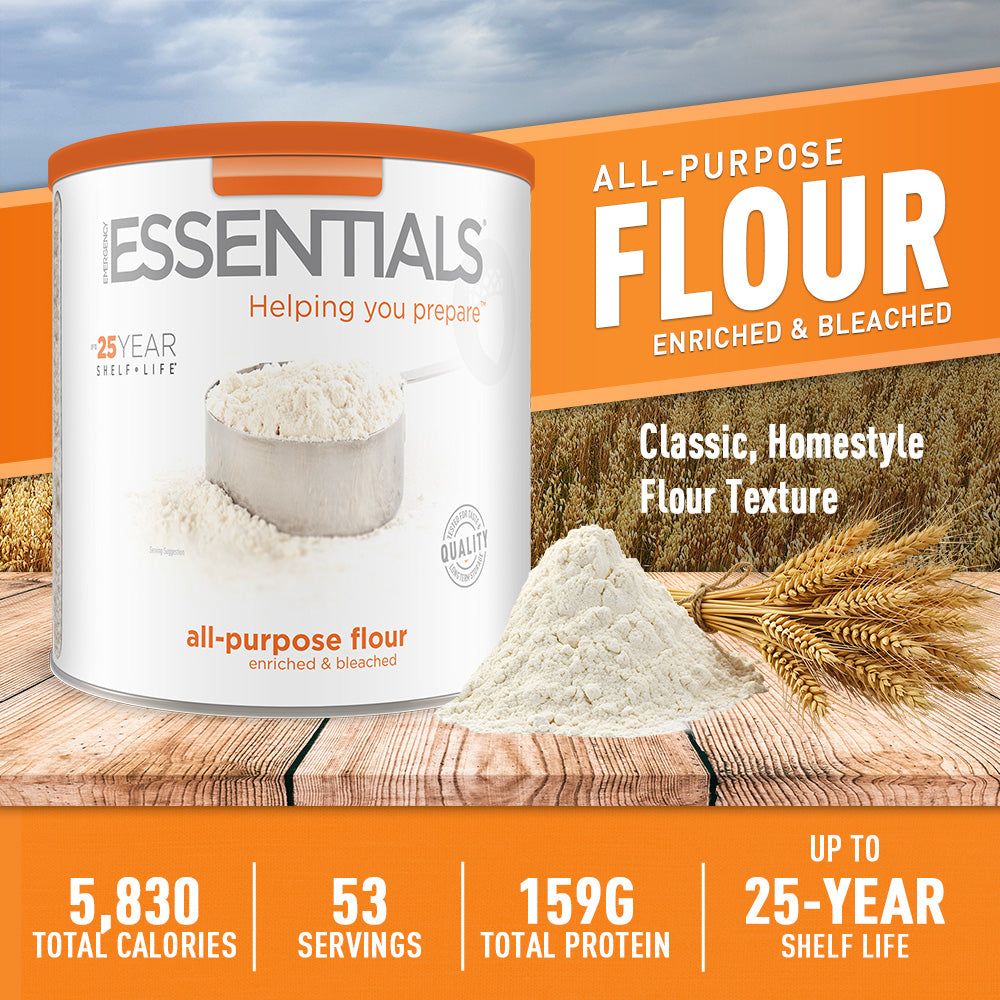




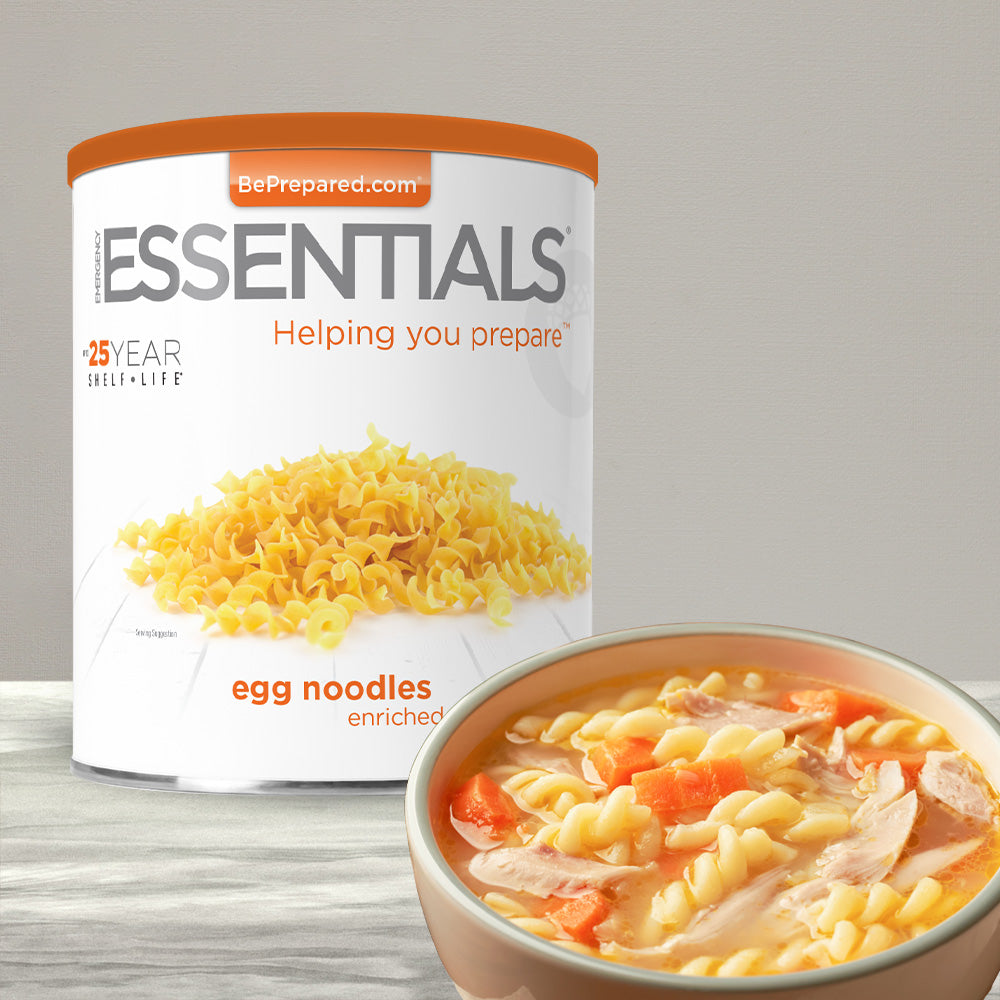
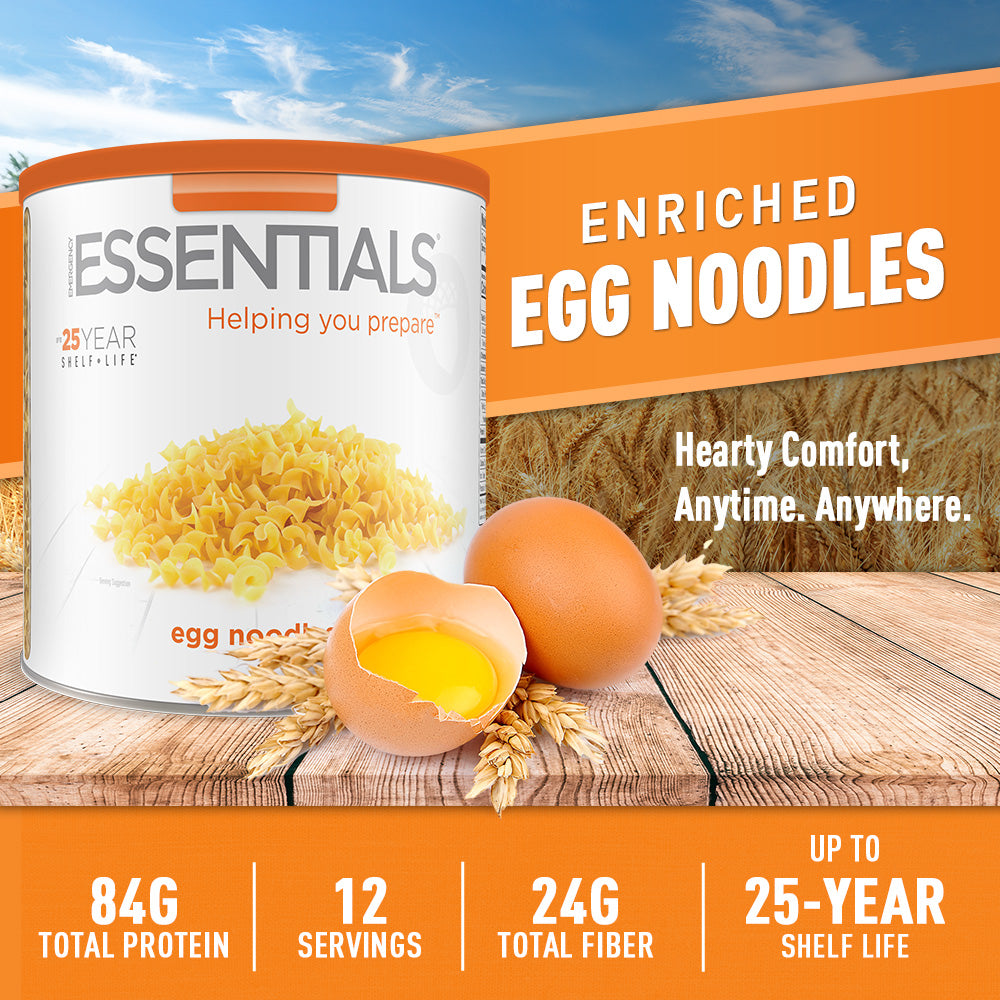

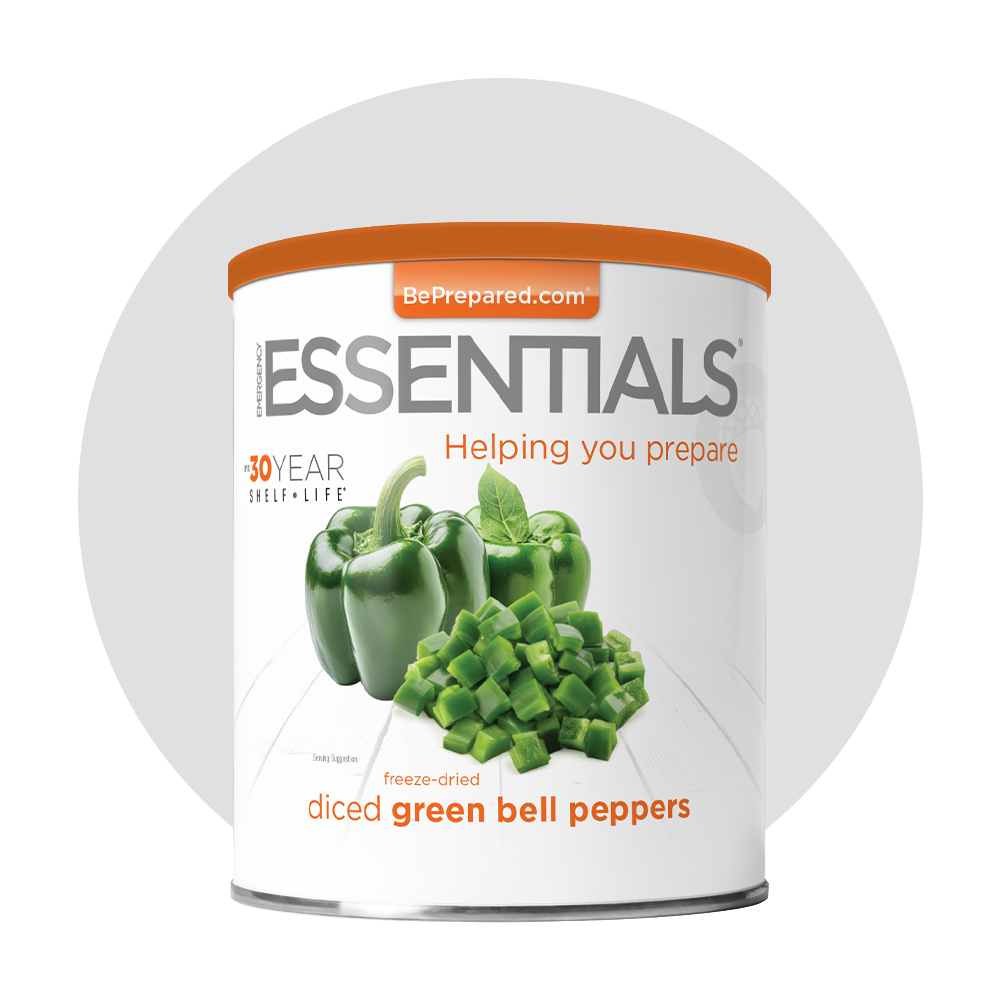
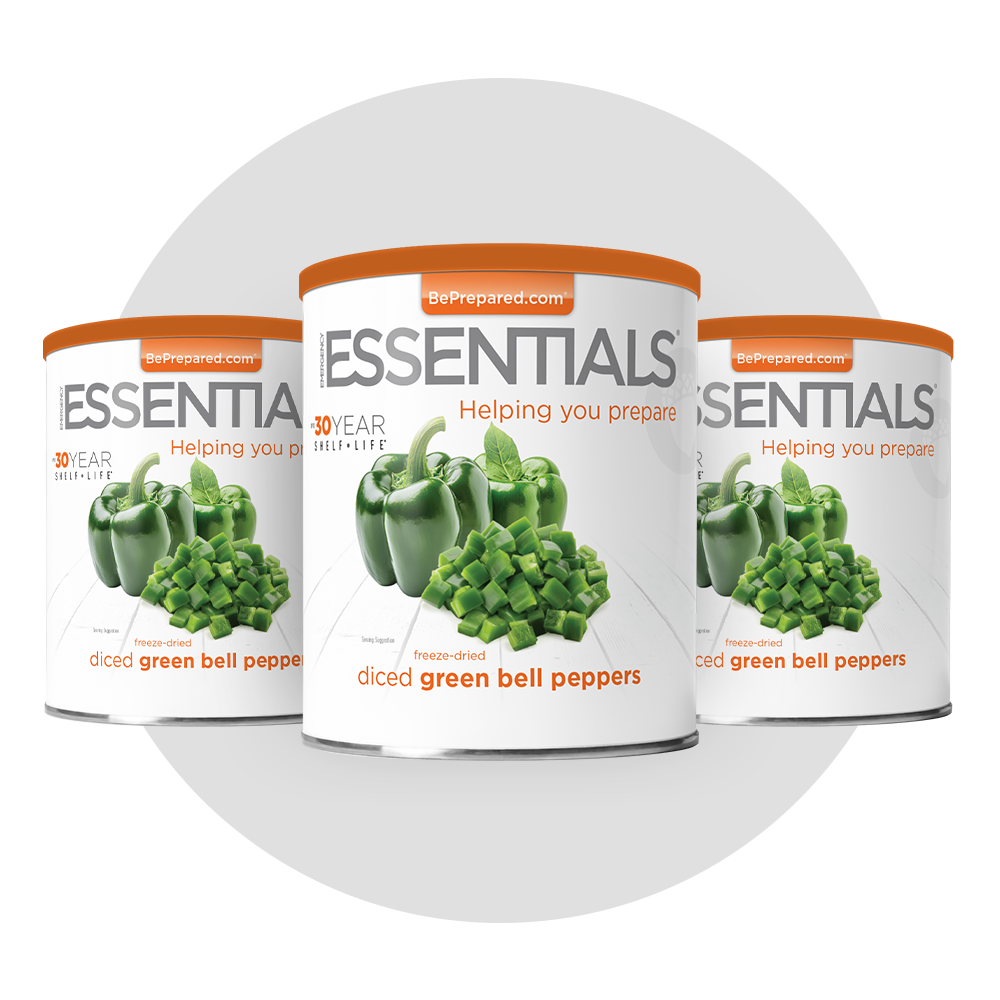
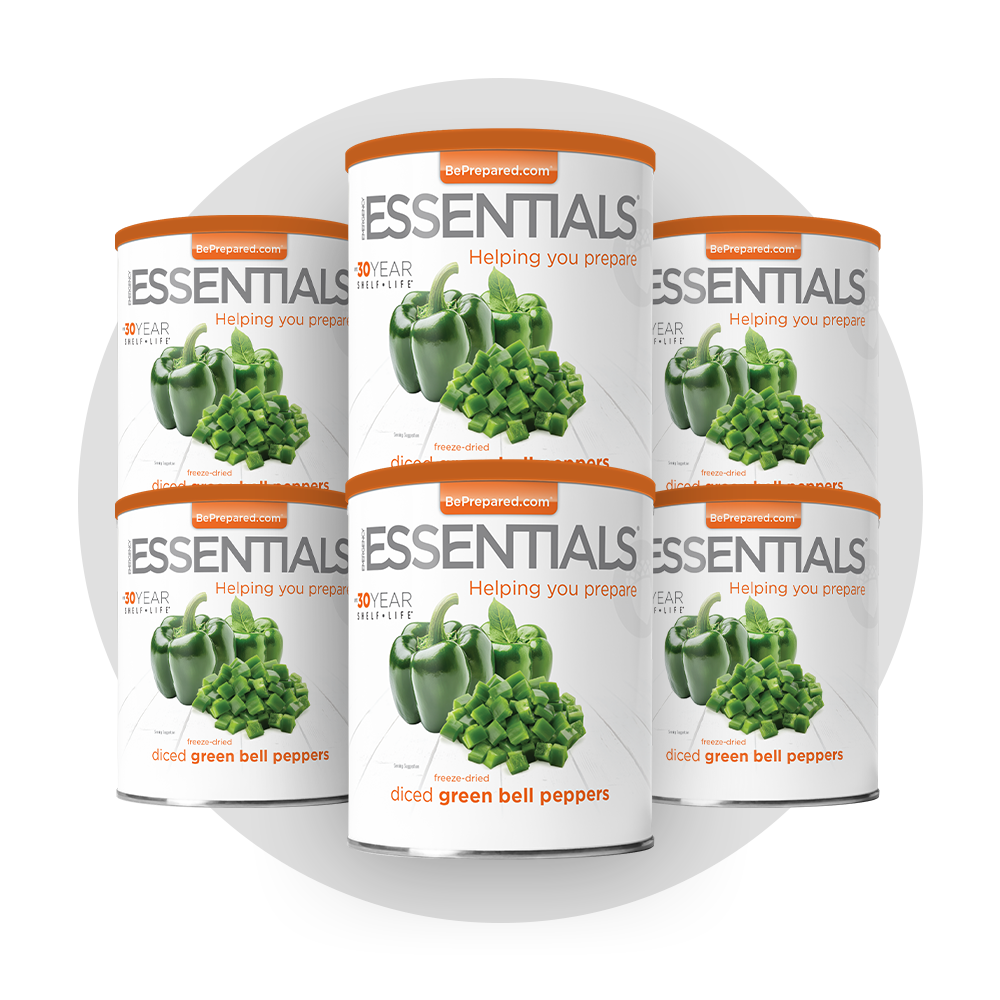
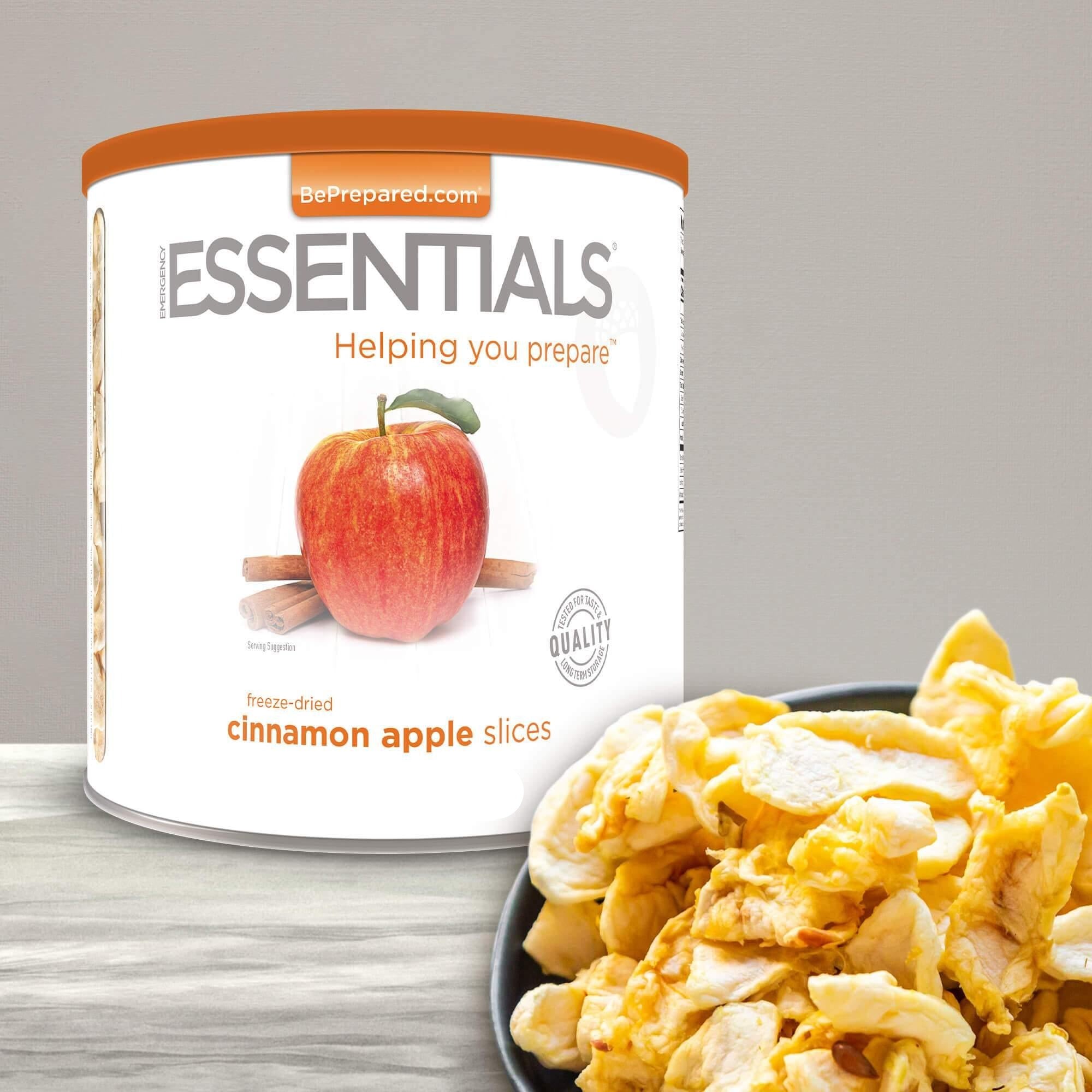





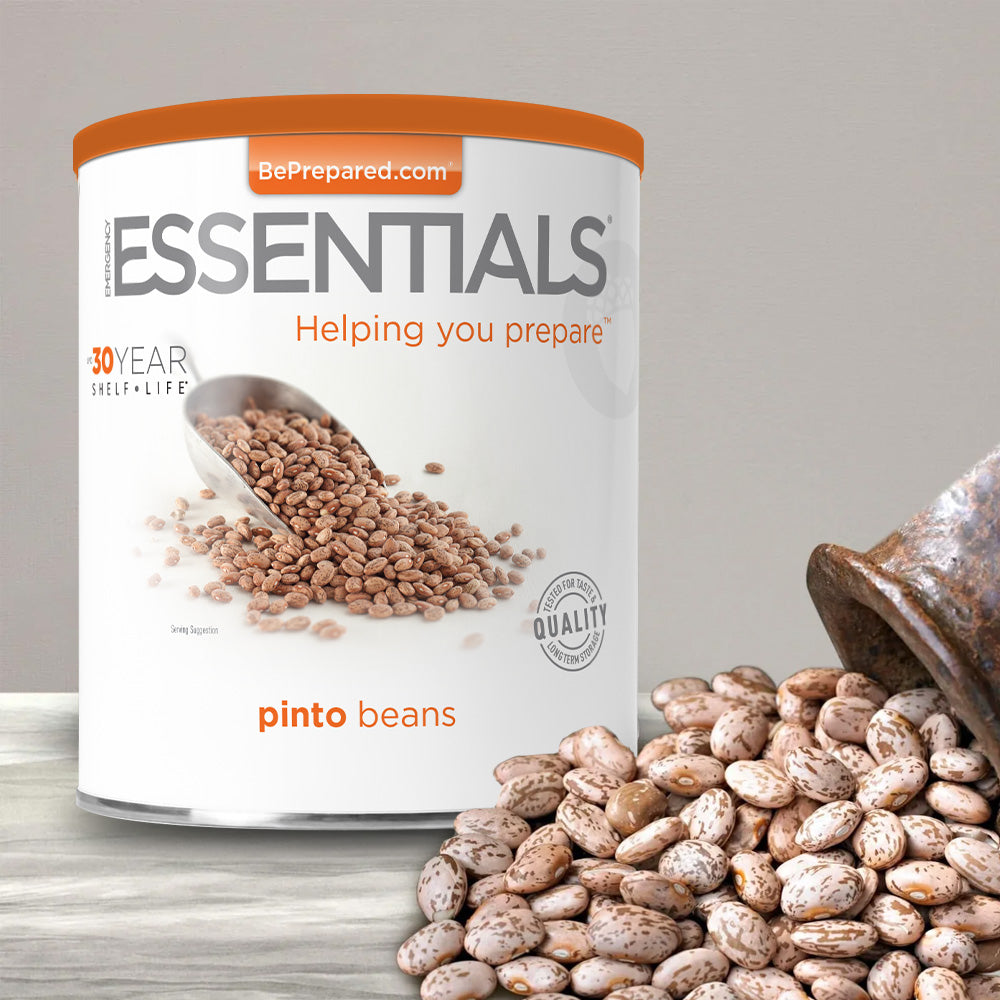
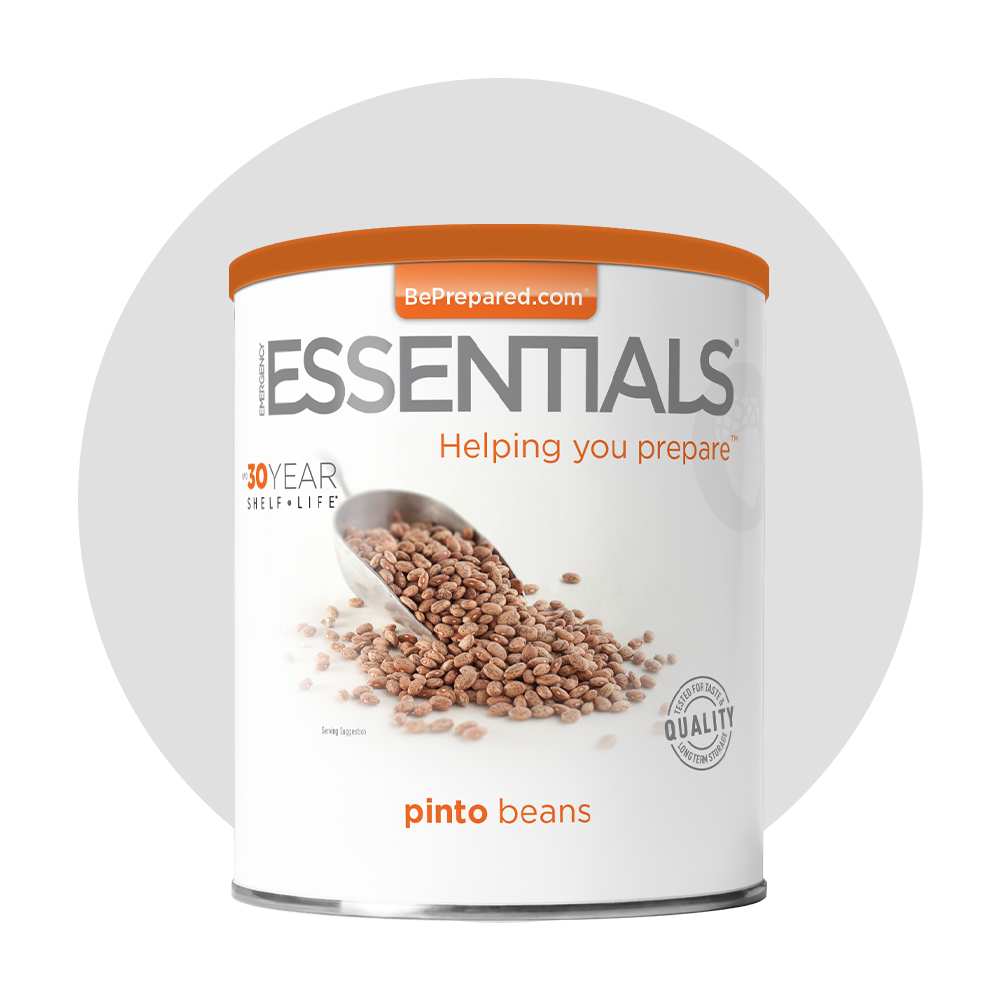
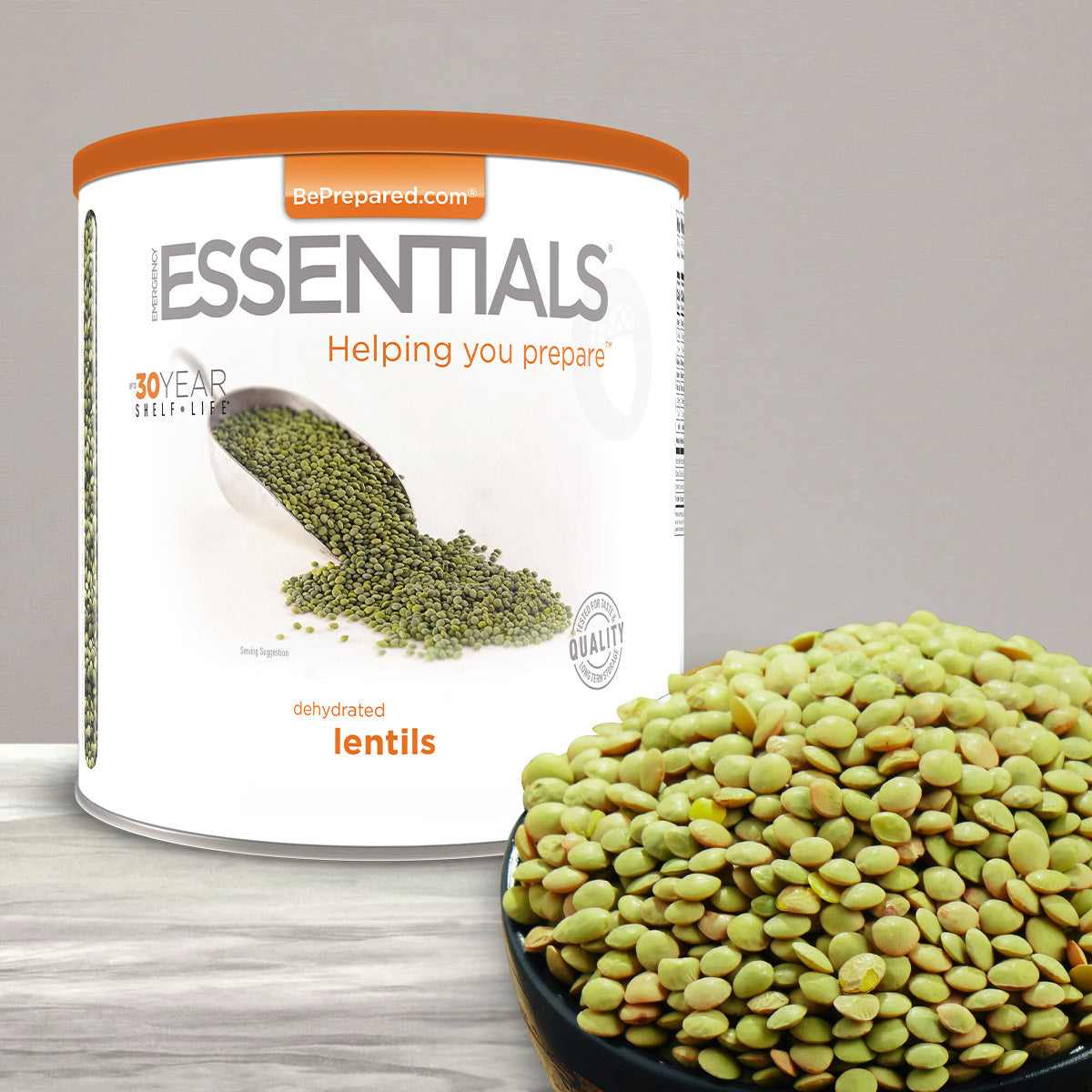
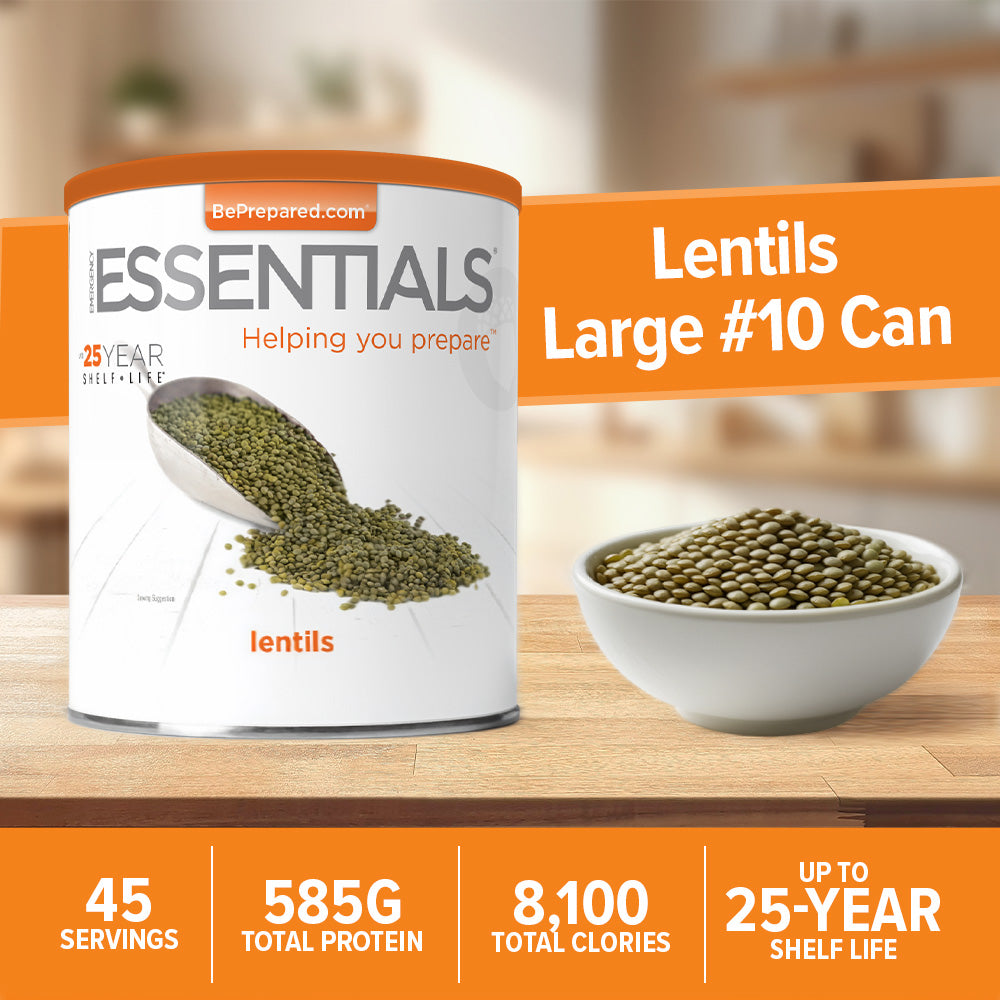

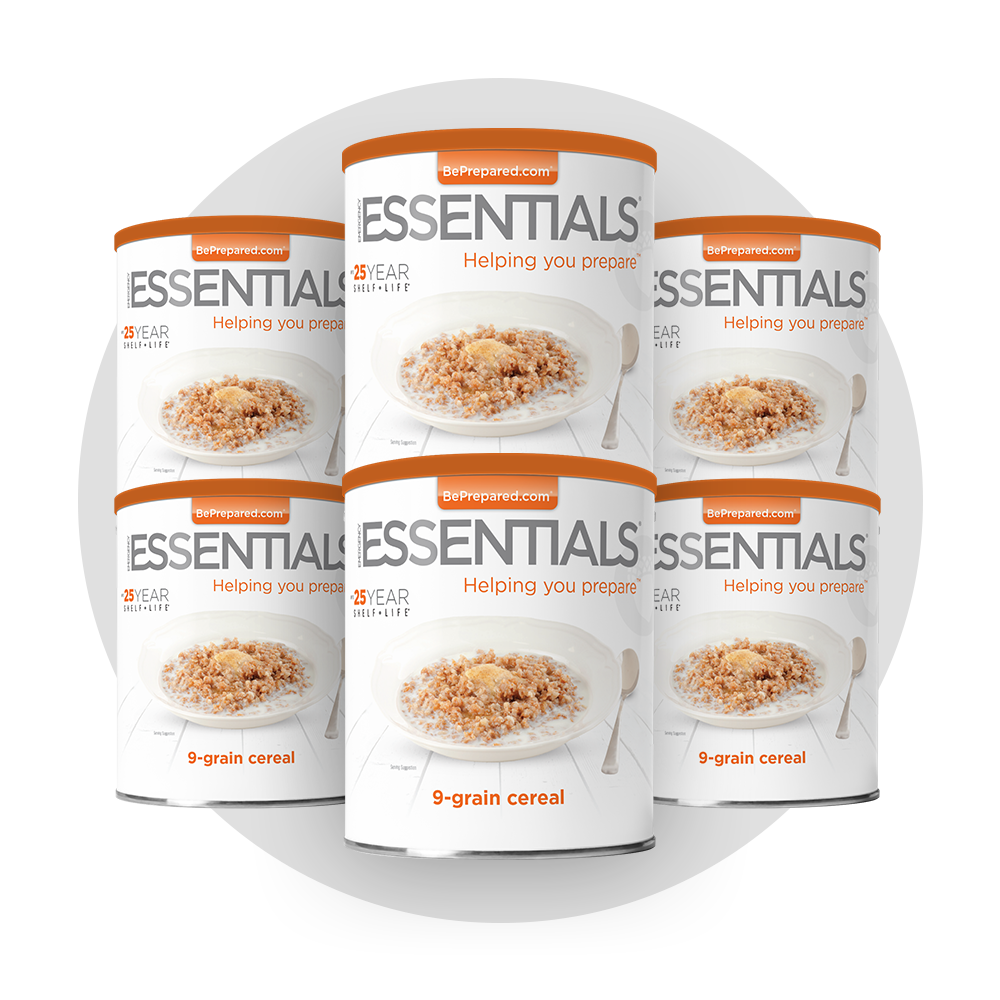
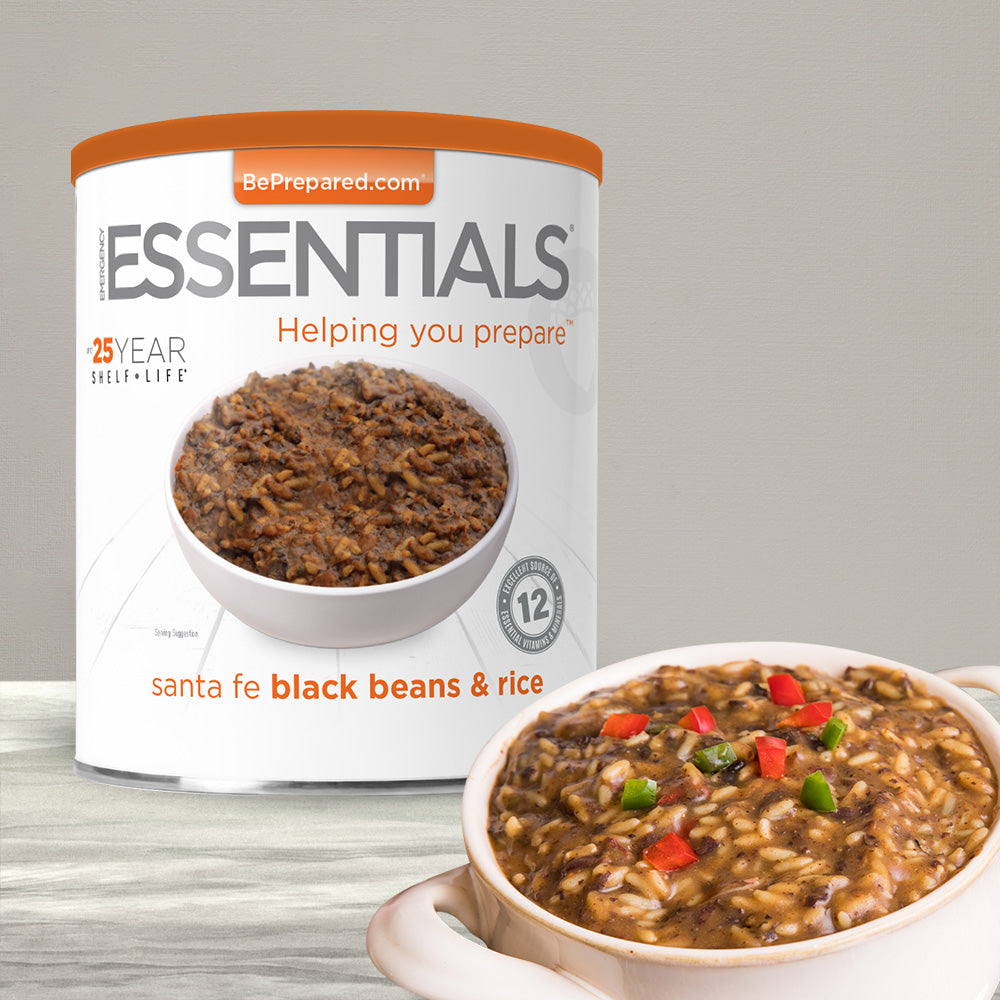
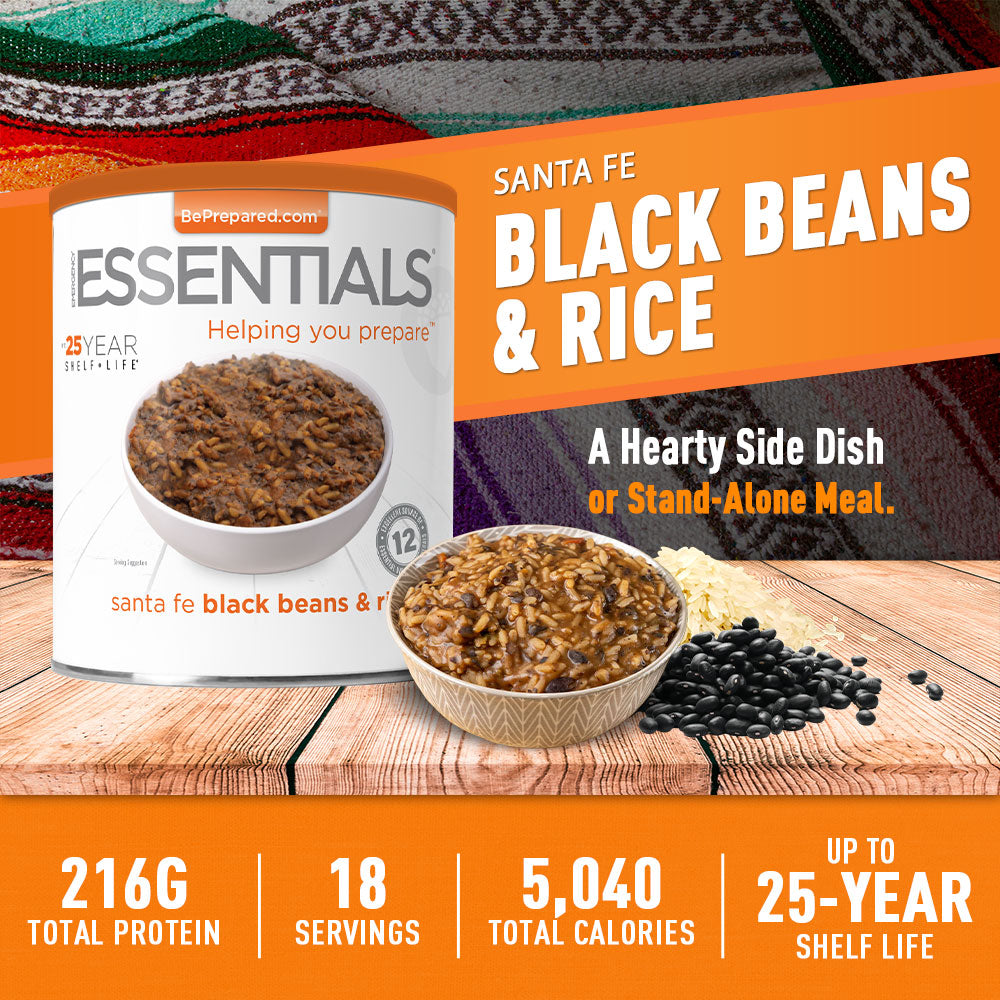
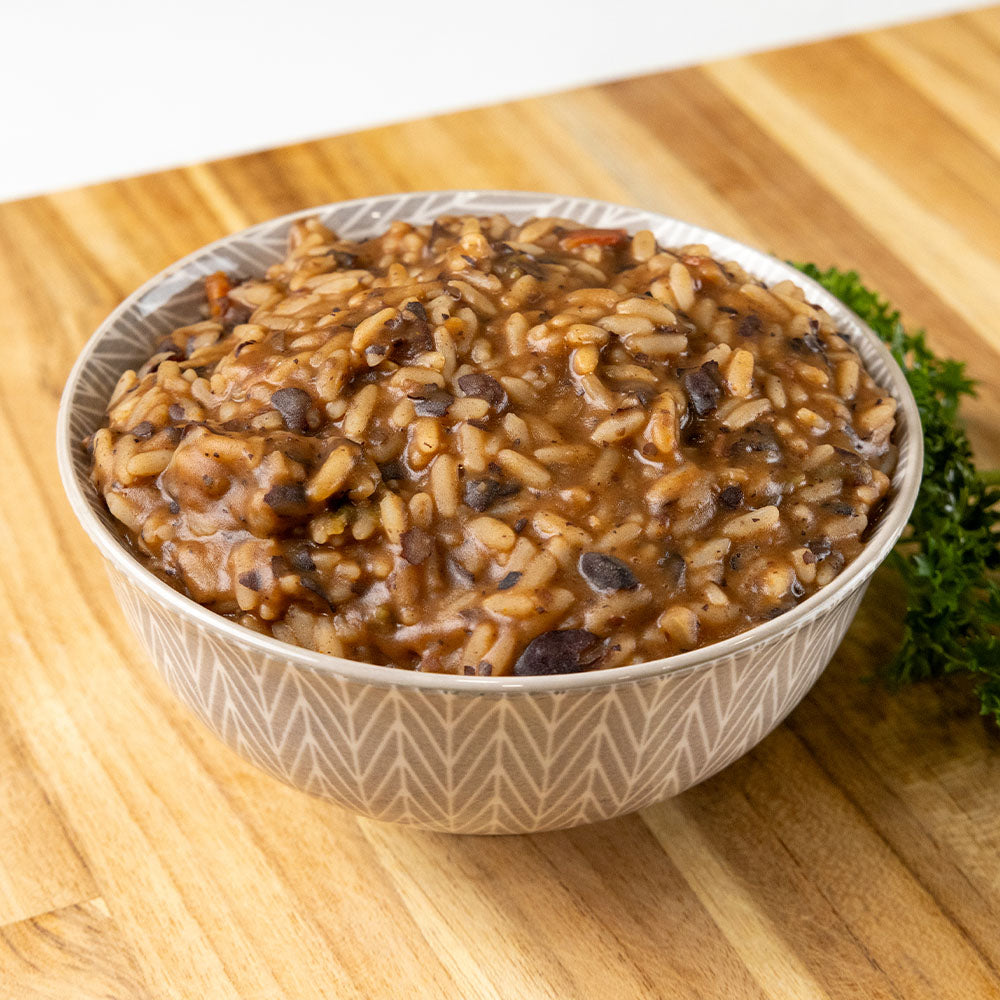
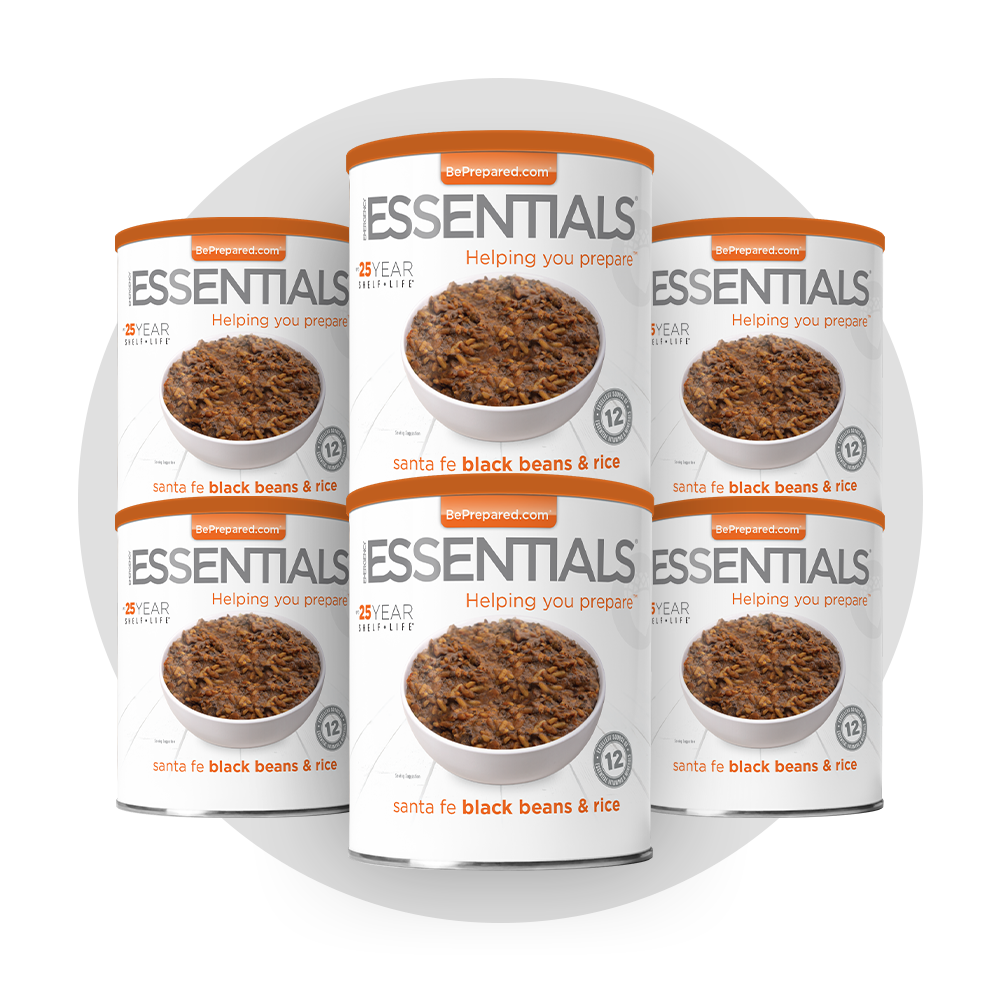
Stay safe and fed through any disaster, big or small, with BePrepared.com bulk survival food.
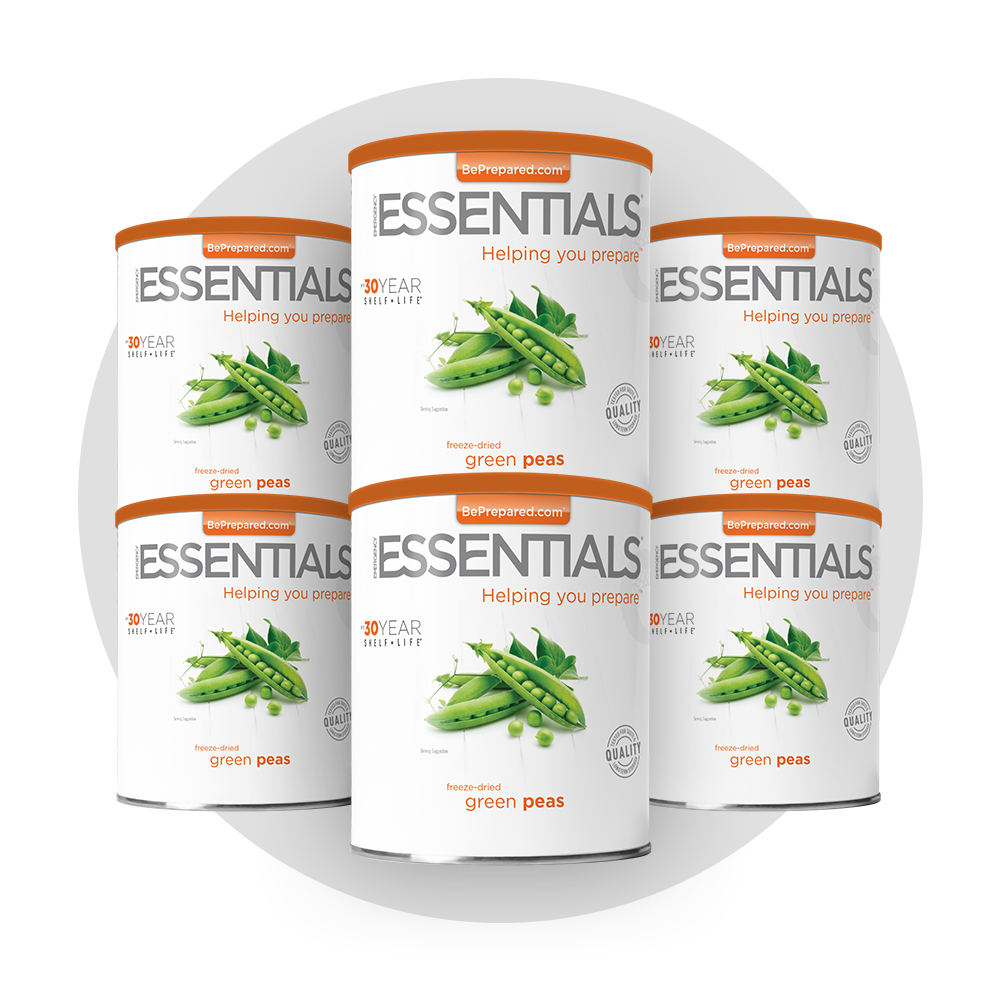
Shop individual cans or save big with one of our best survival food kits, put together by prep experts to give you the crucial items every supply needs more of.
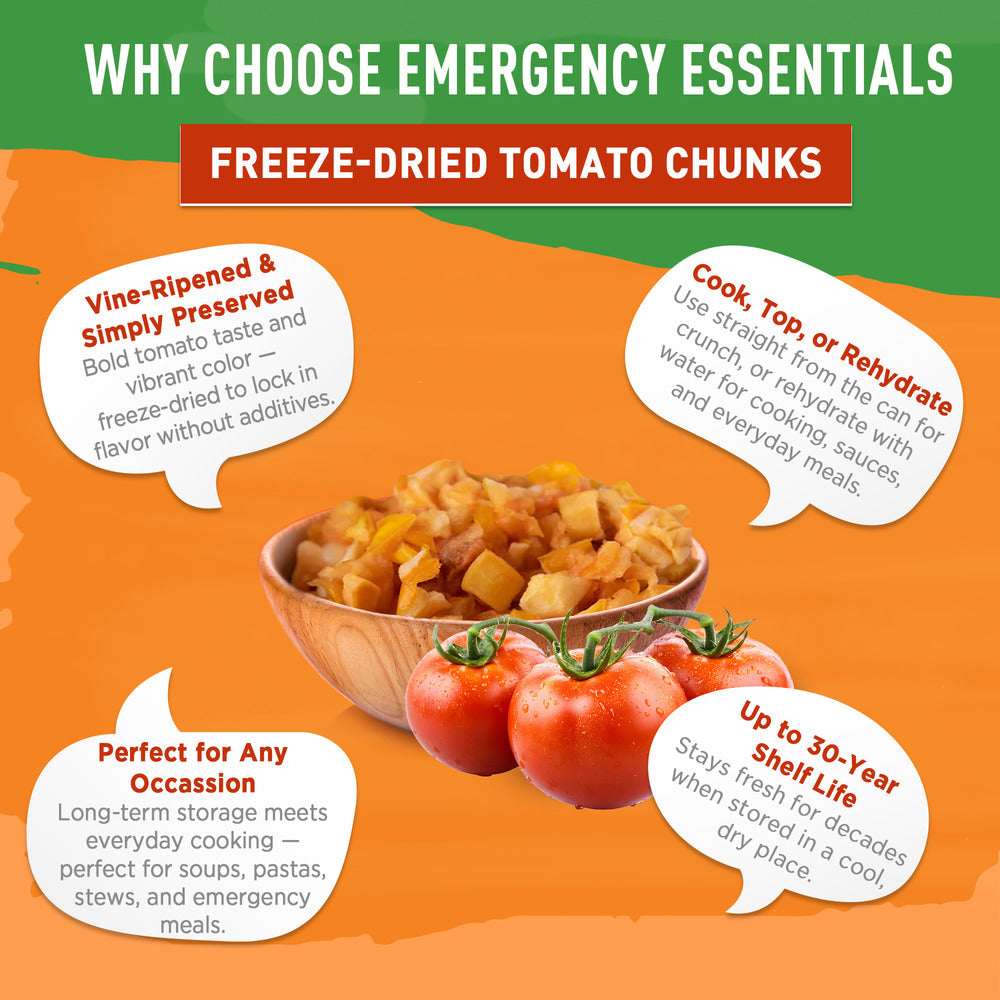
Buy once and rest easy for decades—most of these emergency foods have a 20 to 30-year shelf life!
EMERGENCY FOOD FAQs
General Information
What types of food products are available?
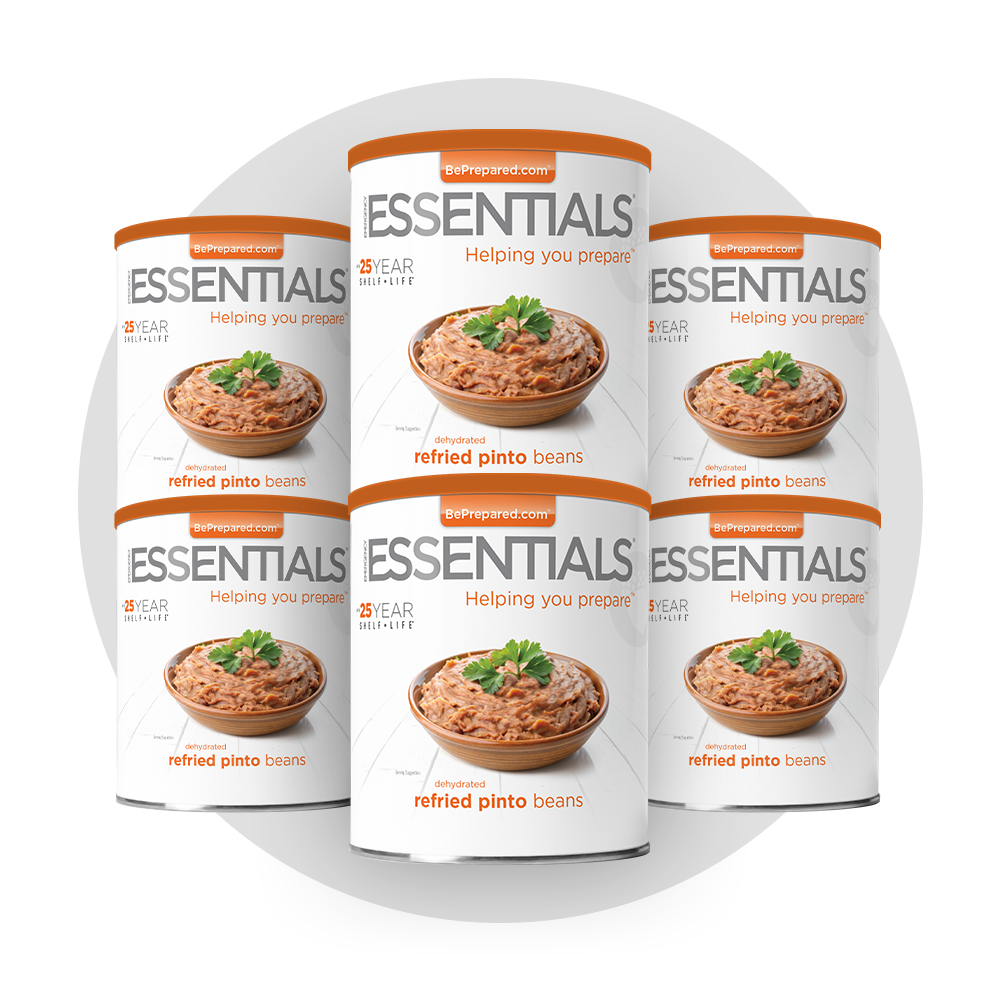
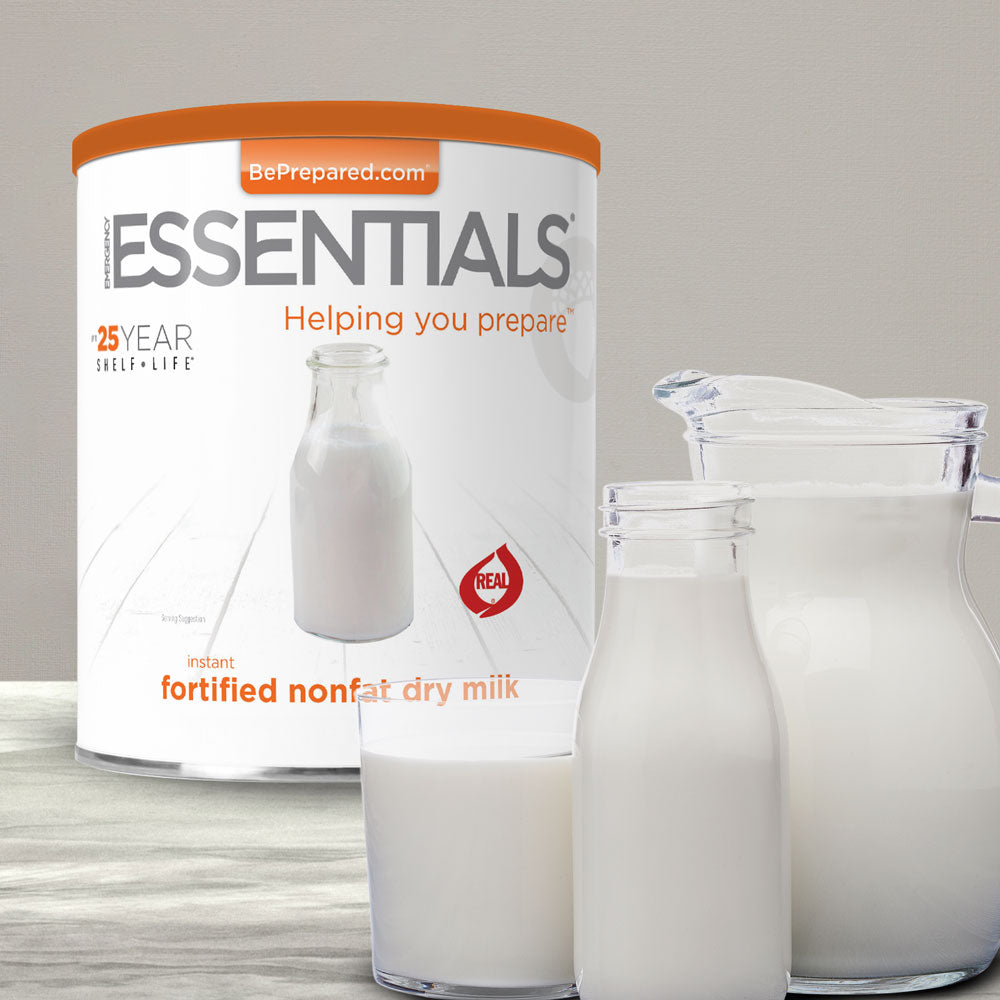
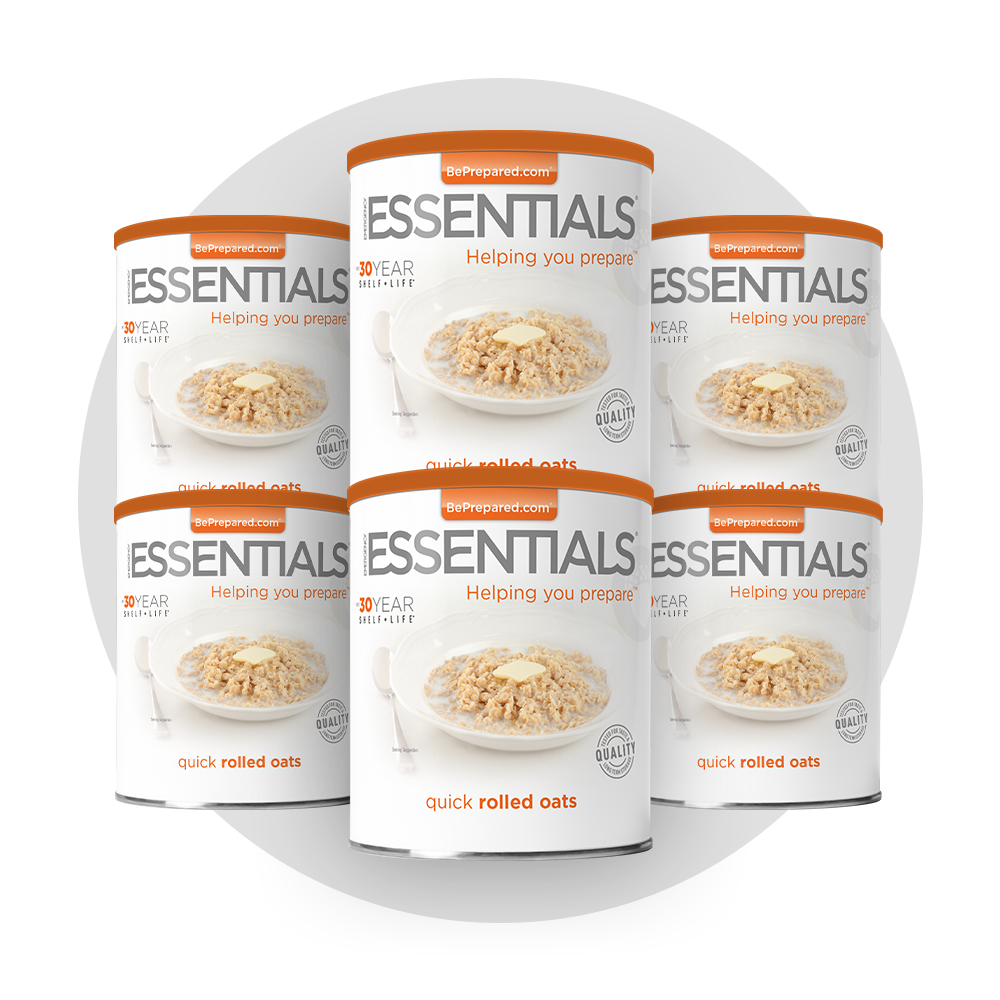
Emergency Essentials offers a wide variety of long-term food storage products, including freeze-dried and dehydrated foods, meal kits, cooking staples, and baking essentials. Depending on the product, foods may be packaged in #10 cans, pouches, buckets, or kits containing multiple package types.
Available foods may include:
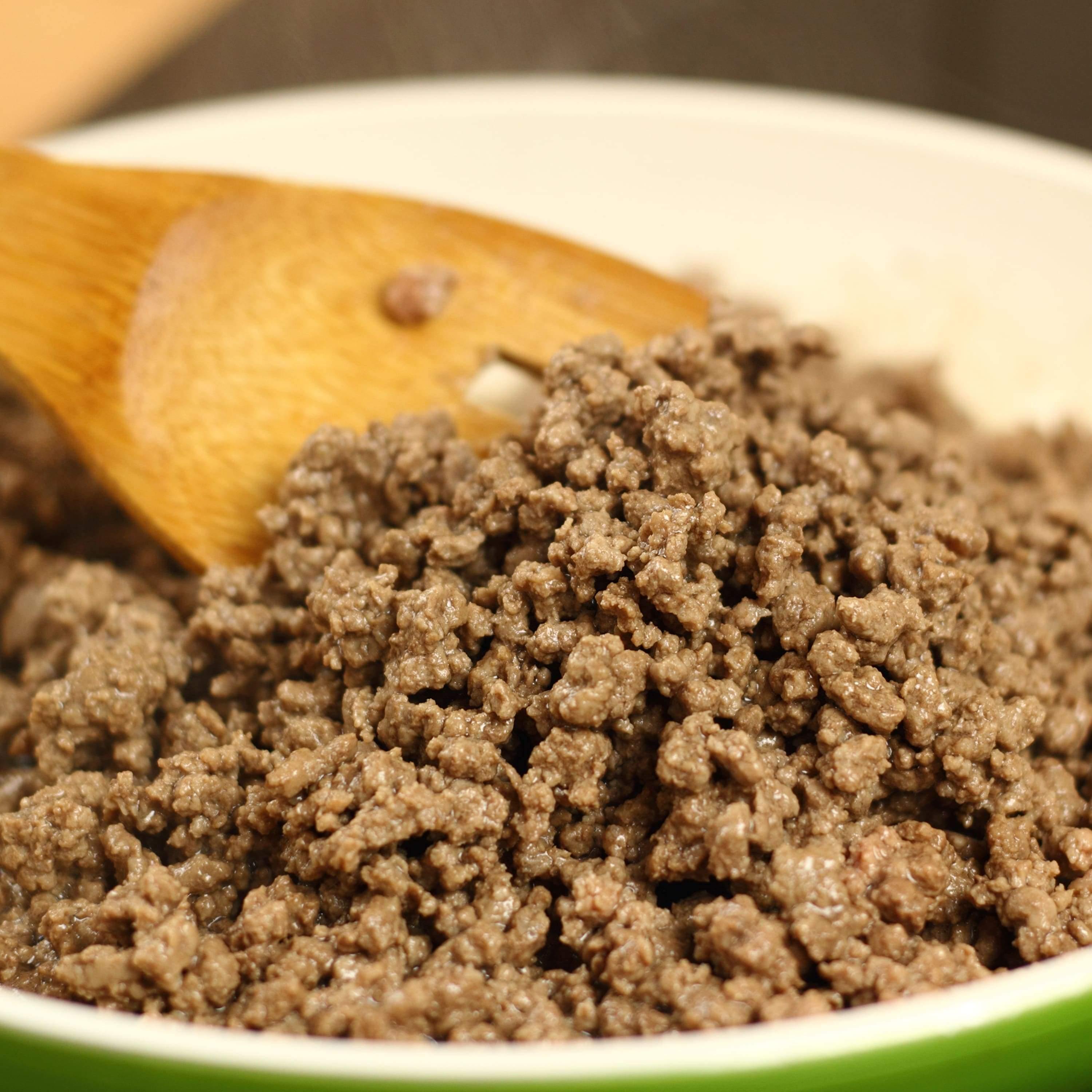
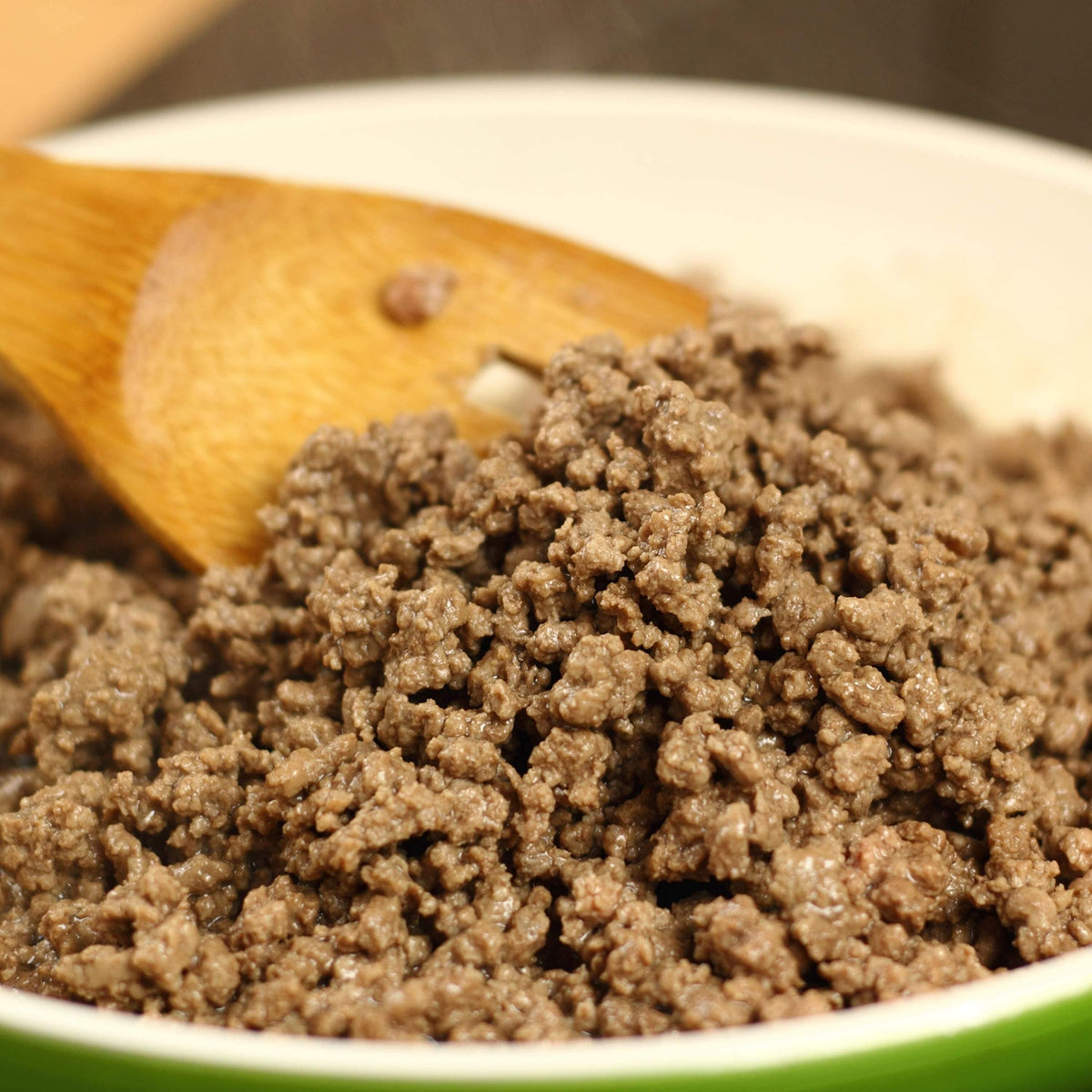
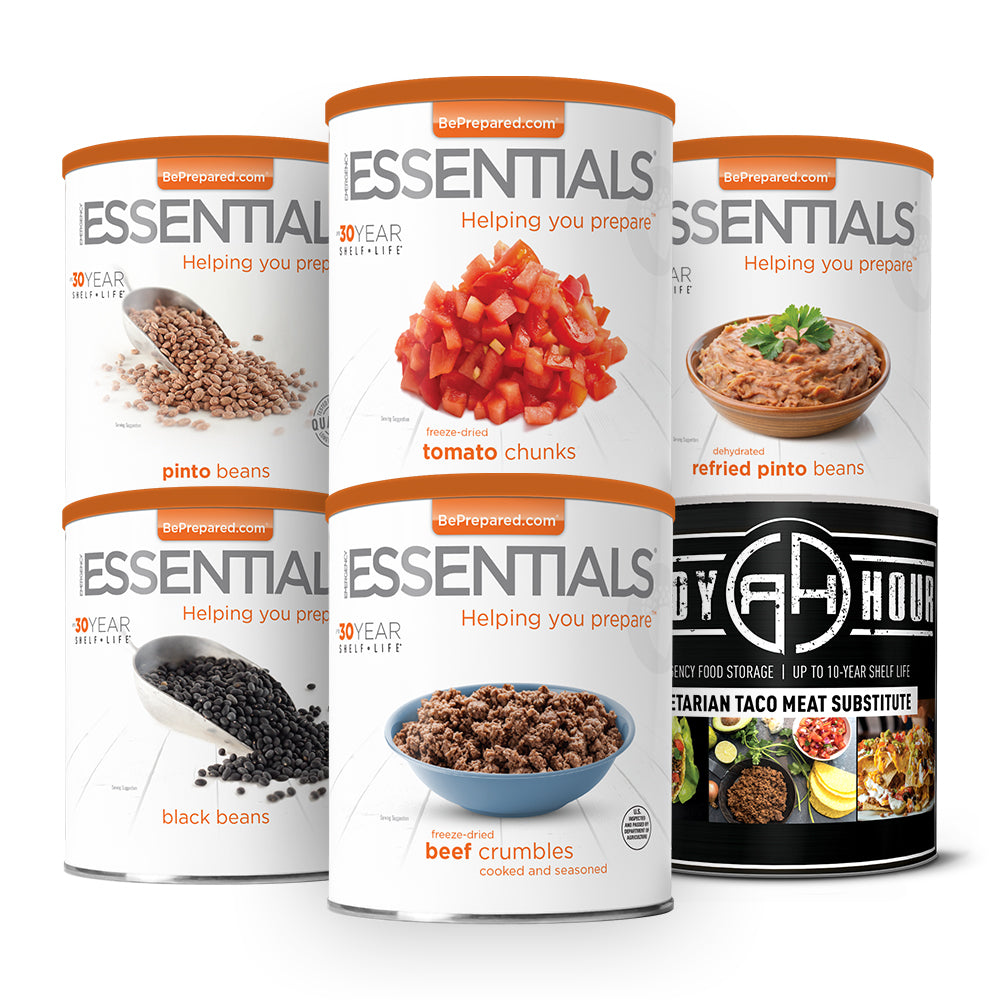
- Proteins: Freeze-dried beef crumbles, beef dices, and white chicken
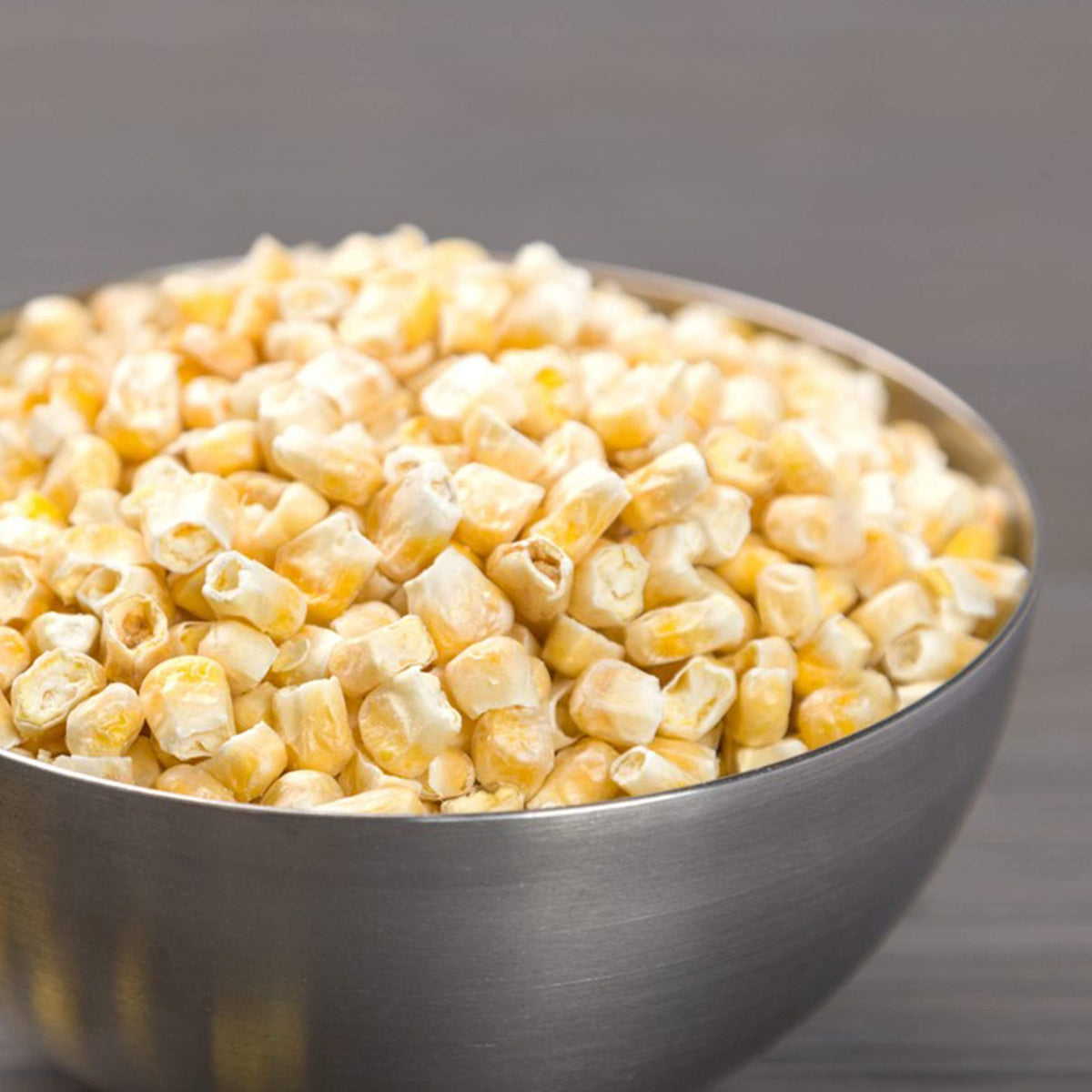
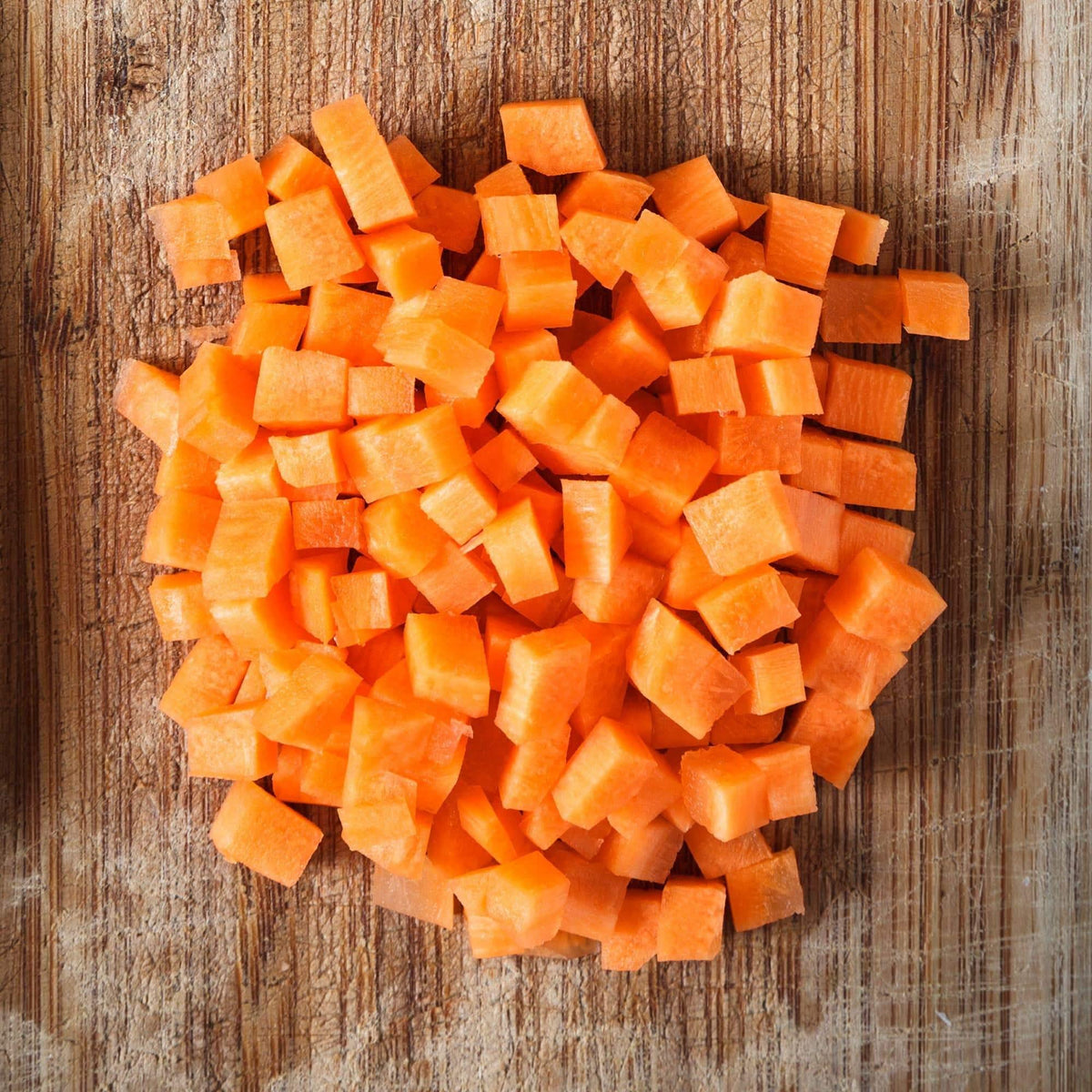
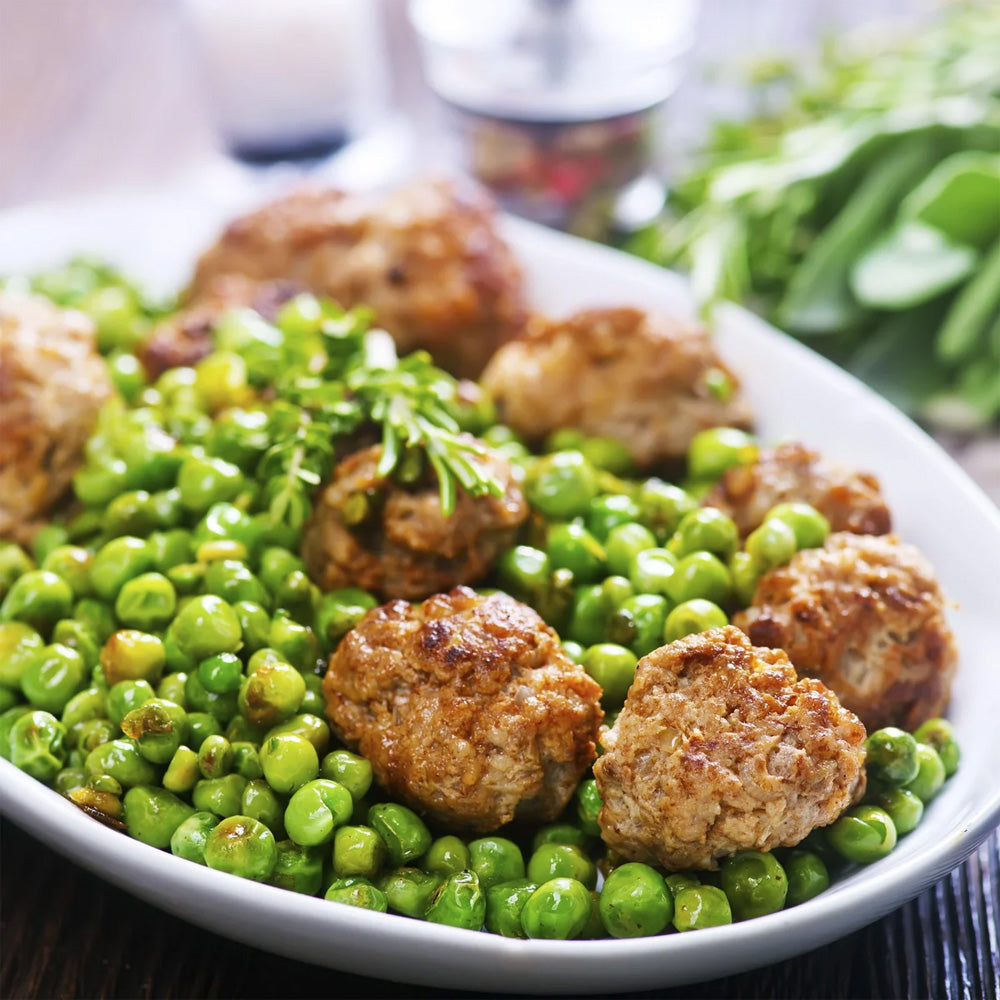
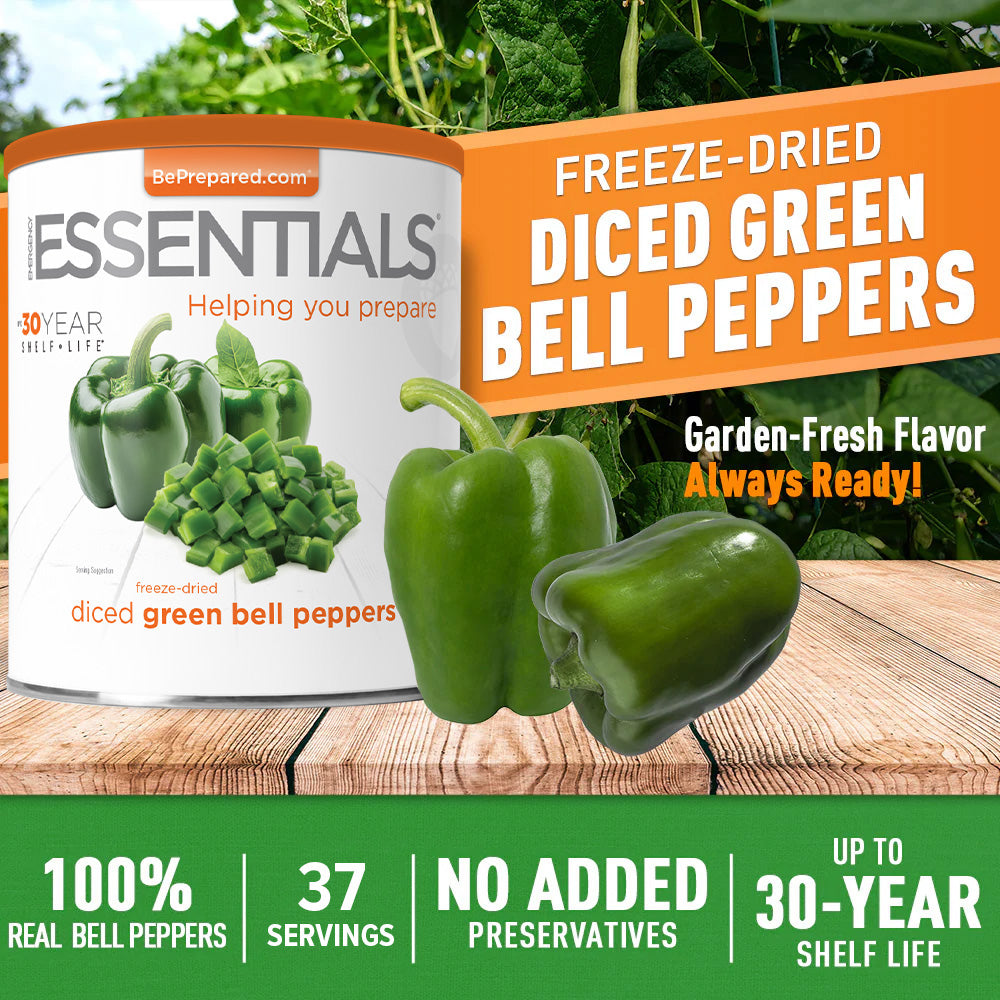
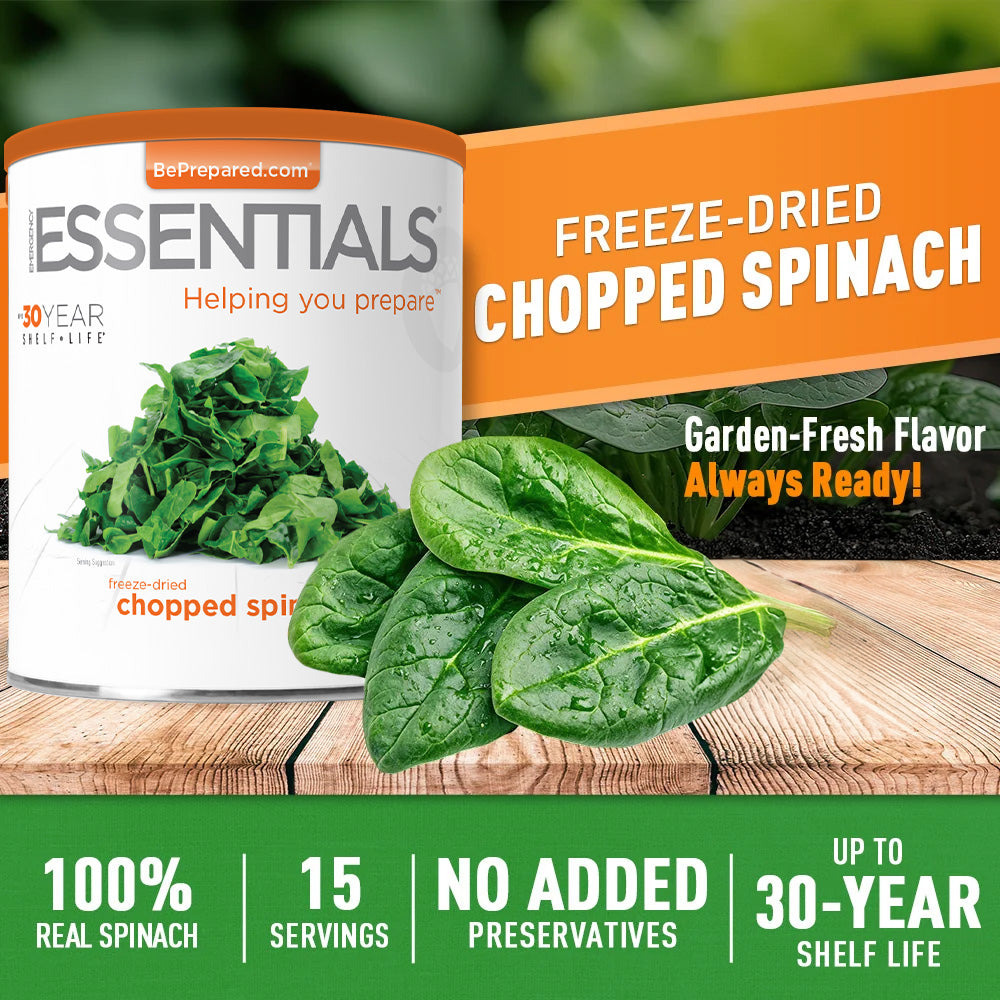
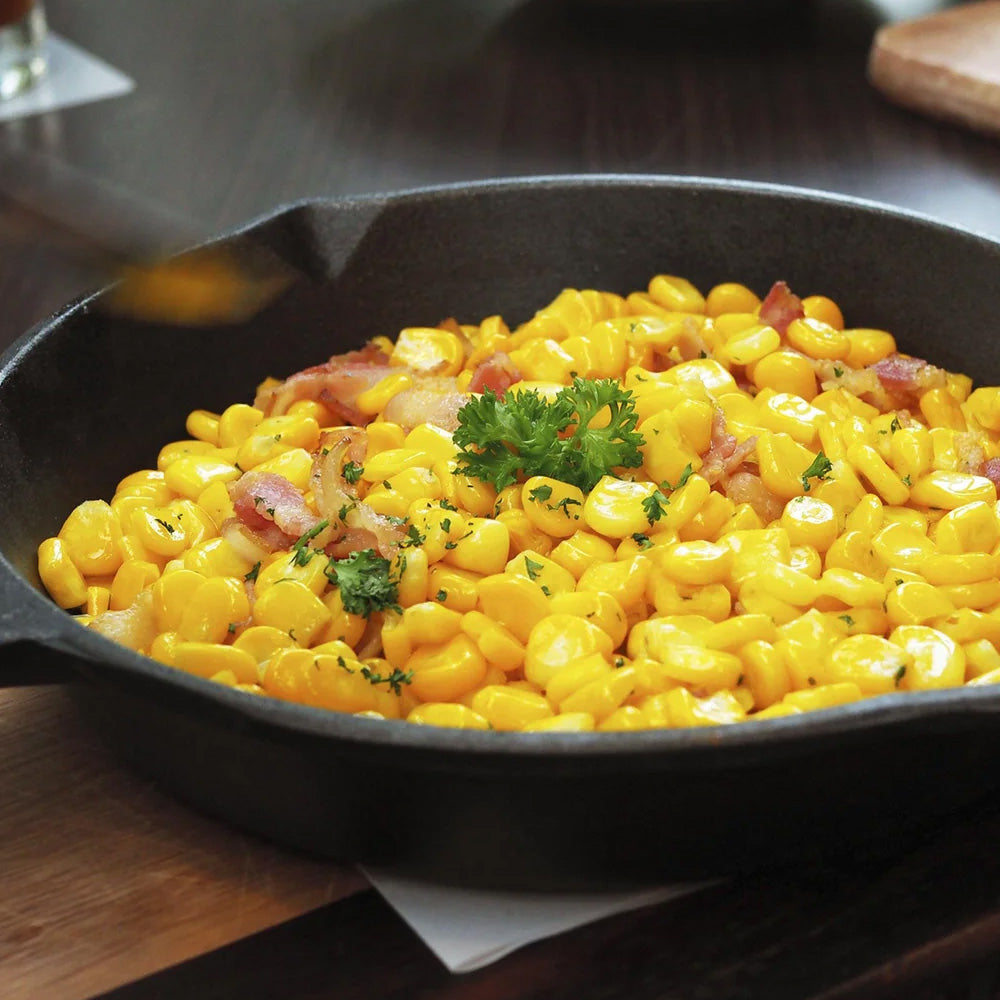
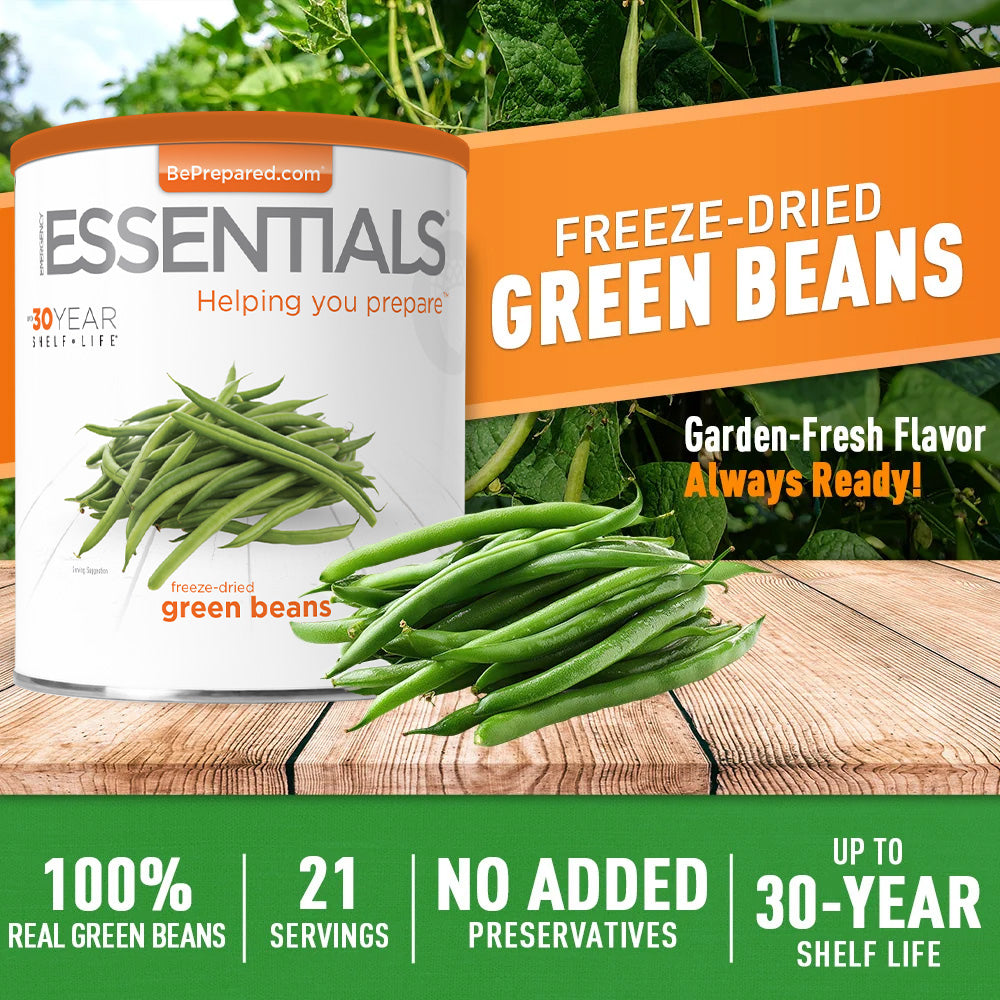
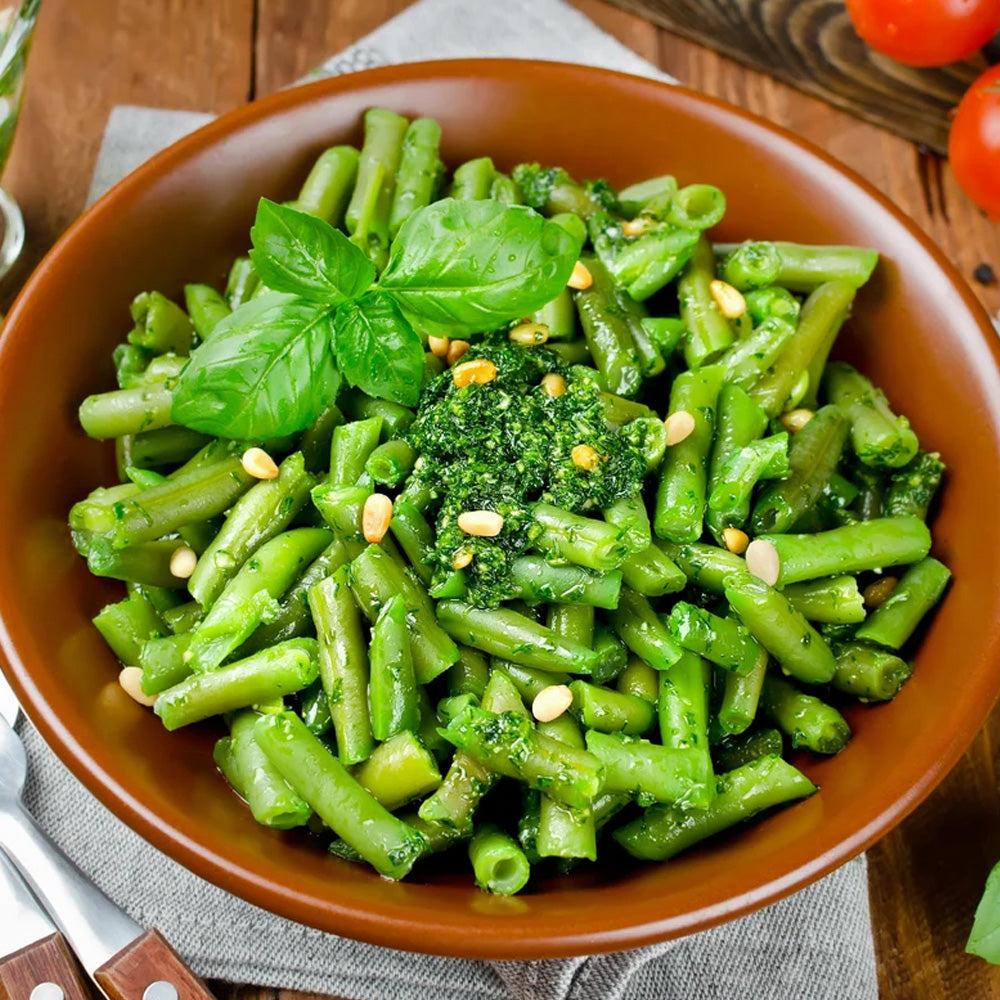
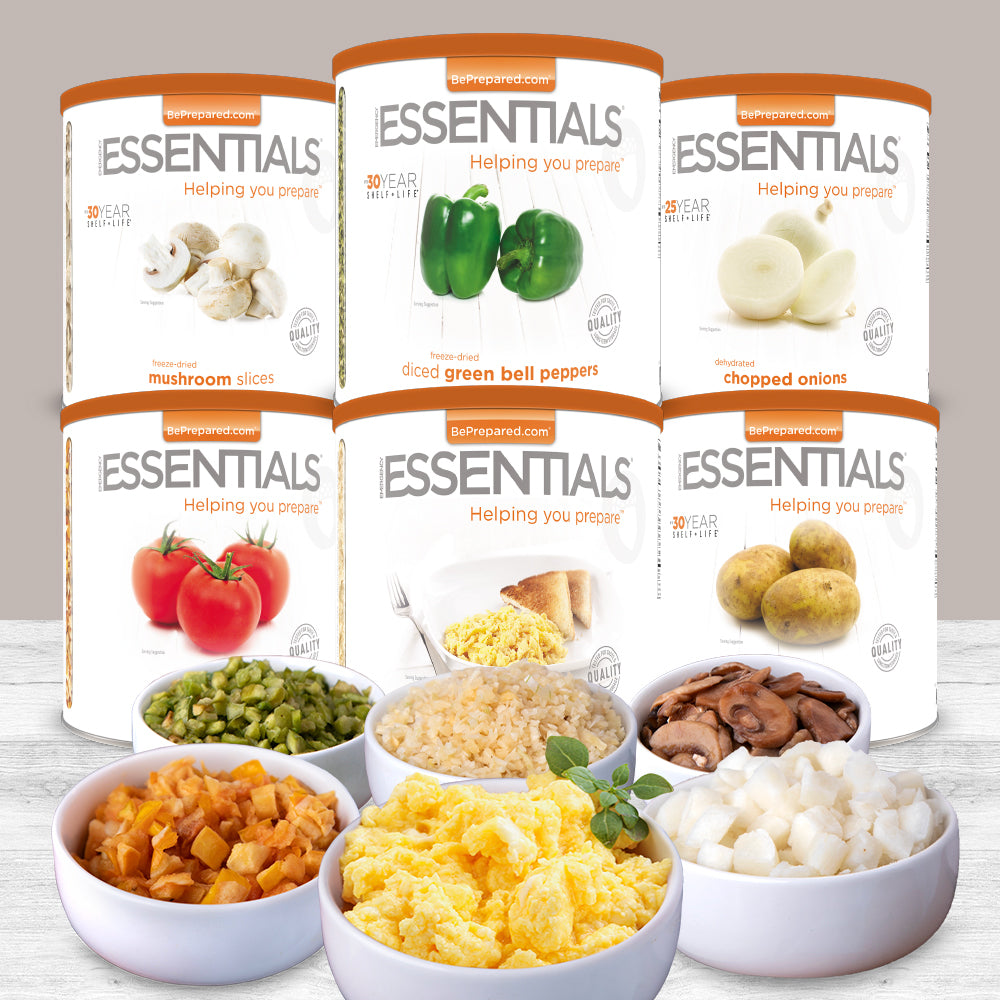
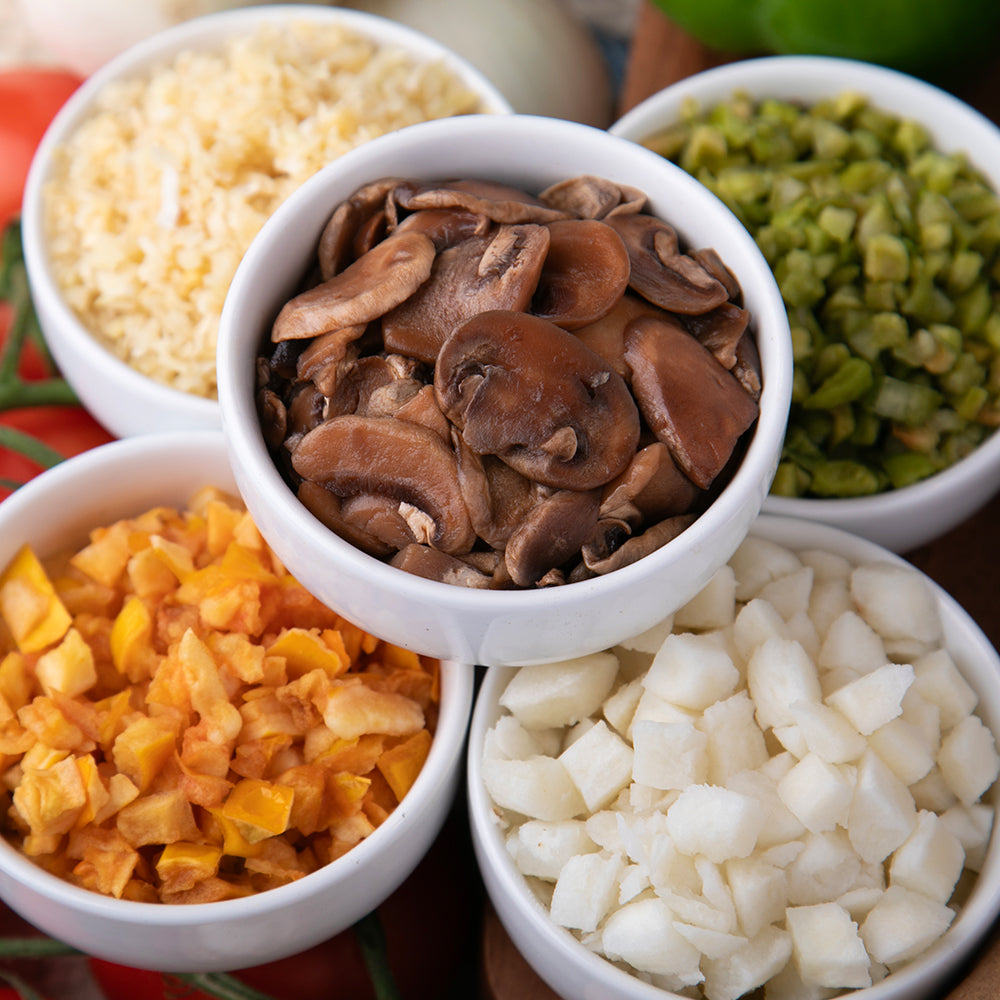
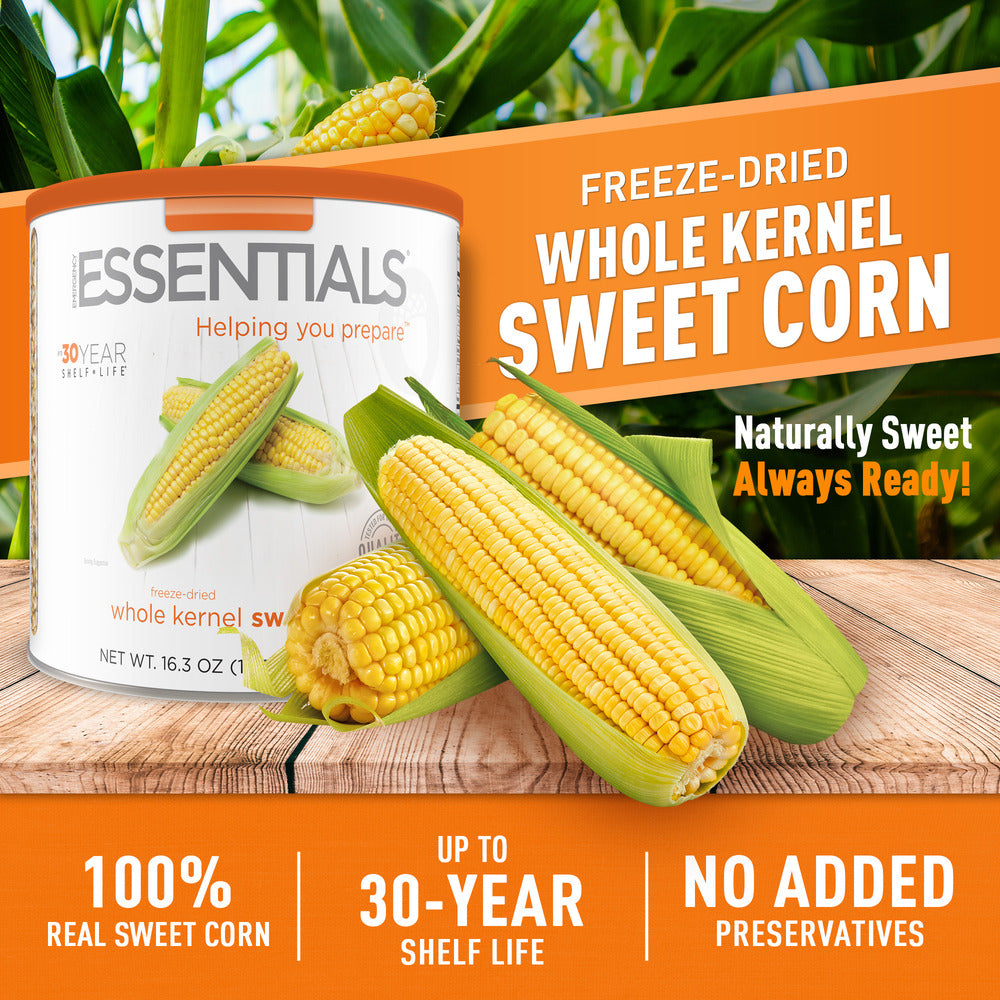
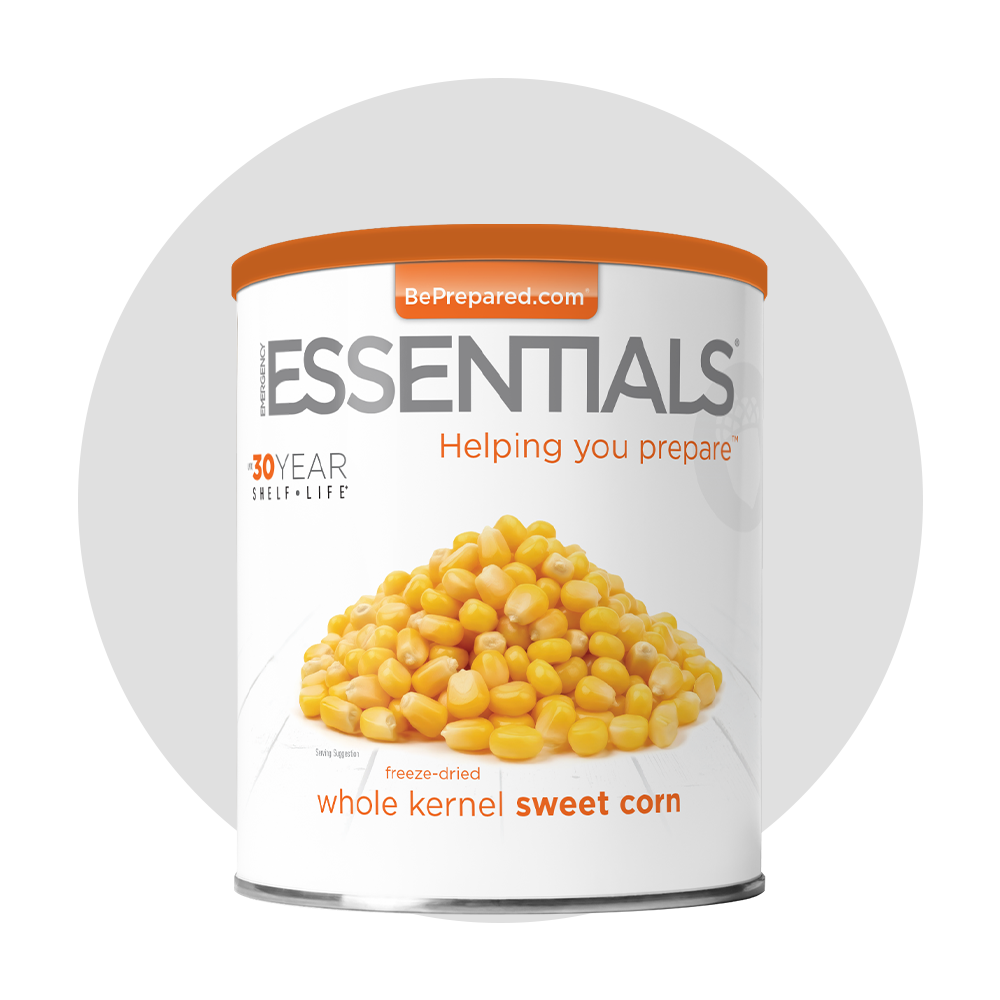
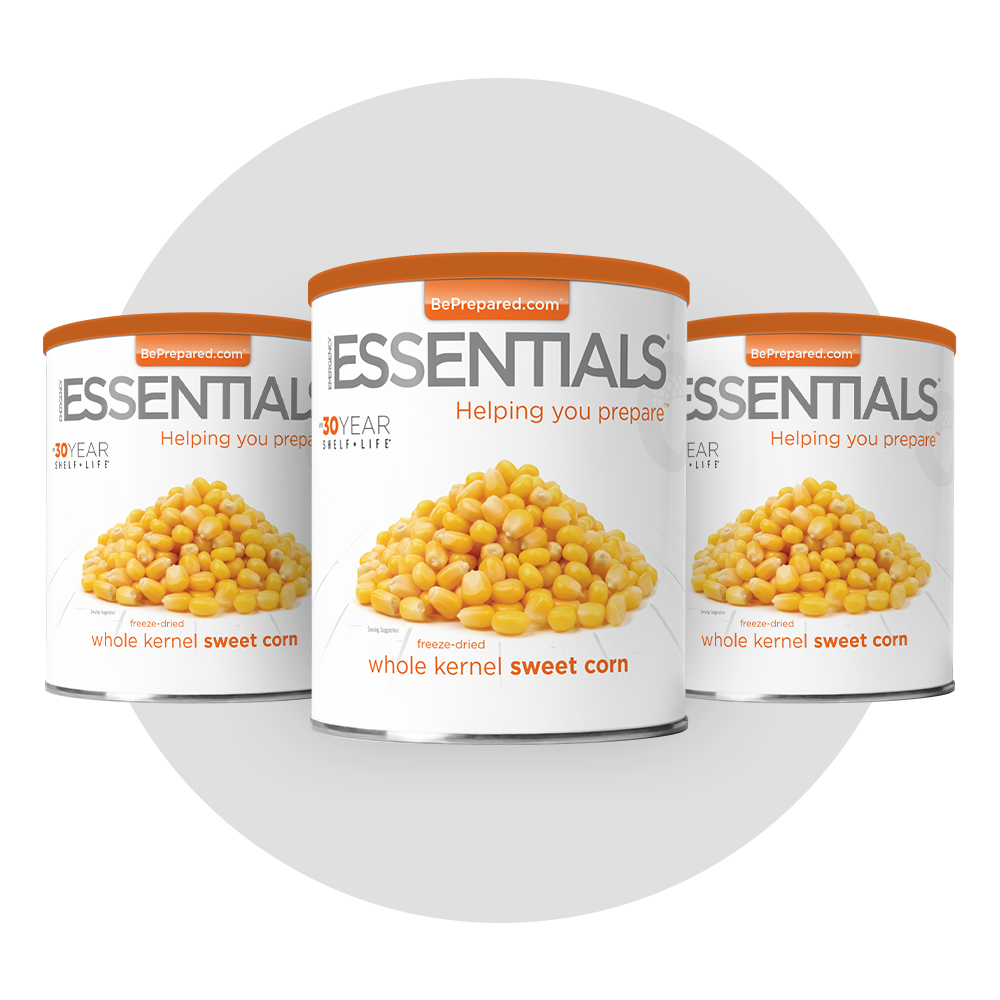
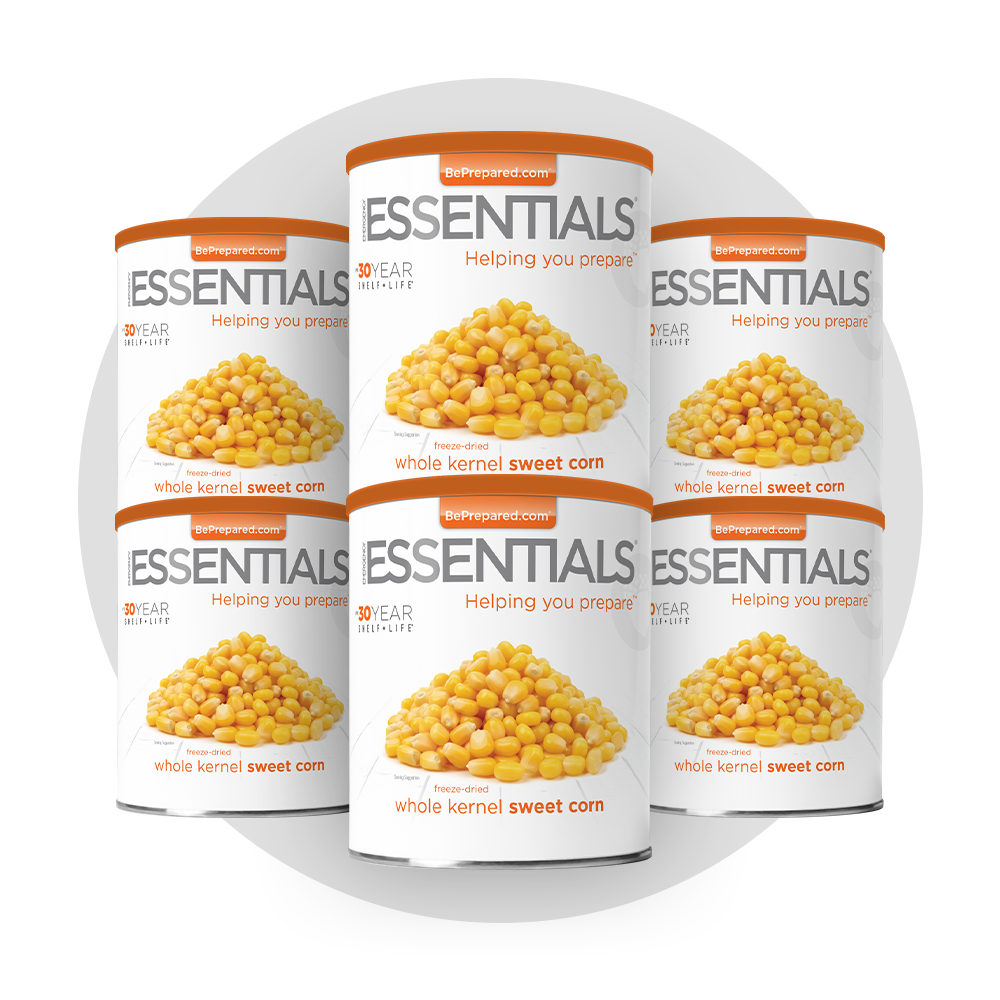
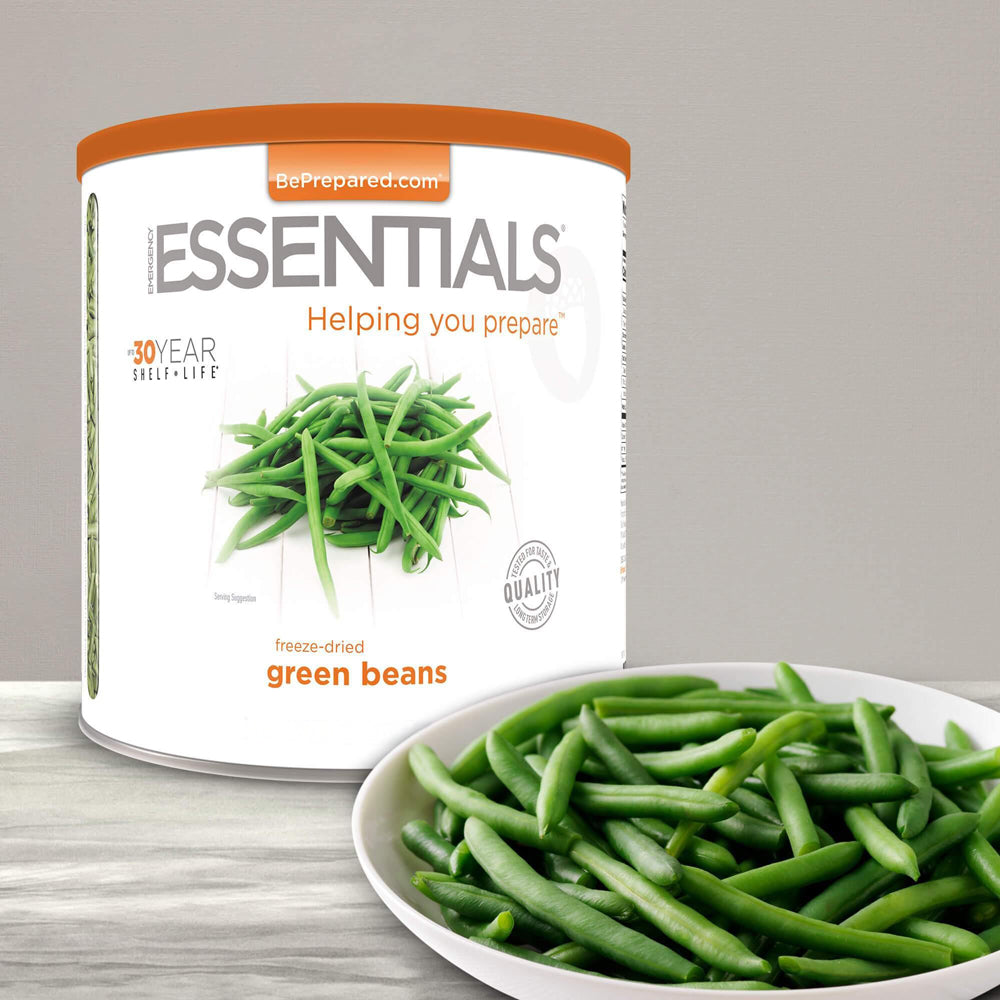
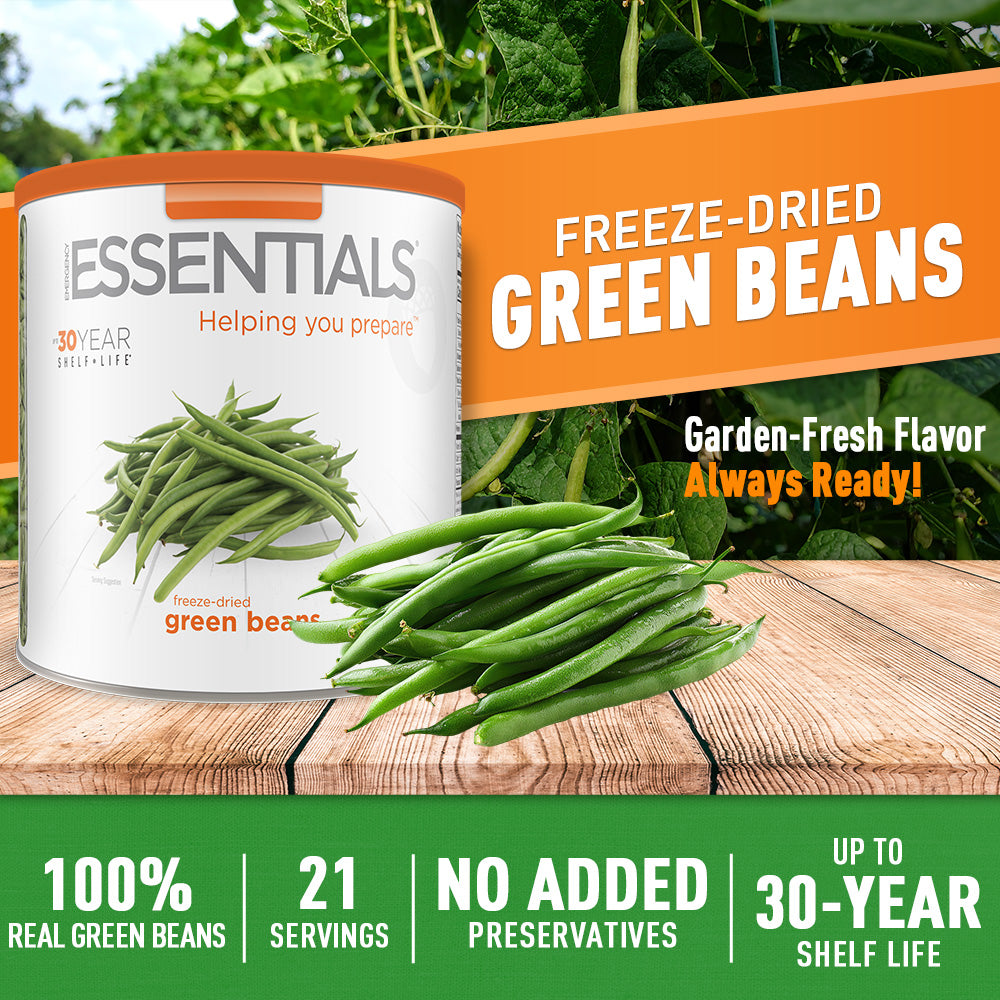
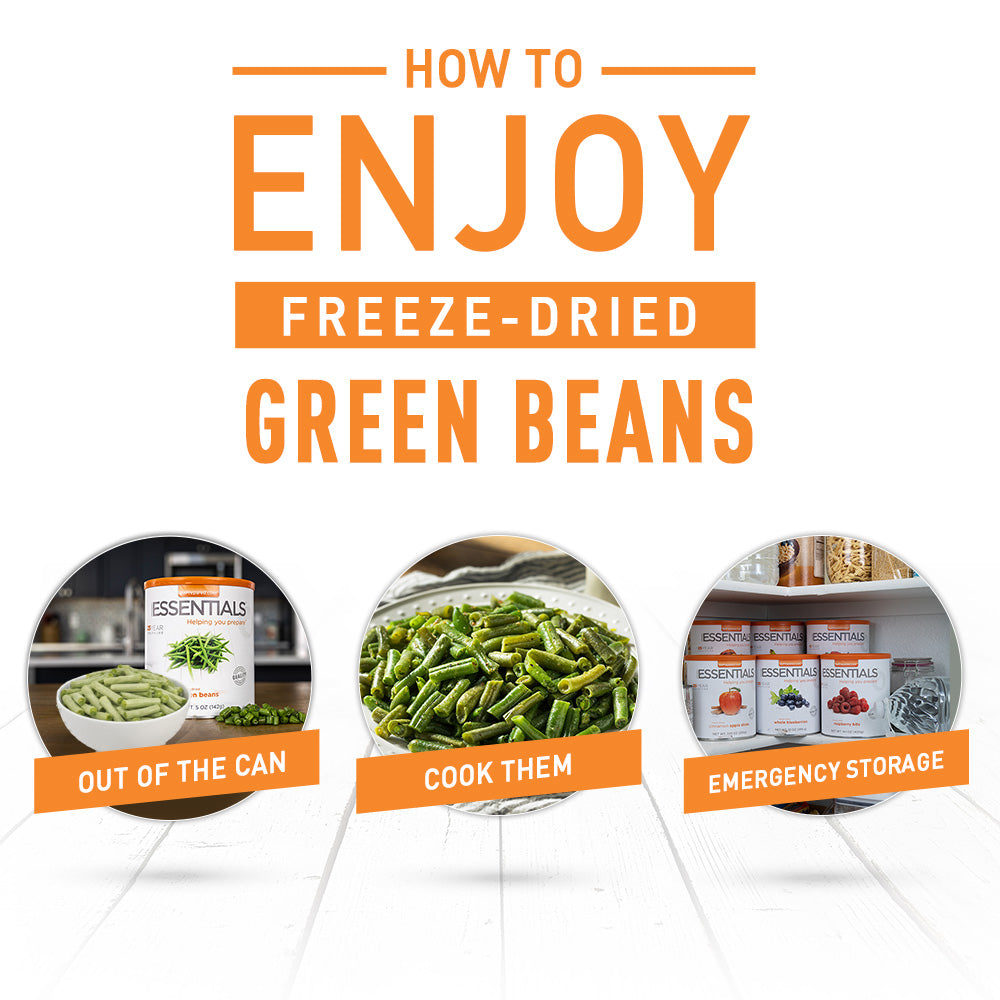
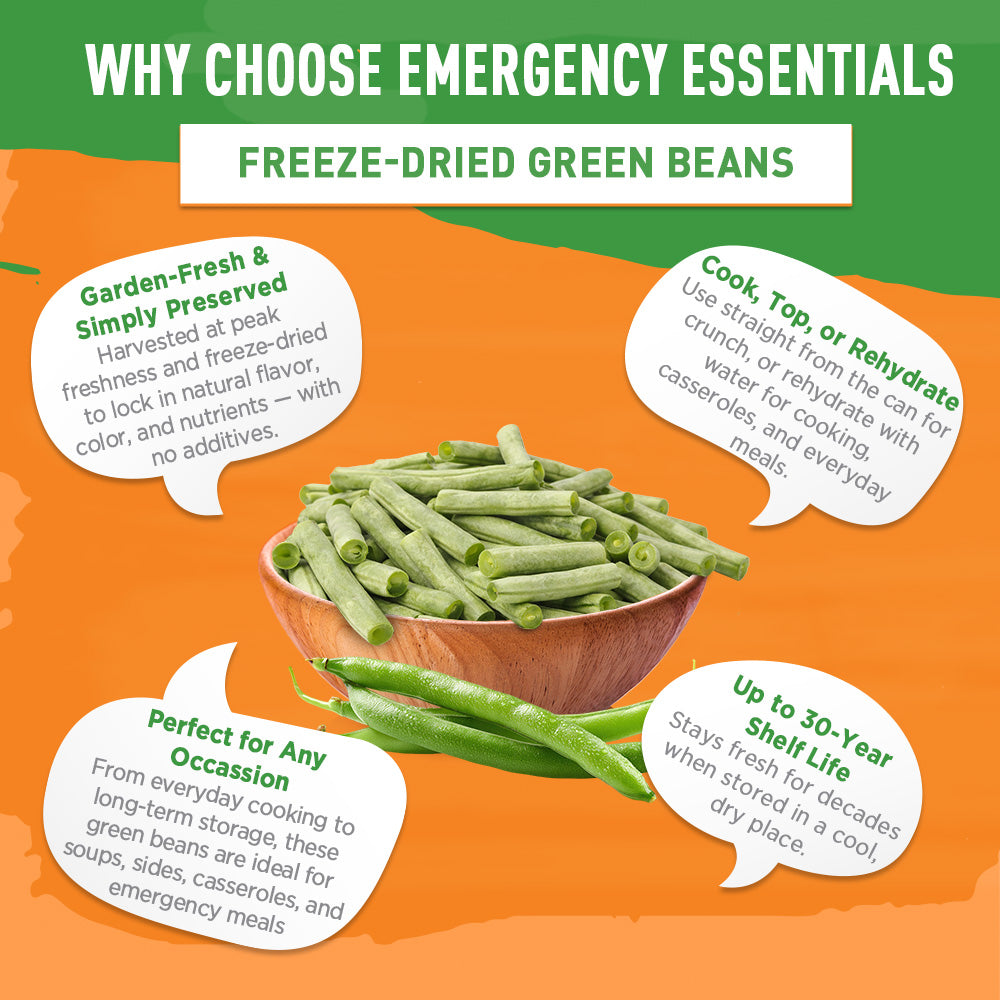
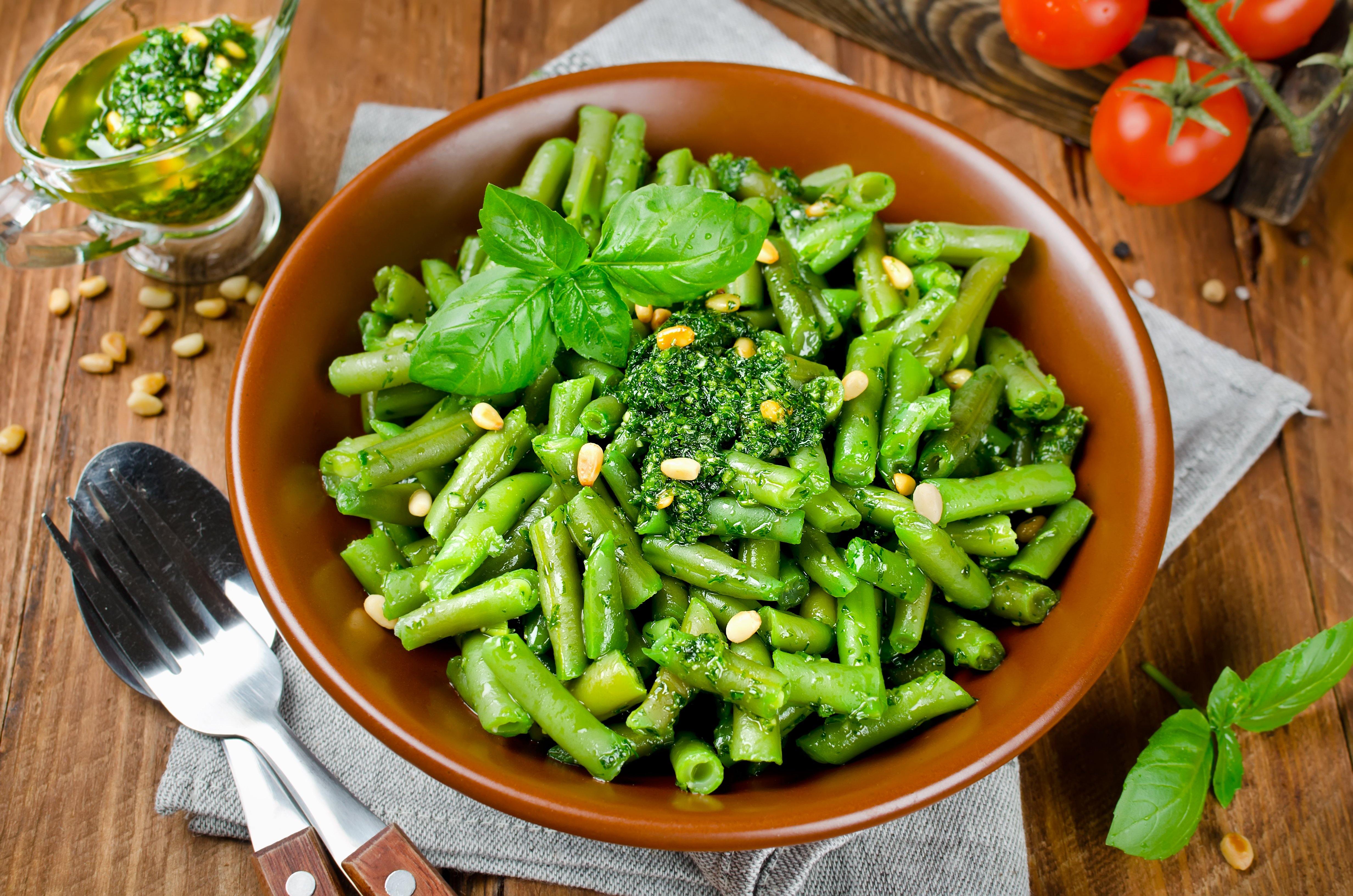
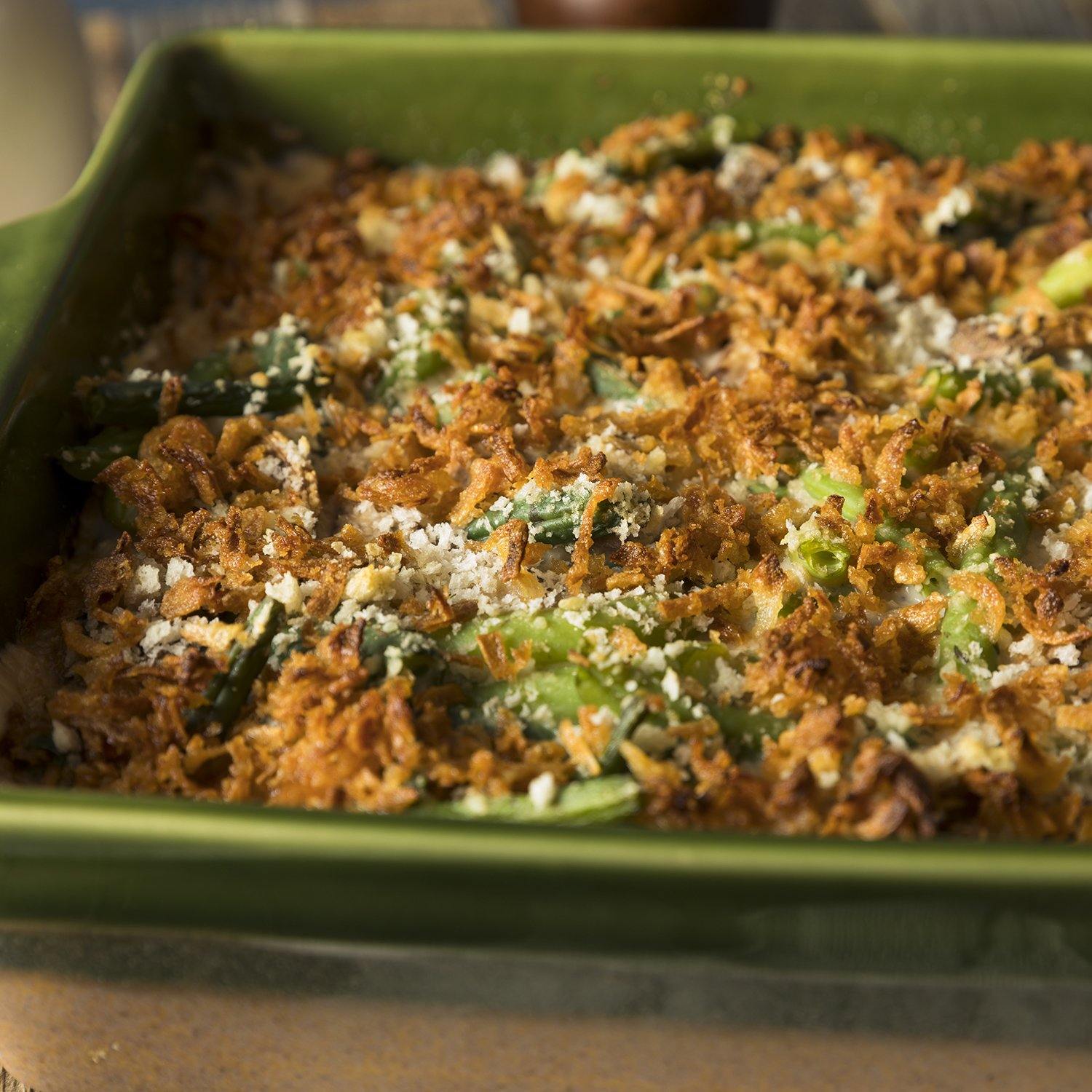
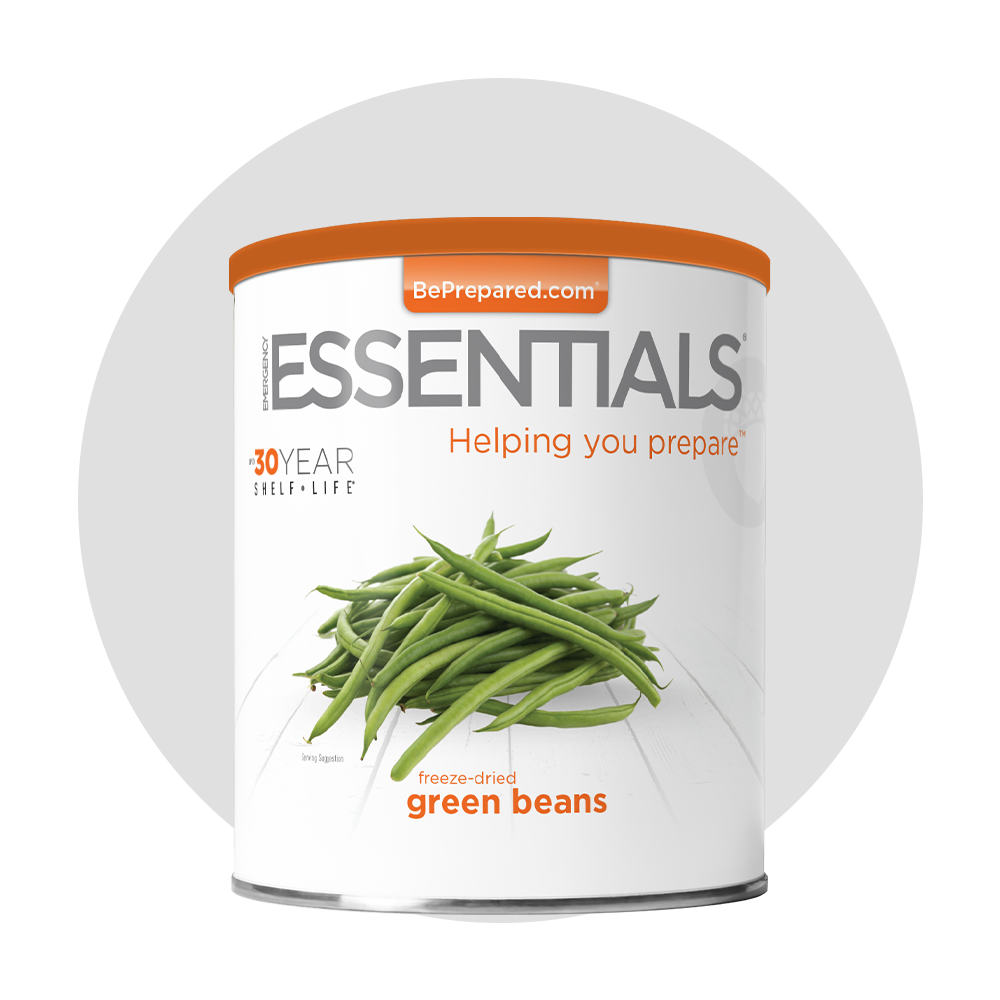
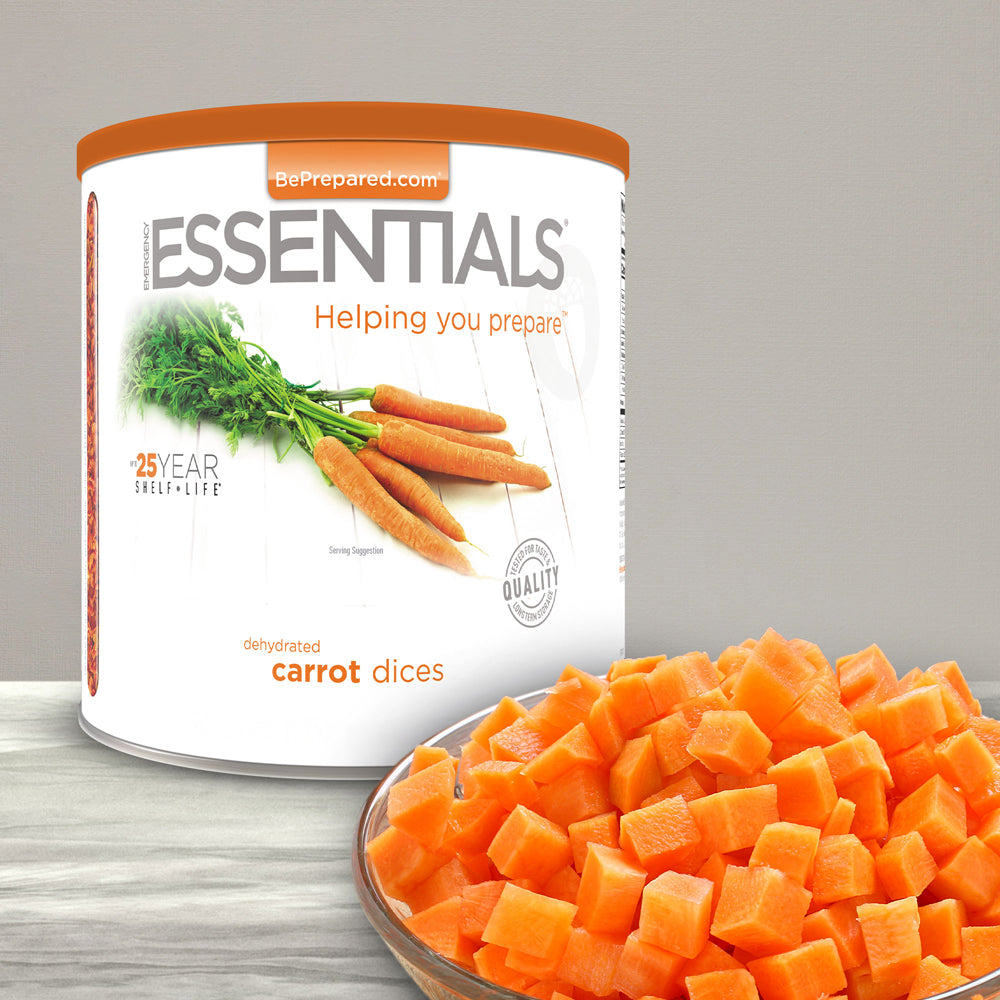
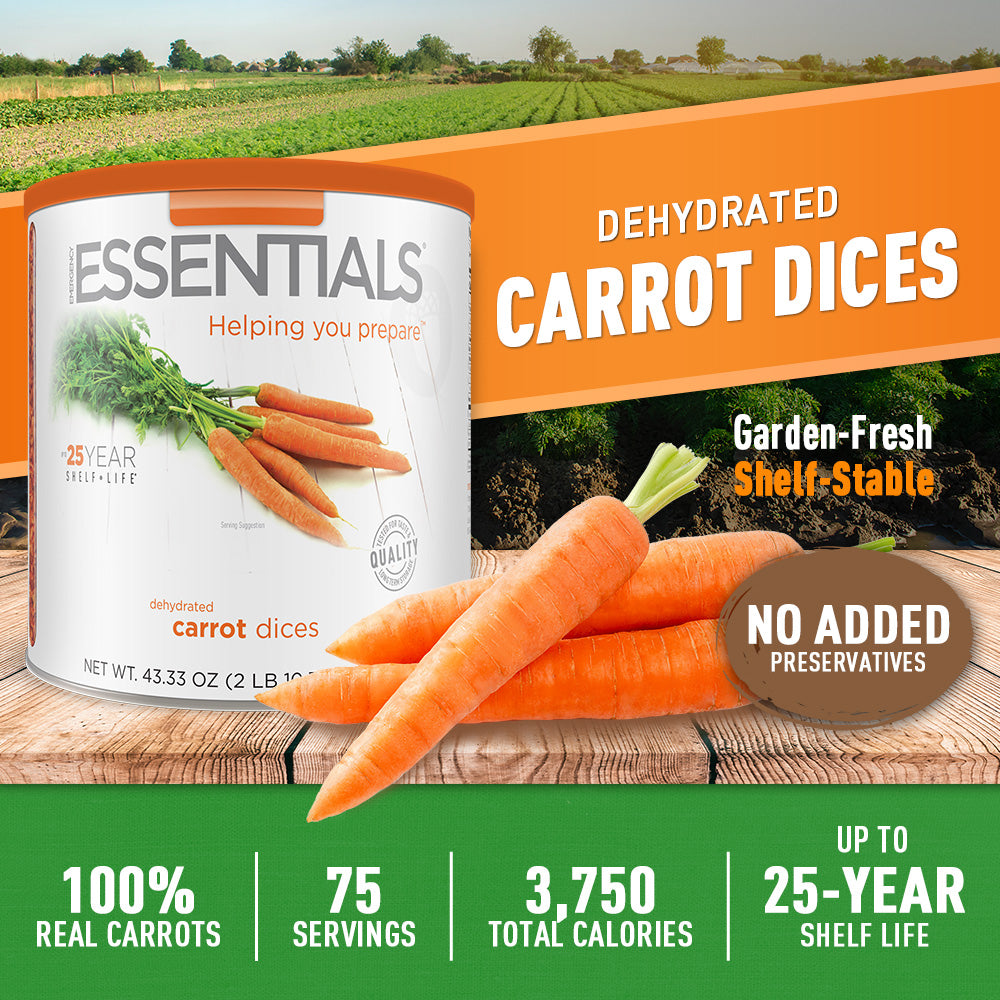
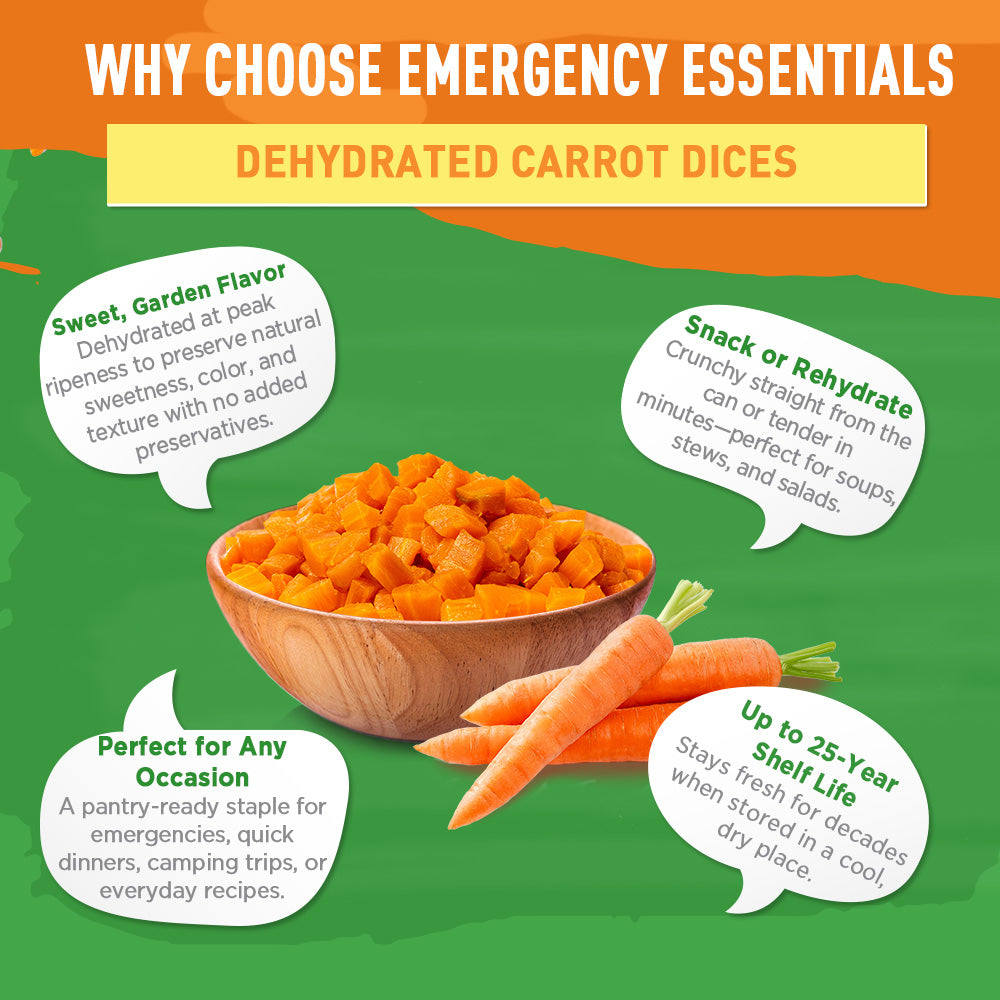
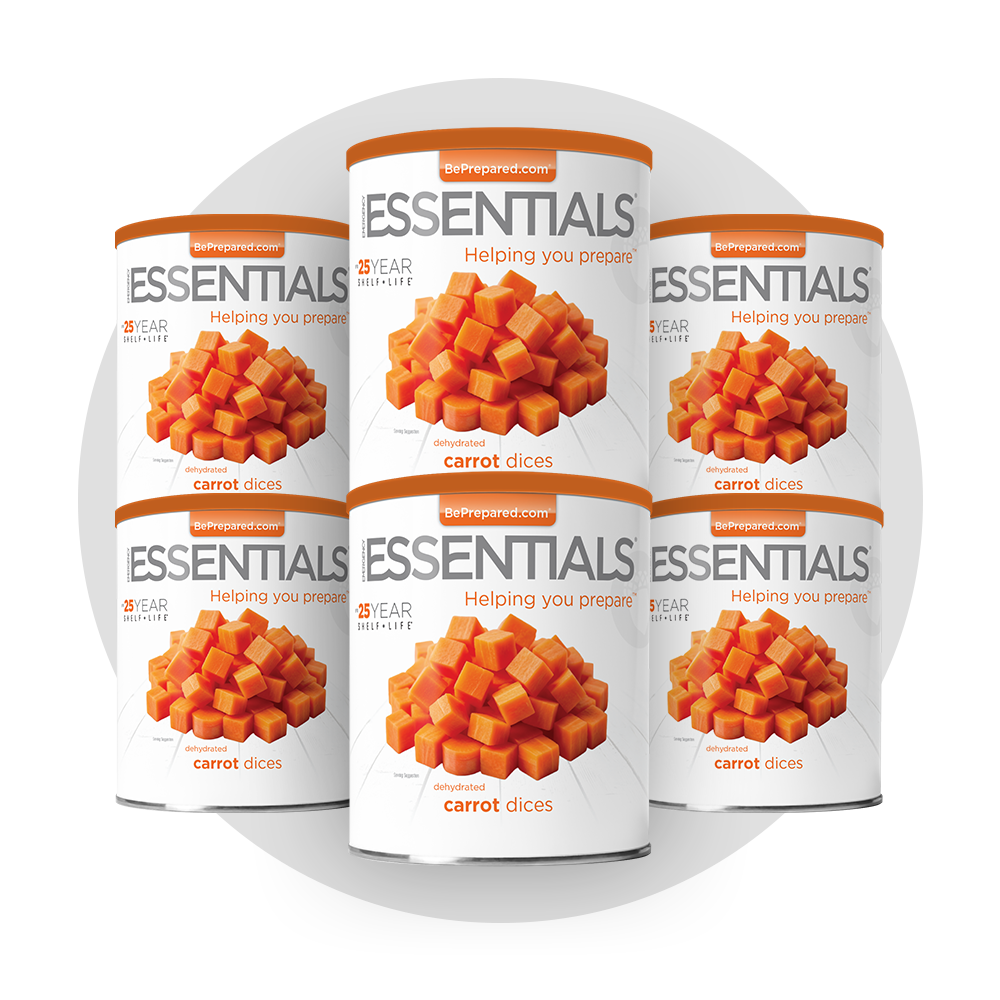
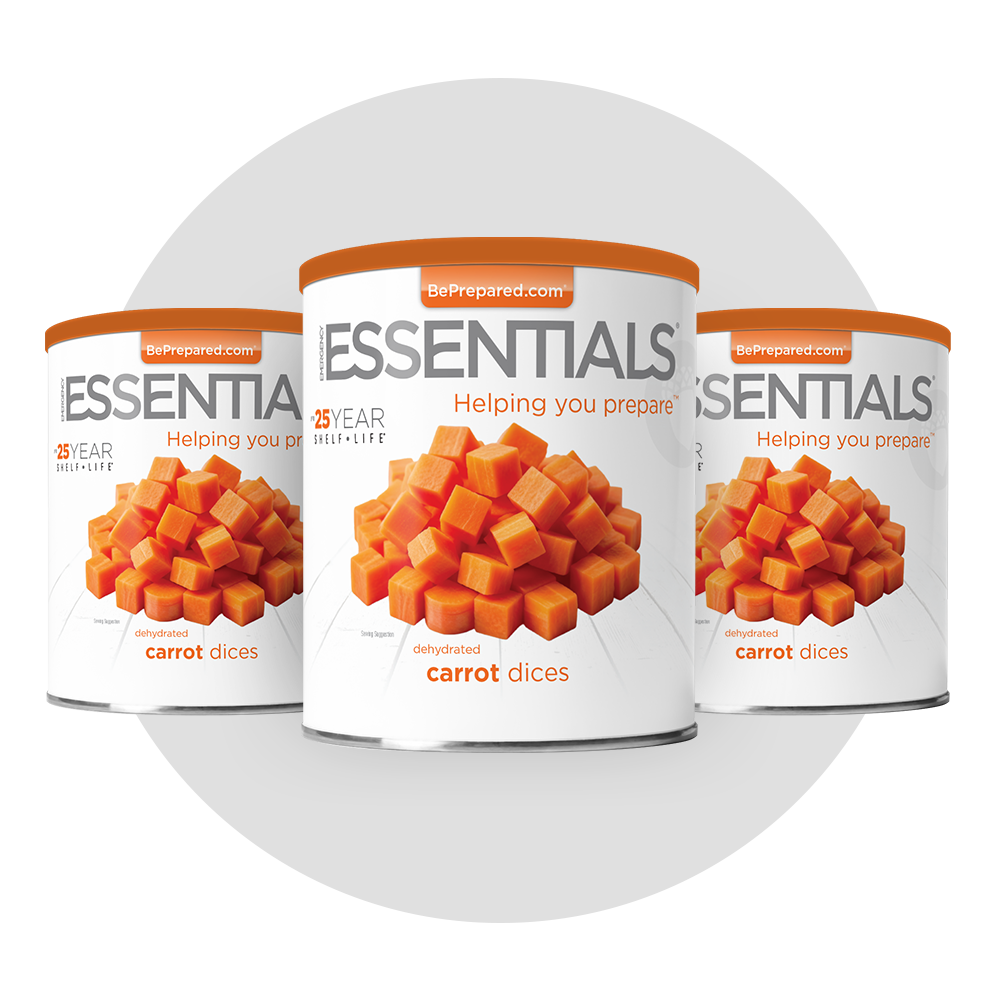
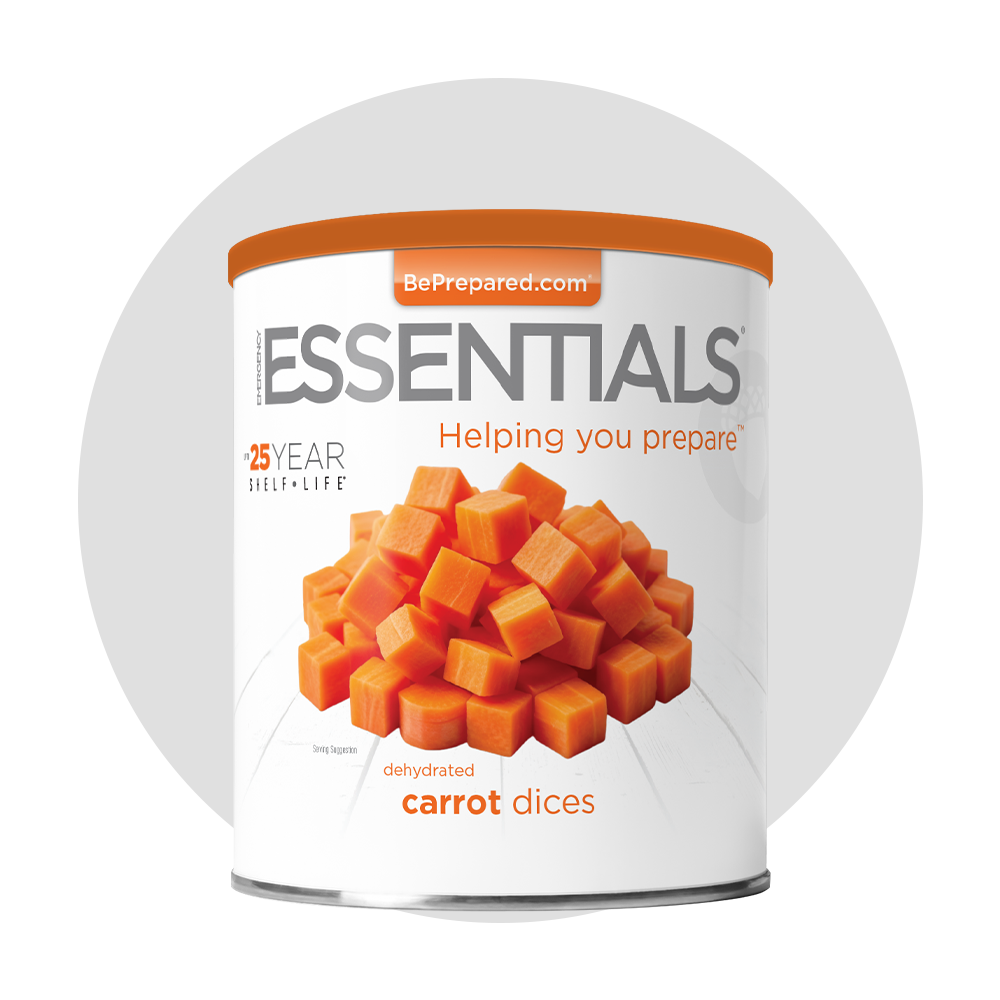
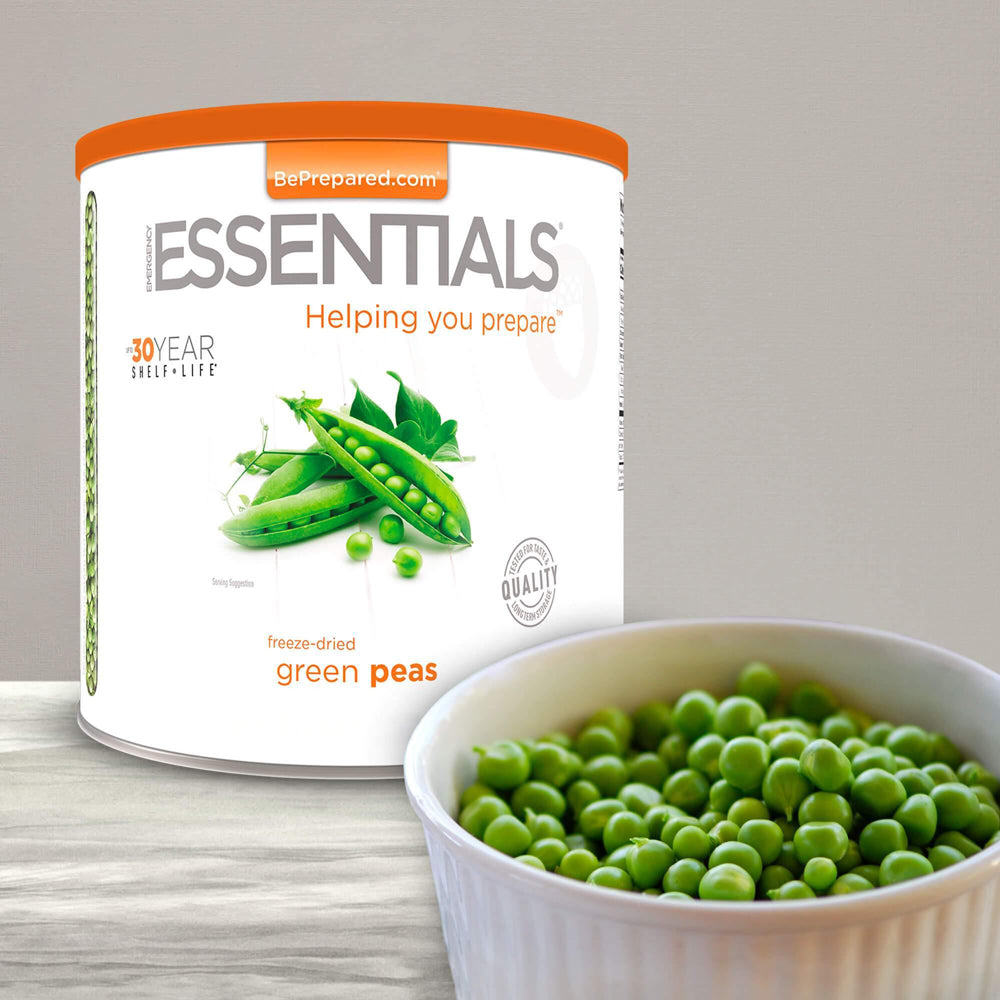
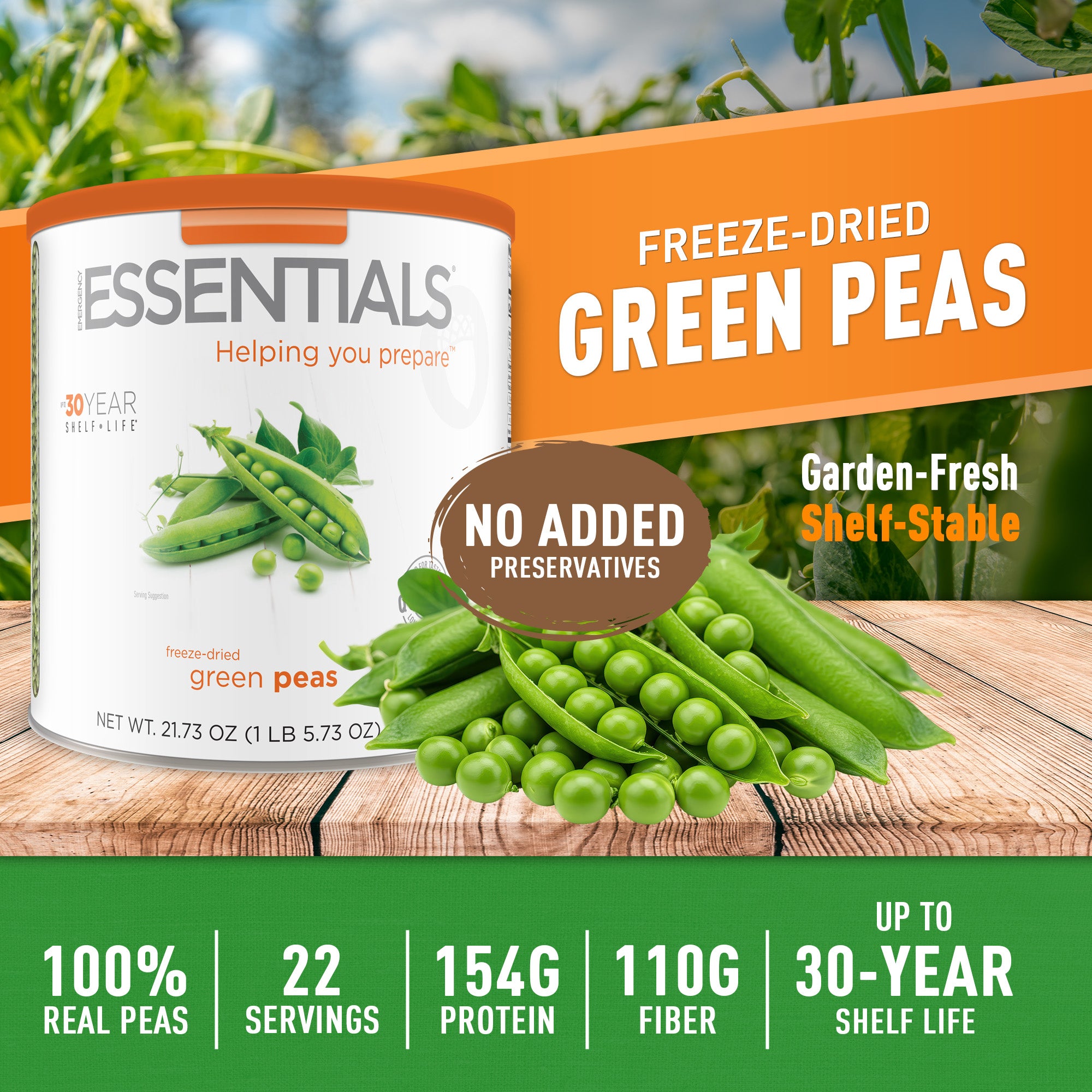
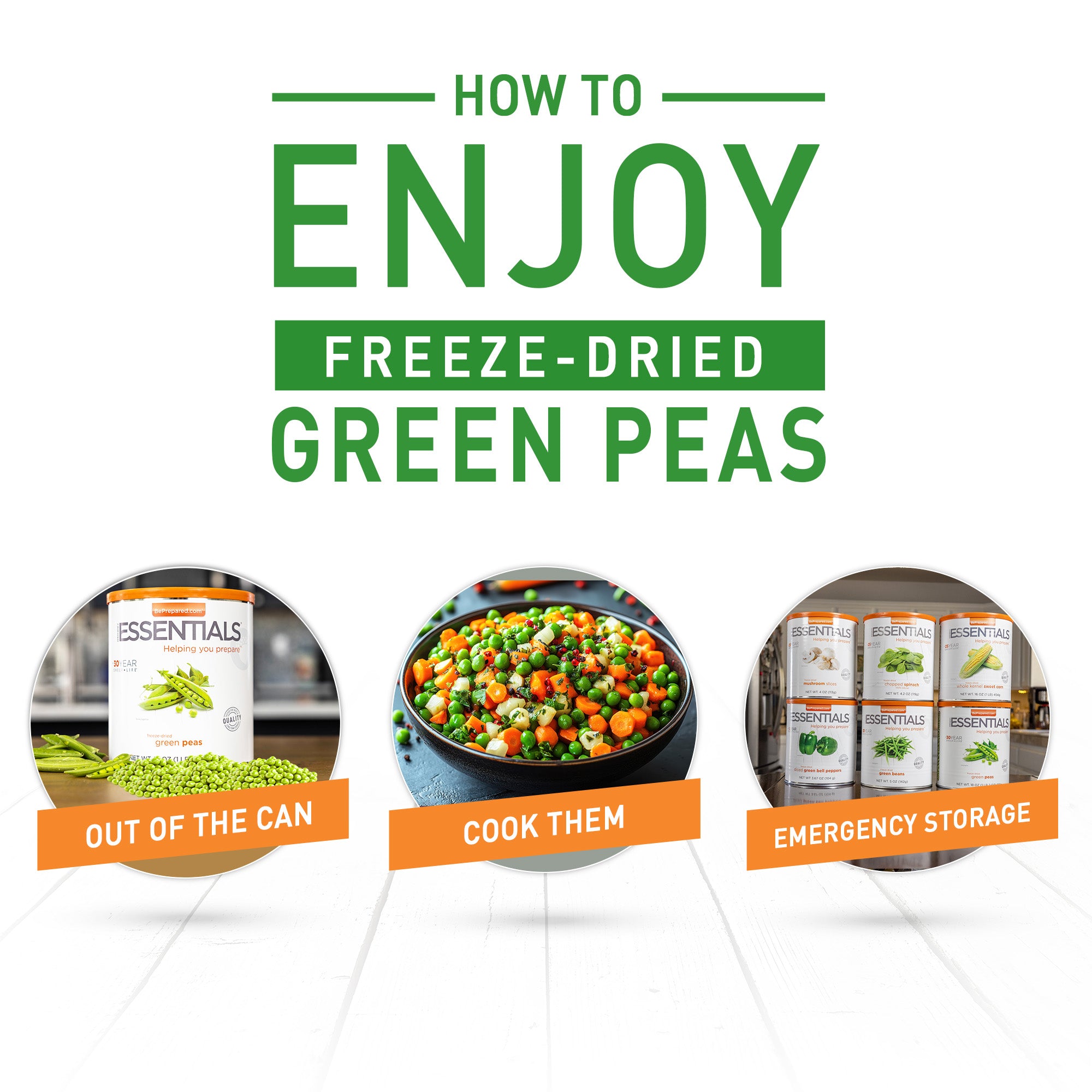
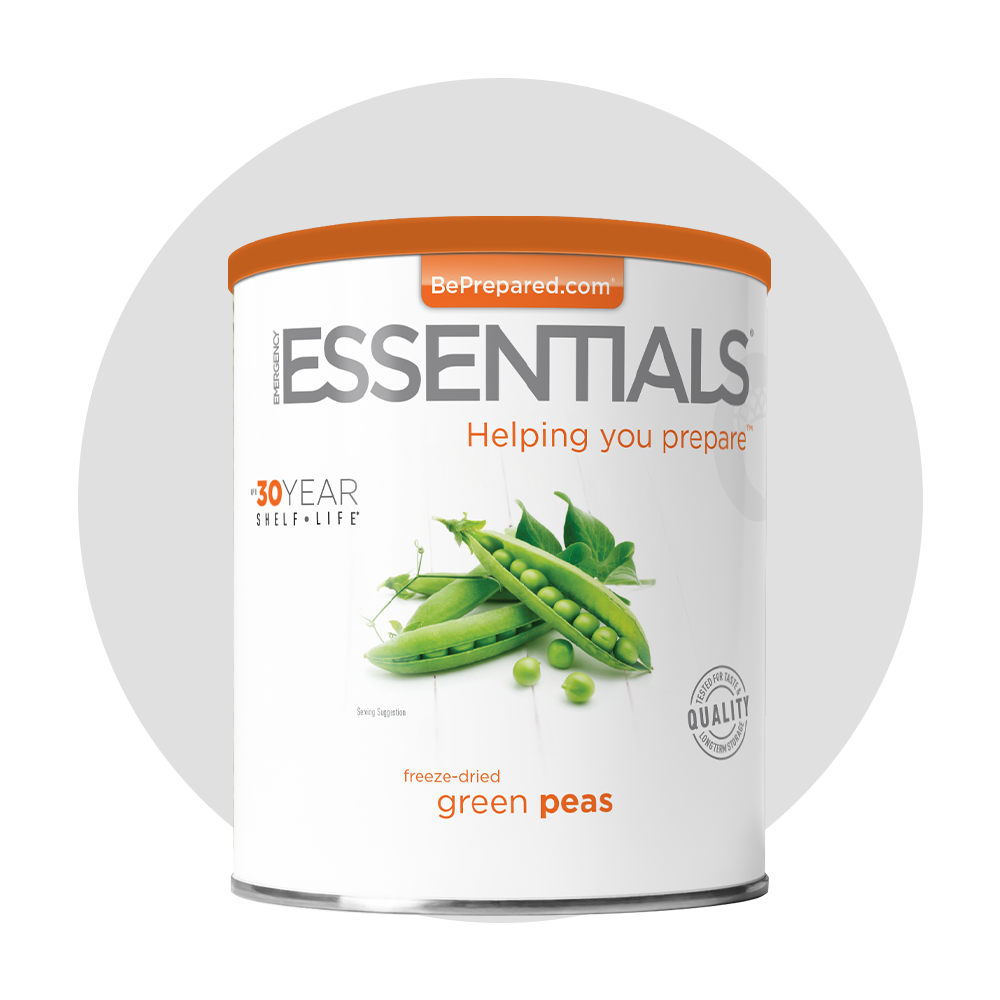
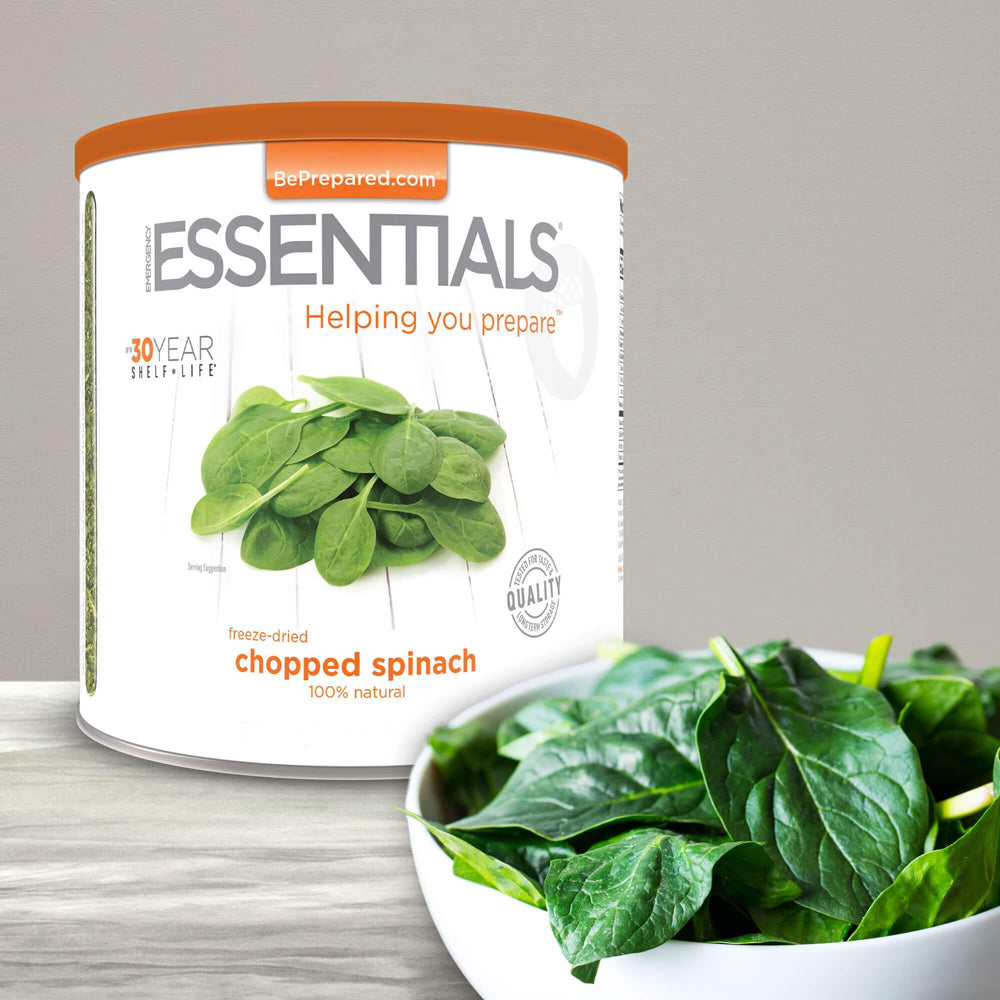
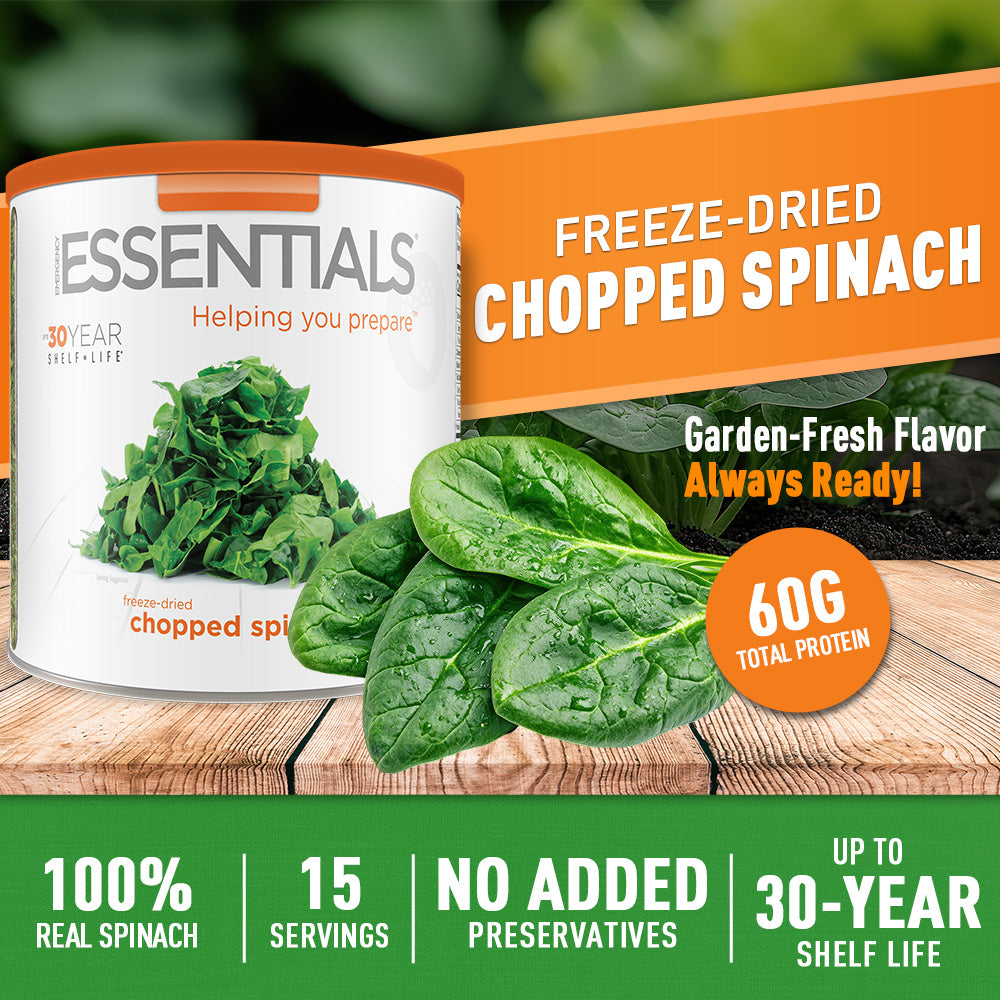
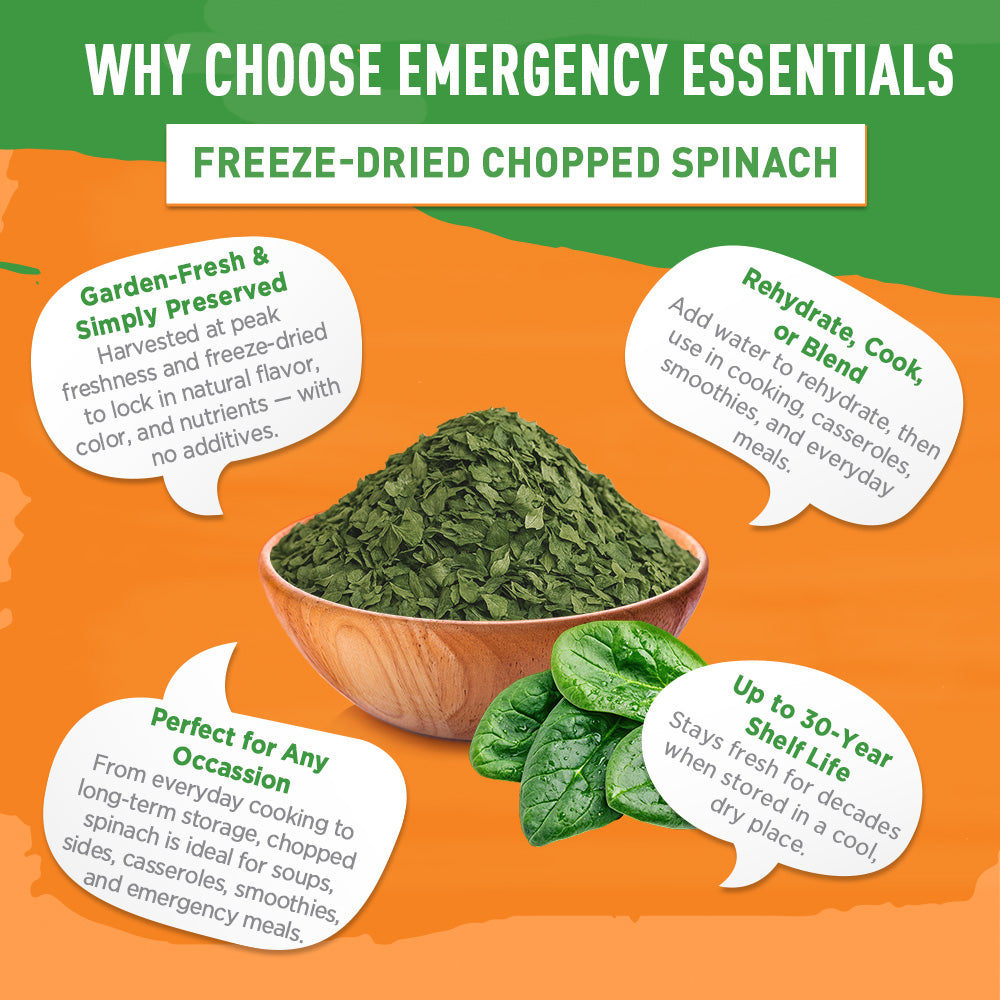
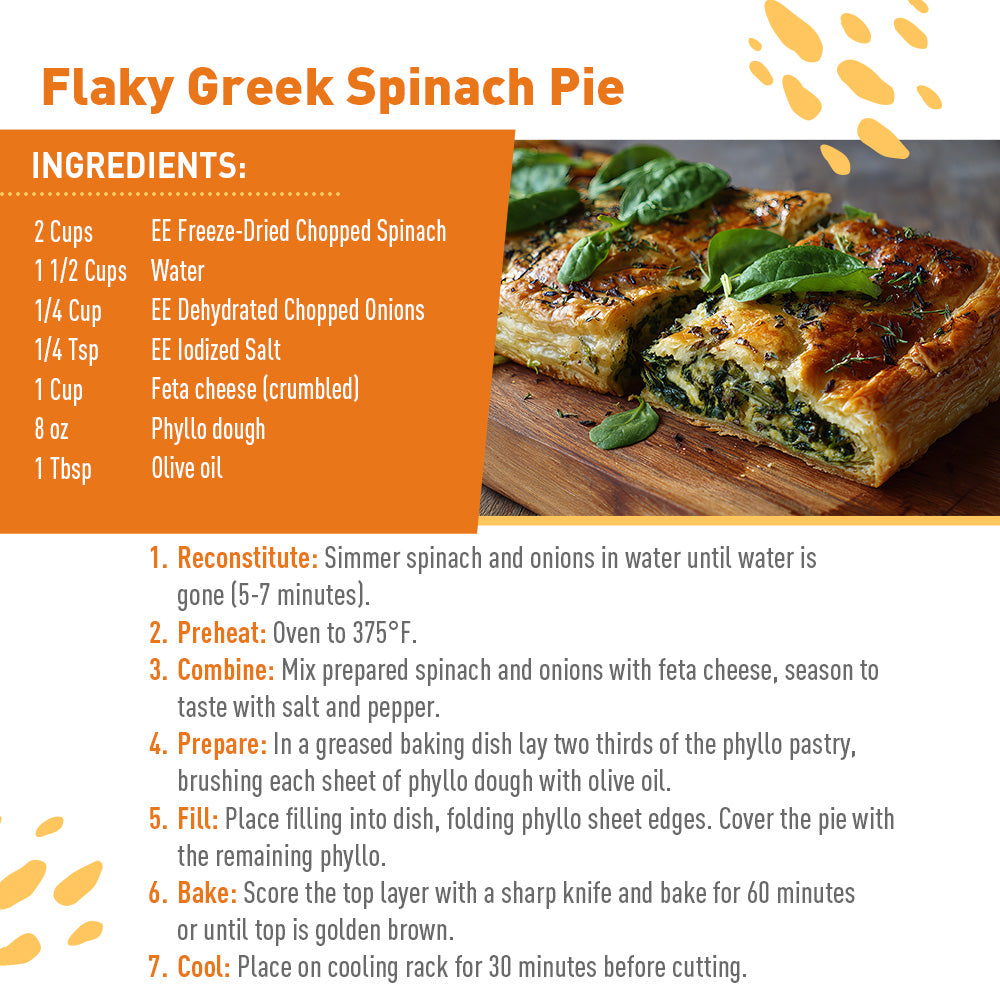
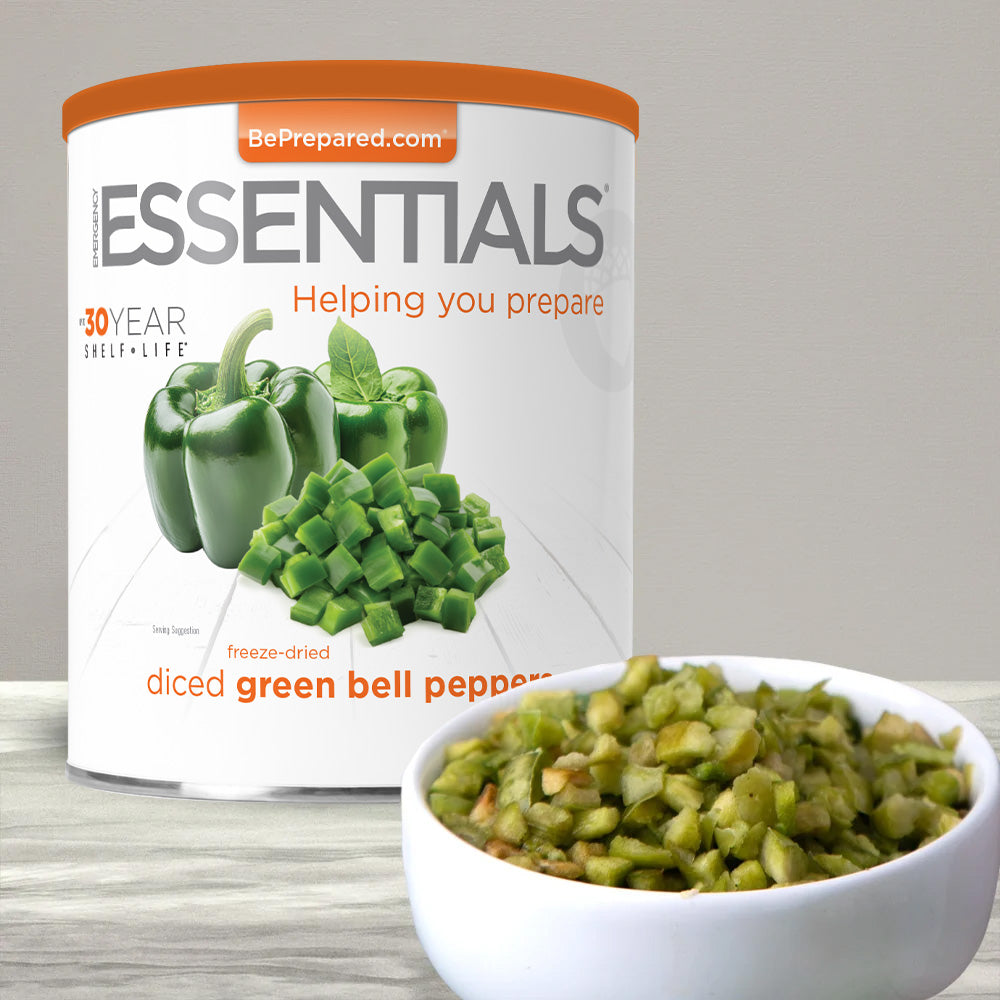
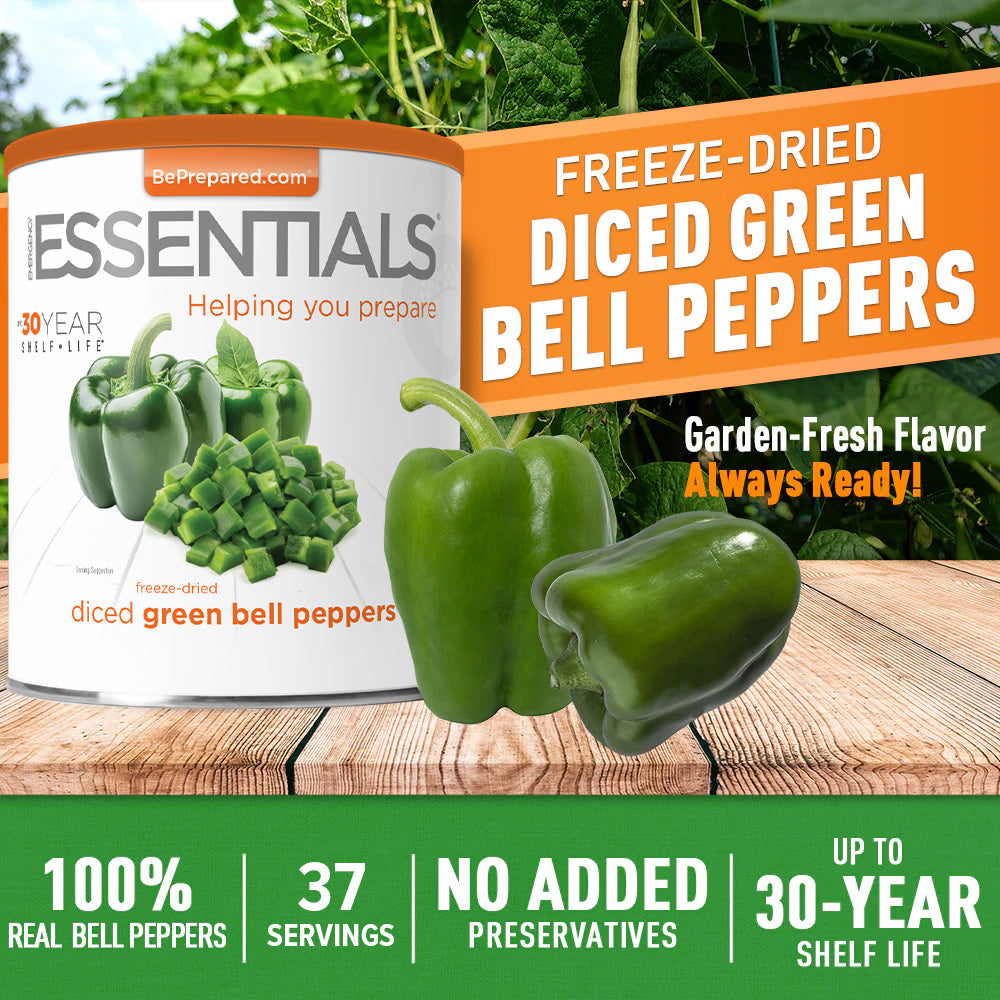
- Vegetables: Broccoli, green beans, corn, peas, spinach, and carrots
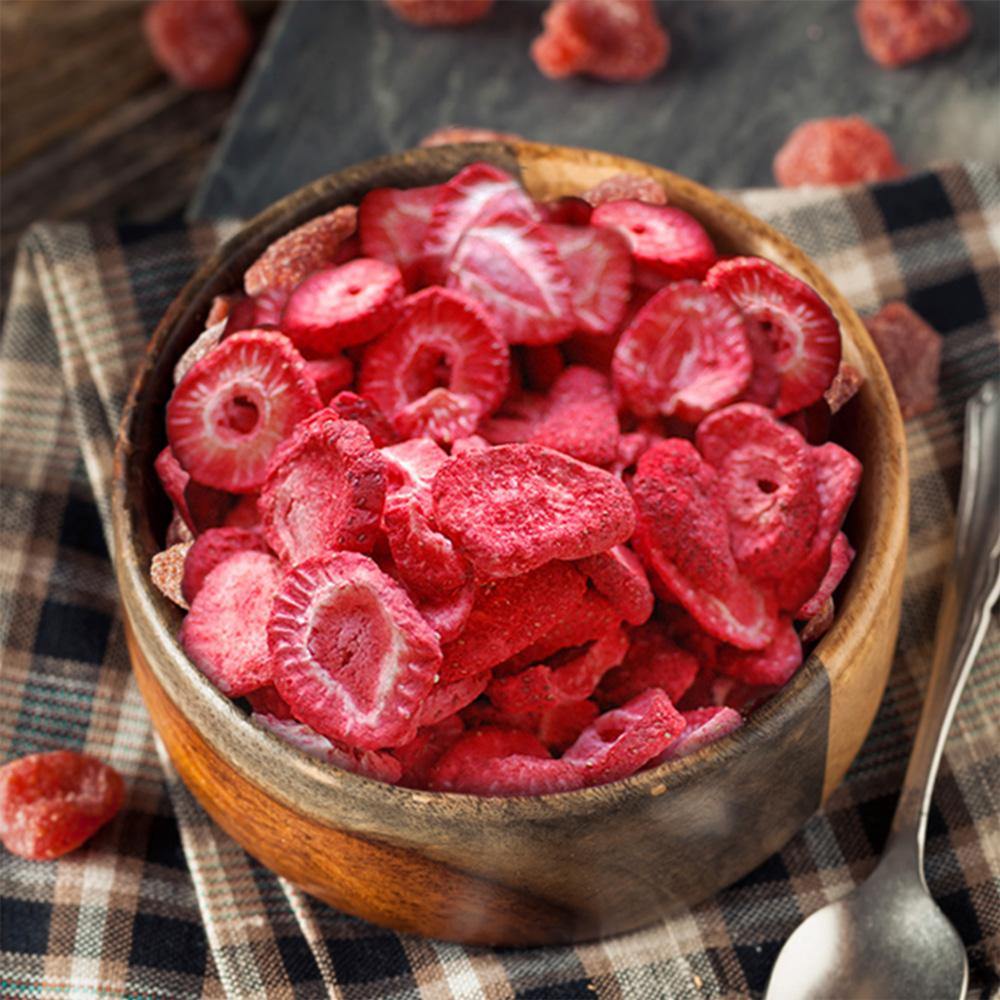
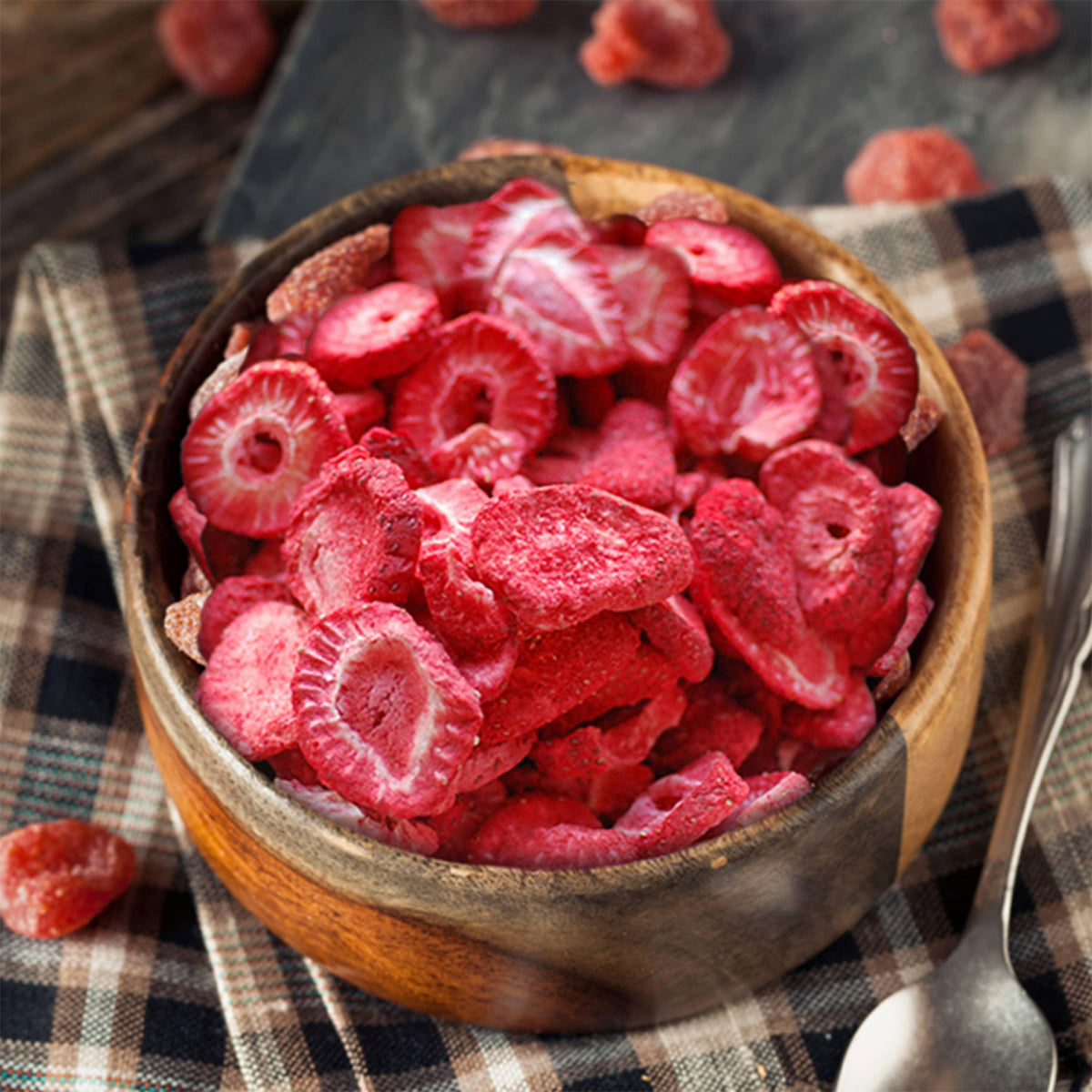
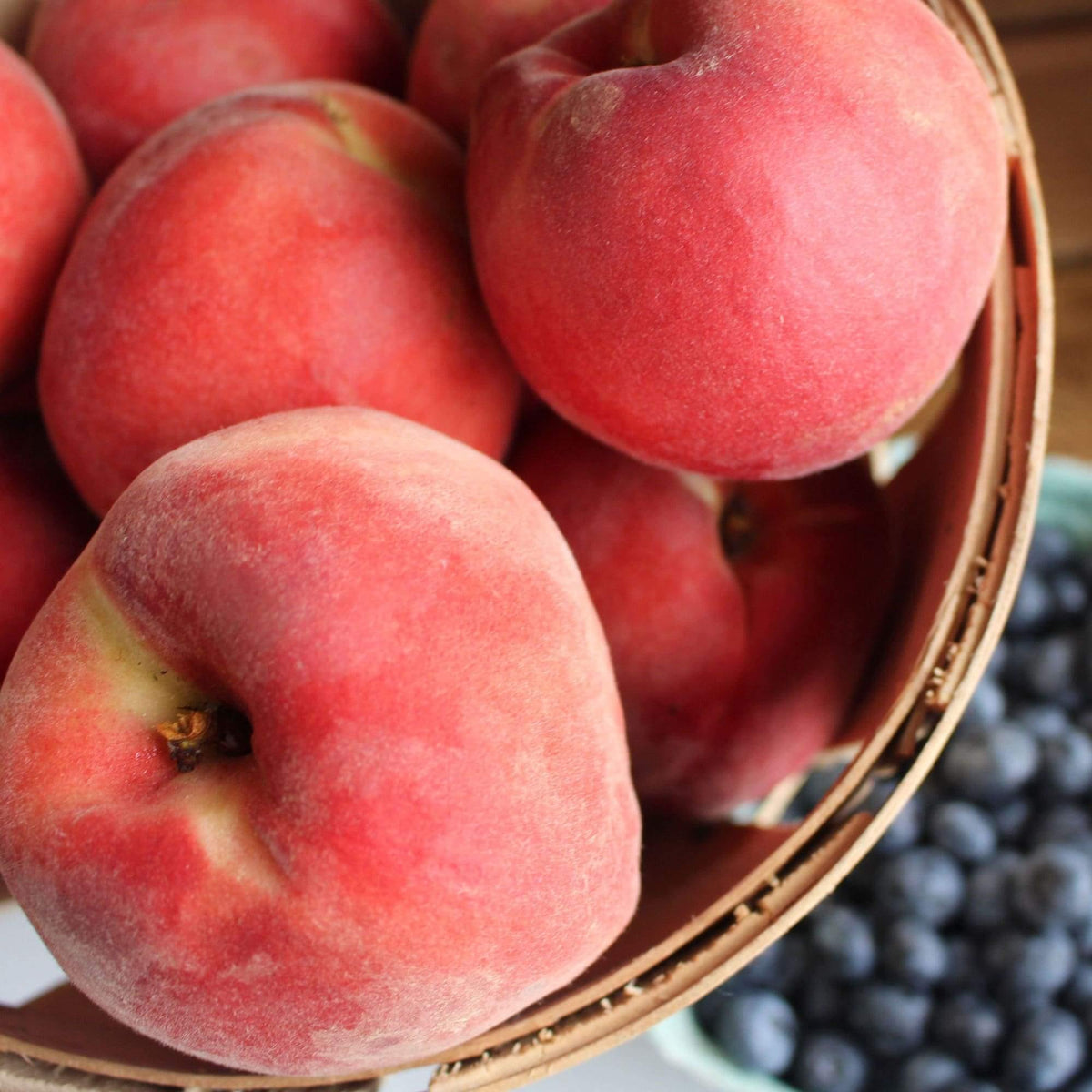
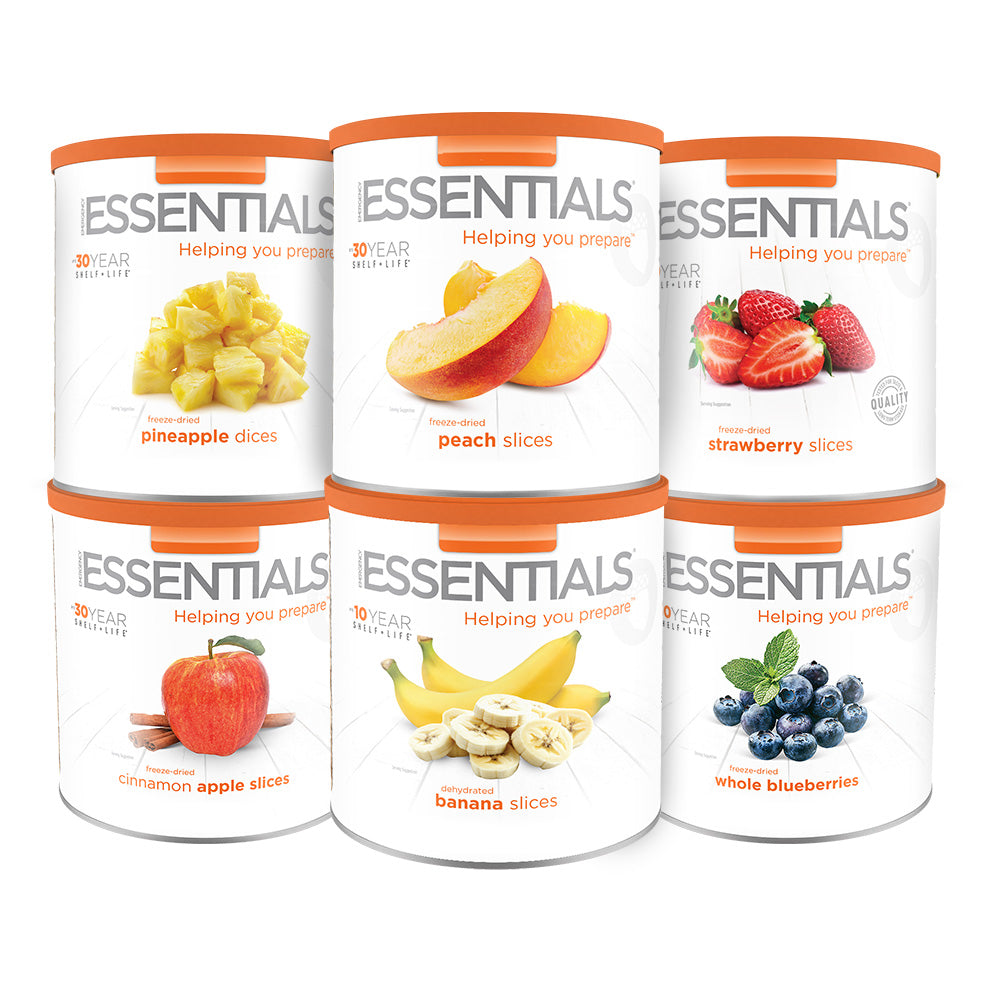
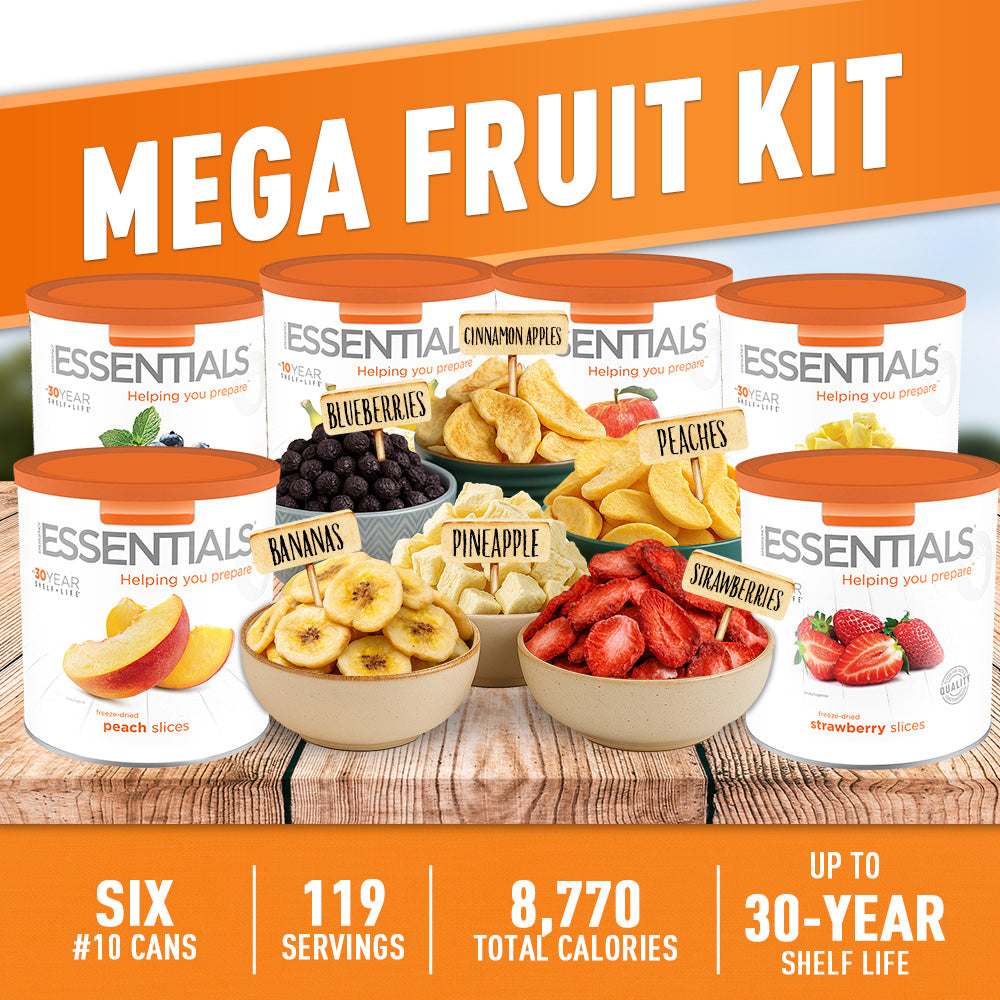
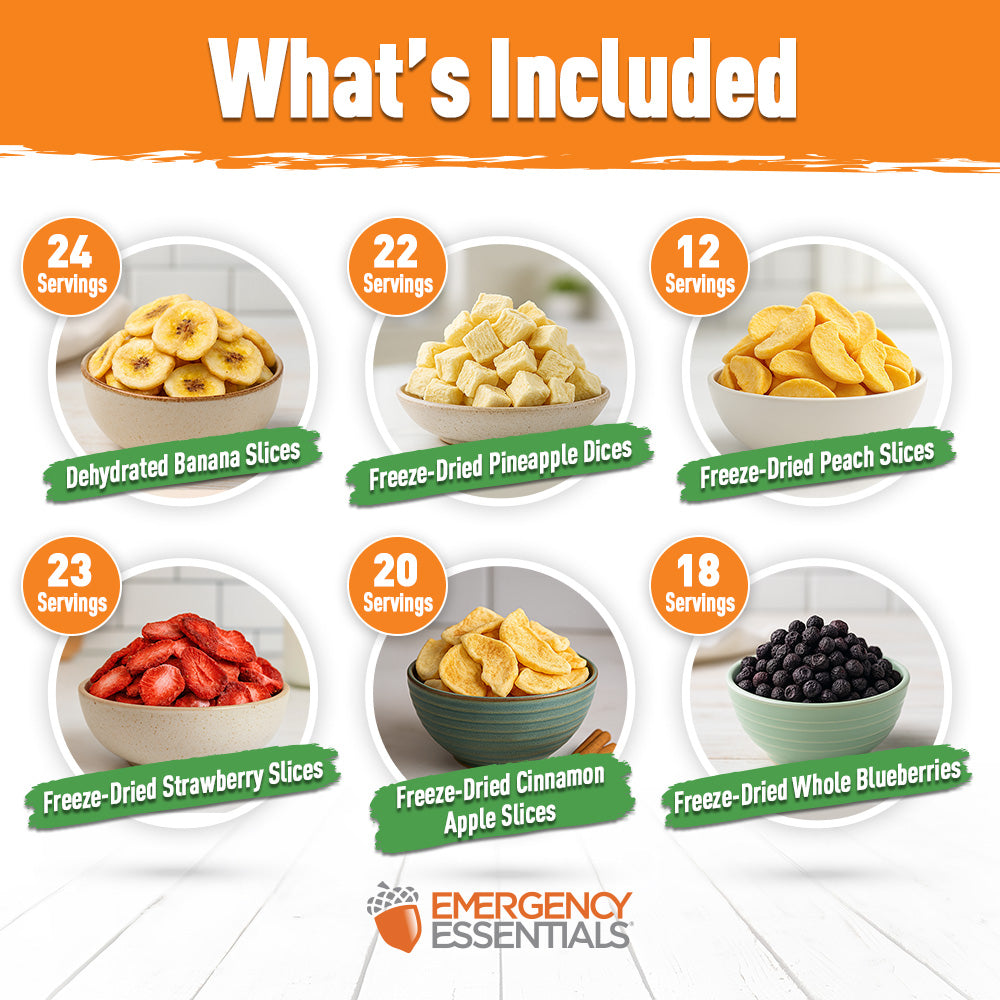
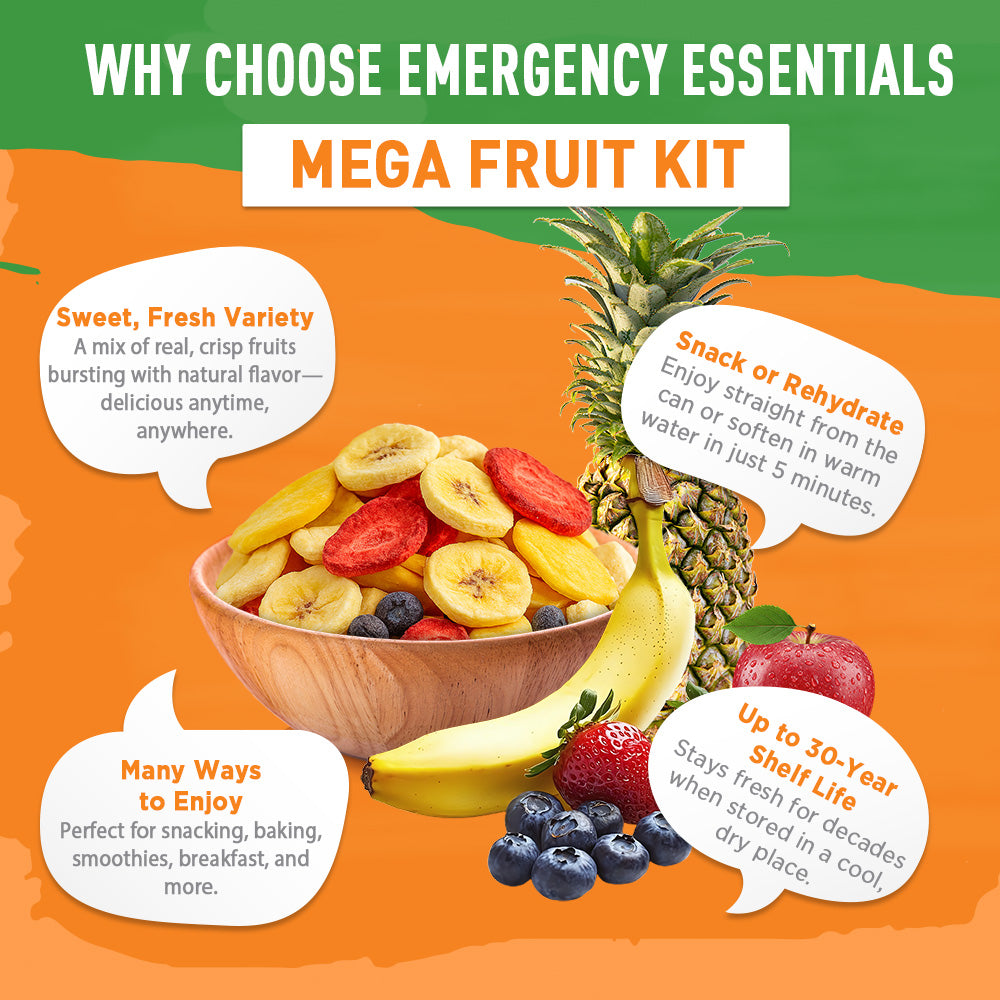
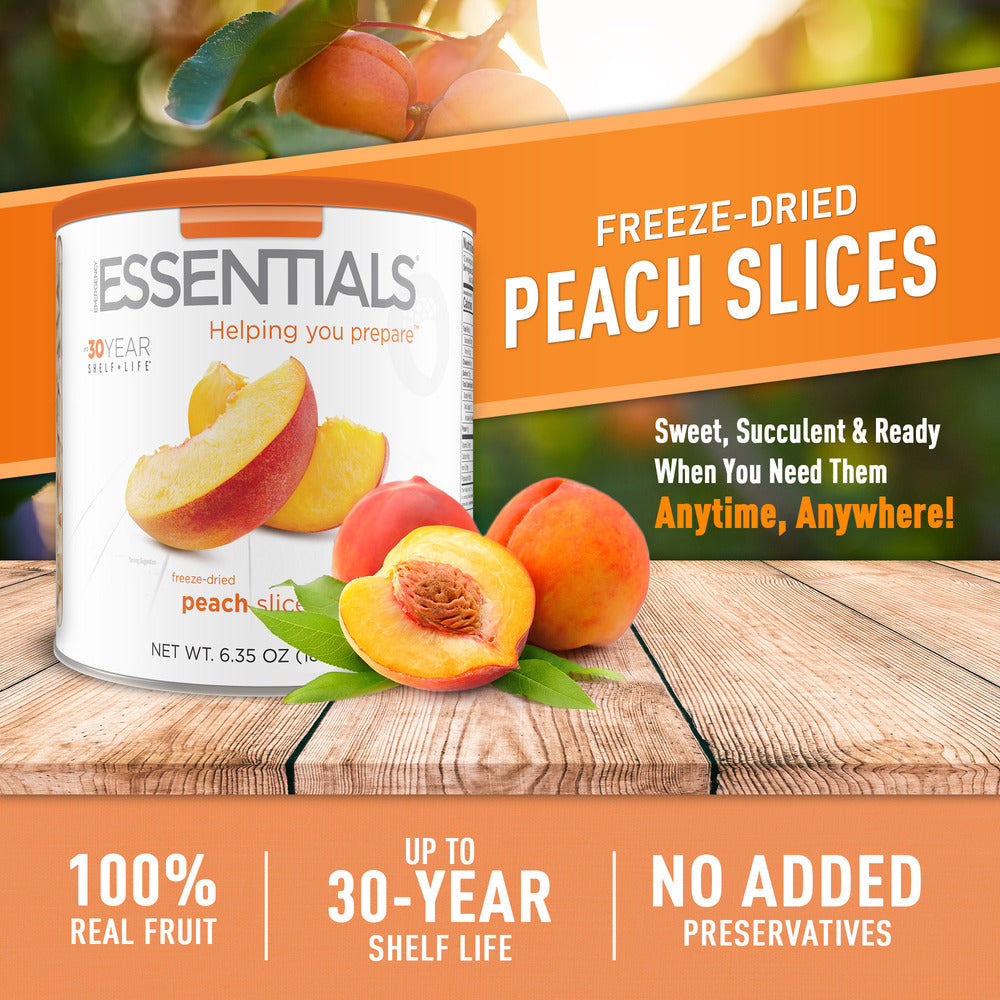
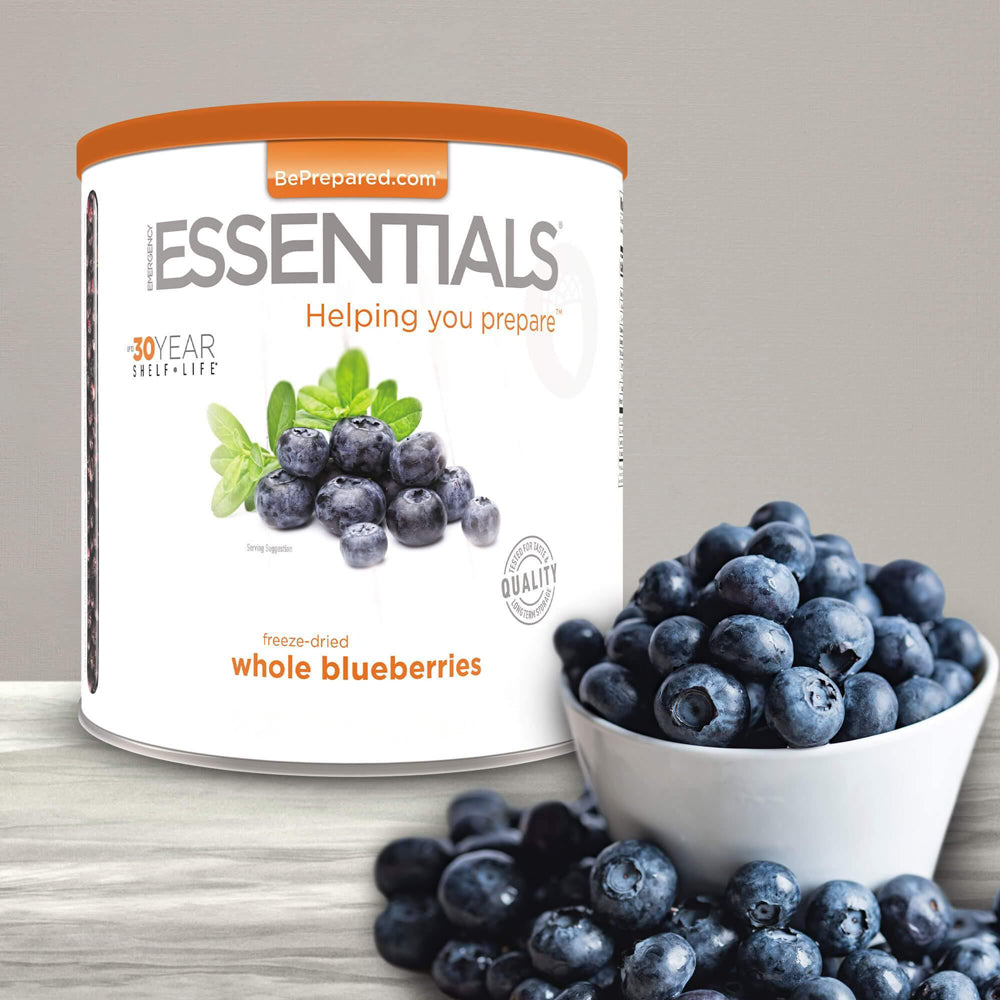
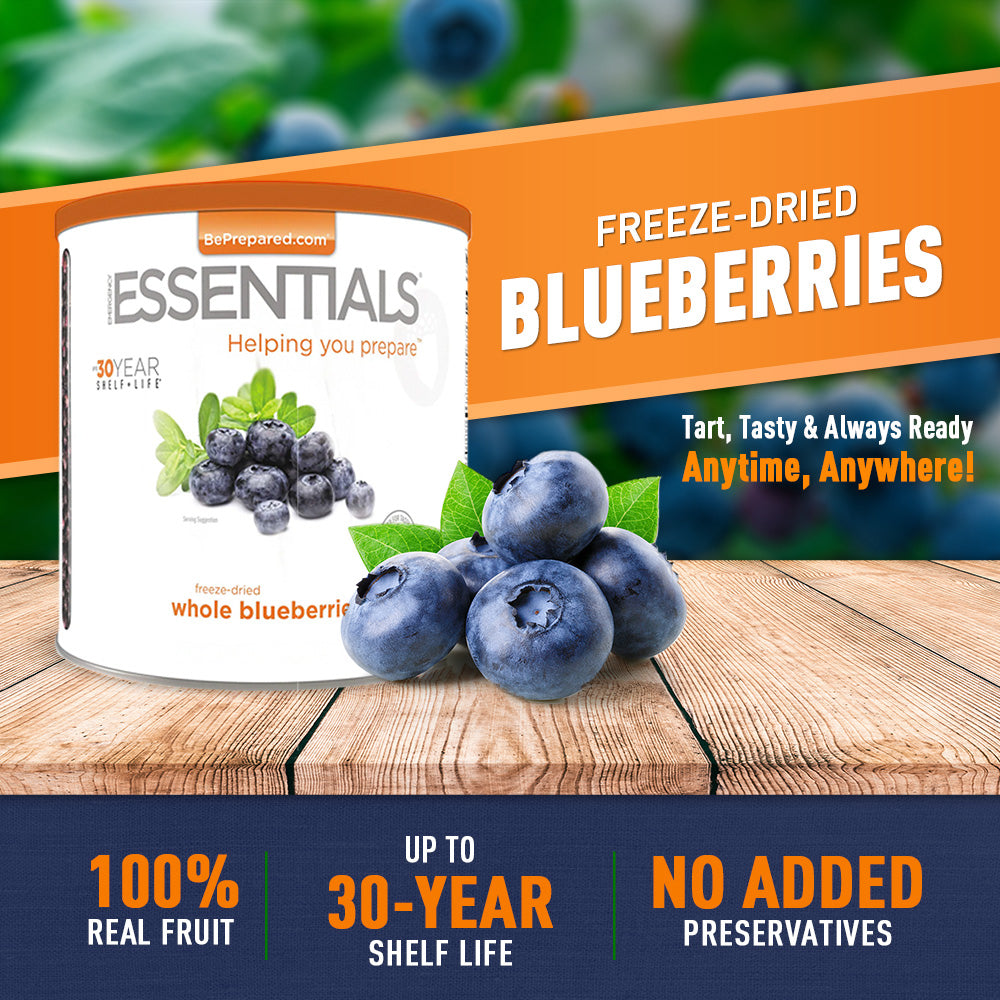
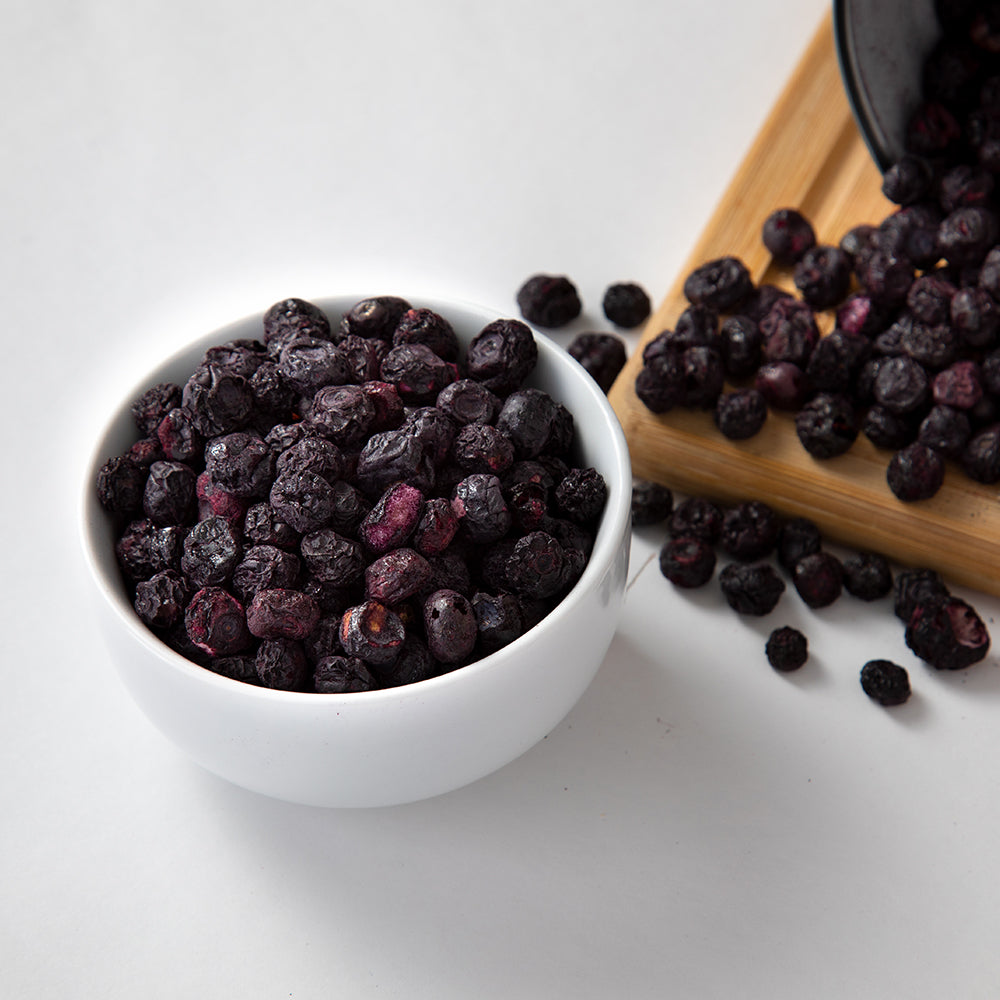
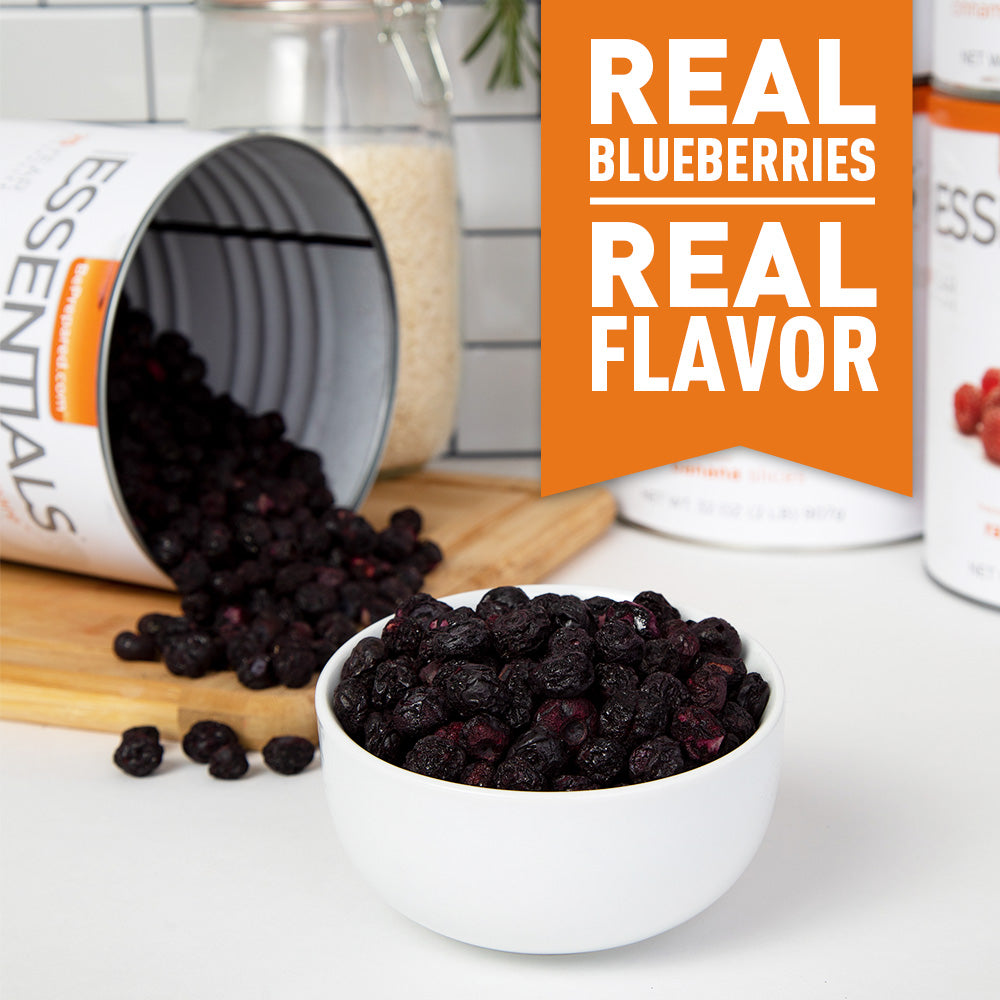
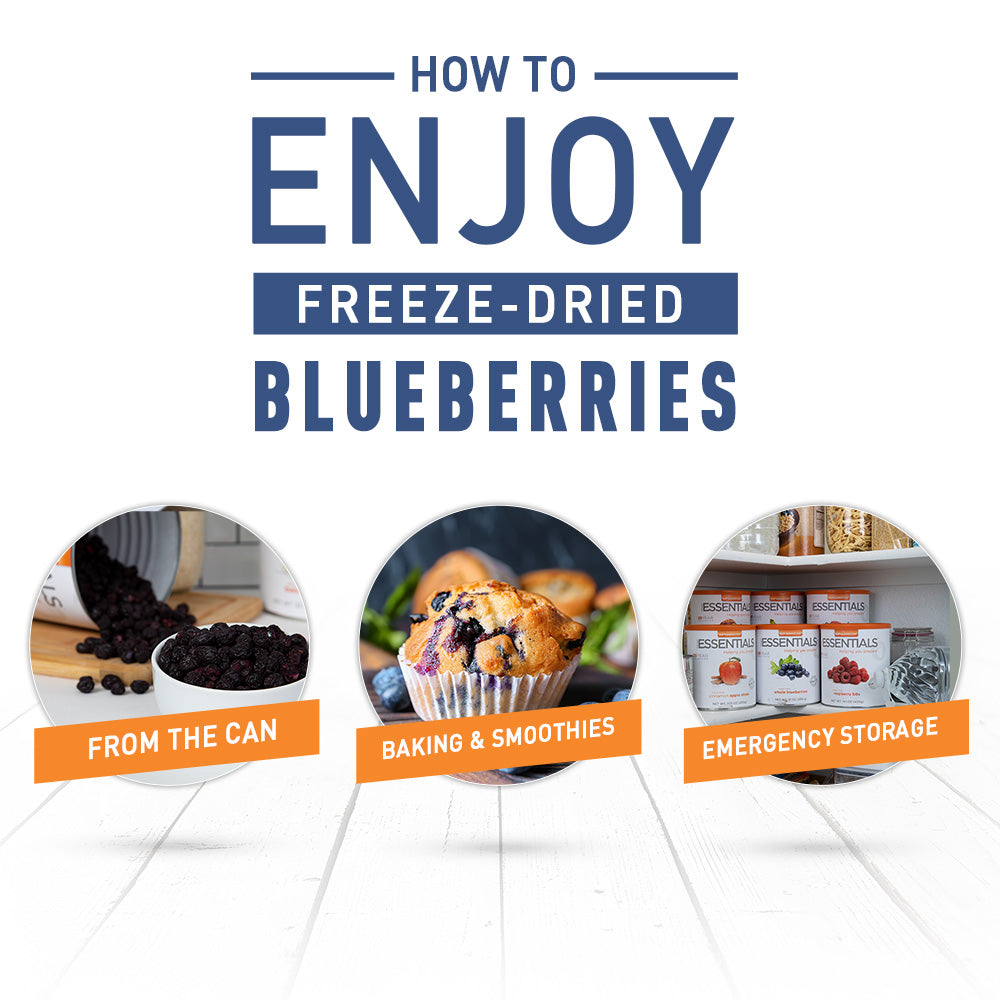
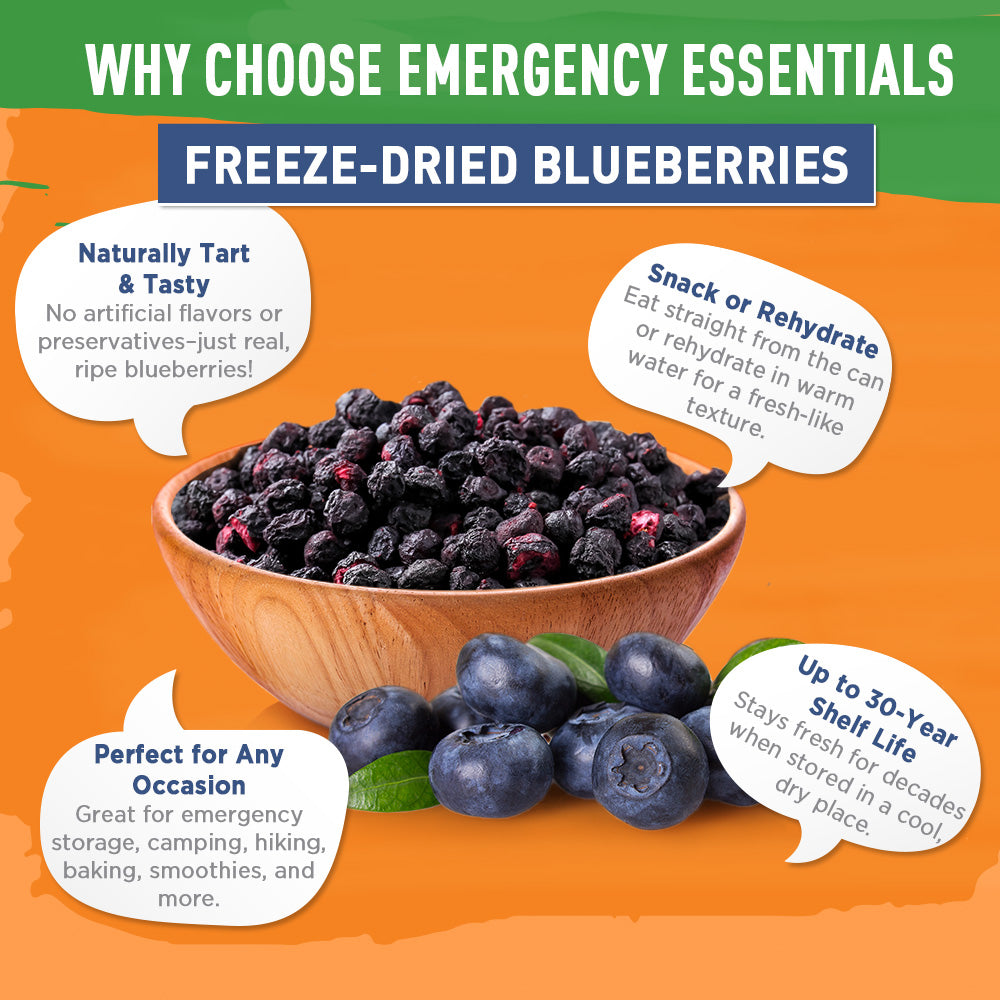
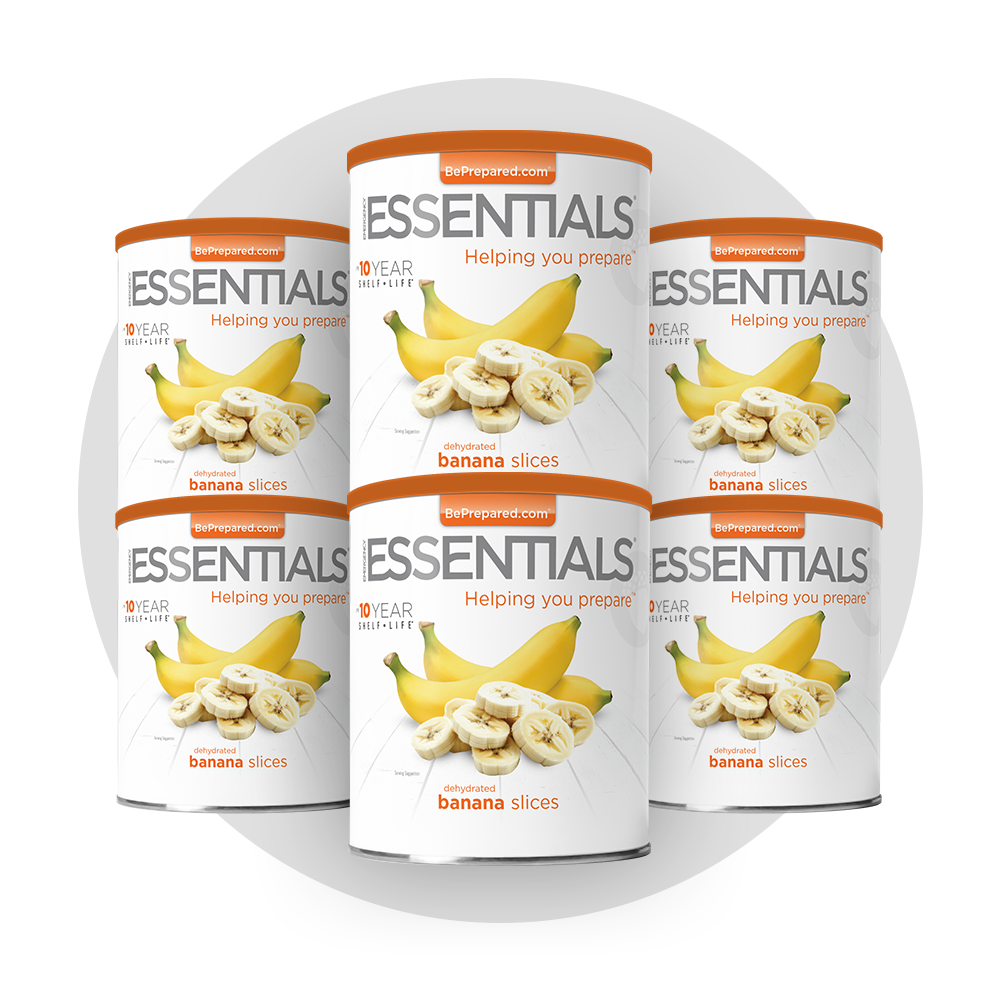
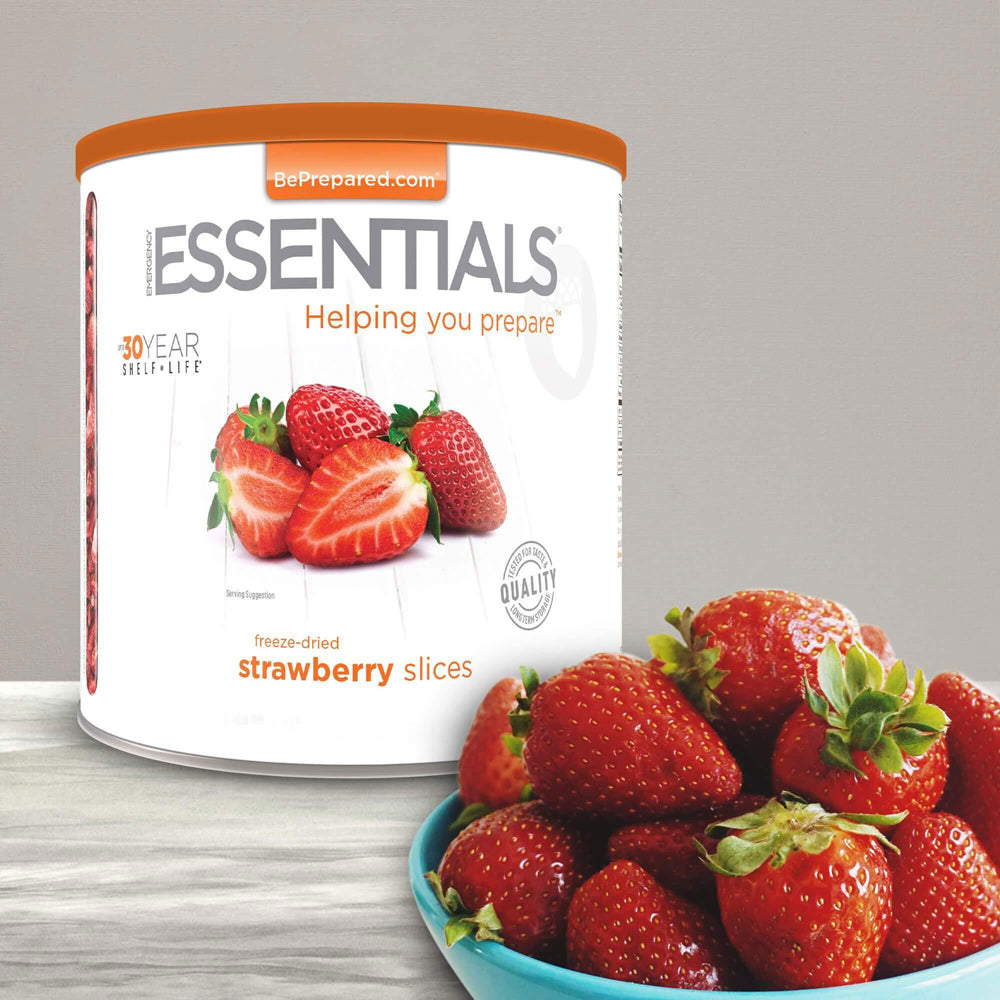
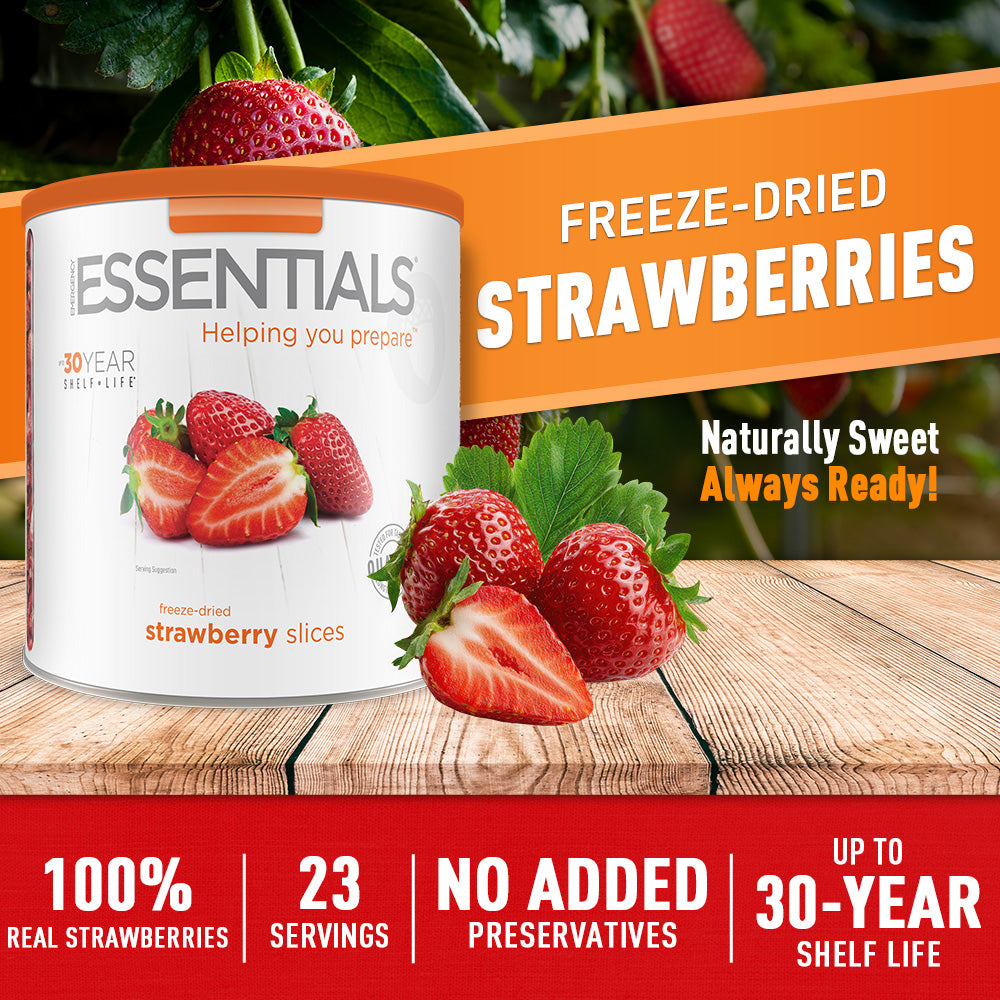
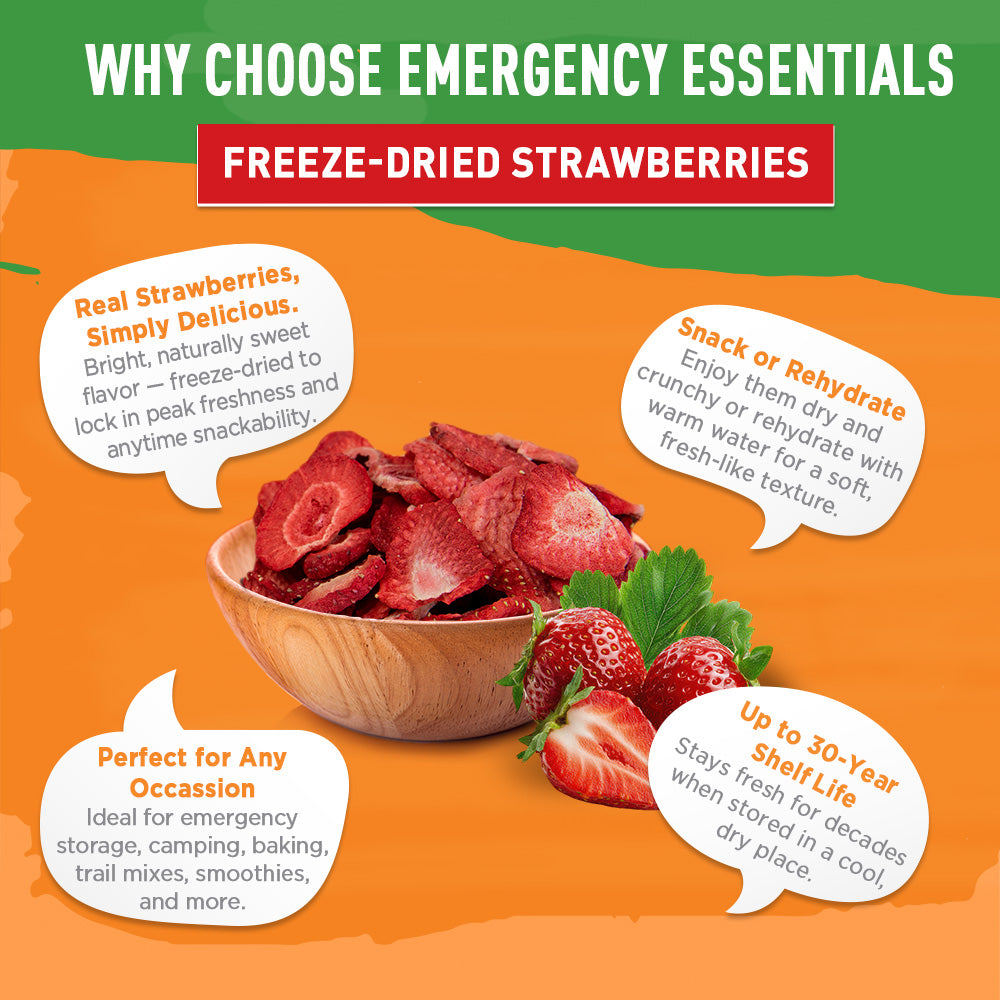
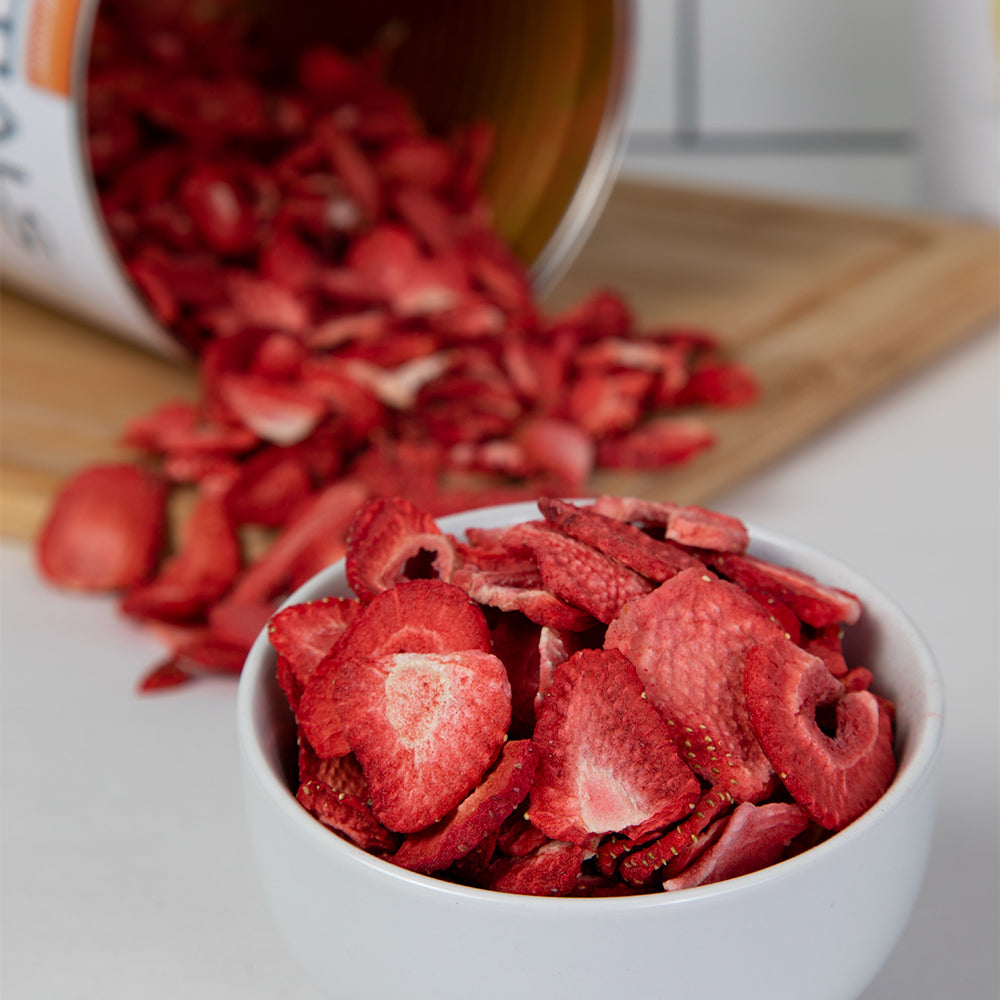
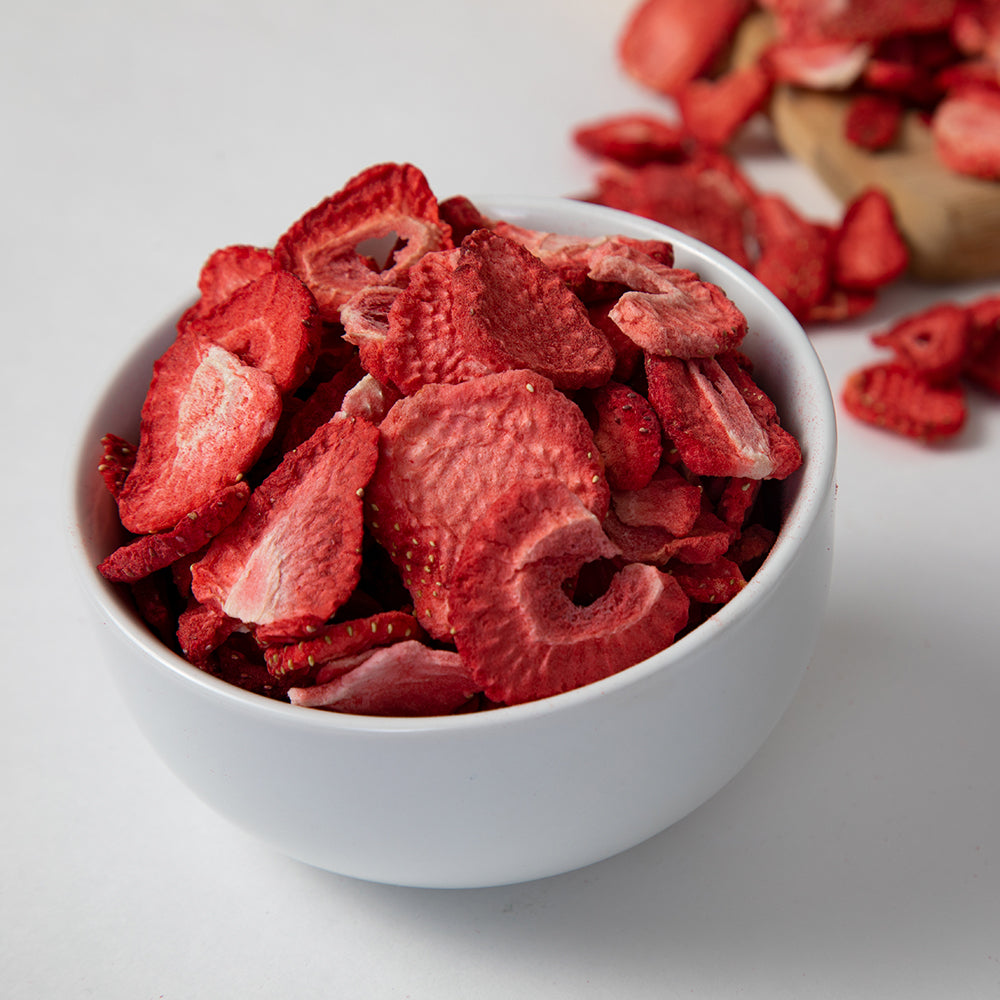
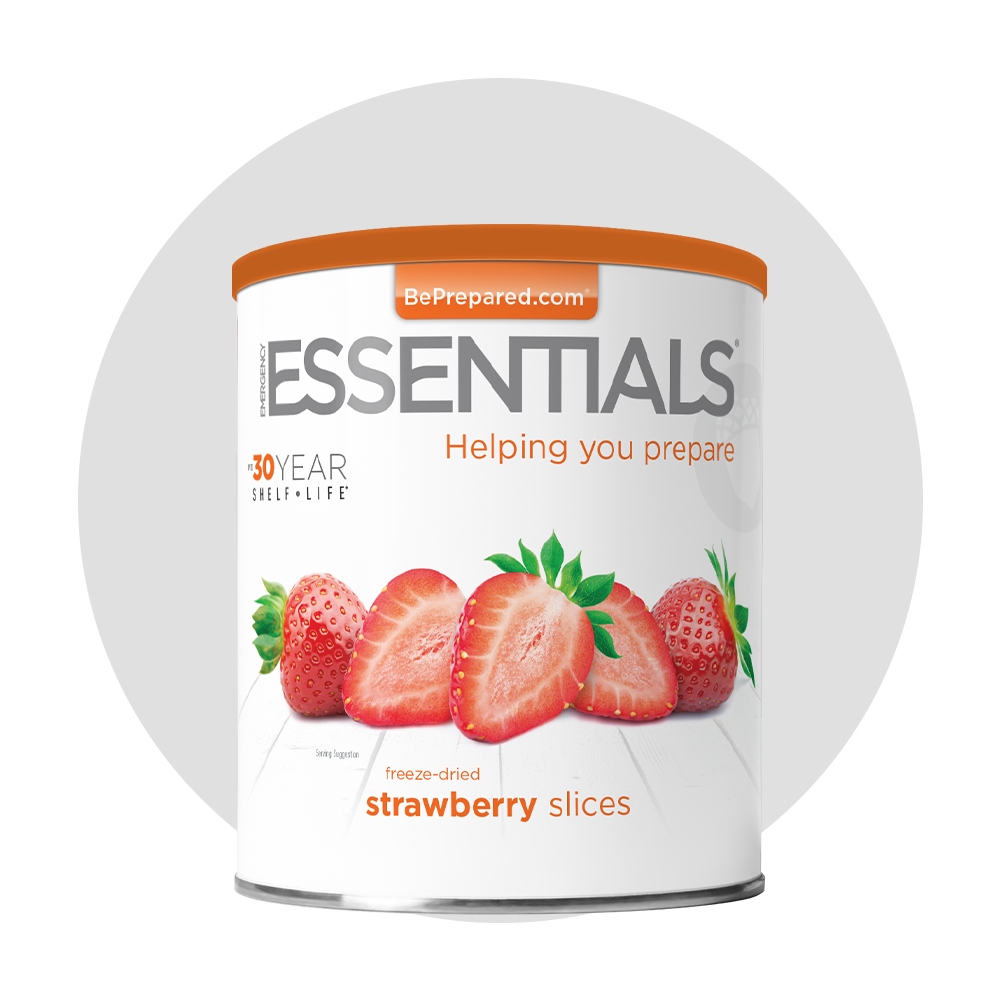
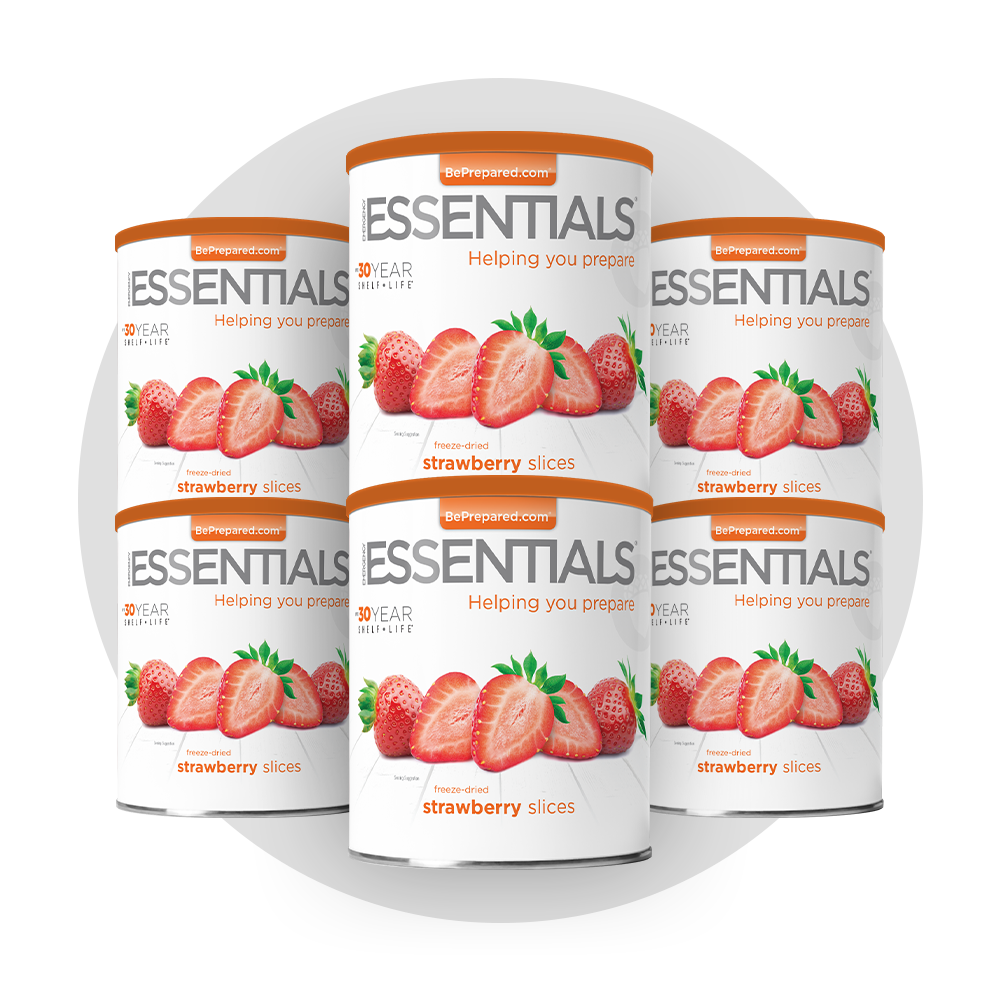
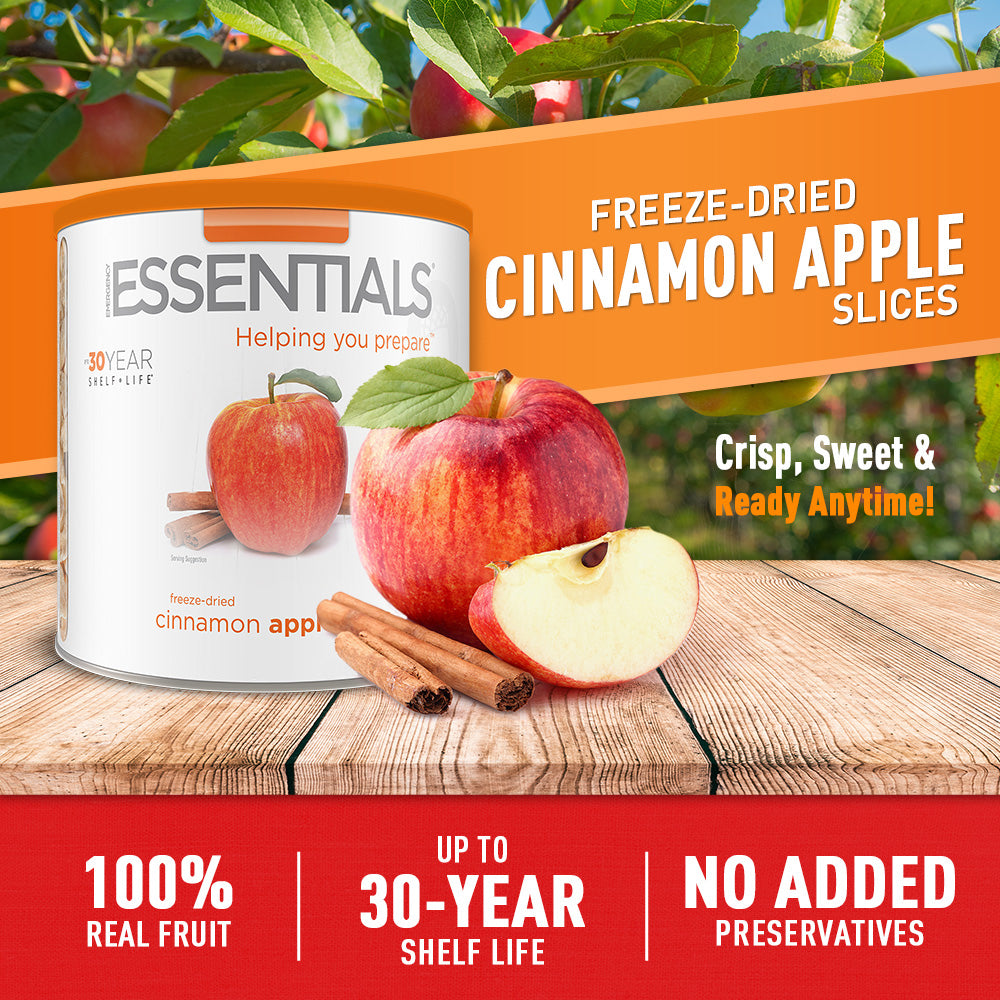
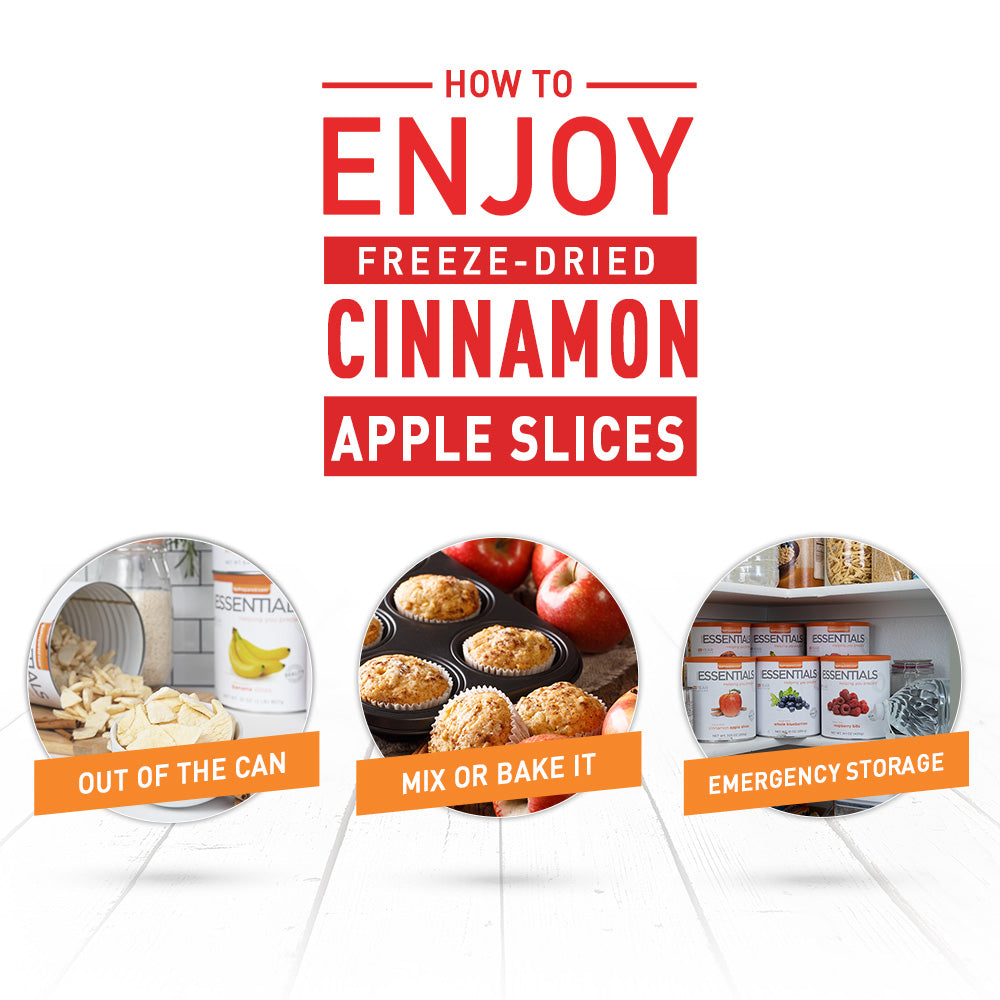
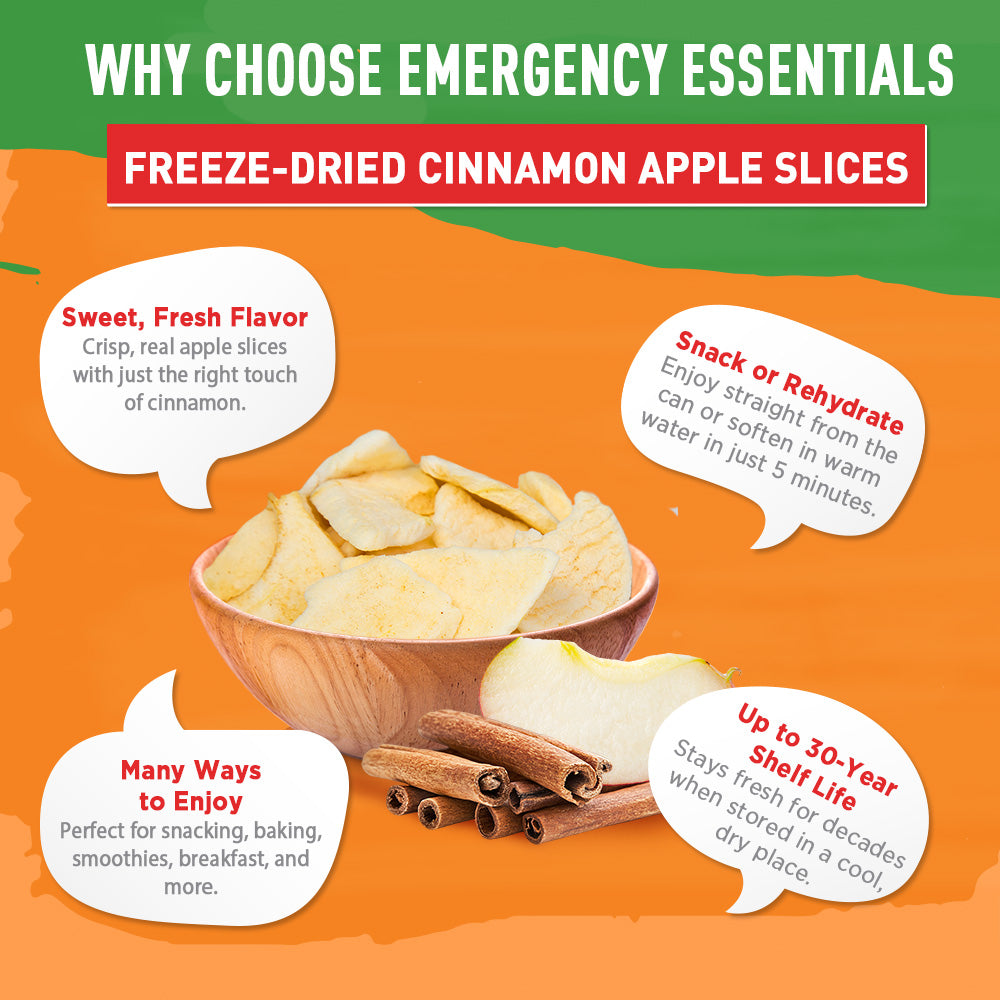
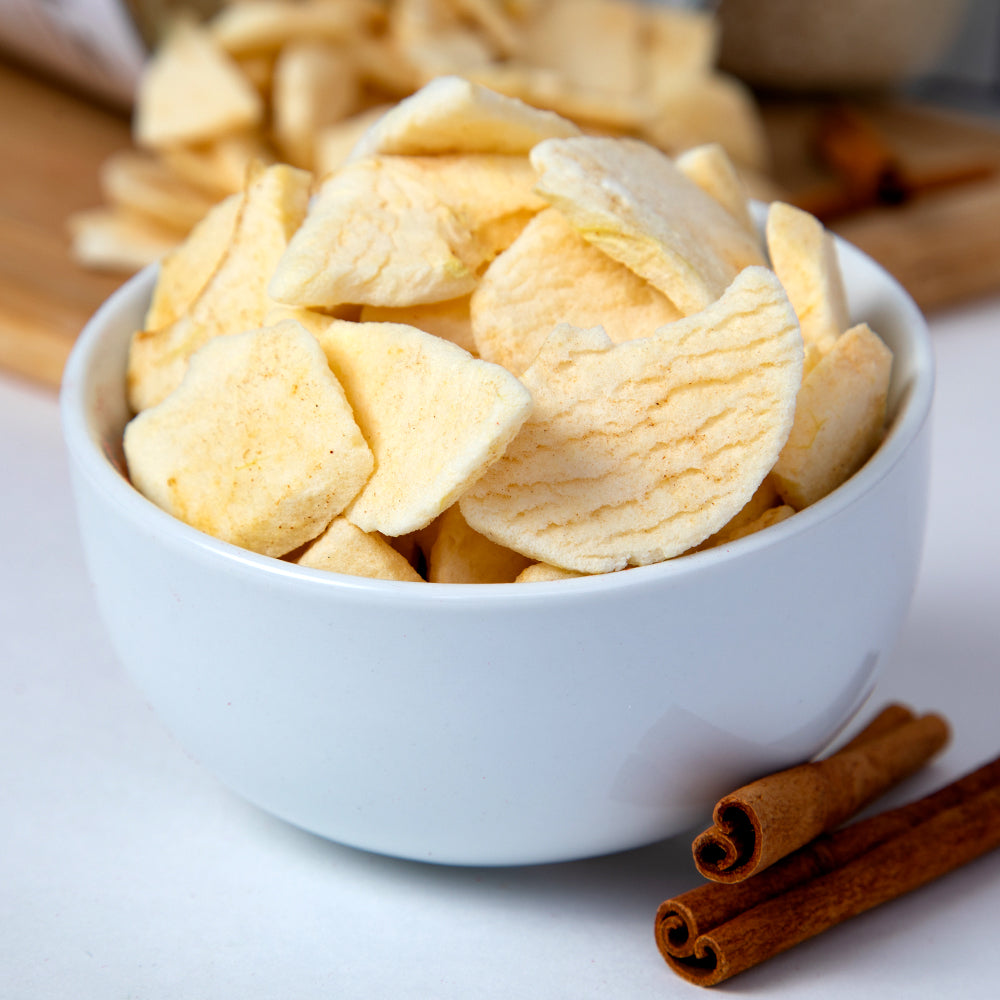
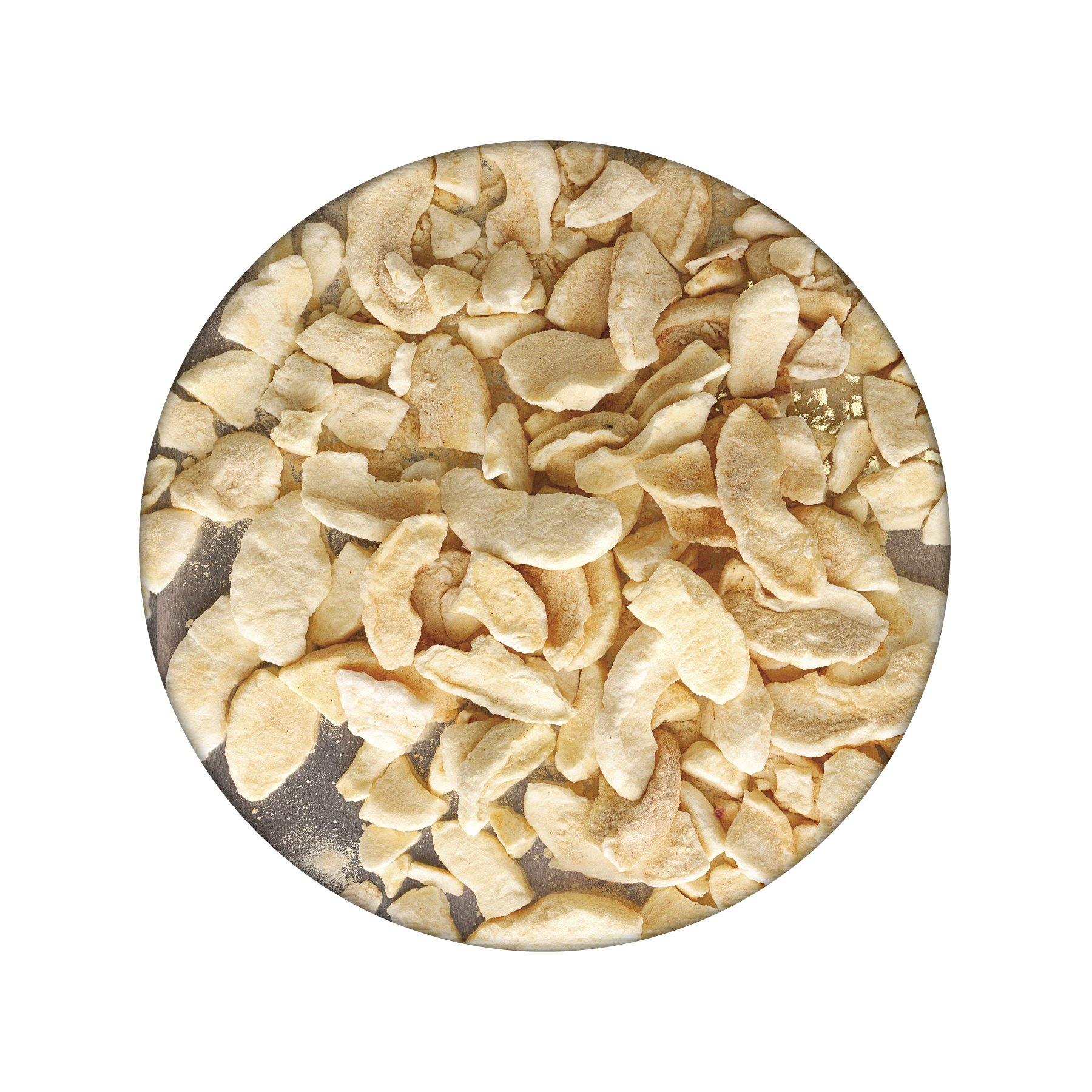
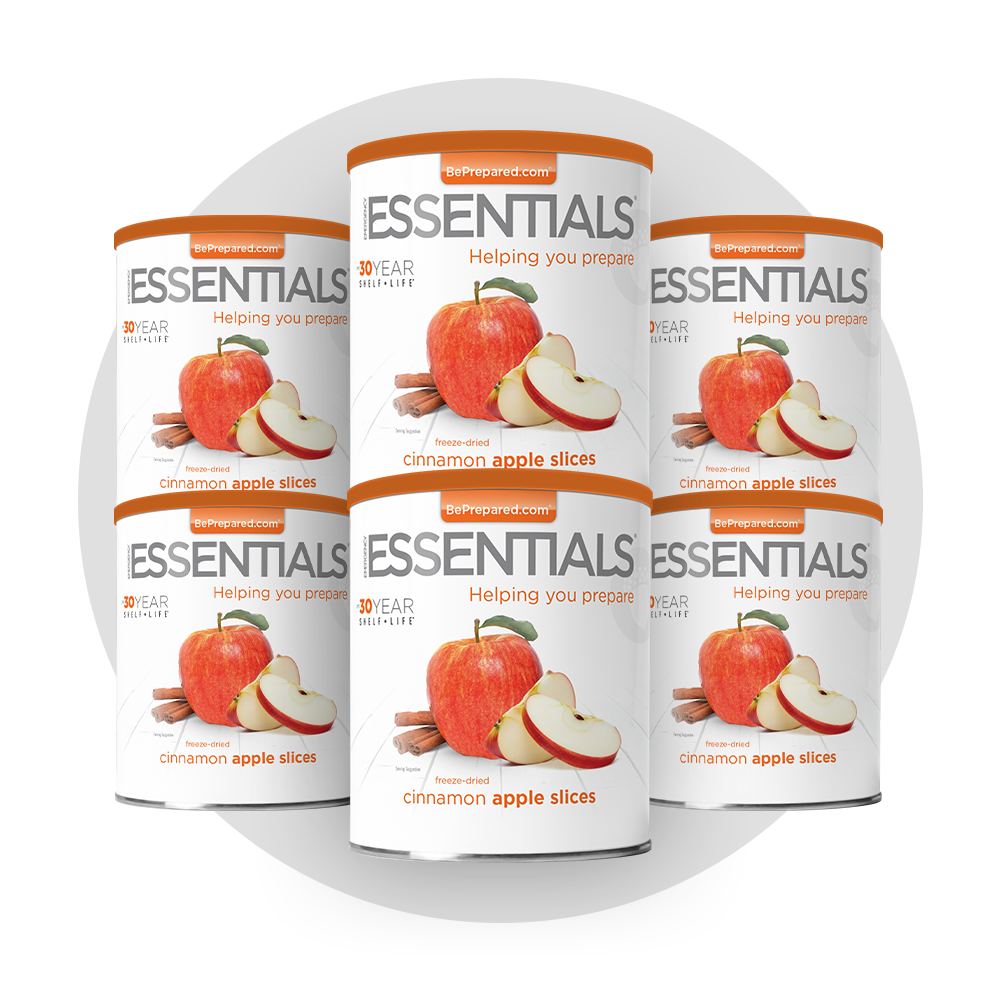
- Fruits: Strawberry slices, raspberries, blueberries, peach slices, and apple slices
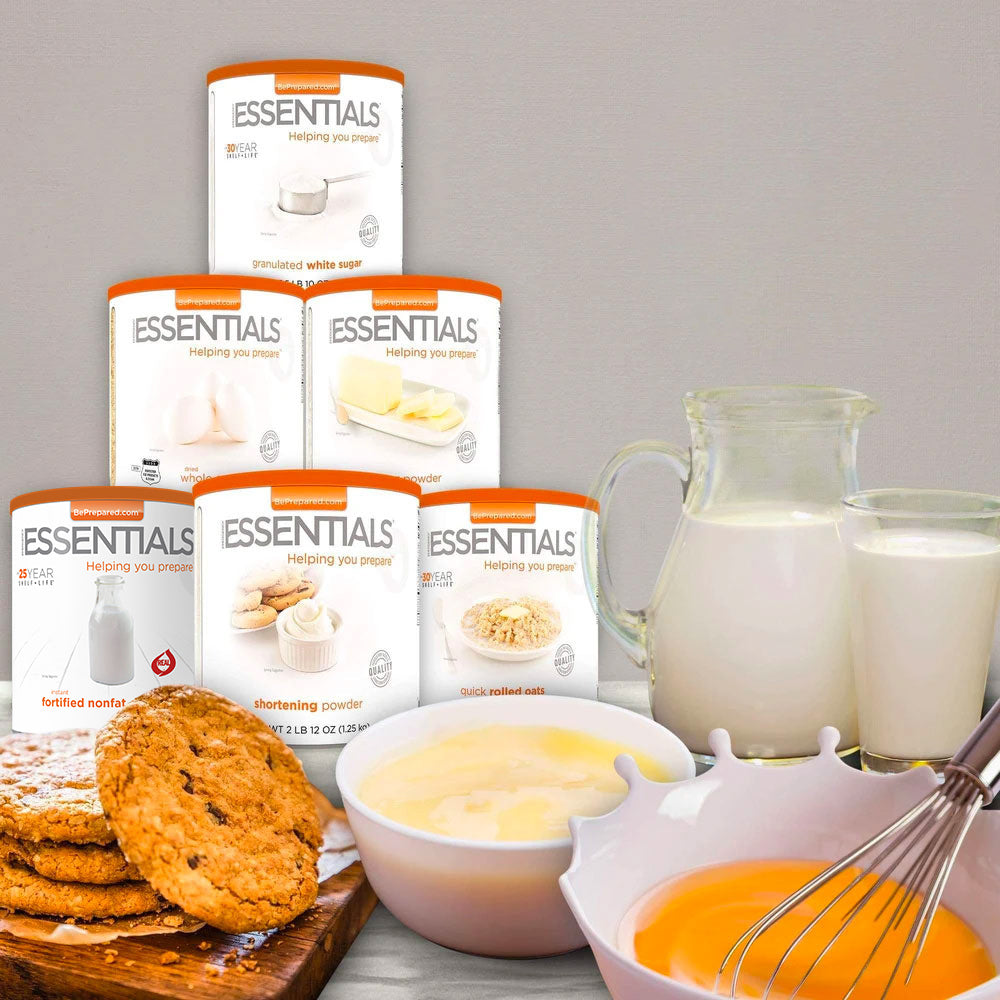
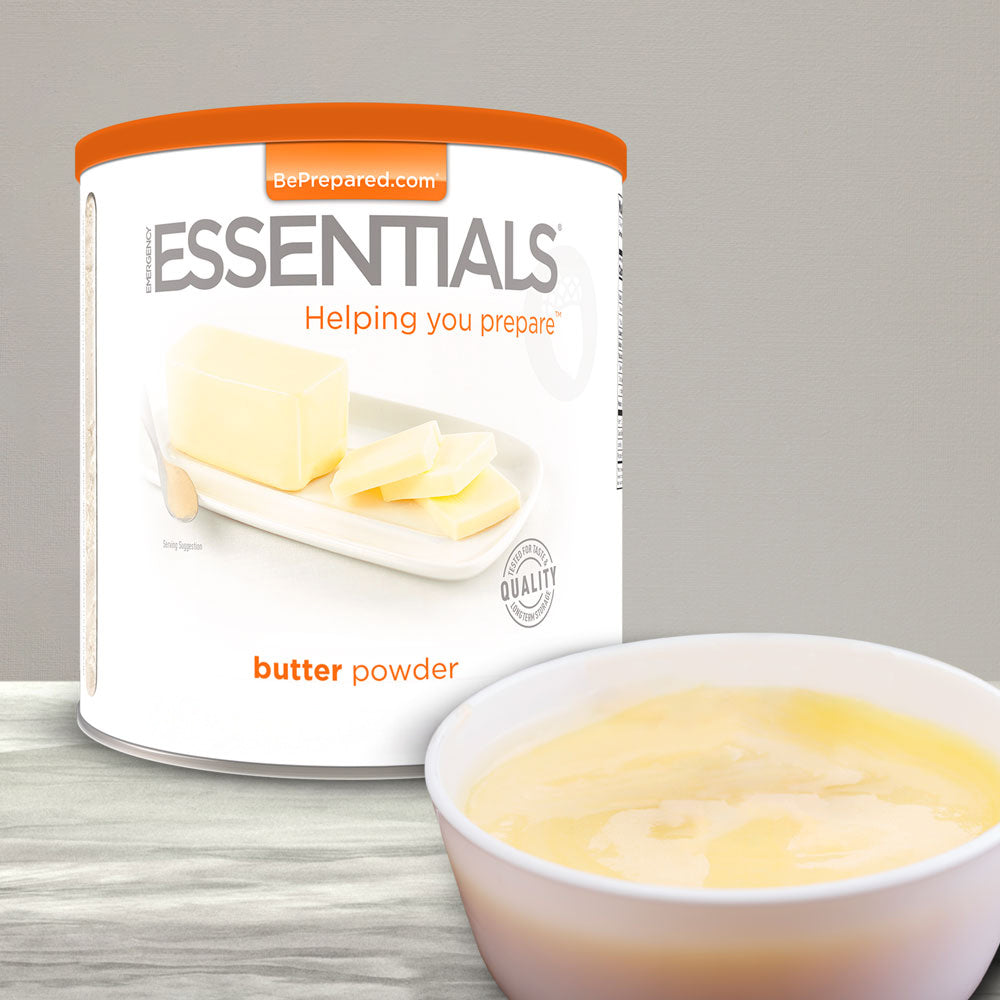
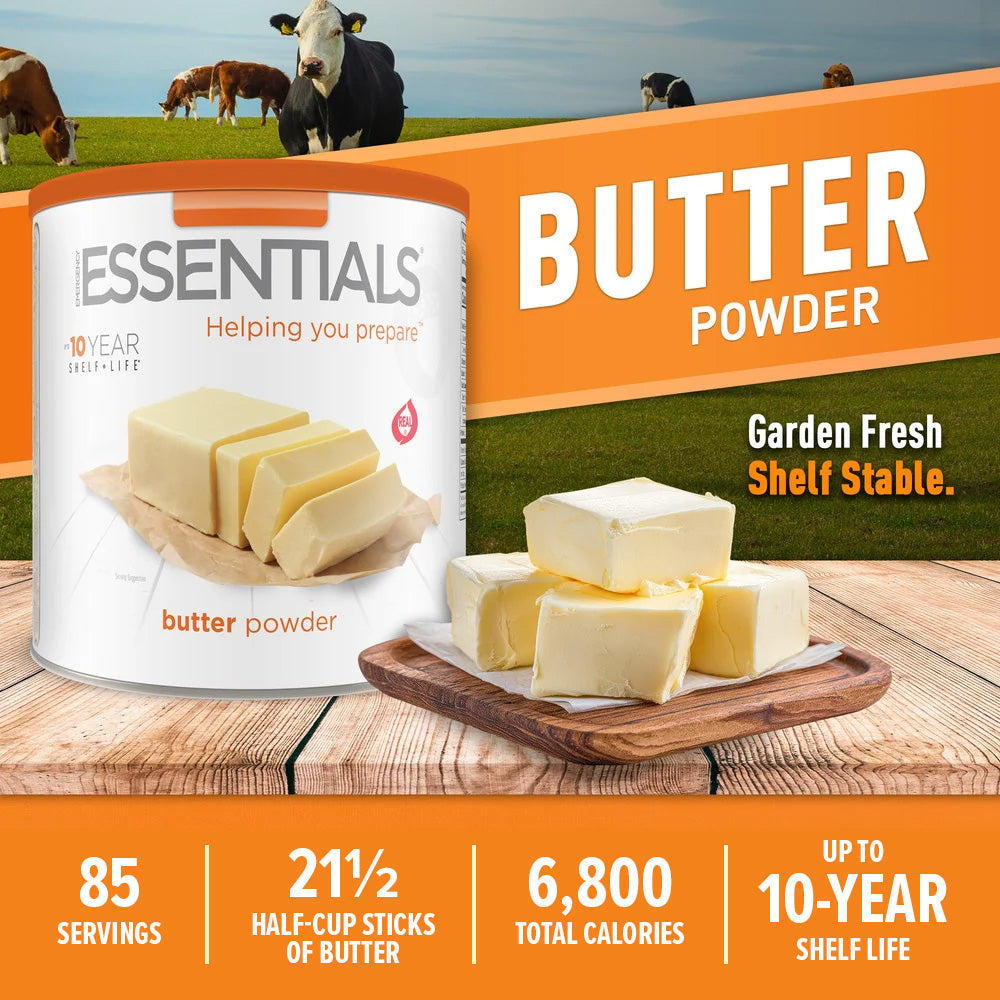
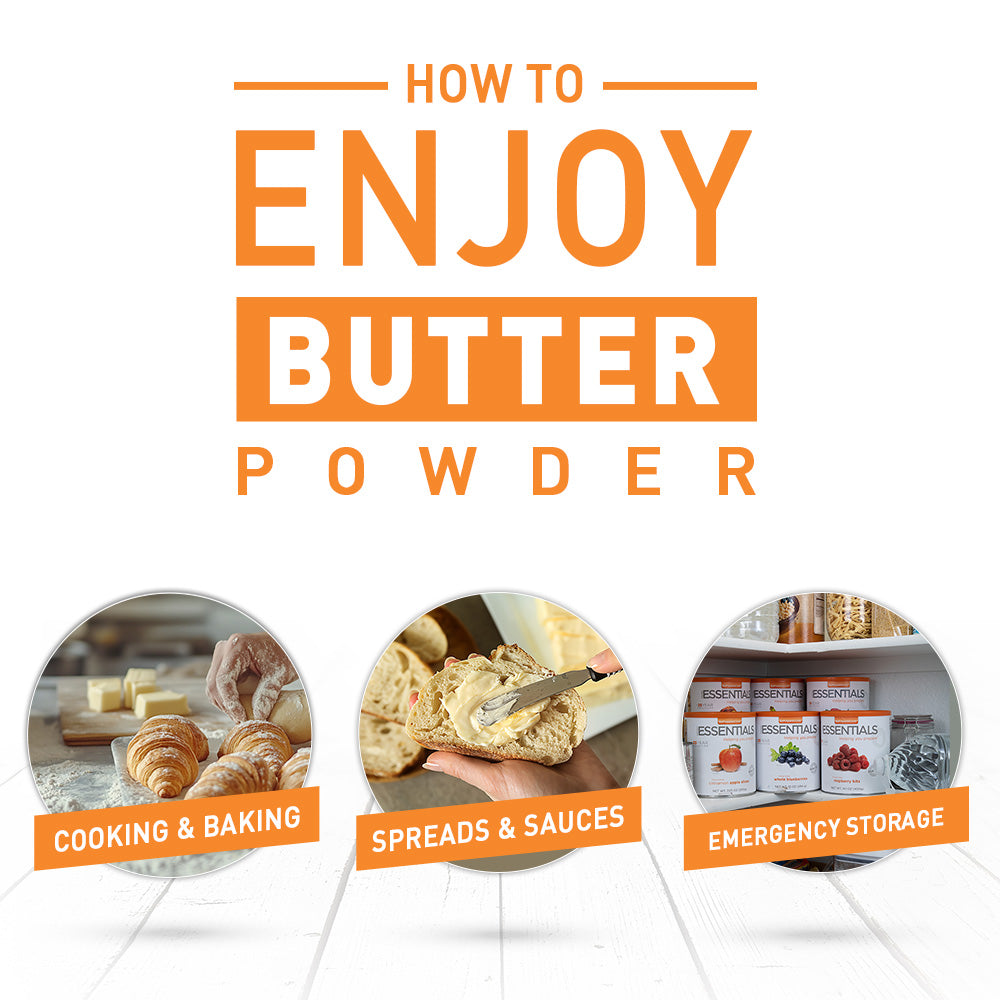
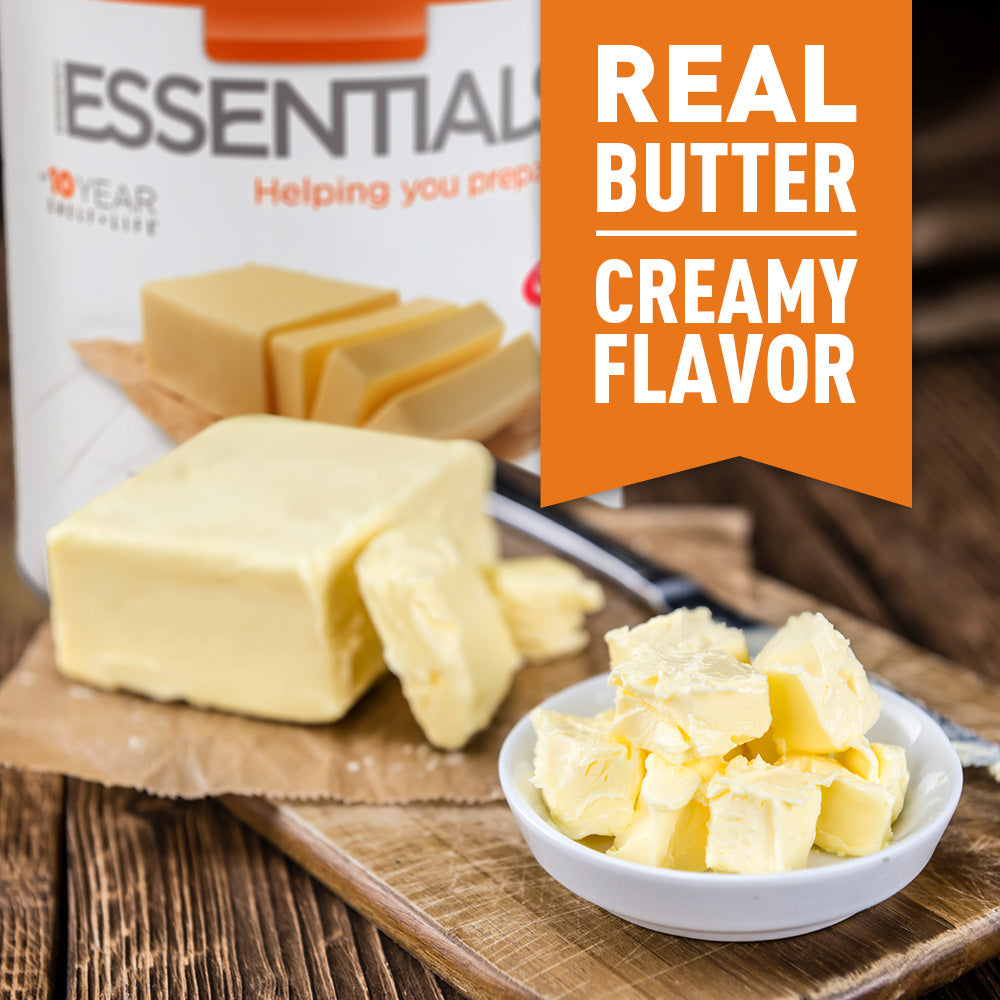
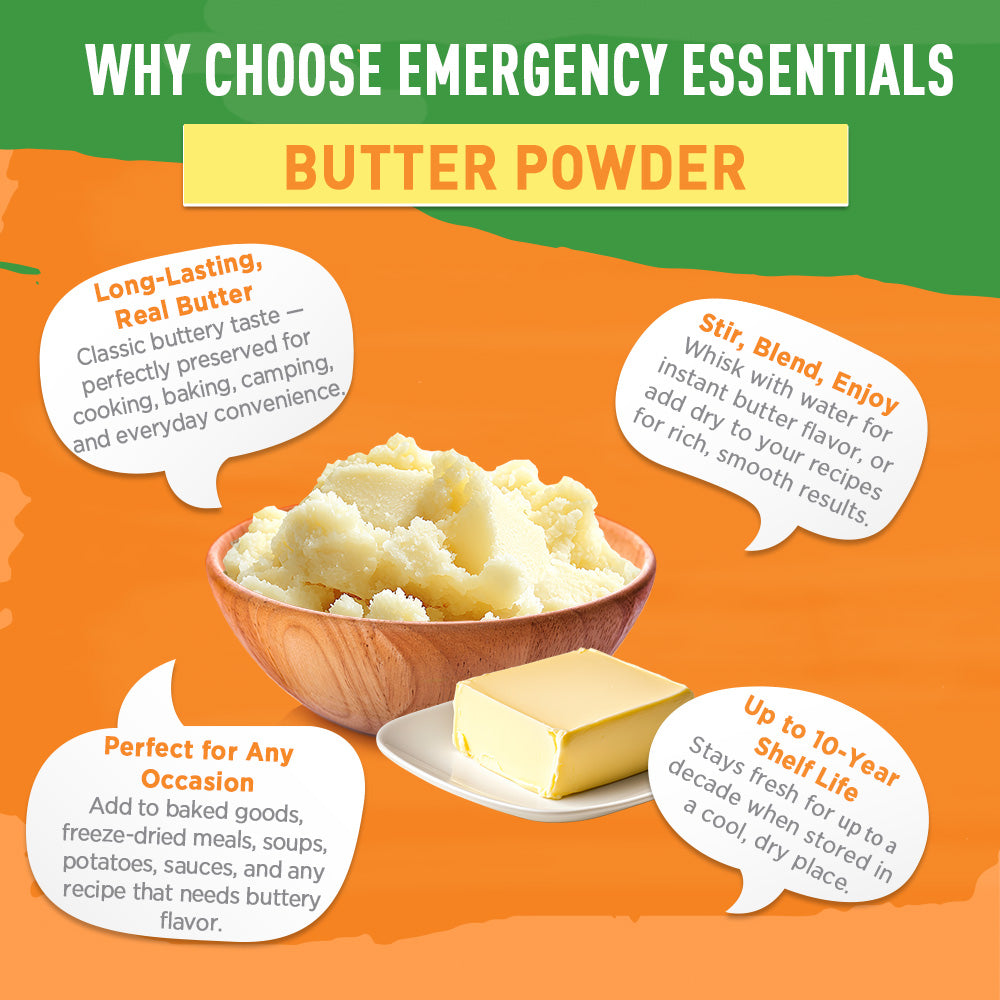
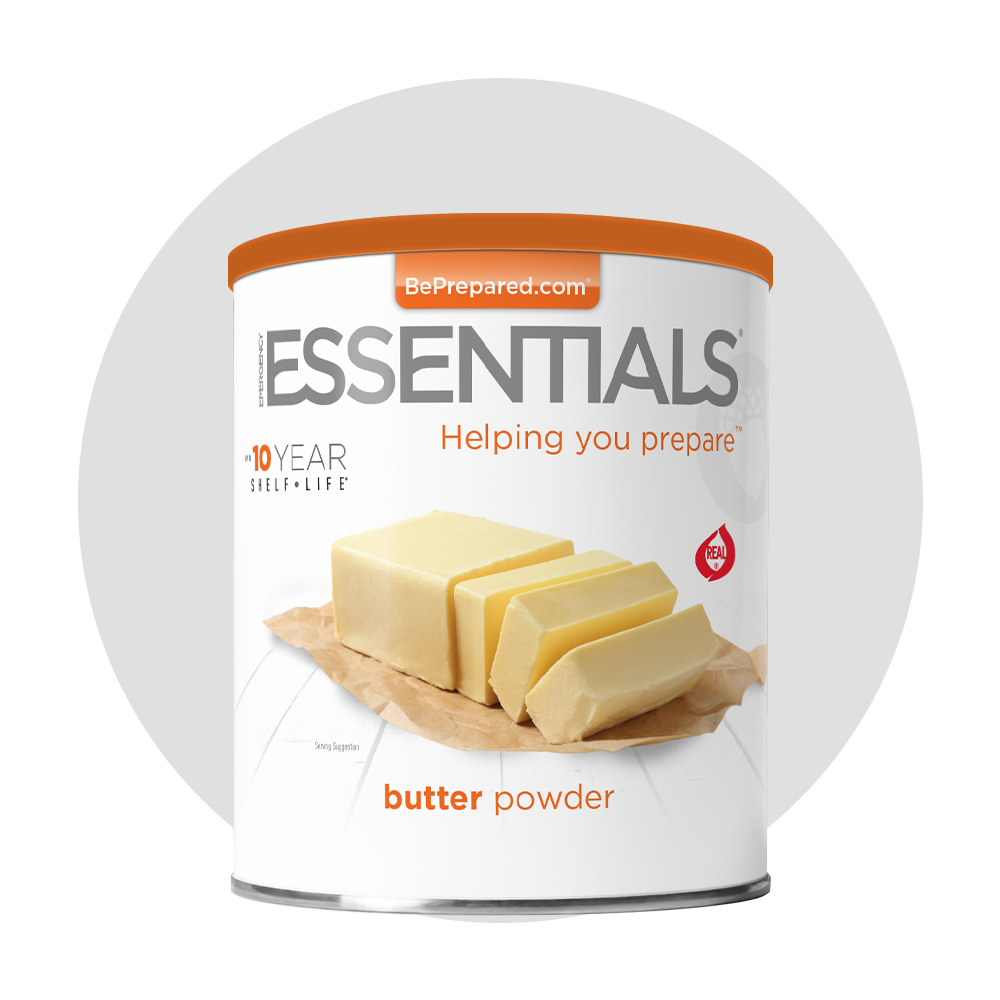
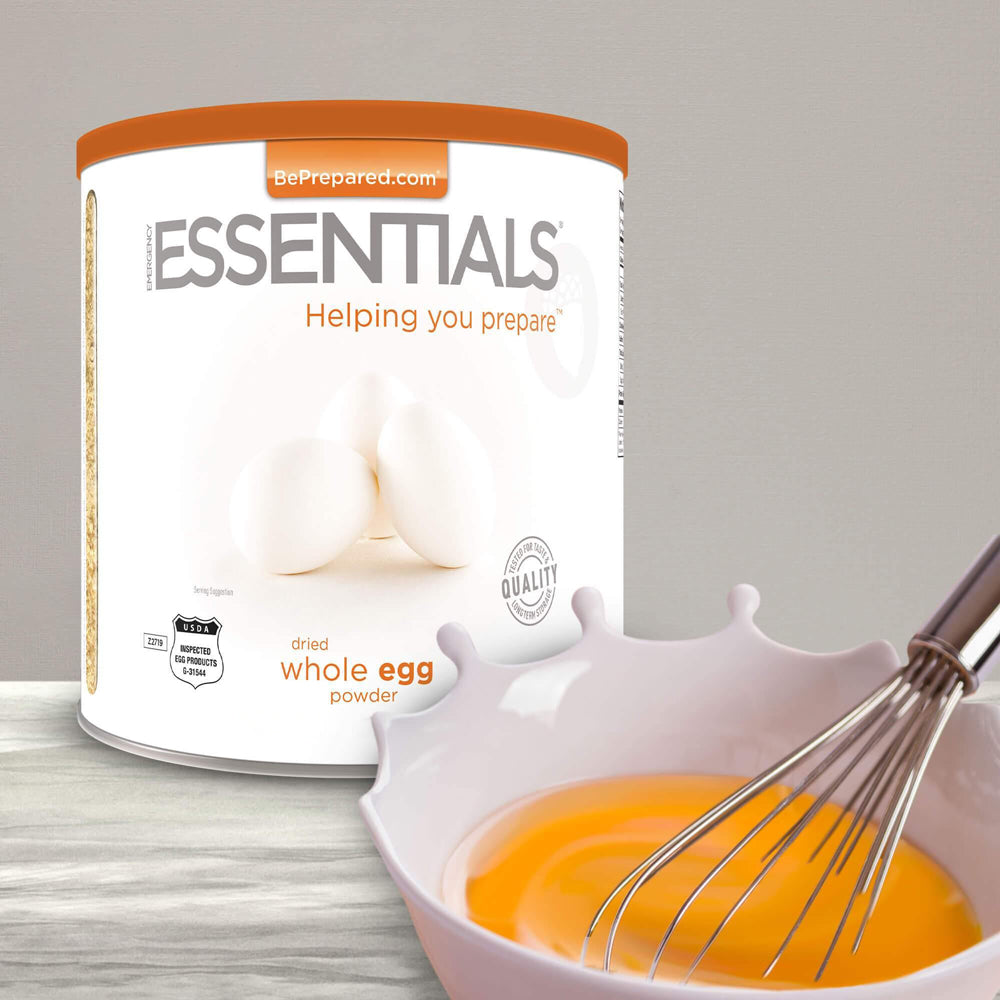
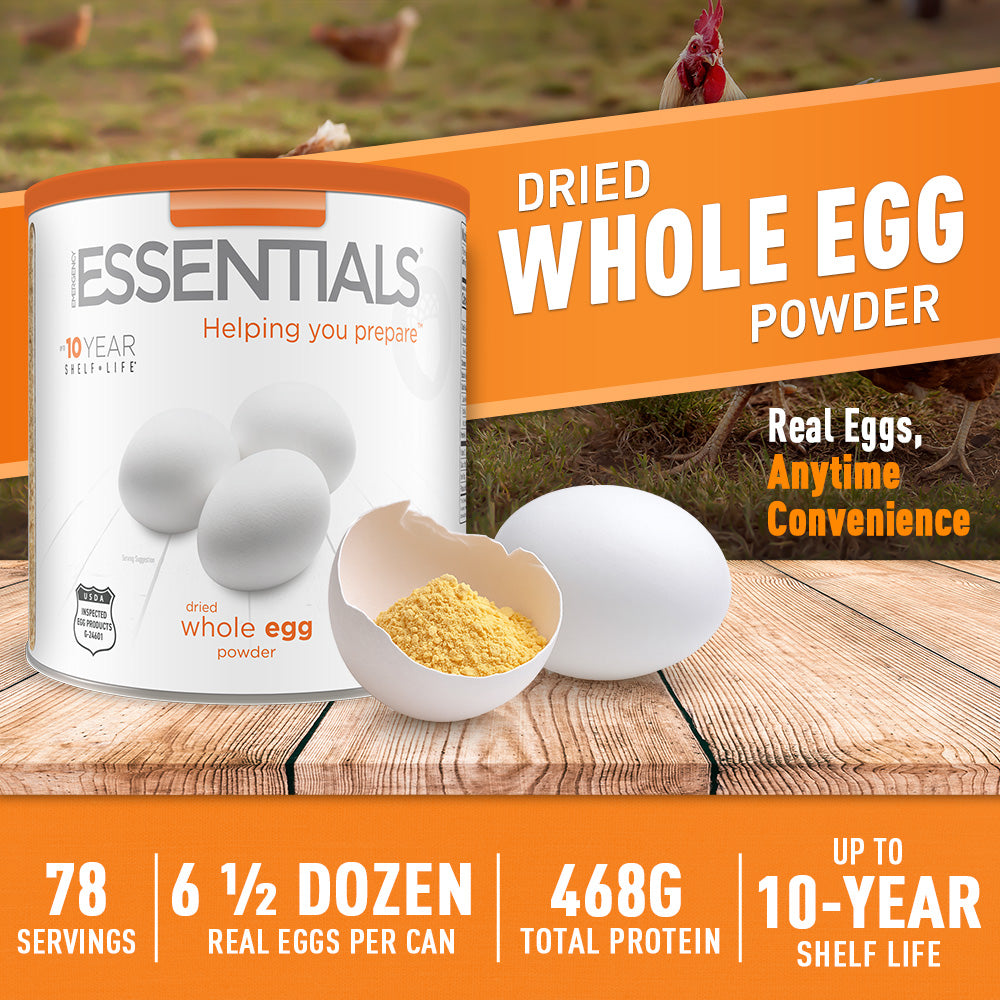
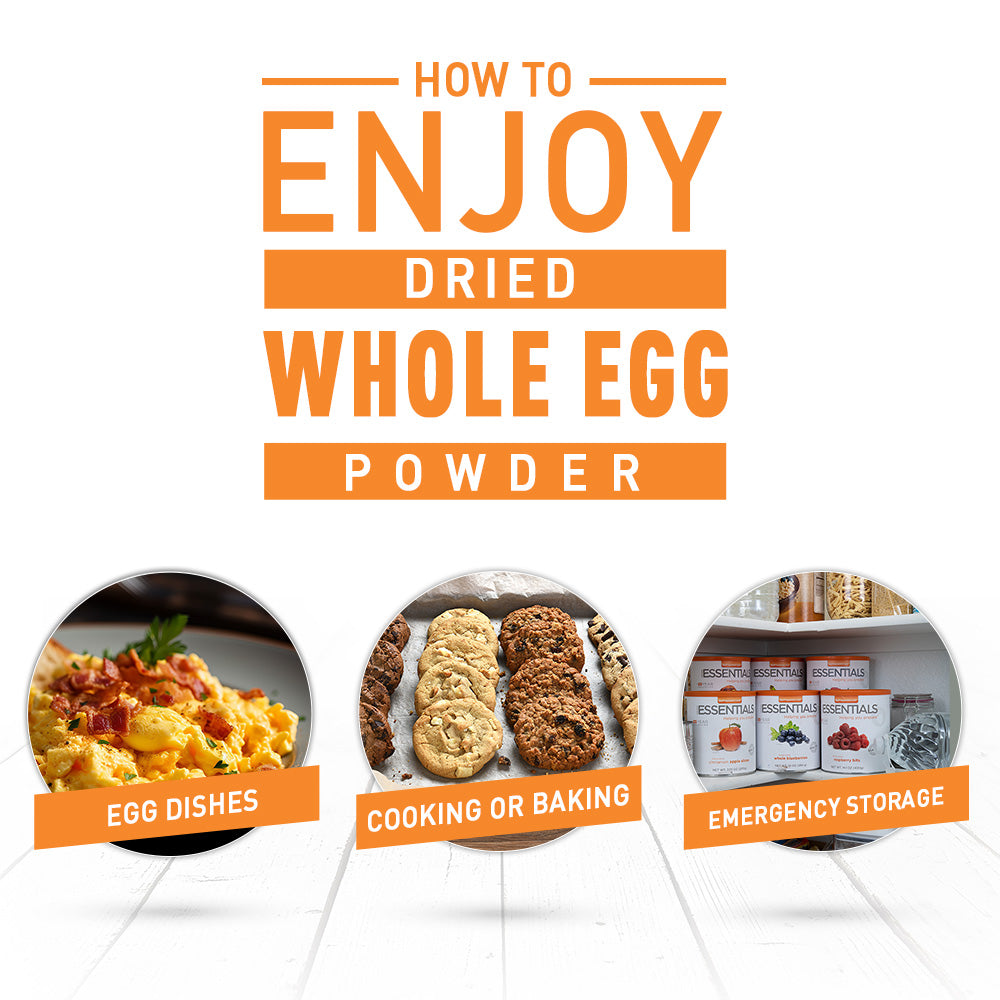
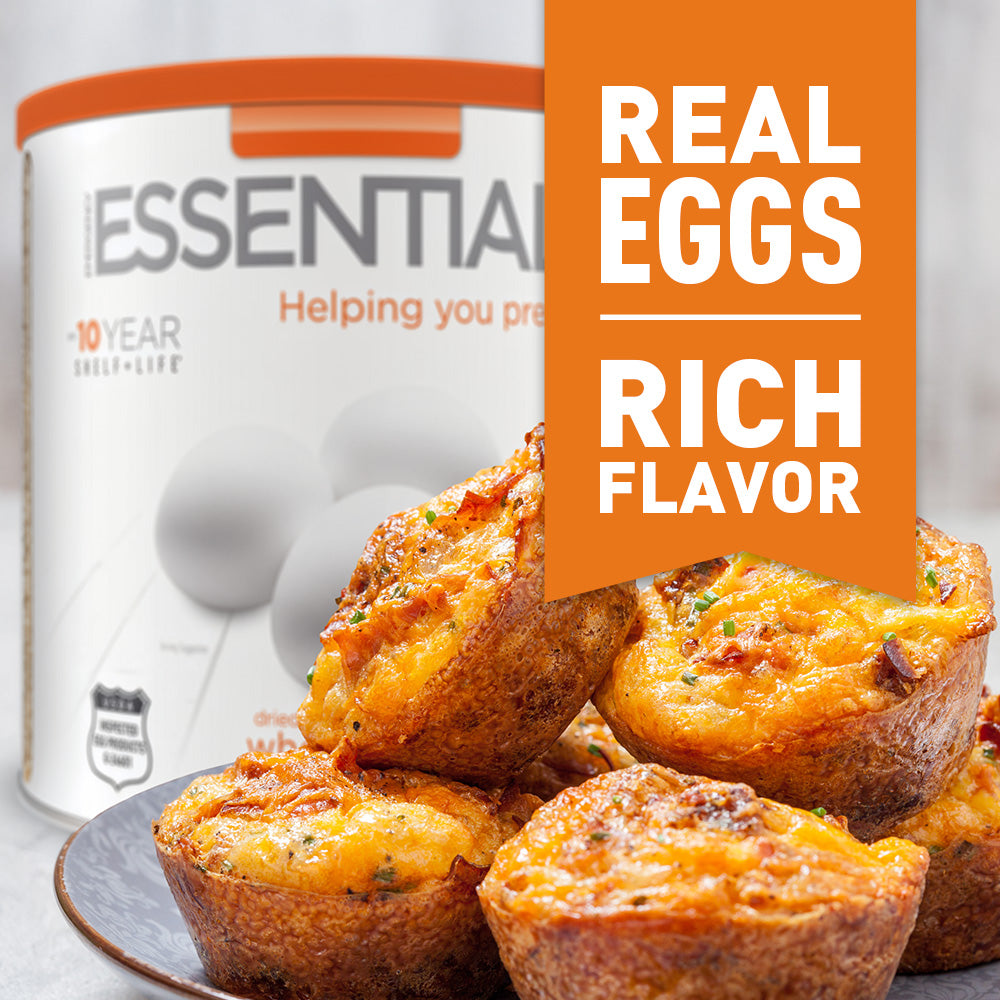
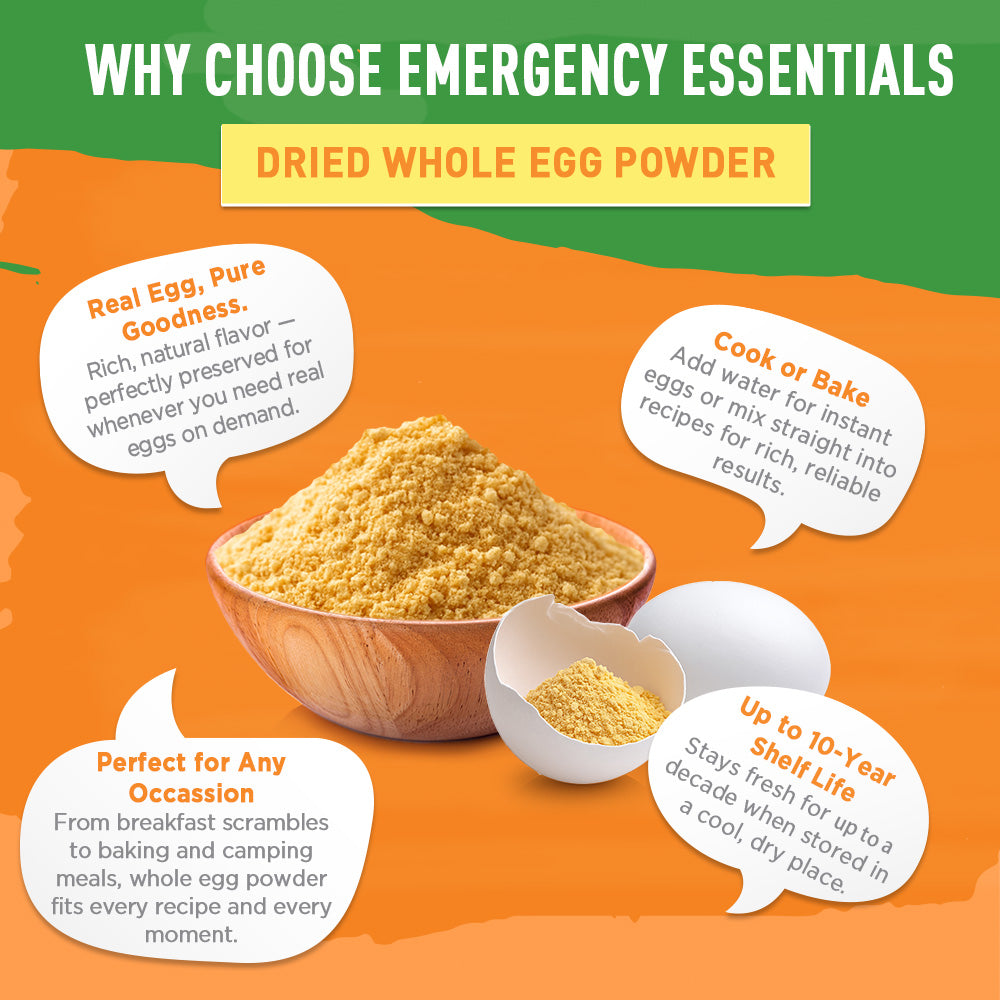
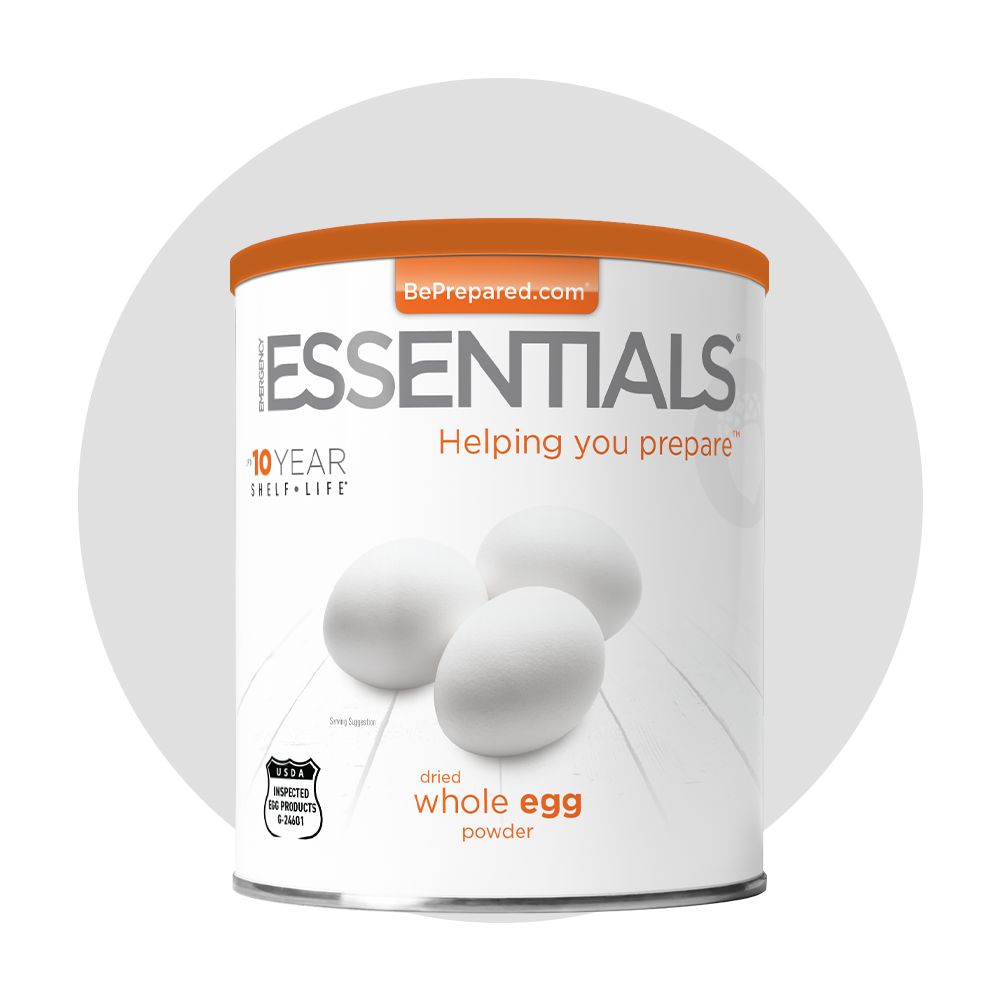
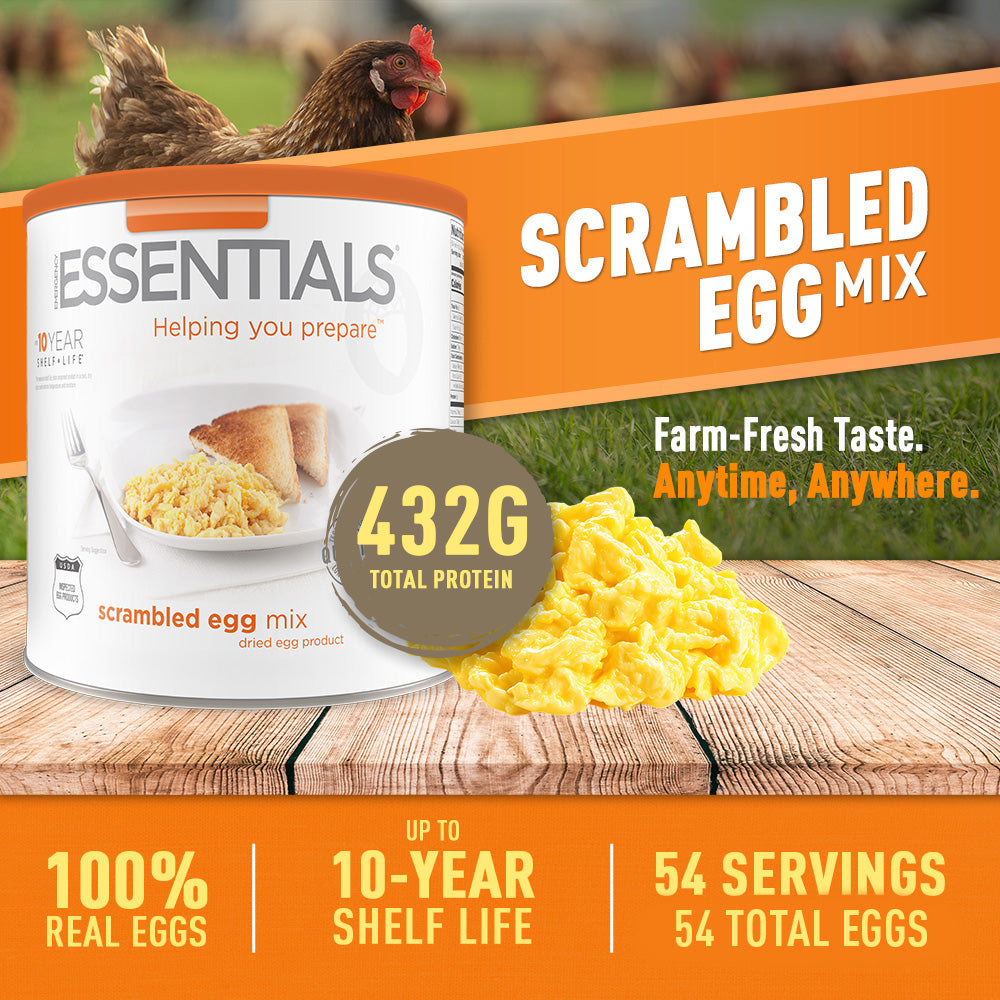
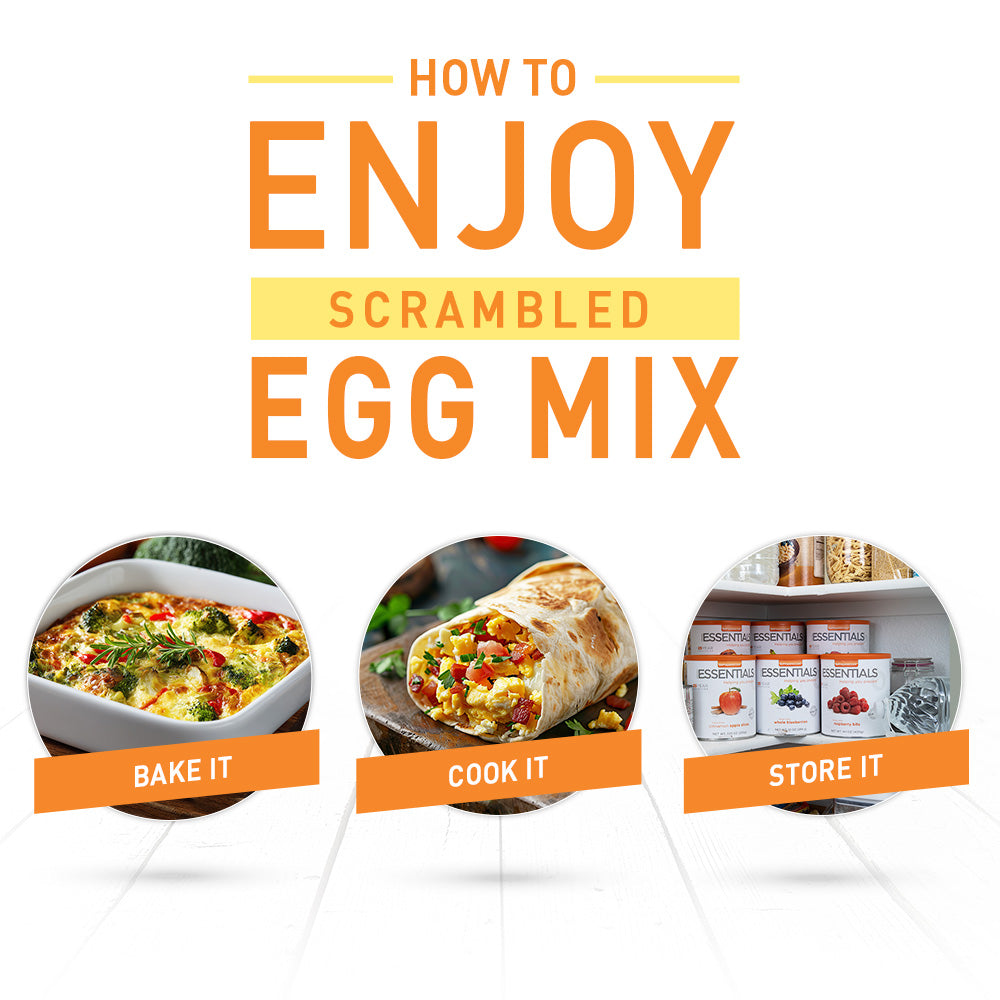
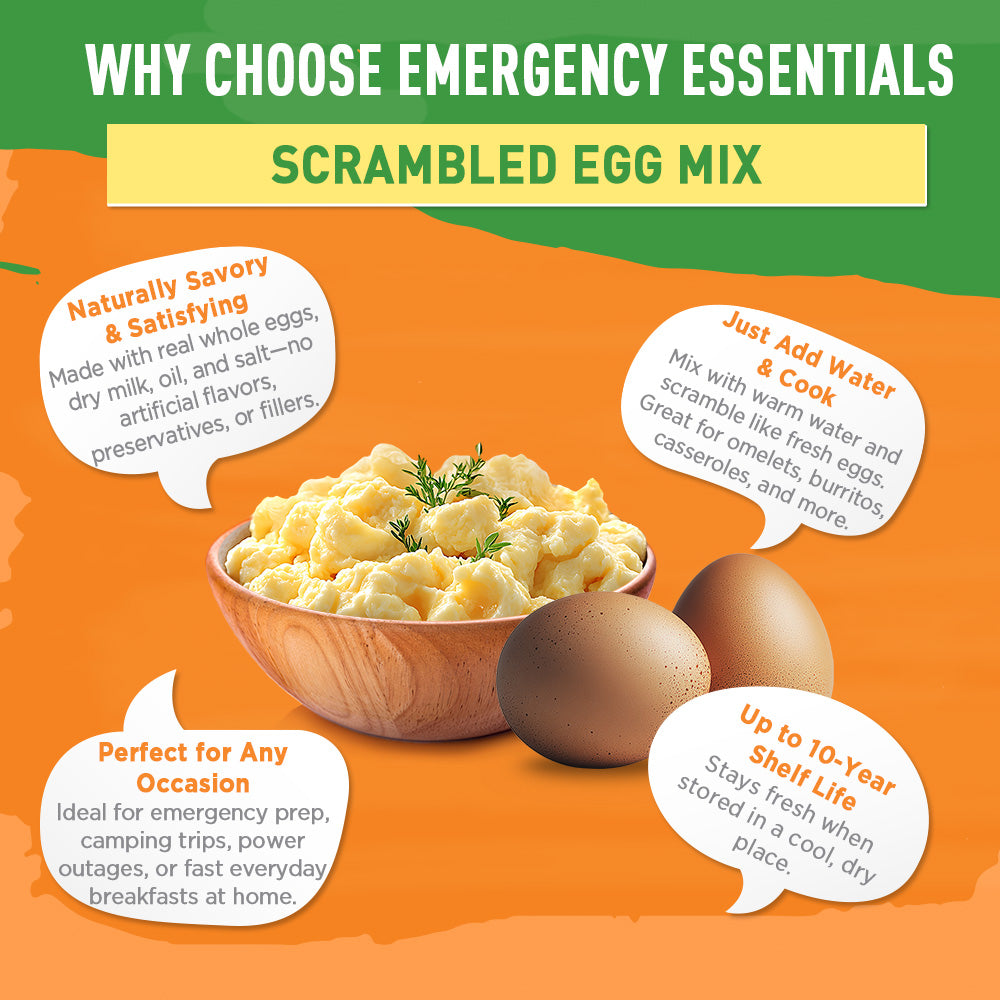
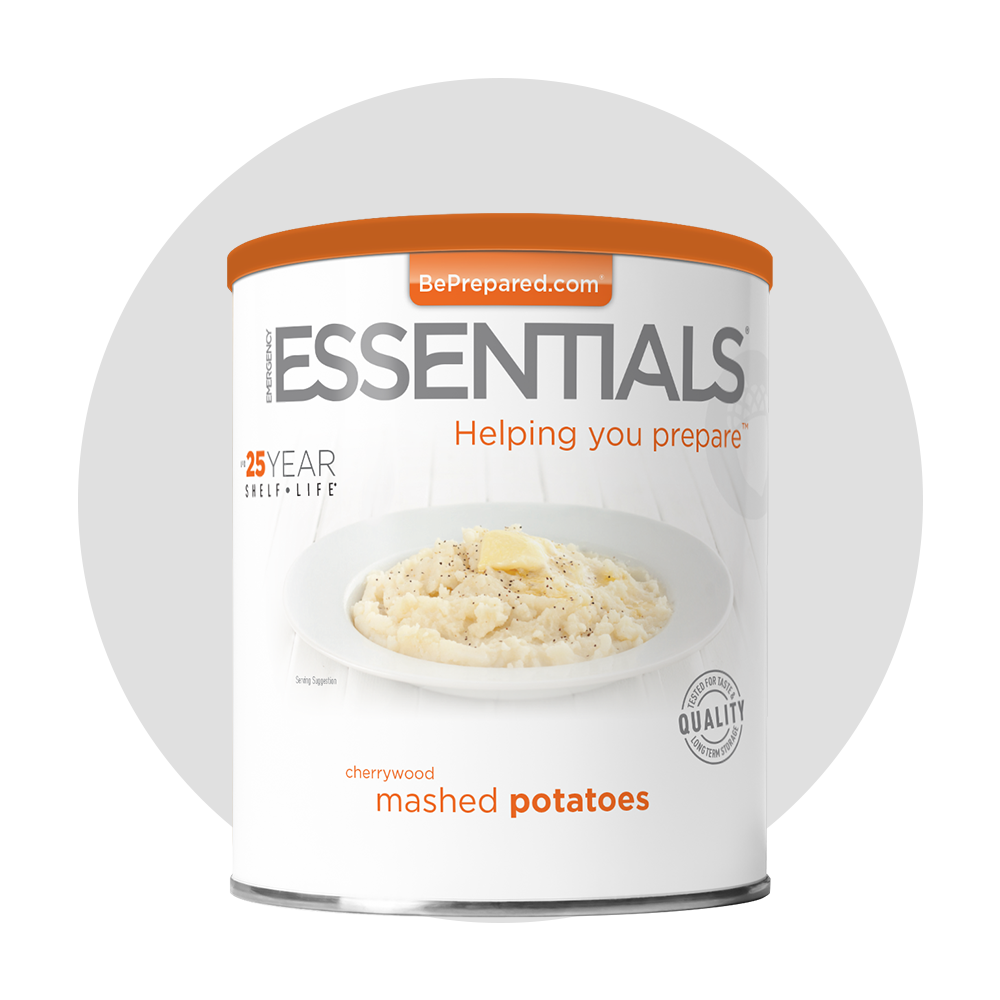
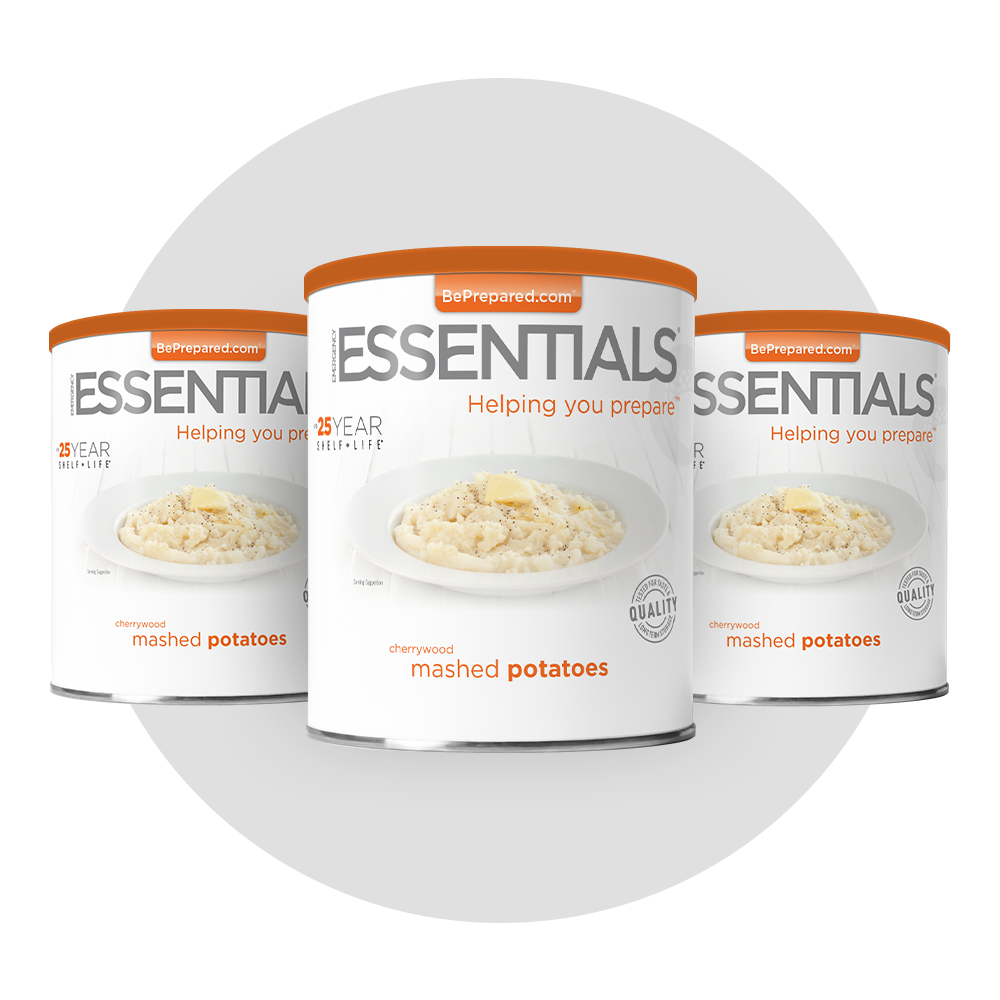
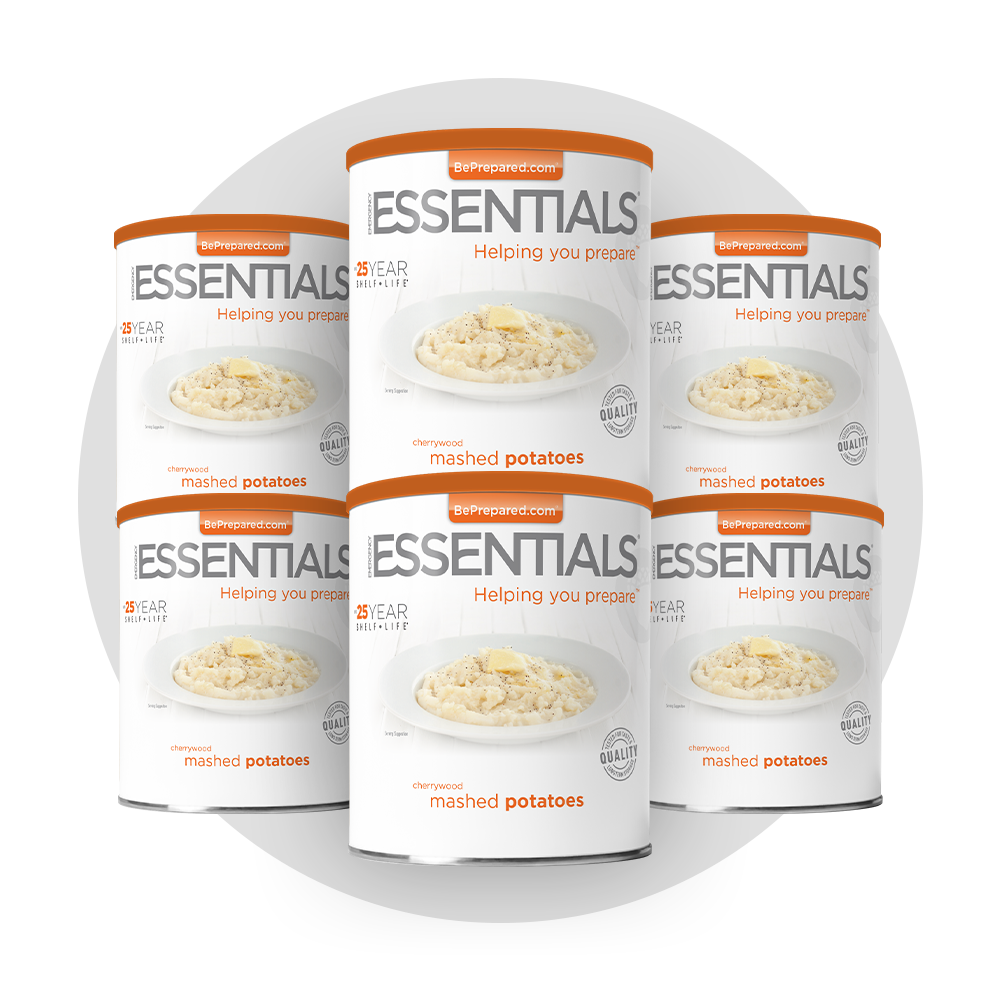
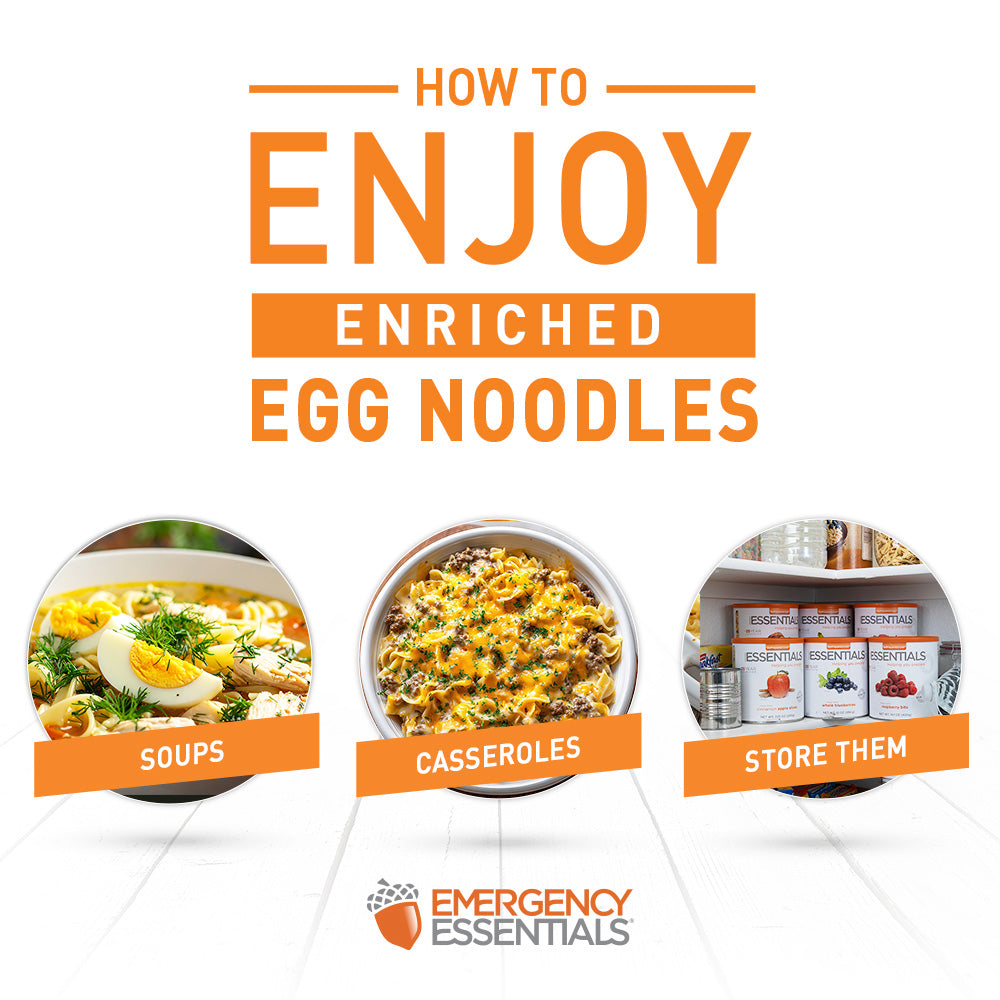
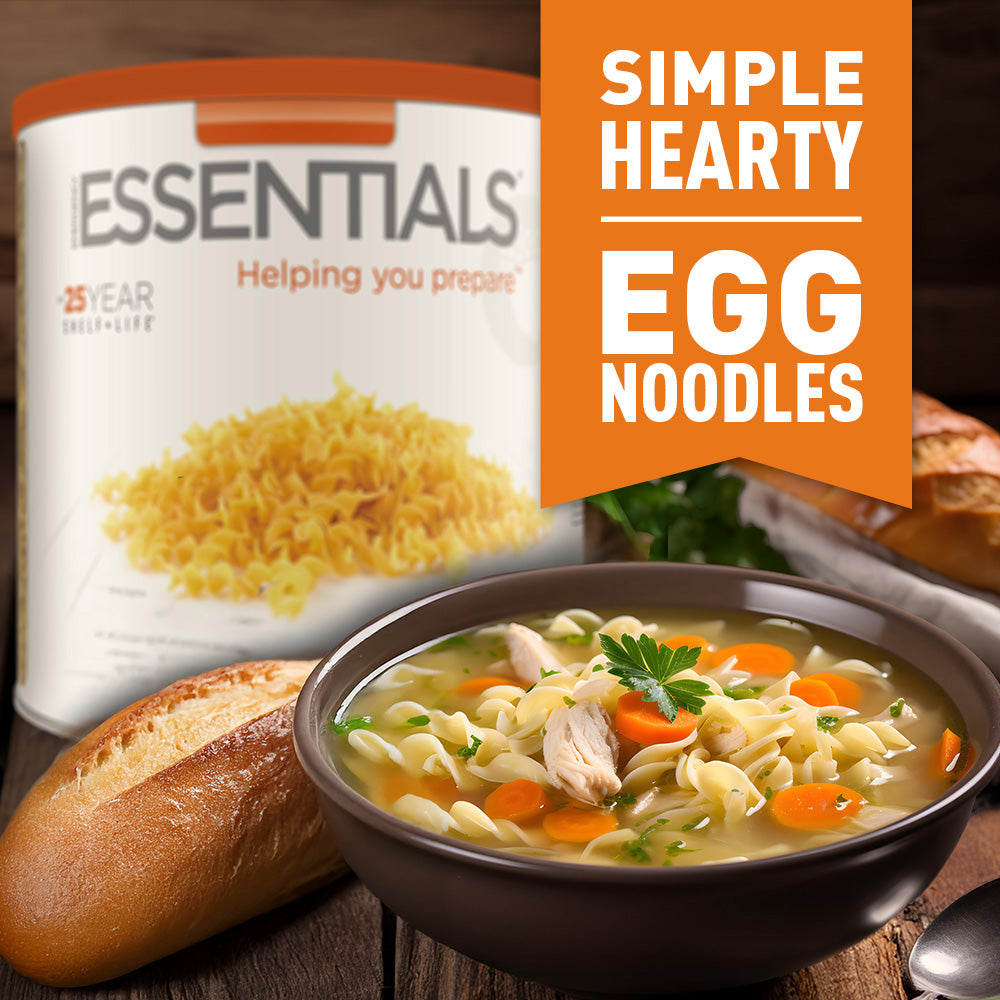
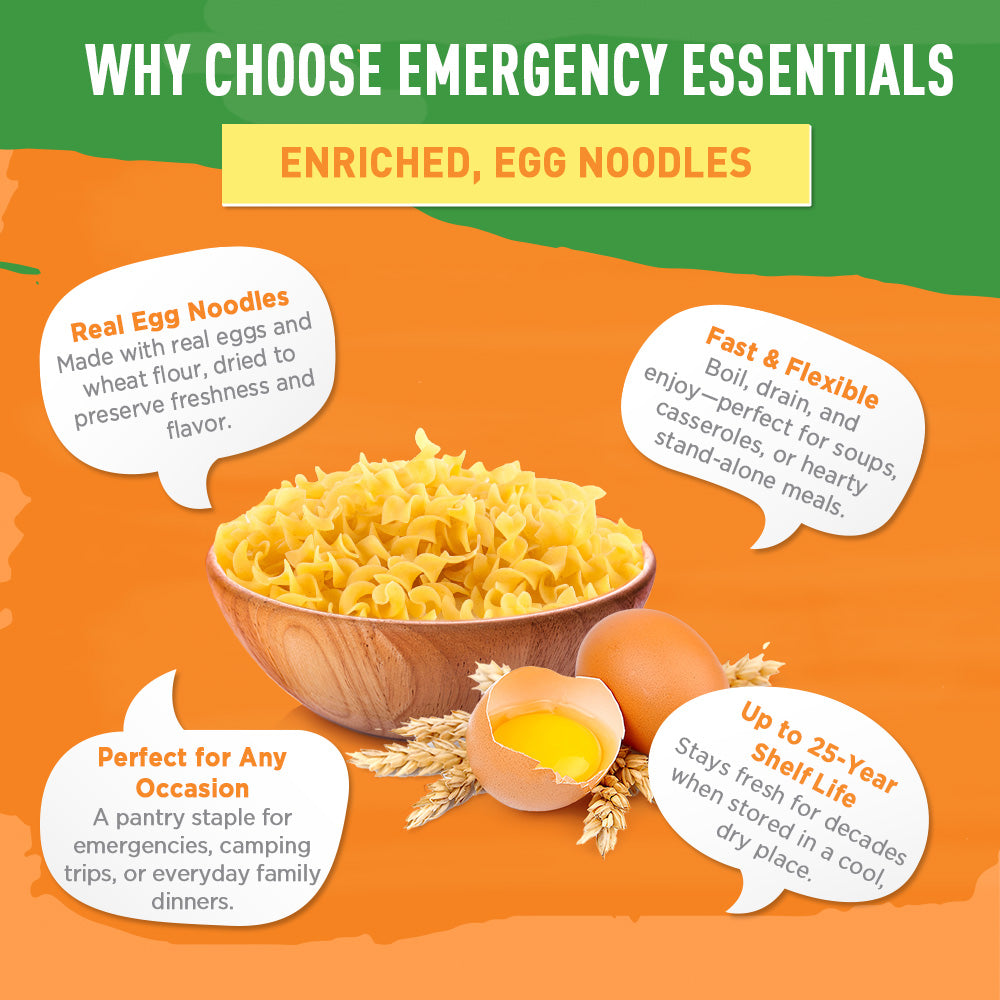
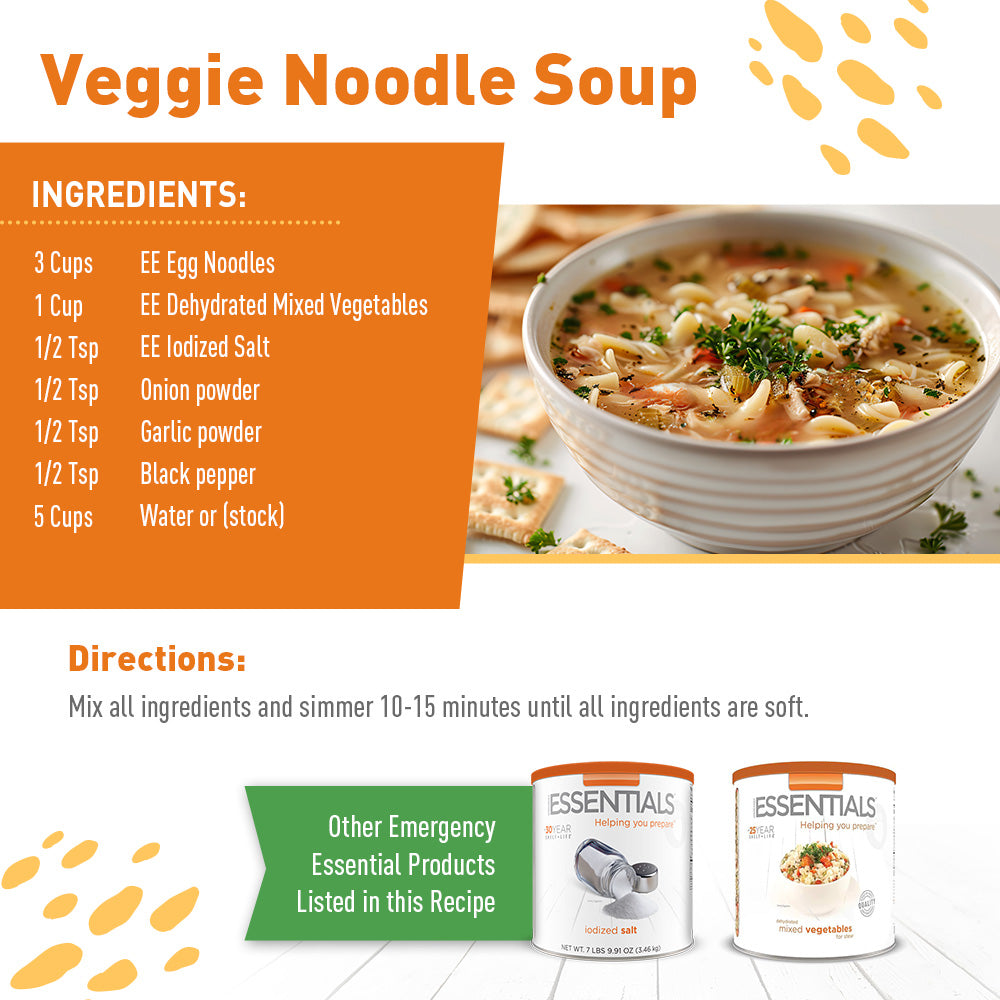
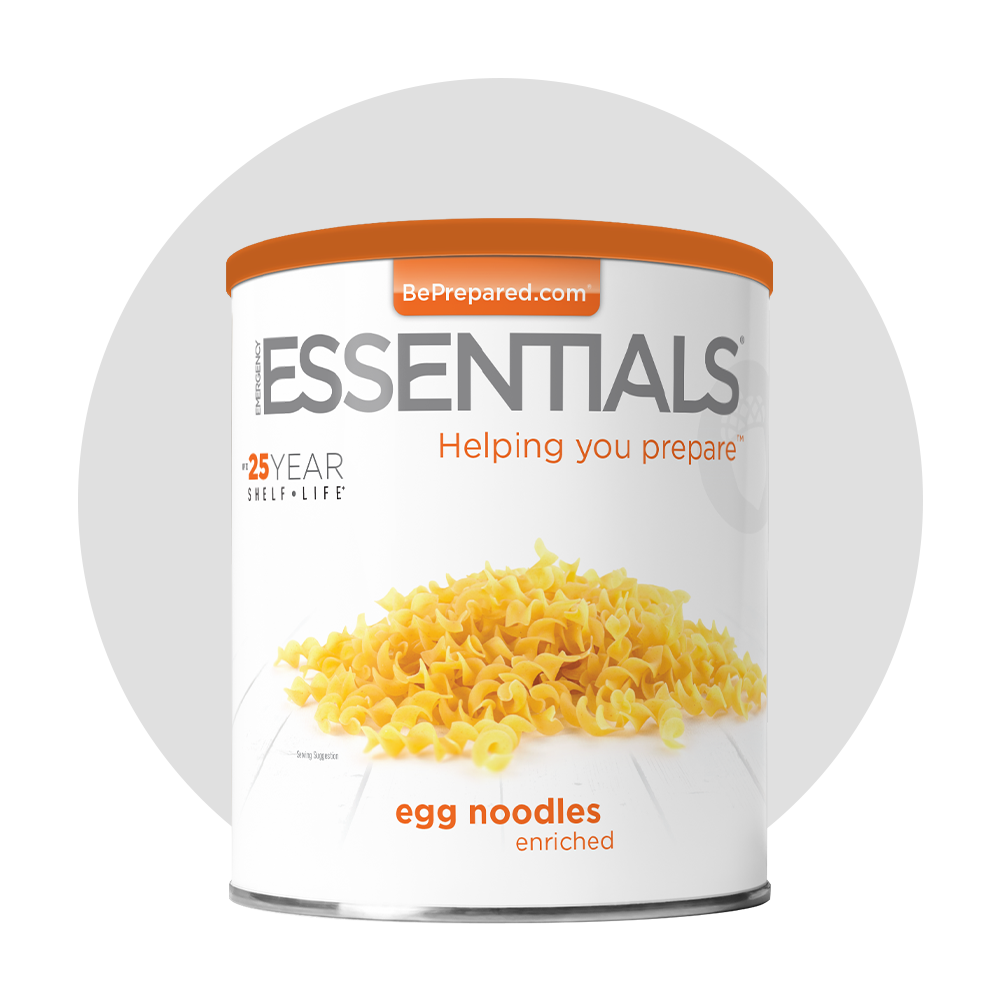
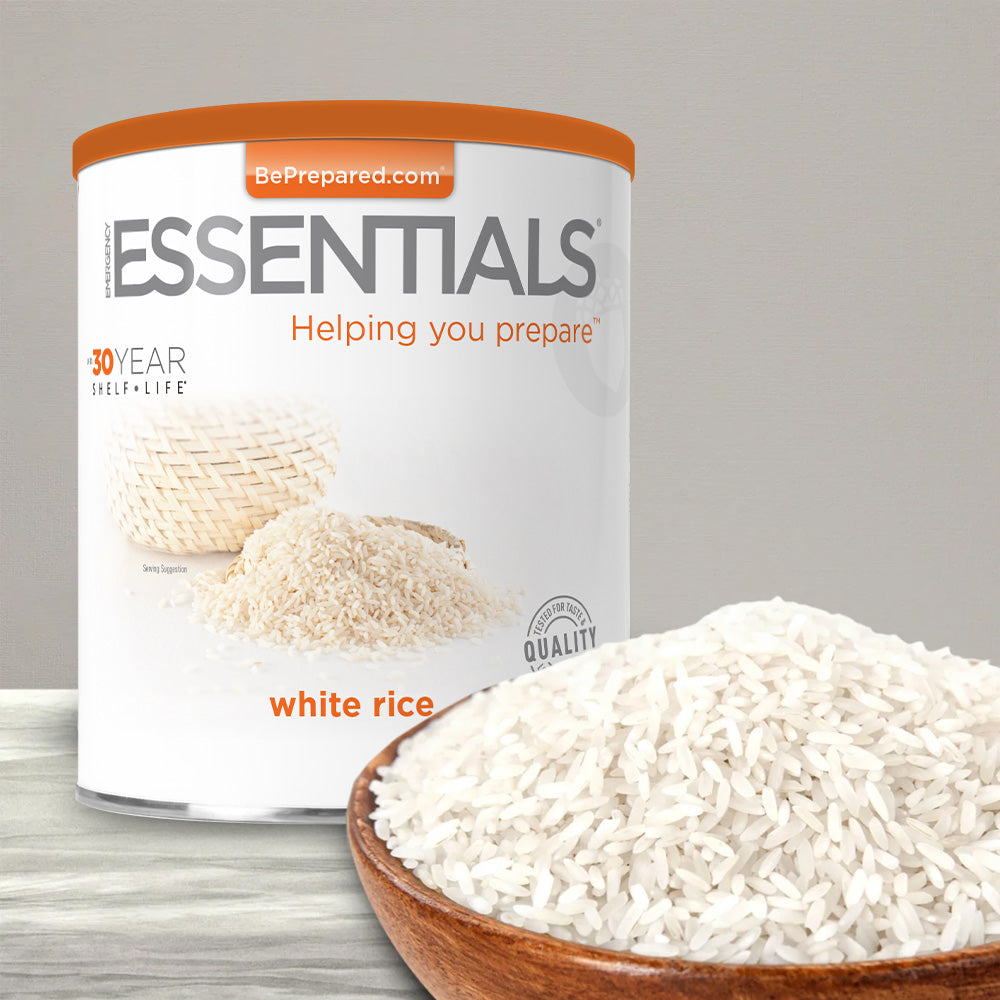
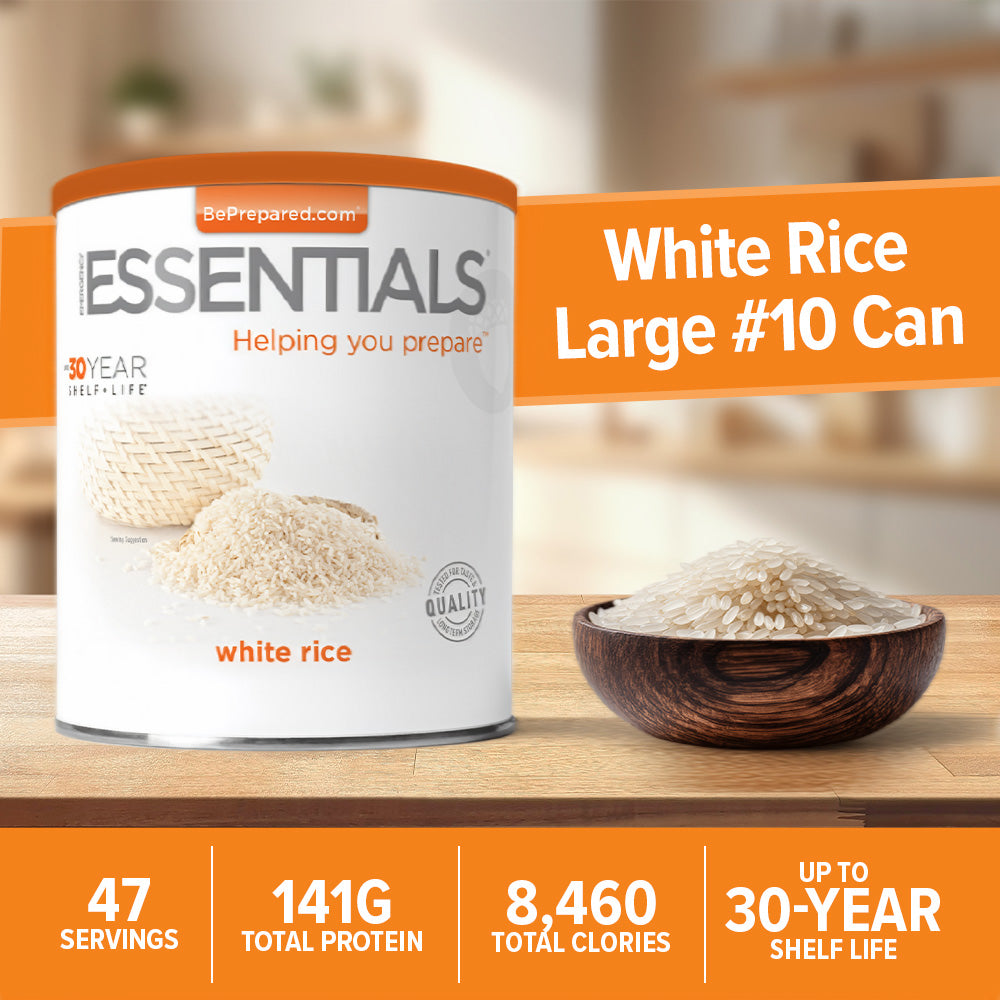
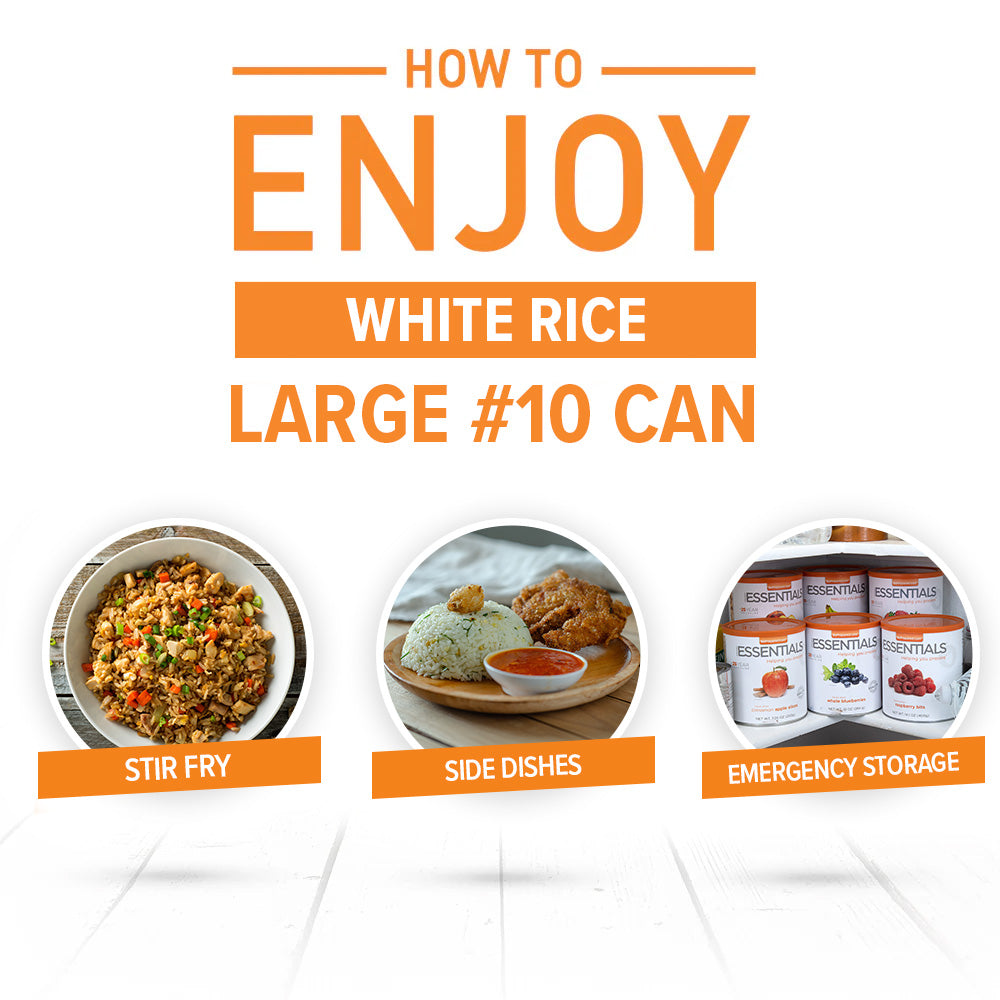
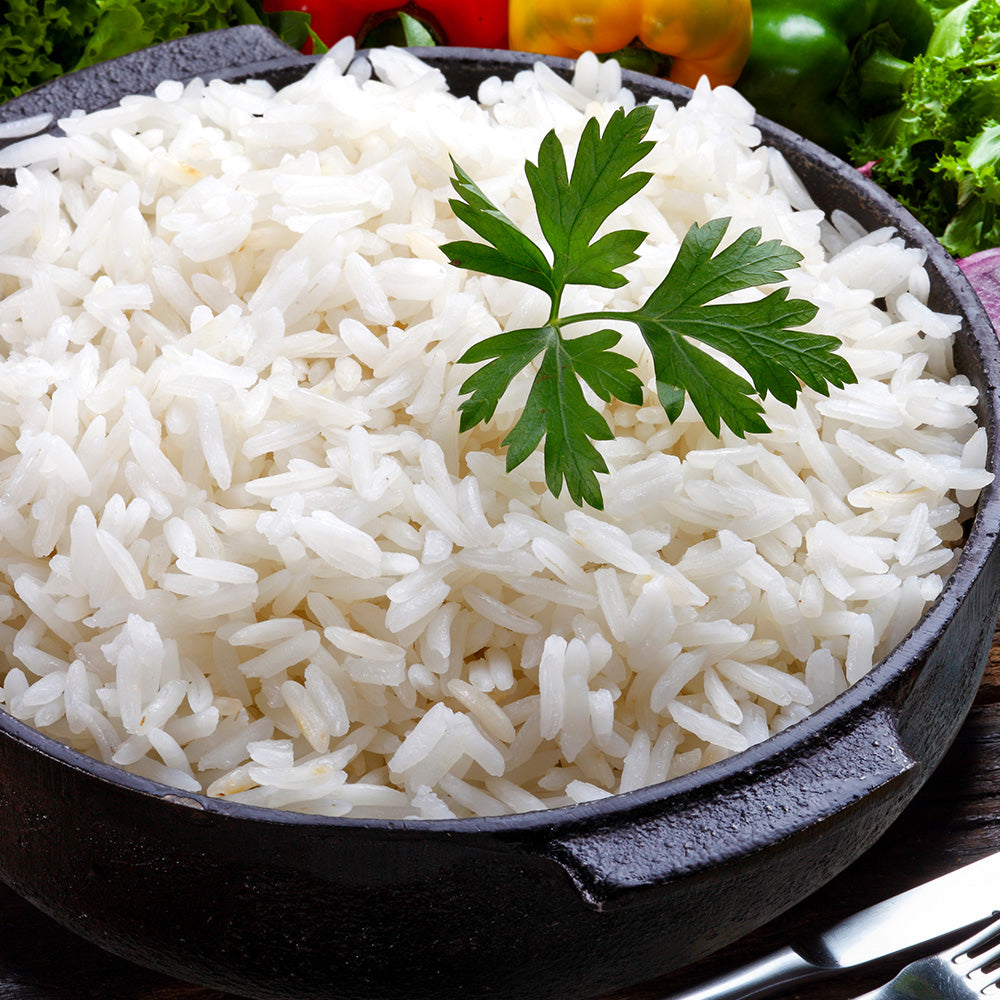
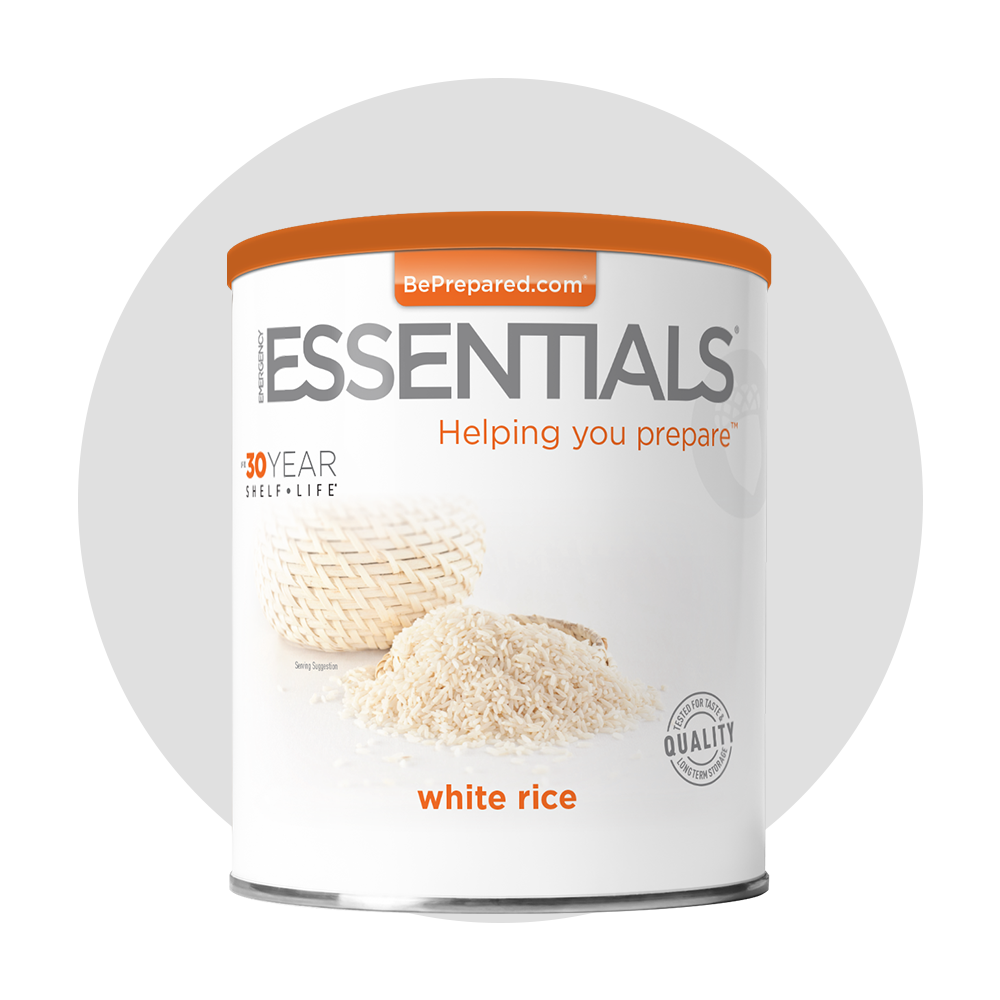
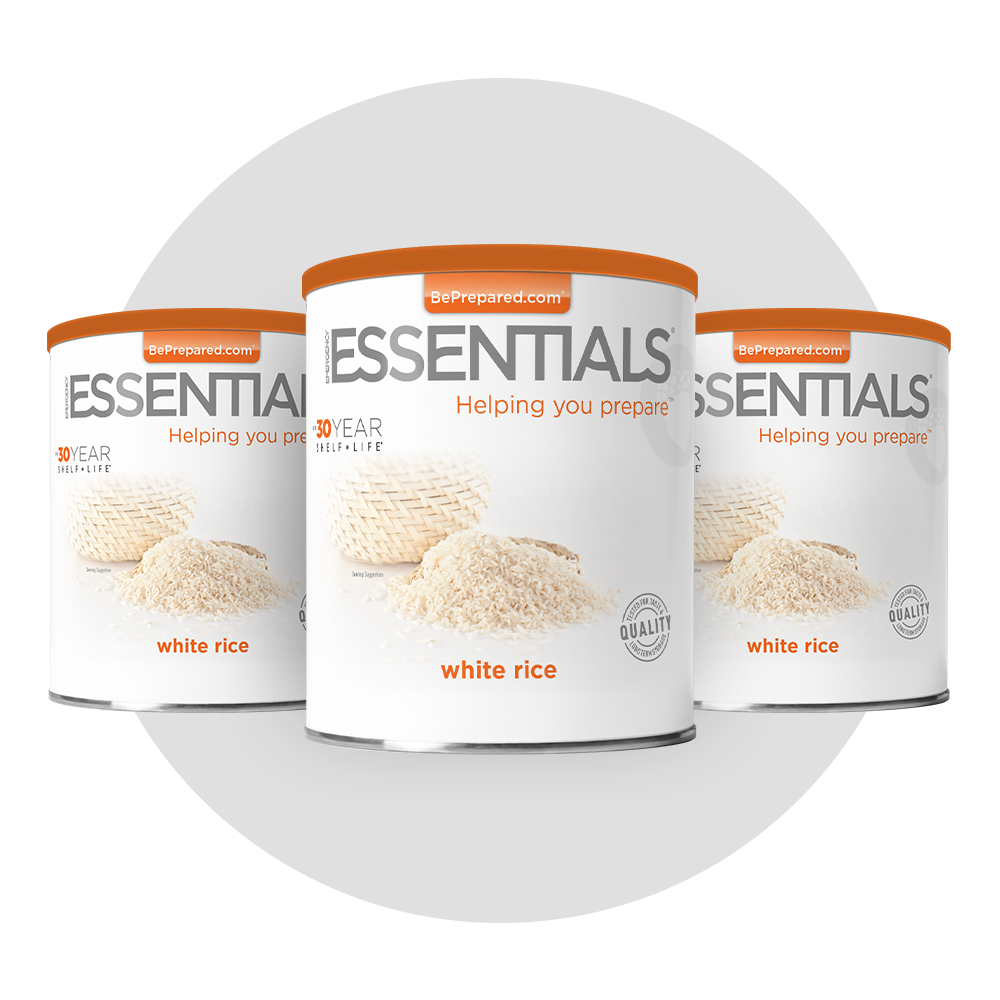
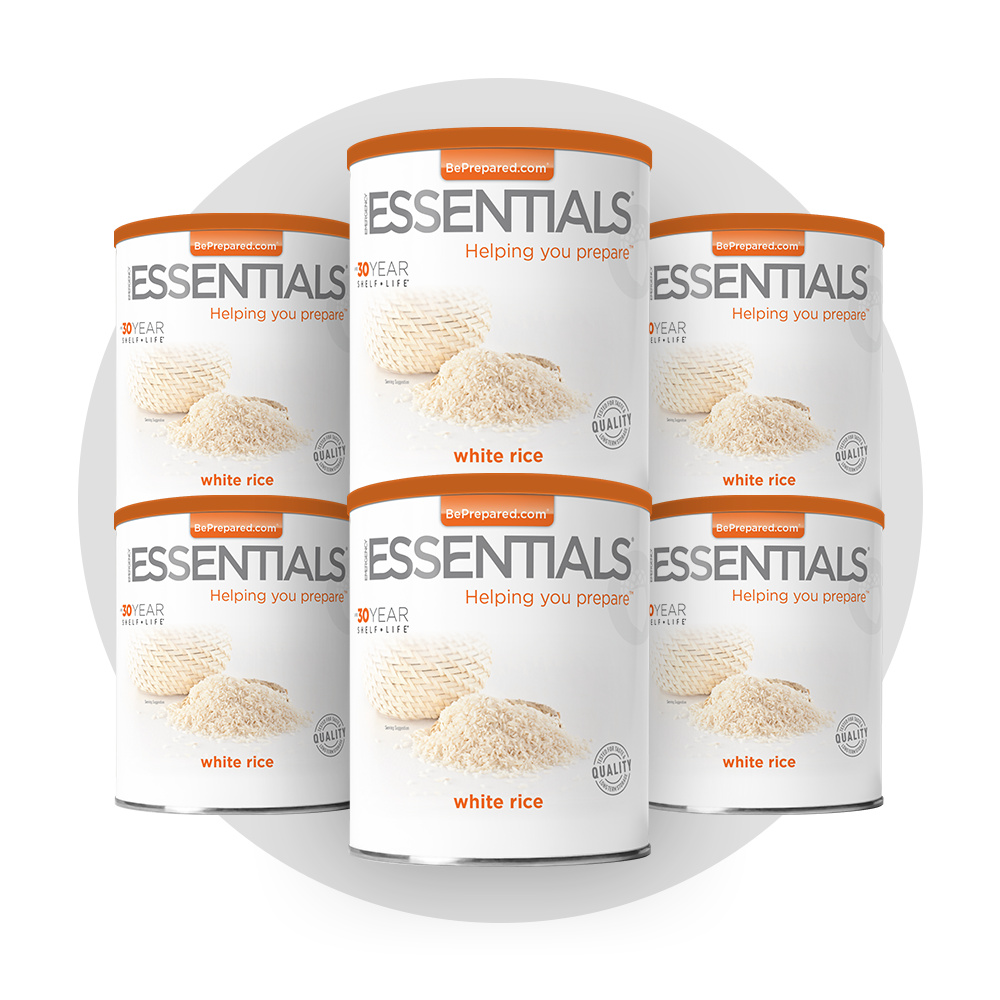
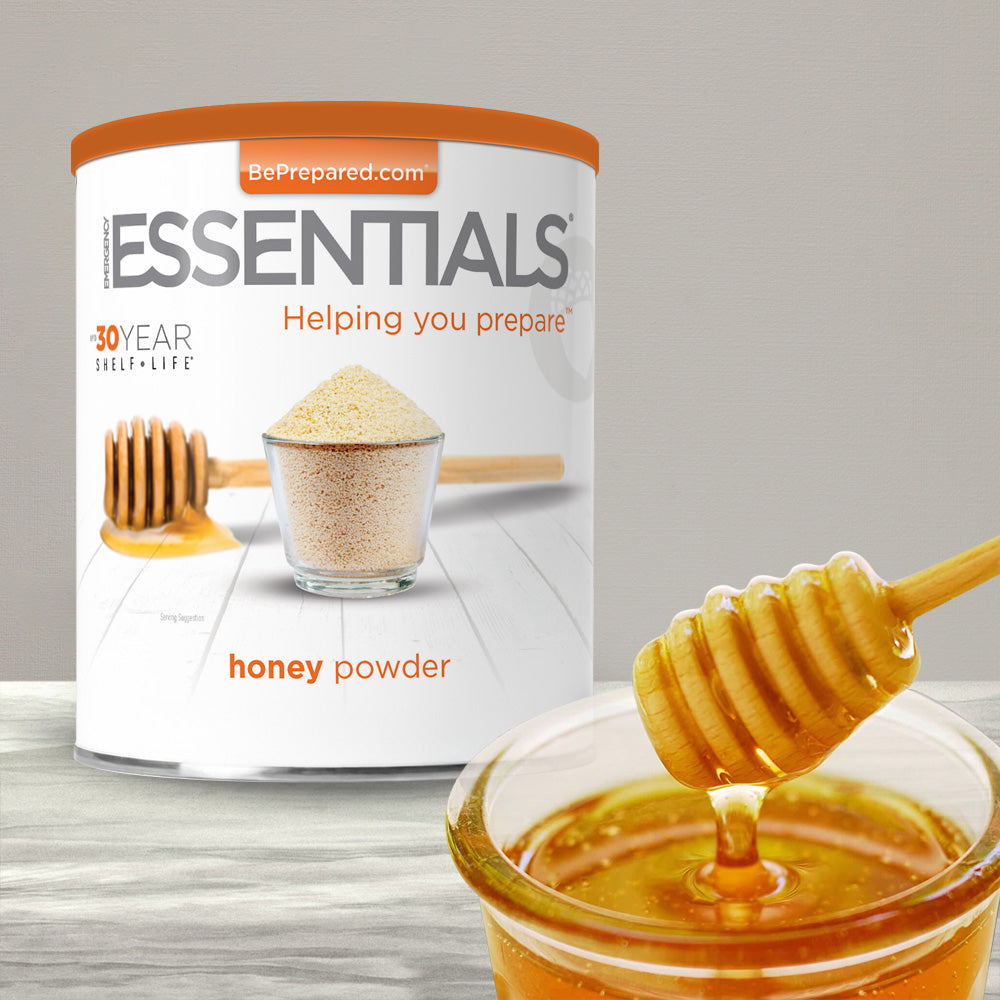
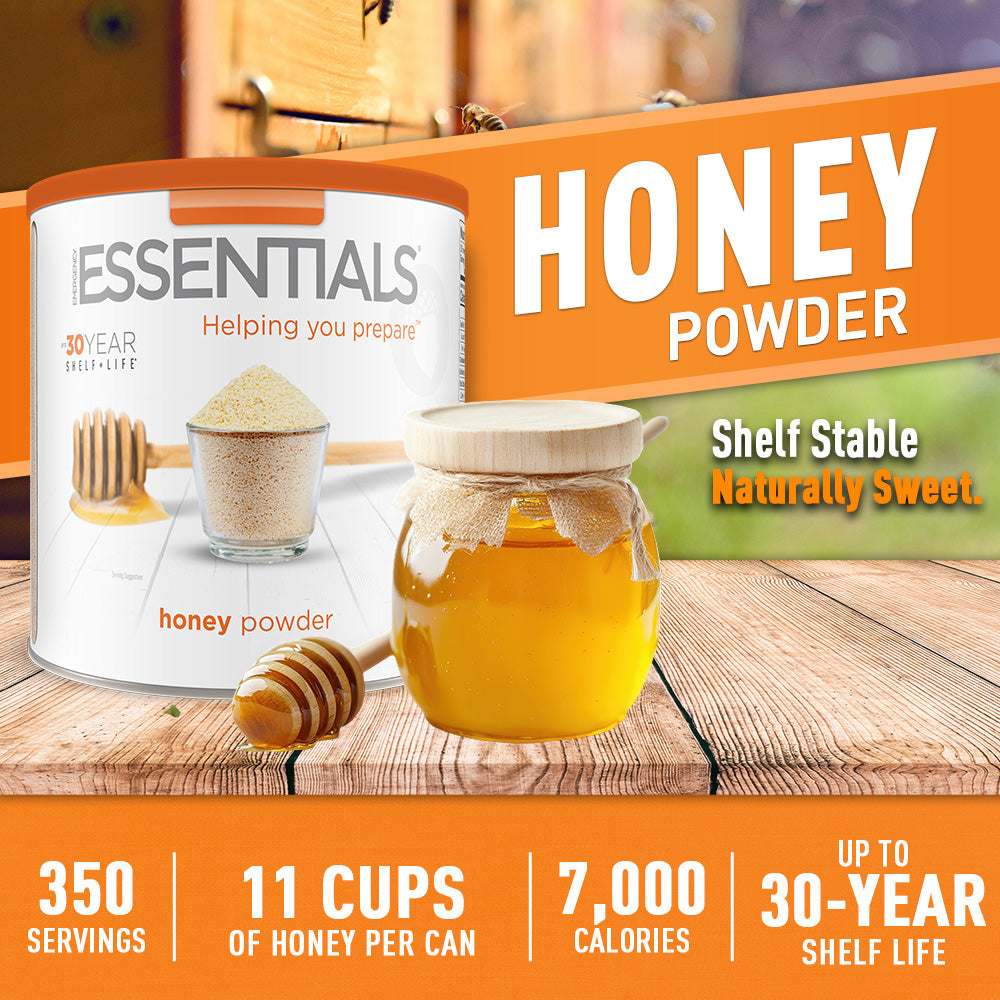
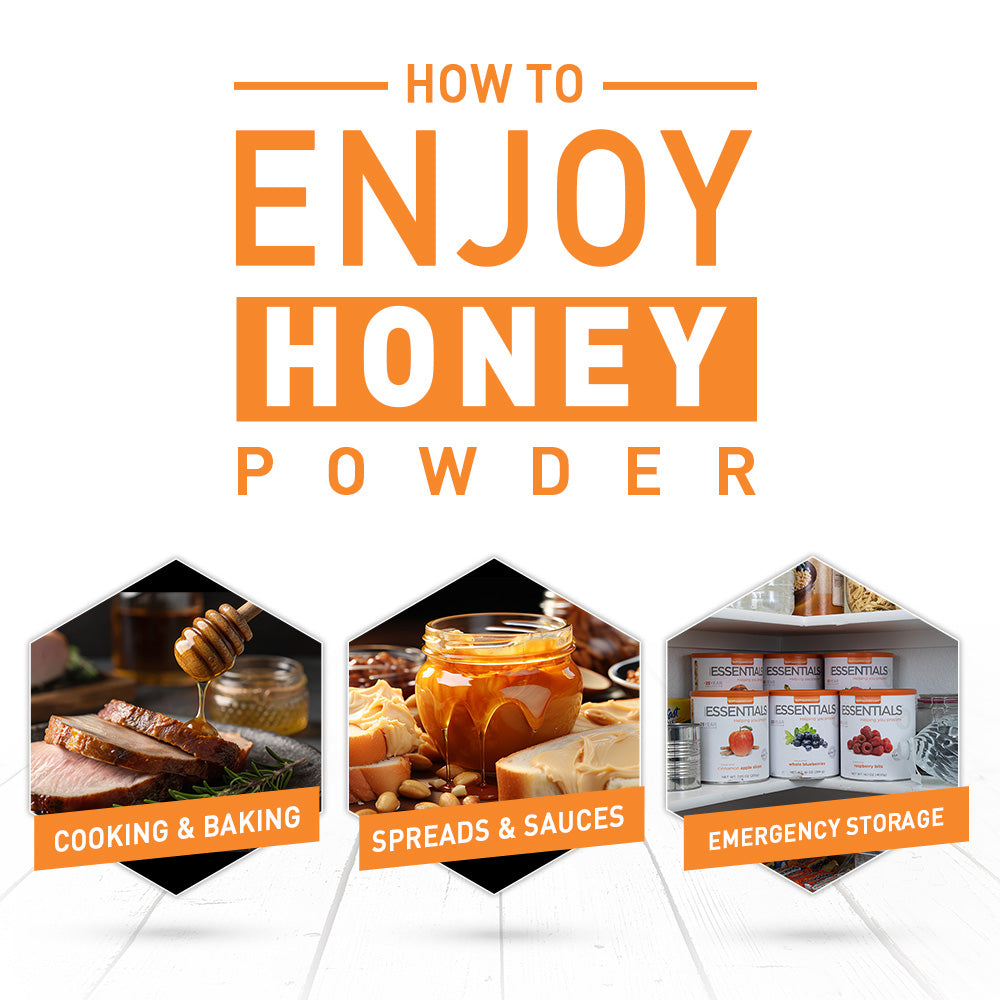
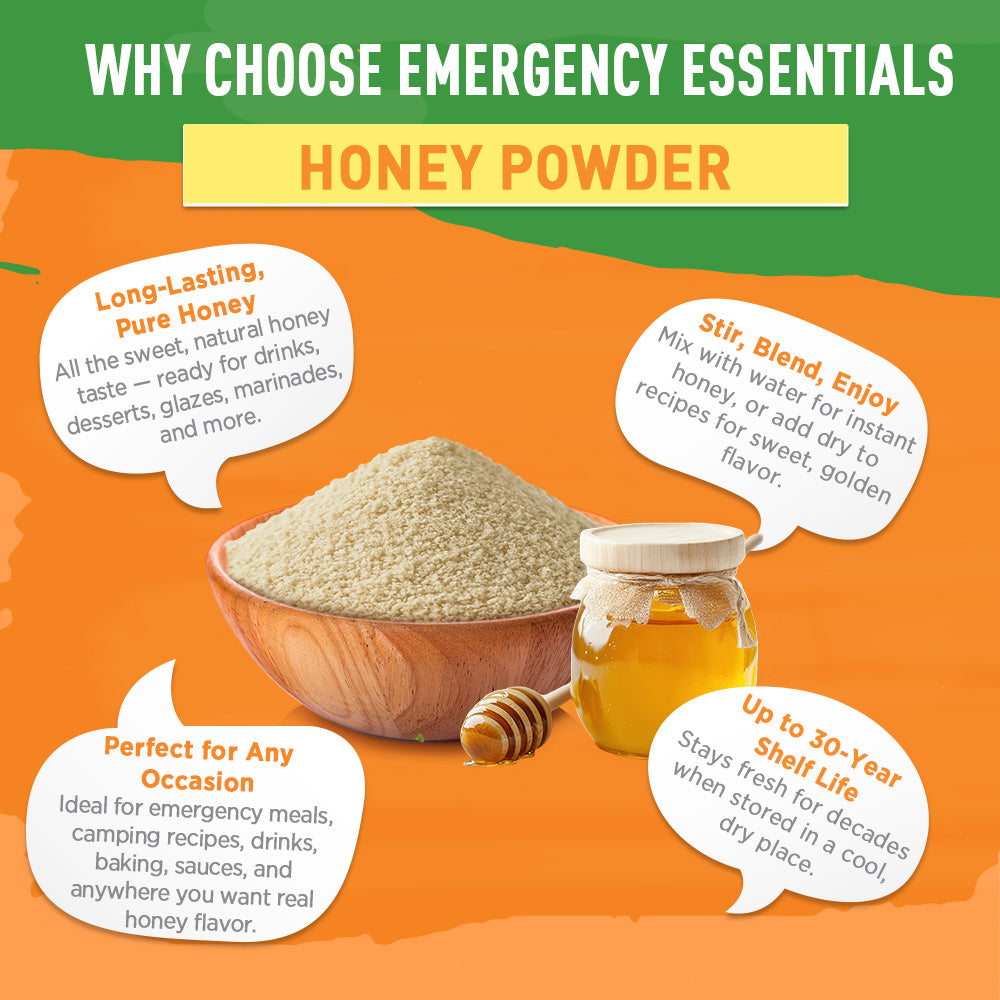
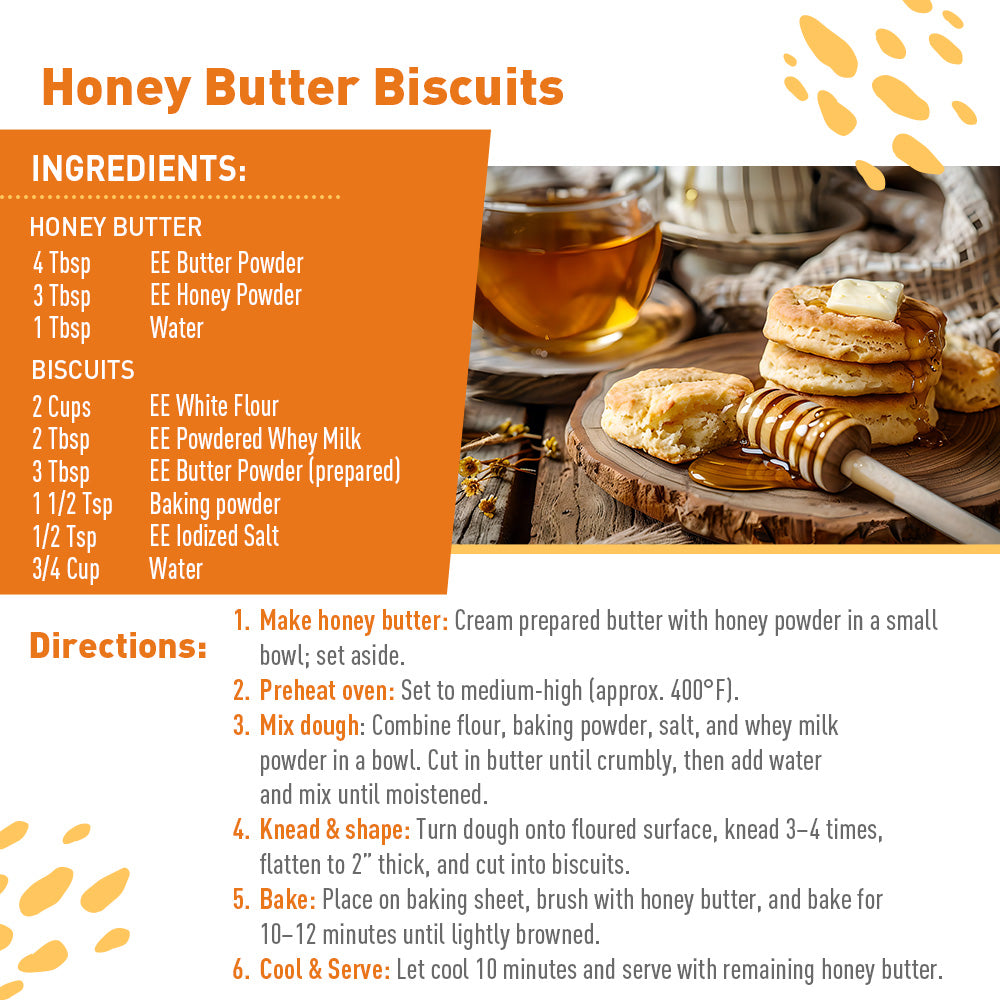
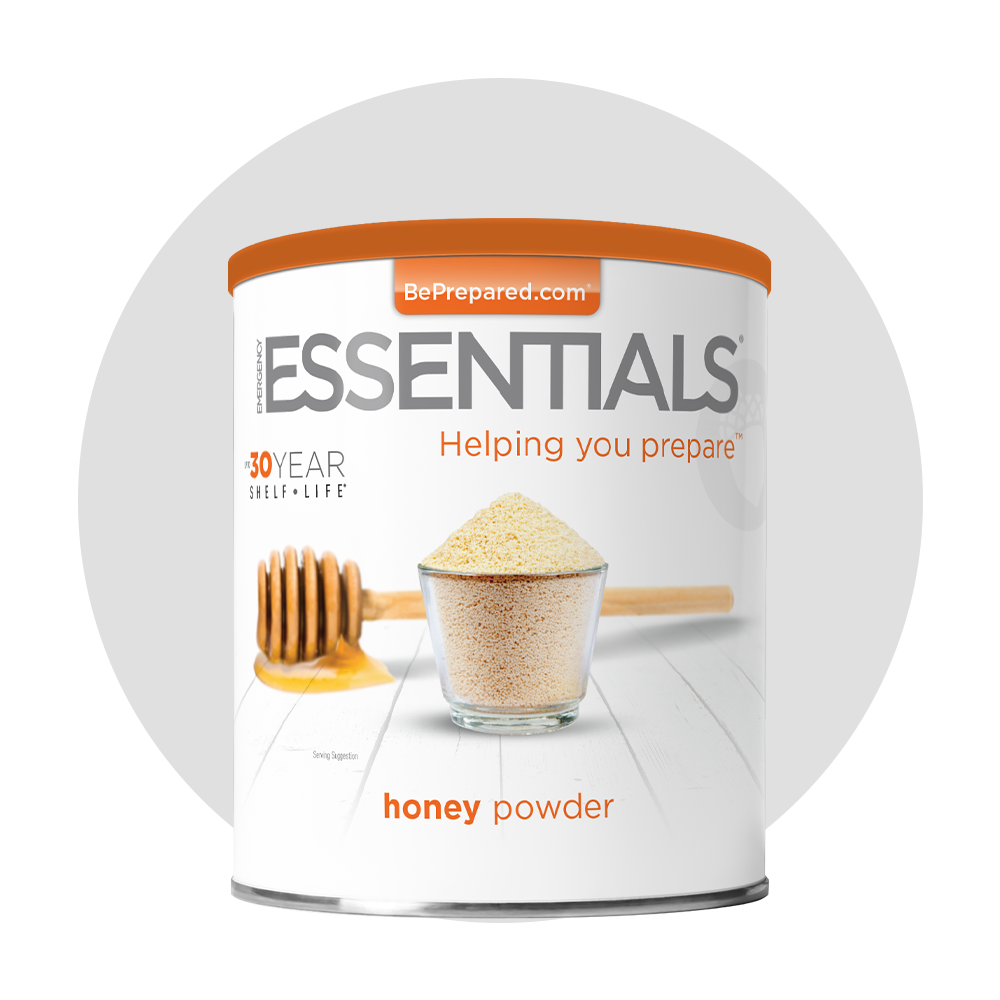
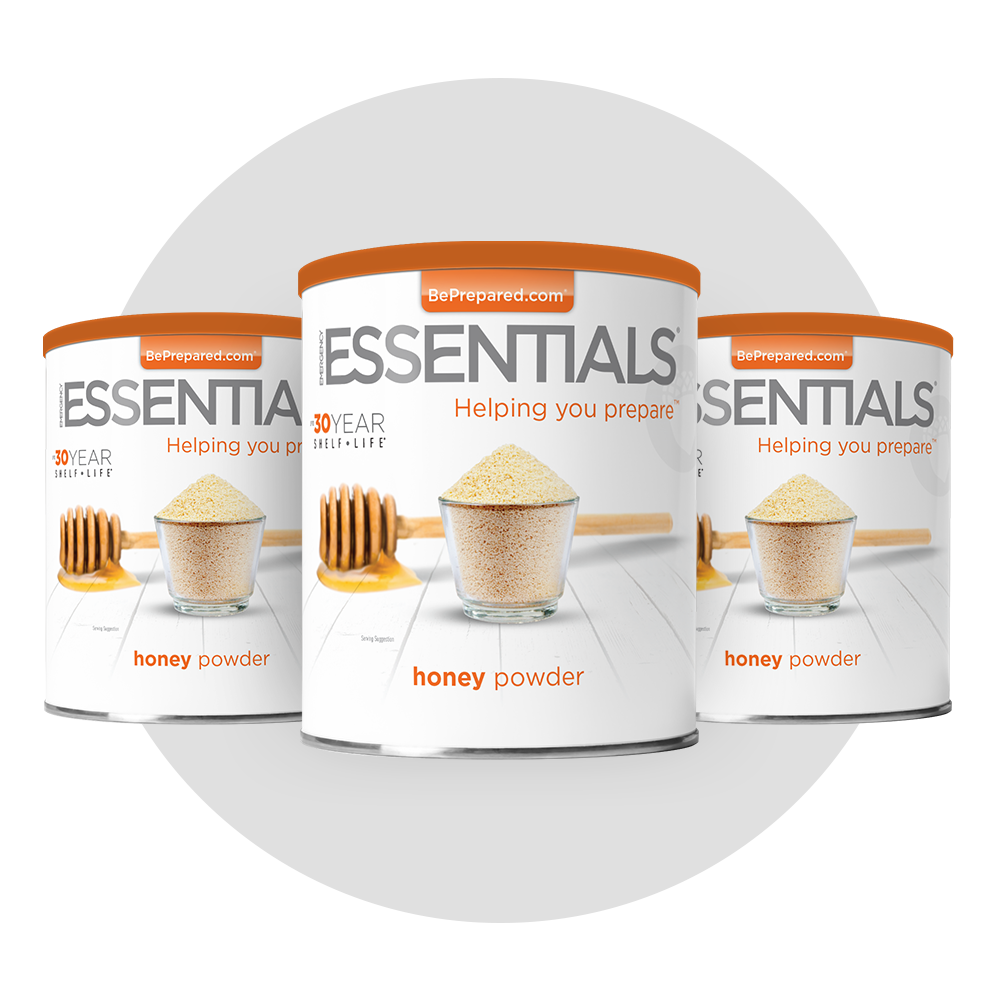
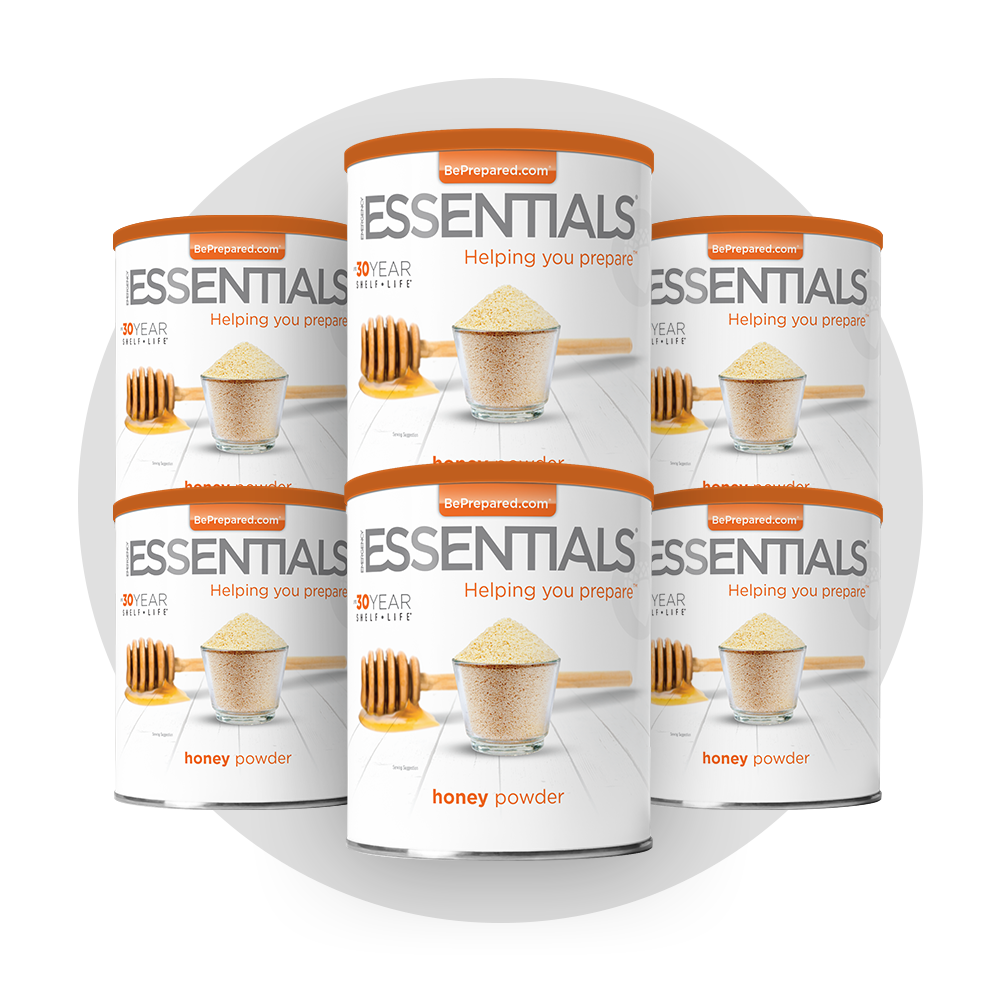
- Staples: White rice, egg noodles, mashed potatoes, honey powder, butter powder, and whole egg powder
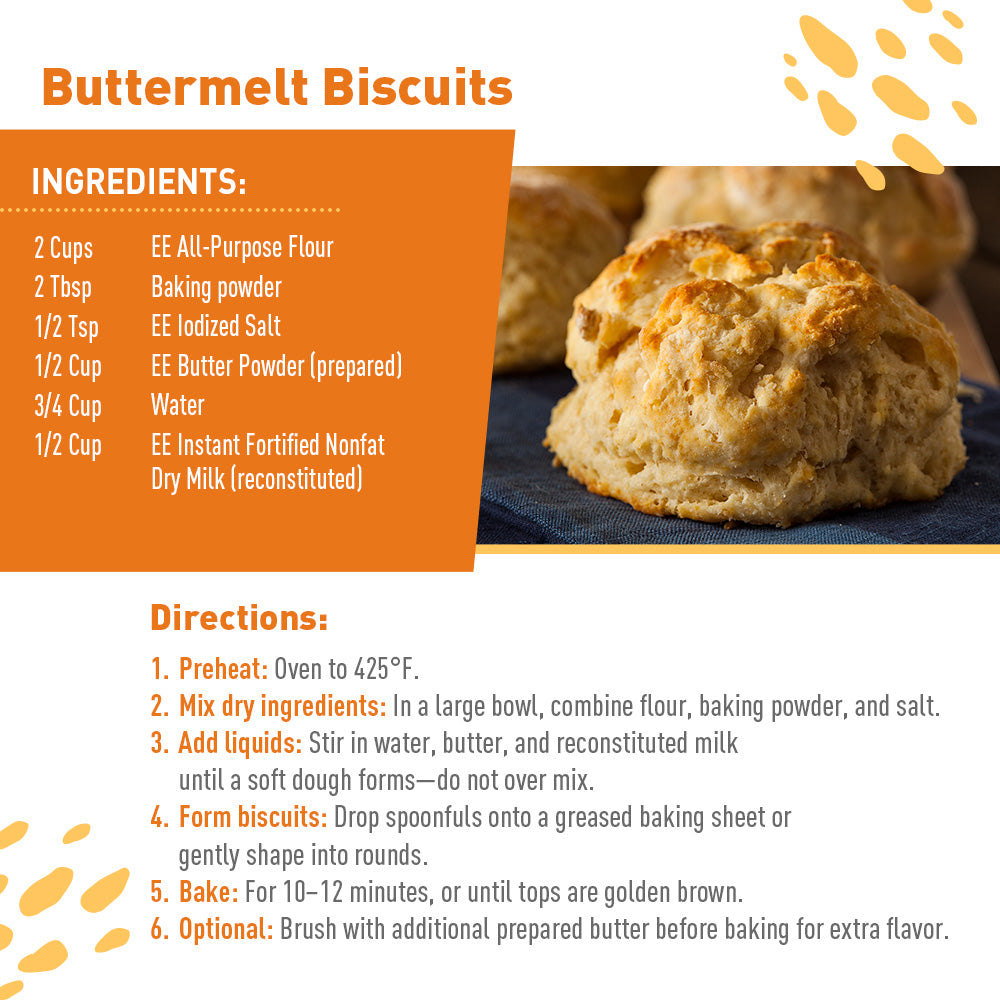
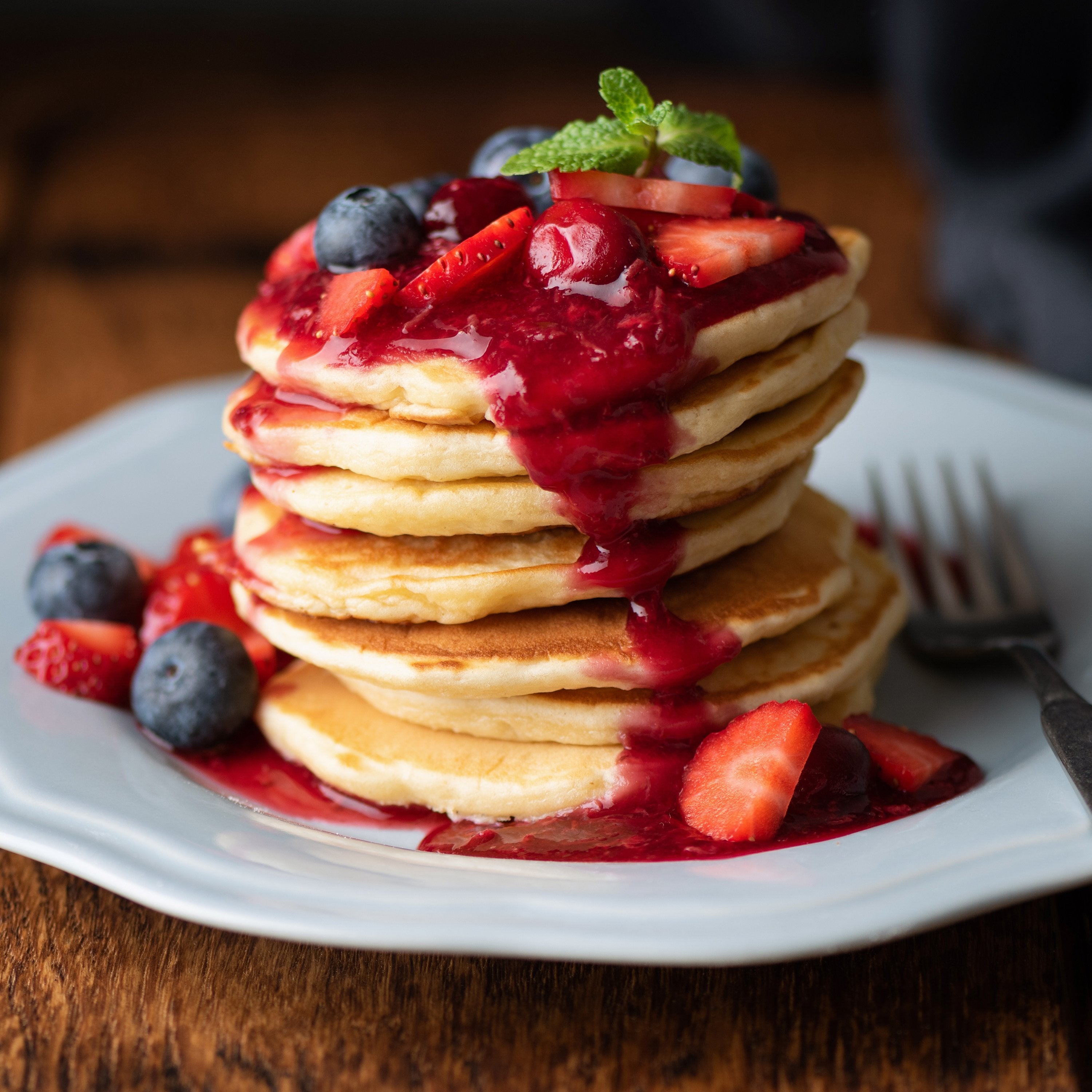
- Baking Mixes: Pancake mix, bread and roll mixes, and brownie mix
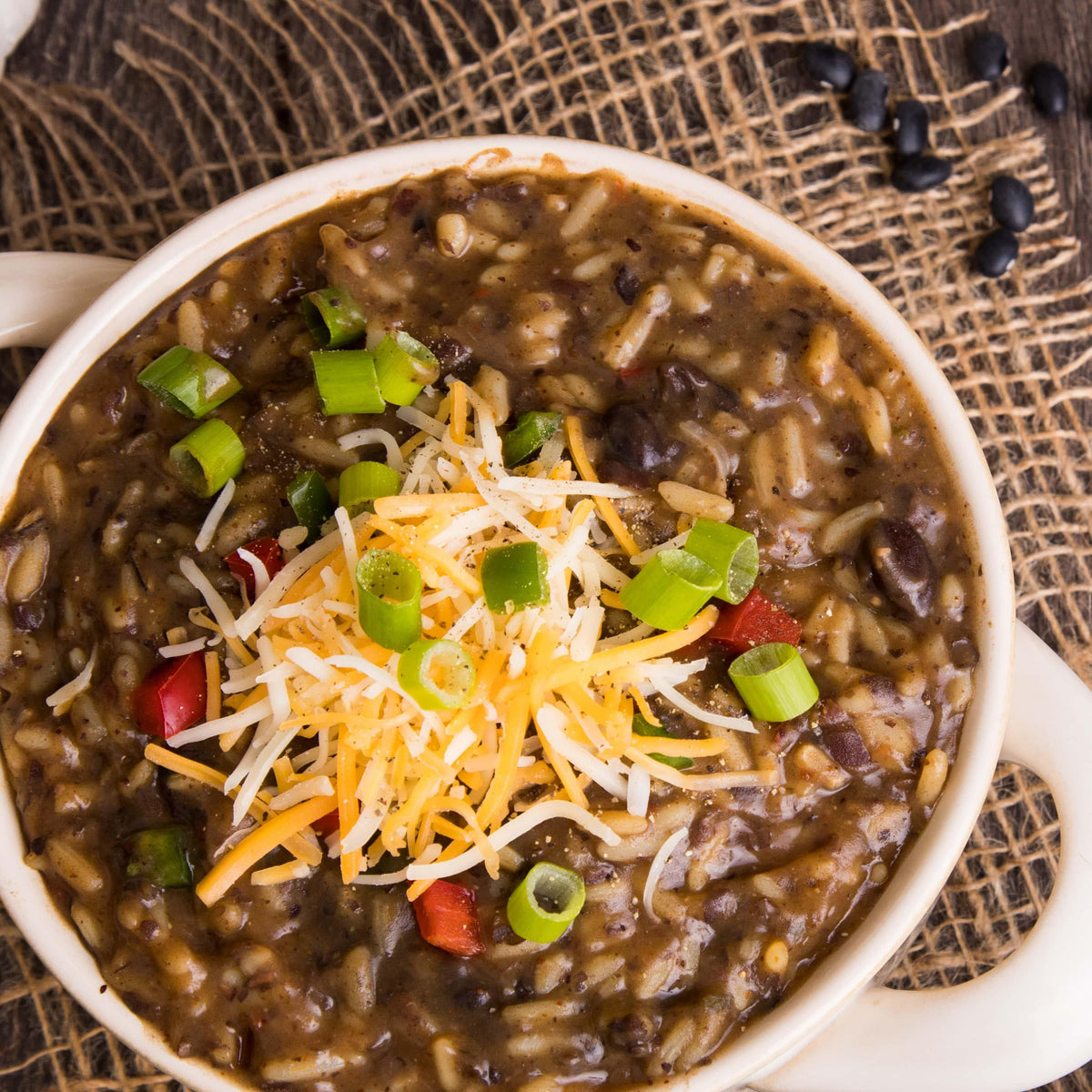
- Meals and Kits: Entrées, meal assortments, emergency food kits, and long-term food supplies
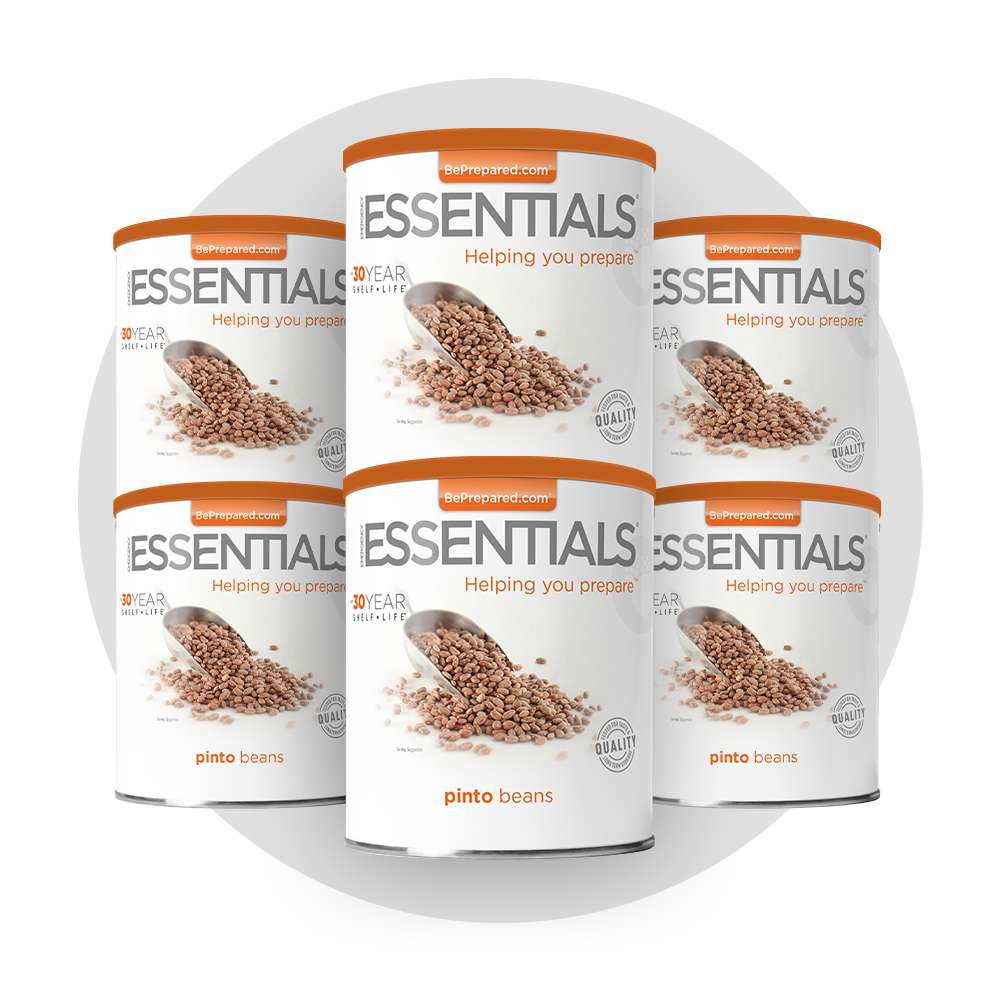
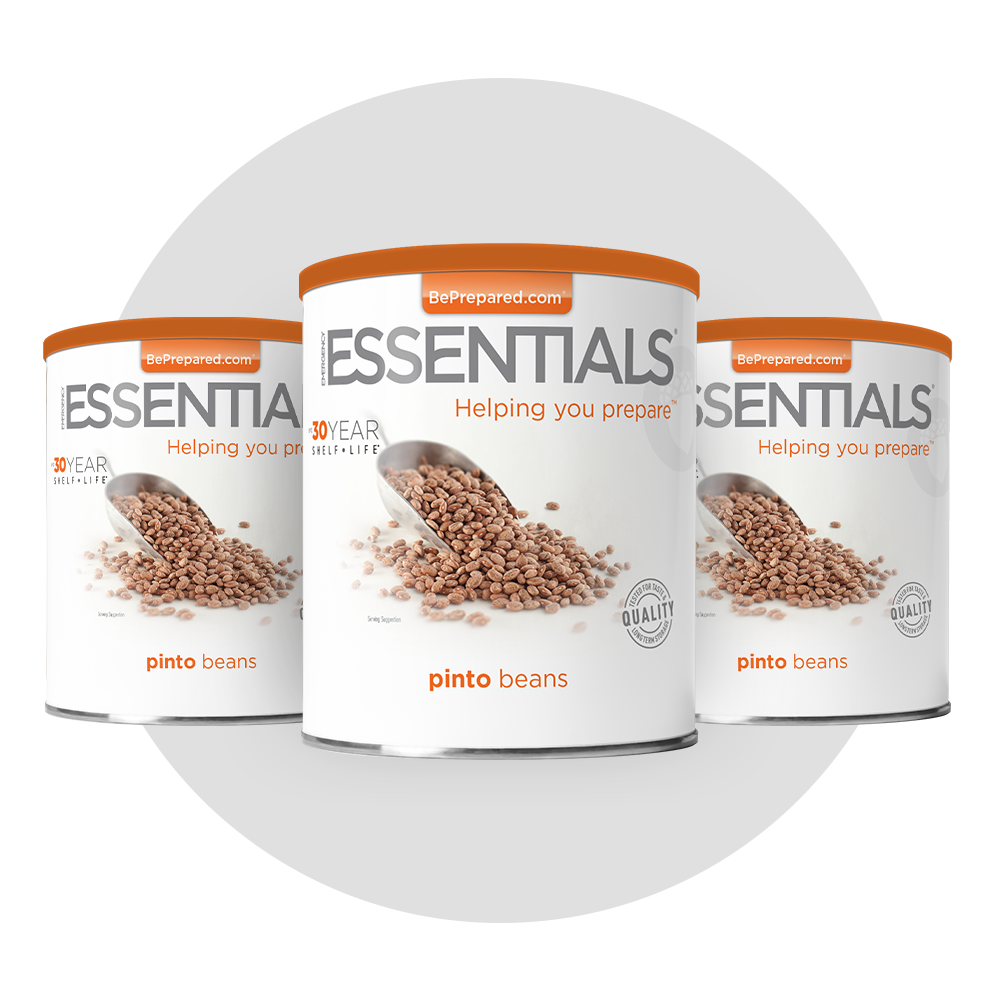
What is a #10 can?
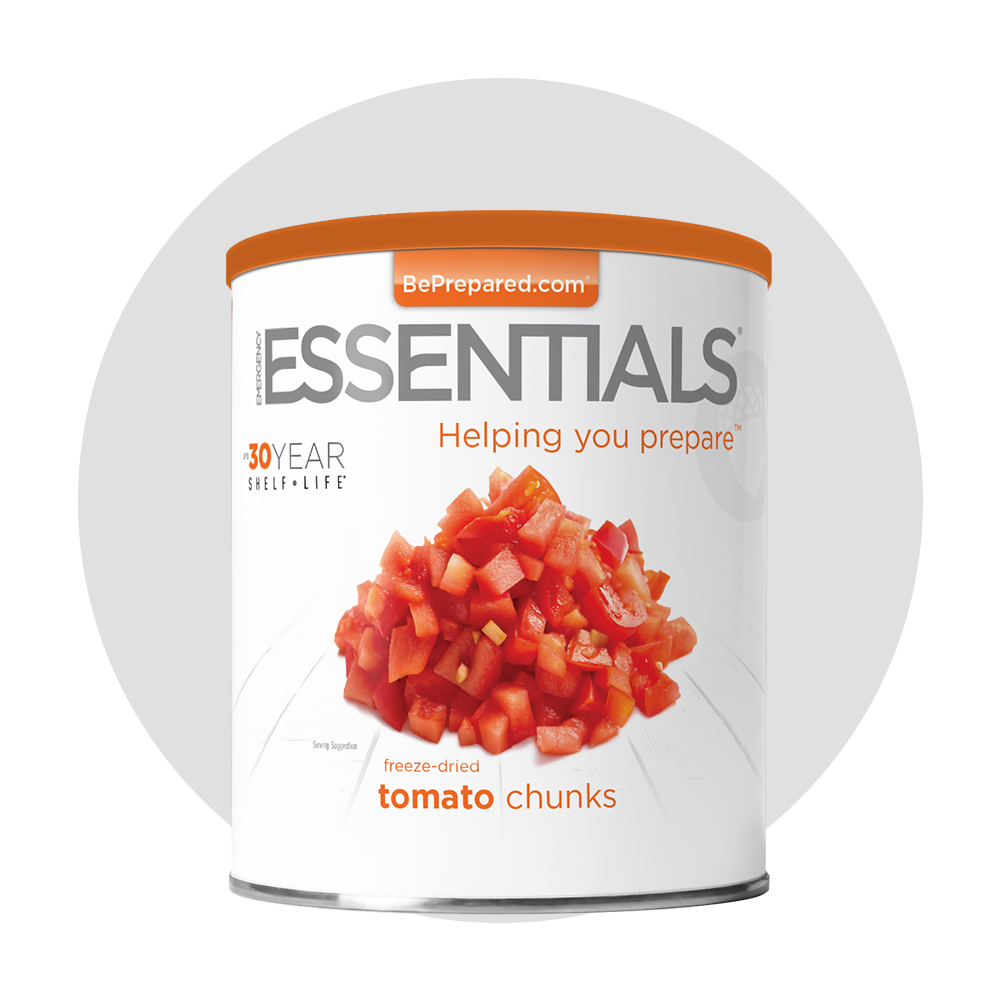
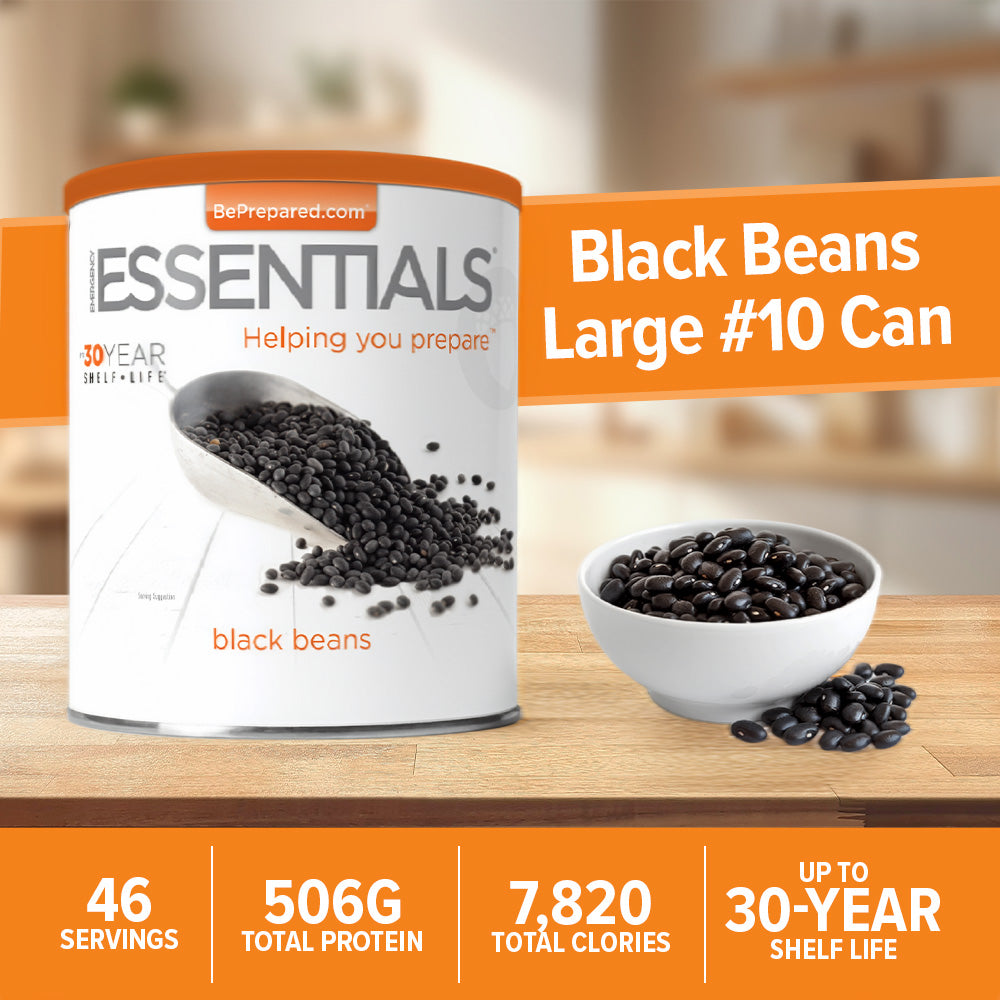
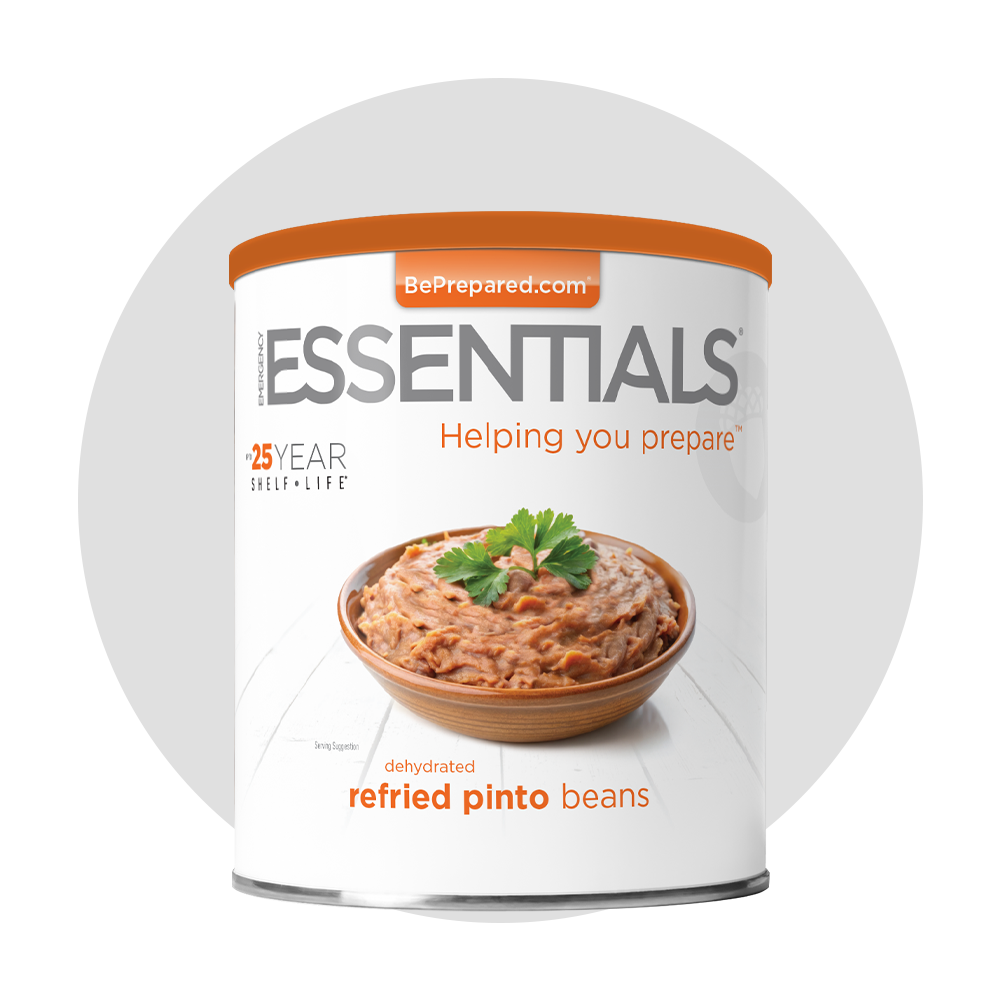
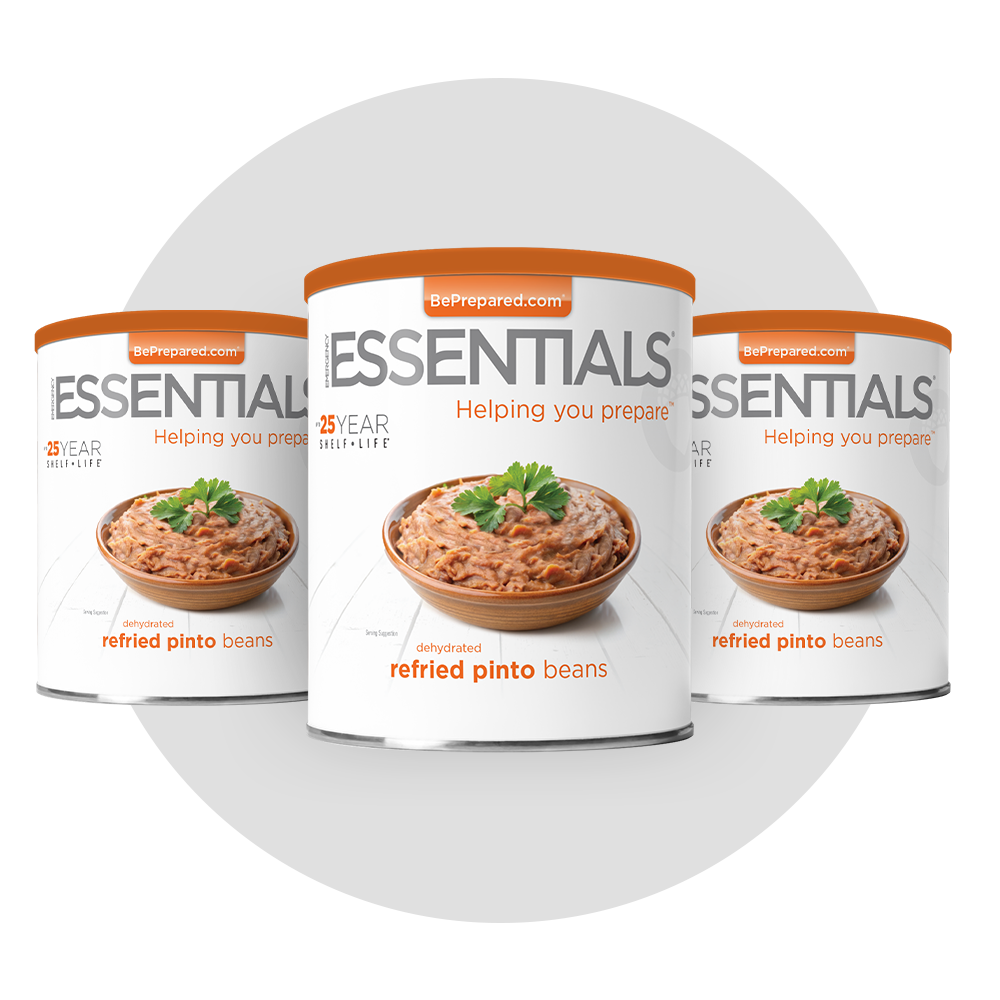
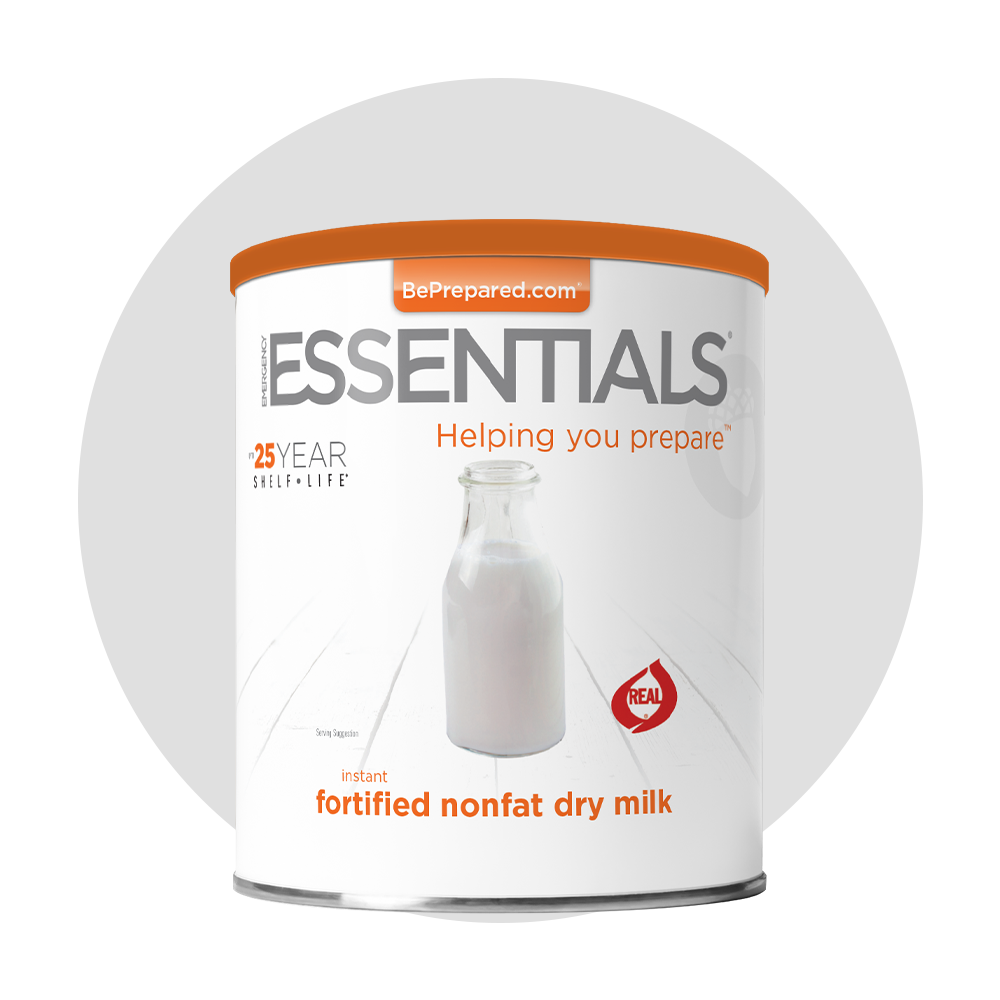
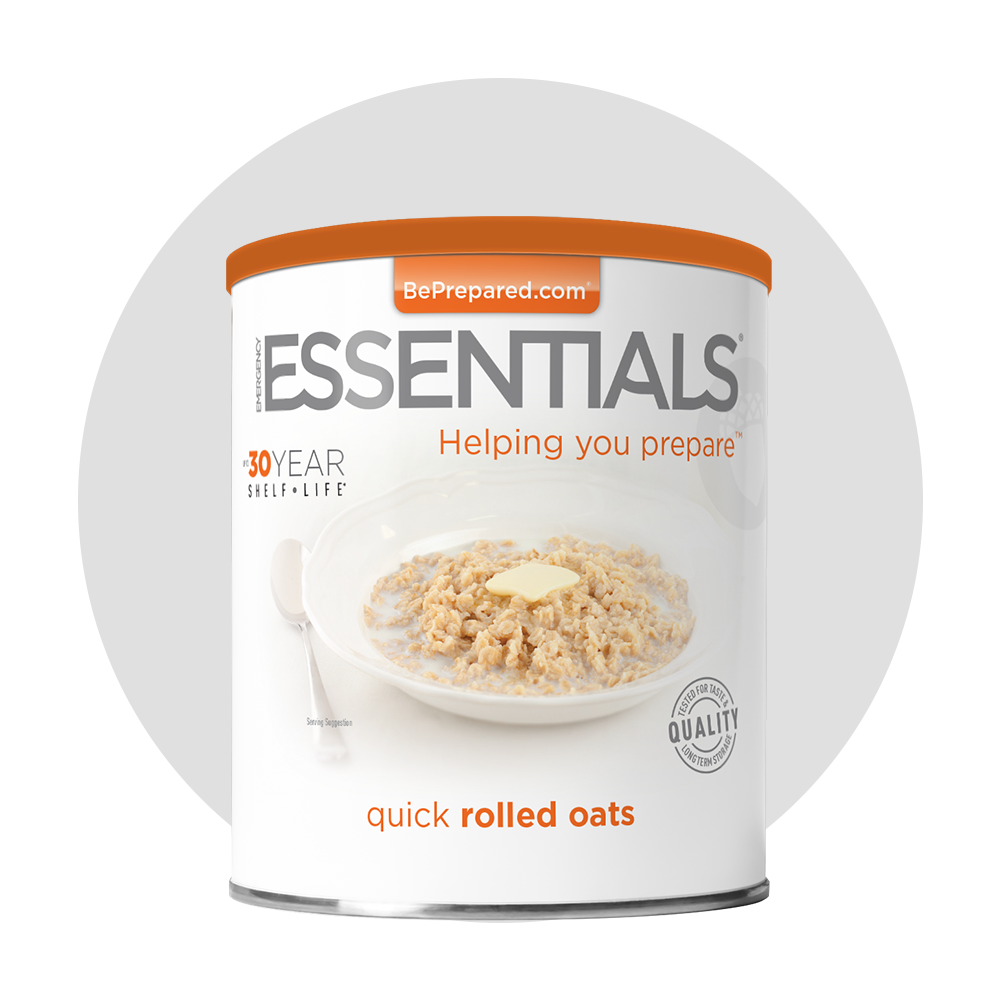
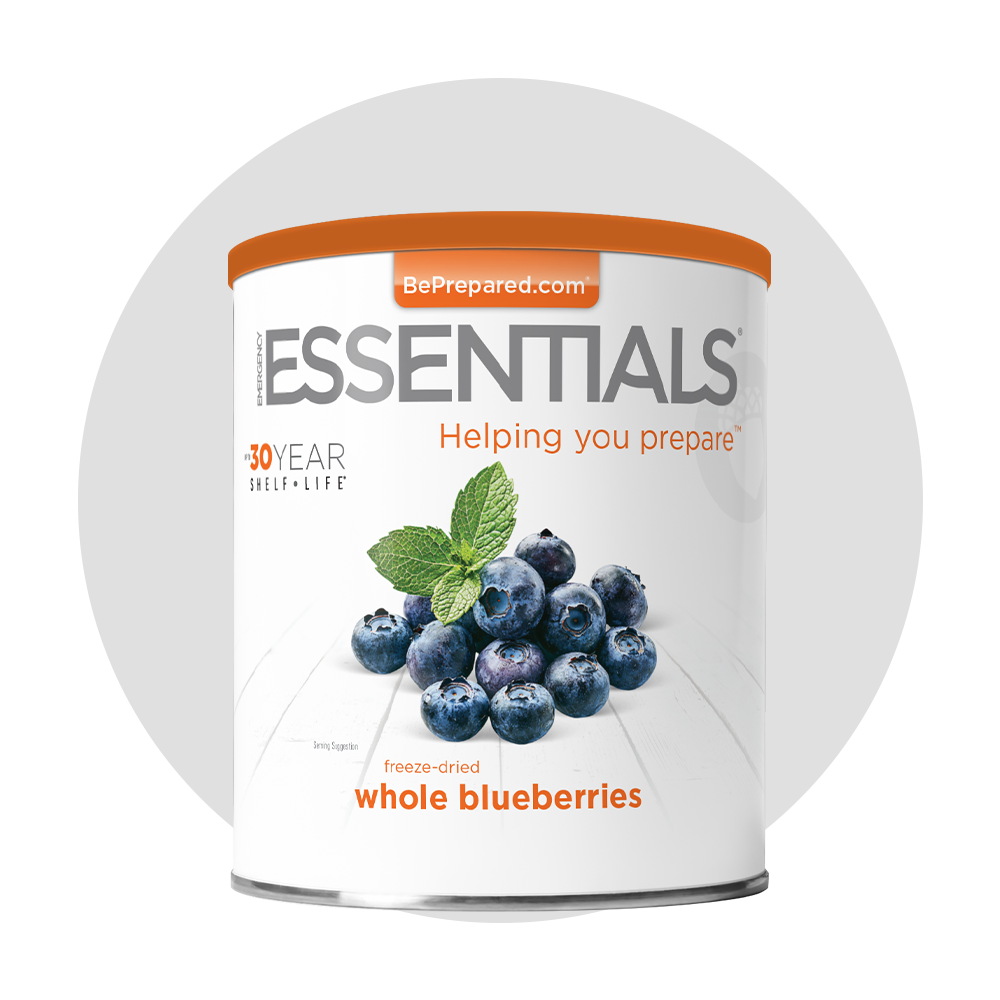
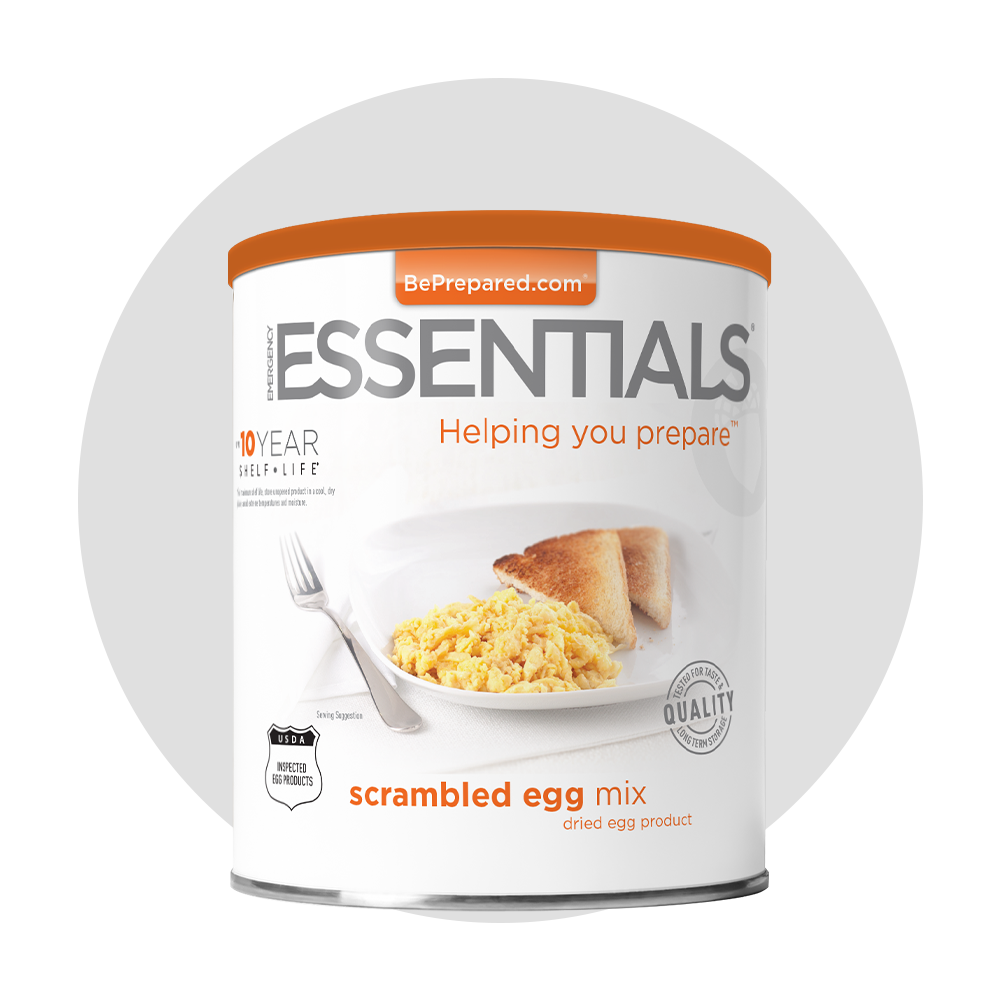
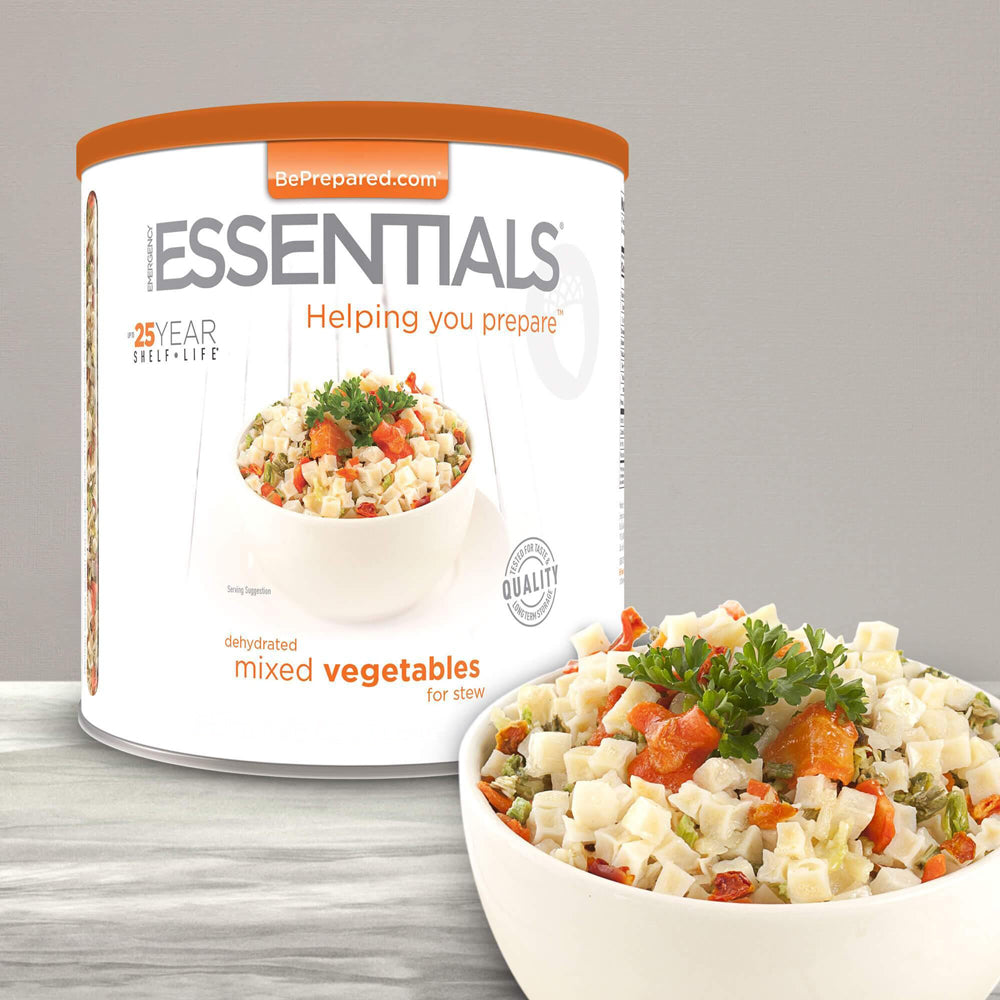
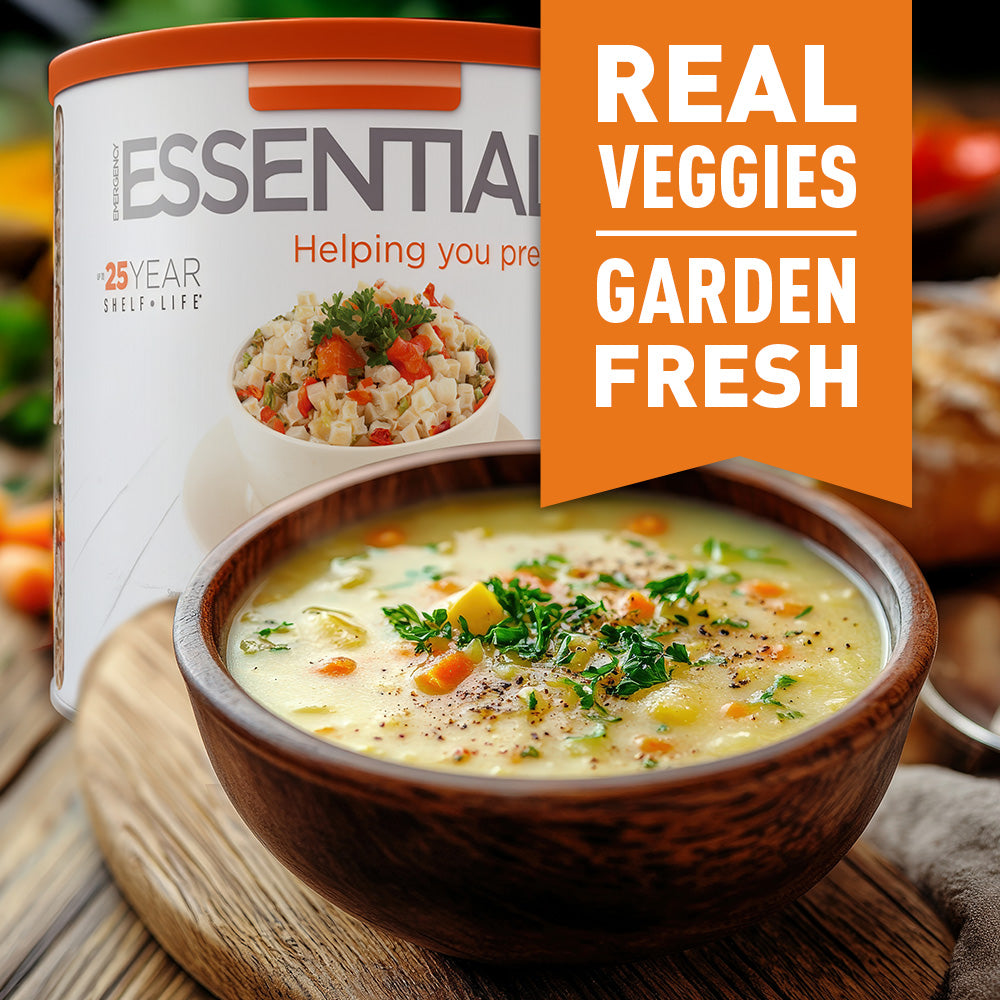
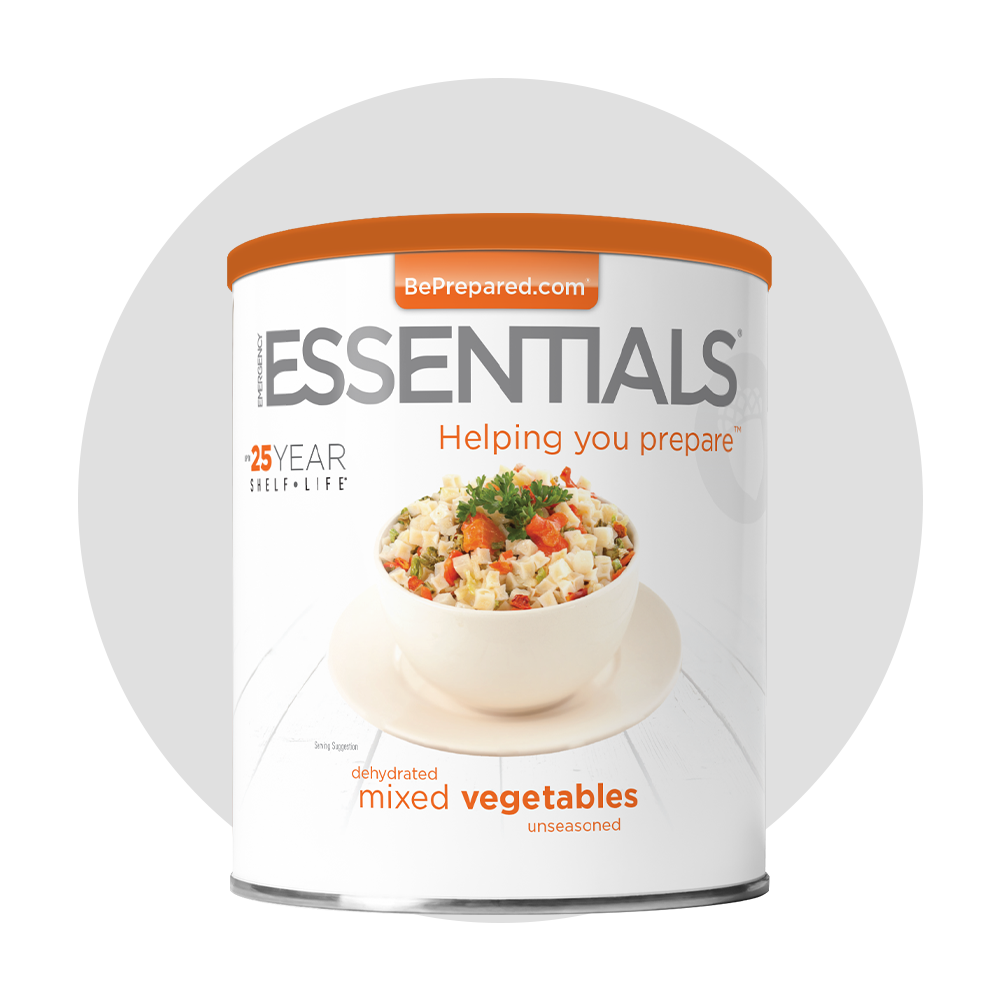
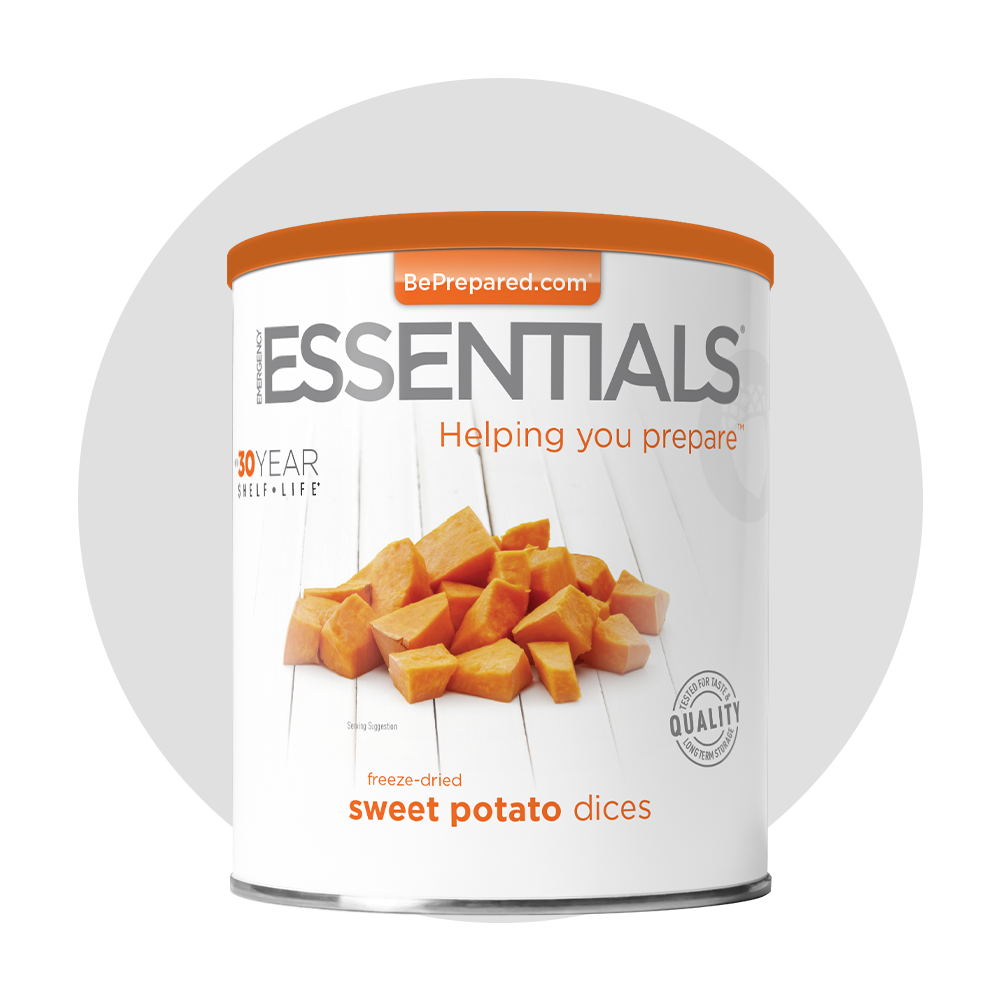
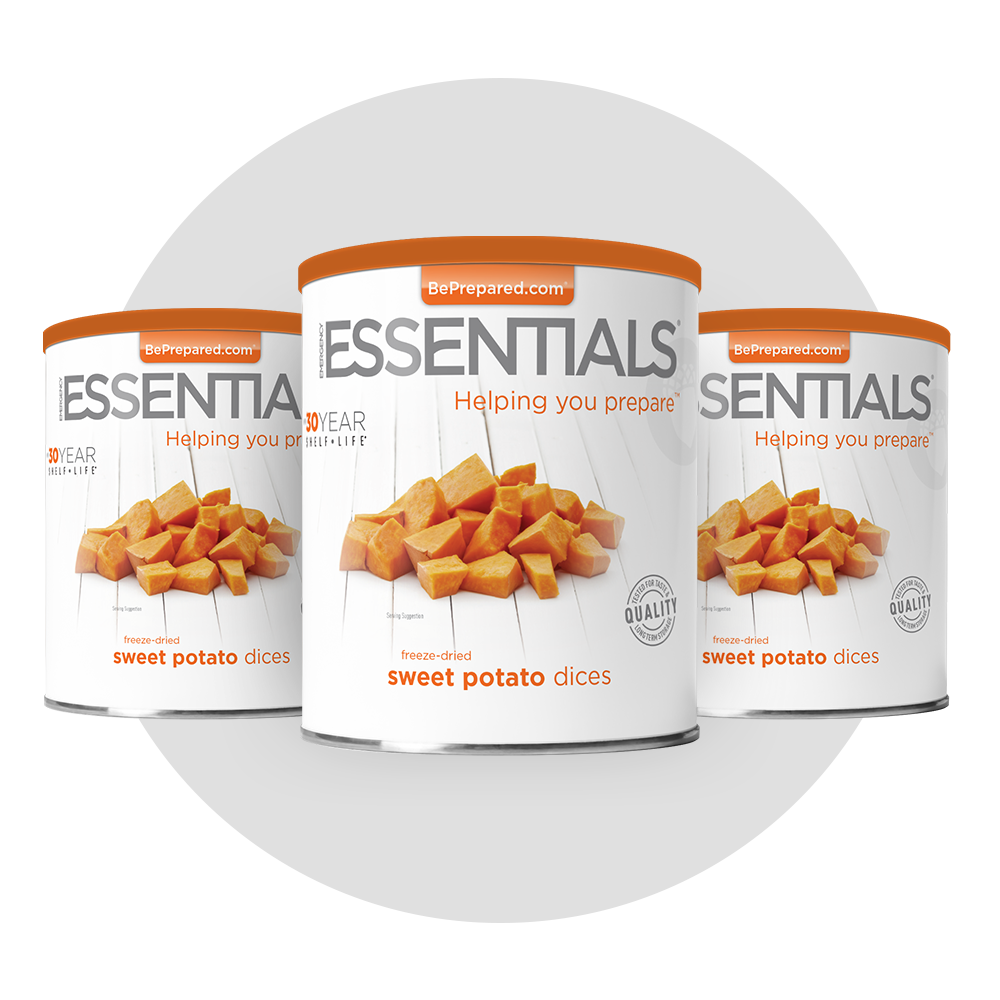
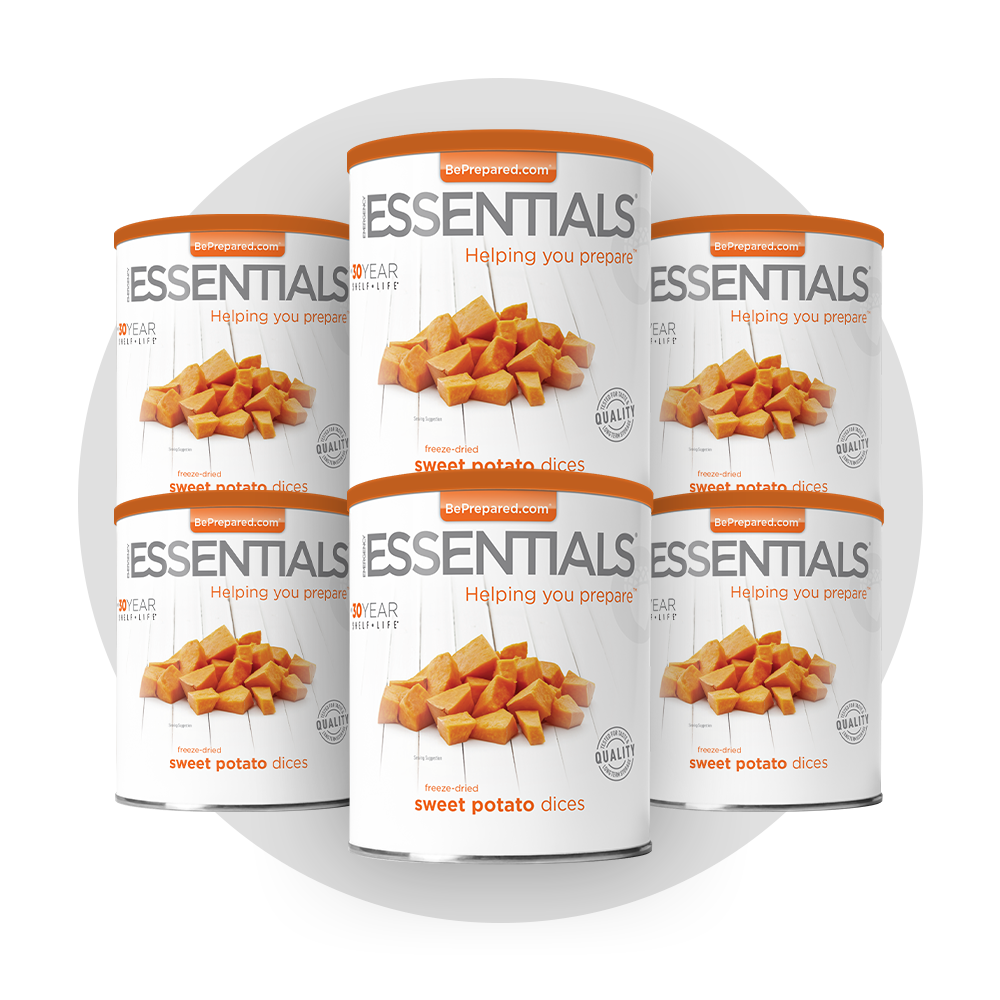
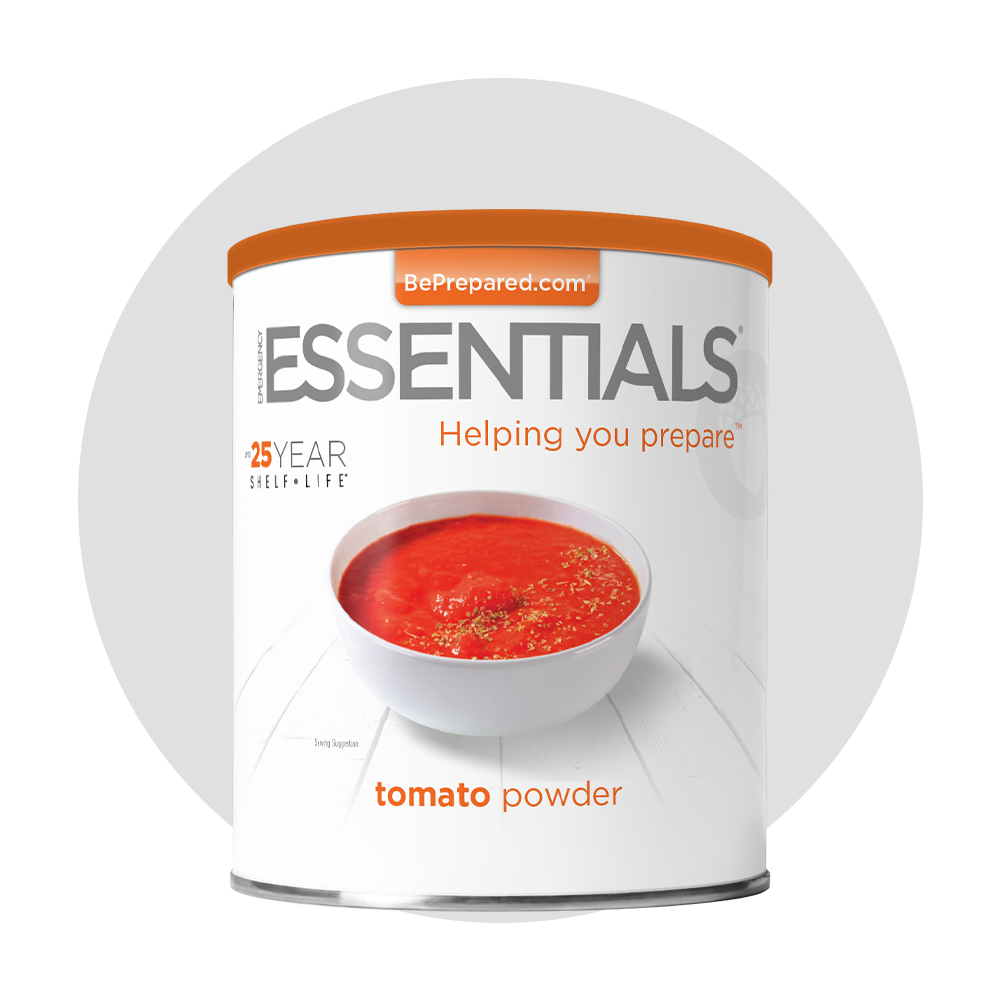
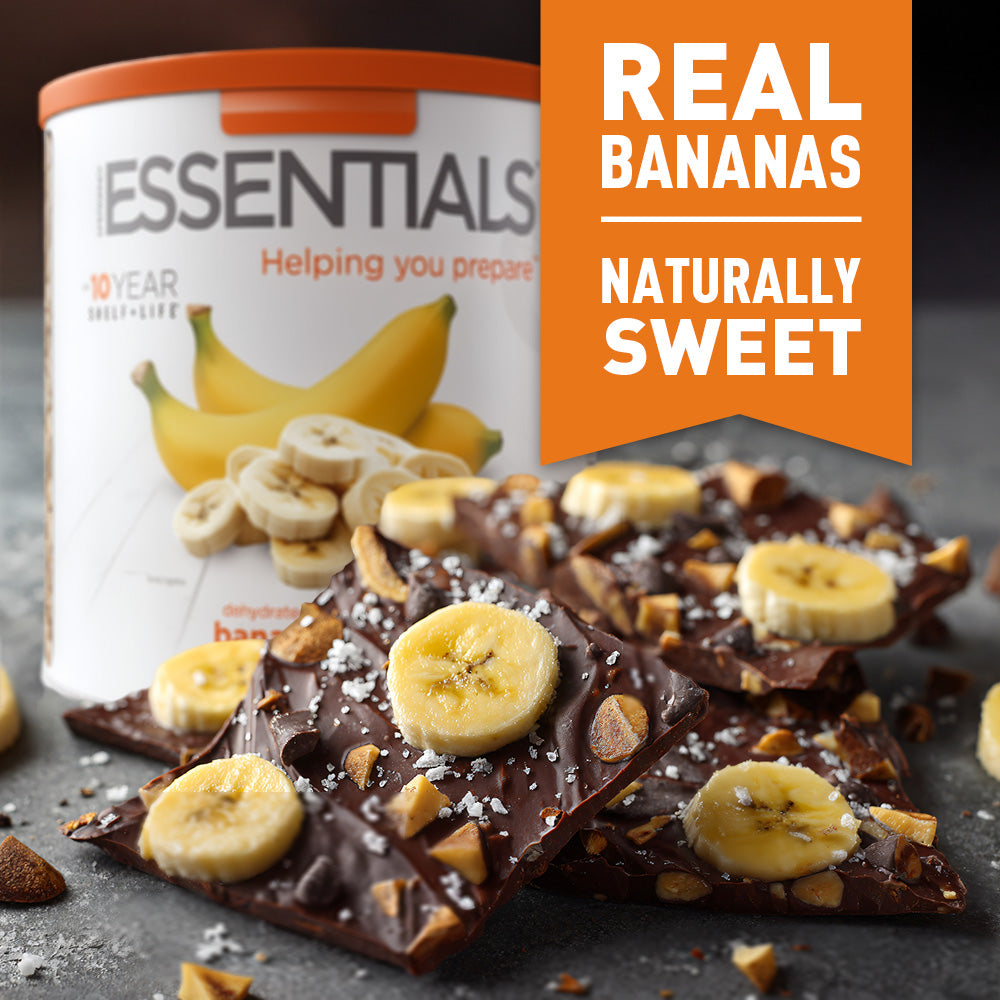
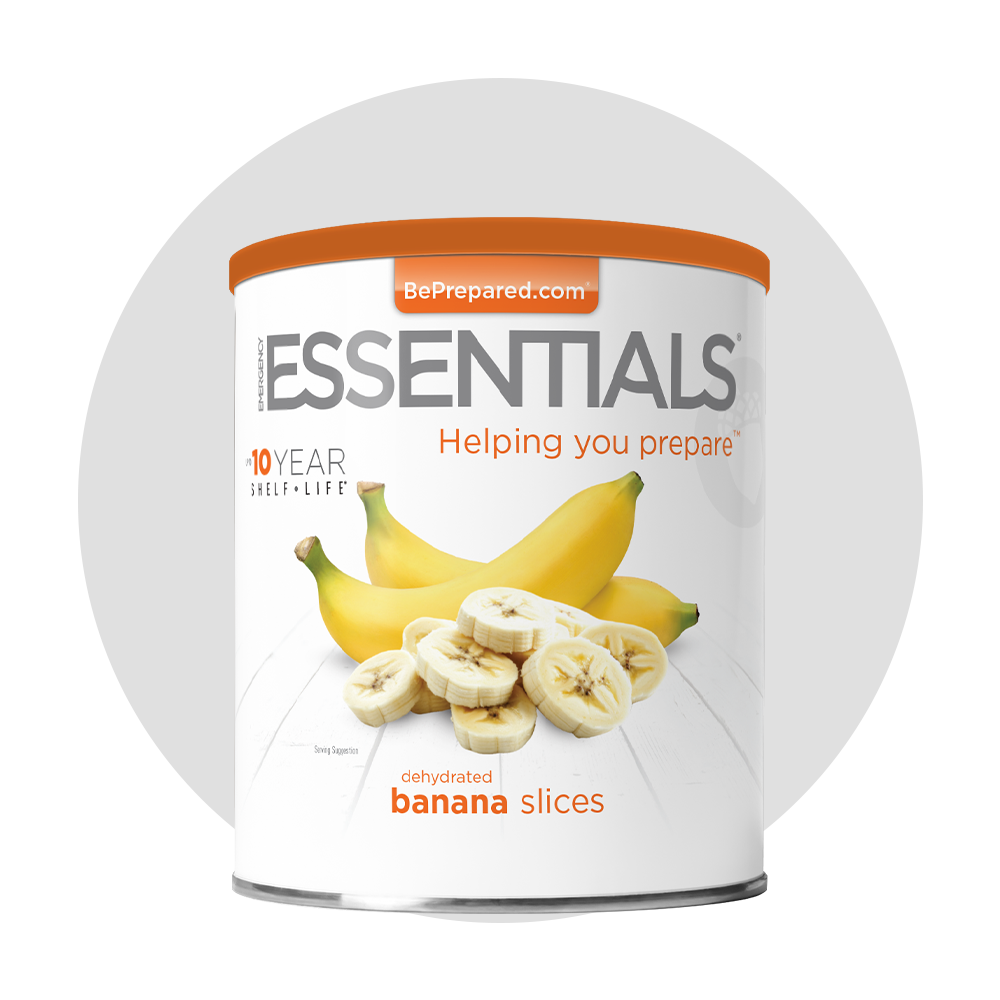
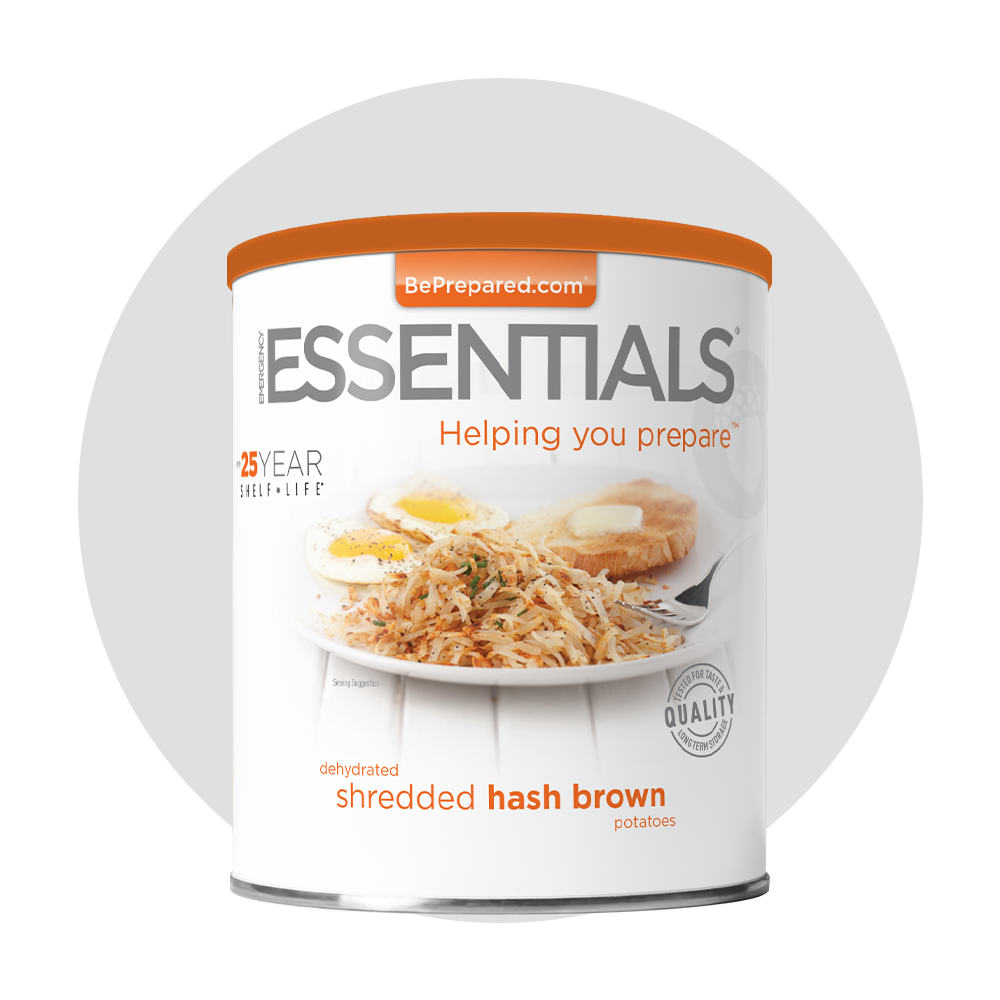
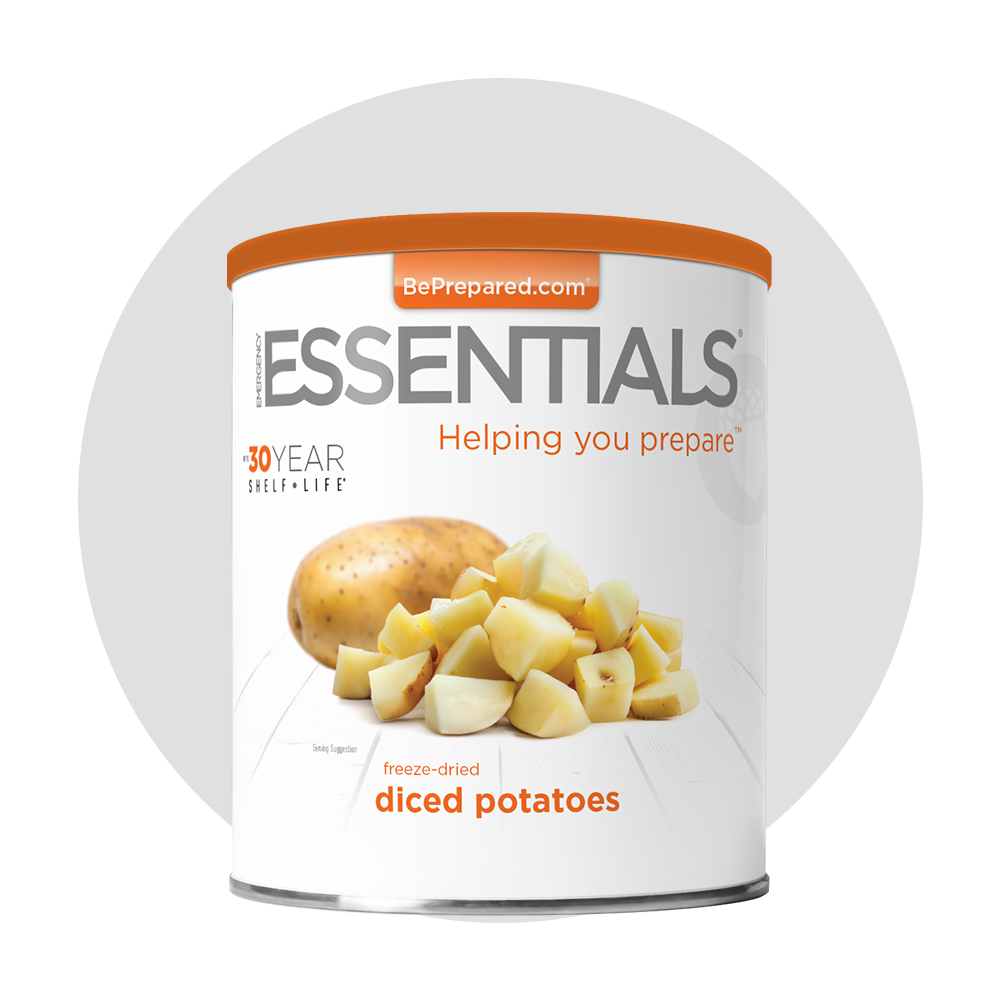
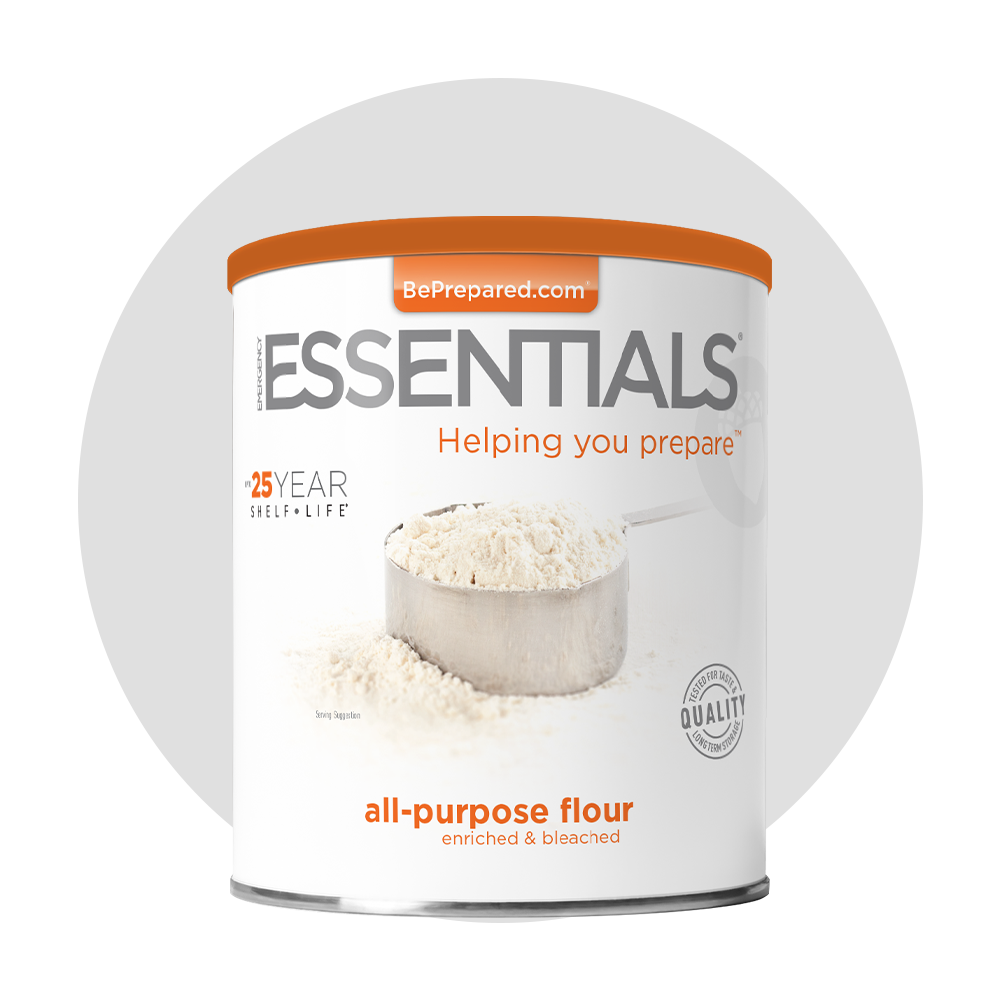
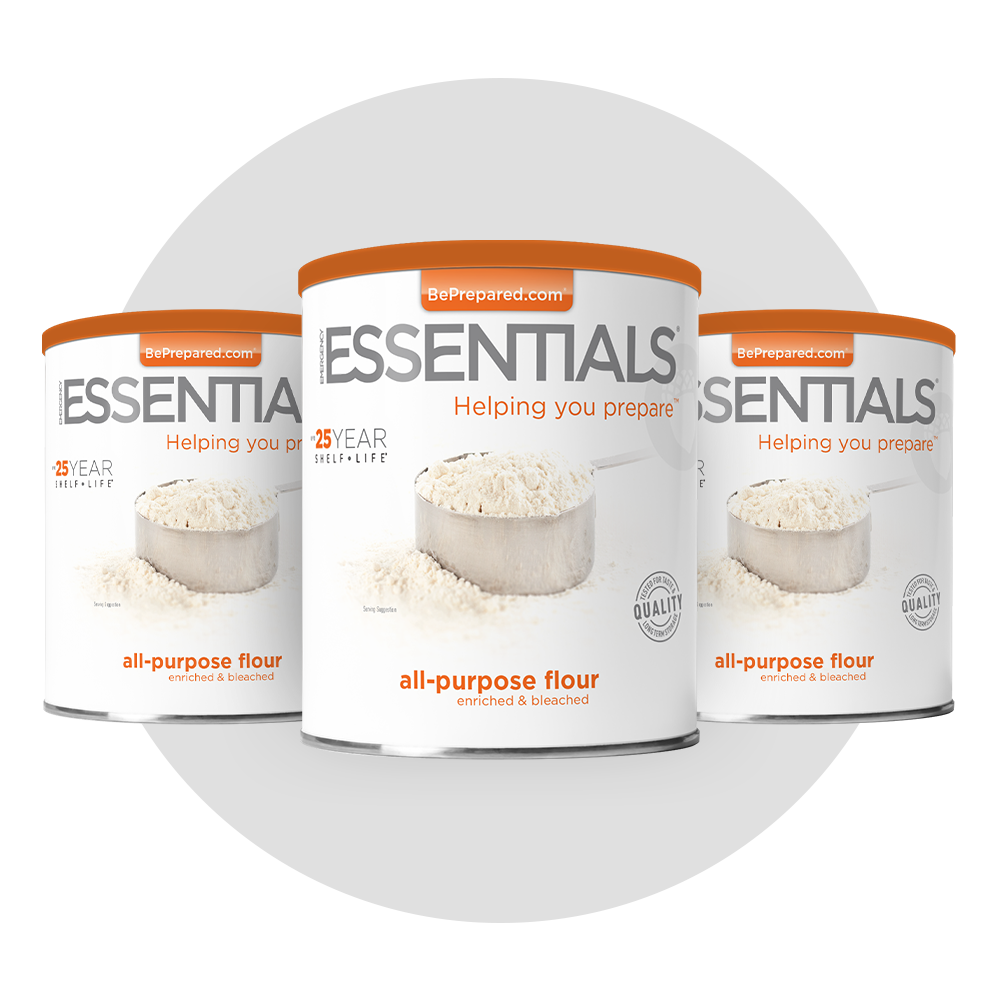
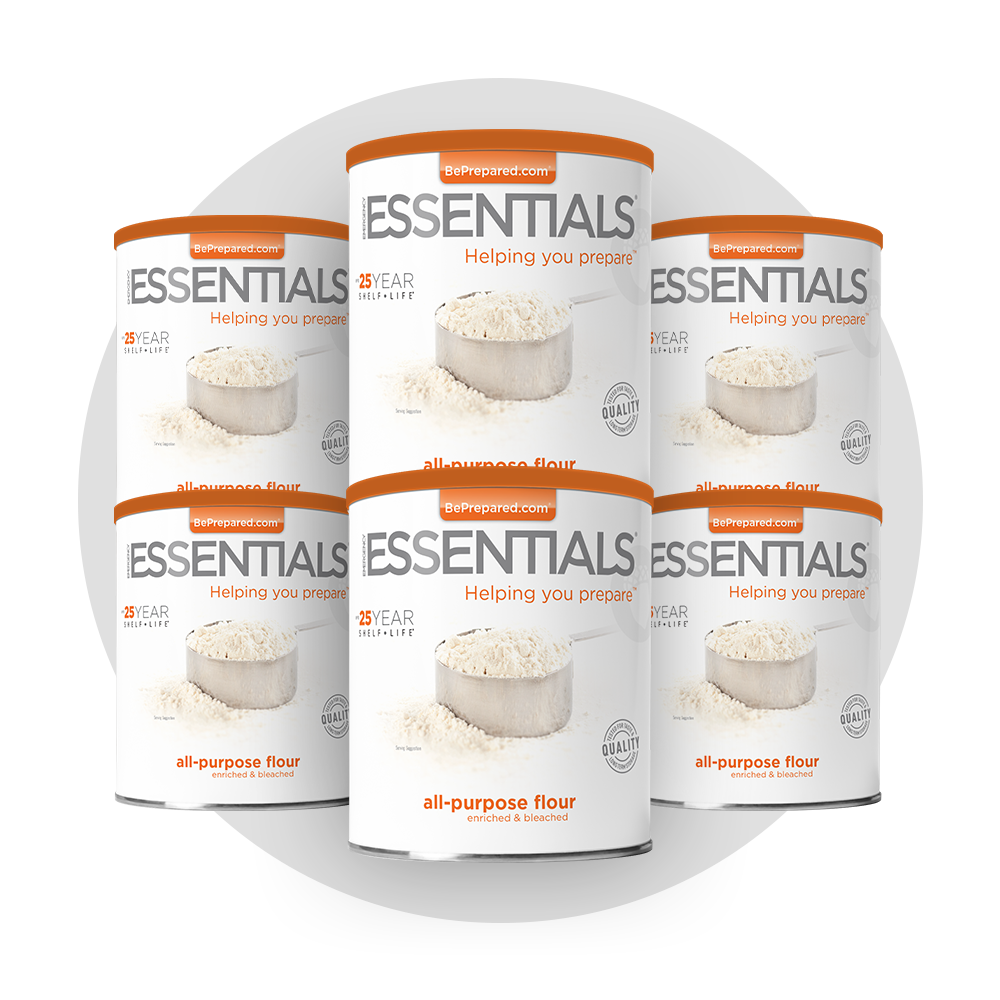
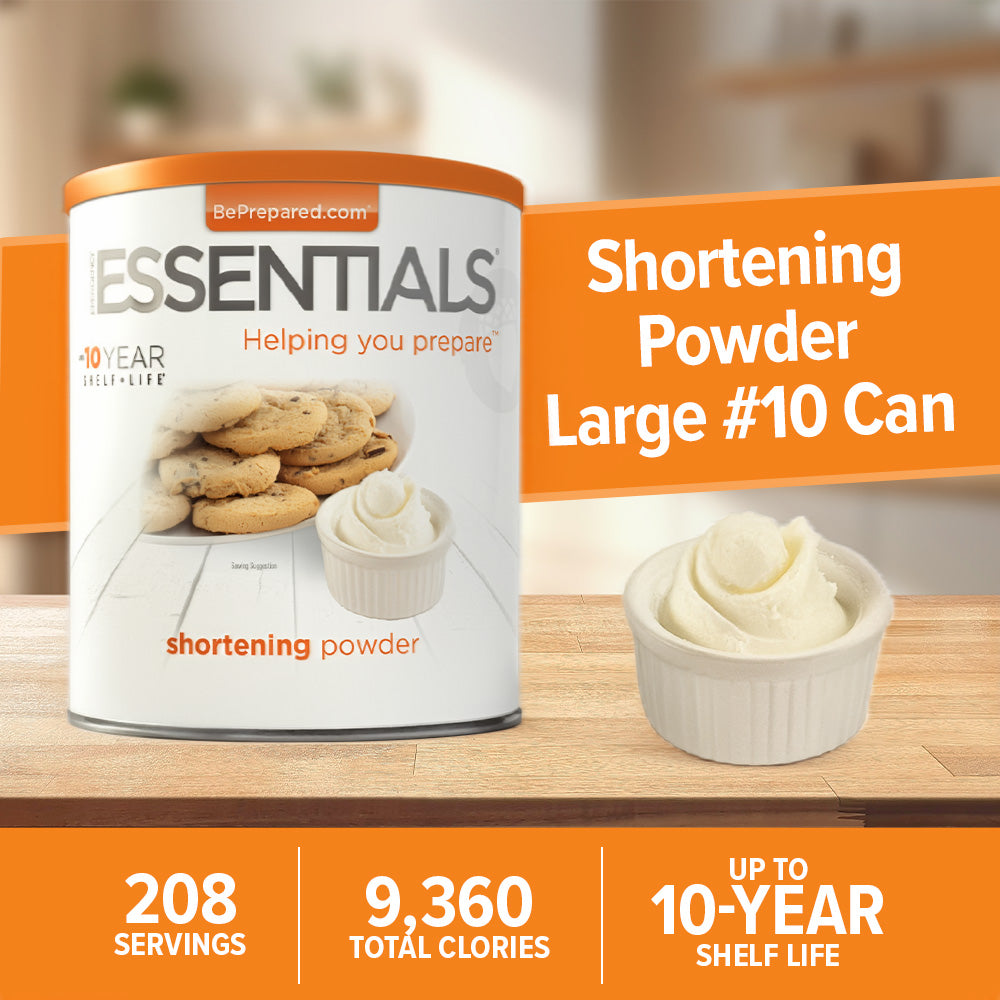
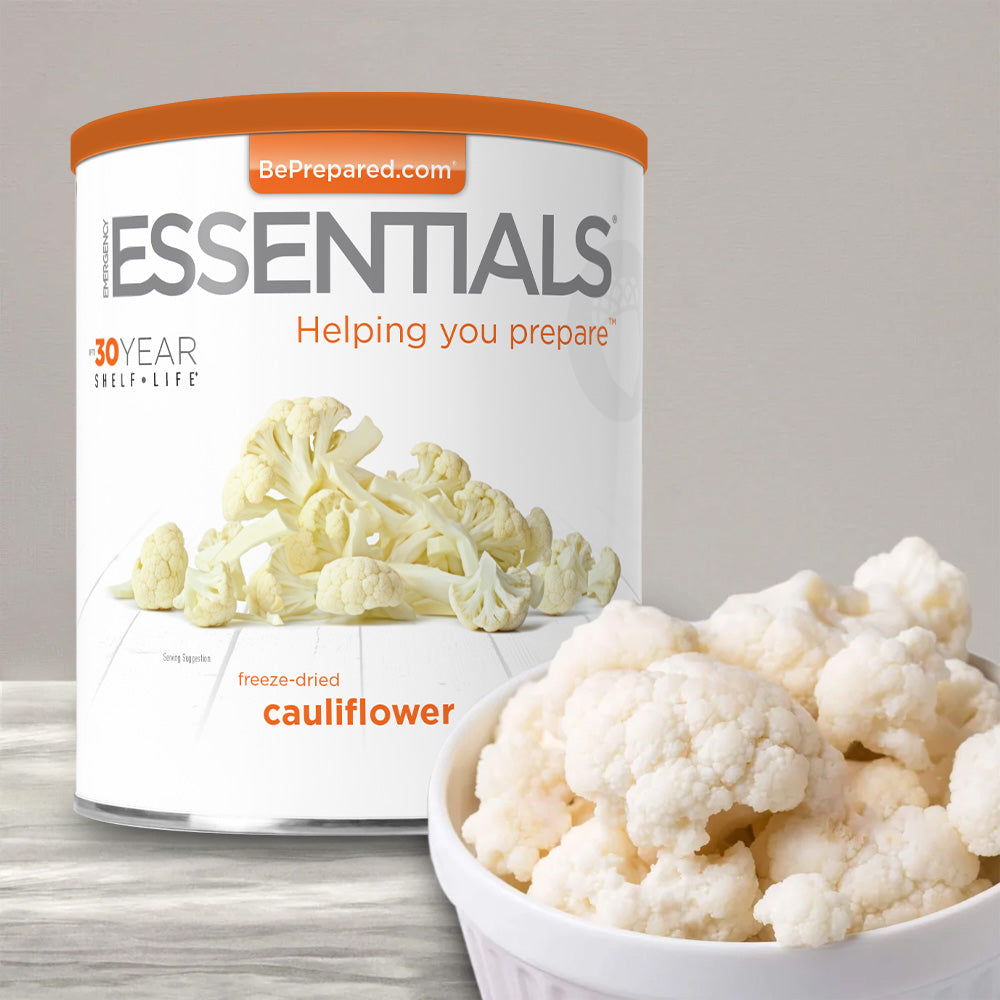
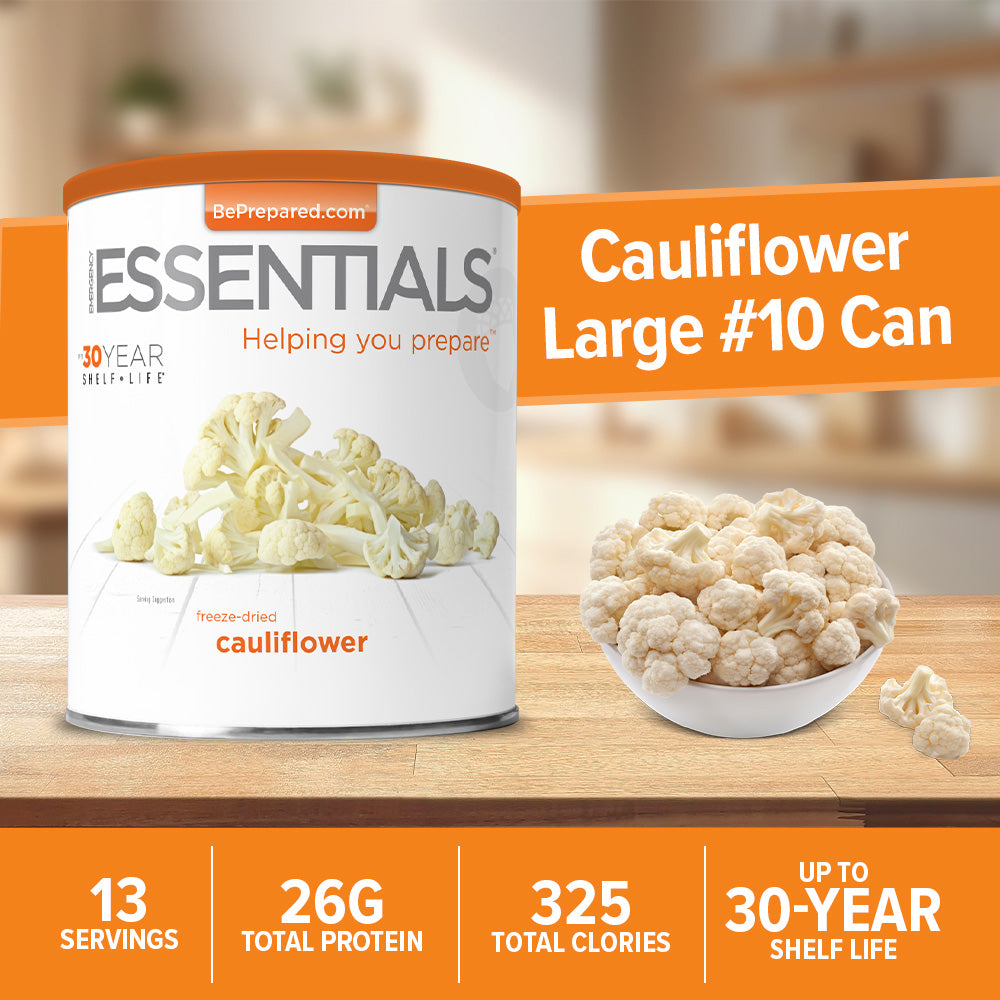
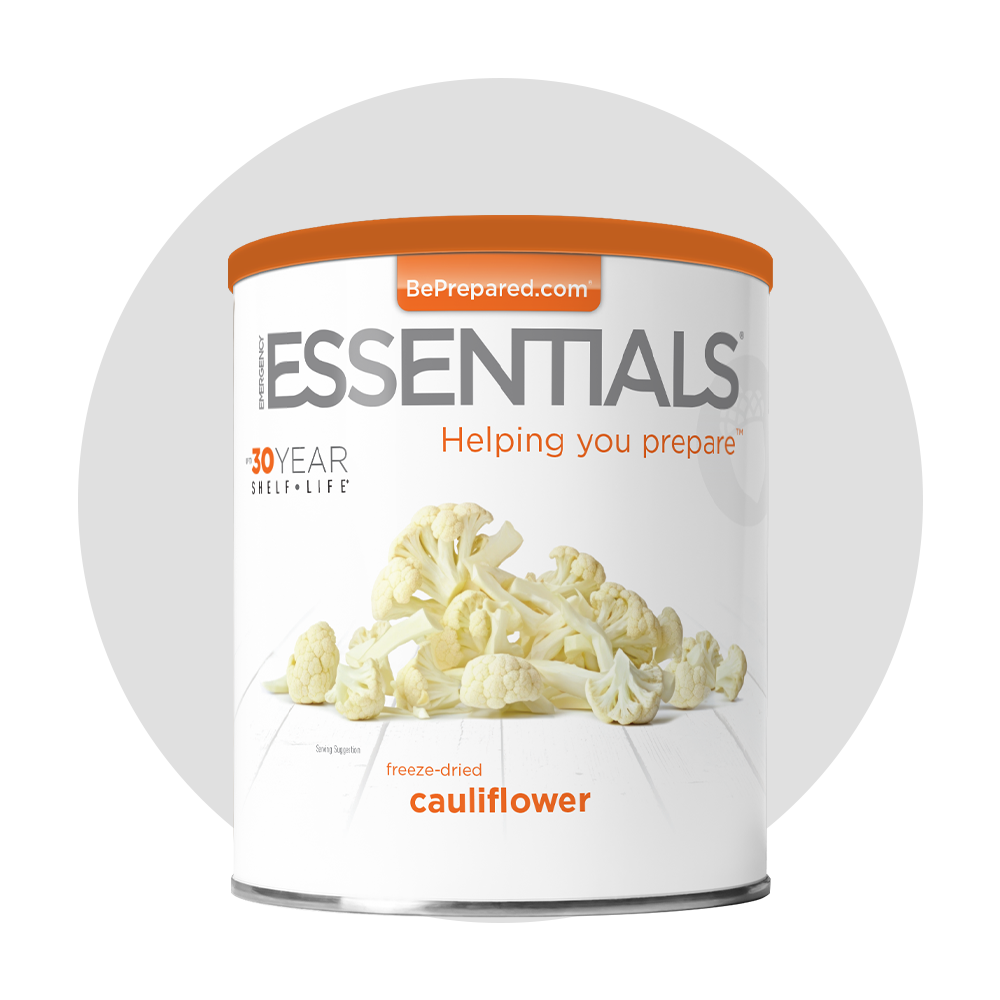
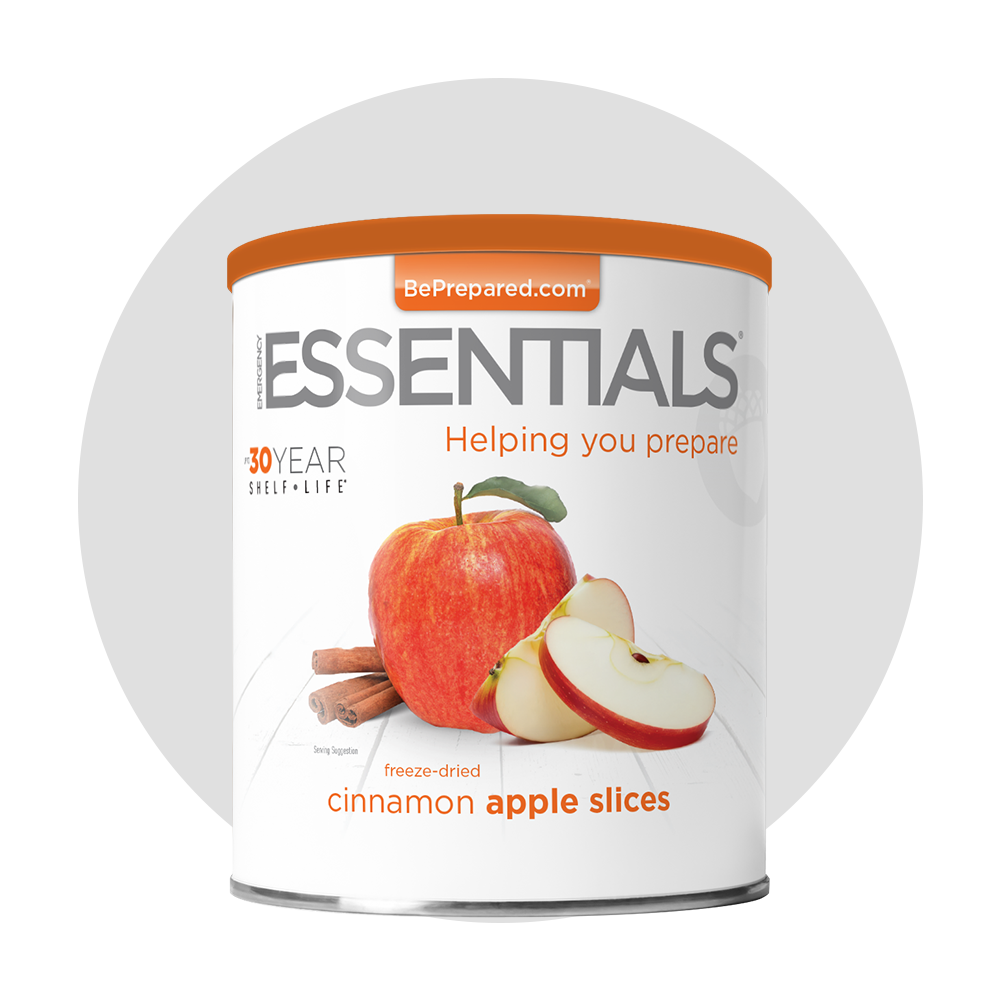
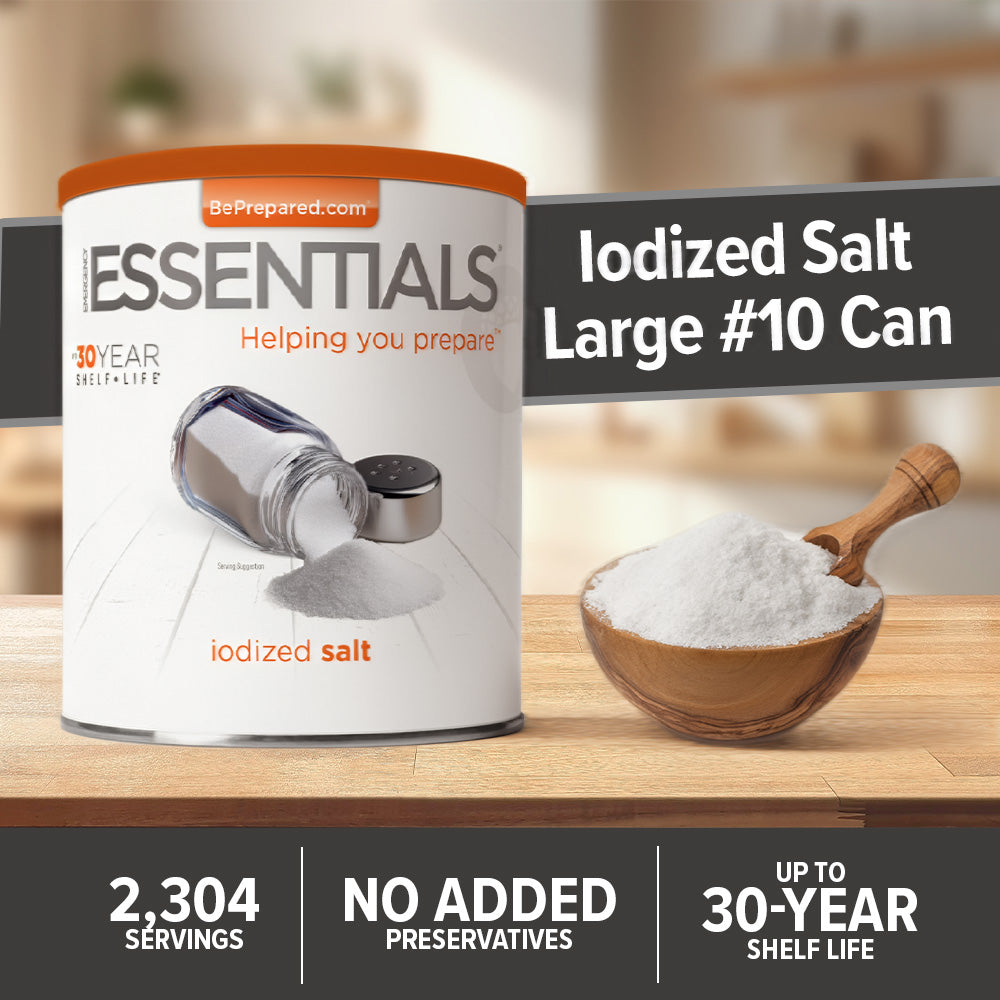
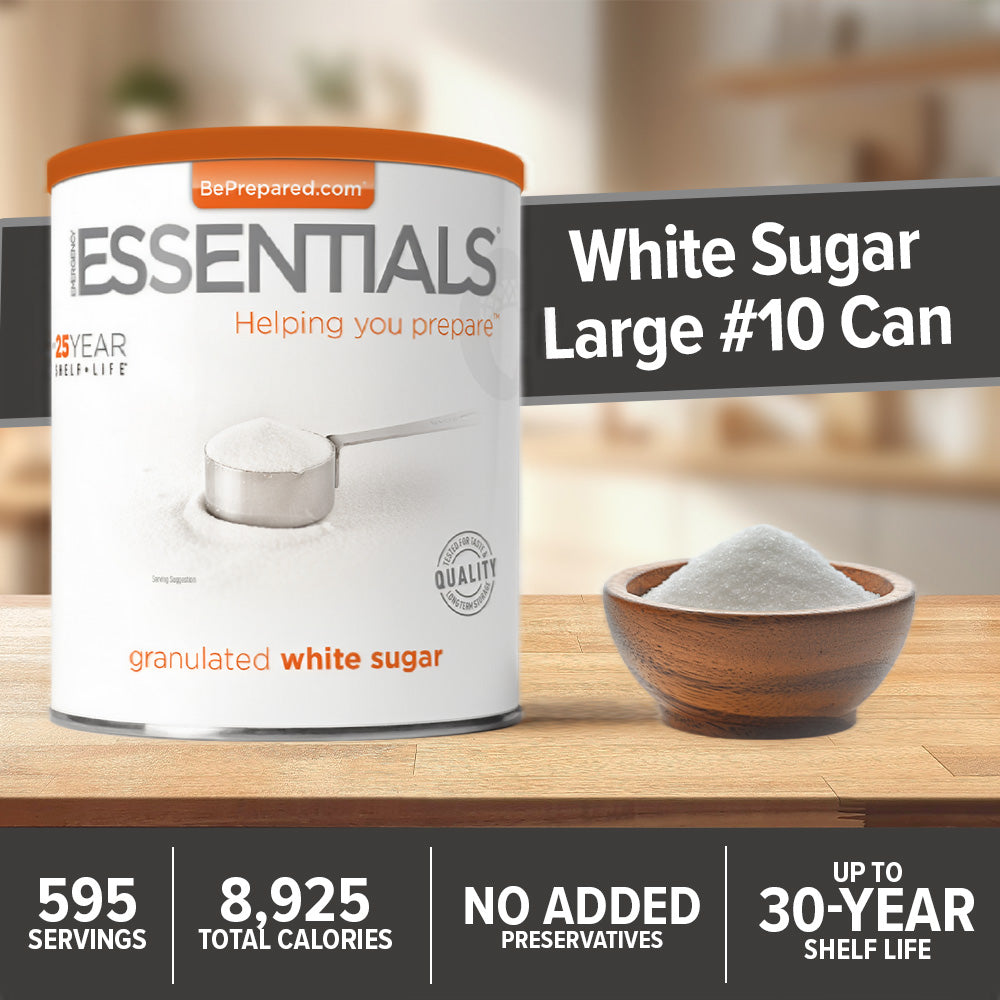
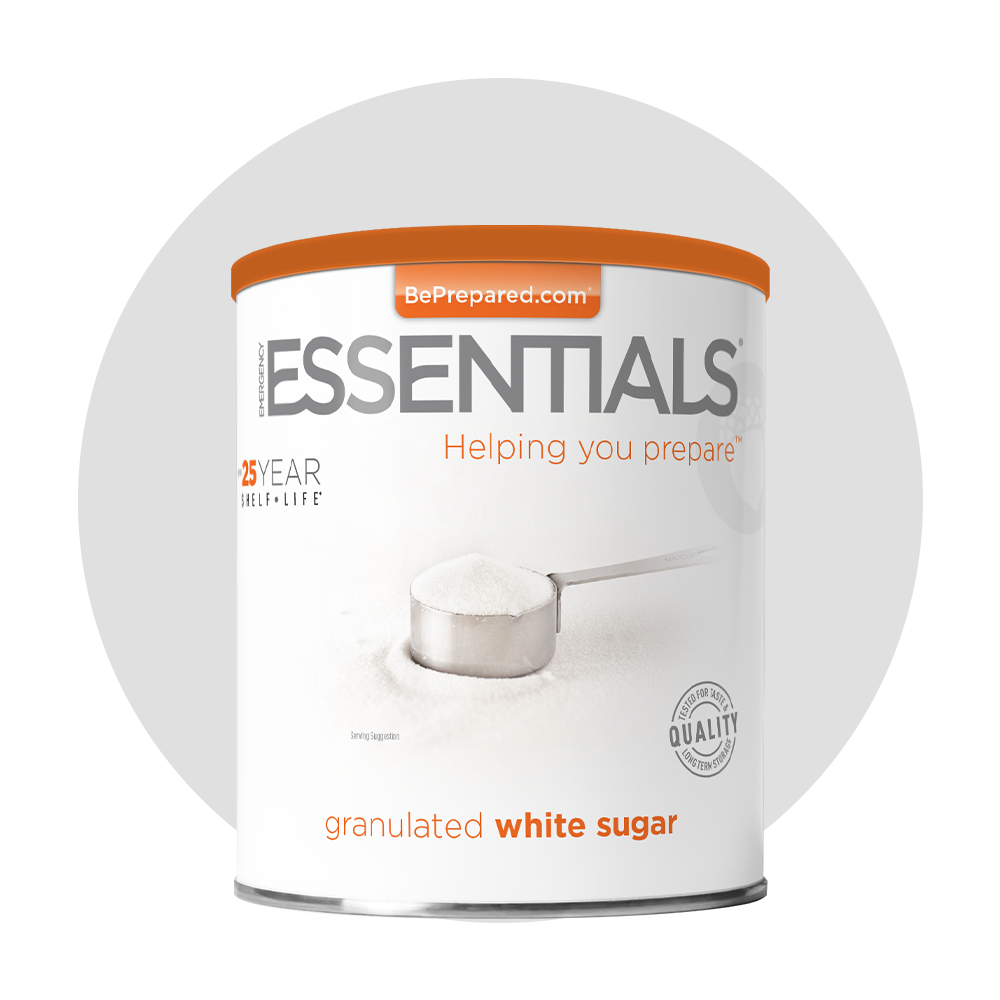
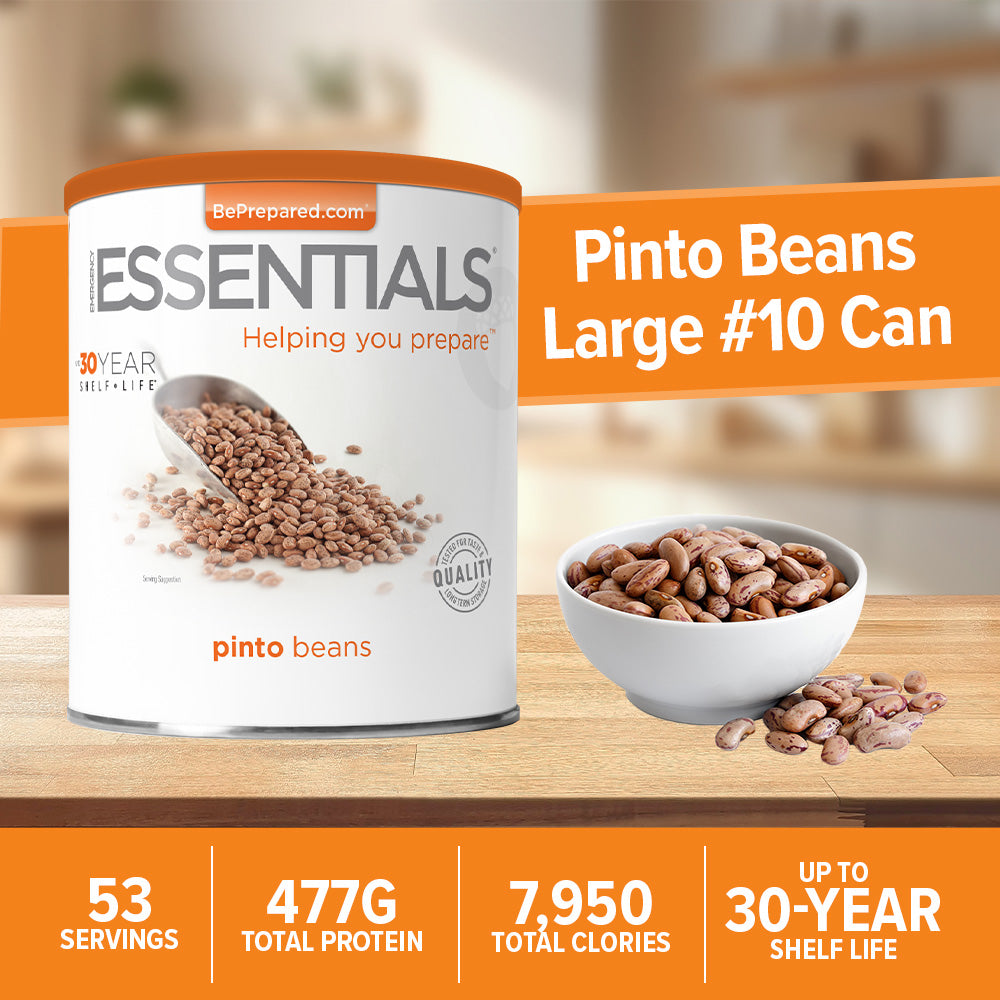
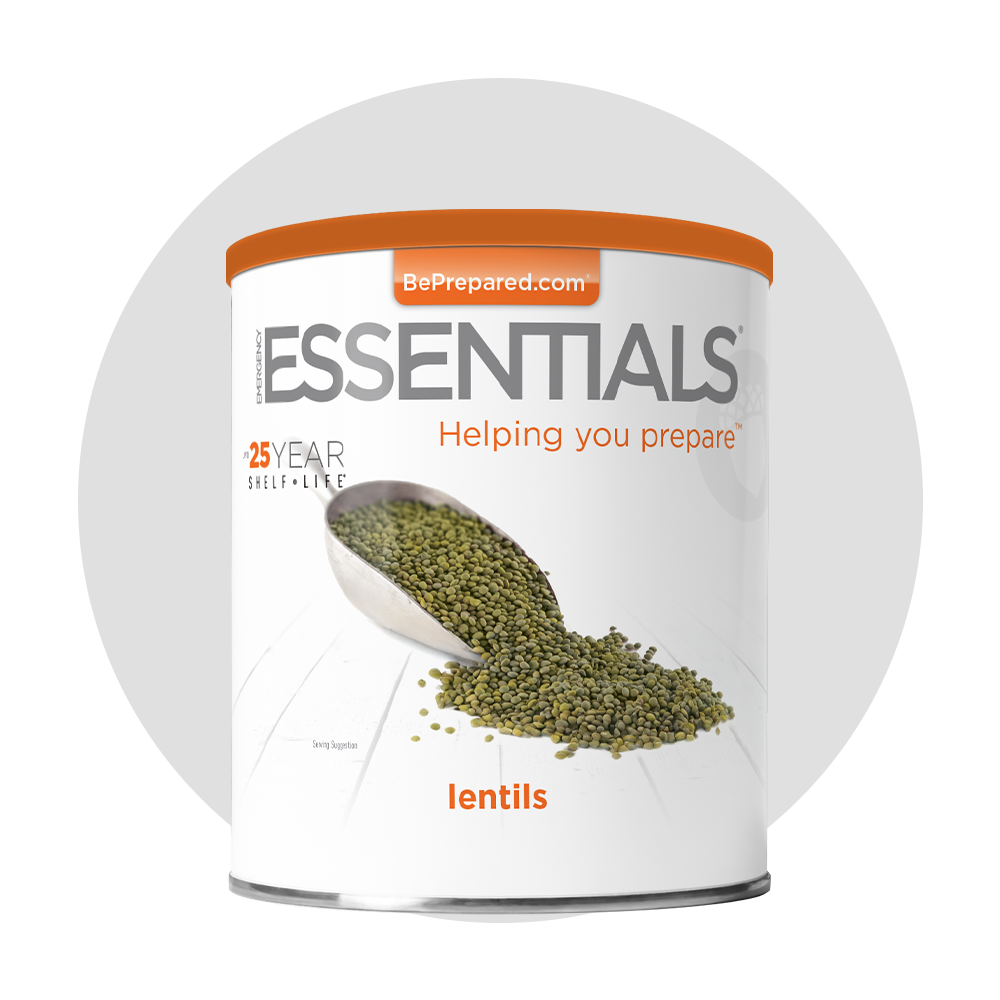
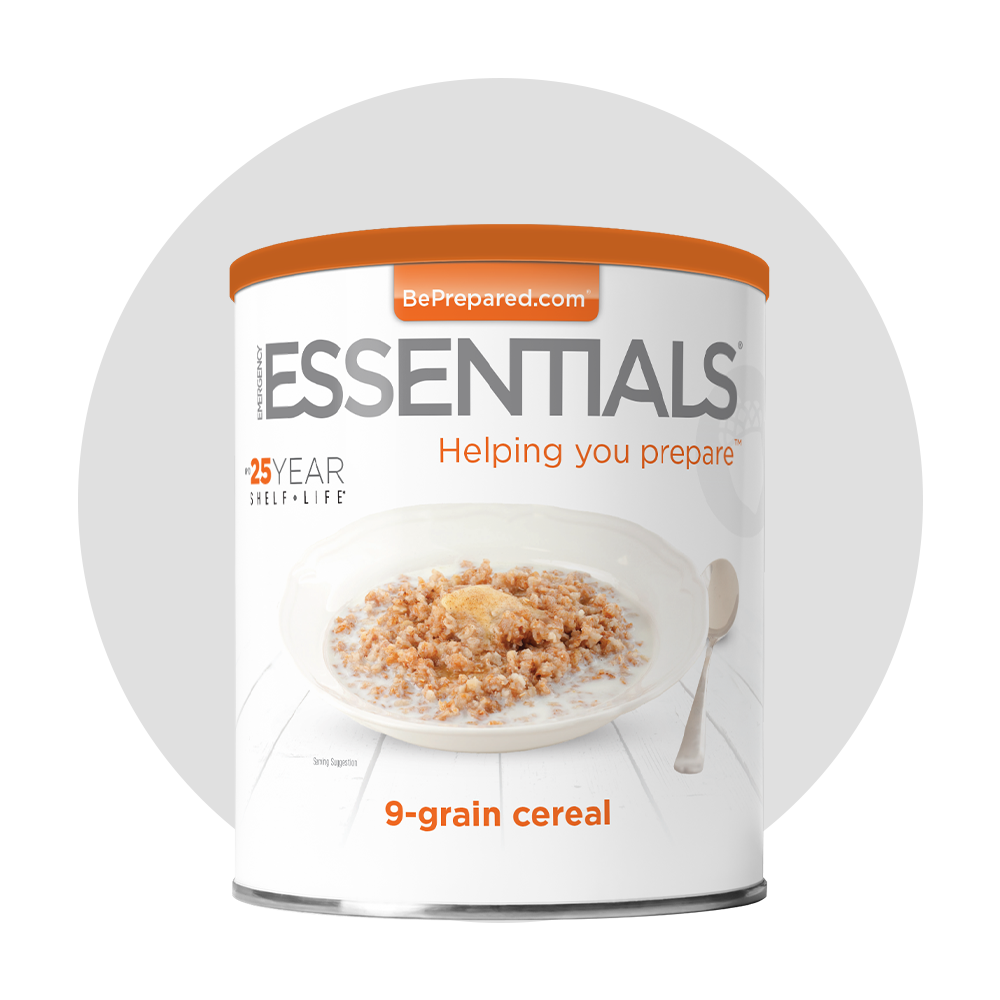
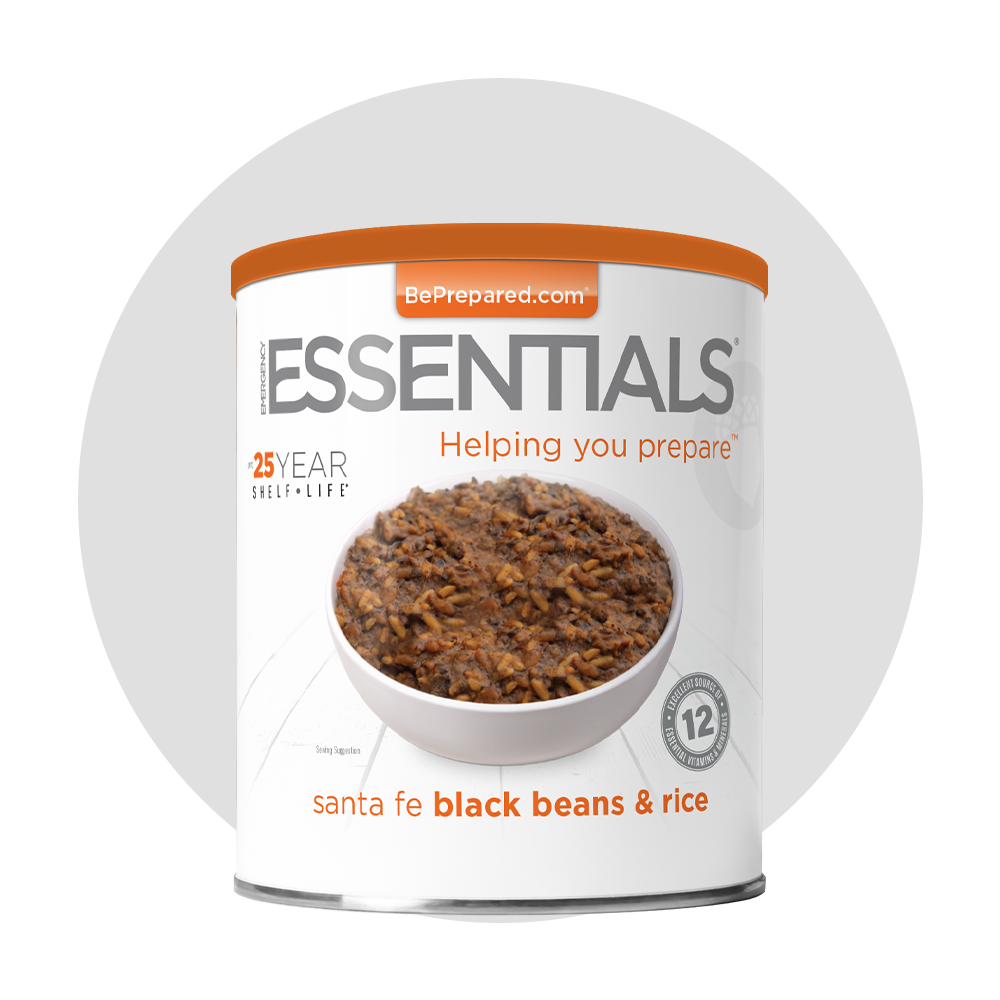
A #10 can is a standard food-service container commonly used to package and store bulk food products. It measures approximately 6-3/16 inches in diameter by 7 inches high. Many Emergency Essentials foods are available in #10 cans, although packaging varies by product.
How much food is in a #10 can?
The term “#10” refers to the size of the can, not the weight or amount of food inside it. A #10 can holds approximately 109 fluid ounces by volume, which is comparable to about 5.32 standard soup cans. Because foods differ in density and serving size, always check the individual product label or product page for the net weight and serving count.
How many servings are included in each food product?
Serving counts vary by product, package size, and food type. Check the product label or individual product page for the most accurate serving information.
Why doesn’t my package appear completely full?
Food products are filled according to their declared net weight rather than the physical volume of the package. Products may also settle naturally during shipping. This is normal and does not necessarily mean the package contains less than the stated amount.
Can I buy individual food items?
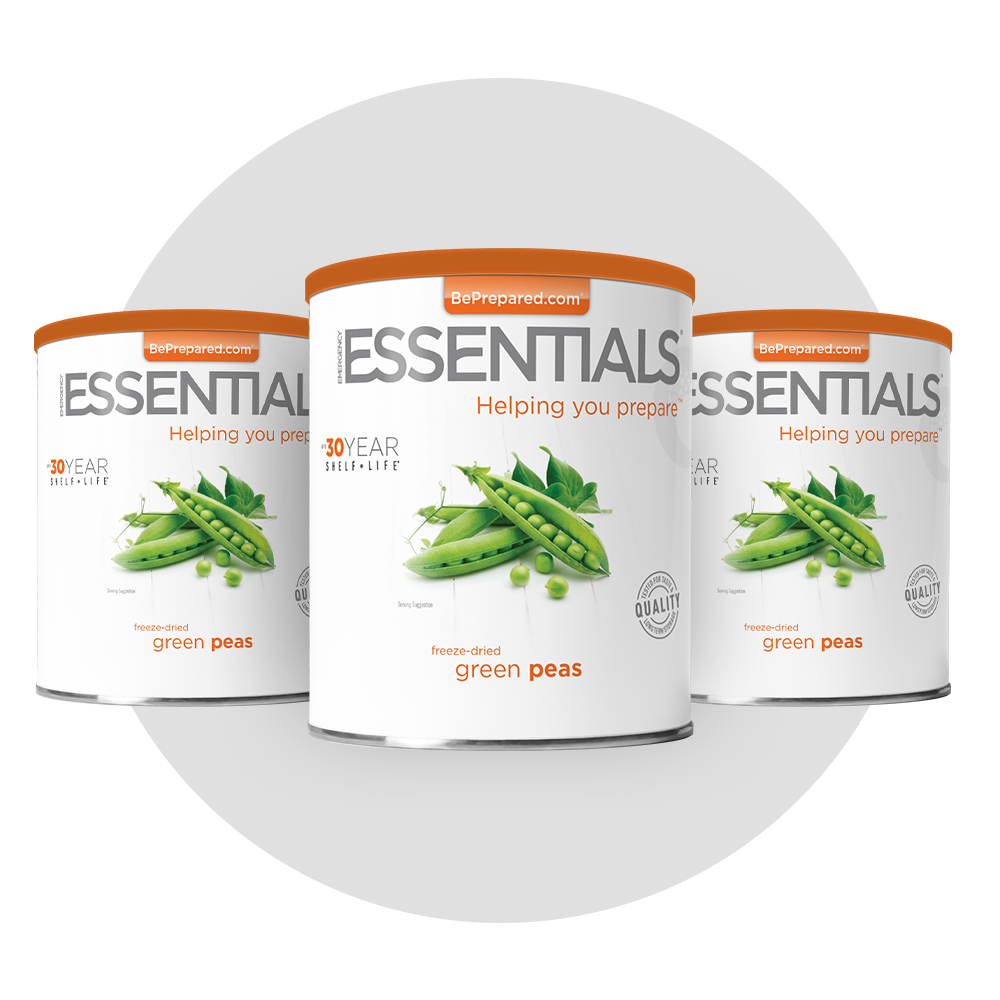
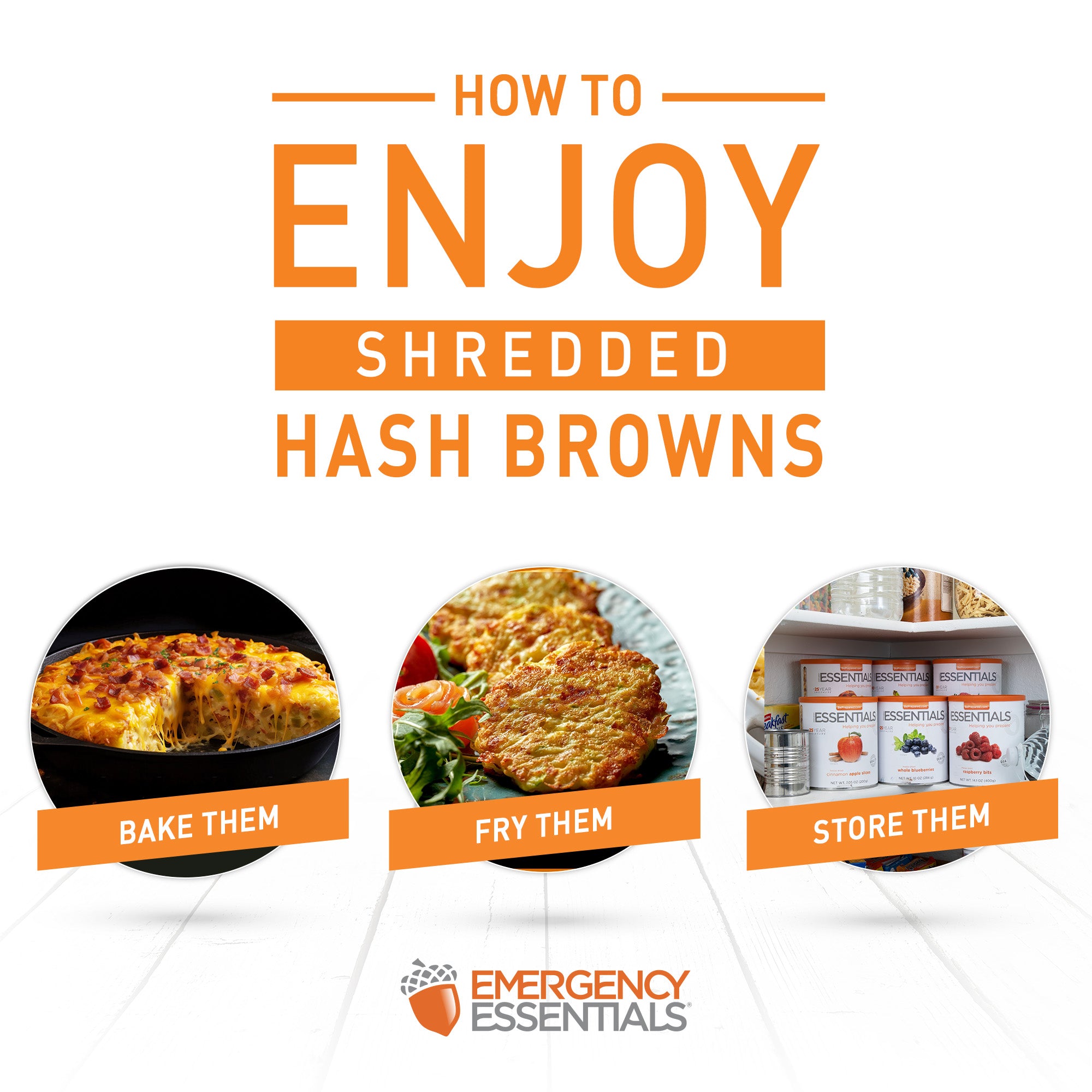
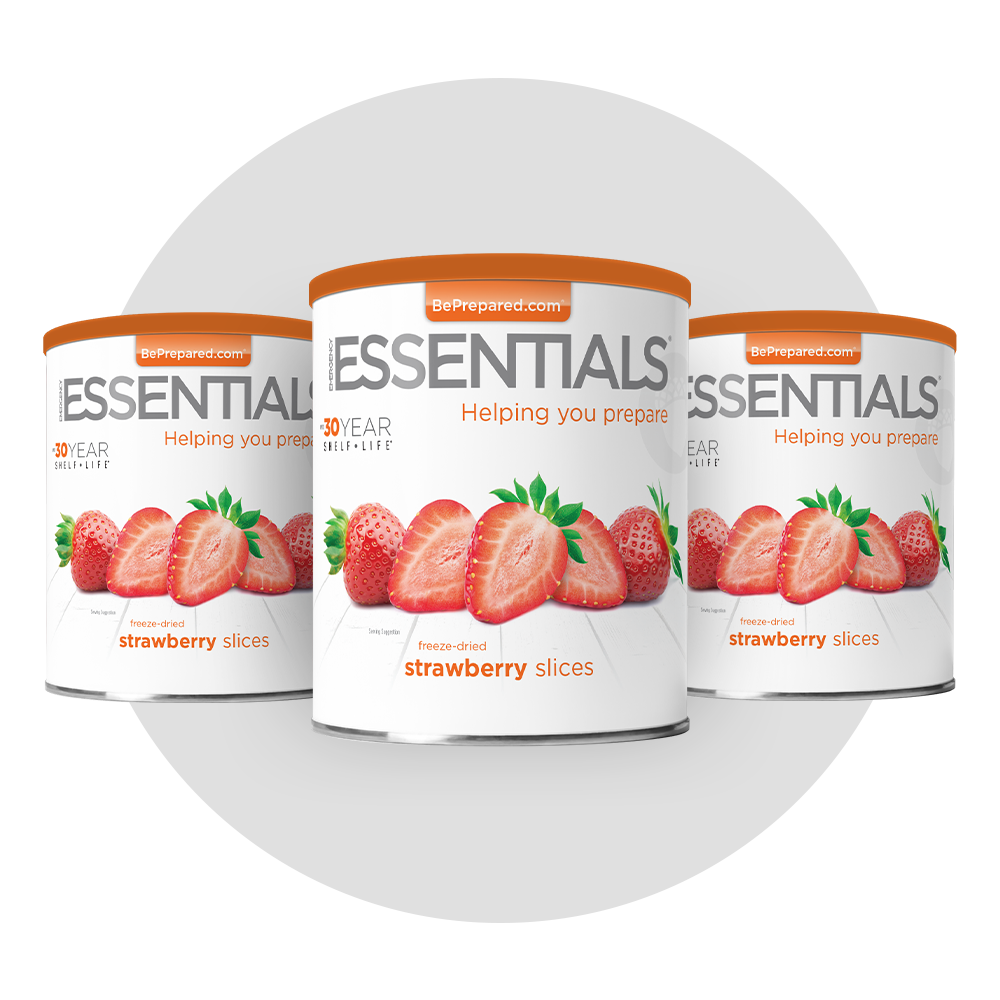
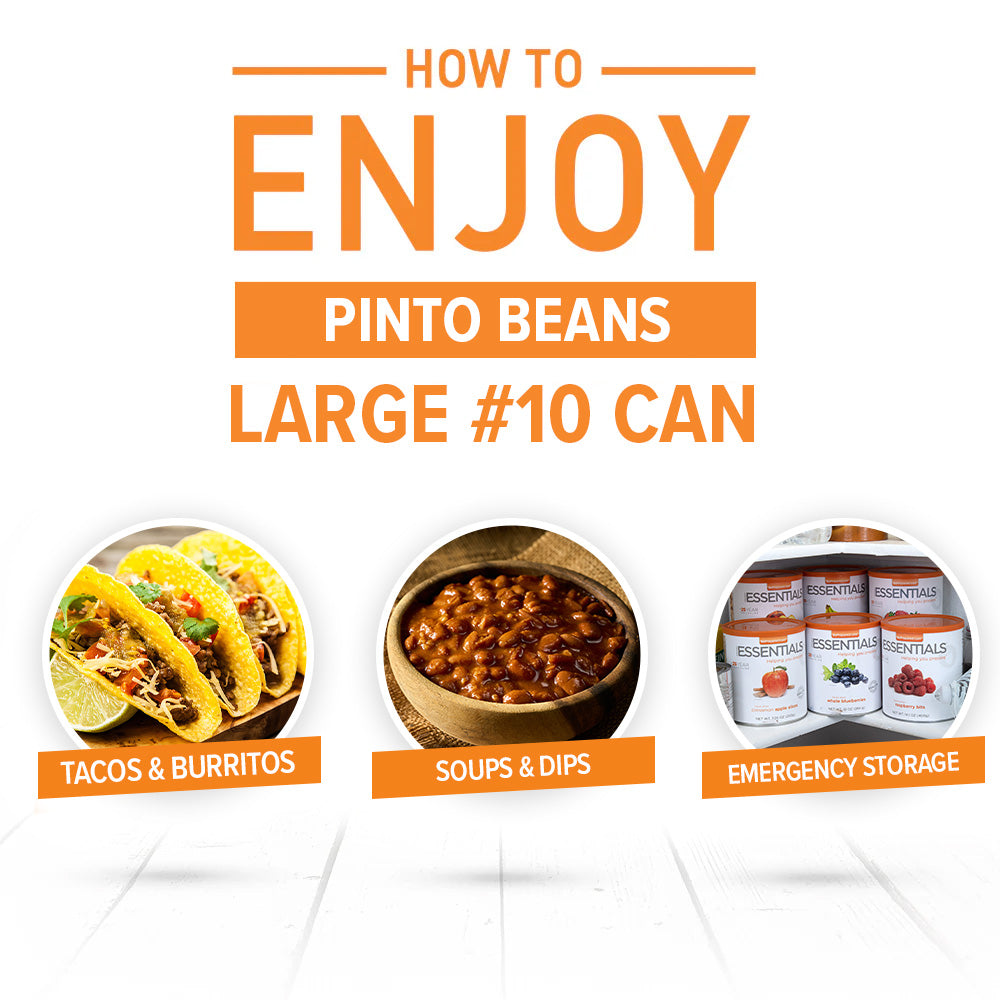
Yes. Many foods are available individually, including individual #10 cans and other package formats. This allows you to add specific fruits, vegetables, proteins, grains, meals, or staples to your pantry without purchasing a larger kit.
Food Processing & Storage
What is the difference between freeze-dried and dehydrated food?
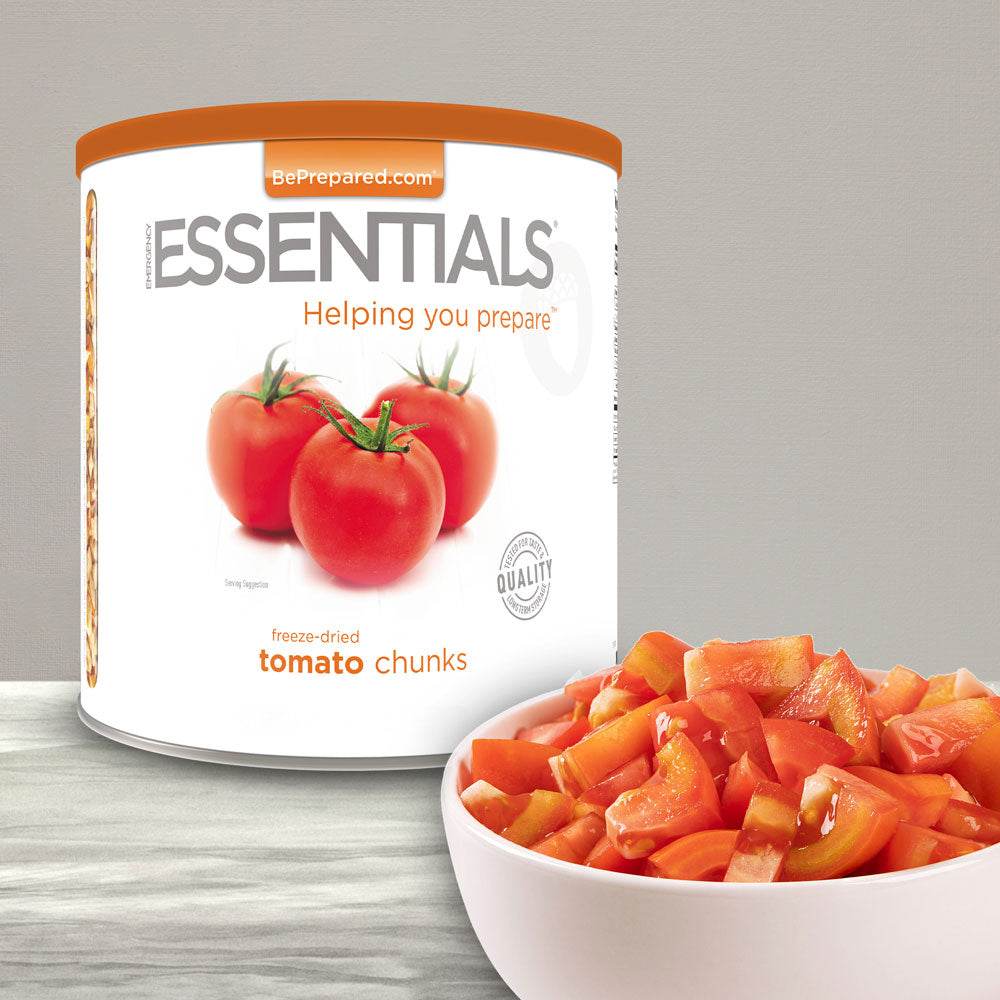
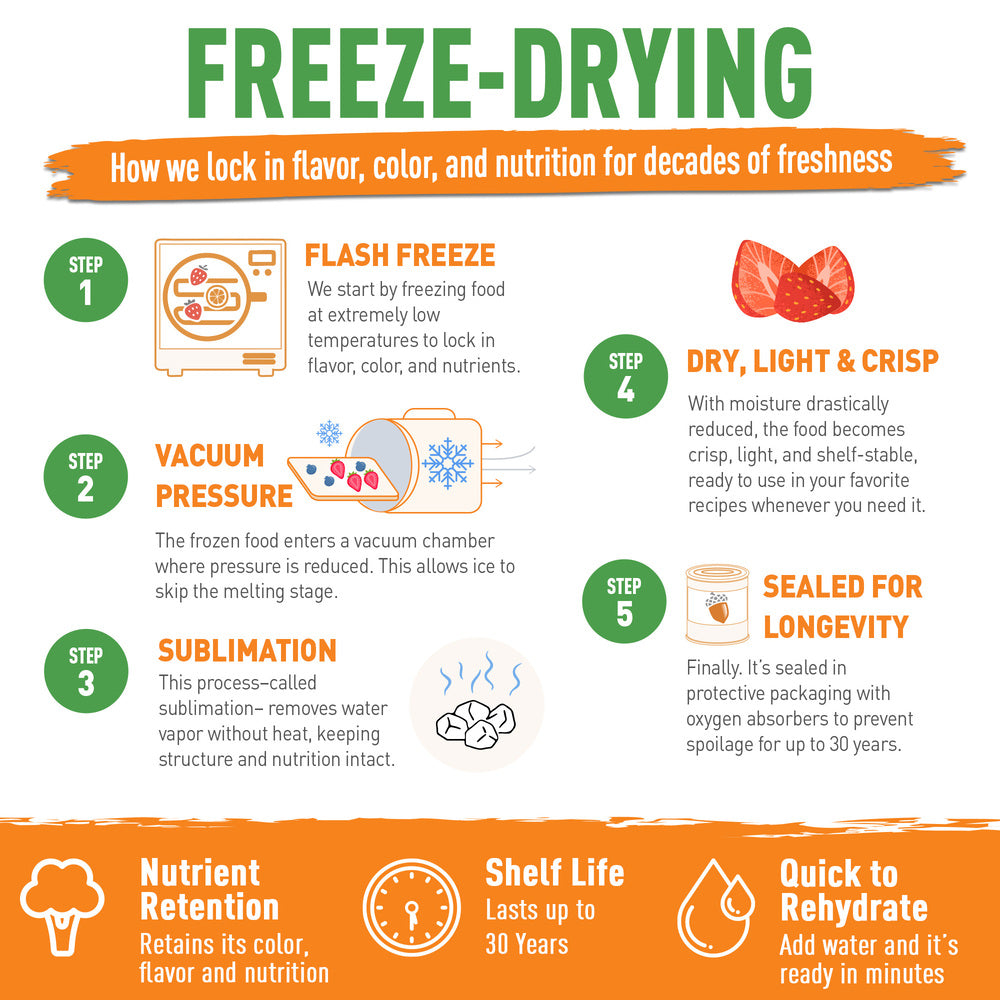
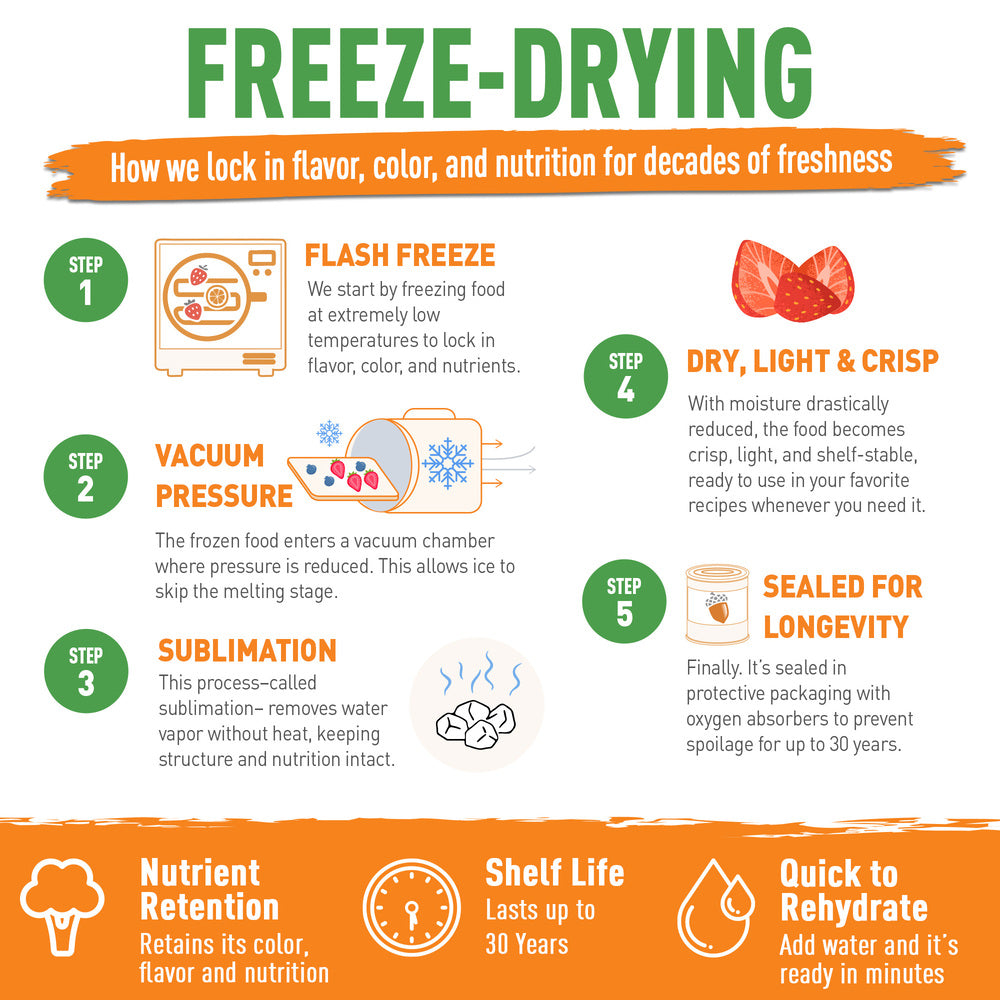
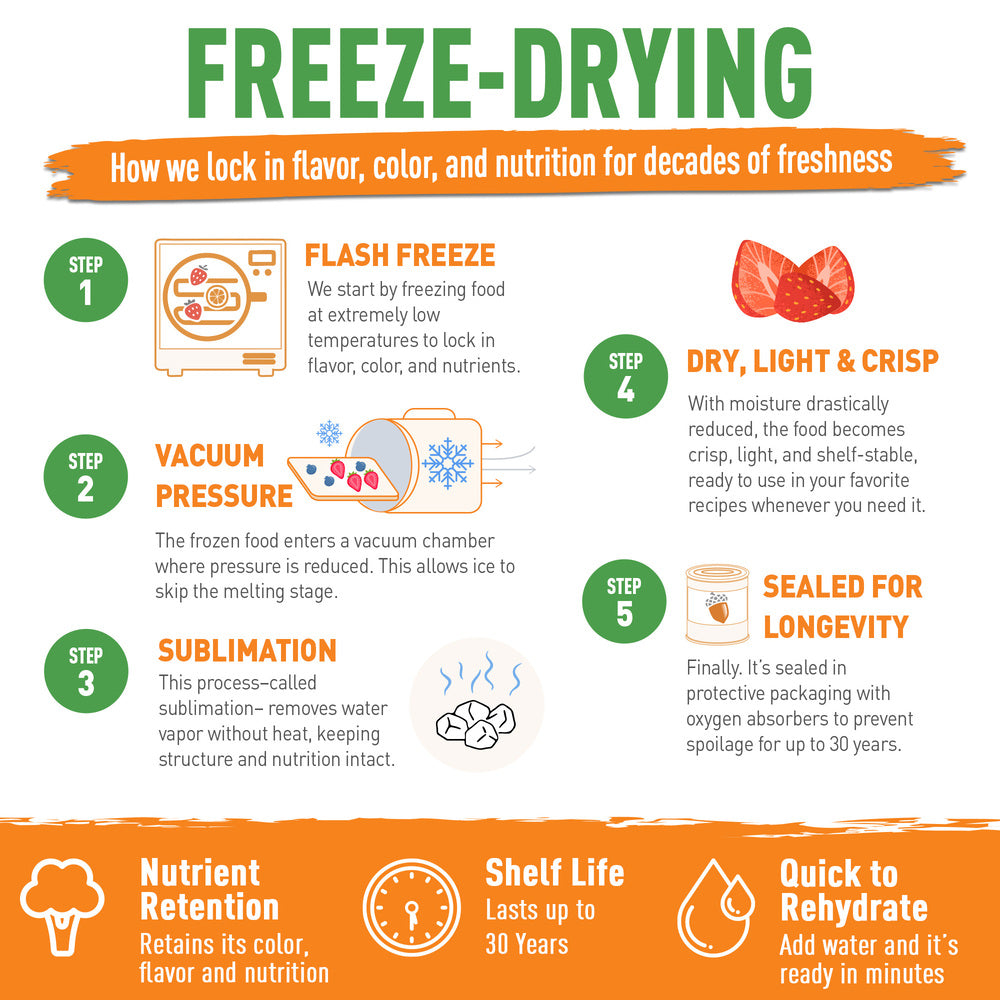
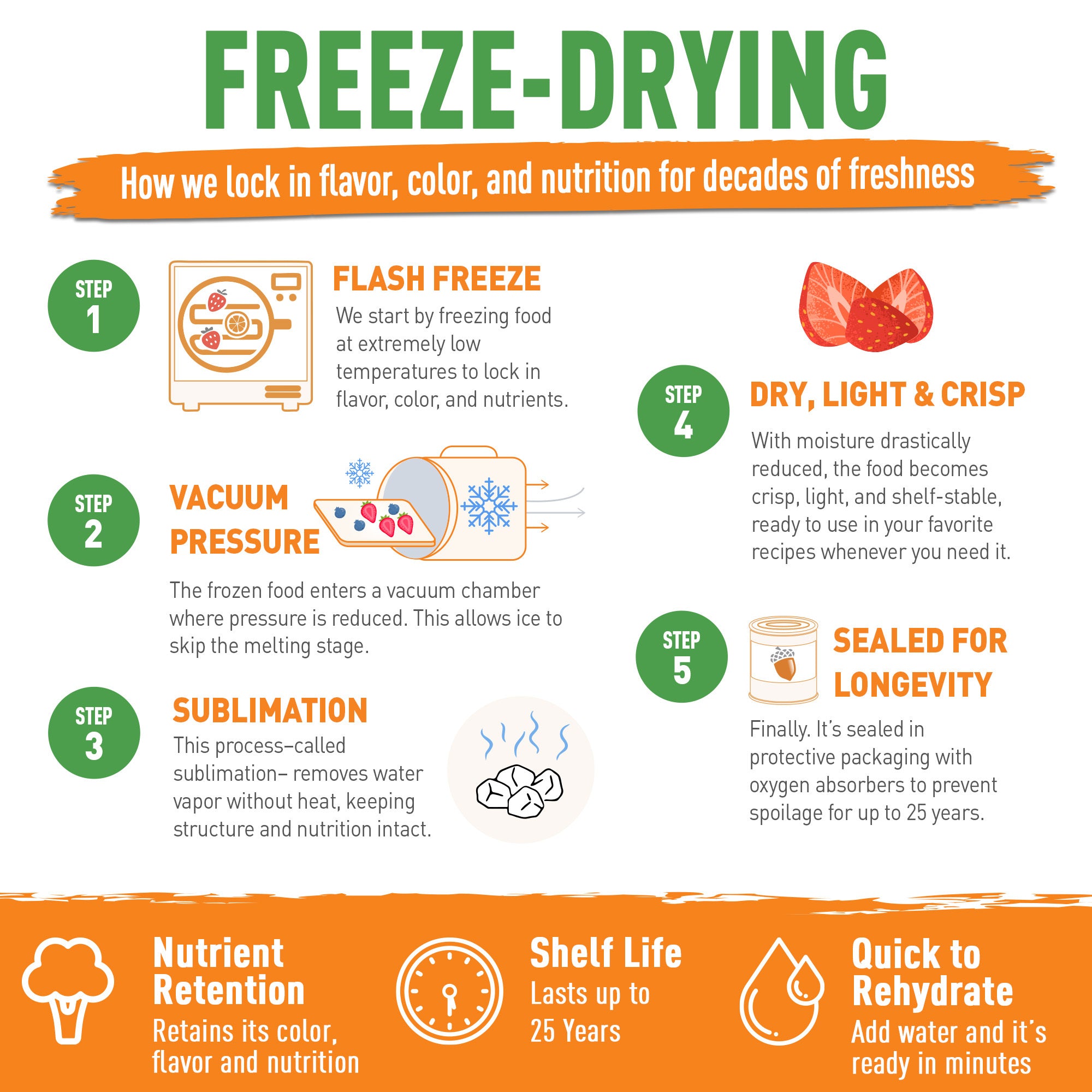
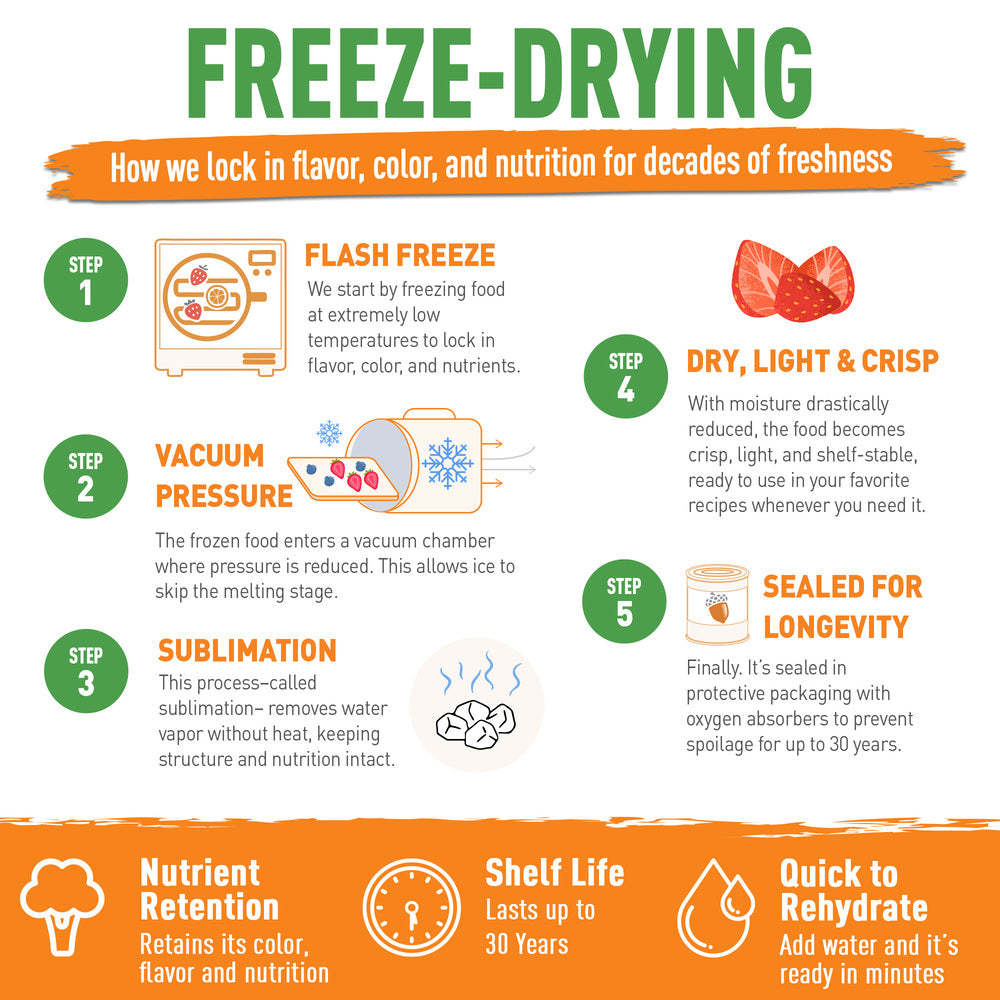
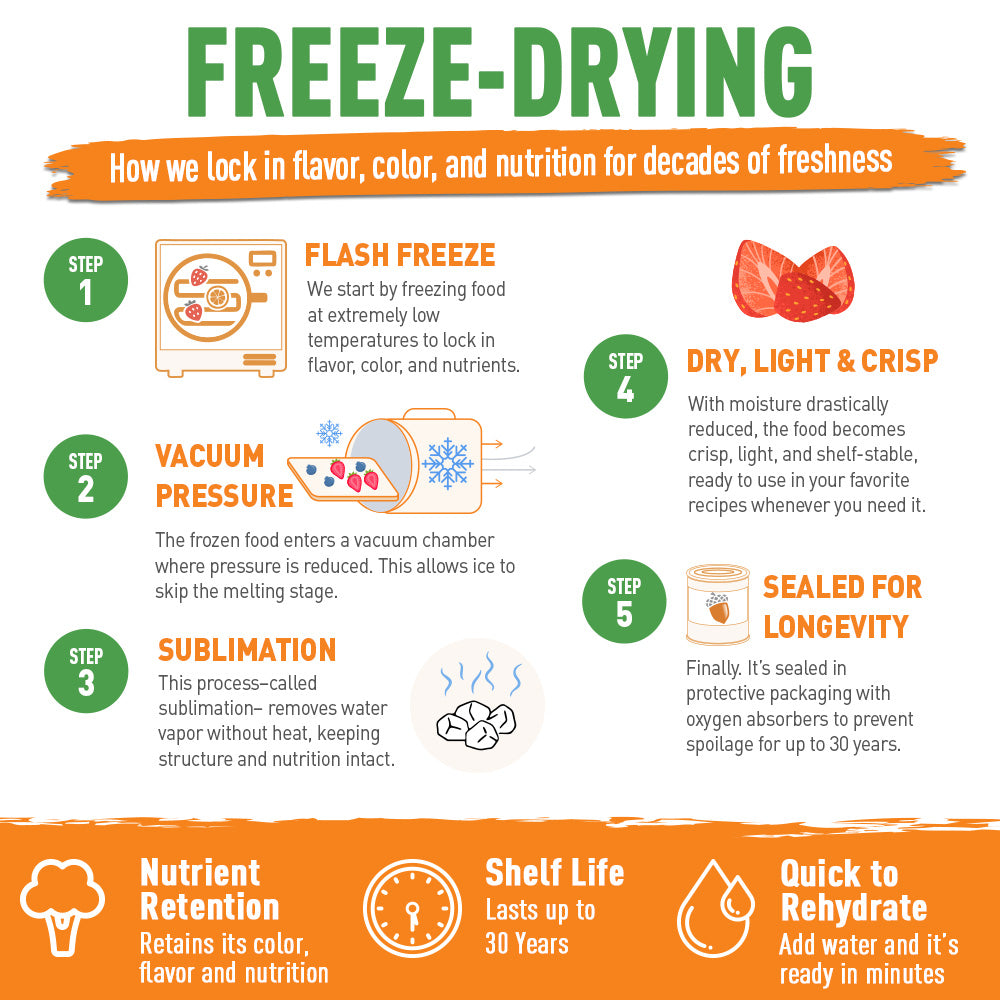
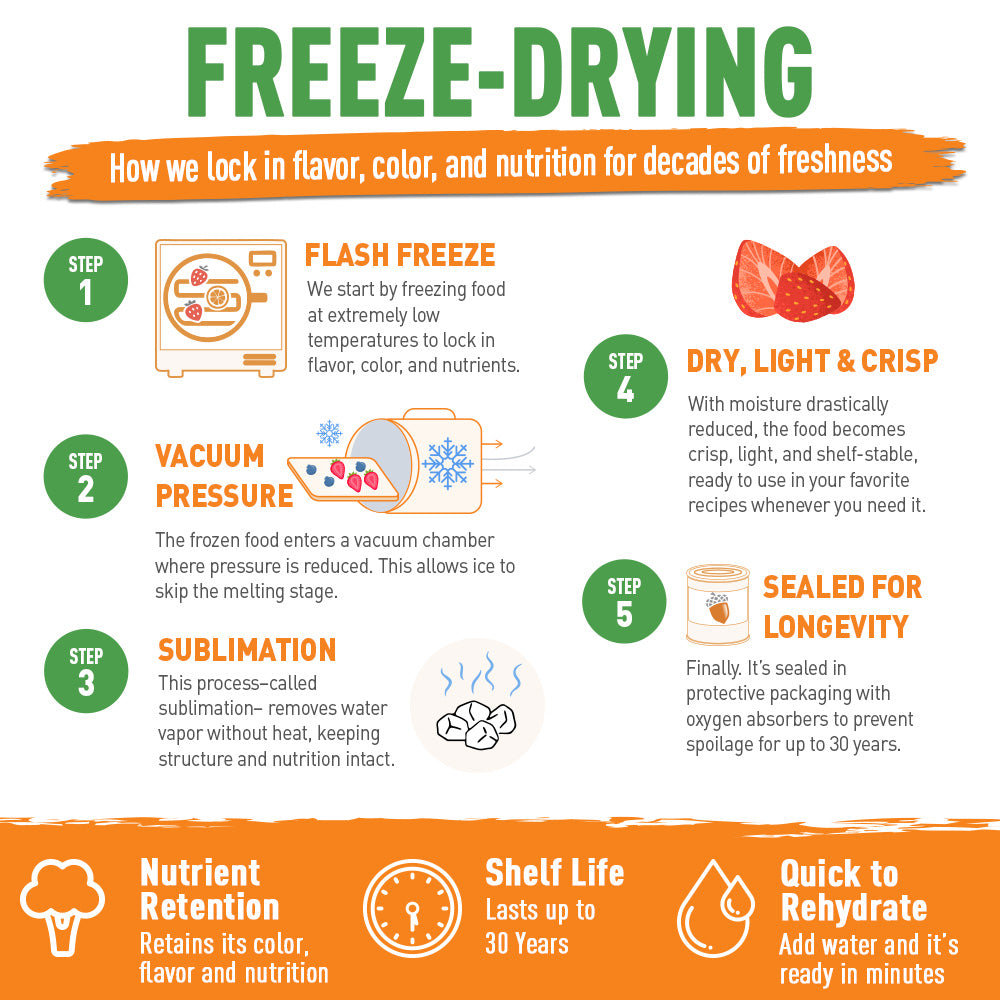
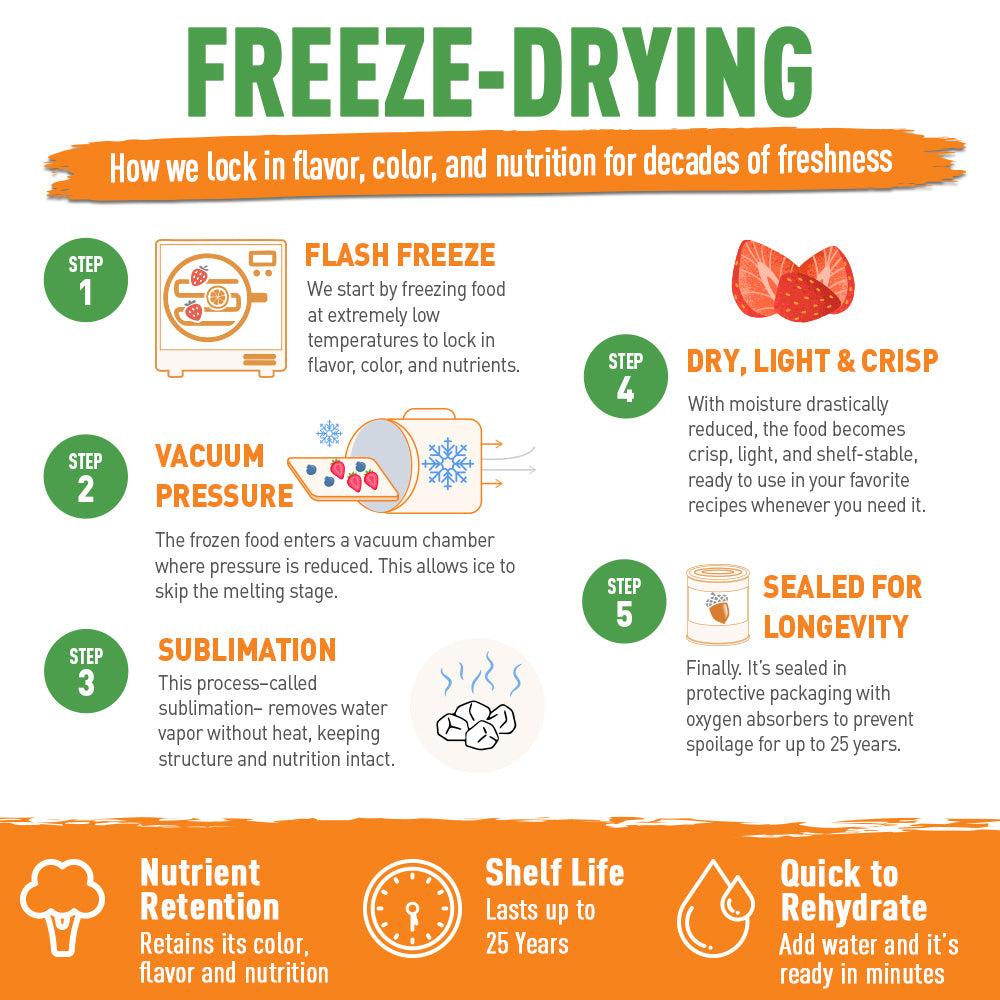
Freeze-drying begins by freezing the food and placing it in a vacuum, where the frozen water changes directly into vapor through a process called sublimation. This removes most of the moisture while helping preserve the food’s taste, texture, appearance, and nutritional value.
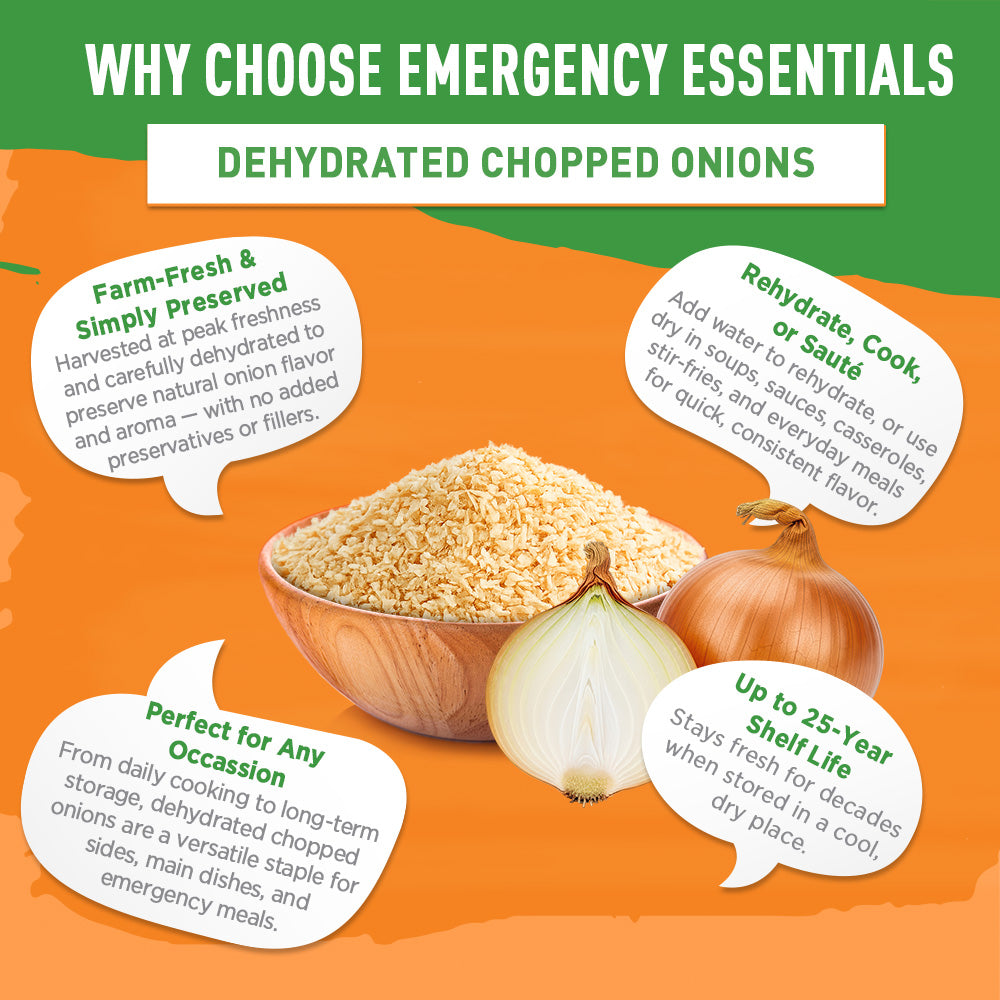
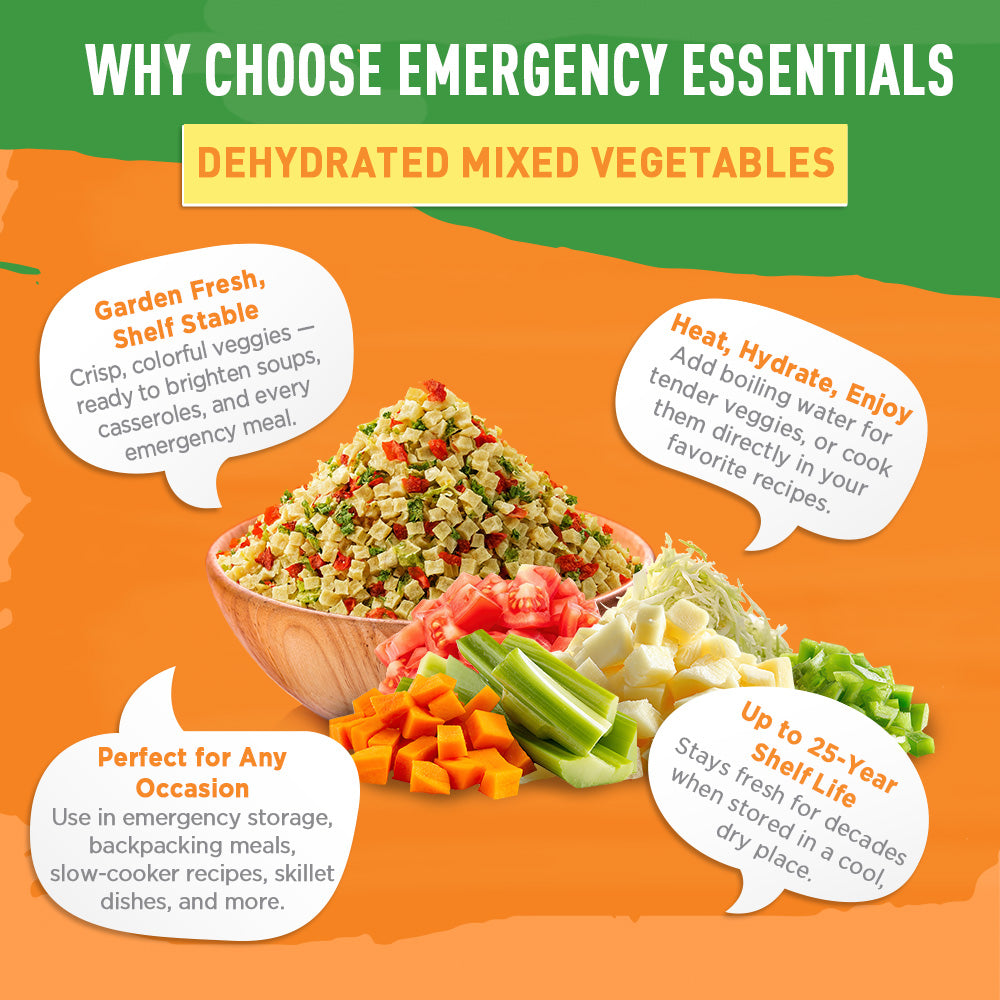
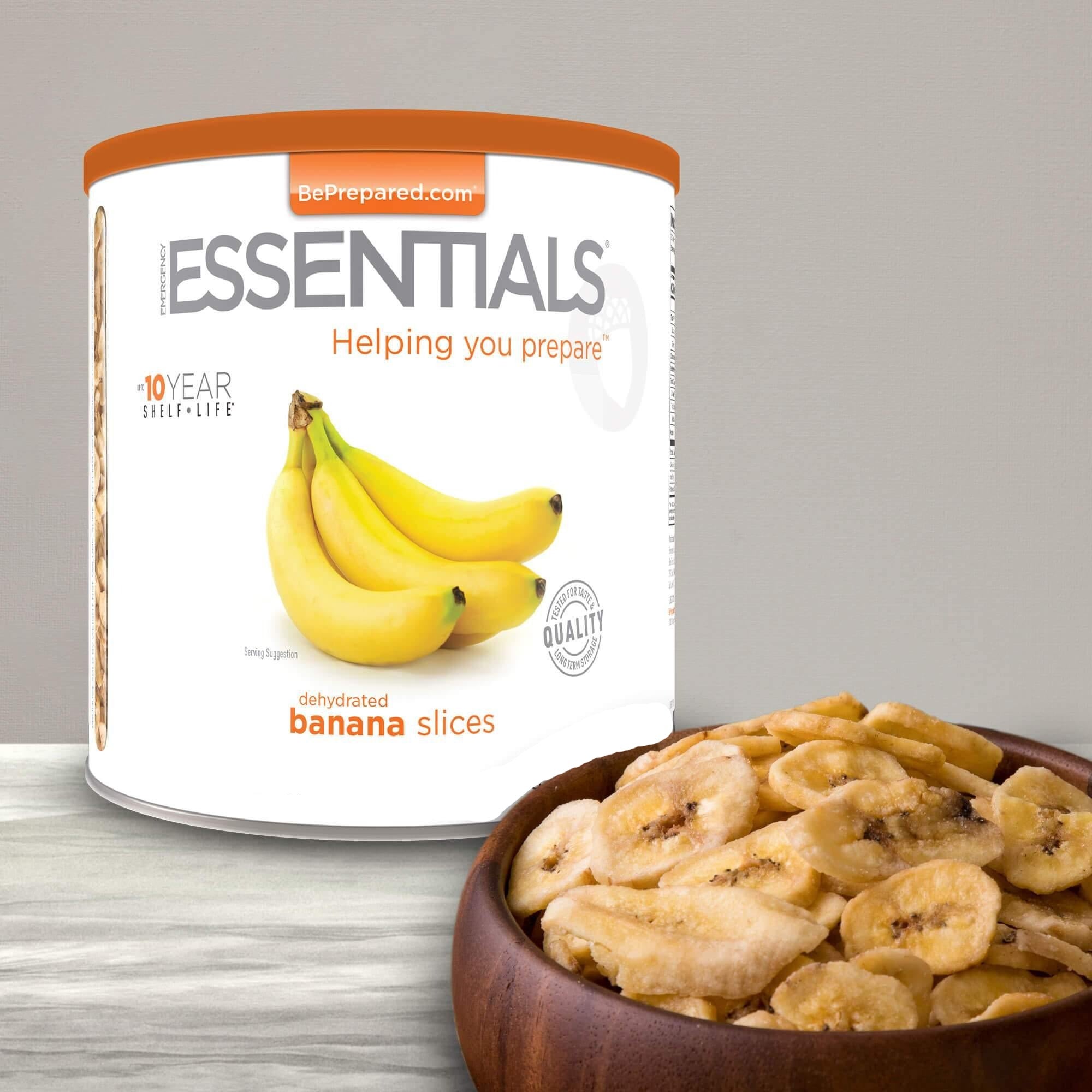
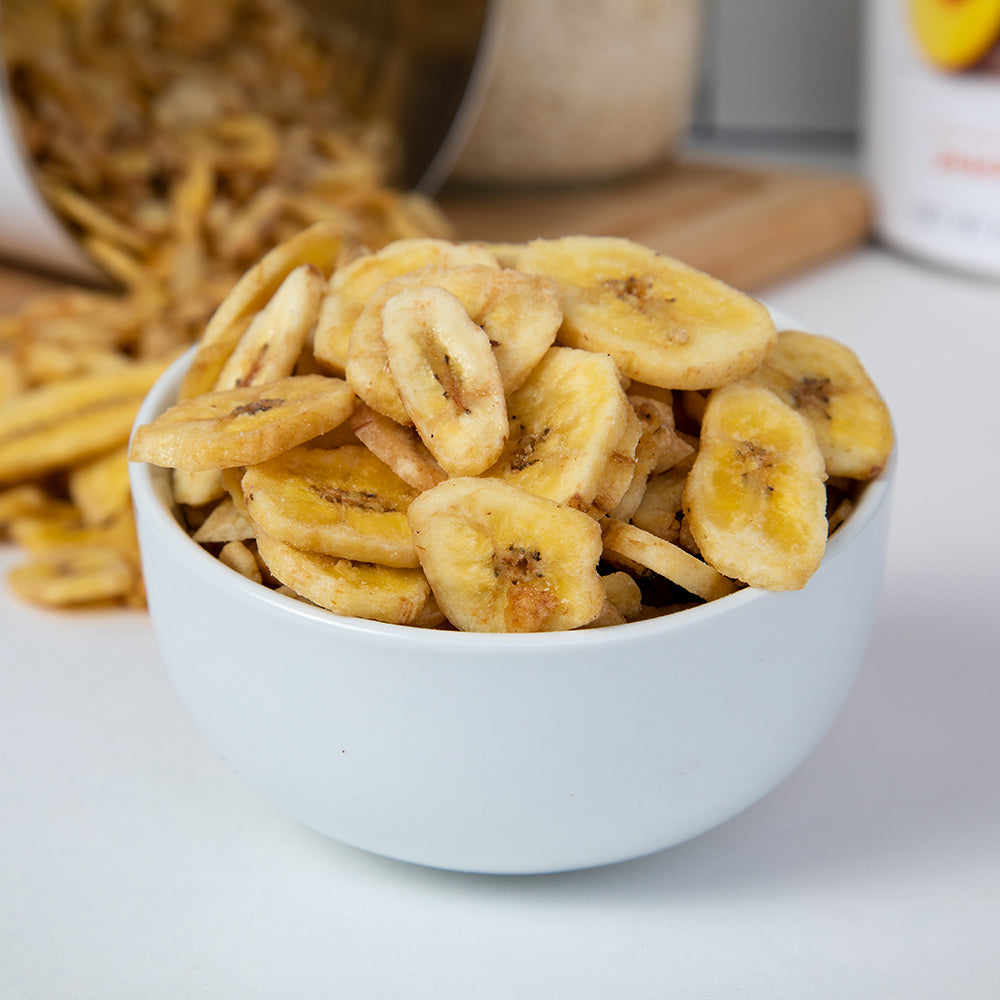
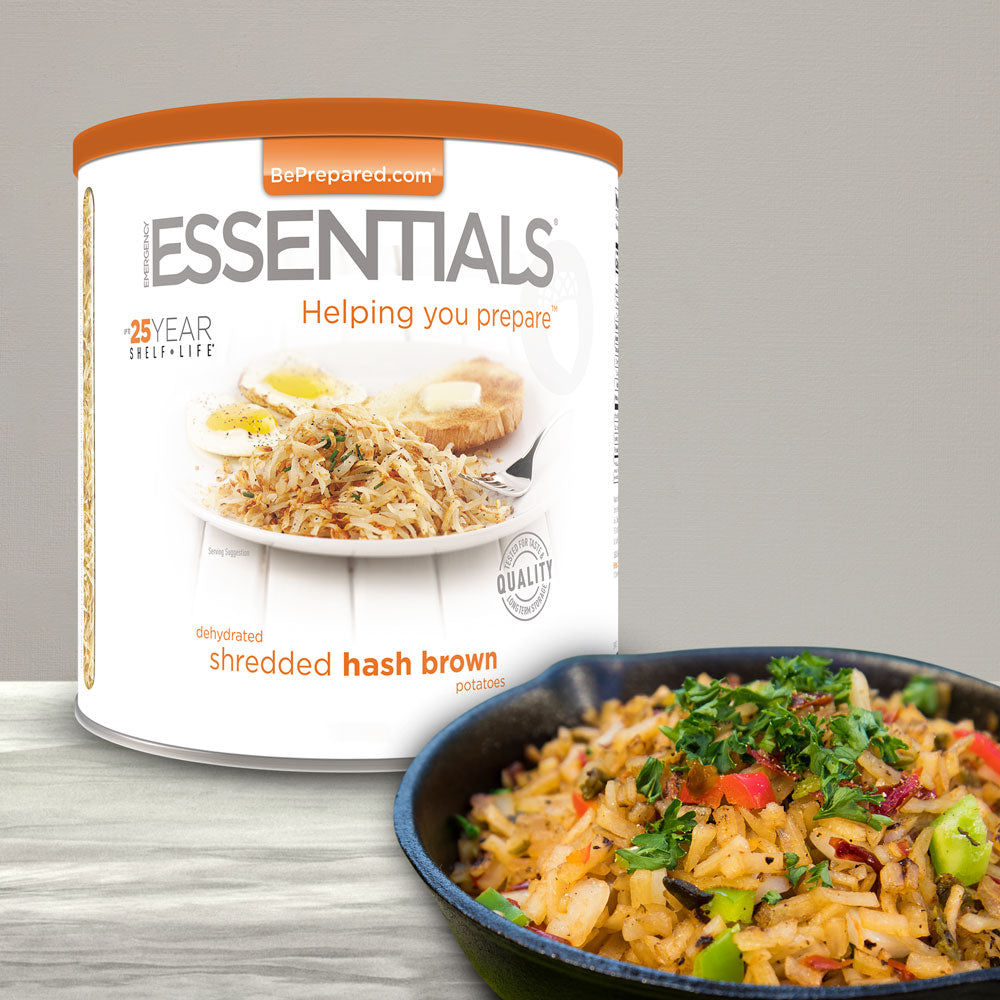
Dehydration removes moisture through evaporation, typically by circulating warm air around the food. Both processes reduce moisture to help extend shelf life, but preparation instructions and finished texture may differ.
How long do unopened food products last?
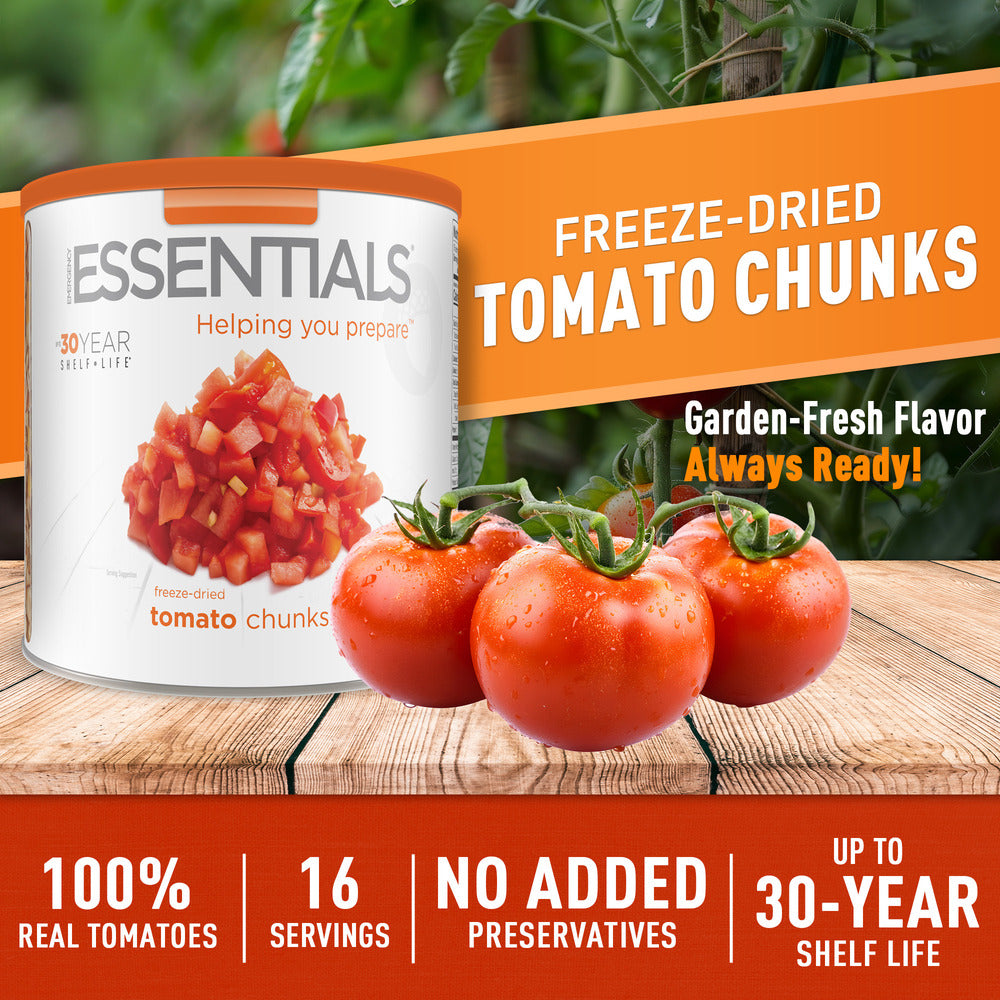
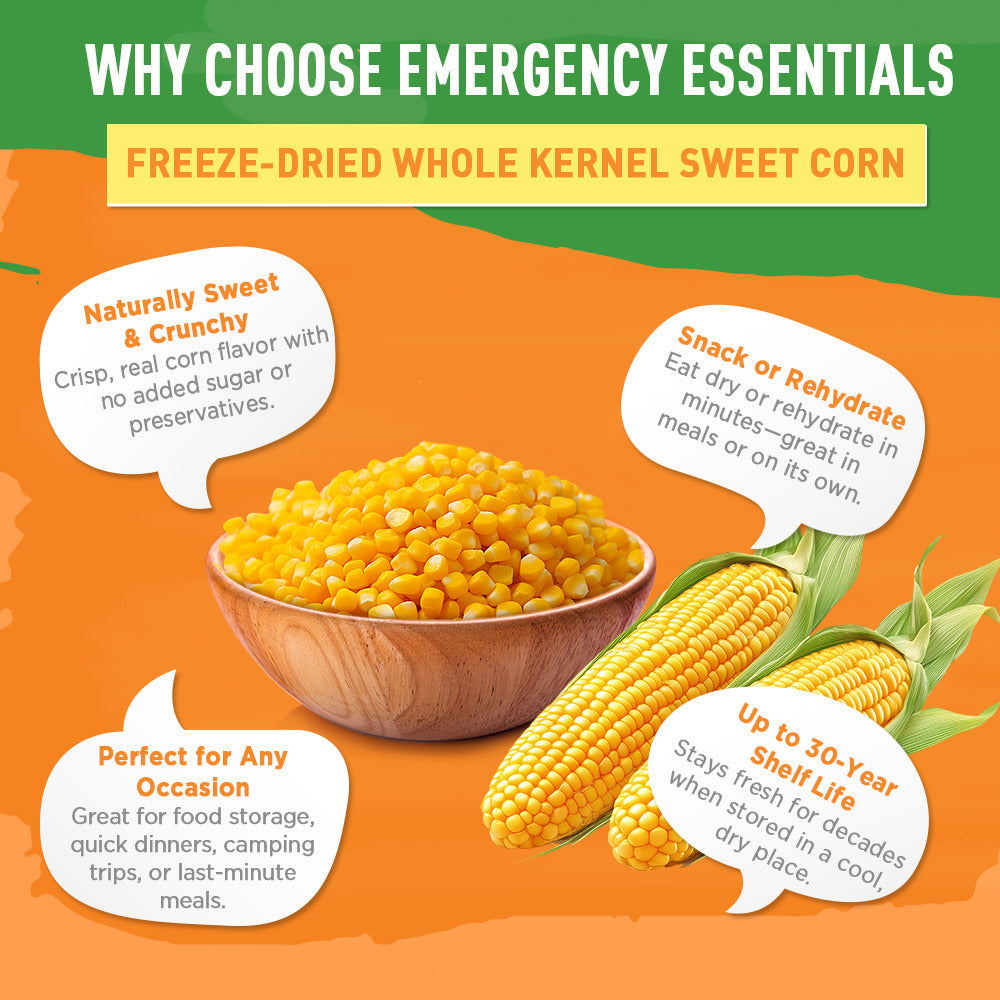
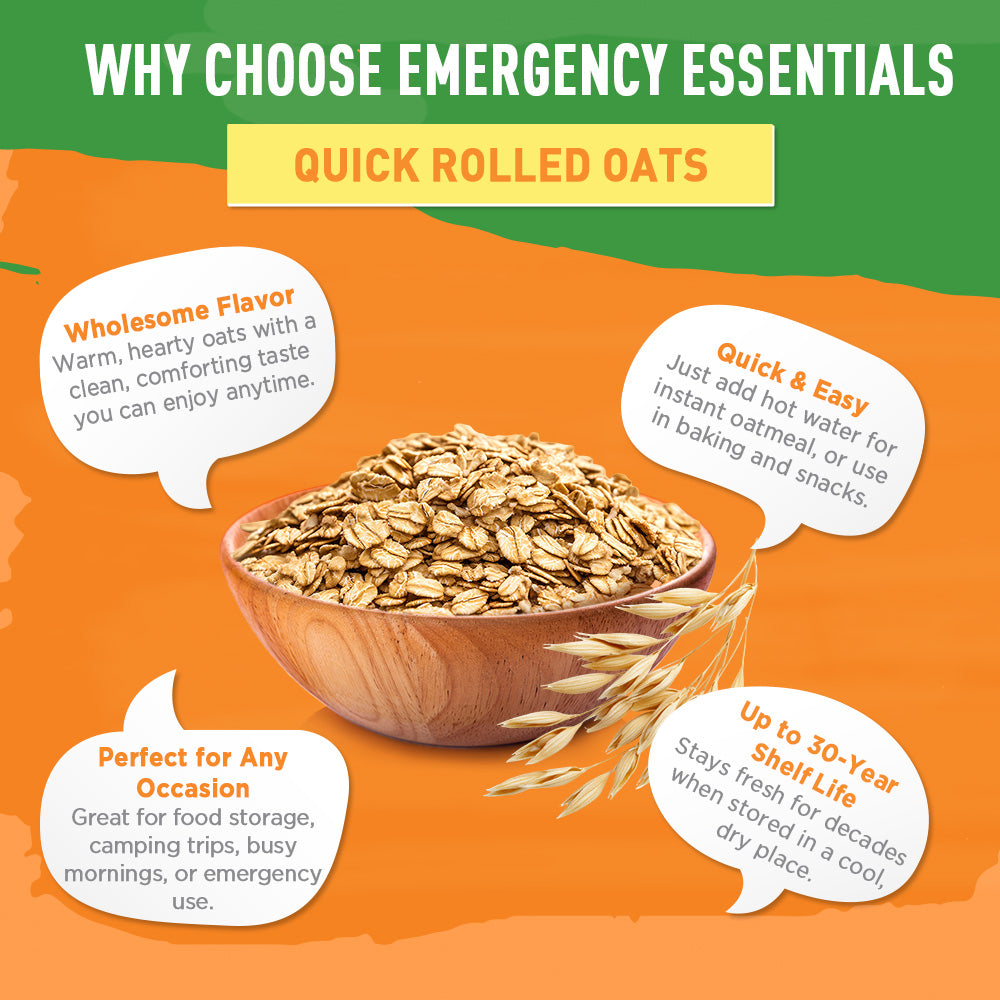
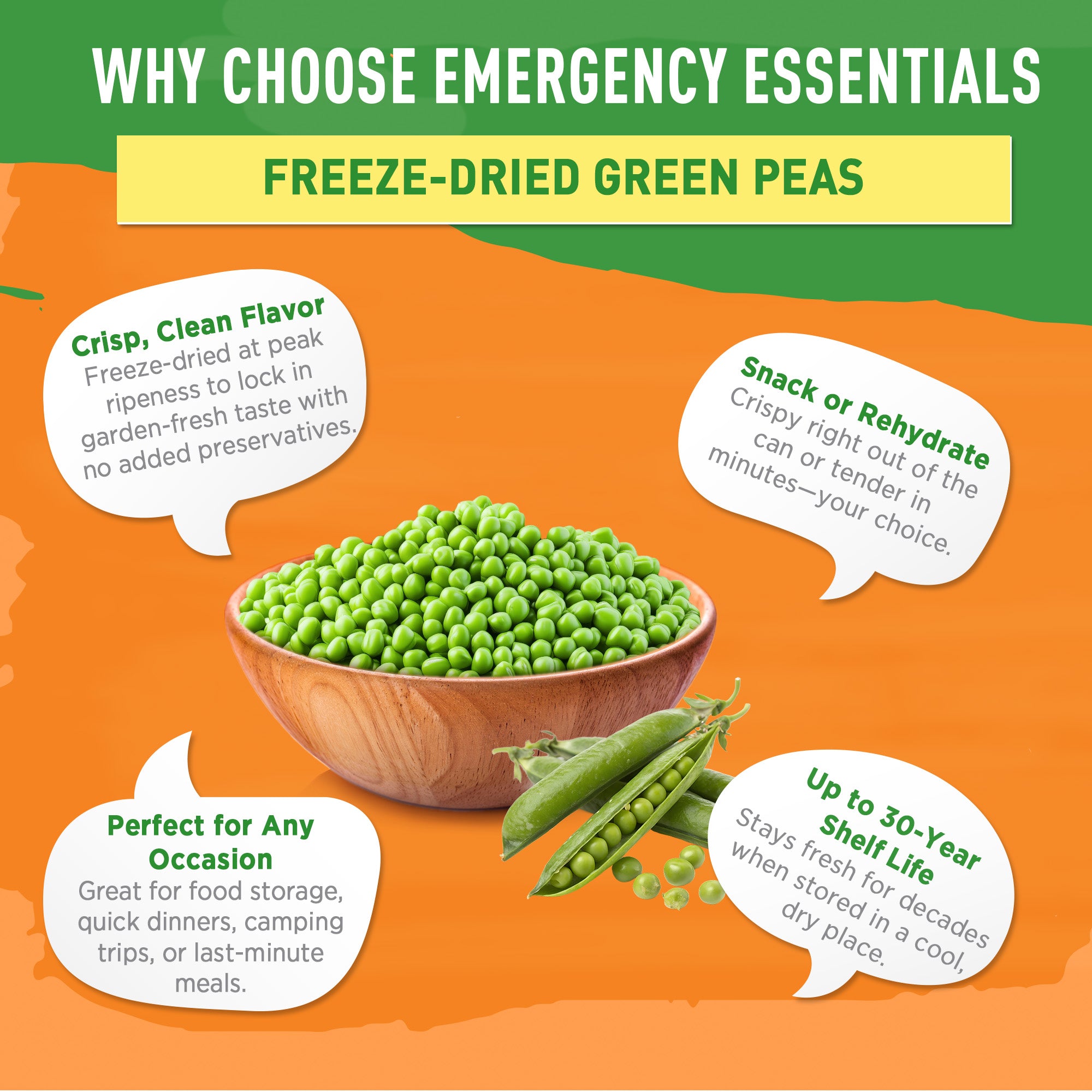
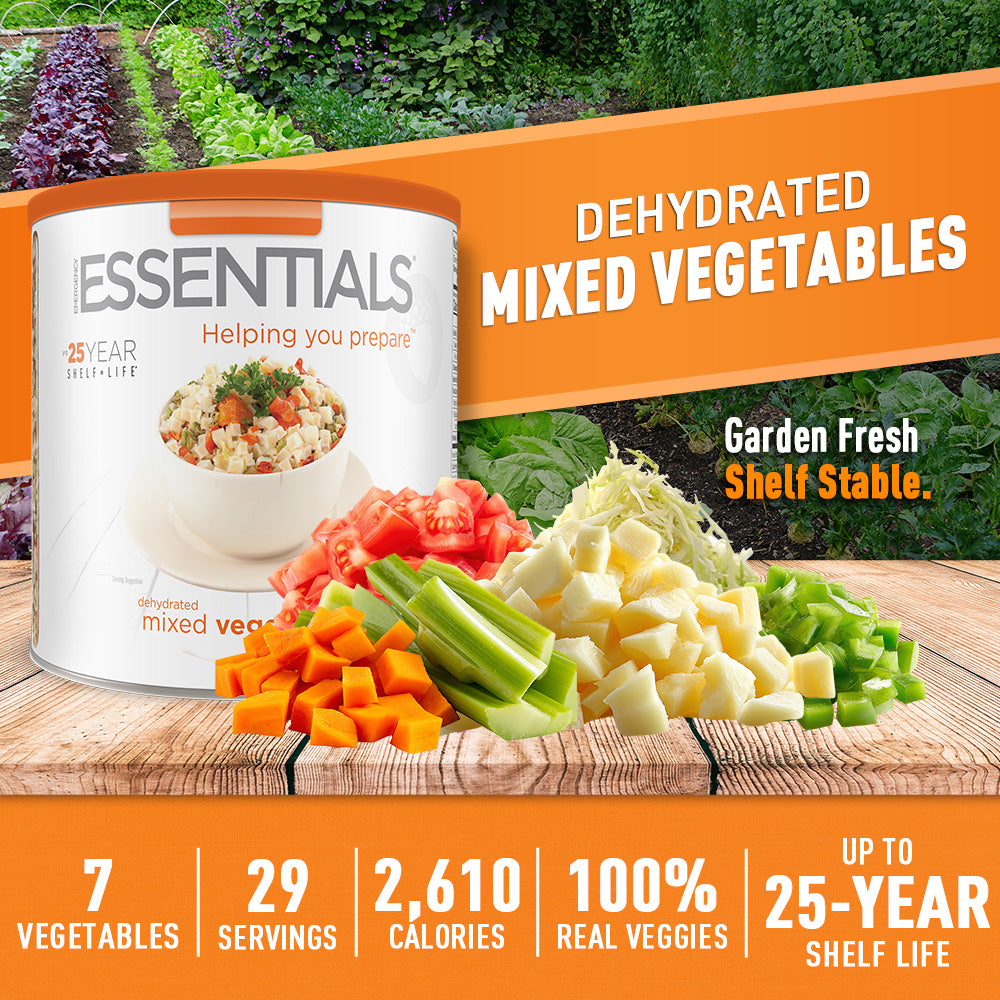
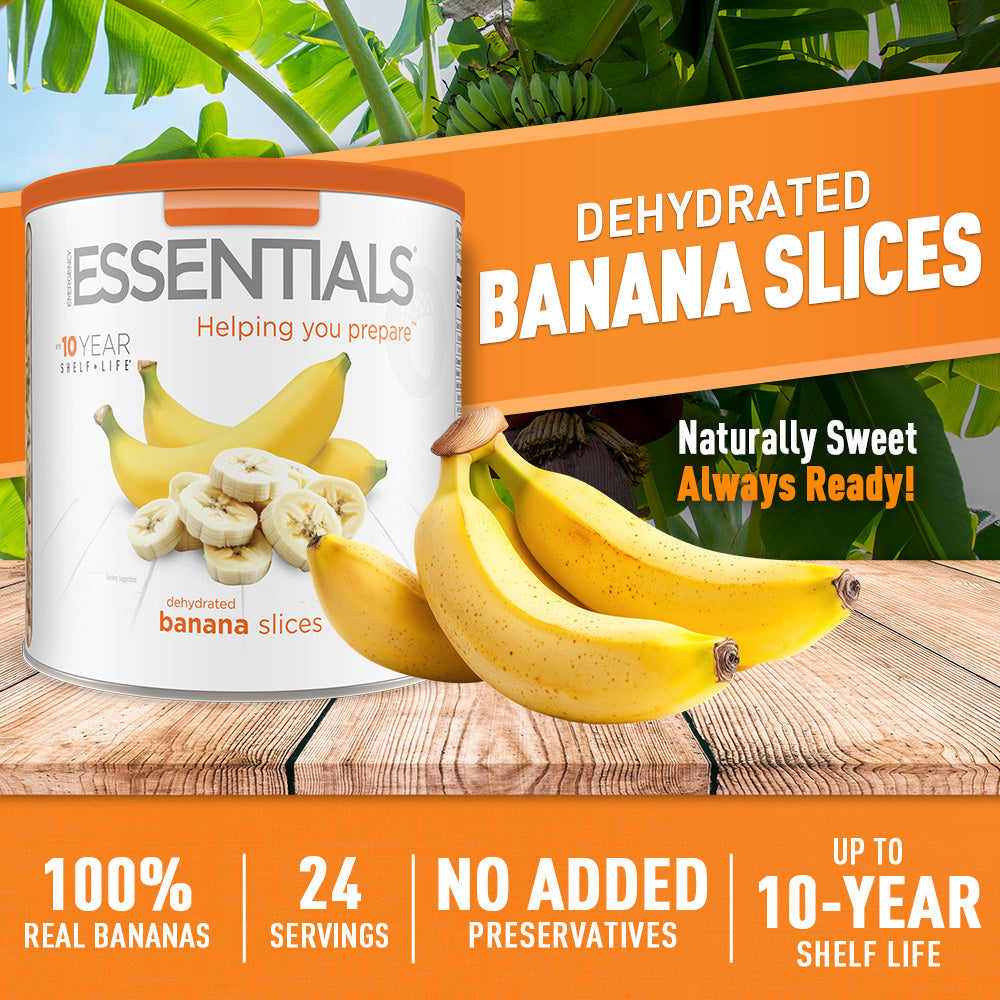
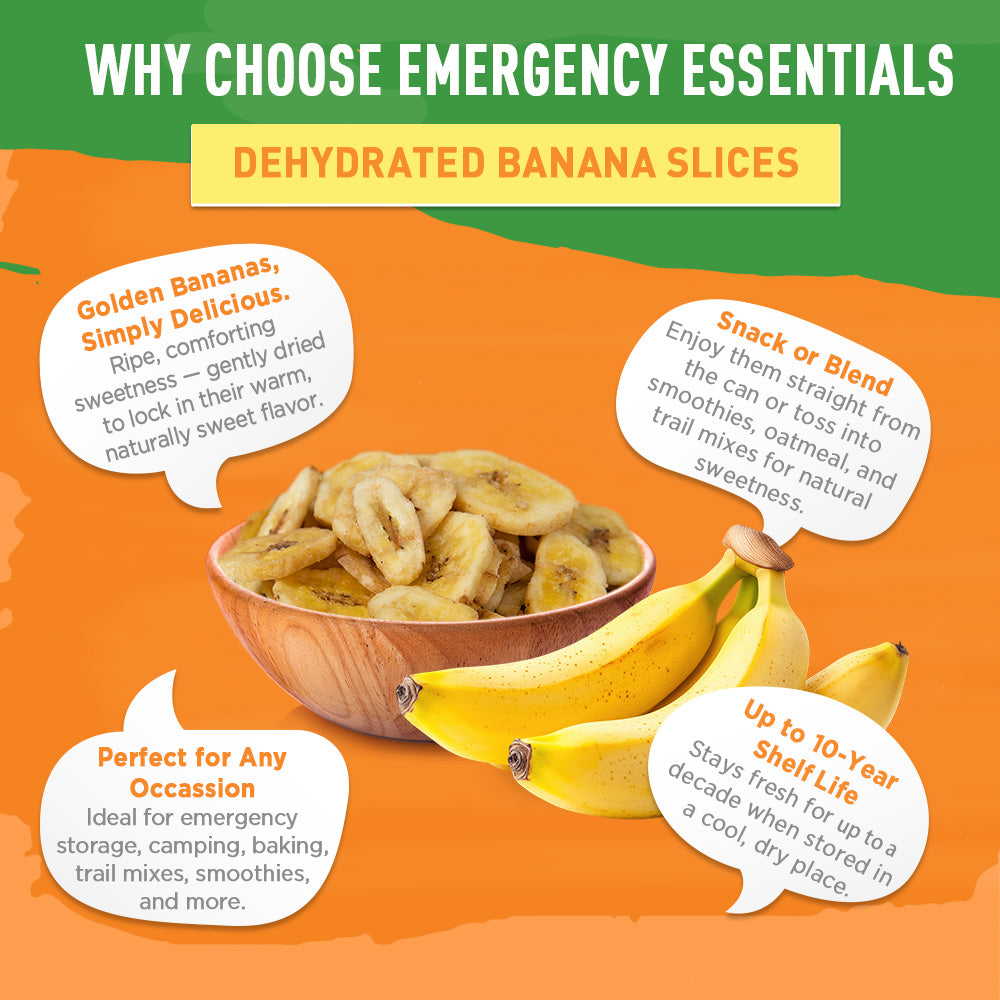
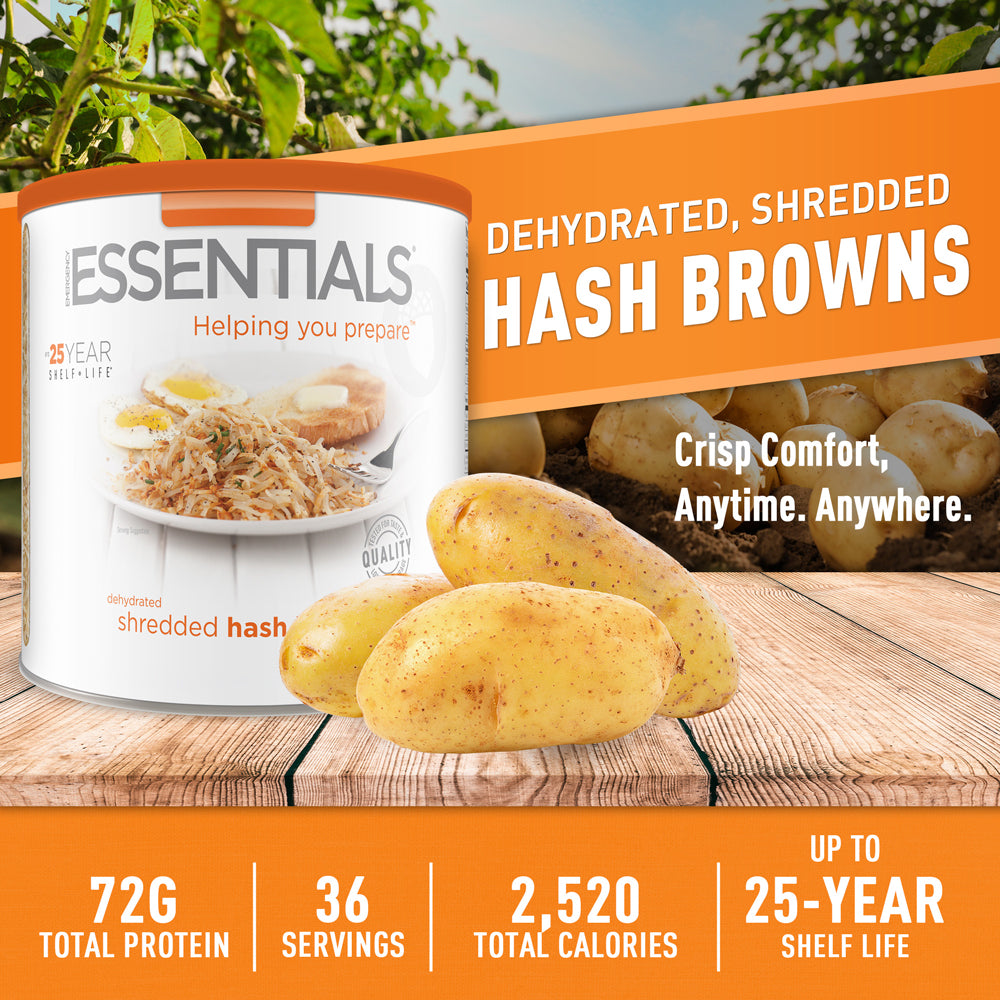
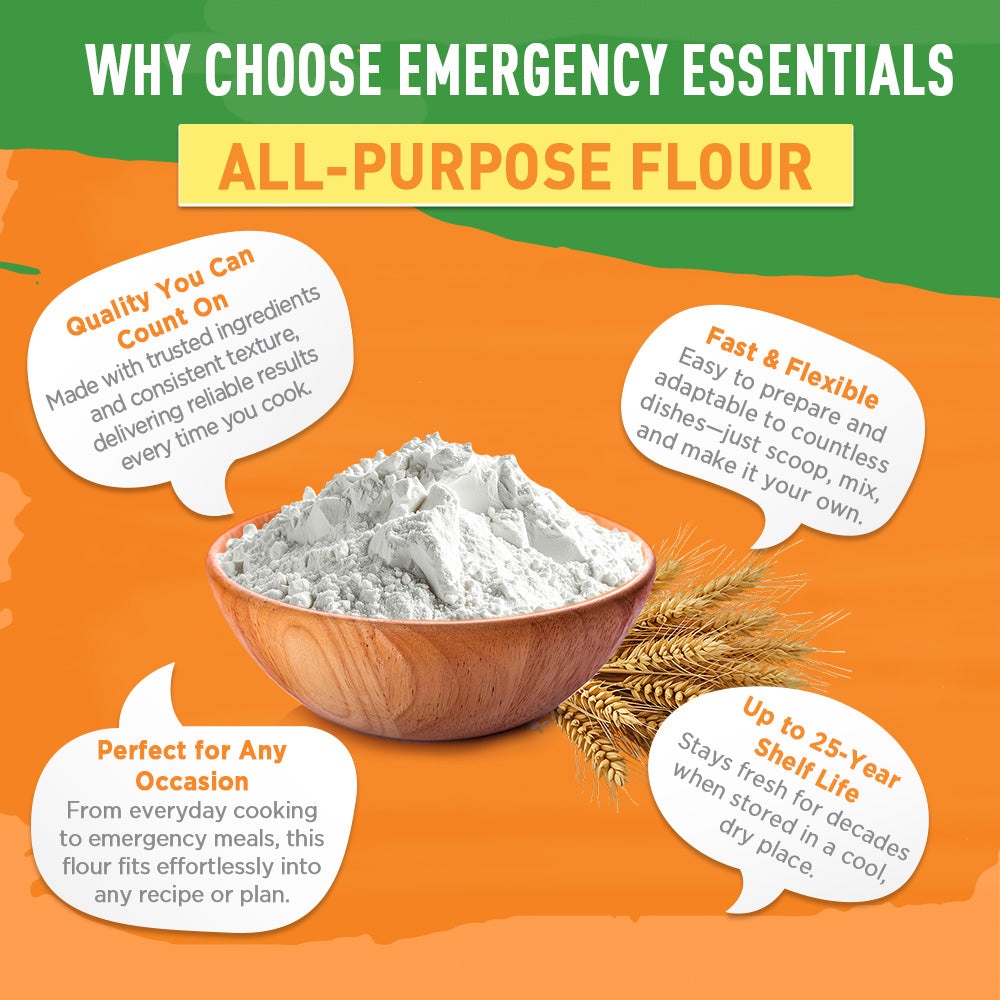
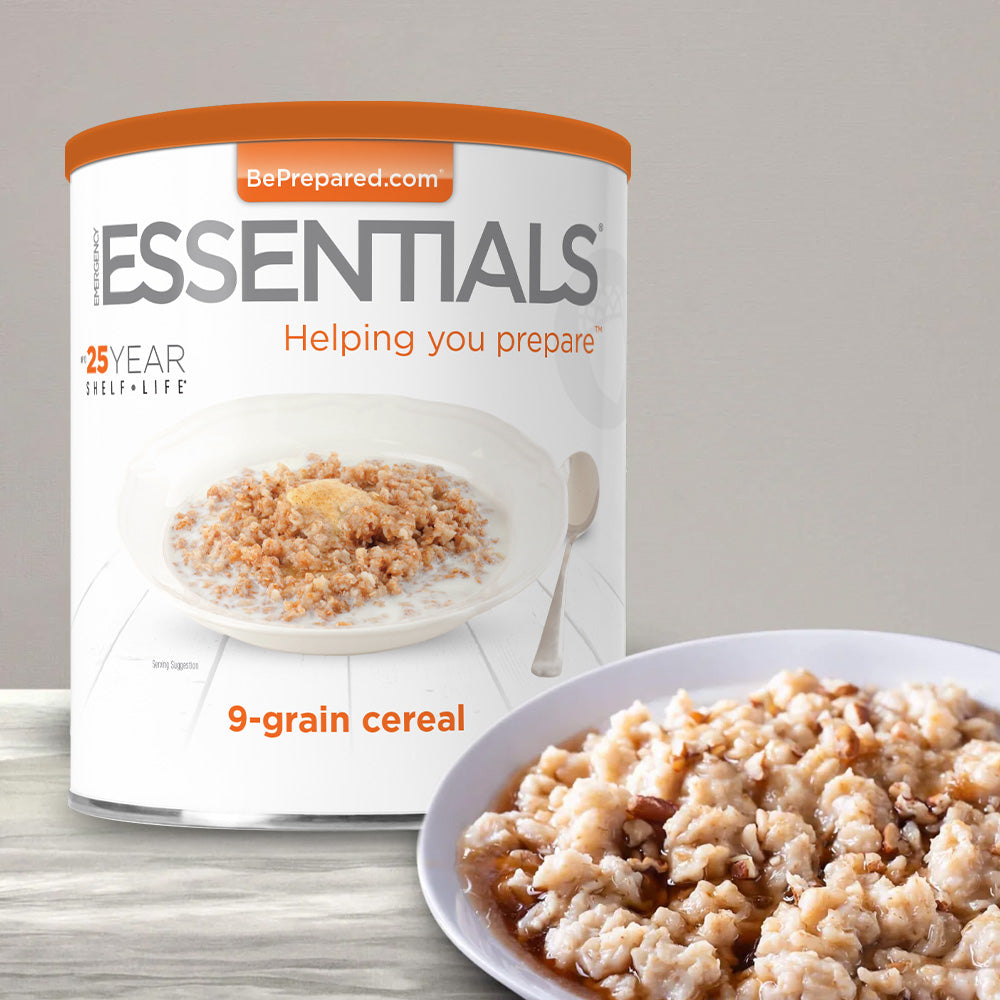
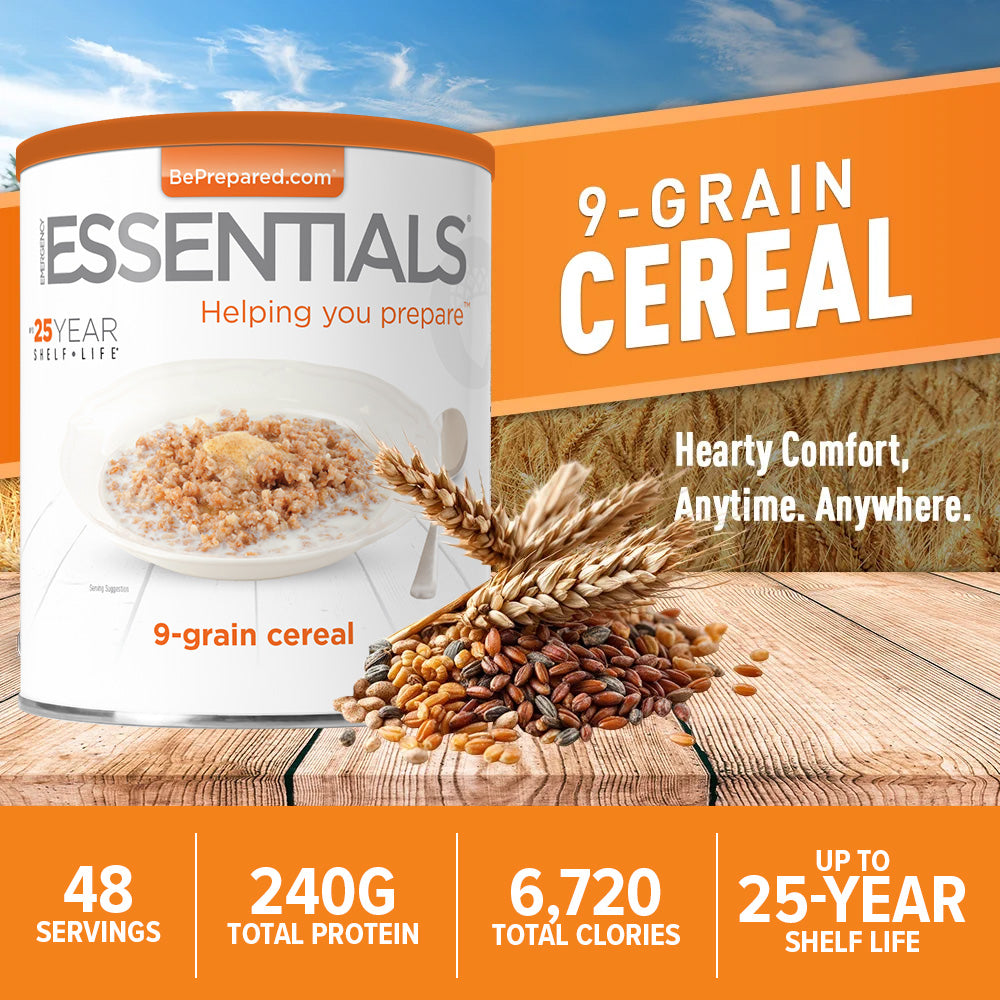
Shelf life varies by food, processing method, ingredients, packaging, and storage conditions. Many unopened long-term food storage products have shelf lives ranging from 10 to 30 years. For example, some dehydrated foods may last up to 10 years, many freeze-dried foods may last up to 25 years, and certain staples such as wheat and oats may last up to 30 years.
Always check the individual product label or product page for the stated shelf life.
How long does food last after opening?
The shelf life after opening varies by product and storage conditions. Many products may retain their quality for up to one year after opening when properly resealed and stored in a cool, dry place. Refer to the product label for item-specific storage instructions.
How should I store food after opening?
After opening, keep food tightly sealed and store it in a cool, dry place away from heat, moisture, pests, and direct sunlight.
For #10 cans, use the BPA-free plastic lid provided to help maintain freshness. These lids are interchangeable among standard #10 cans. For pouches and other packaging, reseal the original package when possible or transfer the food to an appropriate airtight food-storage container.
Does storage temperature affect shelf life?
Yes. For the best shelf life, store food at 72°F or lower in a cool, dry location. Extended exposure to temperatures above 90°F can shorten a product’s shelf life. Attics, garages, vehicles, and outdoor sheds are generally not recommended because they may experience extreme temperature fluctuations.
Preparation & Ingredients
How do I prepare or rehydrate the food?
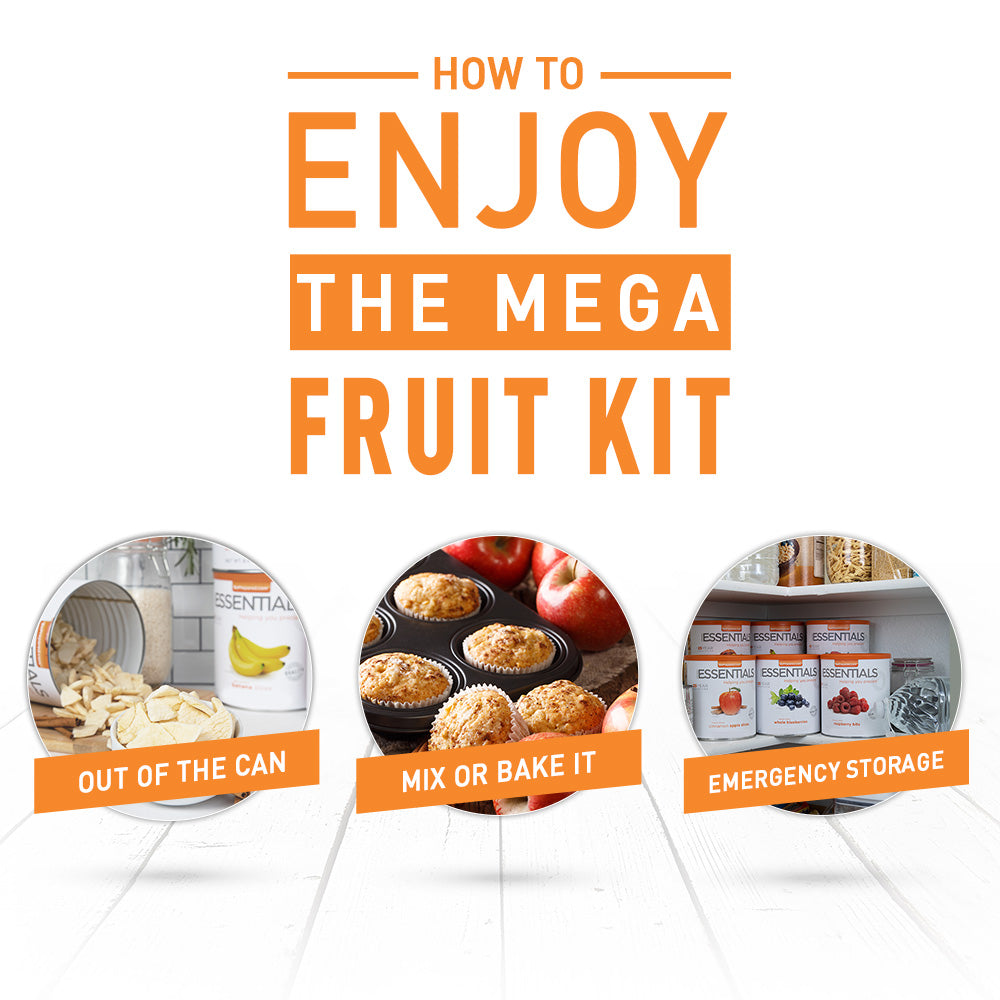
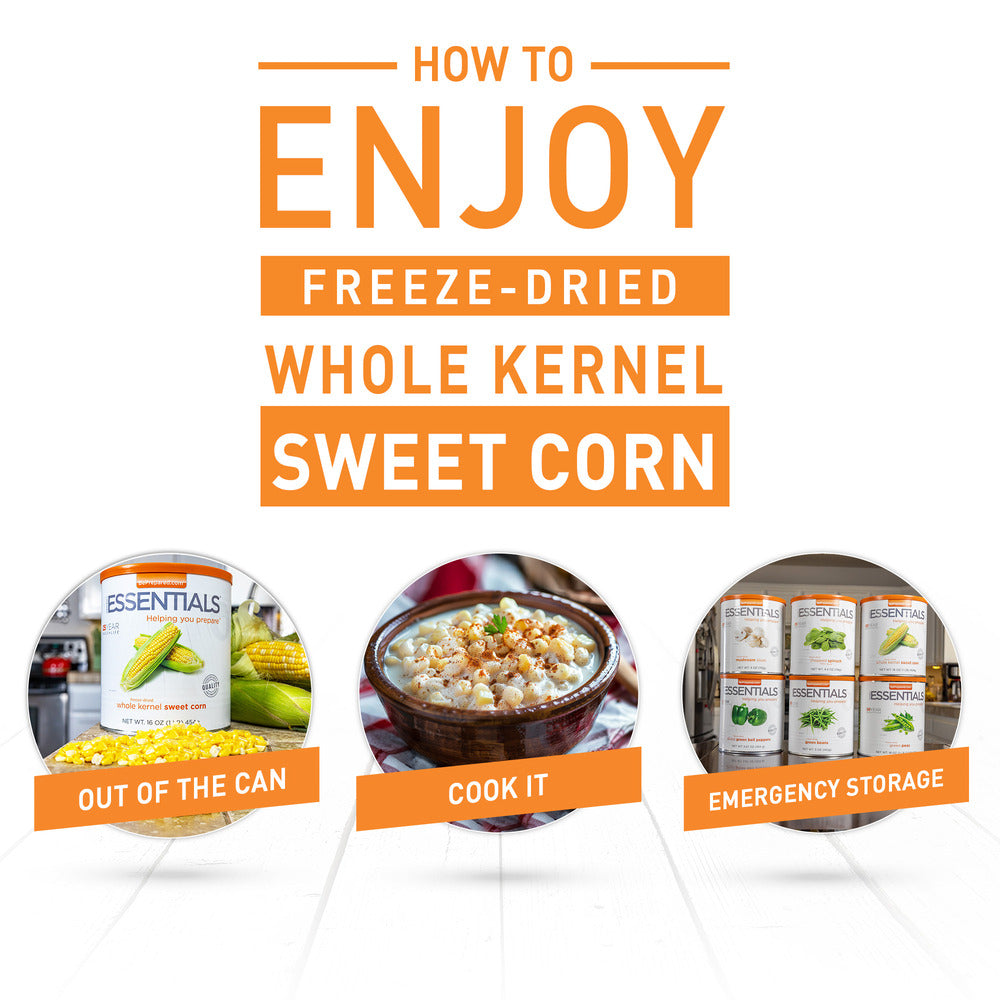
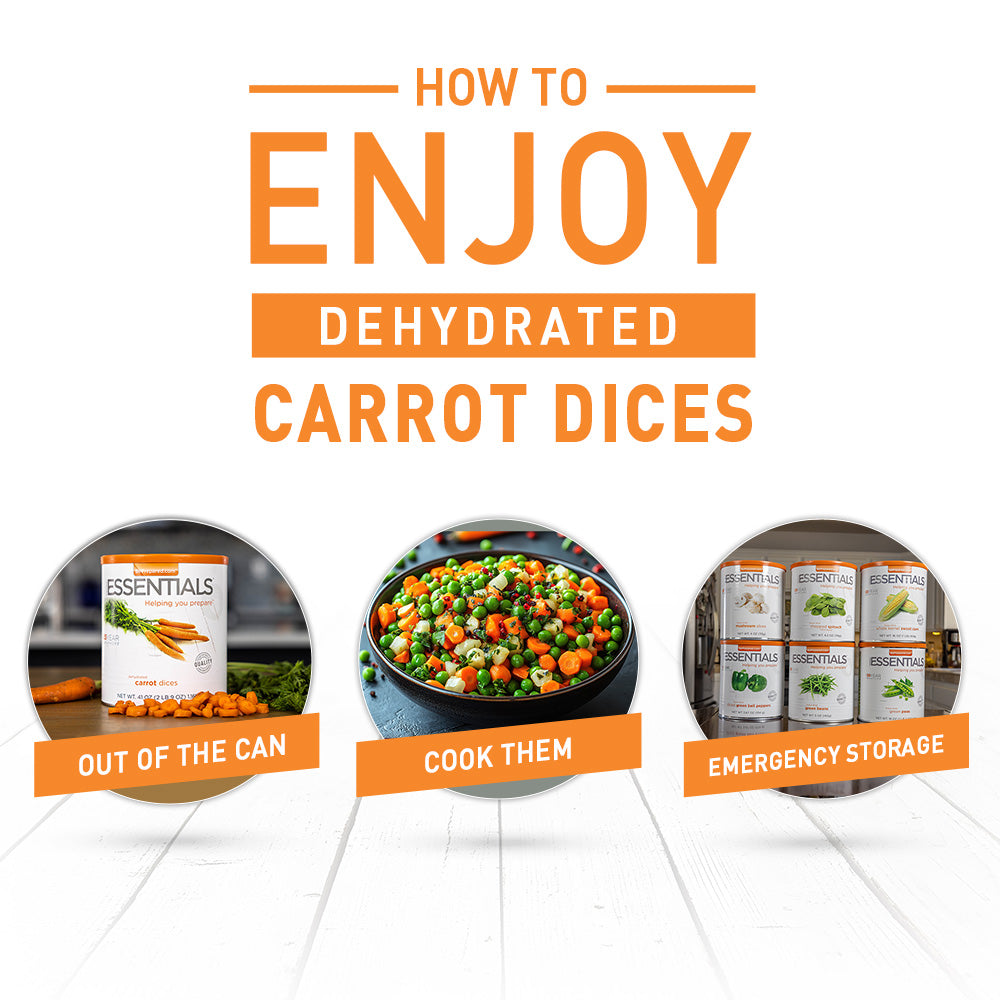
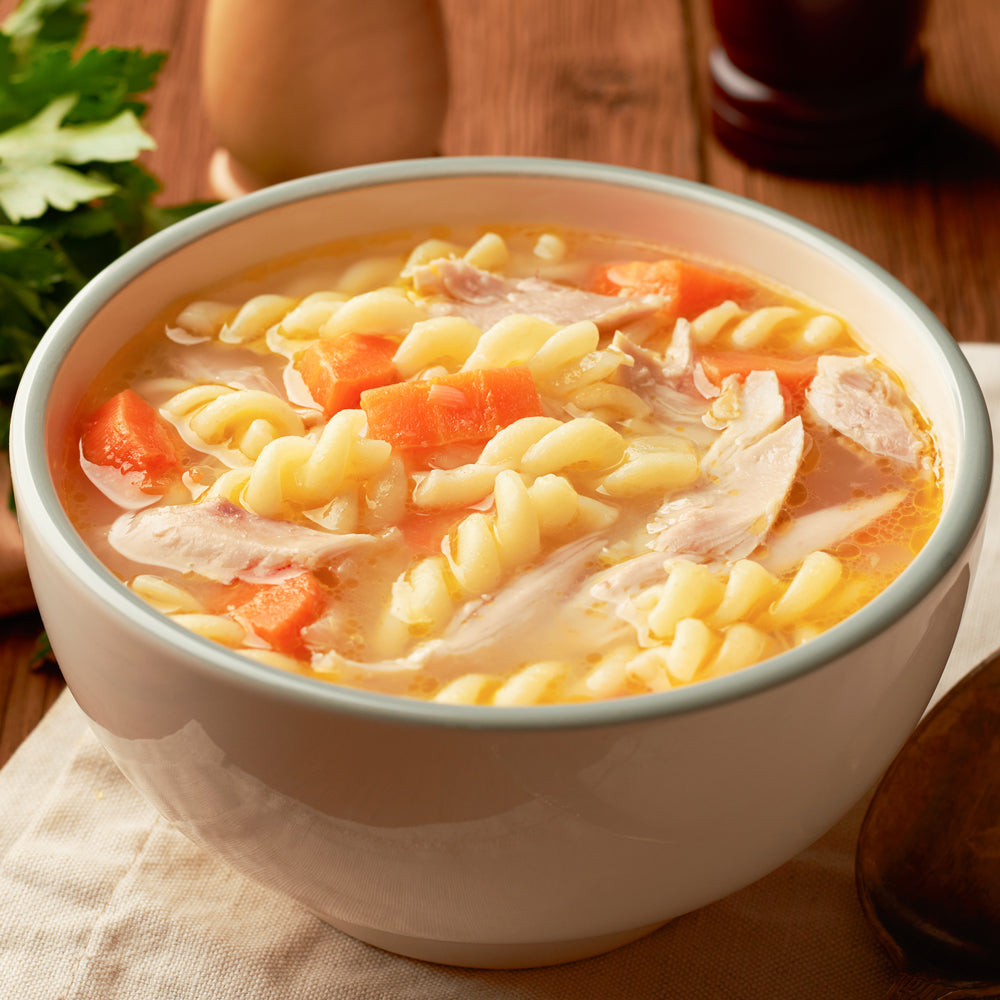
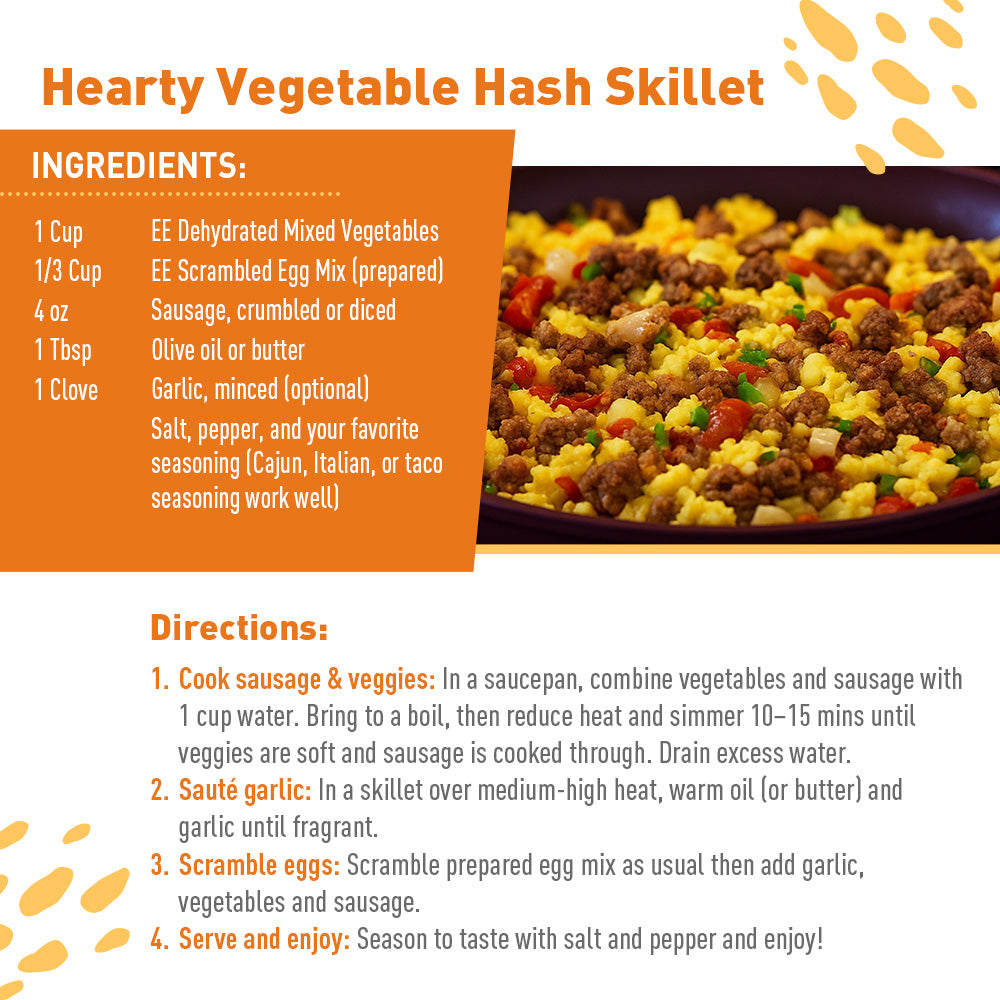
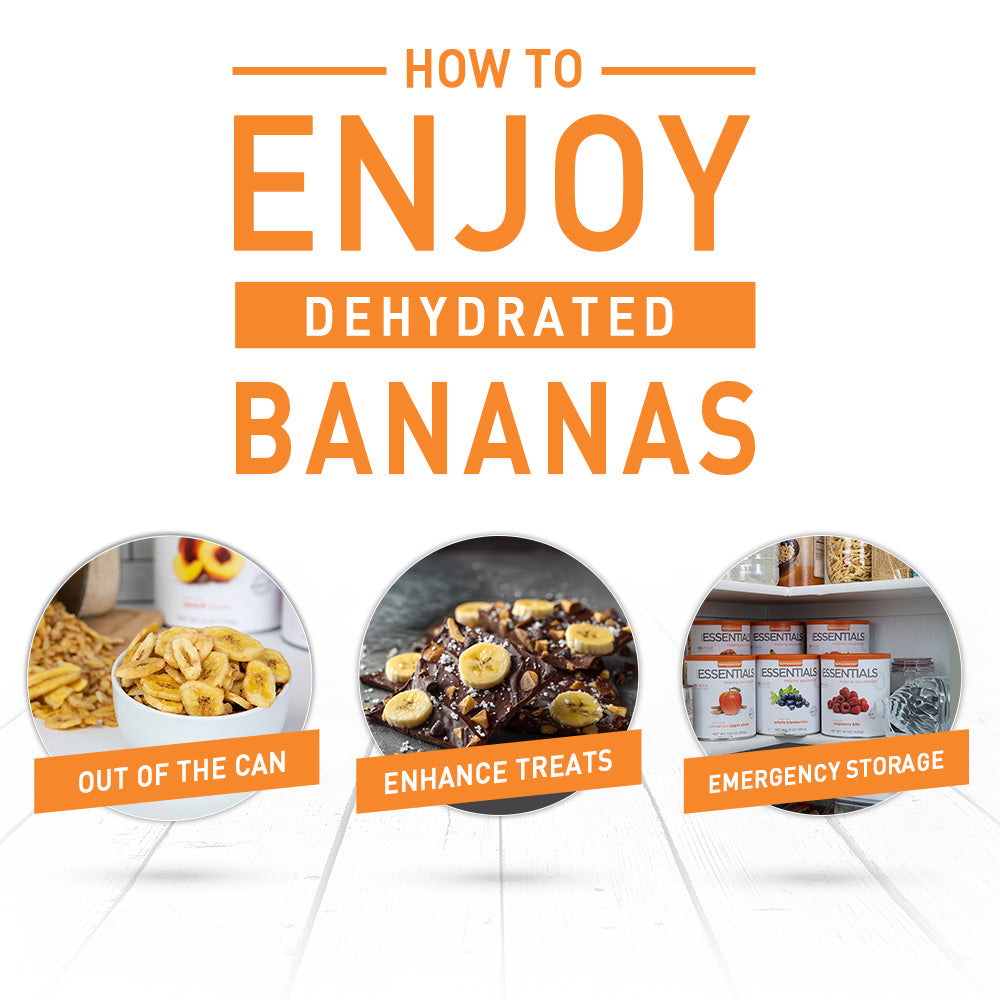
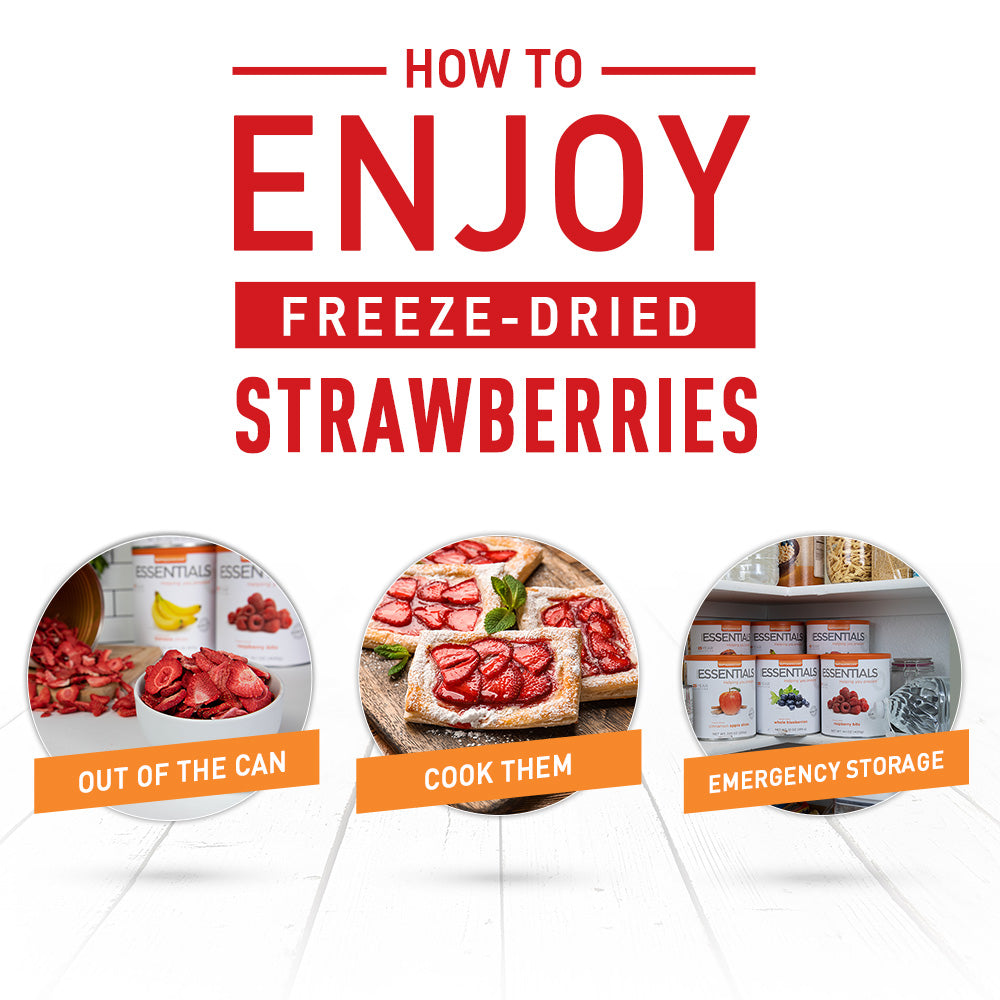
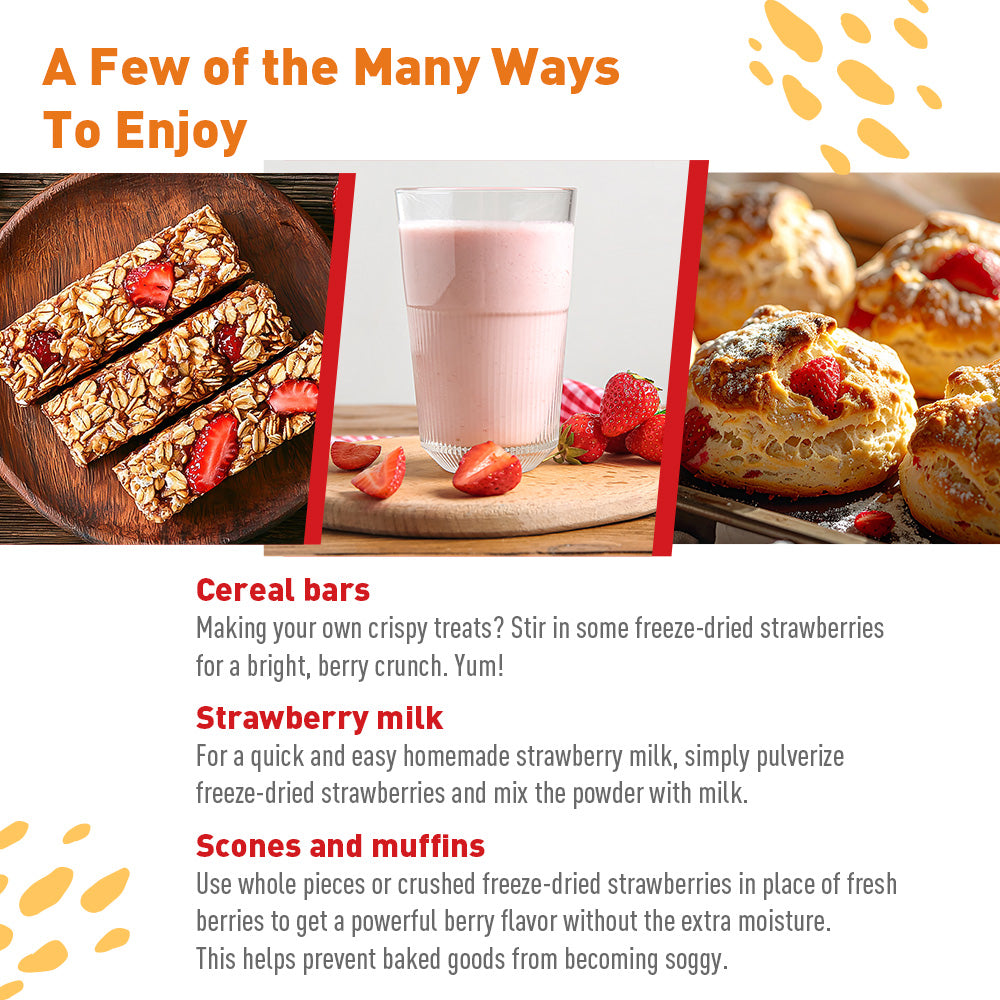
Preparation varies by product. Many meals and ingredients require only water, often boiling water, followed by approximately 15 to 20 minutes of cooking or resting time. Some freeze-dried fruits and vegetables may also be eaten dry as a crunchy snack.
Always follow the preparation instructions printed on the product label or shown on the individual product page.
Do I need any special equipment to open or prepare the food?
Most products do not require special equipment. Standard can openers can be used for #10 cans, while pouches and other packages can generally be opened by hand or with scissors. Some foods may require a pot, heat source, measuring cup, or cooking utensils for preparation.
Are Emergency Essentials food products non-GMO or organic?
We do our best to use as many non-GMO ingredients as possible in our long-term food storage products while maintaining the performance and shelf life for which they are designed.
- Our products are not currently certified Non-GMO
- Our food is not certified organic at this time
For information about a particular item, review the ingredients and product details on its label or product page.
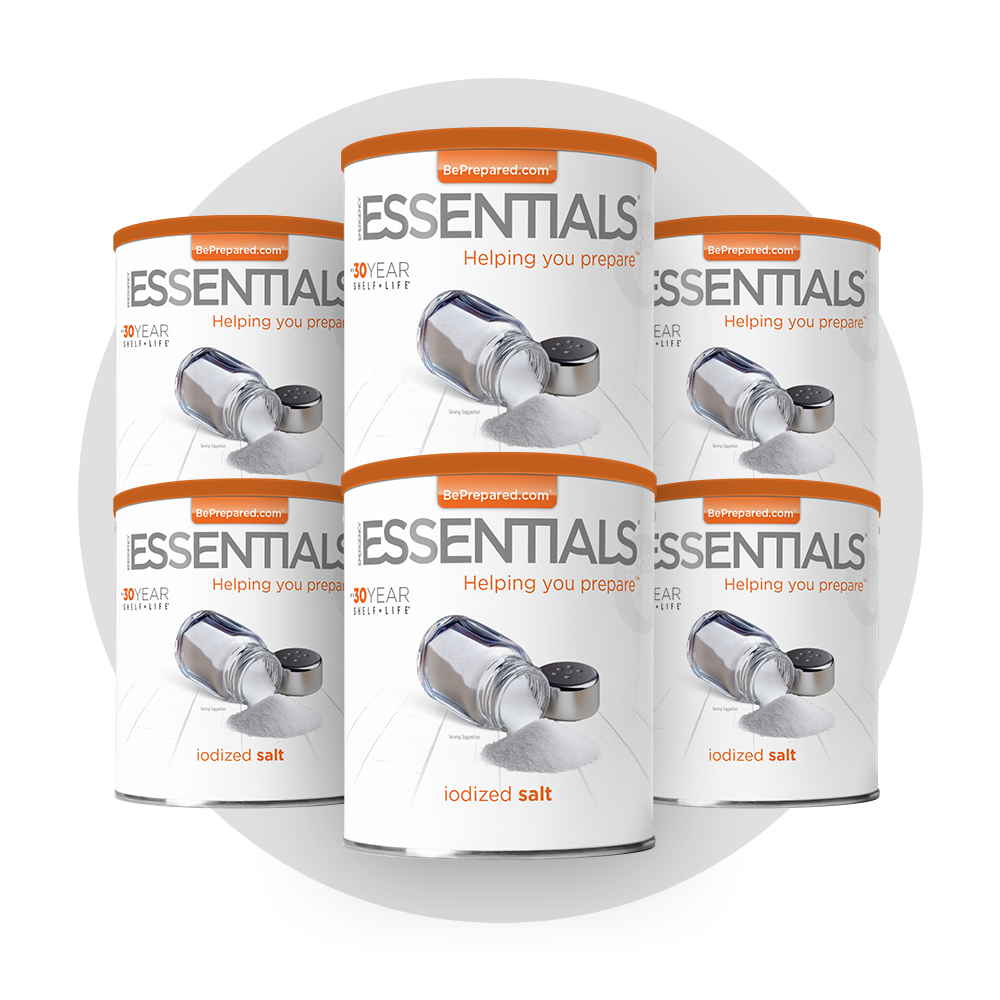
Do you sell non-iodized salt?
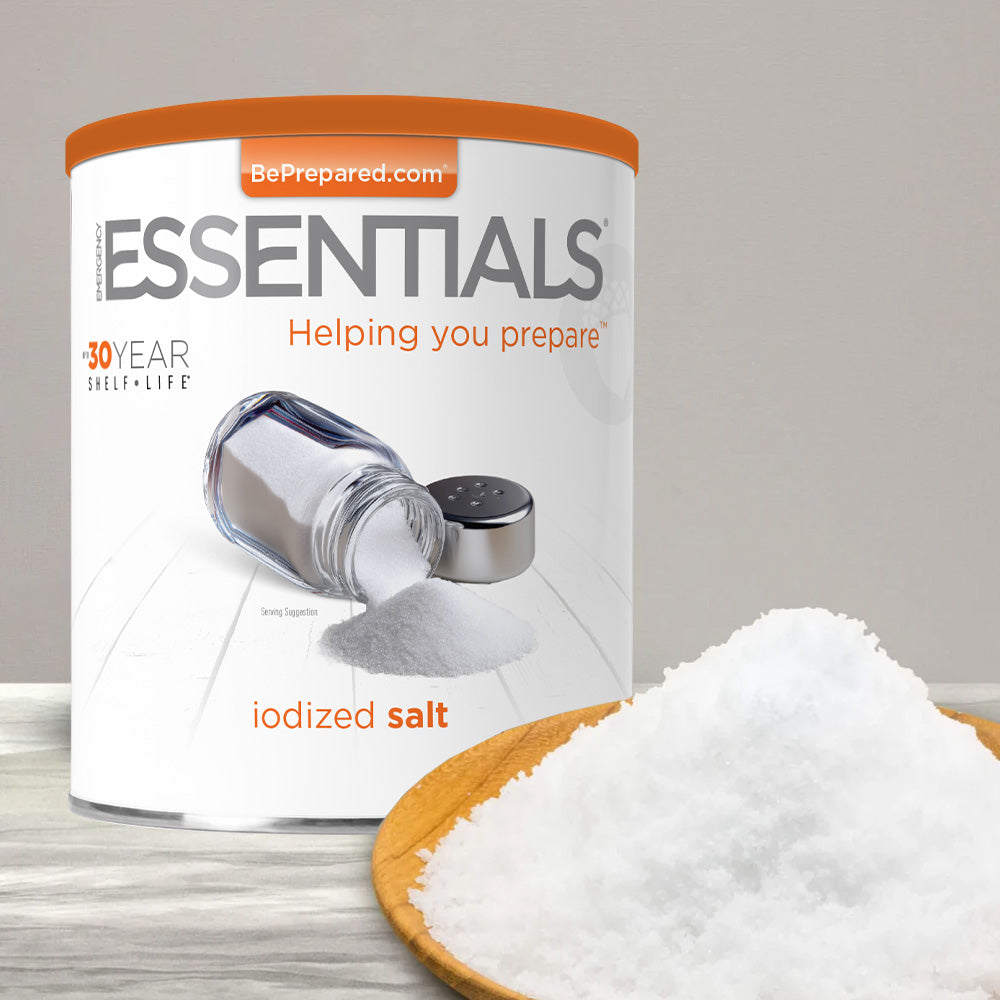
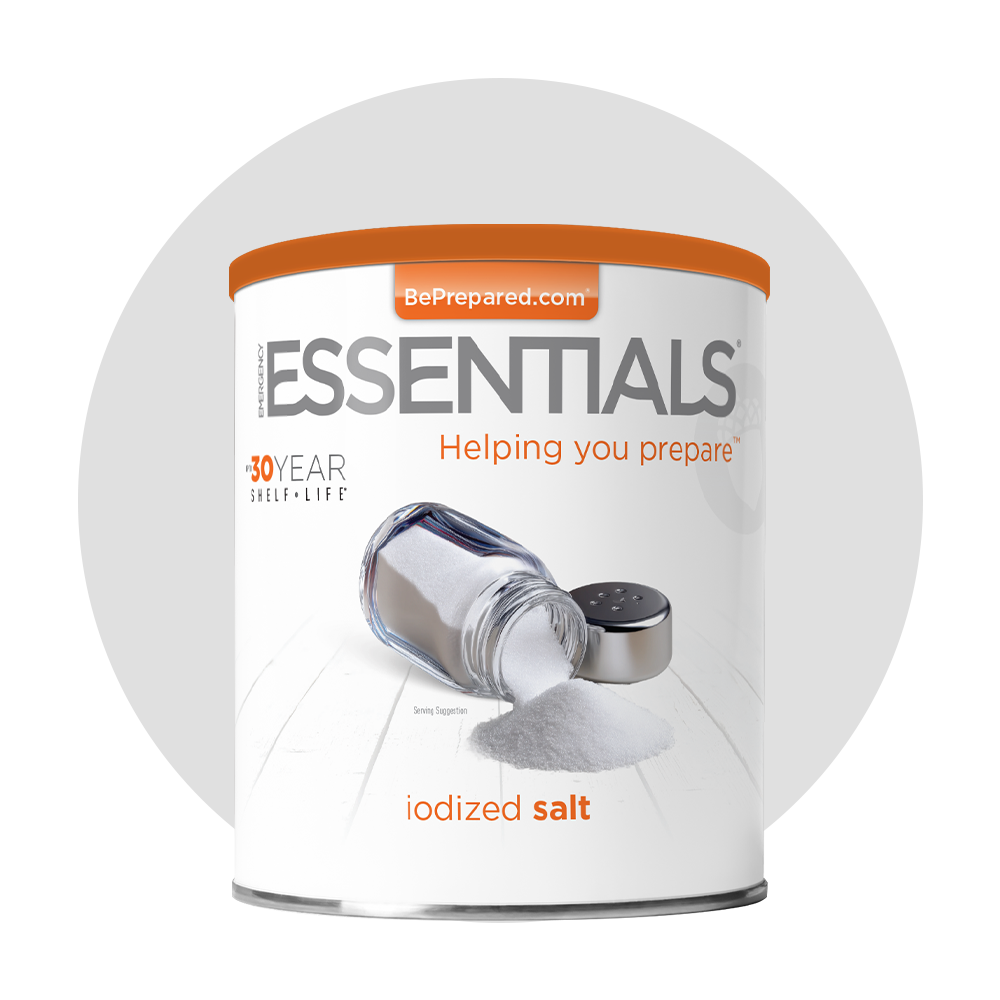
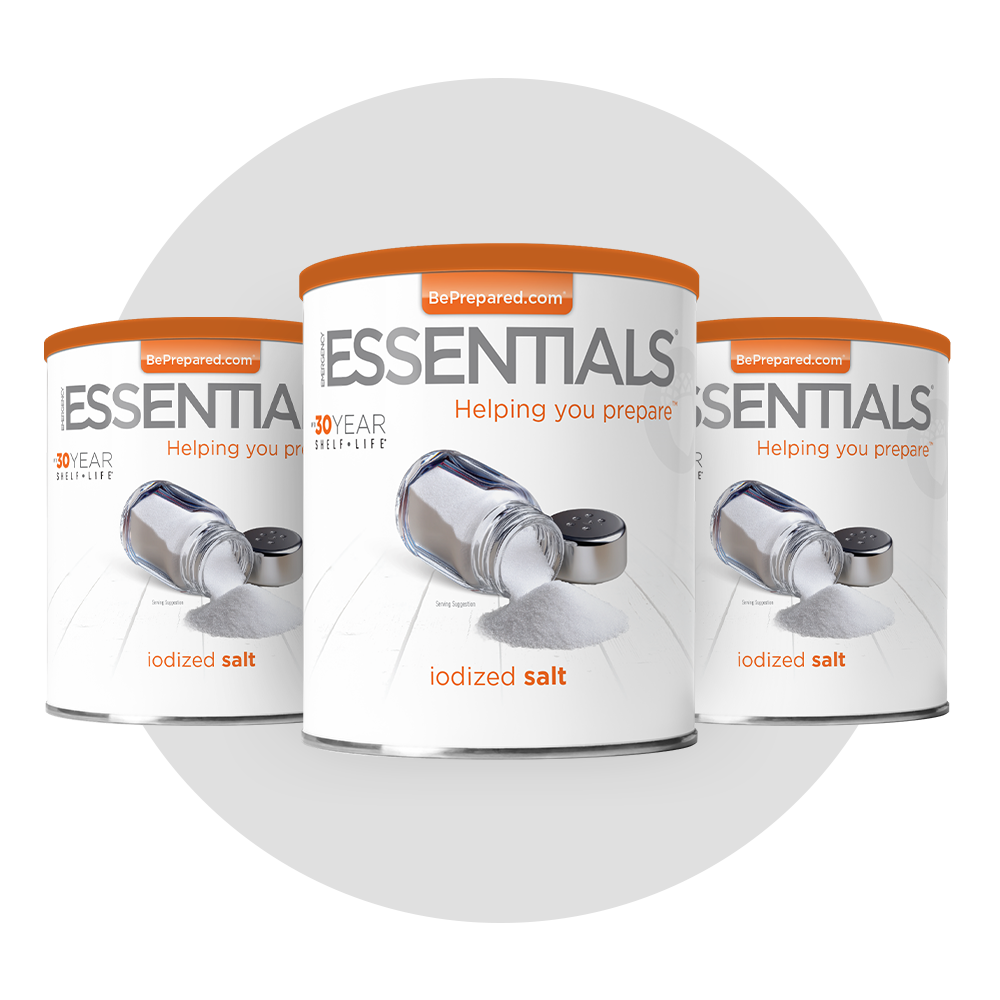
Emergency Essentials is transitioning to using granulated salt without added iodide in its food products, except for products specifically identified as containing iodized salt, including the #10 can of Iodized Salt.
Why do you use oxygen absorbers or desiccants, and are they food-safe?
Some products contain oxygen absorbers or desiccants to help protect food quality and extend shelf life.
Oxygen absorbers remove oxygen from sealed packaging, helping reduce oxidation, spoilage, mold growth, and insect activity. Desiccants absorb excess moisture to help keep foods dry and maintain their quality.
The packets used in our food packaging are food-grade and meet applicable FDA requirements. They may contain commonly used materials such as salt, activated carbon, silica, and iron oxide. Their contents are Generally Recognized as Safe (GRAS) for their intended use. However, the packets themselves are not edible and should be removed and discarded after opening the package.
Our foods are processed at a facility that meets or exceeds applicable standards established by organizations and programs including SQF, USDA, FDA, the Global Food Safety Initiative (GFSI), and HACCP.
Where can I find allergen information?
Allergen information is provided in the Nutrition Information section of the product label and on the individual product page. Always review the information for the specific item before purchasing or consuming it.
Where can I find nutrition and ingredient information?
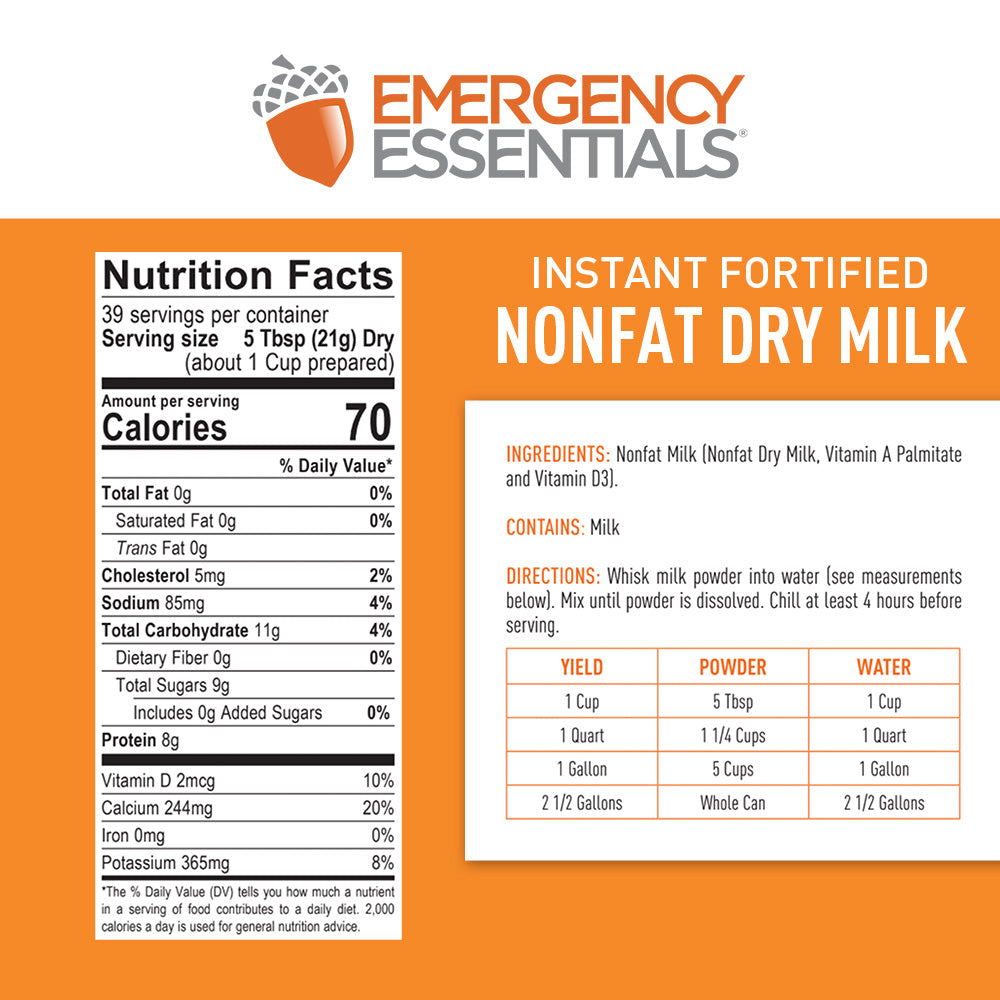
Nutrition facts and ingredient information are printed on product labels and included in the nutrition section of individual product pages. For kits and assortments, review the information provided for each included food item.
Planning & Support
How do I calculate how much emergency food my family needs?
Start by considering the number of people in your household, the number of days you want to prepare for, and the daily calories each person may need. Preparedness advisers commonly recommend working toward at least a three-month food supply for each household member.
Many preconfigured emergency food kits are calculated for one person based on approximately 2,000 calories per day. For example, a three-month kit designed for one person would provide approximately six weeks of food when shared equally between two people.
Because calorie counts and serving sizes vary, review the product details and total calories included when comparing individual foods, #10 cans, bundles, and emergency food kits.
What should I do if my food products arrive damaged?
Inspect all cans, pouches, buckets, and other packages when they arrive. Do not use food from packaging that is open, leaking, punctured, unsealed, swollen, or otherwise compromised.
A can with a small dent may still be safe if the seal and seams remain intact. However, deeply dented cans, cans with dents along the top or side seams, leaking cans, and swollen cans should not be used.
If any food product arrives damaged, contact Customer Service and provide a photo of the damage so the team can evaluate the item and assist with a replacement.